
Business
Factbox-Some trades ahead of Trump policy moves raise questions



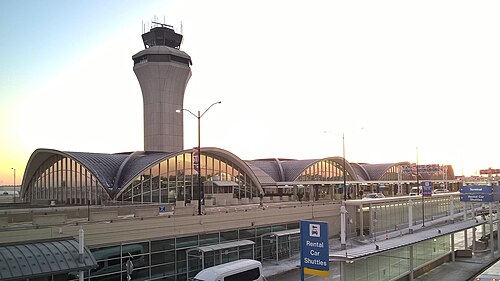
ST. LOUIS — Travelers passing through St. Louis Lambert International Airport are experiencing relatively short TSA security wait times in late March 2026, with most checkpoints reporting averages of under 15 minutes even as spring break and Easter travel periods approach.

The airport’s official website currently lists estimated TSA wait times at Terminal 1 between 0 and 8 or 10 minutes, with full body scanners available at every checkpoint. Airport director Rhonda Hamm-Niebruegge confirmed last week that average waits hover around seven to 10 minutes, describing operations as normal despite broader national concerns about staffing and lines at other major hubs.
Real-time trackers show similar figures. Independent monitors report current standard security waits around 8 to 12 minutes, with TSA PreCheck lanes often clearing in about five minutes or less. Peak morning hours from 5 a.m. to 9 a.m. and evening rushes can push standard lines toward 20-30 minutes on busier days, but Lambert has avoided the extended delays seen at some larger airports this spring.
The Transportation Security Administration advises passengers to arrive at STL two hours before domestic flights and three hours during peak periods such as spring break or holidays. With Easter Sunday falling on April 5 and Good Friday on April 3, officials expect increased volume in the coming week as families head out for long weekends or religious observances.
Lambert serves as a major hub for Southwest Airlines and handles significant traffic from American, United, Delta and other carriers. The airport features two terminals, with Terminal 1 handling most mainline operations and Terminal 2 primarily for certain regional flights. Security checkpoints are located in both, though most international and larger domestic flights depart from Terminal 1.
Unlike some airports affected by recent federal staffing discussions or Immigration and Customs Enforcement activity, Lambert has reported no significant disruptions or added agents impacting checkpoint flow. Hamm-Niebruegge emphasized in a statement that TSA staffing remains stable and checkpoints are operating smoothly.
How to Check Live Wait Times
Travelers can monitor real-time estimates directly on the airport’s website at flystl.com under the TSA Security section. Third-party apps and sites such as the MyTSA app (though national TSA reporting has faced occasional interruptions), takeofftimer.com, and others provide live updates based on traveler reports and airport data.
The MyTSA app offers historical averages and allows users to report their own experiences, though it currently relies more on airport-provided information for many locations. Lambert’s site displays estimated ranges rather than exact seconds, noting that MyTSA shows maximum historical waits within a given window.
CLEAR and TSA PreCheck remain popular options for faster screening. PreCheck enrollment allows eligible passengers to keep shoes, belts and light jackets on while using dedicated lanes. CLEAR provides biometric fingerprint or iris scanning to skip document checks. Both services are available at STL and can cut wait times substantially during busier periods.
Tips for Smooth Security at Lambert
Airport officials and TSA recommend several steps to minimize delays:
- Remove liquids, gels and aerosols (3.4 ounces or smaller) and place them in a clear quart-sized bag.
- Take laptops and large electronics out of carry-on bags.
- Empty pockets and remove belts, watches and bulky jewelry before reaching the scanner.
- Wear easily removable shoes.
- Prepare for possible pat-downs or additional screening if carrying medical devices or prohibited items.
Full-body scanners are in use at all lanes, and travelers may opt out in favor of a pat-down. Prohibited items lists remain strictly enforced, with recent reminders about firearms, large batteries and certain sports equipment.
During spring break, which overlaps with Easter travel for many schools, Lambert urges passengers to build in extra time. School holidays in Missouri and surrounding states typically drive family trips, increasing passenger volume midweek and on weekends.
Broader Travel Context
Lambert handled strong holiday traffic earlier in 2026, with TSA projecting tens of thousands of passengers around Christmas and New Year’s. Post-holiday surges saw more than 90,000 travelers in some periods, yet the airport managed without major reported backups.
Spring travel often brings steadier but still elevated numbers compared to deep winter months. With Easter on April 5, the preceding Good Friday and following Easter Monday create a four-day weekend for many, likely boosting both departing and arriving traffic.
The airport continues infrastructure improvements, including ongoing terminal modernizations that aim to improve flow and passenger experience. New concessions, updated signage and better wayfinding help reduce confusion that can sometimes slow security lines.
Parking and ground transportation options at Lambert include on-site garages, economy lots with shuttles, rideshares and the MetroLink light rail connection, which provides a car-free option for some travelers. Officials recommend checking parking availability in advance during busy periods.
What Affects Wait Times
Several factors influence TSA lines at STL and other airports:
- Time of day: Early morning departures (5-8 a.m.) and late afternoon/evening rushes tend to see longer lines.
- Day of the week: Mondays and Fridays often busier for business and leisure travel.
- Weather disruptions: Delayed incoming flights can create bunching at security for connecting passengers.
- Staffing levels: While Lambert reports stable operations, national TSA challenges occasionally ripple outward.
- Passenger preparedness: Travelers unfamiliar with screening rules or carrying excessive carry-ons slow the process.
Lambert generally ranks as one of the more efficient mid-sized airports for security screening. Average waits of 10-25 minutes place it ahead of many larger hubs where 30-60 minute lines are more common during peaks.
Looking Ahead
As Easter approaches, Lambert and TSA will monitor volume closely. No major construction projects are scheduled to impact checkpoints in early April, but travelers should check the airport website or app for any last-minute advisories.
For those with tight connections or early flights, arriving earlier than the standard two hours provides a safety buffer. Families with children or travelers needing assistance can request expedited help through airline staff or TSA.
Travelers with disabilities or medical conditions should review TSA Cares resources in advance for accommodations.
Lambert International continues to serve as a convenient gateway for the St. Louis region and Midwest travelers, with nonstop flights to dozens of domestic destinations and some international options.
With current short wait times and proactive guidance from airport officials, most passengers can expect a straightforward security experience — provided they arrive prepared and allow recommended lead time.
As spring break and Easter travel ramp up, checking live wait times on flystl.com or trusted trackers remains the best way to plan. Lambert’s relatively smooth operations offer reassurance for those flying through Missouri’s primary airport in the busy weeks ahead.
AMD: Helium Shortage Is The Least Of Its Problems

With NASA’s Artemis II mission on the verge of launching as early as April 1, 2026, the four astronauts selected for humanity’s first crewed journey beyond low-Earth orbit in more than 50 years are drawing global attention. Commander Reid Wiseman, pilot Victor Glover, mission specialist Christina Koch and Canadian Space Agency astronaut Jeremy Hansen arrived at Kennedy Space Center on March 27 for final preparations, stepping into a pivotal role that will test the Orion spacecraft and pave the way for future lunar landings.

NASA
Here are 10 essential things to know about the Artemis II crew as they prepare for an approximately 10-day flight that will send them looping around the Moon on a free-return trajectory.
1. Diverse Crew Marks Historic Firsts
The Artemis II crew represents a deliberate step toward broader representation in deep-space exploration. Glover will become the first Black astronaut to travel to the vicinity of the Moon. Koch will be the first woman to venture that far from Earth. Hansen will be the first non-American and first Canadian to fly on a lunar mission. Wiseman, a veteran commander, rounds out the international team. Their selection moves beyond the Apollo era’s narrow demographic of mostly White American male military pilots.
2. Reid Wiseman: Navy Test Pilot and Mission Commander
Reid Wiseman, a U.S. Navy test pilot selected by NASA in 2009, will command the mission. He previously spent 165 days aboard the International Space Station in 2014. A single father, Wiseman brings leadership experience and calm under pressure to the crew. He has described the mission as a critical test flight that will gather essential data for future Artemis landings. Wiseman and his crewmates flew T-38 jets from Houston to Kennedy Space Center on March 27 as final countdown activities intensified.
3. Victor Glover: First Black Astronaut Headed to Deep Space
Victor Glover, a naval aviator and test pilot selected in 2013, serves as pilot. He flew aboard the SpaceX Crew-1 mission to the ISS in 2020-2021, becoming the first Black astronaut to spend an extended period on the station. On Artemis II, Glover will make history again as the first person of color to travel beyond low-Earth orbit toward the Moon. His perspective emphasizes the mission’s role in inspiring future generations from diverse backgrounds.
4. Christina Koch: Record-Holding Astronaut and First Woman to the Moon
Christina Koch, an electrical engineer selected in 2013, holds the record for the longest single spaceflight by a woman — 328 days aboard the ISS in 2019-2020. She also participated in the first all-female spacewalk. As a mission specialist on Artemis II, Koch will become the first woman to fly around the Moon. Her engineering expertise and endurance in space make her a key contributor to testing Orion’s life-support and operational systems during the flight.
5. Jeremy Hansen: Canada’s First Deep-Space Astronaut
Jeremy Hansen, a fighter pilot and colonel in the Canadian Armed Forces, was selected by the Canadian Space Agency in 2009. He will become Canada’s first astronaut to travel beyond low-Earth orbit. Hansen has trained extensively with his NASA crewmates and brings international collaboration to the mission. He has spoken about the pride Canadians feel and the scientific observations the crew will conduct during the lunar flyby.
6. Mission Focus: Testing Orion for Human Deep-Space Travel
Artemis II is primarily a test flight. The crew will not land on the Moon but will travel approximately 685,000 miles (about 1.1 million kilometers) on a trajectory that uses the Moon’s gravity to sling them back toward Earth. They will evaluate Orion’s life support, navigation, communication and re-entry systems in the harsh environment of deep space. Data collected will inform Artemis III and subsequent landings.
7. Launch and Timeline Details
The mission is targeted for liftoff no earlier than April 1, 2026, from Launch Complex 39B at Kennedy Space Center aboard the massive Space Launch System rocket. Daily two-hour launch windows are available through early April, with backup opportunities later in the month. The roughly 10-day flight will include a close lunar flyby, during which the astronauts will photograph the surface, observe geological features and conduct science activities from a unique vantage point.
8. Life Aboard Orion: Tight Quarters and Daily Routine
The four astronauts will live inside the Orion spacecraft, which has a habitable volume roughly the size of a minivan. They will sleep in bags attached to the walls, eat a menu that includes Canadian food items selected by the crew, and follow a structured schedule averaging eight hours of sleep. The first 26 hours after launch will be especially busy as they establish orbit, check systems and begin the journey toward the Moon. Laser communications will be tested for the first time on a crewed deep-space mission.
9. Extensive Training and Backup Support
The crew has trained together since their announcement in 2023, mastering every aspect of the mission, including emergency procedures and spacesuit operations that could sustain them for up to 144 hours in a loss-of-cabin-pressure scenario. Backup astronauts Andre Douglas and Jenni Gibbons accompanied the prime crew during recent activities and stand ready to step in if needed. The team entered quarantine in mid-March to protect health ahead of launch.
10. Broader Significance for Artemis Program and Beyond
Artemis II represents the first crewed step in NASA’s plan to establish a sustained lunar presence and eventually send humans to Mars. The mission builds on the uncrewed Artemis I success and will demonstrate that Orion can safely carry humans far from Earth. International partners, including Canada, play key roles through the Artemis Accords. The crew’s journey will also inspire global audiences, sending a message of unity and progress in space exploration more than five decades after Apollo 17.
As the astronauts complete final preparations at Kennedy Space Center, excitement continues to build. NASA plans extensive live coverage of launch and mission events. The crew has expressed gratitude for the opportunity and confidence in the teams supporting them on the ground.
Wiseman, Glover, Koch and Hansen embody the next chapter of human spaceflight — one defined by diversity, rigorous testing and ambitious goals. Their successful flight around the Moon would mark a historic return to deep space and set the stage for astronauts to once again walk on the lunar surface later this decade.
With launch opportunities opening soon, the world will watch as these four astronauts embark on a journey that stretches the boundaries of exploration and brings humanity one step closer to a multi-planetary future.

BlackRock Dynamic High Income Fund Q4 2025 Commentary


Michael Kramer is the founder of Mott Capital, and is a long-only investor who focuses on macro themes and studies trends and options activities to identify and assess entry and exit points for investments in his long-term focused thematic growth strategy. He is a former buy-side trader, analyst, and portfolio manager with 30 years of experience tracking market technicals, fundamentals, and options.Michael Kramer leads the investing group Reading the Markets, where he helps a devoted following of members to better understand what is driving trading and where the market is likely heading, both the short and long-term. Features of the investing group include: daily written commentary and videos analyzing the driving factors behind price action; general macro trend education to help members make well-informed decisions based on market conditions, interest rates, currency movements and how they all interact; chat for questions and community dialogue; and regular Zoom videos sessions to discuss current ideas and answer questions. The level of access RTM subscribers and the expertise of the source are unprecedented given that the subscription price is a fraction of similar technical coaching and mentoring services. Learn more.
Analyst’s Disclosure: I/we have no stock, option or similar derivative position in any of the companies mentioned, and no plans to initiate any such positions within the next 72 hours. I wrote this article myself, and it expresses my own opinions. I am not receiving compensation for it (other than from Seeking Alpha). I have no business relationship with any company whose stock is mentioned in this article.
This report contains independent commentary to be used for informational and educational purposes only. Michael Kramer is a member and investment adviser representative with Mott Capital Management. Mr. Kramer is not affiliated with this company and does not serve on the board of any related company that issued this stock. All opinions and analyses presented by Michael Kramer in this analysis or market report are solely Michael Kramer’s views. Readers should not treat any opinion, viewpoint, or prediction expressed by Michael Kramer as a specific solicitation or recommendation to buy or sell a particular security or follow a particular strategy. Michael Kramer’s analyses are based upon information and independent research that he considers reliable, but neither Michael Kramer nor Mott Capital Management guarantees its completeness or accuracy, and it should not be relied upon as such. Michael Kramer is not under any obligation to update or correct any information presented in his analyses. Mr. Kramer’s statements, guidance, and opinions are subject to change without notice. Past performance is not indicative of future results. Neither Michael Kramer nor Mott Capital Management guarantees any specific outcome or profit. You should be aware of the real risk of loss in following any strategy or investment commentary presented in this analysis. Strategies or investments discussed may fluctuate in price or value. Investments or strategies mentioned in this analysis may not be suitable for you. This material does not consider your particular investment objectives, financial situation, or needs and is not intended as a recommendation appropriate for you. You must make an independent decision regarding investments or strategies in this analysis. Upon request, the advisor will provide a list of all recommendations made during the past twelve months. Before acting on information in this analysis, you should consider whether it is suitable for your circumstances and strongly consider seeking advice from your own financial or investment adviser to determine the suitability of any investment.
Seeking Alpha’s Disclosure: Past performance is no guarantee of future results. No recommendation or advice is being given as to whether any investment is suitable for a particular investor. Any views or opinions expressed above may not reflect those of Seeking Alpha as a whole. Seeking Alpha is not a licensed securities dealer, broker or US investment adviser or investment bank. Our analysts are third party authors that include both professional investors and individual investors who may not be licensed or certified by any institute or regulatory body.

Easter Sunday 2026 will be celebrated on Sunday, April 5, marking the resurrection of Jesus Christ for billions of Christians worldwide. Good Friday falls on Friday, April 3, commemorating the crucifixion, with the full Holy Week unfolding from Palm Sunday on March 29 through Easter.

The movable feast, determined by a complex formula involving the first full moon after the spring equinox, lands relatively early in 2026. While Western Christian denominations following the Gregorian calendar observe Easter on April 5, most Eastern Orthodox churches using the Julian calendar will celebrate on Sunday, April 12.
This year’s timing places Easter just after the April school holidays begin in many regions and coincides with heightened travel and retail activity. Families across the United States, Europe, Australia and beyond are already planning gatherings, egg hunts, church services and festive meals.
Key 2026 Easter Dates (Western/Gregorian Calendar)
- Palm Sunday: Sunday, March 29 — Marks Jesus’ triumphal entry into Jerusalem, often observed with palm frond processions.
- Maundy Thursday (Holy Thursday): Thursday, April 2 — Commemorates the Last Supper and the washing of the feet.
- Good Friday: Friday, April 3 — A solemn day of mourning and reflection on the crucifixion. Many Christians attend services featuring the Stations of the Cross or Passion readings.
- Holy Saturday: Saturday, April 4 — A day of waiting and preparation, sometimes marked by Easter Vigil services that begin after sundown.
- Easter Sunday: Sunday, April 5 — The central celebration of resurrection, joy and new life.
- Easter Monday: Monday, April 6 — Observed as a public holiday in many countries, including parts of Europe, Canada and Australia.
Good Friday is recognized as a state holiday in several U.S. states, including Connecticut, Delaware, Hawaii, Indiana, Kentucky, Louisiana, North Carolina, North Dakota, New Jersey, Tennessee and Texas, where many government offices, schools and businesses may close or operate on reduced hours. It is not a federal holiday nationwide.
In Australia, Good Friday on April 3 and Easter Monday on April 6 are national public holidays, with Easter Saturday and Sunday also carrying special significance. Many businesses close, and long weekends drive domestic tourism. Similar patterns appear in the United Kingdom, Canada and much of Europe, where Easter Monday often provides an extra day off.
The date of Easter has varied widely throughout history. It can fall as early as March 22 or as late as April 25. In 2026, April 5 sits comfortably in the middle of that range, avoiding the extremes seen in other years. The calculation, rooted in early Church councils, aims to align the celebration with the Jewish Passover while ensuring it falls on a Sunday.
For Eastern Orthodox Christians, the later April 12 date reflects continued use of the older Julian calendar for determining the equinox and full moon. This creates a one-week gap in 2026 between Western and Eastern observances, a common occurrence that sometimes leads to shared or staggered family celebrations in interdenominational households.
Religious and Cultural Significance
Easter stands as Christianity’s most important holy day, surpassing even Christmas in theological weight for many believers. It celebrates the core tenet of the faith: Jesus rising from the dead three days after his crucifixion, offering hope of eternal life.
Lent, the 40-day period of fasting, prayer and repentance leading up to Easter, began on Ash Wednesday, February 18, in 2026. Many Christians give up indulgences or adopt spiritual disciplines during this time. Holy Week intensifies these observances, with daily services guiding the faithful through the final days of Jesus’ earthly ministry.
In addition to worship, cultural traditions enrich the holiday. Children anticipate Easter egg hunts, chocolate bunnies and baskets filled with treats. Families gather for ham dinners, lamb roasts or seafood feasts depending on regional customs. In some communities, sunrise services or elaborate pageants retell the resurrection story.
Retailers and the travel industry ramp up promotions well in advance. Candy makers, greeting card companies and florists see significant sales spikes. Airlines and hotels report increased bookings for long weekends, particularly around the April 3-6 period.
Practical Considerations for 2026
With Easter falling on April 5, the preceding Friday (April 3) and following Monday (April 6) create an extended weekend for many workers. Parents should check school calendars, as some districts schedule breaks around the holiday. In Victoria, Australia, for example, recent announcements of free public transport throughout April may ease travel for families attending services or visiting relatives.
Travelers are advised to book early, as demand typically surges. Road congestion, airport delays and crowded public transit are common during peak holiday periods. Those observing religious fasts or dietary restrictions during Holy Week should plan meals accordingly.
Churches across denominations encourage attendance at special services. Many offer online streaming options for those unable to attend in person due to health, mobility or scheduling issues. Clergy remind congregants that Easter extends beyond one day into the Easter season, which continues for 50 days until Pentecost.
Broader Context and Interfaith Awareness
While Easter holds profound meaning for Christians, awareness of its dates helps foster respect in diverse workplaces and communities. Employers in multicultural settings often accommodate requests for time off on Good Friday or Easter Monday. Schools and universities may adjust exam schedules or events.
Interfaith organizations note that Easter sometimes overlaps with other spring observances, such as Passover or secular spring festivals, creating opportunities for dialogue and shared community events.
For those tracking the liturgical calendar, resources like official church websites or calendar apps provide precise service times and readings. The Old Farmer’s Almanac and timeanddate.com remain popular references for confirming movable feast dates years in advance.
As March 2026 draws to a close, anticipation builds for Holy Week. Retail shelves overflow with pastel-colored candies and decorations. Weather forecasts for early April will influence outdoor plans, from backyard egg hunts to community parades.
Easter’s message of renewal resonates particularly in spring, when many regions experience blooming flowers and longer daylight hours. For millions, the holiday blends deep faith with joyful family traditions that span generations.
Whether observed solemnly or festively, Easter 2026 on April 5 offers a moment of reflection and celebration. Good Friday on April 3 serves as a poignant reminder of sacrifice, while the resurrection on Easter Sunday points to hope and new beginnings.
Communities worldwide prepare to mark the occasion in churches, homes and public spaces. As the dates approach, families and individuals are encouraged to check local schedules for services, closures and events to make the most of the meaningful season.

After having been in the investing world for more than 25 years from private banking and investment management to private and venture capital; I have pretty much “been there and done that” at one point or another. I am currently a partner at RIA Advisors in Houston, Texas. The majority of my time is spent analyzing, researching and writing commentary about investing, investor psychology and macro-views of the markets and the economy. My thoughts are not generally mainstream and are often contrarian in nature but I try an use a common sense approach, clear explanations and my “real world” experience in the process. I am a managing partner of RIA Pro, a weekly subscriber based-newsletter that is distributed to individual and professional investors nationwide. The newsletter covers economic, political and market topics as they relate to your money and life. I also write a daily blog which is read by thousands nationwide from individuals to professionals at www.realinvestmentadvice.com.
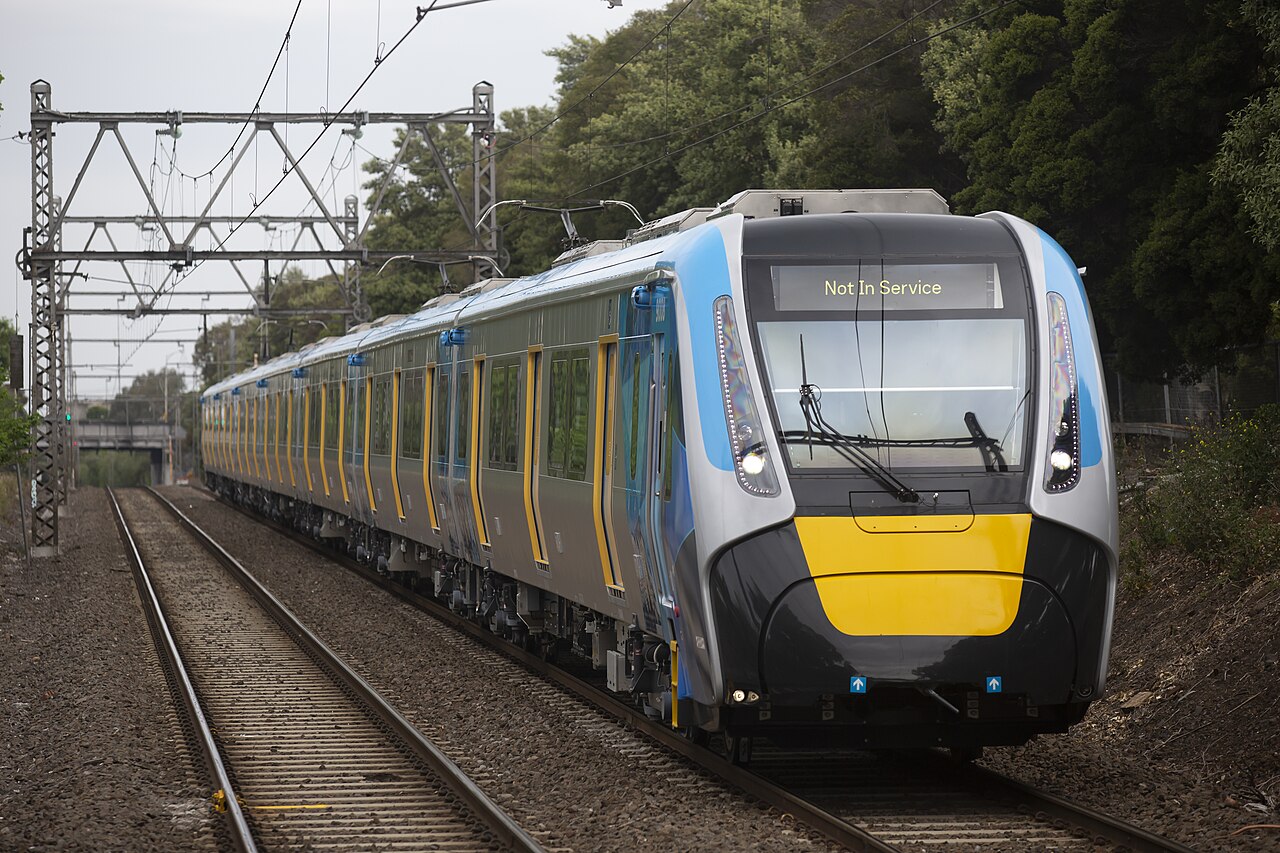
MELBOURNE, Australia — Victorians will ride trains, trams and buses for free throughout April as the state government moves to ease cost-of-living pressures amid soaring fuel prices and supply shortages that have pushed petrol costs near $3 per liter and left some stations dry.
The Allan government announced Sunday that all metropolitan and regional public transport services — including Melbourne’s trains, trams and buses plus V/Line trains, coaches and regional town buses — will be fare-free from Tuesday, March 31, through Thursday, April 30. Passengers will not need to tap on or off with their myki cards during the period, though those who do will not be charged.

Premier Jacinta Allan described the month-long initiative as a “temporary measure” to take pressure off household budgets and reduce demand at the petrol pump. “It won’t solve every problem, but it is an immediate step I can take to help Victorians right now,” she said.
The policy, estimated to cost the state around $70 million, comes as fuel prices climb due to global supply disruptions linked to conflict in the Middle East. Unleaded petrol in Victoria has approached or exceeded $3 per liter in some areas, with reports of more than 100 fuel stations running dry or limiting sales. Similar cost-of-living relief measures were announced in Tasmania, where free public transport will extend until the end of June or July.
Transport Minister Harriet Shing said the move aims to encourage drivers to leave their cars at home, potentially easing road congestion and fuel demand during the April school holidays and Easter period. “We want to make it as easy as possible for people to choose public transport,” she told reporters.
Free travel covers all trips solely within Victoria, with limited exceptions for cross-border services to Albury, Mount Gambier and Deniliquin. Seat reservations on V/Line services will not be available during the free period. Public Transport Victoria has directed operators to open gates and disable fare enforcement for the month.
The announcement follows calls from the Victorian Greens earlier in March for fare relief as fuel prices escalated. Opposition parties offered mixed reactions, with some welcoming the help for families while questioning the long-term strategy and fiscal impact. NSW and Western Australia have not announced similar measures, leaving commuters in those states to continue paying fares.
For a typical full-fare commuter traveling five days a week, the initiative could save up to $250 in April compared with normal myki daily caps of around $11.40. Monthly or yearly pass holders may see proportional relief depending on their usage.
Public transport advocates welcomed the trial as a bold experiment that could demonstrate the benefits of more affordable or fare-free systems. “This gives us a real-world look at what happens when barriers to public transport are removed,” said one Melbourne-based transport researcher. Increased ridership is expected, particularly for leisure trips during the school holidays, though officials have urged patience if services become busier than usual.
Concerns have been raised about potential overcrowding on popular routes. The government said it would monitor demand and work with operators to add services where needed. Past short-term fare-free periods in other cities have shown spikes in usage, especially among occasional riders and tourists.
The policy arrives against a backdrop of broader cost-of-living challenges in Australia. Households are grappling with higher grocery prices, energy bills and mortgage costs, making any relief at the pump or on transport welcome for many. Fuel prices have fluctuated sharply in recent weeks, with some regional areas hit harder than metropolitan Melbourne.
Economists noted that while free public transport provides immediate relief, it does not address underlying supply issues driving fuel costs. Global oil markets remain volatile, and analysts say sustained high prices could influence consumer behavior longer term, including greater interest in electric vehicles and active transport.
Victoria has invested heavily in public transport infrastructure in recent years, including new metro rail projects and tram extensions. The Allan government pointed to those upgrades as evidence of its commitment to better services, with the April free month framed as a bridge to encourage more people to make public transport a habit.
Opposition transport spokesperson David Hodgett called the announcement a “short-term gimmick” and urged the government to focus on fixing reliability issues and delivering promised infrastructure on time. “Victorians need permanent solutions, not one-month band-aids,” he said.
Environmental groups praised the environmental upside, saying reduced car use during April could cut emissions and ease pressure on roads. “Getting people onto trains and trams instead of sitting in traffic is a win for clean air and congestion,” a spokesperson for one sustainability organization said.
For regional Victorians, the free V/Line services could prove particularly valuable, offering relief for longer commutes or trips to Melbourne. Intertown and regional town bus services are also included, broadening the reach across the state.
Travelers are advised to check PTV apps and websites for any service changes or crowding alerts. While myki cards can still be used, there is no requirement to tap during the free period. International visitors and interstate travelers within the eligible routes can also benefit.
The initiative coincides with Easter and school holidays, traditionally busy travel periods. Officials hope the free fares will spread demand across the network rather than concentrating it on roads.
As April 30 approaches, the government has not ruled out extensions if fuel prices remain elevated, though Allan described the current plan as strictly time-limited. Longer-term discussions about fare structures, including ideas like permanent concessions or distance-based pricing, may gain traction depending on ridership data collected during the free month.
Public reaction on social media has been largely positive, with many Victorians expressing relief and plans to use trains and trams more frequently for work, shopping or family outings. Some expressed skepticism about whether the system can handle a surge without delays or safety issues.
The Victorian government urged people to plan journeys in advance and consider off-peak travel where possible. Additional cleaning and staffing measures are being considered to maintain service quality.
This marks one of the most significant temporary public transport interventions in Victoria’s history, testing the appetite for fare reform in a state with an extensive rail and tram network.
As fuel prices continue to fluctuate and global supply concerns persist, the April free transport trial will provide valuable insights into how price signals influence travel choices. For now, Victorians have a full month to experience public transport without the usual fare burden — a break that many hope will deliver both financial relief and a shift toward more sustainable commuting.

Newmont: The Silver Medal In Gold Mining, And That's Not A Bad Thing
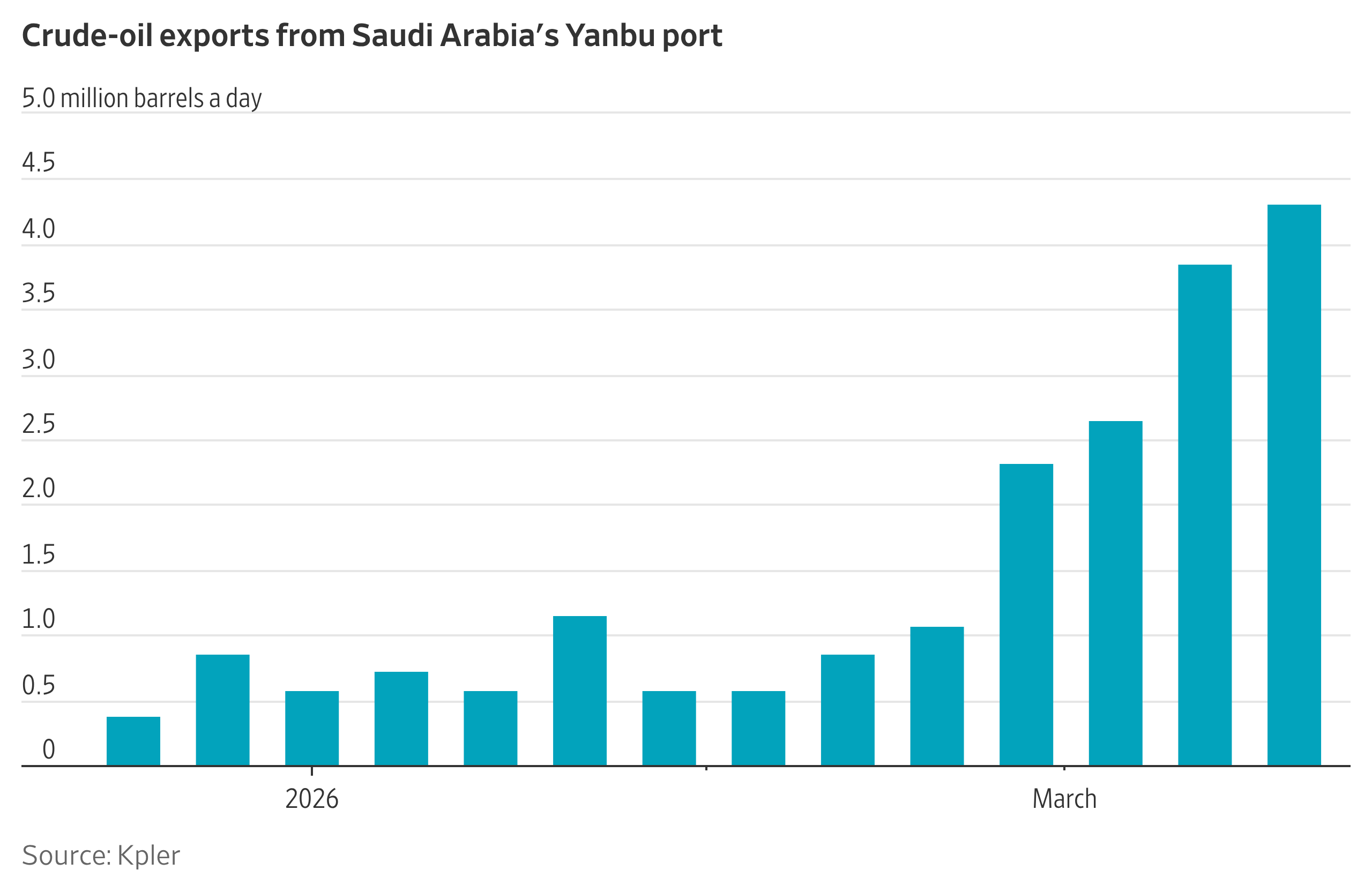
The oil market could be pushed into deeper turmoil if Yemen’s Houthi militants resume attacks on shipping in the Red Sea. The group’s previous campaign against international shipping disrupted trade by forcing tankers and container ships to take longer routes to and from Asia. Now, energy analysts warn that renewed attacks could remove a significant volume of oil from global supply and drive up prices.
Saudi Arabia has been diverting as much crude oil as possible away from the Persian Gulf to its Red Sea port of Yanbu, from where cargoes are shipped mostly to Asia. While this hasn’t fully offset volumes unable to transit the Strait of Hormuz, it has helped limit the rise in global oil prices.
If Houthi attacks make it too dangerous for tankers to approach Yanbu, several more million barrels of crude each day would be stranded in the Middle East, analysts say. Saudi Arabia might then be forced to join Kuwait and Iraq in slashing production.

All iPhone 18 models will get a smaller Dynamic Island, says optimistic leak

Tributes paid to ‘beautiful, bubbly girl’ who died in Leeds as murder probe launched

St. Louis Lambert International Airport TSA Wait Time Averages of Under 15 Minutes


-
 NewsBeat4 days ago
Manchester United reach agreement with Casemiro over contract clause amid transfer speculation
-

 News Videos4 days ago
Parliament publishes latest register of MPs’ financial interests
-

 Sports6 days ago
Remo Stars and Kano Pillars Strengthen Survival Hopes in NPFL
-

 Sports6 days ago
Gary Kirsten Accuses Pakistan Cricket Board Of ‘Interference’, Mohsin Naqvi Responds
-

 Tech7 days ago
Give Your Phone a Huge (and Free) Upgrade by Switching to Another Keyboard
-

 Tech7 days ago
AI enters the chat: New Seattle dating app relies on tech to facilitate meaningful human connections
-

 Business3 days ago
Instagram, YouTube Found Responsible for Teen’s Mental Health Struggle in Historic Ruling
-

 News Videos6 days ago
Ch 9 Financial Management Part 1 | Detailed One Shot | Class 12 Business Studies Boards 2026
-

 NewsBeat2 days ago
The Story hosts event on Durham’s historic registers
-
 NewsBeat4 days ago
Tesco is selling new Cadbury Dairy Milk bar and people can’t wait to try it
-

 Tech6 days ago
Samsung will soon let you control smart home devices from your car’s dashboard
-

 Sports6 days ago
2026 Kentucky Derby horses, odds, futures, preview, date: Expert who hit 12 Derby-Oaks Doubles enters picks
-
 Entertainment18 hours ago
Lana Del Rey Celebrates Her Husband’s 51st Birthday In New Post
-
 Entertainment6 days ago
Cynthia Bailey Dishes on ‘RHOA’ Season 17, Discusses Kandi
-

 Fashion5 days ago
Does It Matter What You Wear When You’re Laid Off and Looking?
-
 NewsBeat6 days ago
Colombian military plane with 110 soldiers onboard crashes following takeoff
-

 Business5 days ago
More women enter wealth management, but few in advisory roles: study
-

 Sports4 days ago
Fantasy Baseball Week 1 Preview: Top sleeper hitters for both five- and 12-day period led by Munetaka Murakami
-

 Politics6 days ago
How Media Platforms Balance Performance and Accessibility in Image Delivery
-

 Business5 days ago
Late-paying firms face multimillion-pound fines under new crackdown
You must be logged in to post a comment Login