

Business
Focus on structural trends, ignore market noise: Hiren Ved

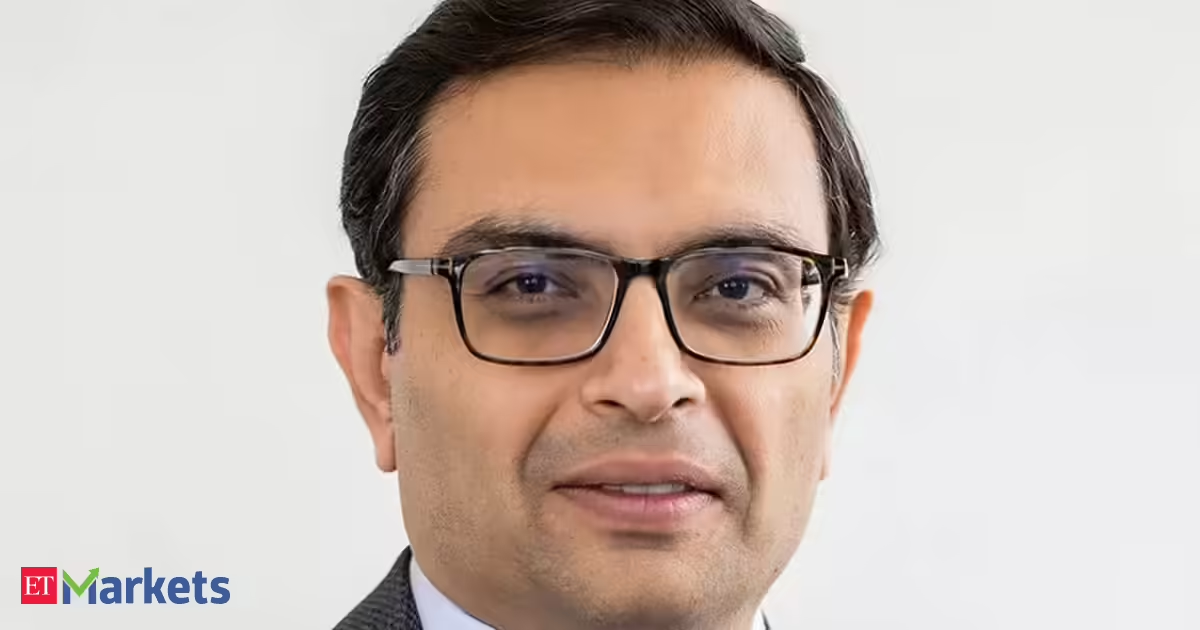
Speaking on the current investment landscape to ET Now, Hiren Ved, from Alchemy Capital Management, argued that while markets are efficient in pricing news, they often struggle to accurately assess the long-term implications behind those headlines.
Responding to a question from Ayesha Faridi from ET Now on whether markets have already factored in the repercussions likely to unfold over the next six months, Ved highlighted the distinction between narratives and reality.
“In today’s day and time, news gets discounted very quickly. But there is a difference between discounting news and trying to discount reality. And sometimes there is a gap between the two because, as I said, the narrative builds up, and the narrative may be right or it may be wrong. Only with time and in hindsight do you get to know that.”
Ved noted that investors frequently react sharply to headlines, often overlooking broader structural developments. He cited the market’s reaction following the 2024 general election as an example.

“In mid-2024, when the expectation was that this government would get a complete majority and they did not, while they had to take support from their NDA partners, suddenly the theme on defence and capex just gave way because people immediately reacted to that news to say that ab to capex nahi hoga. Everybody, if you remember, went and bought consumer stocks.”
However, he pointed out that the reality eventually reasserted itself.”Maybe these sectors or companies underperform for a year, but the reality caught on and the trend reasserted itself.”
According to Ved, successful long-term investing requires patience and conviction rather than reacting to every headline.
“I do not think long-term investing works that way. You have to sometimes step back, think, and really understand. Finally, what I have seen over the years in the markets is that numbers speak for themselves. Narratives can come and go, news can be good or bad, but it is finally the numbers that matter.”
Using oil prices as an example, Ved said markets often reveal reality more effectively than political commentary.
“Trump may flip and flop every morning and evening, but whether we are coming closer to a resolution of the war or not, the oil price will tell you the story because that is the reality. All the wisdom and all the risk-taking will get reflected in that one variable.”
A Global Capex Supercycle
When asked about the long-term structural story driving markets, Ved identified what he believes is one of the defining investment themes of the decade: a global capital expenditure supercycle.
“In my view, we are in a global capex supercycle. Whether it is because of disruption, geopolitics, wars, or oil shocks, it is very clear that every country has realised that certain foundational capabilities are critical.”
He explained that countries are increasingly prioritising defence, semiconductor technology, energy security, and supply-chain resilience.
“Every large country that has an ambition to become big is today trying to figure out how it can be self-sufficient or hedge itself. How do you hedge your supply chains? That is driving a large global capex cycle, and that is a reality.”
Ved believes these investments will continue regardless of short-term geopolitical developments.
“Even if the war stops tomorrow and oil prices come down, as a country we cannot stop investing in electrification. We cannot stop trying to do capex to achieve energy security because once you have been hurt, you have to address it at a very fundamental level.”
India’s Hidden AI Opportunity
One of the most debated narratives in recent months has been whether India has a meaningful role to play in the artificial intelligence revolution. Ved challenged the common perception that AI opportunities are limited to the United States.
“The big narrative today in India is that India has no AI play. Agar aap ko AI khelna hai toh you have to go to the US. We are an anti-AI play.”
He argued that investors often overlook the infrastructure ecosystem supporting AI development.
“Currently in AI, most of the spending is happening at the infrastructure level. People are setting up data centres and related infrastructure.”
To illustrate the point, Ved shared findings from a custom index created by his team.
“I told my team to build a custom India AI index. These are all physical businesses like power equipment, cooling equipment, cables, and everything that goes into building a data centre. An equal-weighted 12-stock India AI index, in three years, in dollar terms, has delivered a 52% compounded return versus the Magnificent Seven plus Nvidia, which has delivered a 24% compounded return.”
For Ved, the lesson is straightforward.
“If you look hard enough and if you are creative, there is always a way to play a trend. Narratives are narratives. The more narratives there are, the more opportunities there are to make money because you can find an anti-narrative. You can find the reality that the narrative does not represent, and that is where the profit-making opportunity is.”
Earnings Fears May Be Overstated
The discussion also touched on investor concerns surrounding corporate earnings amid global uncertainties and rising energy prices.
Sajeet Manghat pointed out that despite supportive policy measures and external tailwinds such as currency movements, markets remain unconvinced about the growth outlook.
Ved acknowledged that memories of previous shocks continue to influence investor behaviour.
“If you look at what happened in 2022 when the Russia-Ukraine war broke out, we had a similar geopolitical shock, an energy shock, and a supply-chain shock. For about two quarters, we had a significant earnings slowdown. So that playbook is still very fresh in the minds of investors.”
While he expects some margin pressure in the near term, Ved believes the corporate sector is much better prepared today.
“It is fair to say that there will be some compression in margins. But I also believe that a depreciation of the currency and a little bit of pick-up in inflation are actually very good for corporate profitability.”
He noted that businesses have learned from previous inflationary cycles and are likely to pass on higher costs more effectively.
“My sense is that this time, learning from the 2022 cycle, corporates are going to become much smarter in terms of passing on higher costs to the end consumer.”
Ved also challenged fears that inflation will spiral uncontrollably.
“One of the narratives was that because of tariffs, US inflation would spike. But US inflation did not spike. It only picked up recently because of the energy shock. The latest readings were largely driven by energy prices.”
Focus on Reality, Not Headlines
While uncertainty remains a constant feature of markets, Ved’s overarching message was that investors should focus on enduring structural trends rather than getting distracted by daily news flow.
“Because of an old playbook and correlations that are still fresh in the minds of investors, people feel ki earnings mein bahut bada impact aayega. I think the jury is still out. My feeling is that we will be okay with earnings, and once the market is convinced about that, it will respond.”
As markets navigate geopolitical uncertainty, technological transformation, and shifting economic conditions, the distinction between narrative and reality may prove to be one of the most important factors determining investment success in the years ahead.


Iron Mountain prices upsized $1.5B senior notes offering
The deal framework – expected to be formally signed in Switzerland on Friday – did not address key issues such as Tehran’s nuclear program and the Israel-Lebanon conflict.
Still U.S. crude futures settled down 4.9% following the news and hit their lowest level since March, aiding shares of energy-sensitive airline and cruise stocks and hurting energy shares.
Rate-sensitive technology stocks rallied as investors were more comfortable taking on riskier bets with lower oil prices easing inflation fears.
“Markets are higher on a classic relief rally. We have a US-Iran deal that’s driving oil sharply lower. This is easing inflation fears and basically pushing investors back into risk assets like technology,” said Gene Goldman, chief investment officer at Cetera Investment Management, in El Segundo, California.
Also Read | US stocks: Nvidia’s jumbo bond sale draws $85 billion of investor demand
The three main indexes marked their third consecutive session of gains, recovering after Middle East tensions and a pullback in AI-related stocks had put Wall Street’s record climb on pause more than a week ago. According to preliminary data, the S&P 500 gained 123.80 points, or 1.67%, to end at 7,555.26 points, while the Nasdaq Composite gained 797.79 points, or 3.07%, to 26,686.64. The Dow Jones Industrial Average rose 490.38 points, or 0.96%, to 51,684.88.
One hope among investors is that a resumption of oil flows from the Middle East and easing crude prices could give the U.S. Federal Reserve, which is grappling with inflation, room to hold interest rates steady instead of raising borrowing costs.
Along with the Iran deal, another big focus for the week is the U.S. central bank’s next policy update, which is due on Wednesday, after Chair Kevin Warsh’s first policy meeting since he took over from Jerome Powell last month. The meeting follows May inflation data that showed higher energy costs filtering into consumer prices. Traders expect the Federal Reserve to leave interest rates unchanged this week, but are pricing in a 42% probability for a 25-basis-point hike by the end of the year, according to CME Group’s FedWatch tool.
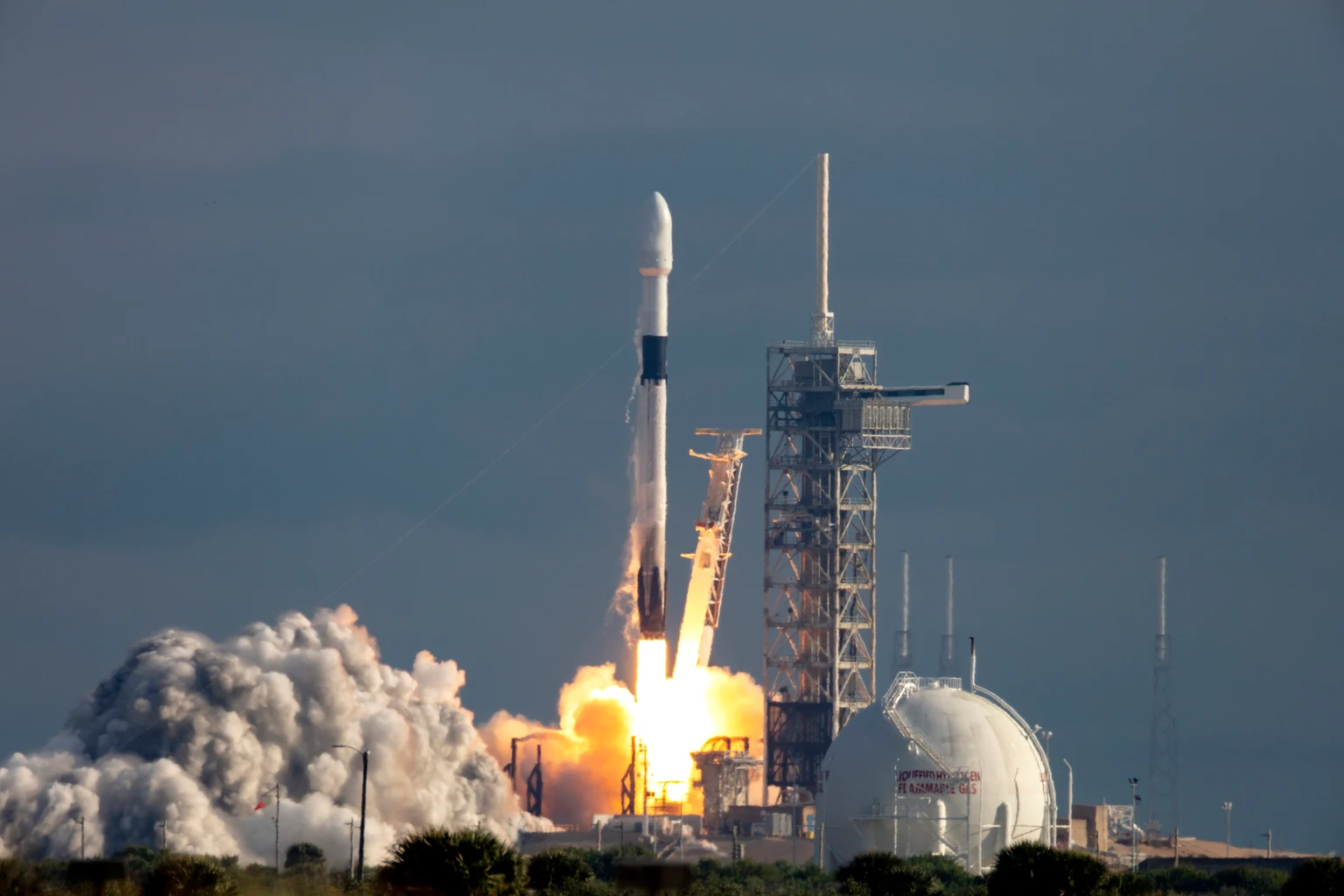
In individual stocks, SpaceX’s shares rallied sharply for their second day of trading after the Elon Musk-led firm’s blockbuster IPO pushed its valuation above $2 trillion.
Investors had been relieved by its strong market debut on Friday as they hoped that its landmark Nasdaq launch boded well for the broader market and for the highly anticipated OpenAI and Anthropic IPOs expected later this year.
Elsewhere, airlines were among the leading transport sector gainers with United Airlines rallying. Among cruise companies, Norwegian Cruise and Carnival Corp also climbed.
The CBOE Volatility Index, Wall Street’s fear gauge, slipped for its third day in a row after rising to a more than two-month high the previous week. The Philadelphia SE Semiconductor index rose sharply with a big boost from chip giant Nvidia and Micron, which rallied after at least two brokerages sharply raised their price targets for the stock. In other movers, shares in Fox tumbled after the company said it would buy Roku in a $22 billion deal. Roku shares also fell.
Form 4 Chimera Investment Corp For: 15 June

Bashar is a financial analyst writing on Seeking Alpha, focused on growth stocks, contrarian setups, and market mispricing. His research looks for companies where consensus is missing a shift in earnings power, competitive positioning, or industry structure. Bashar does not invest personally in the stocks he covers.
Analyst’s Disclosure: I/we have no stock, option or similar derivative position in any of the companies mentioned, and no plans to initiate any such positions within the next 72 hours. I wrote this article myself, and it expresses my own opinions. I am not receiving compensation for it (other than from Seeking Alpha). I have no business relationship with any company whose stock is mentioned in this article.
Seeking Alpha’s Disclosure: Past performance is no guarantee of future results. No recommendation or advice is being given as to whether any investment is suitable for a particular investor. Any views or opinions expressed above may not reflect those of Seeking Alpha as a whole. Seeking Alpha is not a licensed securities dealer, broker or US investment adviser or investment bank. Our analysts are third party authors that include both professional investors and individual investors who may not be licensed or certified by any institute or regulatory body.
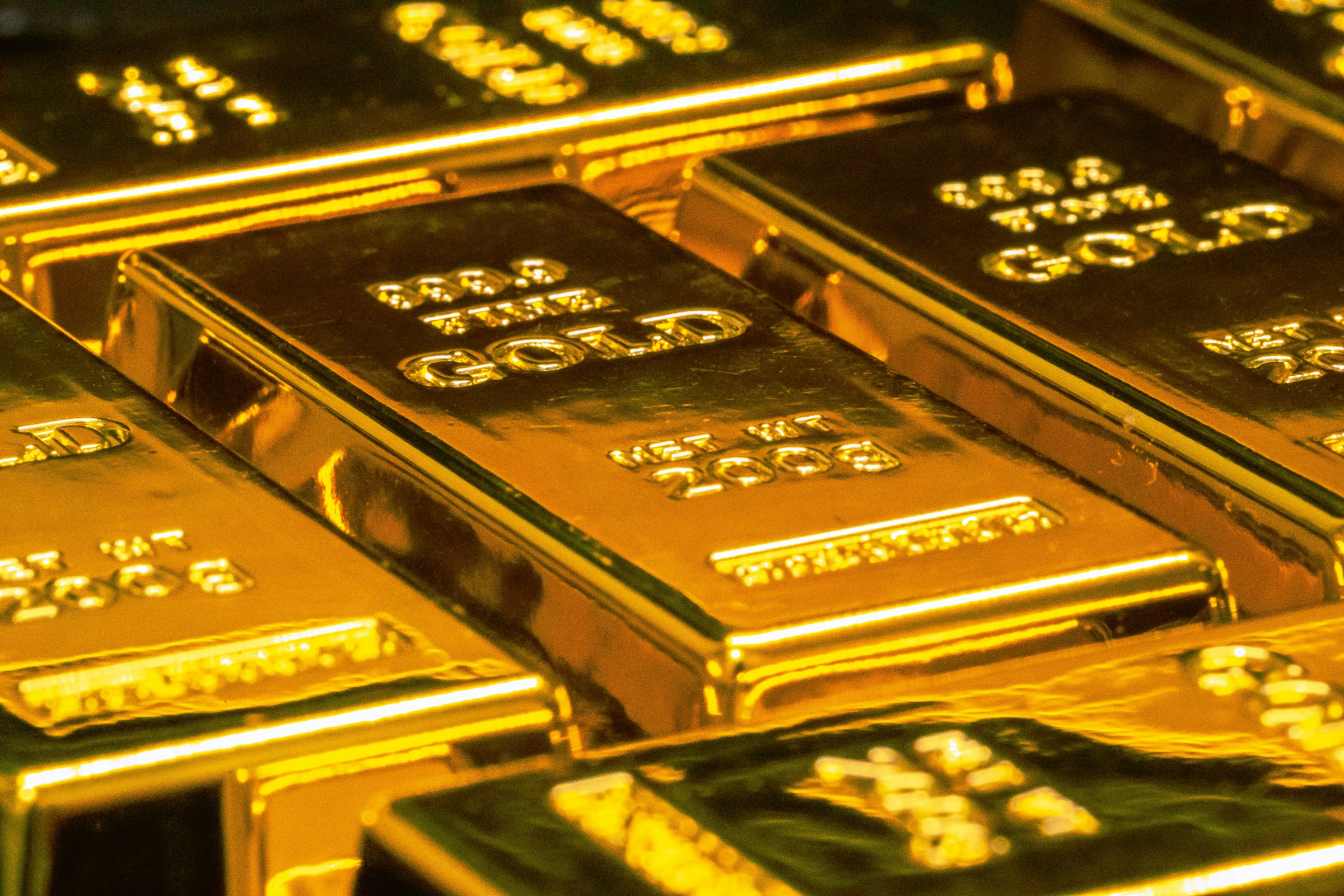
Gold prices jumped $142.90, or 3.37%, to a fresh record high of $4,381.70 per ounce on Monday, as investors balanced relief over the US-Iran ceasefire agreement with ongoing concerns about inflation, central bank demand and long-term geopolitical risks in the Middle East.
The sharp advance extended gold’s strong performance in 2026, pushing the precious metal well above previous peaks as market participants sought to maintain exposure to a traditional safe-haven asset even as riskier assets rallied on hopes of restored stability in global energy markets. The move came despite the initial expectation that reduced tensions would diminish gold’s appeal, highlighting the metal’s complex role in portfolios amid mixed signals from the latest diplomatic breakthrough.
The US-Iran peace deal, which includes the reopening of the Strait of Hormuz and the lifting of the naval blockade, triggered a broad relief rally in equities and a decline in oil prices. However, gold found support from several factors, including continued central bank purchases, lingering questions over the durability of the agreement, and expectations that lower energy costs may not fully eliminate inflationary pressures in the near term.
Drivers Behind the Record Rally
Analysts pointed to sustained buying by central banks, particularly in emerging markets, as a key underpinning for gold’s strength. Institutions continue to diversify reserves away from traditional currencies, providing a structural bid even during periods of geopolitical de-escalation. Monday’s surge also reflected positioning ahead of key US economic data releases later in the week, with investors hedging against potential surprises in inflation or growth figures.
The peace agreement, while positive for global growth, leaves several critical issues unresolved, including the future of Iran’s nuclear program and verification mechanisms for the ceasefire. These uncertainties preserved some safe-haven demand, preventing a sharper sell-off in gold that might have been expected from a full resolution of hostilities.
Technical factors also played a role. Gold had been consolidating near previous highs, and the latest move broke through resistance levels, triggering algorithmic buying and short covering that amplified the upward momentum. Trading volumes were elevated as both institutional and retail participants adjusted positions in response to the fast-moving news flow.
Market and Economic Context
The record high comes as broader financial markets posted strong gains, with the Dow Jones Industrial Average and Nasdaq Composite reaching new peaks. The disconnect between rising equities and climbing gold prices illustrates the nuanced reaction to the Iran deal — optimism about economic stability tempered by caution over implementation risks and longer-term implications.
Lower oil prices are generally positive for gold by reducing inflationary fears and supporting real yields, but the relationship is complex. In this instance, the combination of geopolitical relief and persistent structural demand outweighed any immediate pressure from falling energy costs.
The US dollar showed modest weakness against major currencies, further supporting gold priced in the greenback. Central banks around the world have been net buyers of gold for several consecutive years, a trend that shows little sign of abating amid diversification efforts and concerns over currency reserve stability.
Investor and Industry Perspectives
Market participants offered varied interpretations of the move. Some viewed it as a vote of confidence in gold’s enduring role as a portfolio diversifier, while others saw it as a tactical response to short-term uncertainties. “Even with the ceasefire, the path to full normalization in the Middle East remains long and uncertain,” one commodities strategist noted in market commentary. “Gold continues to attract flows as investors maintain prudent hedges.”
Jewelry demand in major consuming markets like India and China has remained resilient, providing additional support. Investment products tracking gold, including exchange-traded funds, saw inflows in recent sessions as retail investors sought exposure to the metal’s upside potential.
Mining companies with significant gold production benefited from the price surge, with shares in major producers advancing alongside the physical metal. The higher prices improve margins and cash flow, potentially supporting increased exploration and development activity in the sector.
Broader Implications for Global Economy
Gold’s record run has implications beyond financial markets. For commodity-producing nations, higher prices bolster export revenues and government budgets. In developing economies, gold often serves as an inflation hedge and store of value for individuals navigating currency volatility.
Central banks’ continued accumulation reflects a broader reassessment of reserve management in a multipolar world. The metal’s performance amid shifting geopolitical dynamics underscores its role as a neutral asset less susceptible to unilateral sanctions or political risk.
The surge also highlights gold’s sensitivity to real interest rates and the US dollar. With the Federal Reserve expected to monitor incoming data closely, any signals of a more measured policy path could provide additional tailwinds for the precious metal.
Historical Perspective
Gold has experienced significant volatility in 2026, driven by fluctuating geopolitical risks, inflation trends and monetary policy expectations. Monday’s record high builds on a strong multi-year uptrend, during which the metal has benefited from its safe-haven status during periods of uncertainty while also attracting investment flows during risk-on environments due to its inflation-hedging properties.
The current price level far exceeds previous peaks, reflecting changed fundamentals including elevated central bank buying and persistent investor demand for diversification. Historical patterns suggest that such breakouts can lead to extended moves when supported by strong underlying drivers.
Looking Ahead
Market attention now turns to implementation details of the US-Iran agreement and upcoming US economic indicators. Any signs of complications in the ceasefire or unexpected inflation data could influence gold’s near-term trajectory.
Analysts remain generally constructive on gold’s outlook, citing structural demand and its role in diversified portfolios. However, sustained strength will depend on the balance between economic growth expectations and lingering uncertainties in global affairs.
For investors, the record high reinforces gold’s position as a strategic asset. Whether held physically, through ETFs or mining equities, exposure to the metal provides a hedge against various risks while offering potential upside in uncertain times.
As global markets digest the latest diplomatic developments, gold’s performance on Monday demonstrates its enduring appeal even as broader risk appetite improves. The metal’s ability to reach new highs amid shifting conditions underscores its unique characteristics in an evolving economic and geopolitical landscape.
The session serves as a reminder that while peace agreements can rapidly alter market sentiment, structural factors continue to support gold as a core holding for many investors. With prices at record levels, all eyes will remain on how the precious metal navigates the balance between relief and residual caution in the weeks ahead.

As business expenses and the cost of living continue to rise in the Golden State, South Florida reaps the benefits as tech moguls and other wealthy business owners find a financial safe haven in the Sunshine State.
Rather than hand over their fortunes to the California state government, wealthy Californians are finding creative, tax-efficient ways to minimize potential billionaire-tax impact — including giving their money away.
Some high-net-worth residents in the Golden State are intentionally reducing their balance sheets through philanthropy or real estate strategies because they do not trust Sacramento to spend their tax dollars effectively, according to a recent Wall Street Journal report.
“People take steps to take advantage of the tax law before it changes all the time. This is just another example of that,” HCVT partner and advisor Andrew Katzenstein told The Journal, adding that he is working with multiple clients to help them navigate the proposed wealth tax.
In April, the Service Employees International Union–United Healthcare Workers West (SEIU-UHW) said it had collected more than 1.55 million signatures, according to a press release — nearly double the 875,000-signature requirement — to put a one-time tax on billionaire assets on the California ballot.
FLEEING FOR THEIR FUTURES, A CALIFORNIA EXODUS UNLEASHES A FLORIDA ‘GOLD RUSH’
The California Billionaire Tax Act would target the net worth of roughly 200 residents and impose a one-time 5% tax on the net worth of California residents with assets exceeding $1 billion. The tax would be due in 2027, and taxpayers could spread payments over five years, with interest, according to the Legislative Analyst’s Office.

Shoppers visit Rodeo Drive in Beverly Hills, California, on Saturday, July 12, 2025. (Getty Images)
If the measure is approved by voters in November, anyone who was a California resident on Jan. 1, 2026, would owe the tax.
For those who did not move their primary residence by that deadline, they and their financial teams are working to reduce client valuations below the $1 billion mark, including by ramping up charitable donations, as clients would “rather their money go to charities that… do good work than to California’s government, which [they don’t] trust to use the funds effectively,” The Journal wrote.
Other methods aimed at minimizing the tax burden include restructuring balance sheets entirely, delaying private funding rounds and pulling real estate holdings out of corporate LLCs and placing them directly under personal names or revocable trusts to legally shield their property.
The Agency founder and CEO Mauricio Umansky discusses California’s proposed wealth tax and criticizes policies for failing the state on ‘The Bottom Line.’
Wealthy residents are also considering purchasing expensive tangible assets, such as art and yachts, while keeping them outside California for at least 270 days per year to legally avoid the tax.
“I like to tell my students this maxim of tax-planning: Pigs get fed, hogs get slaughtered,” University of Missouri law professor David Gamage told The Journal. “You can often get away with some amount of restructuring affairs, but if you go too far and get too greedy, you can get in trouble.”
GET FOX BUSINESS ON THE GO BY CLICKING HERE
As labor and energy costs rise in California, small business owners say minimum wage laws and gas taxes in the Golden State are crippling their operations.
Some of the public figures who moved their residences or businesses out of California before Jan. 1, 2026, include Google co-founders Larry Page and Sergey Brin, Meta CEO Mark Zuckerberg, Peter Thiel, Steven Spielberg, Uber co-founder Travis Kalanick and car loan magnate Don Hankey.
The majority of California voters — about 54% — generally support the billionaire tax, according to a May poll by the Public Policy Institute of California.
Matrix Service SVP Justin Sheets sells $229,378 in company stock


Nick Ackerman is a former financial advisor using his experience to provide coverage on closed-end funds and exchange-traded funds. Nick has previously held Series 7 and Series 66 licenses and has been investing personally for over 14 years.He contributes to the investing group CEF/ETF Income Laboratory along with leader Stanford Chemist, and Juan de la Hoz and Dividend Seeker. They help members benefit from income and arbitrage strategies in CEFs and ETFs by providing expert-level research. The service includes: managed portfolios targeting safe 8%+ yields, actionable income and arbitrage recommendations, in-depth analysis of CEFs and ETFs, and a friendly community of over a thousand members looking for the best income ideas. These are geared towards both active and passive investors. The vast majority of their holdings are also monthly-payers, which is great for faster compounding as well as smoothing income streams. Learn More.
Analyst’s Disclosure: I/we have a beneficial long position in the shares of GOOGL either through stock ownership, options, or other derivatives. I wrote this article myself, and it expresses my own opinions. I am not receiving compensation for it (other than from Seeking Alpha). I have no business relationship with any company whose stock is mentioned in this article.
Seeking Alpha’s Disclosure: Past performance is no guarantee of future results. No recommendation or advice is being given as to whether any investment is suitable for a particular investor. Any views or opinions expressed above may not reflect those of Seeking Alpha as a whole. Seeking Alpha is not a licensed securities dealer, broker or US investment adviser or investment bank. Our analysts are third party authors that include both professional investors and individual investors who may not be licensed or certified by any institute or regulatory body.
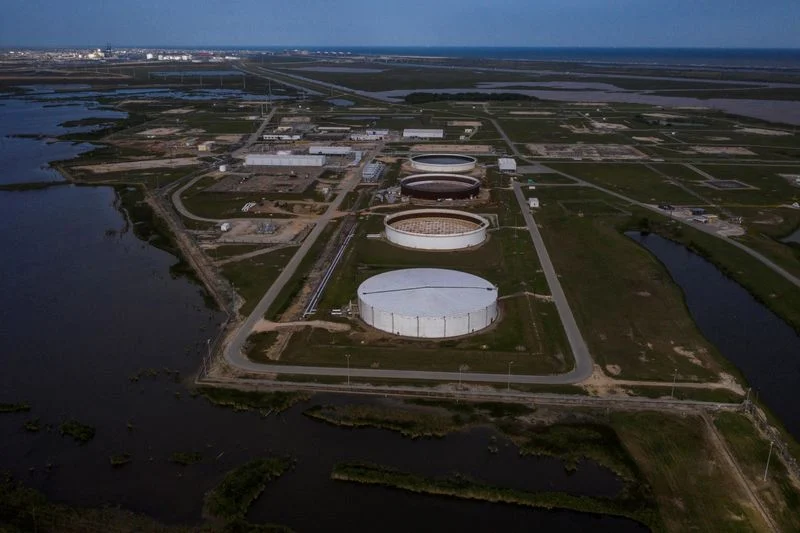

Stocks of oil in US Strategic Petroleum Reserve falls to lowest since 1983
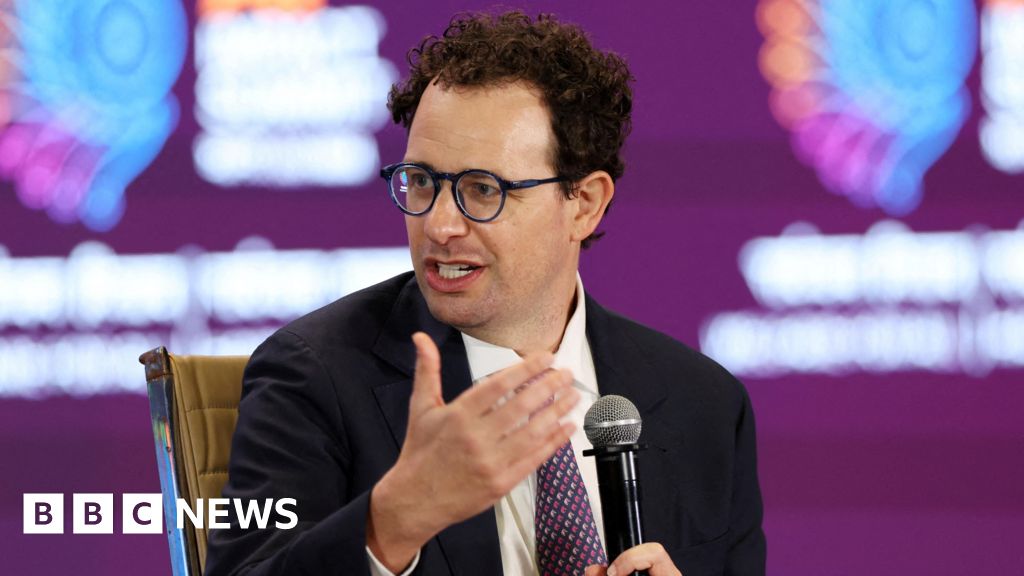
The sudden meeting was called after Anthropic had to block users from just-released AI models.

M60 shut between junction 24 Denton and junction 23
Iron Mountain prices upsized $1.5B senior notes offering

CLARITY Act July 4 Deadline Dead as Ethics and Section 604 Talks Collapse


-

 Business1 day ago
No Jackpot Winner as $257 Million Prize Rolls Over to $269 Million Monday Draw
-

 Crypto World4 days ago
Oppenheimer backs SpaceX as $70 billion retail frenzy builds
-

 Crypto World4 days ago
Markets Rally as SpaceX IPO Looms Amid Iran Tensions and Inflation Surge
-

 Fashion3 days ago
Weekend Open Thread: Tuckernuck – Corporette.com
-
 Crypto World21 hours ago
Zimbabwe Requires Crypto Businesses to Register Annually Under New FIU Regulations
-

 Entertainment6 days ago
The Ryan Gosling True Crime Thriller On Netflix That Gets Even Stranger, Stream It Now
-
 Sports6 days ago
Bangladesh beat Australia after 20 years in ODIs, register only their second win over six-time world champions | Cricket News
-

 Tech3 days ago
NanoClaw integrates JFrog registries to secure AI agent downloads
-

 Tech3 days ago
This Week In Security: Microsoft On Microsoft, Register Your Domains, Linux On ARM, And FreeBSD Joins The File Cache Club
-

 Crypto World3 days ago
Bitget enters Argentina’s regulated crypto market through PSAV registration
-
 Tech4 days ago
Dutton Ranch star claims they ‘didn’t see any disruption’ on set following Chad Feehan’s exit from Yellowstone spinoff fueled by Taylor Sheridan clash rumors
-

 Politics4 days ago
Politics Home | Healey Resignation Is “Colossal Failure Of Government”, Says Former Labour Defence Secretary
-

 NewsBeat4 days ago
El Nino has formed in the Pacific and could set records, forecasters say
-

 Tech5 days ago
‘This is Seattle’s position on AI’: City Council votes unanimously to pause big new data centers
-
 Entertainment4 days ago
Donnie Wahlberg & More Heat Up Las Vegas at Circa’s Barry’s Downtown Prime
-

 Sports4 days ago
First Time Since 1971: Australia Register Historic Low In ODI Cricket
-
 Tech4 days ago
Opendoor Ends India Operations, Fueling a Bigger Conversation About AI and Outsourcing
-

 Politics4 days ago
Belfast burns, while Met chief points finger at Iran and Russia
-

 Business6 days ago
Thailand Ranks Second Worldwide for AI Adoption Growth, Microsoft Reports
-

 NewsBeat3 days ago
FBI searches office of Ohio voter registration group
You must be logged in to post a comment Login