
Business
From Batch Risk to Brand Strength With the Right Oil Packaging


Anyone selling natural oils knows that quality is not just about the formula. Essential oils, serums, and botanical blends are sensitive to light and oxygen.
Once an oil starts to oxidise, the difference may show up in its smell, colour or general character. Customers notice those things. A product that seems different from the last bottle can quickly turn into a question, a complaint or a return. For a smaller brand, even a modest number of cases like this can become expensive, particularly when trust and repeat orders are still being built.
This matters even more as natural beauty and wellness products become a bigger part of the market. Many buyers now look closely at ingredient lists and prefer products with fewer preservatives. They also pay attention to what the product comes in, including whether the packaging feels responsible and appropriate for natural oils.That puts pressure on producers to safeguard shelf life without making the formula heavier. This is exactly where packaging becomes a strategic choice.
Why Light and Oxygen Eat Into Your Margin
Many brands default to amber glass or plastic. That is understandable, it is widely available and relatively affordable. But for light sensitive oils, the total cost can end up higher than the purchase price of the bottle itself. Think of:
- More rejected batches due to instability
• Shorter shelf life and therefore faster stock turnover
• Extra customer service due to scent or color deviations
• Risk of negative reviews
Photodegradation can play a role especially in products with unsaturated fatty acids, natural antioxidants, or volatile aroma components. Packaging that reduces light exposure therefore supports not only product quality, but also predictability across the supply chain and retail.
Biophotonic Violet Glass as an Option for Light Sensitive Formulas
Biophotonic violet glass is designed to protect contents from a large part of the visible light spectrum that can accelerate degradation, while still allowing certain wavelengths through. The premise is simple: less light stress means a better chance of preserving scent, color, and efficacy.
Aromatherapy and wellness oils are often sold in small dropper bottles, which makes sense for products that are used a few drops at a time.In that segment, essential oil bottles in violet glass are relevant when you want to combine premium positioning with protection against light exposure.
In skincare and personal care, ease of use matters alongside protection, think pipettes, pumps, and consistent dosing. For brands seeking a uniform, luxury look, cosmetic bottles in violet glass are a logical option, especially when bringing multiple SKUs into the same design line.
The Closure Matters as Much as the Bottle
The bottle receives most of the attention, but the closure can be just as important for product stability. A high-quality glass container will not compensate for a poorly fitted dropper, loose cap, or pump that allows too much air into the package.
This is particularly relevant for oils with volatile aromatic compounds. Every time the bottle is opened, the formula is exposed to fresh air. The amount of exposure depends on the opening size, the dosing system, how often the product is used, and how well the closure seals between applications.
For that reason, packaging development should consider the bottle and closure as one system. A dropper that works well with a facial serum may not be ideal for a thinner essential oil. Pumps may offer cleaner dosing for some cosmetic products, while reducer inserts can make more sense for concentrated oils.
It is worth checking the smaller parts of the closure too, not just the bottle itself. Strong botanical oils can sometimes react with rubber, plastic, liners or seals in ways that are not obvious at first. Testing the full bottle and closure together before launch can reveal problems such as swelling, softening, leaks or changes in the product.
Headspace Can Influence Product Stability
Even the air left inside the bottle deserves some attention. When there is a lot of empty space above the oil, there is also more oxygen in the container, and that can slowly affect formulas that are sensitive to air.
This is worth thinking about when the bottle is much larger than the amount inside it. A 30 ml oil in an oversized container may look impressive on the shelf, but the extra air inside can work against the effort to keep the product stable.
A better fit between the fill amount and the bottle size can make sense for both protection and presentation. It also avoids using more packaging than the product really needs.
For formulas that react quickly to oxygen, the filling stage may need closer attention as well. Some producers reduce air contact during filling, while others use inert gas where the formula and production setup justify it.These decisions depend on the formula and manufacturing setup, but they show why packaging performance cannot be separated completely from the filling process.
Packaging Choices Affect Inventory Planning
Shelf stability is not only a laboratory concern. The type of packaging a brand uses can also shape its stock planning, including how much product it keeps on hand and when the next production run needs to happen.
For a smaller business, this can be a difficult balance. Minimum order quantities, batch sizes and storage costs all have to be planned around demand that may change from month to month. When an oil has a limited stability window, older stock can become a concern sooner than expected, sometimes leading to smaller production runs or early discounts just to keep inventory moving.
Packaging that gives the formula better protection can make that planning a little less restrictive.
Stock can potentially remain commercially viable for longer, retailers may face fewer quality concerns, and the business has more room to manage slower-moving SKUs.
This does not mean every product automatically needs the highest specification bottle available. It means packaging should be evaluated against the cost of instability. A slightly higher packaging cost can be easier to justify when it helps reduce write-offs, replacements, or emergency production runs.
Storage and Distribution Should Be Part of the Test
A formula may perform perfectly in controlled storage and still experience problems during real-world distribution.
Products can spend days in delivery vans, warehouses, fulfillmentcenters, retail stockrooms, or customer mailboxes. Conditions during delivery are rarely consistent. A package may sit in a warm van, move through a cool warehouse, get shaken during transport, or spend time in direct light before it reaches the customer.
That makes transport testing just as useful as checking shelf stability. The aim is to see what happens to the complete pack under movement and temperature changes. Closures can loosen, droppers can seep, labels can lift, and the formula itself may respond differently after repeated heat exposure.
For online sellers, even a small leak can become a much bigger problem.One failed bottle can ruin the outer packaging, stain other products in the shipment, and create an immediate negative first impression.
Testing packaging under conditions that resemble the actual supply chain gives a more useful picture than testing the formula in isolation.
Premium Packaging Also Shapes Customer Perception
Packaging protection has a technical role, but it also affects how customers interpret the product.
Natural oils often compete in crowded categories where formulas can appear similar at first glance. Bottle weight, glass color, closure quality, label finish, and dispensing experience all influence perceived value before the customer has fully evaluated the product itself.
Violet glass can create a distinctive visual identity compared with conventional clear or amber packaging. For premium wellness, aromatherapy, and skincare brands, that differentiation can support higher-value positioning when it fits the broader brand story.
The important point is consistency. A premium bottle paired with a low-quality dropper, weak label, or poor outer carton creates mixed signals. Everything should work together, from the bottle and cap to the label, dispensing method and how the product feels in the customer’s hand.
Sustainability Needs More Than a Material Claim
There is more to sustainable packaging than deciding between glass and plastic. The amount of material, shipping distance and what happens to the pack once it is empty all count.
Glass has the advantage of being recyclable and suitable for reuse, but its weight can make transport more demanding. A lighter pack may be easier to ship, although it will not always give a sensitive oil the same protection.Refillable systems can reduce packaging use, but only when customers actually reuse them.
Brands therefore need to consider the complete packaging system rather than relying on one environmental claim.
Useful questions include whether the glass can enter established recycling streams, whether components can be separated easily, whether unnecessary secondary packaging can be removed, and whether the container is durable enough for reuse.
There is also a product-waste angle. If stronger protection helps prevent oils from degrading before they are used, that can reduce wasted formula, ingredients, labor, and production energy. Sustainability is therefore connected not only to the container itself, but also to how successfully the packaging preserves the product inside it.
Build Packaging Around Future Growth
A packaging solution that works for the first 500 units may become difficult when monthly production reaches 10,000 units.
Growing brands should consider supply continuity early. That means looking beyond the bottle itself. Brands also need to know whether the supplier can keep the same packaging available, how long orders take to arrive, what quantities must be purchased, and whether matching closures and finishes will still be available as demand grows.
Using some of the same components across several products can make purchasing easier. Different oils, for example, might use the same neck size and closure even when the bottle size or label changes.That reduces the number of separate packaging components the business needs to manage.
It also helps maintain a recognizable visual identity as the product range expands.
Packaging decisions are therefore partly about today’s formula and partly about tomorrow’s assortment. A scalable system can reduce redesign work, supplier changes, and packaging inconsistencies later.
How to Make Claims Measurable Without Marketing Risk
A common pitfall in packaging communication is making absolute claims such as doubles shelf life or 100% protection. In practice, performance depends on the formula, headspace, closure, storage, and logistics. What you can do is test and back up your claims with data.
A small team can keep the testing fairly straightforward:
- Start with each formula on its own. Look at how easily it reacts to light, air and changes in storage conditions.
- Test the current bottle and the new option side by side, keeping the closure and test conditions the same for both.
- Measure not only shelf life, but also sensory attributes (scent and color) and key actives.
A compact stability setup can already reveal where the real gains lie: fewer complaints, less waste, and a more consistent product on the shelf.
Three Checks for Your Next Packaging Decision
- Does the closure fit the product, and has leakage been tested during transport?
• Is the packaging scalable in terms of volumes and availability as you grow?
• Does the material support your brand story around sustainability and premium quality?
These three questions are a useful starting point, but the strongest packaging decisions usually come from looking at the complete journey of the product. That includes filling, storage, transport, retail exposure, customer use, and eventual disposal or reuse.
Unit price still matters, especially for smaller brands working with tight margins. But it should not be considered in isolation. Packaging that reduces product degradation, limits leakage, supports smoother inventory planning, and creates a stronger customer experience can deliver value long after the bottle has been purchased.
For natural oil, wellness, and cosmetic brands, the right packaging is therefore more than a container around the formula. It is part of quality control, logistics, positioning, sustainability, and growth. Choosing it with the same care given to the ingredients can turn a potential source of batch risk into a practical source of brand strength.

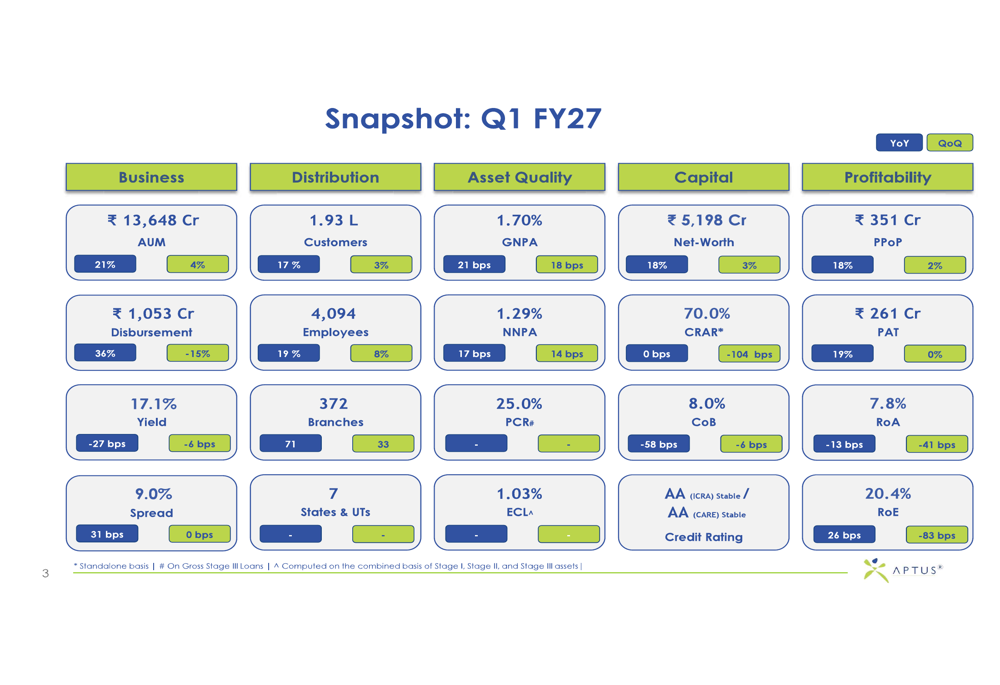
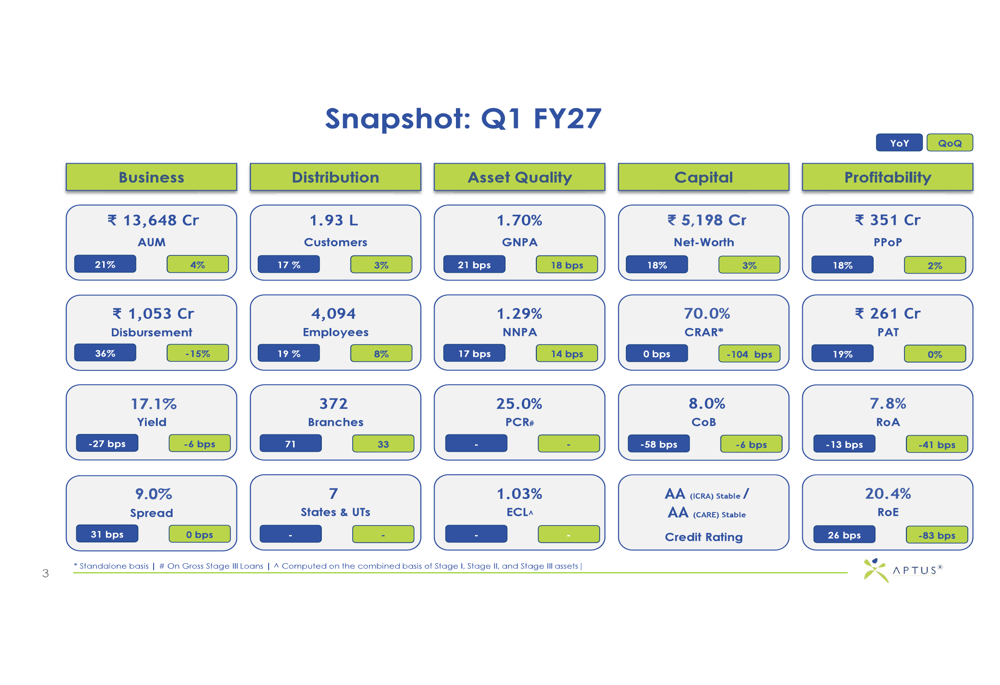
Aptus Value Q1 FY27 slides: profit jumps 19% but NPAs rise

Concurrent Gainers: 15 stocks rally for five straight sessions, surge up to 20%
Business
Higher Yields, Different Risk: How EM Local Currency Bonds Fit Into A Fixed Income Portfolio

Higher Yields, Different Risk: How EM Local Currency Bonds Fit Into A Fixed Income Portfolio
Business
Bandhan Small Cap among 4 small caps that delivered over 20% CAGR since their respective inception
The top four small-cap mutual funds have delivered over 20% CAGR since their inception. Here’s a detailed look at their AUM, inception dates, and performance. (Source: MF Screener)
Are you searching for the least expensive stocks? Here are the top 5 stocks that have the lowest price-to-earnings ratio, as reported by ETWealth. (Data as of July 23, 2026)
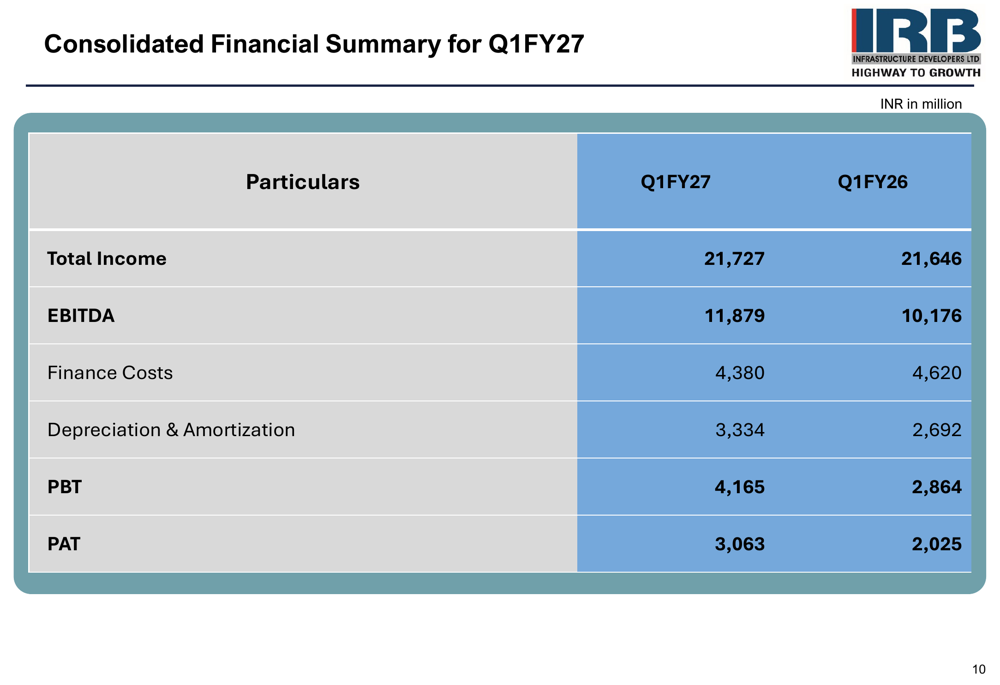
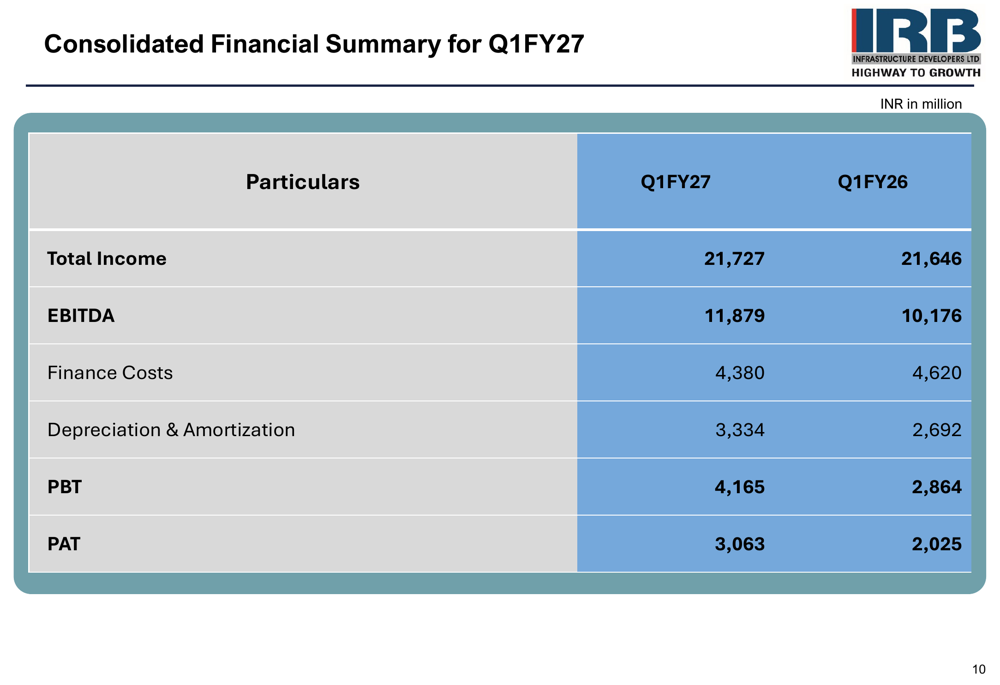
IRB Infrastructure Q1 FY27 slides: profit surges 51% on InvIT growth
Business
Looking for top-performing equity mutual funds? Here are the best performers across categories in the last 1 year
Returns from mutual fund schemes over the past year show a wide gap between the best- and worst-performing funds across categories, underscoring the importance of scheme selection for investors. Here are the top performers across categories against their benchmark and category average, as reported by ET Bureau.

In an exchange filing, GSM Foils said the firing incident took place in the Naikpada area in Vasai-Virar, located near Mumbai. After getting injured in the incident, the company said that Parmar received prompt medical attention and is presently under proper medical care. His health condition was reported to be stable and improving.
Sagar Bhanushali, a whole time director of the company, was then taken into police custody in relation to the ongoing investigation into the firing case. The company said it is extending full cooperation to the investing authorities.
The senior management team has taken the necessary steps to ensure continuity of the company’s operations. At present, the company’s manufacturing facilities at Vasai and Ahmedabad, Plant continue to function normally,’ it added.
Also read | Peter Lynch does not like the AI trade; here’s why he says ‘Know what you own’
GSM Foils share price
GSM Foils shares crashed 20% to close at Rs 192 apiece on NSE. Notably, the exchange filing came in the post market hours of Friday.

GSM Foils manufactures blister foils and aluminium pharma foils for the pharma industry. The sharp fall in the share price came prior to that as media reports around the incident surfaced.
US stock market losses behind murder plot?
Bhanushali plotted the attack to evade repaying Parmar Rs 32 crore and gain complete control over the company, Times of India reported. According to police officials cited by the report, Bhanusali suffered massive financial losses during a sharp selloff in the US stock market, leaving him burdened with debts running into crores.
The report quoted investigators as saying that Bhanusali had persuaded Parmar to purchase his stake in the company and took nearly Rs 32 crore. Instead of repaying the said amount, he allegedly conspired to kill Parmar, thinking this death would wipe out the liability and enable him to take complete control of the company.The attack took place on July 24 at the company’s premises when two motorcycle-borne hitmen opened fire at the 46-year old Parmar, who was hit in the shoulder by the first bullet.
(Disclaimer: Recommendations, suggestions, views and opinions given by the experts are their own. These do not represent the views of The Economic Times)

The proposed IPO is likely to be a combination of a fresh equity issuance and an offer for sale (OFS) by existing shareholders.
JM Financial, BofA Securities India and Motilal Oswal Investment Advisors are the book-running lead managers to the issue.
Email queries to the company and the bankers went unanswered.
In the confidential IPO filing route, issuers are allowed to keep their initial draft prospectus confidential from the public domain until the regulatory review process reaches an advanced stage.
J.P. Morgan, Aditya Birla Capital, Motilal Oswal Alternates and HDFC Ltd have been investors in projects of Assetz, founded by Ben Salmon and Rajpal Singh Chaudhary in 2006.
Bengaluru’s residential property market has remained one of the strongest in the country, driven by sustained demand from technology professionals, Global Capability Centres (GCCs), startups and a steadily expanding white-collar workforce. Robust employment generation, rising incomes and continued infrastructure development have supported healthy home sales despite higher property prices.Developers have remained focused on premium housing and large integrated townships, while the city’s deep end-user demand and improving connectivity have encouraged continued land acquisitions, new project launches and institutional investments.

Operator
Good afternoon, ladies and gentlemen, and welcome to the Coveo First Quarter Fiscal 2027 Financial Results Conference Call. [Operator Instructions] This call is being recorded on Thursday, July 30, 2026. I would like to turn the conference over to Adhir Kadve. Please go ahead.
Adhir Kadve
Head of Investor Relations
Good afternoon, everyone, and thank you for joining us. With me to discuss Coveo’s first quarter fiscal 2027 results are Laurent Simoneau, Coveo’s co-founder and Chief Executive Officer, Louis Têtu, Coveo’s Executive Chairman, and Karine Hamel, Coveo’s Chief Financial Officer. A reminder that some remarks made today will be forward-looking statements within the meaning of applicable securities laws, including those regarding our planned objectives, expected performance, and our outlook for the second fiscal quarter and full year fiscal 2027. These are forward-looking statements given as of July 30, 2026, and while we believe any statements we make are reasonable, they are based on current expectations and assumptions which are subject to risks and uncertainties.
Actual results could differ materially from those expressed or implied. Coveo disclaims any intent or obligation to update our forward-looking statements, whether as a result of new information, future events, or otherwise. Further information on factors that could affect the company’s financial results is included in the filings we make with Canadian Securities Regulators, including the Risk Factors section of the company’s

I’m A Cancer Doctor. My Friend’s Diagnosis Exposed A Blind Spot.

Man United team vs Atletico Madrid predicted as Shea Lacey starts and JJ Gabriel call made

Here’s How Car Safety Ratings Are Determined By The NHTSA & IIHS


-
 Sports5 days ago
Commonwealth Games boxing: Jadumani Singh seals dominant 5-0 win over Pakistan’s Sumama Rehman to enter quarter-finals | Commonwealth Games News
-

 Business2 days ago
Why Trees Belong on the Risk Register
-

 Fashion13 hours ago
Weekend Open Thread: Wit & Wisdom
-

 Politics10 hours ago
Meta enters AI-training agreement with far-right ‘propaganda rag’ Newsmax
-

 Tech5 days ago
Intel is reversing course and bringing hyper-threading back to its server chips
-

 Crypto World7 days ago
Ripple bought a bank in pieces. The $4 billion audit
-

 Politics5 days ago
Luke Littler dismantles Gerwyn Price to retain title in Blackpool
-

 Politics4 days ago
The Part of the Electric Transition Nobody Wants to Discuss
-

 News Videos5 days ago
BITCOIN JUST ENTERED THIS CRITICAL ZONE…
-
 Entertainment3 days ago
‘Stargate’ Creator’s New Sci-Fi Series Returns for Season 3 Tomorrow
-

 Crypto World6 days ago
XRP Ledger adds $2.6B as RWA inflows rank second
-

 Business3 days ago
Major shareholder moves on Canyon
-

 Politics6 days ago
Spain sweeps the board at 2026 World Cup with individual awards
-

 News Videos2 days ago
Bitcoin Enters the 3rd Stage of the Bear Market
-

 Entertainment6 days ago
Sara Gilson Killed By Husband After Viral “Pedophile” TikTok Video
-

 Crypto World3 days ago
Kraken Enables Retail Access to Jersey Mike’s IPO via Tokenized Shares
-

 Tech4 days ago
New macOS Sequoia & Sonoma security updates for older Macs
-

 News Videos3 days ago
Claude: Build Financial Dashboards in Minutes (2026)
-

 Politics2 days ago
Luke Littler’s dominance sparks GOAT debate
-

 Crypto World6 days ago
Upbit expands KRW market with two major DeFi token listings
You must be logged in to post a comment Login