

Business
Gold Prices Slide 2.73% to $4,654.86 as Stronger Dollar and Rising Yields Pressure Safe-Haven Metal

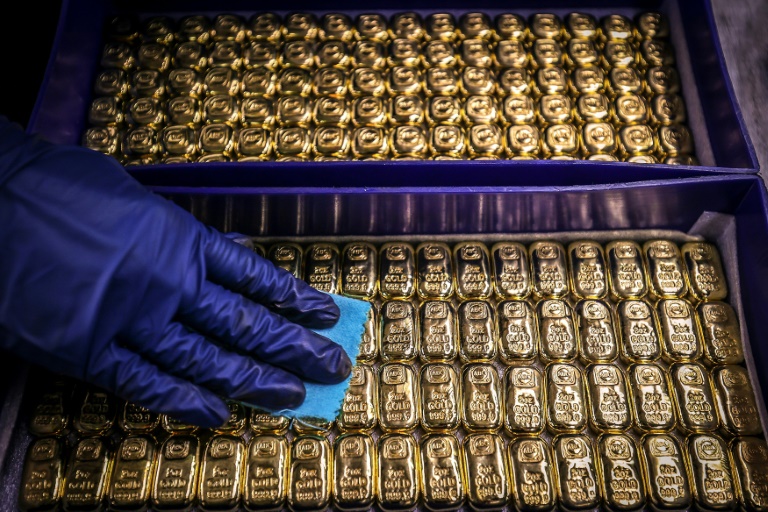
Gold prices fell sharply Friday, with spot gold trading at $4,654.86 per ounce, down $130.53 or 2.73%, as a firmer U.S. dollar and rising Treasury yields weighed on the non-yielding precious metal amid shifting market sentiment.
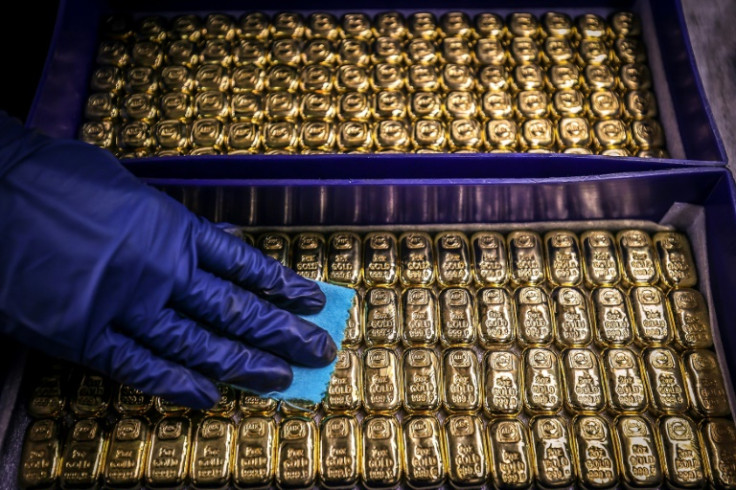
The decline came after gold touched elevated levels earlier in the week, reflecting ongoing volatility in the yellow metal following a dramatic rally in 2025 and early 2026 that pushed prices above $5,000 and even toward $5,600 at peaks. Friday’s move extended recent pressure, with April gold futures also trading lower in mid-morning sessions on the COMEX.
Analysts attributed the drop primarily to a strengthening dollar and higher bond yields, which increase the opportunity cost of holding gold. The U.S. Dollar Index gained ground as traders adjusted expectations for Federal Reserve policy, while 10-year Treasury yields climbed on persistent inflation concerns tied to geopolitical tensions and energy prices.
The pullback occurs against a backdrop of significant gains for gold over the longer term. The metal surged in 2025 amid central bank buying, ETF inflows and uncertainty from trade policies and global risks. In early 2026, prices hit record highs before experiencing sharp corrections, including a steep drop in March that some described as the worst monthly performance in years.
Despite Friday’s losses, many Wall Street firms remain bullish on gold’s outlook. J.P. Morgan forecasts prices could reach $6,300 per ounce by the end of 2026, driven by sustained central bank demand and investor diversification away from traditional assets. Goldman Sachs sees potential for $5,400, while other banks like UBS and Deutsche Bank project targets around $6,000 or higher in various scenarios.
Central banks continued to accumulate gold as a reserve asset, a trend that has supported prices even during periods of consolidation. Demand from emerging markets and efforts to reduce reliance on the U.S. dollar in international reserves have played key roles. ETF holdings also showed resilience, with inflows reflecting gold’s appeal as portfolio insurance.
Geopolitical factors added layers of complexity. Ongoing tensions in the Middle East, including developments involving Iran, initially boosted gold as a safe haven but later contributed to volatility as markets priced in potential inflation from higher oil prices alongside stronger dollar dynamics.
“Gold’s recent correction reflects mechanical selling and profit-taking after an extraordinary run, but the structural drivers remain intact,” one commodities strategist noted. Rising oil prices from regional uncertainties have fueled inflation fears, which could eventually support gold if they prompt looser monetary policy down the line.
Technical levels showed gold finding some support near $4,600, with resistance around recent highs above $4,700. Futures contracts for April delivery reflected similar moves, with open interest and volume indicating active trader participation.
For investors, the current dip raises questions about whether it represents a buying opportunity or signals further consolidation. Historical patterns suggest gold often rebounds after sharp sell-offs when fundamental demand reasserts itself. However, short-term headwinds from a resilient U.S. economy and delayed rate cuts could keep pressure on prices in the near term.
Silver prices moved in tandem, dropping more sharply in percentage terms on Friday, underscoring broad precious metals weakness. Platinum and palladium showed mixed but generally softer performance.
Retail investors have increasingly turned to gold through exchange-traded funds, physical bars and coins, and mining stocks. The SPDR Gold Shares ETF and similar vehicles saw flows that mirrored broader sentiment shifts.
Economists point to several macroeconomic drivers. A stronger dollar makes gold more expensive for foreign buyers, reducing demand. Higher real yields similarly diminish appeal compared to interest-bearing assets. Yet persistent fiscal deficits, debt levels and long-term diversification trends by institutions continue to underpin the bull case.
In Asia, where physical gold demand is traditionally strong for jewelry and investment, buyers have shown selectivity amid price swings. Chinese and Indian markets, major consumers, have navigated volatility with a mix of bargain hunting and caution.
Mining companies face their own dynamics. Higher prices in recent years boosted profitability, but cost pressures from energy and labor could intensify if volatility persists. Major producers have hedged positions or expanded output selectively.
Looking ahead, key events include upcoming economic data releases that could influence Fed expectations. Any signs of cooling inflation or labor market softening might revive rate-cut hopes and support gold. Conversely, hotter-than-expected readings could reinforce dollar strength.
Analysts emphasize that gold’s role as a hedge against uncertainty has not diminished. In an environment of elevated geopolitical risks, potential policy shifts and questions over reserve currencies, the metal retains strategic importance for central banks and sophisticated investors.
Some observers warn of leveraged positions unwinding during the recent rout, amplifying moves beyond pure fundamentals. Such liquidations can create oversold conditions that set the stage for rebounds.
For everyday investors, financial advisors often recommend allocating a modest portion of portfolios — typically 5-10% — to gold as diversification rather than a directional bet. Physical ownership, ETFs or futures each carry different considerations around storage, liquidity and costs.
The broader commodity complex showed varied responses Friday, with energy markets reacting to supply concerns while industrial metals faced demand worries from global growth outlooks.
Gold’s journey to current levels marks a transformation from its traditional trading range. What was once seen as a relic has become a mainstream asset class, with institutional adoption growing through vehicles that provide exposure without physical handling.
Despite the Friday decline, year-to-date performance for gold in 2026 remains positive for many holders who bought at lower levels. The metal’s ability to deliver returns uncorrelated with stocks and bonds continues to attract attention in diversified strategies.
Market participants will watch next week’s calendar closely for any fresh catalysts. Earnings from major financial firms, inflation metrics and comments from policymakers could sway sentiment.
In jewelry and industrial applications, gold demand has held steady in certain segments, though high prices have prompted some substitution or delayed purchases.
As trading continues, volatility is likely to remain elevated. Traders using technical analysis are monitoring moving averages and support zones for clues on the next leg.
Overall, while near-term pressures from currency and yield dynamics have driven gold lower to around $4,654.86, the consensus among major banks points to higher prices by year-end 2026. Central bank accumulation averaging hundreds of tonnes quarterly, combined with investor flows and potential monetary easing, forms the foundation for optimism.
Investors considering entry points may view the current consolidation as a pause in a longer-term uptrend rather than a reversal. However, prudence dictates monitoring dollar strength and yield movements closely.
Gold has proven resilient through multiple cycles, often rewarding patient holders during periods of economic or geopolitical stress. Friday’s 2.73% drop serves as a reminder of the metal’s volatility even as its strategic value endures.



The Valkyrie Trading Society is a team of analysts sharing high conviction and obscure developed market ideas that are downside limited and likely to generate non-correlated and outsized returns in the context of the current economic environment and forces. They are long-only investors.They lead the investing group The Value Lab where they offer members a portfolio with real time updates, chat to answer questions 24/7, regular global market news reports, feedback on member stock ideas, new trades monthly, quarterly earnings write-ups, and daily macro opinions.
Analyst’s Disclosure: I/we have no stock, option or similar derivative position in any of the companies mentioned, and no plans to initiate any such positions within the next 72 hours. I wrote this article myself, and it expresses my own opinions. I am not receiving compensation for it (other than from Seeking Alpha). I have no business relationship with any company whose stock is mentioned in this article.
Seeking Alpha’s Disclosure: Past performance is no guarantee of future results. No recommendation or advice is being given as to whether any investment is suitable for a particular investor. Any views or opinions expressed above may not reflect those of Seeking Alpha as a whole. Seeking Alpha is not a licensed securities dealer, broker or US investment adviser or investment bank. Our analysts are third party authors that include both professional investors and individual investors who may not be licensed or certified by any institute or regulatory body.
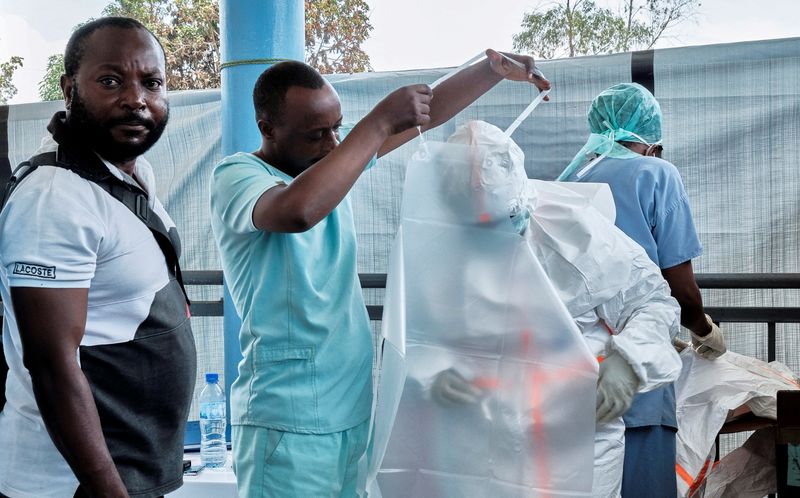

WHO chief rallies community in Congo’s Ebola response, calls for more funding
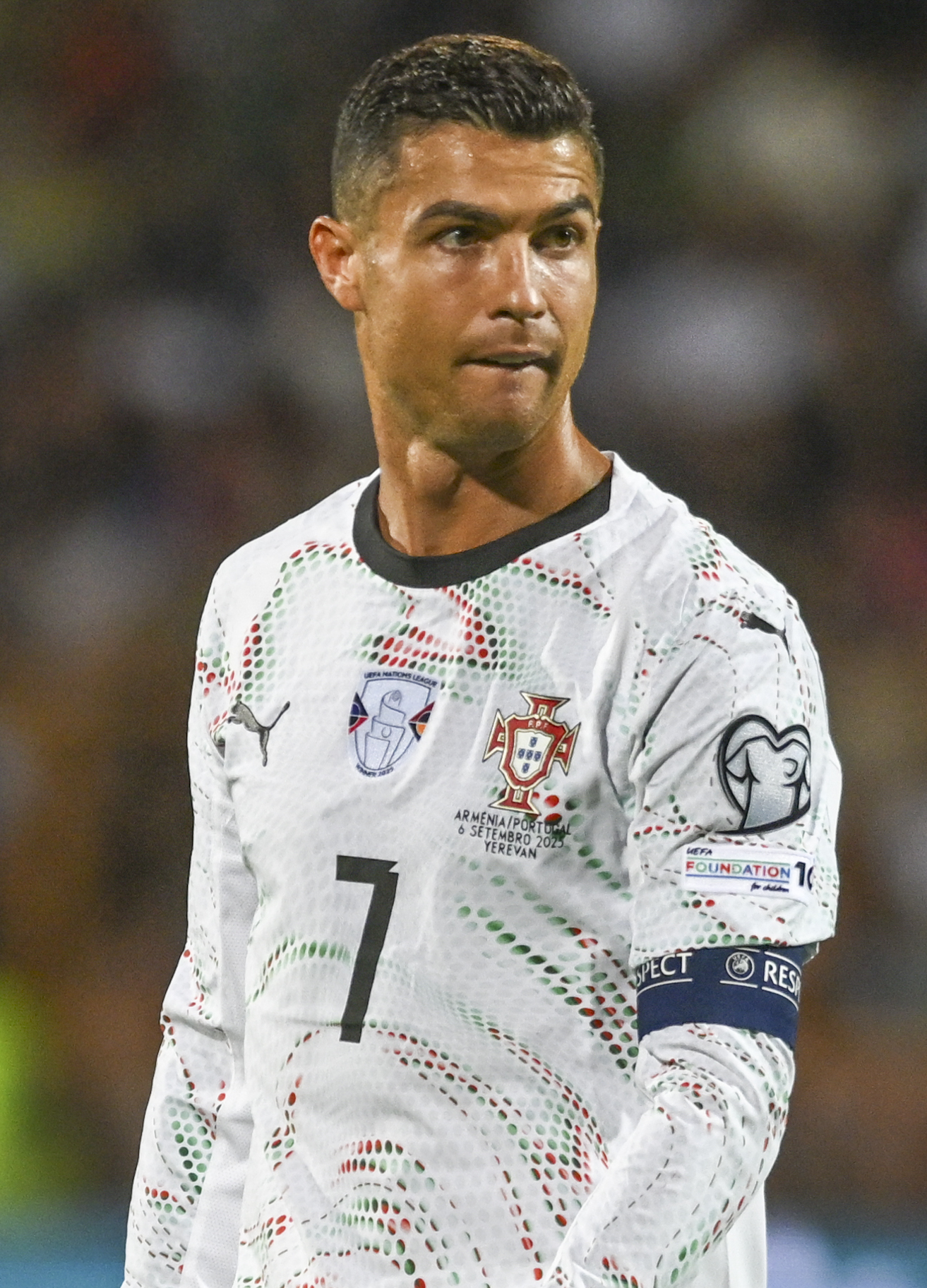
As the 2026 FIFA World Cup approaches, the eternal debate between Cristiano Ronaldo and Lionel Messi intensifies around one question: which aging superstar will find the net faster in what is likely their final tournament appearance. At 41 and 39 respectively, both icons prepare for a record sixth World Cup, bringing decades of rivalry to North America.
Messi enters with 13 career World Cup goals compared to Ronaldo’s eight, positioning the Argentine closer to several all-time records. Ronaldo, the international scoring king with 143 goals for Portugal, seeks to add to his tally in what he has described as his last World Cup.
Recent club form shows both remain prolific. Messi has recorded strong goal and assist numbers with Inter Miami in Major League Soccer, often every 95-100 minutes. Ronaldo has continued scoring regularly for Al-Nassr in Saudi Arabia, though at a slightly lower rate per minute in some analyses.
Current form and fitness edge
Messi, turning 39 during the tournament, has maintained high efficiency despite physical wear. In 2026 club play, he has delivered goals and assists at rates that compare favorably to his peak years when adjusted for competition level. Argentina coach Lionel Scaloni has expressed confidence in his captain’s ability to contribute meaningfully if fit.
Ronaldo, who recently revealed a biological age far younger than his calendar years through advanced monitoring, continues to defy expectations. Portugal coach Roberto Martinez has emphasized judging him on current performance rather than age.
“We judge him on form and by the same standards as everyone else,” Martinez said of his captain.
Ronaldo’s fitness regimen and recovery metrics have drawn attention, with reports indicating elite metabolic control supporting his longevity.
Historical World Cup scoring patterns
Messi has historically grown into tournaments, delivering his strongest performances in knockout stages. His seven goals in 2022 helped Argentina secure the title. Ronaldo’s World Cup contributions have often come earlier but at a lower overall volume across appearances.
Analysts note Messi needs just a few goals to challenge records held by Miroslav Klose for most World Cup goals and to extend his lead in goal contributions. Ronaldo aims to close the gap and create highlight moments that have defined his career.
Betting markets reflect the challenge of their ages. Younger forwards like Kylian Mbappe lead top scorer odds, with Messi at around 12/1 and Ronaldo at longer 20/1 odds.
Team contexts and paths to goals
Argentina, as defending champions, carry high expectations despite Messi’s modest assessment of their current standing. In a recent interview, Messi named Portugal, France, Spain and Brazil as teams arriving in better shape.
“We have to realise that ahead of us there are other favourites, who are arriving in better shape,” Messi said.
Portugal benefits from a deep squad and Ronaldo’s leadership. The team’s attacking options could create chances for their captain, who remains central to their set-piece and finishing threats.
Both nations are expected to advance from the group stage in the expanded 48-team format, setting up potential deep runs. A hypothetical quarterfinal clash between Argentina and Portugal would create one of the most anticipated matches in tournament history.
Scoring efficiency comparison
Recent 2026 data shows Messi slightly ahead in minutes-per-goal metrics in club football. Ronaldo maintains volume through penalties and positioning but faces stiffer defensive attention as the focal point of Portugal’s attack.
Factors favoring quicker scoring include playing style and role. Messi’s creativity allows for build-up involvement and clinical finishes in open play. Ronaldo excels in aerial duels, penalties and late-game impact as a substitute or starter.
Injuries, minutes management and tactical deployment will influence output. Both coaches have indicated flexible roles to maximize their veterans’ strengths while preserving energy across a demanding schedule.
Legacy and motivation factors
For Messi, the tournament offers a chance to defend the title and cement his place further in history. For Ronaldo, it represents one final opportunity to claim the missing major international trophy that has eluded him.
Teammates and former players note Ronaldo’s burning desire. “Inside of him he probably feels ‘gosh, I have to win the World Cup, I can’t finish my career like this’,” said 2002 World Cup winner Kleberson.
The expanded format and North American venues may suit their experience, with familiar climates and large crowds expected to energize performances. Travel and recovery between matches in the United States, Canada and Mexico will test endurance.
Expert and fan predictions
Early forecasts vary widely. Some models favor Messi for higher per-game impact based on tournament history and current efficiency. Others highlight Ronaldo’s experience in high-pressure scenarios and Portugal’s supporting cast.
Public sentiment remains divided, with global polls and social media reflecting passionate support for both. The narrative of their “last dance” has captivated audiences, transcending typical sporting rivalry.
Regardless of who scores first or more frequently, their presence elevates the tournament. Both have confirmed or strongly indicated participation, marking a historic milestone as the first players to appear in six World Cups.
Broader tournament implications
The focus on Messi and Ronaldo underscores the blend of youth and experience defining 2026. While younger stars chase individual honors, the veterans provide leadership and moments of magic that define legacies.
As kickoff nears, analysts will monitor pre-tournament friendlies and final squads for fitness indicators. Portugal and Argentina’s group assignments will shape early opportunities for both players to make their mark.
The question of who scores faster may ultimately depend on matchups, opposition quality and a touch of fortune. What remains certain is that millions will watch closely as two of football’s greatest talents write the concluding chapter of their World Cup stories.

Naomi Osaka, the four-time Grand Slam champion and former world No. 1, continues to captivate fans with her powerful game, fashion-forward presence and candid discussions about mental health and motherhood. As she advances to the third round at the 2026 French Open, here are 10 essential things to know about the Japanese tennis star.
1. Dual heritage and early life Born on October 16, 1997, in Osaka, Japan, to a Haitian father and Japanese mother, Naomi Osaka moved to the United States at age three. Raised primarily in Florida, she and her older sister Mari were homeschooled to focus on tennis training under their father’s guidance. This multicultural background has shaped her identity, and she has represented Japan in international competitions.
2. Historic Grand Slam achievements Osaka burst onto the global stage by winning the 2018 U.S. Open, defeating Serena Williams in the final to become the first Japanese player to claim a Grand Slam singles title. She followed with the 2019 Australian Open, rising to world No. 1 — the first Asian player to achieve that ranking. She added titles at the 2020 U.S. Open and 2021 Australian Open, bringing her major tally to four.
3. Current ranking and 2026 form As of late May 2026, Osaka sits at No. 16 in the WTA rankings. She has shown strong signs of resurgence this season, reaching the third round at Roland Garros with victories over Laura Siegemund, Donna Vekic and Iva Jovic. Her powerful baseline game remains a major threat on all surfaces.
4. Motherhood and return to tennis Osaka gave birth to her daughter Shai in July 2023 with rapper Cordae. She took maternity leave before returning in 2024. Balancing elite competition with parenting has been a central theme. In interviews, she has spoken openly about the difficulties. “I want to be the best mom I can, but sometimes I feel like I know what I have to do to become a really good player, and it’s very difficult,” Osaka said.
5. Mental health advocacy Osaka made headlines in 2021 when she withdrew from the French Open to prioritize her mental health, sparking global conversations. She has continued to champion the issue, using her platform to encourage athletes and fans to address mental well-being without stigma. Her openness has earned widespread respect.
6. Fashion and cultural influence Known for her bold style, Osaka collaborates with major brands and turns heads on and off the court. At the 2026 French Open, she debuted a custom upcycled Kevin Germanier Nike kit featuring sequins and dramatic details. She also made a striking appearance at the 2026 Met Gala. Her influence extends into fashion, gaming and photography.
7. Business empire and net worth One of the world’s most marketable athletes, Osaka has endorsement deals with companies including Nike, Louis Vuitton and others. Her off-court earnings have helped build significant wealth. Estimates place her net worth in the tens of millions, bolstered by prize money exceeding $25 million in her career.
8. Olympic and national representation Osaka competed for Japan at the 2020 Tokyo Olympics, lighting the cauldron in a memorable moment. Though she exited in the third round, her participation highlighted her role as a bridge between cultures. She has expressed pride in representing Japan while embracing her Haitian roots.
9. Challenges and resilience Injuries and form dips have tested Osaka in recent years, including an abdominal issue at the 2026 Australian Open. Yet she has shown determination in her comeback. After early 2026 struggles, her Roland Garros performances signal renewed focus as she aims for deeper Grand Slam runs.
10. Future ambitions At 28, Osaka remains driven by a desire to win more titles while prioritizing family. She has spoken about wanting to experience more with her daughter and finding balance. Her journey reflects evolution from a shy newcomer to a confident champion using her voice on social issues. Fans and analysts watch closely as she targets a potential fifth major.
Osaka’s presence at the 2026 French Open underscores her enduring appeal. In recent press conferences, she described matches as tough but expressed satisfaction in advancing. Her story continues to inspire, blending athletic excellence with personal authenticity in an era where athletes are increasingly multidimensional figures.
Whether on clay in Paris or in her evolving life off court, Naomi Osaka remains one of tennis’s most compelling personalities. As the tournament progresses, her performance will be closely followed by millions around the world.
Business
(VIDEO) Berks County Police Officer Kristen Yeager Killed in Crash While Assisting Neighboring Department

A two-and-a-half-year veteran of the Central Berks Police Department died Friday night when her patrol car crashed while responding to an emergency assist request from a neighboring law enforcement agency, authorities said Saturday.
Officer Kristen Yeager, responding near the intersection of Manatawny and Shoemaker Roads in Earl Township, was pronounced dead at the scene. The crash occurred just before 8 p.m. as she traveled to support another department’s call, officials confirmed.
Pennsylvania State Police are investigating the incident. No details have been released on the cause of the crash or whether other vehicles were involved. West Philadelphia Avenue and surrounding roads were closed for approximately four hours as emergency crews worked the scene.
EMS units from Oley, Boyertown and Earl Township responded to the crash. The Earl Township Fire Company later thanked mutual aid agencies and first responders for their assistance. The roadway reopened to traffic shortly after midnight.
Central Berks Police described Yeager as a dedicated officer who “served the citizens of our community with courage, compassion, and unwavering dedication.” The department noted that throughout her career, she “exemplified the highest standards of law enforcement, selflessly answering the call to protect and serve while placing the safety and well-being of others above her own.”
Community impact and department response
The loss has shaken the small department and the broader Berks County community. Yeager leaves behind her husband and three children. In the immediate aftermath, colleagues organized a meal train to support department members affected by the tragedy. Donations can be dropped off at the Central Berks Police station lobby Monday through Friday between 8 a.m. and 4 p.m.
Local leaders expressed condolences. Berks County officials and neighboring police departments offered support to the Central Berks team as they navigate the difficult period. The incident highlights the inherent risks faced by law enforcement officers, even during routine assistance calls.
Central Berks Police serves multiple municipalities in the region, covering a mix of rural and suburban areas north of Reading. With a relatively small force, officers frequently rely on mutual aid from neighboring departments for emergency responses, a common practice across Pennsylvania.
Officer background and service
Yeager joined the department about two and a half years ago. Colleagues remembered her as a committed public servant who approached her duties with professionalism and care. The department’s public statement emphasized her focus on community-oriented policing and her willingness to support fellow officers.
Pennsylvania law enforcement agencies have faced increased scrutiny and challenges in recent years, including staffing shortages and rising calls for service. Traffic-related incidents remain one of the leading causes of officer fatalities nationwide, according to data from the Officer Down Memorial Page and the FBI.
In 2025, several Pennsylvania officers died in vehicle-related incidents while on duty, prompting renewed discussions about vehicle safety, pursuit policies and wellness programs within departments.
Broader context of police line-of-duty deaths
Nationwide, line-of-duty deaths continue to affect law enforcement families. The crash involving Yeager adds to this year’s toll. Organizations such as Concerns of Police Survivors (C.O.P.S.) provide resources for families of fallen officers, offering grief support and programs for surviving children and spouses.
Local memorials are expected in the coming days. The Pennsylvania Chiefs of Police Association and other groups often coordinate tributes when an officer falls in the line of duty. A procession and funeral arrangements have not yet been publicly detailed as the family and department focus on immediate needs.
Earl Township, where the crash occurred, is a small community known for its agricultural roots and proximity to larger population centers. Residents expressed shock at the news, with some taking to social media to offer prayers for Yeager’s family and colleagues.
Safety on Pennsylvania roads
The stretch of road near Manatawny and Shoemaker has seen previous incidents, though officials have not linked prior crashes to Friday’s event. Pennsylvania State Police regularly investigate fatal collisions in rural areas where speed, weather and visibility can play significant roles.
State transportation officials continue efforts to improve road safety through signage, lighting and enforcement. However, emergency response driving presents unique challenges, including the need for speed balanced against public safety.
The investigation by Pennsylvania State Police will examine factors such as vehicle condition, road conditions, weather at the time, and any potential mechanical issues. Results typically take weeks to finalize.
Community support initiatives
The meal train organized by Central Berks Police reflects a common practice in tight-knit law enforcement communities. Such efforts provide practical help during times of grief and allow officers to focus on their duties and supporting one another.
Donations of prepared meals or gift cards are being accepted at the station during business hours. Similar initiatives have helped families of fallen officers in past Pennsylvania incidents.
Local businesses and residents have also begun offering support. Churches in the area planned prayer services, while community groups discussed ways to honor Yeager’s service.
Looking ahead
As the investigation proceeds, Central Berks Police Department will continue operations with reduced staffing in the short term. Neighboring agencies have offered additional coverage to ensure public safety is maintained.
The department has asked for privacy for Yeager’s family as they grieve. No public funeral details have been released, though a memorial service is expected in the coming weeks.
This tragedy serves as a sobering reminder of the daily risks taken by men and women in uniform. Across the United States, police departments emphasize officer safety training, mental health resources and equipment upgrades to reduce such incidents.
Yeager’s death comes at a time when many communities are working to strengthen police-community relations. Her commitment to service, as highlighted by her department, exemplifies the dedication many officers bring to their roles despite the inherent dangers.
Friends, colleagues and residents continue to share messages of support online. The Berks County region, known for its strong sense of community, is expected to rally around the family in the days and weeks ahead.
Authorities urge anyone with information about the crash to contact Pennsylvania State Police. The full circumstances surrounding the incident may take time to emerge as the investigation unfolds.


MSc in Finance. Long-term horizon investor mostly with 2-5 year horizon. I like to keep investing simple. I believe a portfolio should consist of a mix of growth, value, and dividend-paying stocks but usually end up looking for value more than anything. I also sell options from time to time.
Analyst’s Disclosure: I/we have no stock, option or similar derivative position in any of the companies mentioned, and no plans to initiate any such positions within the next 72 hours. I wrote this article myself, and it expresses my own opinions. I am not receiving compensation for it (other than from Seeking Alpha). I have no business relationship with any company whose stock is mentioned in this article.
Seeking Alpha’s Disclosure: Past performance is no guarantee of future results. No recommendation or advice is being given as to whether any investment is suitable for a particular investor. Any views or opinions expressed above may not reflect those of Seeking Alpha as a whole. Seeking Alpha is not a licensed securities dealer, broker or US investment adviser or investment bank. Our analysts are third party authors that include both professional investors and individual investors who may not be licensed or certified by any institute or regulatory body.
Business
(VIDEO) San Antonio Man Arrested for Terroristic Threats Against Erika Kirk Before Turning Point USA Summit
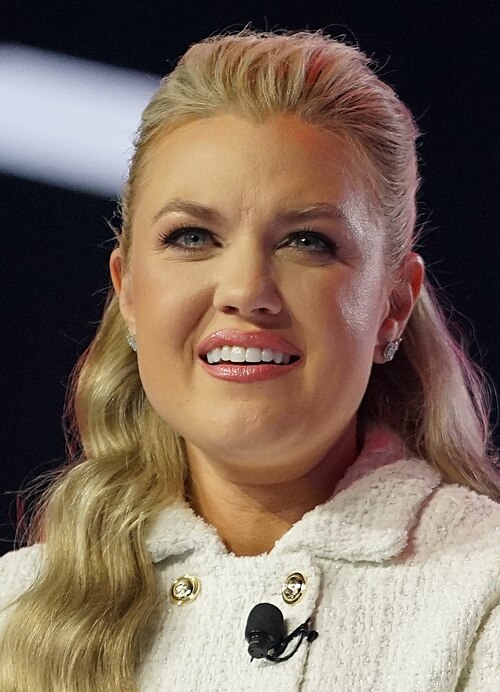
A 26-year-old San Antonio man faces felony charges after authorities say he made online threats to bomb a Turning Point USA event and kill its CEO Erika Kirk, prompting an arrest days before the conservative organization’s Women’s Leadership Summit.
Jacob Wenske was taken into custody early Thursday on two counts of making a terroristic threat causing public fear of serious bodily injury, a third-degree felony. Each charge carries a potential penalty of up to 10 years in prison. He remained in custody with a $120,000 bond as of late May.
According to court documents obtained by local investigators, Wenske allegedly posted threats in response to a public social media announcement about the upcoming summit. One comment reportedly stated, “I know exactly where to bomb.”
An email account linked to Wenske also sent a message to Turning Point USA stating, “Death to Erika Kirk and every single speaker there!!” according to the arrest affidavit. Additional posts referenced acting as a “valet for her escort” and driving “Charlie Kirk’s scum wife straight to the grave.”
Background on the targeted event
The Turning Point USA Women’s Leadership Summit is scheduled for June 5-7 at the Marriott Rivercenter on the San Antonio River Walk. Kirk, 37, widow of the late conservative activist Charlie Kirk, is set to appear as a featured speaker. The organization has not commented publicly on security adjustments but has indicated it takes such threats seriously.
San Antonio Police Department officers arrested Wenske following an investigation that traced the online activity. The threats surfaced in April and January, prompting coordination between local law enforcement and event organizers.
No explosives or weapons were reported in connection with Wenske, and authorities have not indicated any active plot beyond the alleged online statements. The case highlights growing concerns over political violence and online rhetoric targeting public figures.
Context surrounding Erika Kirk
Erika Kirk assumed a prominent role at Turning Point USA following the 2025 assassination of her husband, Charlie Kirk, founder of the conservative youth organization. She has continued advocating for the group’s mission of promoting conservative values on college campuses and among young Americans.
The threats come amid heightened national sensitivity to political violence. Law enforcement agencies across the country have reported increased threats against public officials and event organizers in recent years, particularly those tied to partisan gatherings.
Turning Point USA events often draw large crowds and significant media attention. The San Antonio summit is expected to feature multiple conservative speakers and workshops focused on leadership development.
Legal proceedings and investigation
Wenske faces charges under Texas law for terroristic threats, which apply when statements are deemed to create public fear of serious bodily injury or disruption. Prosecutors in Bexar County will handle the case. Court records show standard processing following the arrest.
Investigators examined social media posts, email records and other digital evidence. The rapid response underscores improved monitoring of online threats ahead of major public events.
No additional suspects have been identified. Authorities encourage anyone with relevant information to contact the San Antonio Police Department.
Broader implications for event security
The incident reflects challenges in securing large-scale political and ideological gatherings. Organizers of similar events nationwide increasingly rely on private security, K-9 units and coordination with local law enforcement to mitigate risks.
Free speech advocates note the fine line between protected expression and actionable threats, while security experts emphasize proactive monitoring of digital platforms. Federal agencies sometimes assist in high-profile cases involving potential interstate elements, though this matter has remained at the local level so far.
San Antonio, a major convention city, hosts numerous large events annually. The River Walk area, where the Marriott Rivercenter is located, typically sees heavy tourist and business traffic, making threat assessments more complex.
Community and organizational response
Turning Point USA has a history of facing protests and occasional disruptions at its events. The organization has previously emphasized resilience in the face of opposition. Kirk herself has spoken publicly about continuing her late husband’s work despite personal challenges.
Local conservative groups in San Antonio expressed concern over the threats, while city officials reiterated commitment to protecting free assembly and speech. No formal statements from Kirk were available as of Friday.
The case has drawn national media coverage, appearing on outlets including Fox News and local Texas stations. Discussions have focused on the rise of doxxing and targeted online harassment against political figures.
Looking ahead
The summit is expected to proceed as planned with enhanced security measures. Organizers typically implement bag checks, credentialing and surveillance for such gatherings. Attendees are advised to follow any updated protocols.
Legal experts following the case suggest it may hinge on proving the statements were true threats rather than protected hyperbole — a determination often made based on context, specificity and the speaker’s intent. Similar prosecutions have succeeded when evidence shows targeted individuals or locations.
This arrest serves as a reminder of the tensions in America’s polarized political climate. As major events continue throughout 2026, authorities and organizers remain vigilant against both online incitement and real-world risks.
Wenske is presumed innocent until proven guilty in a court of law. His next court appearance has not been publicly detailed in initial filings.
Anyone with information related to the case is asked to contact San Antonio police. The investigation remains active as prosecutors build their case.


I am a stock analyst with over 20 years of experience in quantitative research, financial modeling, and risk management. My focus is on equity valuation, market trends, and portfolio optimization to uncover high-growth investment opportunities. As a former Vice President at Barclays, I led teams in model validation, stress testing, and regulatory finance, developing a deep expertise in both fundamental and technical analysis. Alongside my research partner (also my wife), I co-author investment research, combining our complementary strengths to deliver high-quality, data-driven insights. Our approach blends rigorous risk management with a long-term perspective on value creation. We have a particular interest in macroeconomic trends, corporate earnings, and financial statement analysis, aiming to provide actionable ideas for investors seeking to outperform the market.
Analyst’s Disclosure: I/we have no stock, option or similar derivative position in any of the companies mentioned, and no plans to initiate any such positions within the next 72 hours. I wrote this article myself, and it expresses my own opinions. I am not receiving compensation for it (other than from Seeking Alpha). I have no business relationship with any company whose stock is mentioned in this article.
Seeking Alpha’s Disclosure: Past performance is no guarantee of future results. No recommendation or advice is being given as to whether any investment is suitable for a particular investor. Any views or opinions expressed above may not reflect those of Seeking Alpha as a whole. Seeking Alpha is not a licensed securities dealer, broker or US investment adviser or investment bank. Our analysts are third party authors that include both professional investors and individual investors who may not be licensed or certified by any institute or regulatory body.
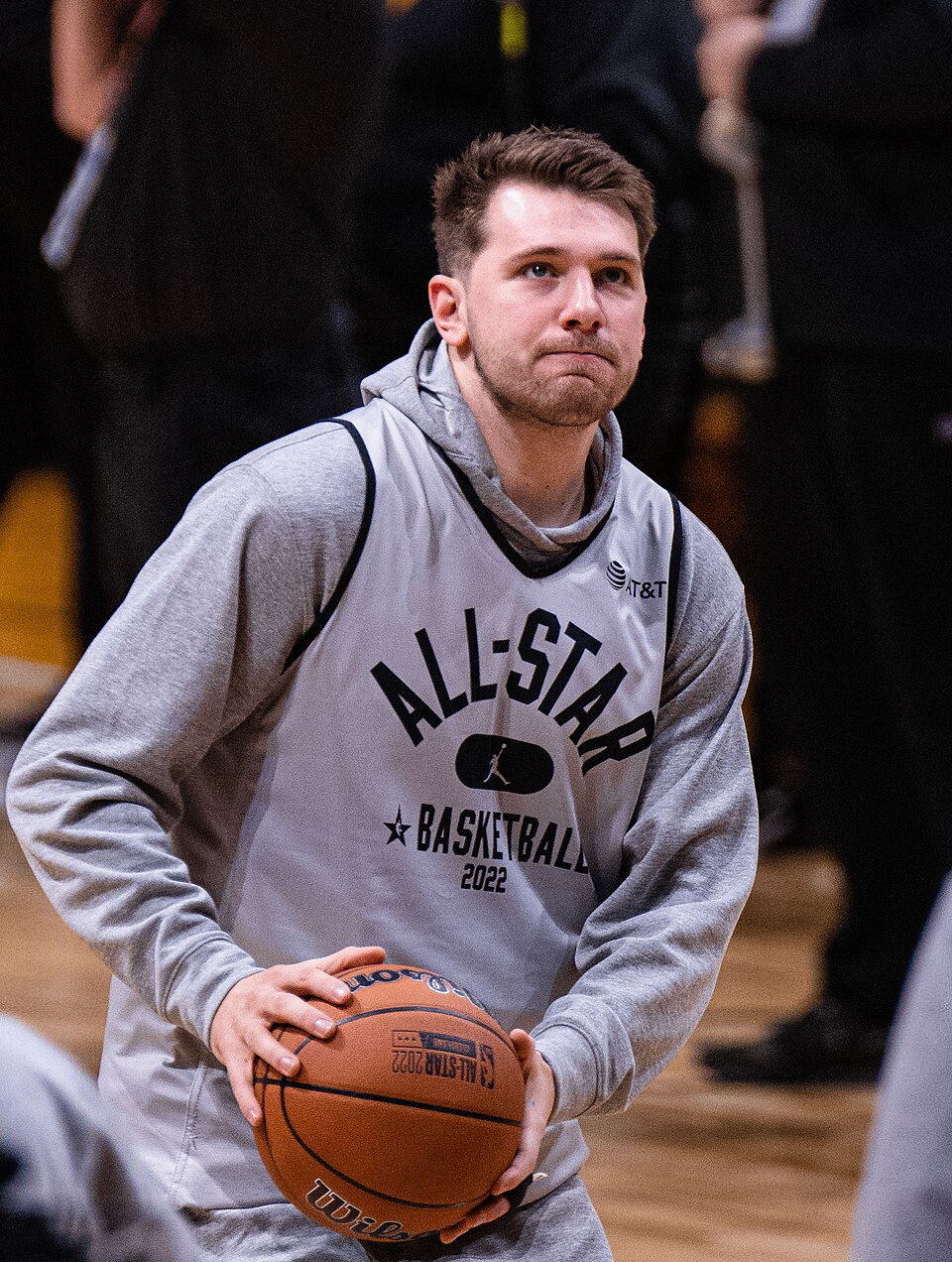
Los Angeles Lakers star Luka Dončić has joined a group led by former Dallas Mavericks executive Donnie Nelson to purchase Italian club Vanoli Cremona, with plans to relocate the team to Rome and position it as a candidate for the NBA’s proposed European league.
The transaction, announced Friday, marks a significant step in Dončić’s post-playing ambitions and Nelson’s continued involvement in basketball development. The group intends to move the club from the northern Italian city of Cremona to the Italian capital ahead of the 2026-27 season in Lega Basket Serie A.
Nelson, who served as Mavericks president of basketball operations when Dallas drafted Dončić in 2018, acts as lead investor and managing partner. The ownership group also includes longtime Italian coach Valerio Bianchini and former player Rimantas Kaukėnas.
Strategic relocation to Rome
Cremona, known for its violin-making tradition, currently hosts the team. The relocation to Rome aims to tap into a larger market with stronger infrastructure and fan potential. Rome has lacked a top-tier professional basketball club since Virtus Roma’s struggles in recent years.
The new owners have already submitted a bid for the franchise to serve as Rome’s representative in NBA Europe, the league expected to launch as early as 2027. NBA officials have discussed a 16-team competition in partnership with FIBA to expand the game’s global footprint.
Dončić expressed enthusiasm for the project. He has “dreamed about owning a team in Europe for a long time” and believes “we can do something special for basketball in Italy and Europe.”
The Slovenian superstar, who rose through European ranks with Real Madrid before joining the NBA, sees the move as a way to give back to the continent that shaped his career.
Background and partnership
Nelson played a pivotal role in bringing Dončić to the Mavericks. The pair’s longstanding relationship formed the foundation for this business venture. Reports of their interest in an Italian club first surfaced in February.
The acquisition comes as Dončić, now with the Lakers, continues his NBA career at an elite level. Ownership in a European club does not currently violate NBA rules regarding future league participation, though final NBA Europe structures remain under discussion.
Nelson, son of Hall of Fame coach Don Nelson, brings decades of NBA front-office experience. His vision focuses on building sustainable professional basketball in major European cities.
NBA Europe context
The NBA has signaled strong interest in formalizing a European presence. Discussions include potential integration with existing competitions like EuroLeague while creating a new tier featuring NBA-affiliated teams. Cities such as Rome represent attractive markets due to population size, cultural significance and untapped commercial opportunities.
Rome’s PalaEur arena has been mentioned as a potential venue. The city last hosted consistent top-level basketball years ago, creating demand for a competitive franchise.
Analysts view the Dončić-Nelson bid as strategically timed. A successful entry could provide a blueprint for player-driven ownership in emerging leagues and strengthen ties between the NBA and European basketball ecosystems.
Impact on Italian basketball
The move ends Vanoli Cremona’s presence in its current location but promises elevated competition in Rome. Italian league officials have welcomed investment that raises the profile of Serie A.
Local fans in Cremona expressed mixed reactions, with some disappointed by the departure while others recognize the broader benefits for Italian basketball. The club has competed in the top division but faced challenges in sustaining long-term success.
Bianchini and Kaukėnas bring deep local expertise. Bianchini is a respected coach with multiple titles, while Kaukėnas enjoyed a successful playing career in Italy and Lithuania. Their involvement ensures continuity and cultural understanding.
Financial and operational outlook
Specific purchase terms were not disclosed. European club valuations vary based on league status, arena rights and commercial potential. Rome’s larger market could significantly increase the franchise’s value if it secures an NBA Europe spot.
The group plans immediate preparations for the 2026-27 season in Rome, including roster planning, marketing and infrastructure upgrades. Success in Serie A could strengthen their NBA Europe application.
Dončić’s star power is expected to boost visibility. His global following could attract sponsorships and international attention to the new Roman club.
Broader implications for player ownership
Dončić becomes one of the first active NBA players to pursue ownership in a professional team outside the United States. This development raises questions about future regulations as the NBA expands globally.
League officials have indicated flexibility during the planning phase for NBA Europe. The initiative aims to grow the sport while protecting the integrity of the NBA’s flagship competition.
For Dončić, the project aligns with his European roots. Born in Slovenia, he developed his game in Spain and maintains strong ties across the continent. The investment represents a long-term commitment beyond his playing days.
Next steps and timeline
The relocated team will begin play in Rome for the 2026-27 Italian season. NBA Europe’s launch target of 2027 provides a clear horizon for the bid’s evaluation. Multiple groups are reportedly competing for various European markets.
Nelson emphasized the opportunity. “Rome deserves world-class basketball, and we are excited to be bringing it back,” he said in a statement.
Dončić posted on social media celebrating the news: “Basketball is coming back to Rome.”
The venture has drawn positive reactions from basketball executives on both sides of the Atlantic. It could accelerate development in markets hungry for high-level competition and create pathways for European talent to reach the NBA.
As details emerge in coming weeks, attention will focus on roster construction, coaching staff and arena arrangements. The collaboration between a current NBA superstar and a veteran executive signals serious intent to elevate basketball in Italy and beyond.
This initiative underscores the growing convergence of American and European basketball. With Dončić’s involvement, the new Roman club carries both sporting ambition and cultural significance for fans across the continent.

Exelixis presents Cabometyx data for neuroendocrine tumors

Stanley Cup Final 2026 scores, schedule: Where to watch Golden Knights vs. Hurricanes

Inside Coronation Street legend Michael Le Vell’s wedding to bride Louise Gibbons with co-star guests

Time Is The Enemy Of Duration Bets, VGUS Is Safe (NASDAQ:VGUS)

Steven Gerrard disagrees with Gary Neville over ‘shock’ Chelsea and Arsenal claim | Football

US brings back mandatory military draft registration

Register Renaming | Hackaday

The “ILOVEYOU” Email That Spread Across the World #internethistory #emailhistory #computer #money

Financial Analyst Life | How to become a Financial Analyst? | #analystjob #datanalystjobs

The CEO Of Japan’s Biggest Crypto Firm Just Said XRP Will Be VERY Expensive
-

 Business6 days ago
NYT Strands Answers May 24 2026 Revealed for Puzzle No. 812 Theme Summer Essentials
-

 NewsBeat3 days ago
Israel says it has killed new Hamas military leader in Gaza City airstrikes
-

 Politics5 days ago
Bridgerton Season 5: Cast, Release Date And Everything We Know So Far
-

 Business4 days ago
Selena Gomez Reportedly Upset Over Benny Blanco’s Comments on Her ‘Terrible’ Diet
-
 Crypto World4 days ago
Micron Crosses $1 Trillion Market Cap as AI Demand Reshapes Memory Sector
-

 Tech5 days ago
Microsoft’s quiet Claude Code retreat and the real cost of enterprise AI
-

 Business5 days ago
BTS Sells Out Four Las Vegas Shows at Allegiant Stadium for ARIRANG World Tour
-
 Tech4 days ago
China assigns ID codes to 28,000+ humanoid robots
-

 News Videos4 days ago
XRP *JUST* SUCCEEDED!!!! CLARITY ACT EXPOSED!!! (SHE EXPOSED IT)
-

 Tech1 day ago
Waymo dominates autonomous vehicle registrations as Tesla trails behind
-
Tech3 days ago
The Samsung pay deal is the moment Korean unions changed register
-

 Tech5 days ago
Westone Audio and Etymotic Acquired by Fidelity Collective in Major IEM Market Move
-
Crypto World6 days ago
Brian Armstrong Outlines Crypto Vision for the Future Financial System
-
 Entertainment5 days ago
‘Breaking Bad’ Star’s Easy-to-Binge 6-Part Crime Series Spin-Off Is Finally Heading to Free Streaming
-

 Tech4 days ago
Millions of AI agents imperiled by critical vulnerability in open source package
-
Crypto World3 days ago
SpaceX’s $2 Trillion IPO: Why Tech Giants Nvidia (NVDA), Apple (AAPL), and Microsoft (MSFT) May Face Pressure
-
 Crypto World5 days ago
Nvidia (NVDA) CEO Calls on Super Micro to Strengthen Export Controls Amid Smuggling Probe
-

 Tech3 days ago
NASA taps Blue Origin to deliver lunar rovers for Moon Base initiative
-
 NewsBeat5 days ago
Hottest May day ever as London hits 34.8C in 2C leap from previous records
-
 Crypto World23 hours ago
Snowflake (SNOW) Stock Rallies on Strong Q1 Results and AI Product Growth
You must be logged in to post a comment Login