Connect with us

Business

Gold Slips Ahead of Fed Meeting Minutes

Published

on

Stocks Little Changed After Fed Decision

Gold prices slipped with investors awaiting the release of the Federal Reserve’s July meeting minutes for fresh clues on its monetary policy outlook.

In early trading, New York futures were down 0.2% to $4,410.30 a troy ounce.

“The outlook remains constrained by the US-Iran conflict,” said Soojin Kim from MUFG. “Energy-driven inflation could reinforce expectations for tighter Fed policy, limiting gold’s upside.”

Continue Reading
Click to comment

You must be logged in to post a comment Login

Leave a Reply

Business

Lumen's AI Narrative Meets Its Hard Revenue Reality (Downgrade)

Published

on

Lumen's AI Narrative Meets Its Hard Revenue Reality (Downgrade)

Lumen's AI Narrative Meets Its Hard Revenue Reality (Downgrade)

Continue Reading

Business

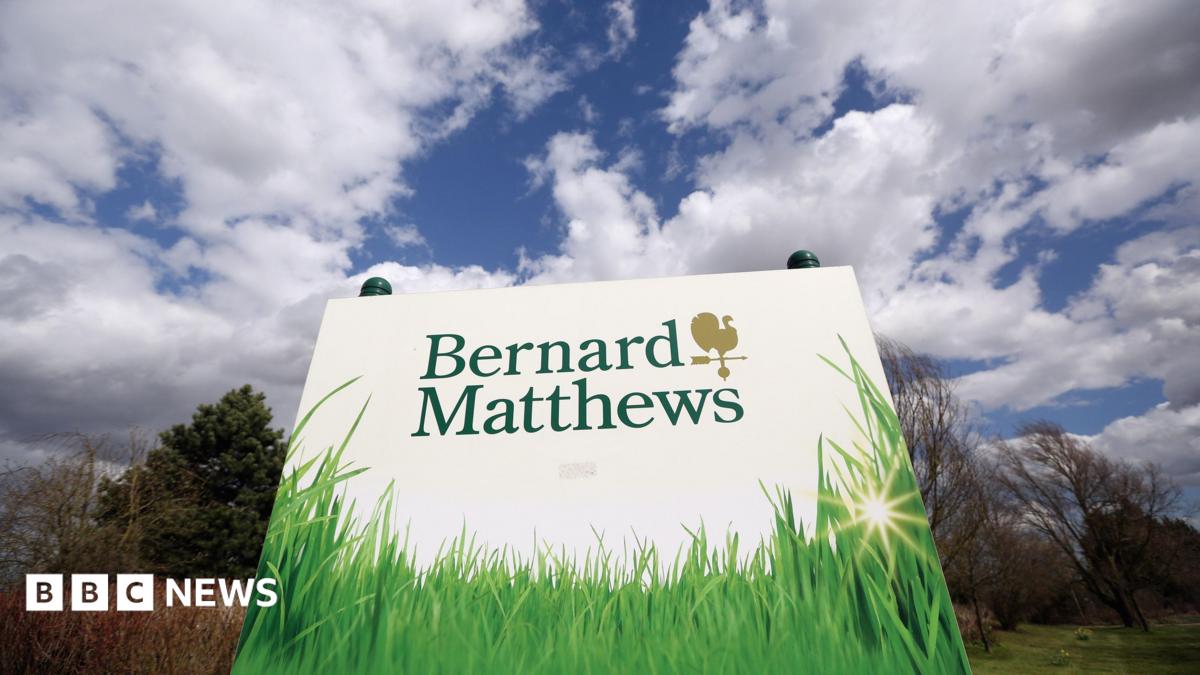
Bernard Matthews confirms closure of Derby factory

Published

on

A Bernard Matthews sign

A British food giant is set to close its factory in Derby amid “significant financial losses”.

Bernard Matthews Foods has confirmed it will be shutting its processing facility on Shaftesbury Street South by the end of 2026.

A spokesperson for the company said the decision had been made at the conclusion of consultations with “employee and union representatives”.

The decision comes two years after the company announced plans to close a plant at its headquarters in Great Witchingham, Norfolk, where its founder built his empire.

Advertisement

In a statement on Thursday, the company said its financial situation was due to “external economic challenges”.

“This decision follows continued significant financial losses, alongside a range of external economic challenges and the geopolitical environment, including Brexit, Covid, and conflicts in Ukraine and the Middle East, which have all contributed to significantly impacting the site and its supply chain,” a spokesperson said.

“The company will support impacted employees through potential redeployment opportunities across the wider business, and engagement with local organisations to explore alternative employment options.”

The well-known food brand rose to prominence in the 1960s when Bernard Matthews entered the Guinness Book of Records as the biggest turkey farmer in Europe.

Advertisement

Matthews was known for his “bootiful” catchphrase and his success led to an expansion of turkey-related products, including turkey Twizzlers.

The entrepreneur died in 2010 on the day of the US Thanksgiving holiday, often referred to as Turkey Day.

According to the company’s website, it still runs processing and production sites in Sunderland and in Holton, Suffolk.

Trade union Unite has been contacted for comment.

Advertisement
Continue Reading

Business

SK Hynix ADR Jumps 4% as JPMorgan Sees $130 Billion More in Shareholder Returns After Buyback This Year

Published

on

South Korea is home to the world's largest memory chip maker Samsung, and largest memory chip supplier SK Hynix

Shares of SK Hynix’s U.S.-listed American depositary receipts climbed 4.20%, or $6.56, to $162.72 as of 12:48 p.m. EDT Thursday, extending a sharp rally that began earlier this week after the South Korean memory chipmaker unveiled the largest share buyback and cancellation program in the country’s corporate history.

SK Hynix’s board approved a plan Wednesday to repurchase and cancel 40 trillion won, or roughly $28.6 billion, of its own shares, marking the largest treasury share cancellation ever undertaken by a listed South Korean company, according to Quartz. The board resolution covers approximately 24.07 million shares, or about 3.3% of the company’s total shares outstanding, based on the stock’s closing price of 1,662,000 won the day before the vote. The repurchase period runs from Thursday, Aug. 20, through Nov. 19, with every acquired share to be permanently canceled once the program concludes.

Alongside the buyback, SK Hynix said it intends to raise its shareholder return commitment for the 2025-to-2027 period, shifting the benchmark from what had previously been a ceiling of 50% of cumulative free cash flow to a new floor exceeding that level. According to Quartz, the company plans to deliver those returns through a combination of share repurchases, cancellations and cash dividends, including both fixed and special dividend payments currently under consideration.

Analysts have responded with considerable enthusiasm to the scale and structure of the announcement. In a note published Thursday, JPMorgan analyst Jay Kwon wrote that SK Hynix may follow up its new buyback with additional shareholder returns worth at least $130 billion through next year, according to Bloomberg. Kwon characterized the key takeaway from Wednesday’s announcement as SK Hynix’s decision to lift the overall ceiling on shareholder returns, noting the company is now pledging more than half of its cumulative free cash flow over 2025 through 2027, compared with the “up to 50%” language it had used previously.

Advertisement

Separately, TipRanks reported that SK Hynix received a buy rating reaffirmation from Bank of America Securities analyst Shawn Kim, who described the company’s newly enhanced shareholder-return framework and strengthening free cash flow outlook as key factors underpinning his continued bullish stance on the stock.

According to figures cited by cryptocurrency and markets outlet KuCoin, citing the Korea Economic Daily, SK Hynix’s broader shareholder return package, including both the share buyback and cash dividends, is expected to total approximately 100 trillion won, or roughly $71 billion. The 40 trillion won buyback component represents more than 2% of the company’s total issued shares, a scale that KuCoin noted is comparable to the proportion of new shares SK Hynix issued earlier this year for its landmark Nasdaq ADR listing. HSBC had previously argued that markets had priced in overly pessimistic expectations for SK Hynix’s earnings cycle, suggesting the new shareholder return plan could serve as a meaningful catalyst for improving the stock’s overall valuation.

Wednesday’s buyback announcement triggered an immediate rally in SK Hynix shares. According to TipRanks, the stock jumped 6% to $164.73 in the immediate aftermath of the news. That momentum extended into Thursday’s broader Asian market rally, with Investing.com reporting that Asian stocks climbed broadly as a U.S. Treasury Department move to increase purchases of long-dated government bonds helped ease pressure across global markets. SK Hynix and rival Samsung Electronics both surged as investors welcomed the record-setting buyback, with Samsung shares climbing nearly 9% to 269,750 won on Thursday following local media reports that the company was preparing to announce its own shareholder return program.

According to Reuters, cited via Investing.com, Samsung Electronics is set to announce a new shareholder return policy later this month worth more than $72 billion, a development that has added further fuel to the broader rally across South Korea’s dominant memory chip duo. Separately, Reuters reported Thursday that SK Hynix has agreed to pay 60% of employee bonuses in company shares, with the remaining 40% paid in cash, resolving a compensation dispute that had reportedly been a source of tension within the company earlier this year.

Advertisement

SK Hynix’s rally comes against the backdrop of an extraordinarily strong year for the stock more broadly. According to a recent analysis from Simply Wall St, SK Hynix’s one-year total shareholder return has surged 214%, with the stock’s 90-day share price return alone climbing nearly 95%, driven by renewed demand for memory chips and shifting industry optimism regarding the durability of artificial intelligence-related capital spending. The company’s most recent quarterly guidance, according to Investing.com, pointed to DRAM shipments rising approximately 10% quarter over quarter and NAND shipments rising in the low single digits, alongside 2026 capital expenditures targeted in the high 40 trillion won range as the company works to accelerate production at its M15X facility. Management also indicated it had secured long-term supply agreements with roughly 10 customers and is targeting volume production of its next-generation HBM4E high-bandwidth memory chips in 2027.

SK Hynix’s American depositary receipt listing itself has been one of the more significant developments in the company’s recent history. The chipmaker listed its ADRs on the Nasdaq earlier this year, raising $26.5 billion in what became the largest U.S. share sale ever completed by a foreign company, with each underlying common share represented by 10 individual ADRs, according to Quartz.

As a leading global supplier of both DRAM and NAND flash memory, SK Hynix holds roughly 33% and 21% market share in those respective categories as of the most recent available data, according to Morningstar, positioning the company as the world’s second-largest supplier in both product categories. SK Square, an investment management company spun off from SK Telecom, remains SK Hynix’s largest shareholder, currently holding roughly 20% of the company’s outstanding shares.

With Wednesday’s buyback announcement, Thursday’s broader Asian market rally, and JPMorgan’s projection of significantly more shareholder returns still to come, investors are likely to continue closely monitoring how SK Hynix balances its aggressive capital return commitments against continued heavy capital expenditure tied to expanding high-bandwidth memory production capacity, as the company works to sustain its position at the center of the ongoing global AI infrastructure buildout heading into the remainder of 2026 and beyond.

Advertisement
Continue Reading

Business

US stocks: US market sinks as bond yields rise, Walmart results disappoint

Published

on

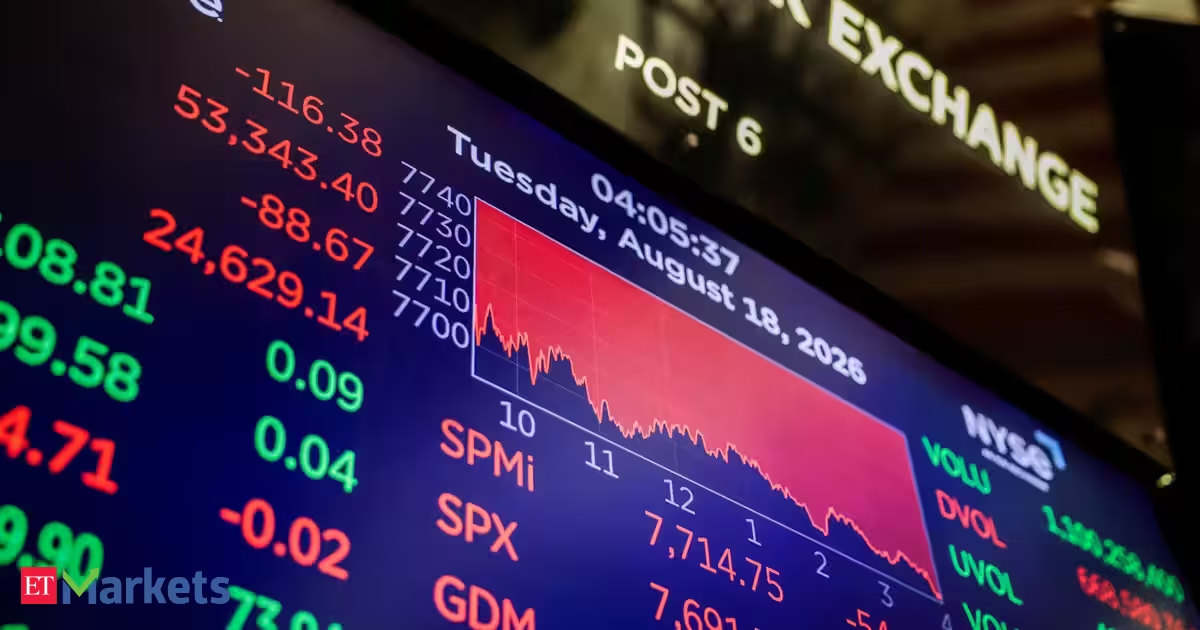
US stocks: US market sinks as bond yields rise, Walmart results disappoint
The three main U.S. equity indexes closed lower on Thursday as rising Treasury yields dented risk appetite, disappointing results from retail bellwether Walmart soured investors on the consumer sector and rallying oil prices fanned inflation worries.

Walmart shares fell sharply after it missed Wall Street expectations for quarterly comparable sales as rising gasoline prices had shoppers reining ‌in spending. The ⁠report dragged down ⁠the S&P 500 consumer staples index and consumer discretionary.

Rival retailers such as Costco, Dollar Tree and Albertsons followed Walmart lower.

The increase in U.S. crude oil above $87 compounded concerns about the health of the U.S. consumer, according to Mona Mahajan, head of investment strategy at Edward Jones. She noted that investors were already anxious after recent weaker-than-expected retail sales and labor market data for July.

Advertisement

“There is some question about how resilient the consumer can be with ongoing elevated gas prices and inflationary pressures,” Mahajan said.


The strategist also highlighted pressure from rising bond yields on equities. Wall Street indexes had risen on Wednesday after the U.S. ⁠Treasury Department ‌said it would spend more than double the expected amount on buying back bonds in a bid to slow a recent surge in yields. On Thursday, however, stocks declined as yields advanced again.
Yields on the ⁠30-year and 10-year bonds pared gains briefly after U.S. Treasury Secretary Scott Bessent said ​he may again increase the volume of Treasury bonds the government will repurchase. But ​yields resumed their upward trend.”There are a couple of headwinds that the markets woke up to today,” said Mahajan. “One was a resumption in the increase in bond yields across the curve that came despite yesterday’s Treasury move … it reversed very quickly, within 24 hours.”

According to preliminary data, the S&P 500 lost 65.29 points, or 0.85%, to end at 7,642.69 points, while the Nasdaq Composite lost 263.28 points, or 1.00%, to 26,067.81. The Dow Jones Industrial Average fell 681.62 points, or 1.27%, to 52,781.43.

The S&P ‌500 consumer discretionary sector was one of the biggest drags on the benchmark index, with megacaps including Amazon and Tesla among its biggest index-point weights. Big percentage decliners included Royal Caribbean Group and Carnival ​Corp, which are sensitive ​to fuel prices.

The S&P 500 energy ⁠index rose as oil gained for the fifth consecutive session due to stalled U.S.-Iran peace talks and Middle East supply disruptions. Real estate stocks were also outperforming.

Advertisement

Meanwhile, cryptocurrency-related companies such as Strategy and exchange operator Coinbase Global rallied a day after U.S. ​President Donald Trump called on Congress to pass a crypto bill.

Biotech company Moderna gave up much of its gains from Wednesday, when it surged nearly 177%.

Deere shares rose after a full-year net income forecast raise from the world’s largest farm-equipment manufacturer.

Shares in Coty sank after the CoverGirl cosmetics brand owner forecast current-quarter earnings below expectations and withheld its annual outlook, while Advance Auto Parts tumbled after issuing a weaker annual sales forecast.

Advertisement
Continue Reading

Business

GLP-1s emerge as one of most ‘disruptive economic forces’ in healthcare

Published

on

AI advances are set to reshape healthcare by 2030, IEEE report finds

A new report by Wells Fargo spotlights how GLP-1 weight loss drugs are reshaping the healthcare industry by addressing obesity.

Wells Fargo released a report Thursday which notes that much of the American healthcare system has been structured around obesity, given it has become a foundational condition in the country with 40.3% of adults considered obese and 9.4% severely obese.

Advertisement

Usage of GLP-1 drugs surged in recent years, rising over 140% from 2022 to 2024, which had a significant impact on hospital services aimed at treating obesity. In that same timeframe, bariatric surgery volumes fell 34.1%.

MAJOR PBMS TO BOOST PRESCRIPTION DRUG PRICE TRANSPARENCY THROUGH TRUMPRX

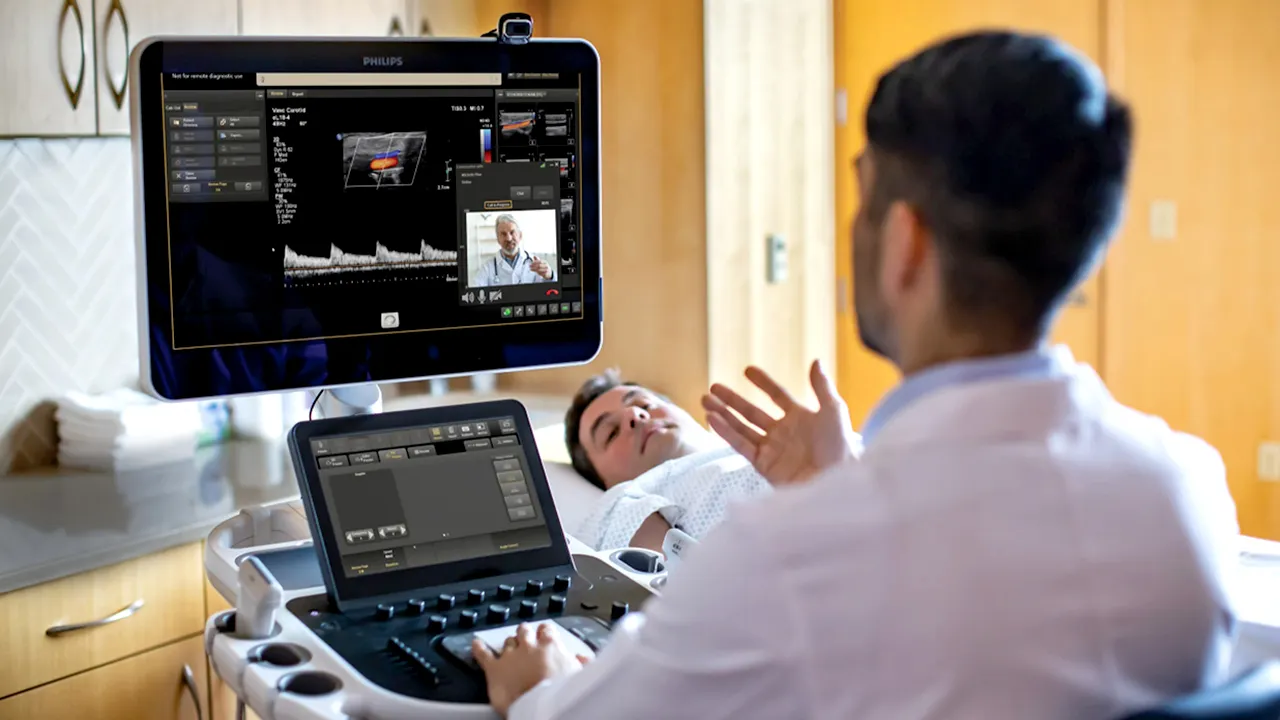
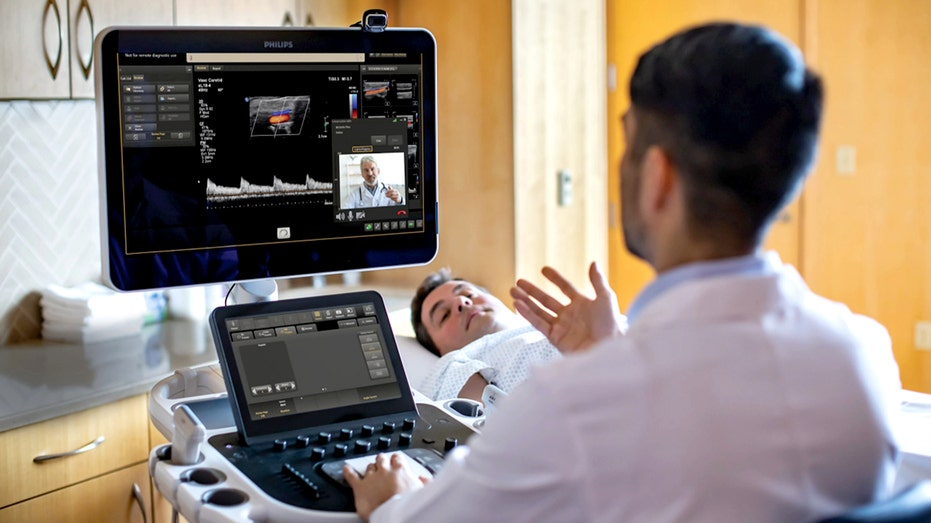
Two clinicians using Collaboration Live while patient is on the table undergoing an ultrasound scan.

Philips plans to invest more than $150 million in U.S. facilities. (Philips)

“GLP-1s may be marketed as weight-loss drugs, but they’re rapidly becoming one of the most disruptive economic forces in healthcare,” John Teasley, market executive for Wells Fargo Healthcare Banking, told FOX Business. “We’re seeing a medication class with the potential to reshape how providers generate revenue, where investors allocate capital, and how consumers engage with their health.”

The report said that the healthcare system and hospitals in particular are having to adapt to a changing landscape caused by the rise of GLP-1 semaglutide drugs, as obesity patients who previously would’ve undergone surgery after attempting to diet now have a pharmaceutical alternative that is “visible, reversible, and socially normalized.”

Advertisement

AMERICANS SAVE MORE THAN $700M ON PRESCRIPTION MEDICATIONS THROUGH TRUMPRX, WHITE HOUSE SAYS

GLP-1s may also have an impact on cardiology, with a trial showing that their use reduced major cardiovascular events by 20% in overweight or obese adults without diabetes. If that trend prevails at scale, hospitals would see fewer procedures, repeat admissions, complications and other downstream interventions – leading to a sizable reduction in demand for those services.

Your weight loss meds just got 50% cheaper thanks to new deals

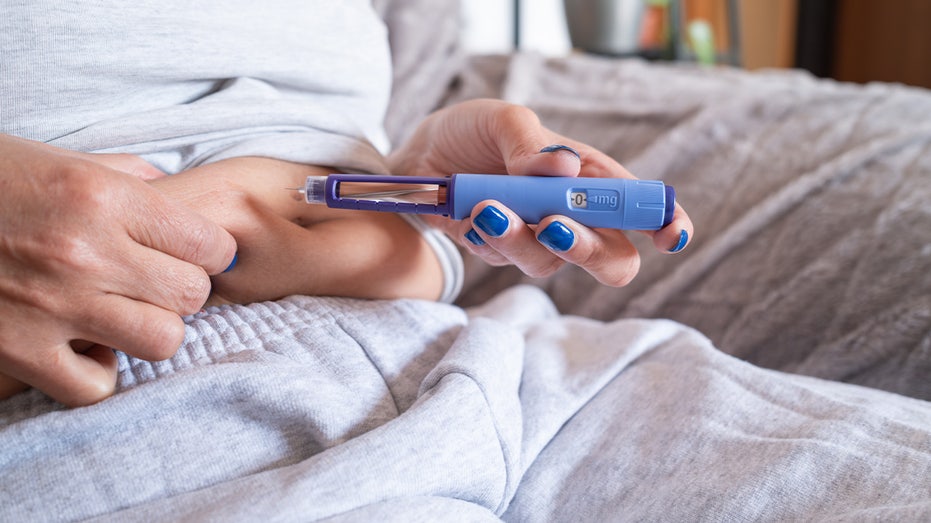
A woman injects a GLP-1 injection into her stomach in this undated photo taken at an undisclosed location. (iStock)

Other aspects of managing chronic obesity may also evolve with increased use of GLP-1 therapies, with more longitudinal management, outpatient visits, side effect monitoring and medication management. It could also have implications for treating comorbidities driven by obesity, like knee and hip replacements, sleep apnea and metabolic liver disease, the Wells Fargo analysts noted.

“The biggest takeaway from our research isn’t that healthcare is shrinking, it’s that healthcare is being rewired,” Teasley said.

Advertisement

ROUGHLY 23 MILLION AMERICANS TRAPPED IN JOBS THEY WANT TO LEAVE OVER ONE COSTLY FEAR

The report said that the rise of GLP-1 treatments is also reshaping the development strategies of pharmaceutical companies, noting an analysis by Deloitte that obesity drugs are now the largest component of the late-stage pipeline after surpassing oncology treatments for the first time in 16 years.

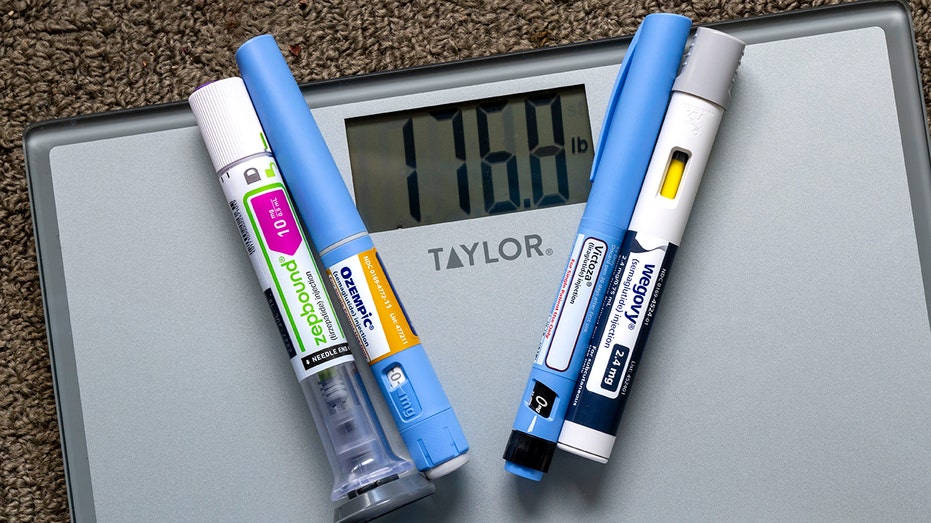
photo illustration of weight loss injection pens on a weight scale showing 176 pounds

A photo illustration shows weight-loss injection pens resting on a scale that reads 176 pounds. (Michael Siluk/UCG/Universal Images Group via Getty Images)

GLP-1 drugs drove that increase almost exclusively, raising obesity treatments from 1% of the pipeline in 2022 to about 25% now, while oncology slipped to 20% after being at 32% in 2022.

“Obesity therapies have already taken cancer as the pharmaceutical industry’s leading area of investment, reflecting growing confidence that these treatments could improve the health of millions of Americans while fundamentally reshaping one of the country’s largest industries,” Teasley said.

Advertisement

GET FOX BUSINESS ON THE GO BY CLICKING HERE

The Wells Fargo report concluded that the likely winners in the healthcare industry will opt against trying to defend the old model, and instead reposition ahead of it – such as by reallocating capital and talent toward obesity medicine, integrated cardiometabolic care and specialty pharmacy services.

Continue Reading

Business

Researchers Uncover Surprising New Benefits and Risks of GLP-1 Weight Loss Drugs Ozempic, Mounjaro

Published

on

Weight loss

BATON ROUGE, La. — Researchers who have spent years studying GLP-1 weight loss medications say some of the drugs’ effects have caught even longtime experts off guard, five years into widespread use of medications such as Ozempic, Wegovy and Mounjaro, according to new findings highlighted by scientists at Louisiana’s Pennington Biomedical Research Center.

Dr. Steven Heymsfield, a professor at Pennington Biomedical Research Center and director of its Metabolism Body Composition Laboratory, has studied GLP-1 drugs for 15 years. He said the range of effects researchers have documented has included both expected and unexpected findings. “Some were predicted beforehand and others were completely surprising,” Heymsfield said. “So for example, we know that people who are obese have a higher risk of diabetes.”

Among the more unexpected discoveries, Heymsfield pointed to reports from patients describing a diminished desire to drink alcohol while taking the medications, an effect that has since gained scientific support. “The unpredictable type is that people report less desire to drink alcohol,” Heymsfield said. “And now there are studies beginning to show that that’s been confirmed.” That observation aligns with a broader body of emerging research; according to Forbes Health, a 2026 study published in BMJ examining more than 600,000 veterans with Type 2 diabetes found that GLP-1 medications were associated with a decreased risk of substance use disorders across all major drug classes, as well as fewer overdoses and hospitalizations among those with existing substance use disorders, compared with a different class of diabetes medication known as SGLT-2 inhibitors. Forbes Health noted that GLP-1 receptors are present in brain regions that influence impulse control and reward signaling, a mechanism researchers believe may help explain the reduced pleasure-seeking behavior associated with addictive substances. The outlet cautioned, however, that this research remains preliminary, and GLP-1 medications are not currently FDA-approved for treating substance use disorders specifically.

Heymsfield also highlighted improvements reported by patients with arthritis, describing reduced pain, less inflammation and improved mobility among users of the drugs. “People with arthritis have unexpectedly reported improved symptoms, less pain and less inflammation, and can walk better,” Heymsfield said, adding that studies have shown patients on the medications have needed fewer knee replacement surgeries as a result. That finding is echoed in more detailed clinical research presented at the American Diabetes Association’s 2026 conference, according to coverage from the American Journal of Managed Care, which reported that knee osteoarthritis outcomes improved with semaglutide, including meaningful reductions in pain scores and decreased use of pain medication, with tirzepatide’s greater overall weight loss producing similarly meaningful pain benefits.

Advertisement

Cardiovascular improvements represent another area where Heymsfield said the evidence has grown increasingly robust. “We’ve already shown with GLP-1s that it reduced the risks of heart attacks, cardiovascular disease, mortality,” he said, adding that researchers believe the benefit extends beyond simple weight loss. “And it’s thought that it’s not just the weight loss, but processes like inflammation also are improving that might mediate these effects on the heart.” That assessment aligns closely with a large international review published earlier this year and highlighted by ScienceDaily, in which researchers at Anglia Ruskin University analyzed data from more than 90,000 patients across major international clinical trials and found that GLP-1 weight-loss drugs such as semaglutide significantly lowered the risk of heart attacks, strokes, heart failure and premature death over multiple years of treatment, leading researchers to suggest the medications could ultimately become a major tool against cardiovascular disease more broadly, not solely obesity and diabetes.

Heymsfield emphasized that not every benefit observed in patients appears to be directly tied to weight loss itself. “It looks like it’s not just the weight loss, but these drugs that actually have themselves some properties that improve inflammation,” he said, noting that researchers are actively continuing to study that distinct anti-inflammatory mechanism. He also pointed to a phenomenon frequently reported by patients known as reduced “food noise,” describing it as a diminished preoccupation with thoughts about food throughout the day, a change some patients describe as a significant improvement in daily quality of life. At the same time, Heymsfield noted a more complicated emotional dimension to that same effect: for some patients, the medications’ dampening of food-related pleasure has led them to discontinue use altogether. “And if you lose that enjoyment, some people go off the drugs because they’ve lost that part of their life,” he said.

Alongside these benefits, Heymsfield and other researchers have continued to flag significant risks and open questions surrounding long-term use of the medications. Muscle and bone loss remain a consistent concern across virtually all patients using the drugs, according to Heymsfield, who said this side effect occurs in essentially everyone who loses weight while taking GLP-1 medications, regardless of other individual factors. He said researchers at Pennington are actively studying strategies to mitigate that loss, including increased dietary protein intake and resistance exercise training. That concern is echoed in more technical detail by a recent analysis published in the American Journal of Managed Care, which noted that higher-dose incretin therapies can drive lean-mass losses accounting for anywhere from roughly 25% to 40% or more of a patient’s total weight reduction, a dynamic that reduces resting energy expenditure and requires proactive assessment of sarcopenia risk, the medical term for age- or illness-related muscle loss. The same analysis pointed to supervised resistance and aerobic training combined with adequate protein intake, generally in the range of 1.2 to 1.6 grams per kilogram of body weight daily, as an evidence-based approach shown to help preserve or even increase lean muscle mass in patients using the medications.

Separate research from Washington University School of Medicine and the Veterans Affairs St. Louis Health Care System, published in January 2025, similarly identified a mixed picture of benefits and risks associated with the drugs. That research found GLP-1 medications were tied to decreased risk of dementia and addiction, alongside cognitive and behavioral health benefits, but also identified increased risk of certain gastrointestinal problems, along with kidney and pancreas conditions, including pancreatitis, among some users.

Advertisement

The rapid rise in GLP-1 medication use over the past several years has made these evolving findings increasingly relevant to a large and growing share of the American public. According to Forbes Health, roughly one in eight Americans has already used or is currently using GLP-1 medications to treat conditions including diabetes, heart disease or obesity, with some projections suggesting as many as 30 million Americans could be using the drugs by the end of the decade. Originally approved by the FDA specifically to treat Type 2 diabetes, GLP-1 medications have since expanded into treatment for a widening range of conditions, including cardiovascular risk reduction, obstructive sleep apnea, chronic kidney disease and liver disease, alongside their most commonly recognized use for weight loss, even as researchers continue actively investigating additional off-label applications, including potential treatment for addiction and binge eating disorder, through ongoing clinical trials.

As the body of research on GLP-1 medications continues to expand rapidly, scientists including Heymsfield have emphasized that understanding of both the benefits and risks associated with long-term use remains an active and evolving area of study, with researchers continuing to work toward strategies that can help patients preserve muscle and bone health while benefiting from the medications’ broader metabolic, cardiovascular and potentially neurological effects.

Continue Reading

Business

Treasury Department blocks ESG funds from Trump Accounts investments

Published

on

Bessent warns China over rare earth minerals and AI model IP theft

The Treasury Department on Thursday moved forward with new rules for investments in Trump Accounts that aim to exclude investment funds rooted in environmental, social and governance (ESG) criteria, FOX Business has learned.

The rules restricting ESG funds from being included in Trump Accounts come alongside other rules ensuring that investment options in the accounts have low fees to ensure investors keep more of their money.

Advertisement

“Corporate America has rejected ESG ideology, and we will not allow it to be a part of Trump Accounts,” Treasury Secretary Scott Bessent told FOX Business in a statement.

“These accounts exist to build financial security for America’s children, not to advance political activism or ideological agendas,” Bessent added.

WHITE HOUSE UNVEILS TRUMP ACCOUNTS MOBILE APP AHEAD OF JULY 4 ROLLOUT

Treasury Secretary Scott Bessent speaks with reporters in Paris

Treasury Secretary Scott Bessent told FOX Business the ESG restriction will help protect investors. (Reuters/Abdul Saboor/File Photo)

A Treasury Department official told FOX Business that under the proposed eligibility framework, an index would have to be designed primarily to measure the performance of a broad segment of the U.S. or global equity market using objective financial criteria.

Advertisement

The rule is intended to give families clear, transparent investment choices that are focused on cost, diversification and long-term financial performance.

ESG funds have faced criticism for their focus on other criteria, like the environmental and social policies of companies or their governance structures, ahead of investor returns.

WHAT ARE THE INVESTMENT OPTIONS FOR TRUMP ACCOUNTS?

Trump Accounts app

The Trump Accounts app features eight exclusive financial literacy modules. (U.S. Department of the Treasury)

Trump Accounts officially launched on July 4, and a Treasury spokeswoman said that in the month and a half since the launch, the number of families who have signed up for Trump Accounts has risen above 7 million.

Advertisement

Over 2 million of those who have enrolled to date are eligible for the $1,000 seed fund from the federal government, which is available for children born between the start of 2025 and end of 2028 under the One Big Beautiful Bill Act.

Trump Accounts may also be created for children under the age of 18, although those who were born outside the 2025 to 2028 window aren’t eligible for the government’s seed money.

MICHAEL DELL CELEBRATES AMERICA’S 250TH BIRTHDAY WITH GIFT TO SEED THE AMERICAN DREAM FOR MILLIONS OF KIDS

CEO of Dell Technologies Michael Dell and his wife Susan Dell announce an investment in the 'Trump accounts.'

Michael and Susan Dell announced a $6.25 billion contribution to seed Trump Accounts belonging to children under the age of 10. (Andrew Caballero-Reynolds/ AFP/Getty Images)

The Treasury spokeswoman also noted that since the launch there has been over $1.5 billion in investment contributions from individuals as well as contributions from pilot programs.

Advertisement

That figure doesn’t include philanthropic contributions, such as the $6.25 billion contributed by billionaires Michael and Susan Dell, who helped fund $250 initial seed deposits into accounts for children under age 10.

GET FOX BUSINESS ON THE GO BY CLICKING HERE

Continue Reading

Business

Aurora Innovation, Inc. (AUR) Discusses AI Advancements, Commoditization Concerns, and Defensibility in Autonomous Trucking Transcript

Published

on

OneWater Marine Inc. (ONEW) Q1 2026 Earnings Call Transcript