
Business
Grid Bottlenecks, Chip Shortages, and a World Not Ready

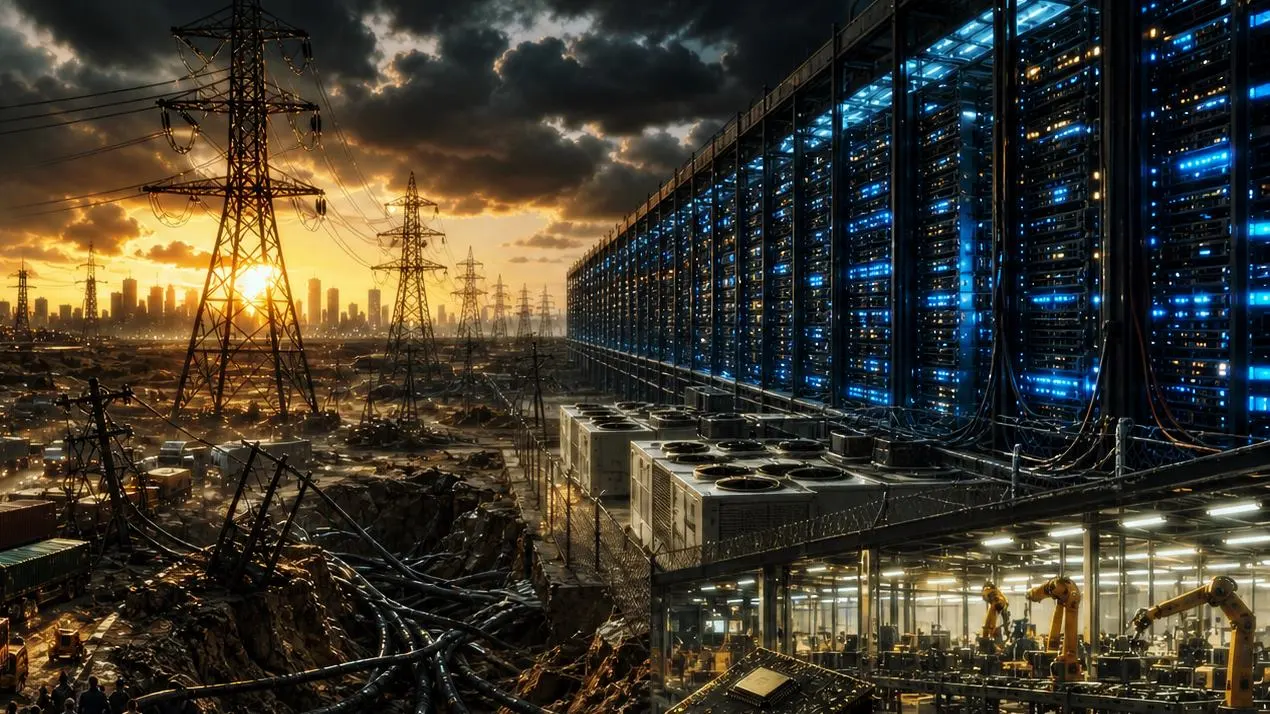
The International Energy Agency’s latest report reveals a technology that is simultaneously getting greener and consuming more power than ever before. The world is not ready.
Key Takeaways
- The Energy Paradox: Despite unprecedented annual improvements in energy efficiency per AI task, the aggregate electricity consumption of data centers—especially those focused on AI—is surging. The International Energy Agency (IEA) projects that global electricity consumption from data centers will roughly double by 2030, with AI-focused data center consumption tripling in that period.
- Infrastructure Bottlenecks: The rapid growth of AI is creating a bottleneck crisis where the physical world cannot keep up with digital ambition. Grid constraints could delay approximately 20% of global data center capacity planned for construction by 2030, and shortages of high-bandwidth memory are anticipated to persist through at least 2027.
- AI as the Solution and Policy Imperative: AI is not just an energy taker but is becoming an “energy maker,” capable of helping energy-intensive industries reduce their energy costs by 3 to 10 percentage points and accelerating scientific discovery for materials and battery chemistries. Policy intervention is crucial, requiring approaches that promote electricity system flexibility and remove barriers to AI adoption in the energy sector.
There is a phrase that has quietly become the IEA’s defining axiom for our era: there is no AI without energy. It sounds simple enough. But the International Energy Agency’s newly published report, Key Questions on Energy and AI, shows just how staggeringly complex and urgent that relationship has become.
The numbers alone are arresting. Global electricity demand from data centres, the critical infrastructure for training and running AI models, grew by 17% in 2025. Electricity consumption from AI-focused data centres grew even faster, surging 50% in that year alone. This is not an incremental change. This is a structural reshaping of how the world consumes power, happening at a pace that grids, regulators, and supply chains were never designed to absorb. IEA
And yet the report’s most counterintuitive finding is not the surge; it is the efficiency miracle happening in parallel. Measured per individual task, the energy efficiency of AI is improving at a rate unprecedented in energy history. Software and hardware advances have resulted in the energy use per AI task dropping by at least an order of magnitude annually in recent years. Simple text queries now typically consume less electricity than running a television over the same period of time. IEA
So AI is simultaneously becoming greener per task and consuming vastly more electricity in aggregate. This is the central paradox policymakers must confront.
At Least a Twofold Increase by 2030
The trajectory the IEA projects should concentrate minds in every energy ministry on the planet. Updated projections see electricity consumption from data centres roughly doubling from 485 TWh in 2025 to 950 TWh in 2030, accounting for around 3% of global electricity demand by that date. Electricity consumption from AI-focused data centres grows much faster than overall data centre electricity consumption, tripling in this period. IEA
To put that in context: a typical AI-focused data centre consumes as much electricity as 100,000 households, and the largest ones under construction today will consume 20 times as much. IEA
Driving this is not just usage growth but investment at an almost incomprehensible scale. The capital expenditure of just five technology companies exceeded USD 400 billion in 2025 and is expected to jump by another 75% in 2026. Capital expenditure of just those five companies is now larger than global investment in oil and natural gas production. Let that sink in: five Silicon Valley firms are now outspending the entire global fossil fuel extraction industry on infrastructure. IEA
This unprecedented surge is colliding with aging and under-invested electric grids. In regions like the United States and Europe, permitting new power plants and transmission lines can take over a decade, far too slow to meet the AI industry’s timeline. This has led to a “gigawatt squeeze,” where projects are delayed, and compute clusters sit idle, waiting for a connection to a grid that cannot deliver. Developers are increasingly exploring “off-grid” solutions, bringing their own power sources like natural gas, microgrids, and even nuclear reactors to site. The challenge is not just absolute capacity; it is the grid’s inability to deliver a “certain type” of flexible power that a one-size-fits-all system cannot easily accommodate.
The Bottleneck Crisis Nobody Is Talking About
Behind the headline investment figures lies a quieter, more troubling story, one of physical limits asserting themselves against digital ambition. The speed of the AI revolution is increasingly contrasting with the speed of the physical, social, and economic systems that underpin it. Bottlenecks across energy supply chains and advanced chip manufacturing have tightened. Planning and regulatory systems are being stretched by the wave of project applications for data centres, amid a broader trend of rapid load growth and electrification. IEA
This is not a hypothetical risk. The IEA’s analysis is stark: grid constraints could delay around 20% of global data centre capacity planned for construction by 2030. One in five planned facilities may simply not connect to the grid on schedule. That is a direct constraint on the AI ambitions of nations and corporations alike.
The chip supply chain is equally fragile. A shortage of high-bandwidth memory, integral to AI chip production, has developed over the past six months and is anticipated to persist through at least the end of 2027.
Supply Chain Fragility and Geopolitical Risks The chip shortage is exacerbated by a fragile and highly concentrated supply chain. Global memory production is dominated by a handful of companies, primarily in Asia, creating a single point of failure. Geopolitical tensions, such as conflict in the Middle East and the potential closure of critical trade routes like the Strait of Hormuz, pose a major risk. A disruption could spike energy costs and sever access to essential raw materials like helium and specialized acids, directly impacting chip factories and prolonging the “chip tightness” potentially until the end of the decade. This has triggered a rush by nations and corporations to secure their own supplies, a form of hardware hoarding that mirrors the wider power grab.
Meanwhile, the geographic concentration of these projects is compounding local strain. 50% of data centres under development in the United States are in pre-existing large clusters, potentially raising risks of local bottlenecks. IEA
The Critical Minerals Time Bomb
The energy story of AI is inseparable from a geopolitical one. Apart from bulk materials like steel and concrete, the construction of data centres requires sizeable amounts of several minerals and metals, such as copper, aluminium, silicon, gallium, and rare earth elements. There is a significant overlap between the minerals needed for building new data centres and those that are critical to energy technologies. IEA
The supply concentration figures should alarm any strategist. In 2030, data centre demand for gallium could equal up to 10% of today’s supply, and China accounts for 95% of gallium refining. The high market concentration for critical minerals highlights significant vulnerabilities to supply shocks, whether from extreme weather events, industrial accidents, trade disruptions, or geopolitics. IEA
This is not a niche technical concern. It is the next front in the global competition for technological sovereignty.
AI Is Also the Solution
It would be a journalistic failure to leave this story as pure alarm. The IEA is equally insistent on the other side of the ledger, that AI, if deployed at scale in the energy sector, could help solve precisely the problems its infrastructure is creating.
Proven applications of AI could help firms in energy-intensive industries reduce their energy costs by 3 to 10 percentage points. For energy-hungry manufacturers, that is a transformative margin. In scientific discovery, AI led to a 45,000-fold acceleration in the mapping of protein structures – critical for designing new drugs – and could allow scientists to dramatically accelerate the process of finding and testing promising materials, battery chemistries, and carbon capture molecules. IEAIEA
The tech sector is also beginning to respond to the clean energy challenge it helped create. The tech sector accounted for around 40% of all corporate power purchase agreements for renewables signed in 2025, and is also now a major source of momentum for the nuclear and advanced geothermal industries. The pipeline of conditional offtake agreements between data centre operators and small modular reactor nuclear projects has grown from 25 gigawatts at the end of 2024 to 45 gigawatts today. IEA
As IEA Executive Director Fatih Birol has put it, AI is still an energy taker, but it is also becoming an energy maker – driving forward innovative solutions like next-generation nuclear reactors, flexible data centres, and long-duration energy storage. IEA
The Affordability Question
There is one dimension the IEA raises that deserves far greater public attention than it typically receives: what does all this mean for ordinary electricity bills?
The report finds that if the right mix of policies and infrastructure investment is in place, increases in electricity demand do not necessarily raise prices. However, data centres can create special challenges for electricity affordability, since they have large, concentrated power loads and scale up rapidly, often triggering the need for new generation assets and grid investment. IEA
The political economy here is delicate. Communities are already pushing back. Social acceptability is a growing issue, as communities push back against data centre projects, and concerns about affordability and environmental impacts rise. Policymakers cannot afford to dismiss these concerns as technophobia. They reflect legitimate questions about who bears the cost of infrastructure built to serve a global tech industry. IEA
The Policy Imperative
The IEA’s prescriptions are clear and, frankly, not yet being followed with sufficient urgency. Approaches that promote electricity system flexibility can help accelerate grid connections and ensure electricity affordability. System operators can explore non-firm grid connections and incentivise data centre developers to provide demand response in return for faster connection processes. IEA
On the industrial side, removing barriers to AI adoption in the energy sector can ensure AI is leveraged to enhance energy security and sustainability, with comprehensive policy frameworks that address data availability, cybersecurity, skills, and interoperability, crucial for boosting AI uptake. IEA
And for the developing world – the part of this story most often absent from Western coverage, the stakes are existential in a different way. Emerging and developing economies other than China account for 50% of the world’s internet users but less than 10% of global data centre capacity. Countries with a record of reliable and affordable power will be best placed to unlock data centre growth, localise computing power critical to homegrown AI development, and spur the IT industry more generally. IEA
The AI revolution, in other words, risks deepening the very digital divide it promises to transcend – unless policymakers in both rich and developing nations act with deliberate urgency.
The IEA’s Key Questions on Energy and AI is a landmark document precisely because it refuses false comfort. It does not tell us that efficiency gains will automatically solve the demand problem, nor that the investment surge is inherently catastrophic. What it tells us is that the outcome depends entirely on the choices made now – on grids, on supply chains, on regulation, and on whether the energy sector embraces AI as a tool rather than merely tolerating it as a load.
The technology is moving faster than the physical world it depends on. That gap is the defining energy challenge of this decade.
Other People are Reading


LOS ANGELES — As the Los Angeles Lakers prepare for a daunting Western Conference semifinals showdown against the top-seeded Oklahoma City Thunder, fresh updates on Luka Doncic’s Grade 2 left hamstring strain offer little optimism for fans hoping their superstar returns soon. The Slovenian phenom remains sidelined more than a month after the injury, casting a shadow over LA’s playoff hopes.
Doncic suffered the injury April 2 during a blowout loss to the very Thunder team the Lakers will now face. He has not played since, missing the entire first-round series against the Houston Rockets. Despite advancing in six games, the Lakers enter the next round without their primary offensive creator and floor general.
ESPN’s Shams Charania delivered the latest sobering report Sunday on ABC’s “Inside the NBA.” “I’m told right now Luka Doncic will be out to start the series against the Oklahoma City Thunder,” Charania said. “The Lakers are evaluating Doncic on a week-to-week basis with that Grade 2 hamstring strain.”
The recovery path remains slow. Doncic has progressed to controlled on-court movement, drills and spot-up shooting, but he has not advanced to full running, one-on-one work or full-contact scrimmages. ESPN’s Brian Windhorst echoed the concern Saturday, stating Doncic is “not close” to returning.
“He’s not close,” Windhorst said. “Most likely you’re not gonna see Luka Doncic at the front end of this series maybe at least for another week to 10 days on the minimum.”
Impact on Lakers’ Playoff Hopes
The absence weighs heavily. Doncic led the NBA in scoring for much of the season after his arrival in Los Angeles via blockbuster trade. His elite playmaking, spacing and clutch scoring have been sorely missed. Without him, the Lakers relied on LeBron James’ leadership and contributions from Austin Reaves (who returned from his own oblique injury) and role players to dispatch Houston.
Analysts estimate the Lakers lose roughly 35-40% of their offensive creation and efficiency without Doncic. Facing the Thunder — a deep, athletic and defensively elite squad featuring Shai Gilgeous-Alexander, Chet Holmgren and a strong bench — amplifies the challenge. The teams met multiple times in the regular season, with OKC dominating, including the game where Doncic went down.
Coach JJ Redick and the organization have taken a cautious approach. “These decisions are about long-term health,” sources close to the team indicated, prioritizing avoiding re-injury over a rushed return that could end his postseason entirely.
Medical Context and Recovery Timeline
Grade 2 hamstring strains typically require 4-6 weeks for recovery, placing Doncic near the early end of that window but still not cleared for basketball activities demanding explosive movement. He traveled to Spain earlier for specialized injections and treatment to accelerate healing, yet progress has been methodical.
Medical experts note that returning too soon from soft-tissue injuries often leads to setbacks. Full ramp-up involves 3-on-3, then 5-on-5 contact before game action. Current reports suggest that process has not begun in earnest.
Insiders like ClutchPoints’ Brett Siegel added that Doncic remains about a week from even rejoining full practices and scrimmages. A potential return in the later stages of the series, possibly Games 3-5 if it extends, represents the optimistic scenario.
Fan and Team Reactions
Lakers Nation expressed frustration and concern across social media. Hashtags like #LukaReturn and #LakersVsThunder trended with mixed emotions — hope for a miracle mid-series comeback tempered by realism about the matchup. Many fans point to the team’s resilience without him in Round 1 as a silver lining, crediting James’ veteran presence and defensive adjustments.
Teammates have noted Doncic’s presence around the group provides intangible boosts, even if he cannot play. “Just having him back around matters,” one source told reporters. Yet the on-court void looms large against OKC’s transition game and perimeter pressure.
LeBron James, in his potential final postseason run, faces increased burden. Reaves’ return helps, but the lack of Doncic’s gravity disrupts offensive flow. Betting markets and advanced projections show Lakers’ series win probability dipping significantly without their star — some models place LA as heavy underdogs.
Broader Implications for Lakers Franchise
This injury arrives at a pivotal moment. The post-trade acquisition of Doncic signaled a win-now mentality alongside James. A short or nonexistent playoff run without him raises questions about roster construction, future moves and James’ future. Management must balance short-term desperation with long-term asset protection for a player still in his prime.
The Thunder, meanwhile, enter with momentum and health advantages. Their defensive schemes exploited LA earlier, and without Doncic’s creation, the Lakers’ half-court offense faces stiff resistance. OKC’s youth and depth could wear down the older Lakers core over a seven-game series.
What’s Next for Doncic and Lakers
Series schedule details point to Game 1 in Oklahoma City mid-week, with subsequent games offering incremental recovery windows. The Lakers will provide daily updates, but expectations remain tempered. Week-to-week evaluation means no guarantees even if the series extends.
Doncic’s history of toughness and desire to compete suggests he will push boundaries, but medical staff hold final say. Fans cling to stories of stars returning heroically from similar injuries, yet current reporting paints a picture of patience over urgency.
For now, the Lakers must find ways to compete — emphasizing defense, rebounding and James’ scoring — while monitoring every Doncic workout update. A potential Game 4 or later appearance could shift momentum, but betting on it remains risky.
As the Western Conference semifinals begin, Luka Doncic’s slow-healing hamstring stands as the defining subplot. Lakers fans enter the series with heavy hearts, knowing their MVP-level talent watches from the sideline. Whether the supporting cast can defy odds against a championship-caliber Thunder team will define this chapter — and possibly the franchise’s immediate future.

TUCSON, Ariz. — As the search for 84-year-old Nancy Guthrie stretches into its fourth month, friends from her tight-knit church community have largely remained quiet at the request of the Guthrie family, according to multiple reports, even as investigators continue pursuing leads in what authorities describe as her abduction from her Catalina Foothills home.
Nancy Guthrie, mother of “Today” co-anchor Savannah Guthrie, was last seen on the evening of Jan. 31, 2026, after being dropped off at her residence following a family dinner. She failed to appear the next morning for a planned virtual church service, prompting concern from friends who alerted the family. By noon on Feb. 1, relatives reported her missing to the Pima County Sheriff’s Department.
Evidence at the home — including bloodstains confirmed to be hers, a tampered doorbell camera and signs of forced entry — quickly shifted the case from a missing person search to a criminal abduction investigation. The FBI joined the probe, and Sheriff Chris Nanos publicly stated he believed she was taken against her will.
Family Request for Privacy
NewsNation correspondent Brian Entin, who has covered the case extensively, revealed that the Guthrie family has asked Nancy’s close friends to keep details private during the ongoing investigation. “We’ve heard from several that the Guthrie family has asked Nancy’s close friends to keep things private right now,” Entin told Parade magazine. “You haven’t seen a lot of her close friends come forward and talk about her, which is different than other cases.”
Church friends were among the first to notice her absence and raise the alarm. Yet in the months since, few have spoken publicly, a departure from patterns in similar high-profile cases where community members often share memories or appeals. Entin suggested fear plays a role, noting the unidentified suspect(s) and the rarity of such violence in the upscale Tucson suburb.
“I also think people here are still nervous about the whole thing,” he added. “These kinds of things don’t happen [here], and the fact that there’s no new information and they have no idea who did it … people are just still nervous.”
Chilling Timeline and Evidence
According to authorities, Nancy Guthrie took an Uber to her daughter Annie’s home around 5:32 p.m. on Jan. 31 for dinner and games. Her son-in-law Tommaso Cioni dropped her off shortly before 10 p.m. Her garage door closed at 9:50 p.m.
In the early morning hours of Feb. 1, a masked, gloved individual tampered with her doorbell camera around 1:47 a.m., with motion detected shortly after. Her bedside pacemaker monitor missed a transmission at 2:28 a.m. When she didn’t appear for church, family members checked her home and called 911.
The FBI later released footage showing the armed intruder. Blood was found near the front porch and inside, confirmed via DNA to belong to Nancy. Personal items, including her phone and medications, remained at the residence, inconsistent with a voluntary departure given her limited mobility.
Ransom Demands and Hoaxes
Multiple ransom notes surfaced in the days following, some sent to media outlets demanding cryptocurrency payments. One California man was arrested for an unrelated hoax demanding ransom from the family. The Guthrie family offered a $1 million reward for information leading to her safe return and released public appeals seeking proof of life.
As of early May 2026, no arrests have been made in the abduction itself. DNA analysis from the home, including hair samples, continues at FBI labs. Recent neighborhood footage of a masked man stealing plants has heightened local anxiety but has not been officially linked to the case.
Community Impact and Silence
The quiet from Nancy’s church circle stands in contrast to her described life as an active, faith-centered widow who moved to Tucson decades ago. Friends and neighbors have described her as vibrant despite mobility challenges, regularly attending services and maintaining close ties.
Entin noted attempts to interview church friends for an upcoming NewsNation special yielded little response. The reluctance reflects both family wishes and broader unease in a neighborhood unaccustomed to violent crime. Increased patrols and resident vigilance underscore the lingering fear.
Savannah Guthrie stepped away from “Today” duties initially to focus on the search and family but has since returned, with producers implementing protocols for handling developments. The family has expressed gratitude for public support while urging tips.
Investigation Status
Pima County Sheriff’s Department statements emphasize the case remains “active and ongoing,” with continued collaboration from the FBI, advanced forensics and tip reviews. No public updates on significant breakthroughs have emerged recently as the probe nears 100 days.
Experts and retired agents have weighed in on possibilities ranging from a targeted abduction to opportunistic crime, but little concrete information has been released. The family has pushed back against unfounded speculation implicating relatives.
Nancy Guthrie’s disappearance has captivated national attention, blending the personal stakes for a prominent journalist’s family with the procedural challenges of a complex cold-case-in-the-making. As weeks turn to months, the silence from those who knew her best reflects both strategic privacy and the unsettling reality that an unknown threat may still linger in the Tucson foothills.
Authorities and the family continue to appeal for information. Anyone with tips is urged to contact the Pima County Sheriff’s Department or the FBI. For now, Nancy’s friends honor the request to remain quiet, hoping their restraint aids the investigation that could bring her home.

LOS ANGELES — Kellie Pickler is making a poignant return to the “American Idol” stage on Monday, May 4, 2026, marking her first major televised appearance in more than three years since the tragic death of her husband, songwriter Kyle Jacobs. The fan-favorite from Season 5 will join fellow 2006 alumni for a special 20th anniversary reunion episode celebrating the show’s Class of 2006.

The announcement came during the official “American Idol” podcast when host Danielle Fishel revealed that Pickler, along with Taylor Hicks, Paris Bennett, Elliott Yamin and Bucky Covington, would duet with this season’s Top 5 contestants. Former judges Paula Abdul and Randy Jackson are also expected to appear, adding layers of nostalgia to the milestone night.
For Pickler, 39, stepping back onto the iconic stage represents far more than a performance. It signals a careful re-entry into public life after a period of profound grief and relative seclusion following Jacobs’ death by suicide on Feb. 17, 2023, at age 49.
A Career Launched on Idol
Kellie Pickler first captured America’s heart in 2006 as the bubbly, charismatic 19-year-old from Nashville who finished sixth on Season 5. Her Southern charm, powerful vocals on hits like “Red High Heels” and “I Wonder,” and genuine personality turned her into a country music star and television personality. Post-Idol, she released multiple albums, hosted “Pickler & Ben” on CMT, competed on “Dancing With the Stars” and became a beloved figure in entertainment.
Her connection to “American Idol” runs deep. The show launched her career and introduced her to millions. Returning for the 20th anniversary of her season feels like a full-circle moment, yet one tinged with bittersweet emotion given her personal journey.
Life After Loss
Kyle Jacobs, a successful songwriter whose credits include Tim McGraw’s “Highway Don’t Care” and Garth Brooks tracks, was found dead at the couple’s Nashville-area home. His death was ruled a suicide. The couple had been married since 2011 and frequently collaborated creatively.
In the aftermath, Pickler largely stepped away from the spotlight. She has spoken sparingly about her grief but shared in rare interviews and social media posts about the profound impact of losing her partner and best friend. A legal battle with Jacobs’ family over his estate added further complexity to her healing process.
Her only notable public performance since the loss came in April 2024 at Nashville’s Ryman Auditorium during a Patsy Cline tribute. Pickler admitted to feeling intense nerves that night, dedicating a song she co-wrote with Jacobs and sensing his presence. That appearance offered fans a glimpse of her resilience.
Emotional Weight of the Return
Monday’s “Idol” episode carries significant emotional weight. Dueting with current Top 5 contestants — Chris Tungseth, Hannah Harper, Braden Rumfelt, Keyla Richardson and Jordan McCullough — places Pickler in a mentoring role, passing the torch while reconnecting with her roots.
Producers have not detailed which songs she will perform, but expectations run high for heartfelt moments. Fans speculate she may choose material tied to her journey or a tribute reflecting themes of love and loss. The presence of Season 5 peers creates a supportive environment for what many view as a courageous step forward.
“American Idol” has long served as a platform for emotional stories, and Pickler’s return fits that tradition. Executive producer and judge Luke Bryan, along with Katy Perry (in her final season) and Lionel Richie, are expected to offer warm welcomes.
Fan Reactions and Anticipation
Social media has buzzed with excitement and support since the announcement. Hashtags like #KelliePicklerReturns and #IdolSeason5Reunion trended, with fans sharing memories of her original run and messages of encouragement. Many expressed pride in her strength and eagerness to see her shine again.
Country music insiders note the appearance could signal new music or projects on the horizon. Pickler has maintained a lower profile but never fully stepped away from creative pursuits. Her resilience has inspired many facing similar losses.
Broader Context for American Idol
This Season 24 episode blends celebration with current competition as the show heads toward its finale. The 20th anniversary nod to Season 5 — one of the most memorable in “Idol” history, featuring Hicks as winner — highlights the show’s enduring legacy.
“American Idol” continues thriving on ABC, blending fresh talent with alumni returns to bridge generations. Pickler’s story adds depth, reminding viewers of the human element behind the performances.
Looking Ahead
Whether Monday marks the start of more frequent appearances or remains a singular, meaningful homecoming remains to be seen. For now, fans and the industry celebrate Pickler’s courage in returning to the stage that changed her life.
As she prepares to perform, Pickler carries the love and memories of her husband alongside the support of millions who have followed her journey. In a night filled with music and nostalgia, her presence will likely resonate as a testament to healing, strength and the enduring power of song.
The episode airs at 8 p.m. ET on ABC, promising an unforgettable blend of past and present “Idol” magic centered on one fan-favorite’s brave return.
NEW YORK — As Meta Platforms Inc. (NASDAQ: META) navigates a volatile 2026 market environment, Wall Street analysts overwhelmingly recommend buying the stock, with a consensus “Strong Buy” or “Moderate Buy” rating and average 12-month price targets suggesting substantial upside from current levels near $610. Despite a post-earnings dip following elevated AI capital expenditure guidance, the social media giant’s robust advertising growth, user engagement and artificial intelligence initiatives position it as a compelling long-term investment for many.

Meta shares traded around $608–$612 in early May 2026, down from recent highs but still reflecting strong performance over the longer term. The stock has faced pressure after the company’s first-quarter results, where it raised 2026 capex forecasts to $125–$145 billion, primarily for AI infrastructure. Yet analysts see the heavy investment as a strategic bet on future dominance rather than a red flag.
Q1 2026 Earnings: Beat Overshadowed by Spending
Meta reported strong first-quarter results on April 29, with revenue reaching $56.3 billion, up 33% year-over-year, and diluted EPS at $10.44 (boosted by a one-time tax benefit). Both figures beat expectations. Advertising revenue, the core driver, continued its momentum amid Reels monetization gains and improved ad targeting.
However, the market focused on the increased capital spending outlook, sending shares down as much as 7–10% in after-hours and subsequent trading. Higher costs for AI chips and data centers fueled margin concerns in the near term, though CEO Mark Zuckerberg emphasized long-term payoffs in efficiency, content creation and new revenue streams.
Analyst Consensus: Strong Buy with $830–$840 Targets
As of early May 2026, 38 to 60 analysts cover Meta, with the vast majority issuing Buy or Strong Buy ratings and zero Sell recommendations in recent tallies. The average 12-month price target sits between $823 and $840, implying roughly 35–38% upside from current prices. High targets reach $1,015, while lows hover around $700.
Firms like Bank of America, Barclays and others have maintained or raised targets post-earnings, citing Meta’s advertising resilience and AI leadership through open-source models like Llama. Valuation remains attractive at a forward P/E around 21x with high margins and return on equity near 30%.
Bull Case: AI Investments Fuel Future Growth
Proponents argue Meta’s spending spree positions it at the forefront of AI-driven social platforms. Advances in recommendation algorithms, ad efficiency and potential new products — including metaverse and hardware initiatives — could drive sustained revenue acceleration. User metrics remain robust across Facebook, Instagram, WhatsApp and Threads.
Analysts highlight Meta’s ability to monetize AI tools for creators and advertisers while controlling costs over time. With no major competitive threats eroding its social dominance and global user base exceeding 3 billion monthly actives, the company’s scale provides a durable moat. Long-term forecasts see continued double-digit revenue growth into 2027 and beyond.
Bear Concerns: High Capex and Macro Risks
Skeptics point to near-term margin compression from elevated spending, potential regulatory hurdles in Europe and elsewhere, and broader economic uncertainty affecting ad budgets. The stock’s pullback reflects investor fatigue with heavy AI outlays before clear monetization proof emerges at scale.
Some trimmed targets post-Q1, citing macroeconomic weakness. However, even cautious voices maintain Buy or Hold ratings, viewing any weakness as a buying opportunity rather than a reason to sell.
Investment Considerations for 2026
For growth-oriented investors, Meta offers exposure to digital advertising recovery, AI innovation and potential efficiency gains. Dividend growth and share buybacks provide additional shareholder returns. Risks include execution on AI, geopolitical tensions and valuation multiple contraction if growth slows.
Diversified portfolios may benefit from Meta as a core tech holding, but position sizing should account for volatility. Short-term traders might wait for stabilization after the capex reaction, while long-term holders see current levels as attractive entry points given analyst targets.
Broader Market Context
Meta’s trajectory mirrors other Big Tech names balancing AI ambition with profitability. Strong Q1 ad performance underscores resilience in a competitive landscape, with competitors like TikTok and emerging platforms challenging but not displacing its ecosystem.
As 2026 progresses, upcoming quarterly reports, AI product launches and macroeconomic data will influence sentiment. Analysts will watch user engagement metrics, ad pricing power and progress on cost discipline amid heavy infrastructure builds.
Conclusion: Overwhelmingly a Buy for Most
Wall Street’s near-unanimous bullish stance, coupled with Meta’s proven business model and forward-looking investments, tilts the scales strongly toward Buy for 2026 and beyond. While elevated spending creates short-term noise, the consensus view holds that Meta’s strategic positioning will deliver significant shareholder value over the medium to long term.
Investors should conduct their own due diligence, consider risk tolerance and consult financial advisors, as stock performance involves inherent uncertainties. With no Sell ratings from major analysts and substantial implied upside, Meta remains one of the more favored large-cap tech names heading deeper into 2026.
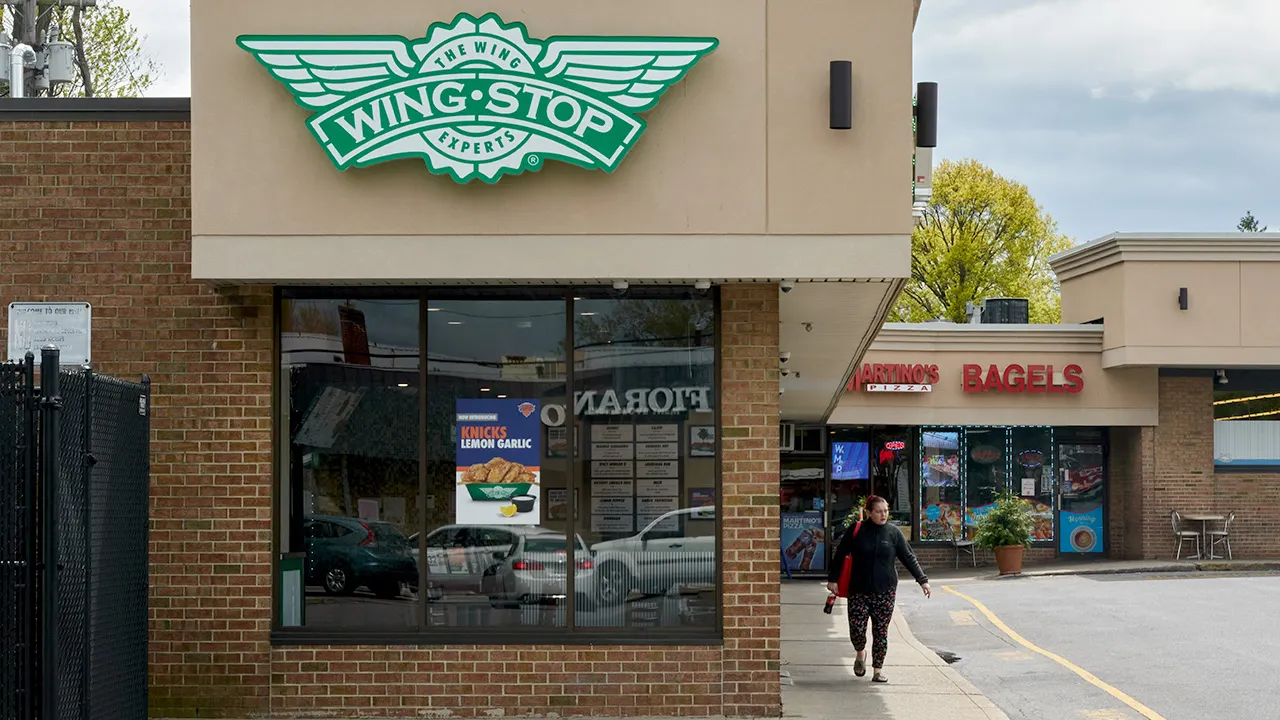
Wingstop CEO Michael Skipworth discusses how soaring gas prices strain household budgets and the affects on Wingstops growth on ‘The Claman Countdown.’
Several U.S. restaurant chains are reporting weaker than expected sales growth in the latest quarter as high gasoline prices squeeze consumers’ budgets.
Gas prices have surged amid the war in Iran, with average gas prices reaching $4.45 a gallon around the country, an increase of about 41% in the last year, according to AAA data.
Prices have risen even more dramatically in certain states, with gas prices in California topping $6 a gallon, which can weigh heavily on restaurants with a presence in the nation’s most populous state.
An analysis by Revenue Management Solutions, a restaurant consulting firm, finds that $4 a gallon is a tipping point as consumers will gradually decrease their restaurant visits until gas prices at the pump hit that threshold, at which point the impact doubles.
DOJ CONFIRMS ANTITRUST PROBE OF MAJOR MEATPACKERS OVER BEEF PRICE INFLATION
Wingstop is one of the restaurants that has reported slowing sales amid the gas price surge. (Bing Guan/Bloomberg via Getty Images)
The firm estimated that $4.20 average gas prices mean about 1.5% fewer restaurant visits, and if they rise to $5.10 or more, fast-food restaurants could see a 3% drop in traffic. Further, it estimated that for a drive-through restaurant with 300 daily transactions, a $1 spike loses about six customers per day and amounts to about $22,000 in lost annual sales.
Wingstop, a chicken-wing chain that touts its affordability, said that higher fuel prices contributed to an 8.7% decline in quarterly same-store sales.
The chain’s CEO, Michael Skipworth, said Wednesday on a call with investors that it was “extremely difficult for anyone to predict this macro environment,” adding that he expects shrinking sales over this year in part because of expectations that gas prices will remain high.
MCDONALD’S IS QUIETLY DITCHING A POPULAR IN-STORE FEATURE NATIONWIDE

Domino’s said that its rivals are aggressively discounting to compete as consumers are strained by energy prices. (Beata Zawrzel/NurPhoto via Getty Images)
Domino’s CEO Russell Weiner told investors on Tuesday that his chain’s competitors ran promotions “out of our playbook,” which contributed to the weaker than expected same-store sales growth of 0.9% in the latest quarter. Weiner added that while his chain is still better positioned than its rivals to sustain those discounts, the company lowered its sales forecasts for the year.
Some restaurant chains that performed well in the latest quarter are remaining cautious as they look ahead in their outlook. Chipotle had better than expected same-store sales growth of 0.5%, but kept an outlook of flat growth this year, which CFO Adam Rymer attributed in part to gas price uncertainty.
Starbucks reported 7.1% quarterly same-store sales growth in North America on Tuesday and may have benefited from the gloomy consumer outlook, as CEO Brian Niccol told investors the company gained among lower-income consumers who saw the chain as offering “a little bit of indulgence.”
| Ticker | Security | Last | Change | Change % |
|---|---|---|---|---|
| WING | WINGSTOP INC | 150.50 | -10.23 | -6.36% |
| DPZ | DOMINO’S PIZZA INC. | 330.42 | -7.35 | -2.18% |
| YUM | YUM! BRANDS INC. | 154.40 | -3.96 | -2.50% |
| XBUX | NO DATA AVAILABLE | – | – | – |
COSTCO CHANGES BELOVED $1.50 HOT DOG DEAL FOR THE FIRST TIME IN DECADES: REPORTS
Restaurants are also looking to meet consumer demand for affordable meals through value menu offerings. Taco Bell, a subsidiary of Yum Brands, launched a value menu starting at $3 in January and reported 8% quarterly same-store sales growth at U.S. restaurants.
Mark Wasilefsky, head of restaurant finance at TD Bank, said that the industry is “seeing a record level of value menus right now.”
Investors’ concerns about the restaurant sector’s resiliency during the gas price spike has contributed to a 5% drop in the LSEG U.S. restaurant index since the start of the Iran war, which erased over $40 billion in market value, according to LSEG data.
GET FOX BUSINESS ON THE GO BY CLICKING HERE
The next key indicator of the impact of the Iran war and the gas price shock on the restaurant industry and its consumers will come on May 7 when McDonald’s reports, after the chain had stronger sales growth than expected in the prior quarter amid a value menu push.
Reuters contributed to this report.
Business
LARRY KUDLOW: More bombing is coming as Iran pulls out a blank piece of paper to take Trumpian dictation
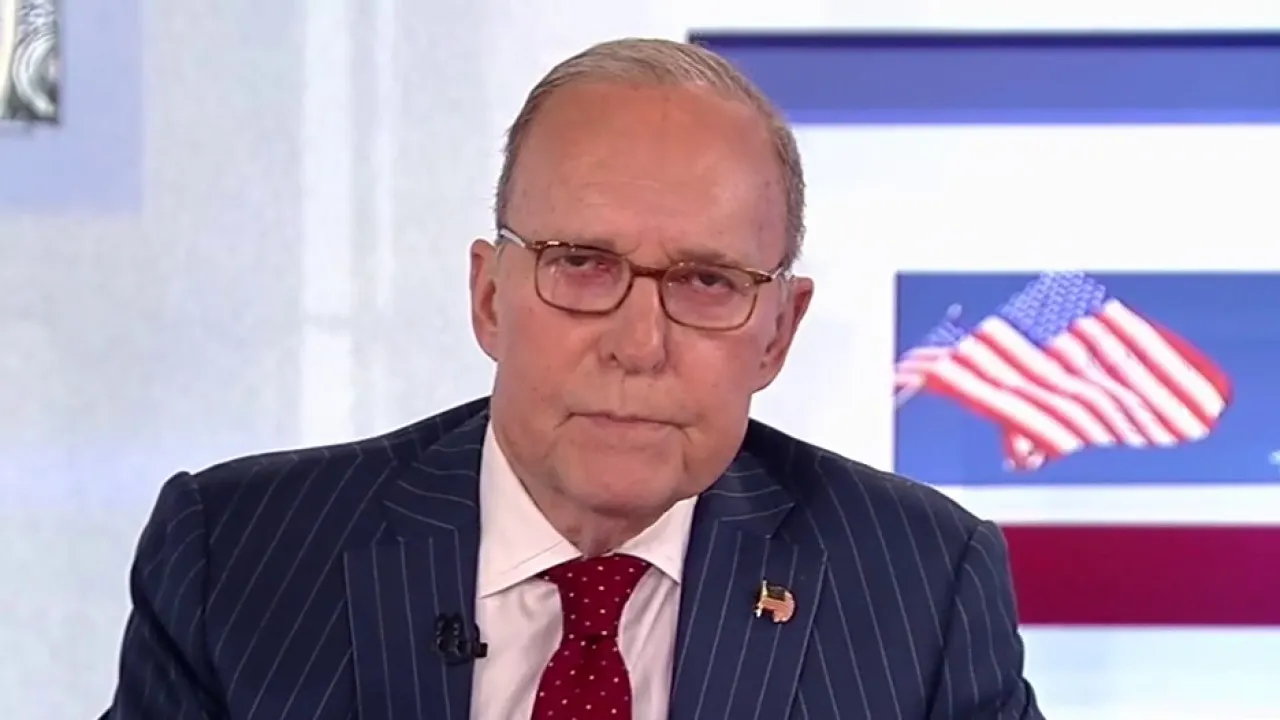
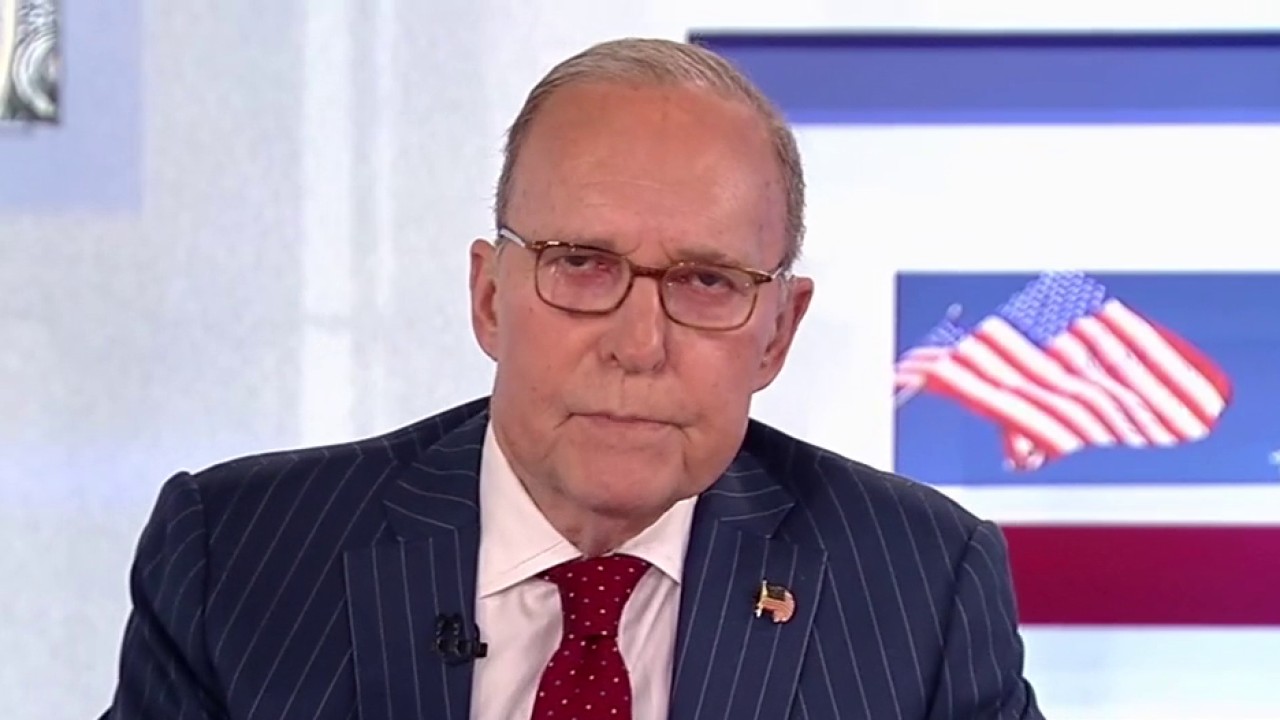
FOX Business host Larry Kudlow discusses what is next in the Middle East conflict on ‘Kudlow.’
So the Iranians send back a ridiculous set of agreement conditions that doesn’t even mention their nuclear threats. Nor does it mention their constant state-sponsored terrorism. And President Trump quickly responded that it was unacceptable.
Time and again the president has said Iran must not have any nuclear capabilities. No nuke building, no enriched uranium, no missiles, no more terrorist proxies, and no more control over the Strait of Hormuz. Those are his red lines. He will stick to them. And as far as Hormuz is concerned, the United States Navy has now begun the process of reopening the Strait. They’ve guided two ships through today and they are likely to ramp up many many more ships to safely pass through the Strait.
In effect, whether the Iranian thugs realize it or not, America has completely taken over the Persian Gulf, which I guess should be the Arabian Gulf, although I may personally be willing to hold out for the Trump Gulf. The Iranians took shots at the United Arab Emirates, which has become a staunch American ally. Leaving OPEC ramping up oil production and transacting through the dollar.
Our naval blockade continues to work as Iran continues to drop into economic and financial ruin. No oil, no money, no meeting payroll or retirement packages. Even all that money the Islamic Revolutionary Guard Corps has stolen and looted from the Iranian people, including running their businesses into the ground, and all that offshore bank accounting has now been frozen or even seized by the United States Treasury.
Ret. Gen. Jack Keane discusses President Donald Trump’s announcement of ‘Project Freedom’ to escort neutral ships safely out of the Strait of Hormuz on ‘Kudlow.’
Meanwhile, without oil exporting, Iran’s storage capabilities are filled up and overflowing, and a shutdown is imminent. Once that happens, the oil fields will be badly damaged for quite some time.
The blockade is going to stay in place. The Navy is going to gradually reopen the Strait of Hormuz and American order will be imposed on the whole region, as more super tankers flow through, that should begin to ease oil prices and perhaps even gasoline prices at the pump. The ceasefire has lasted 3 weeks, though. The Iranians haven’t responded with any serious talks. And my hunch is Mr. Trump is losing patience with them.
At some point Iranian leaders are not going to make it home at night before a resumption of bombing occurs. Analysts say it will only take a couple more weeks to fully complete the mission. There can be no deal without the president’s red lines. And, indeed, I still believe we are headed for unconditional surrender.
I can just see Mr. Trump at a meeting with some Iranian leader if he can find one. Tell that person to take out a blank sheet of paper and write down this and that. That’s called dictation. Unconditional dictation.
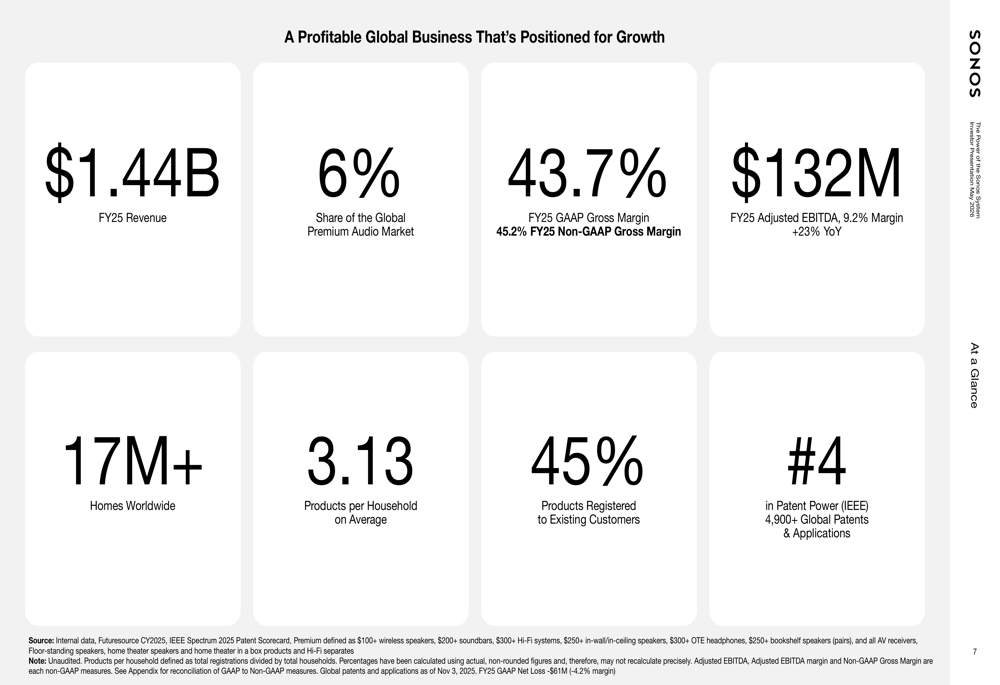
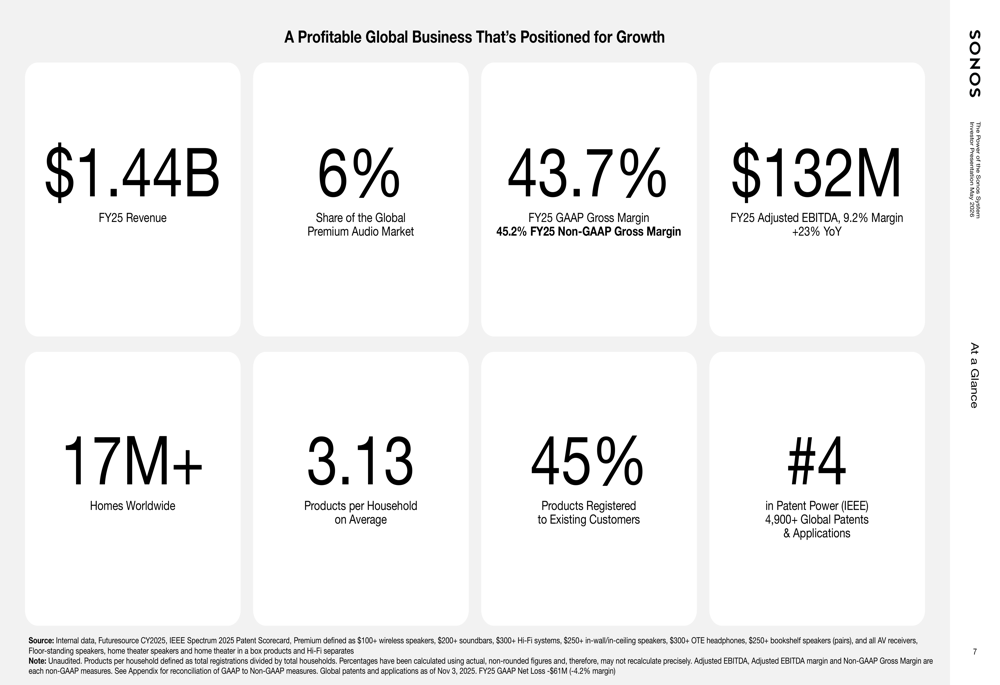
Sonos FY25 slides: $12B opportunity in base despite revenue dip

OPEC sought to project a united front Sunday, agreeing to a symbolic increase in oil output just days after the bombshell departure of the United Arab Emirates. But the pledge masks fault lines that could soon resurface.
The Organization of the Petroleum Exporting Countries and its allies agreed to raise production by about 188,000 barrels a day in June, a third consecutive monthly increase and a signal to markets that the cartel’s policies remain unaffected by the rupture.
Copyright ©2026 Dow Jones & Company, Inc. All Rights Reserved. 87990cbe856818d5eddac44c7b1cdeb8

QYLG: Rotation Into QQQ During The Bull Market

Sothebys International Realty broker Jenna Stauffer analyzes the U.S. housing market, noting a shift in buyer behavior, on ‘Making Money.’
Foreclosures rose to the highest level in six years in the first quarter of this year as homeowners are squeezed by rising costs related to insurance and property tax bills.
The Wall Street Journal reported that data from Attom shows the number of U.S. properties with a foreclosure filing has trended up to nearly 119,000 in the first quarter, an increase of 26% from the same period last year.
That figure is the highest since the first quarter of 2020, when mortgage relief measures implemented to mitigate the economic impact of COVID shutdowns led to a steep decline in foreclosures.
Analysts have noted that the current foreclosure rate represents a return to what were normal levels prior to the COVID-19 pandemic, as opposed to a sign of borrowers becoming increasingly distressed financially.
AVERAGE MONTHLY MORTGAGE PAYMENT HITS NEW HIGH, TOPPING $2K FOR FIRST TIME EVER

Homeowners are facing rising costs and foreclosure levels have returned to prepandemic levels. (Nathan Howard/Bloomberg via Getty Images)
However, the Journal’s report said that although many homeowners have low mortgage rates, rising costs for things like home insurance, property taxes and dues for homeowners’ associations are ramping up spending on bills.
A report by Insurify found that the average annual bill for homeowners insurance rose $2,948 in 2025, up 12% from 2024, while Attom data showed that average property tax burdens were up 3% to $4,427.
CALIFORNIA BUILT MORE HOMES THAN PEOPLE OVER SIX YEARS – SO WHY IS HOUSING STILL SO TIGHT?

Homeowners are facing rising bills from property taxes, insurance and neighborhood association dues. (iStock/Getty Images Plus)
Those who purchased homes within the past few years may be in worse shape after purchasing at higher mortgage rates, as some areas have seen declines in home values that could leave some owners underwater.
Homeowners who are facing financial distress and the risk of slipping into delinquency or foreclosure have fewer options for relief than what was available a few years ago before pandemic-era programs were sunset.
For example, the Federal Housing Administration (FHA) announced in October that homeowners are limited in resorting to measures like loan modification to avoid foreclosure once every 24 months.
PROPERTY TAX BURDEN ON AMERICANS CLIMB AS HOME VALUES DIP, NEW DATA SHOWS
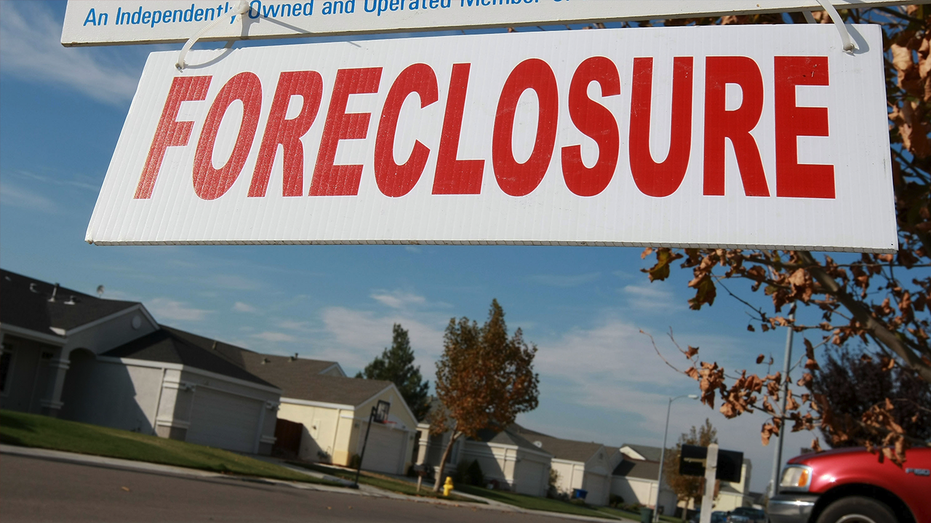
Many federal pandemic-era foreclosure relief programs have ended. (Getty Images)
The data comes as data shows the average monthly payment for all outstanding mortgages reached a new high at the end of last year, as it rose to $2,005 in the fourth quarter, according to Realtor.com data.
The uptick covers the full portfolio of mortgages in the U.S., including a large group of borrowers who took out loans before 2022 and have mortgage rates of 4% or lower – whereas new buyers face significantly higher payments given the elevated mortgage rates.
GET FOX BUSINESS ON THE GO BY CLICKING HERE
The average monthly payment for new homebuyers passed the $2,000 threshold for the first time in September 2022.

Luka Doncic Injury Update Delivers Brutal Blow to Lakers Before Thunder Playoff Series

DTCC Sets Plans for October Tokenized Securities Launch
Vikings’ Main Rival Adds New QB

Manchester United reach agreement with Casemiro over contract clause amid transfer speculation

US brings back mandatory military draft registration

Steven Gerrard disagrees with Gary Neville over ‘shock’ Chelsea and Arsenal claim | Football

Band Kid Gets Into MIT #college

Money view loan kaise milega 2026 | Moneyview personal loan kaise le | Moneyview personal loan app

#lilzayosama is FACING LIFE IN PRISON after Cryptocurrency K- and disguising as #doordash #yochronic
-

 Fashion6 days ago
Kylie Jenner’s KHY Enters a New Era with ‘Born in LA’
-

 Business6 days ago
Most Commercial Energy Audits Miss the Real Losses
-

 NewsBeat1 day ago
Channel 5 – All Creatures Great and Small series 7 new post
-
 Tech3 days ago
Trump’s 25% EU auto tariff breaches Turnberry Agreement that also covers semiconductors and digital trade
-

 Crypto World6 days ago
CFTC’s AI will review U.S. crypto registration applications, chairman tells CoinDesk
-
 Sports3 days ago
Paul Scholes issues Marcus Rashford reality check as agreement emerges over Man United star
-

 Business6 days ago
Barclay Brothers Avoid Bankruptcy: HSBC Drops High Court Petitions After IVA Deal
-
 Business5 days ago
Tesla Officially Registers Elon Musk’s Stock: What Investors Need to Know
-

 Tech6 days ago
Get Ready for More Brain-Scanning Consumer Gadgets
-
 Crypto World7 days ago
Robinhood Phishing Scam Exploits Gmail Dot Feature to Bypass Security
-

 Crypto World7 days ago
Gmail Dot Trick Underpins Robinhood Phishing, Sending Real-Looking Emails
-

 Entertainment7 days ago
Michael Jackson’s Biopic Excluded Abuse Allegations For $25M
-

 Business4 days ago
Two Powerball Tickets Split $143 Million Jackpot in Indiana and Kansas
-

 Tech5 days ago
Texas Instruments made a new flagship graphing calculator: the TI-84 Evo
-

 Business7 days ago
Superdry co-founder accused of raping woman
-
 Crypto World4 days ago
CoreWeave (CRWV) Stock Climbs 8% Despite $45M Insider Share Dump
-
 Crypto World7 days ago
ETH Triple Top Rejects $2.4K As Analysts Flag Weakness Against BTC
-

 Crypto World7 days ago
Will Ethereum hold $2,300 or slip lower from here?
-

 Business7 days ago
Outsourced IT Support vs Internal Teams: A Complete Guide
-

 Entertainment7 days ago
How A Fantasy Flop Finally Found Success On HBO Max
You must be logged in to post a comment Login