

Business
Why Wall Street Says Strong Buy Despite AI Spending Surge

NEW YORK — As Meta Platforms Inc. (NASDAQ: META) navigates a volatile 2026 market environment, Wall Street analysts overwhelmingly recommend buying the stock, with a consensus “Strong Buy” or “Moderate Buy” rating and average 12-month price targets suggesting substantial upside from current levels near $610. Despite a post-earnings dip following elevated AI capital expenditure guidance, the social media giant’s robust advertising growth, user engagement and artificial intelligence initiatives position it as a compelling long-term investment for many.

Meta shares traded around $608–$612 in early May 2026, down from recent highs but still reflecting strong performance over the longer term. The stock has faced pressure after the company’s first-quarter results, where it raised 2026 capex forecasts to $125–$145 billion, primarily for AI infrastructure. Yet analysts see the heavy investment as a strategic bet on future dominance rather than a red flag.
Q1 2026 Earnings: Beat Overshadowed by Spending
Meta reported strong first-quarter results on April 29, with revenue reaching $56.3 billion, up 33% year-over-year, and diluted EPS at $10.44 (boosted by a one-time tax benefit). Both figures beat expectations. Advertising revenue, the core driver, continued its momentum amid Reels monetization gains and improved ad targeting.
However, the market focused on the increased capital spending outlook, sending shares down as much as 7–10% in after-hours and subsequent trading. Higher costs for AI chips and data centers fueled margin concerns in the near term, though CEO Mark Zuckerberg emphasized long-term payoffs in efficiency, content creation and new revenue streams.
Analyst Consensus: Strong Buy with $830–$840 Targets
As of early May 2026, 38 to 60 analysts cover Meta, with the vast majority issuing Buy or Strong Buy ratings and zero Sell recommendations in recent tallies. The average 12-month price target sits between $823 and $840, implying roughly 35–38% upside from current prices. High targets reach $1,015, while lows hover around $700.
Firms like Bank of America, Barclays and others have maintained or raised targets post-earnings, citing Meta’s advertising resilience and AI leadership through open-source models like Llama. Valuation remains attractive at a forward P/E around 21x with high margins and return on equity near 30%.
Bull Case: AI Investments Fuel Future Growth
Proponents argue Meta’s spending spree positions it at the forefront of AI-driven social platforms. Advances in recommendation algorithms, ad efficiency and potential new products — including metaverse and hardware initiatives — could drive sustained revenue acceleration. User metrics remain robust across Facebook, Instagram, WhatsApp and Threads.
Analysts highlight Meta’s ability to monetize AI tools for creators and advertisers while controlling costs over time. With no major competitive threats eroding its social dominance and global user base exceeding 3 billion monthly actives, the company’s scale provides a durable moat. Long-term forecasts see continued double-digit revenue growth into 2027 and beyond.
Bear Concerns: High Capex and Macro Risks
Skeptics point to near-term margin compression from elevated spending, potential regulatory hurdles in Europe and elsewhere, and broader economic uncertainty affecting ad budgets. The stock’s pullback reflects investor fatigue with heavy AI outlays before clear monetization proof emerges at scale.
Some trimmed targets post-Q1, citing macroeconomic weakness. However, even cautious voices maintain Buy or Hold ratings, viewing any weakness as a buying opportunity rather than a reason to sell.
Investment Considerations for 2026
For growth-oriented investors, Meta offers exposure to digital advertising recovery, AI innovation and potential efficiency gains. Dividend growth and share buybacks provide additional shareholder returns. Risks include execution on AI, geopolitical tensions and valuation multiple contraction if growth slows.
Diversified portfolios may benefit from Meta as a core tech holding, but position sizing should account for volatility. Short-term traders might wait for stabilization after the capex reaction, while long-term holders see current levels as attractive entry points given analyst targets.
Broader Market Context
Meta’s trajectory mirrors other Big Tech names balancing AI ambition with profitability. Strong Q1 ad performance underscores resilience in a competitive landscape, with competitors like TikTok and emerging platforms challenging but not displacing its ecosystem.
As 2026 progresses, upcoming quarterly reports, AI product launches and macroeconomic data will influence sentiment. Analysts will watch user engagement metrics, ad pricing power and progress on cost discipline amid heavy infrastructure builds.
Conclusion: Overwhelmingly a Buy for Most
Wall Street’s near-unanimous bullish stance, coupled with Meta’s proven business model and forward-looking investments, tilts the scales strongly toward Buy for 2026 and beyond. While elevated spending creates short-term noise, the consensus view holds that Meta’s strategic positioning will deliver significant shareholder value over the medium to long term.
Investors should conduct their own due diligence, consider risk tolerance and consult financial advisors, as stock performance involves inherent uncertainties. With no Sell ratings from major analysts and substantial implied upside, Meta remains one of the more favored large-cap tech names heading deeper into 2026.


Australia’s economic growth rate has slowed down in the first three months of the year, with the bureau attributing it to cyclone disruptions.

CLPS stock rises on AI-powered R&D restructuring plan
Business
Tenaya Therapeutics, Inc. (TNYA) Discusses Interim Data from MyPEAK-1 Trial of TN-201 Gene Therapy for MYBPC3-Associated HCM – Slideshow (NASDAQ:TNYA) 2026-06-03


Seeking Alpha’s transcripts team is responsible for the development of all of our transcript-related projects. We currently publish thousands of quarterly earnings calls per quarter on our site and are continuing to grow and expand our coverage. The purpose of this profile is to allow us to share with our readers new transcript-related developments. Thanks, SA Transcripts Team
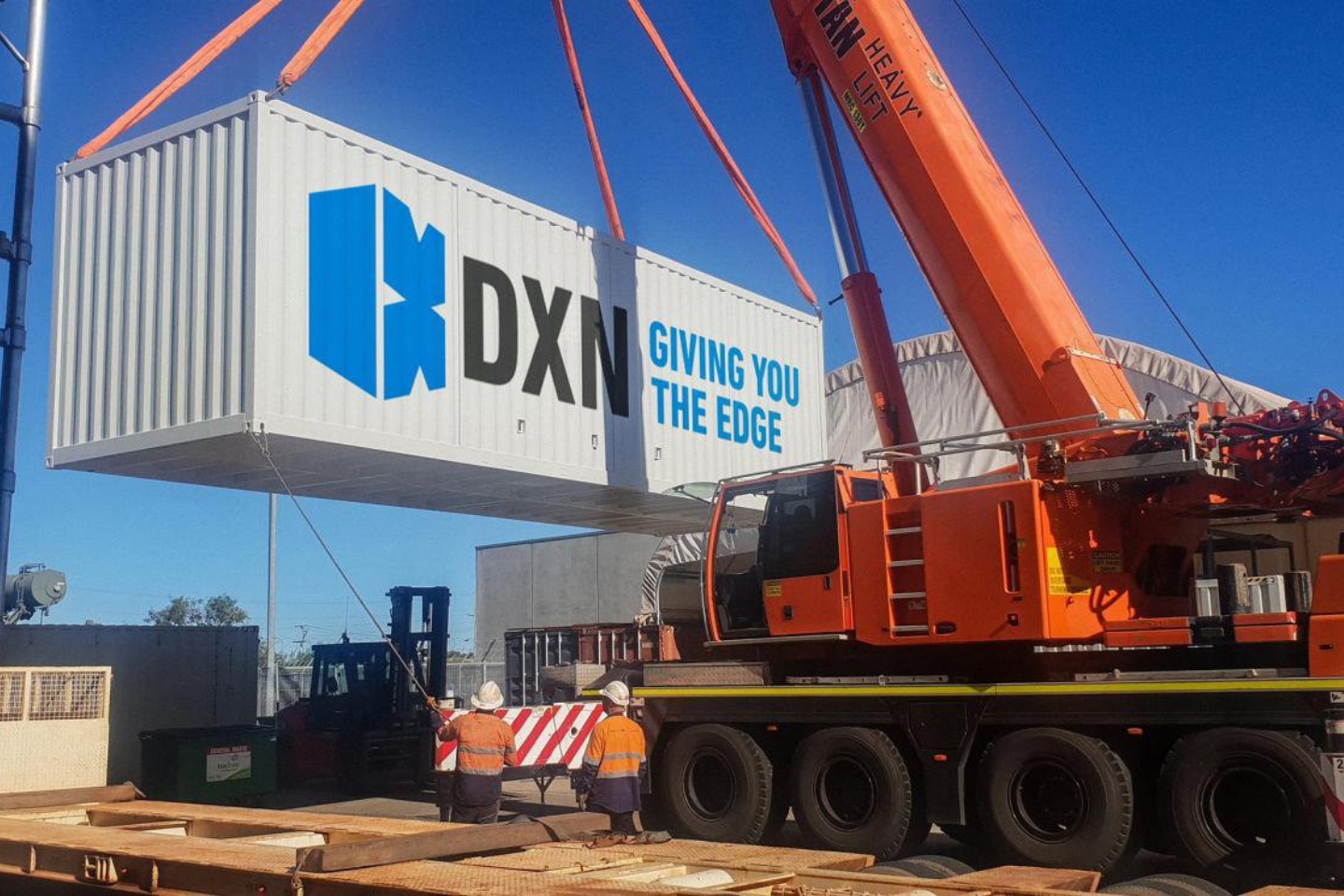
Modular data centre specialist DXN Limited, which manufactures in Welshpool, has inked an $8.8 million deal with a US neo cloud operator which could lead to over $US200 million in orders.

Incoming Minrex Resources chair Robert Edwards has outlined the reasons behind his decision to join the junior.

The AI IPO Era Begins: Alphabet Launches It, Berkshire Buys (At A Discount)
Business
Jefferies raises Titagarh Rail target price by 23%. Check upside potential and key triggers

With a Buy rating, the international brokerage raised the target by 23%. Jefferies said Titagarh Rail Systems delivered a stronger-than-expected quarter, and improving execution is likely to drive a re-rating of the stock going forward.
The brokerage believes Titagarh is well-positioned to benefit from rising demand for passenger and metro coaches, supported by government-led infrastructure initiatives. It estimates a 44% EPS CAGR over FY26-30 and expects the company’s strong order book in the passenger segment to provide healthy earnings visibility.
Titagarh delivered 64 coaches in FY26, ahead of Jefferies’ estimate of 60 coaches. While this fell short of the management’s earlier guidance of 100-120 coaches, the shortfall was largely anticipated due to execution delays in the first half of FY26.
Management has reiterated confidence in delivering 200-220 coaches in FY27, compared with Jefferies’ estimate of 193 coaches, citing the resolution of initial execution challenges. On the flagship Vande Bharat project, the company expects to deliver two trains in FY27, in line with Jefferies’ projections, with the prototype scheduled for supply in the December 2026 quarter.

Margins in the March quarter came in significantly ahead of expectations at 19%, compared with Jefferies’ estimate of 12%, supported by a sharp increase in execution of the Bengaluru Metro project, which is being executed as a job contract. Management has guided for margins of around 12% in the near term, with a gradual improvement towards 15% as the company advances up the technology value chain.
Rail wagon sales declined 29% year-on-year due to supply-side constraints. While Jefferies expects wagon sales to fall a further 5% in FY27, it forecasts a largely stable trajectory over FY27-30, supported by its estimate that Indian Railways’ cargo volumes could reach around 3 billion tonnes by FY35, compared with the FY30 target.The company currently has an order book of 6,500 wagons, providing visibility for about 97% of Jefferies’ FY27 wagon sales estimates, although visibility beyond FY27 remains limited. Separately, Titagarh has secured 28% capital assistance for its brownfield shipbuilding expansion plans and is evaluating technology partnerships and potential joint ventures with shipyards.
The brokerage noted that a recent report by Live Mint indicated Indian Railways is considering an order for 1 lakh wagons, which could significantly improve earnings visibility for wagon manufacturers.
The valuation assigns 30x March 2028 estimated EPS to the core business, up from 25x previously, reflecting positive developments around potential wagon orders and the upcoming wheel joint venture, which it values at 2.5x its investment value. Key risks to the outlook include delays in wagon orders or wheel supplies from Indian Railways, as well as weaker-than-expected execution.
Titagarh Rail Q4 snapshot
Titagarh Rail reported a net profit for the quarter at Rs 53.96 crore, compared to a net loss of Rs 122.4 crore that the company reported last year.
Titagarh Rail’s revenue in the March quarter declined by 12.9% to Rs 875.4 crore from Rs 1,005.6 crore in the previous year.
The company’s earnings before interest, tax, depreciation and amortisation (EBITDA) declined 4.4% to Rs 97.3 crore in the March quarter from Rs 96.56 crore last year, while margins stood at 11% from 10% last year.
(Disclaimer: Recommendations, suggestions, views and opinions given by the experts are their own. These do not represent the views of The Economic Times)

Wall Street futures mixed amid new Middle East hostilities
Business
RBI likely to hold rates as West Asia crisis impact on growth remains unclear: Bank of Baroda Report
The report said the central bank is expected to continue with a data-dependent approach while balancing growth concerns, inflation risks and global uncertainties.
“We may expect status quo on rates as the impact on growth due to the crisis is still difficult to ascertain, and on the inflation front, an increasing trend is imminent,” the report said.
Bank of Baroda also expects the RBI to retain its neutral policy stance, saying it provides the central bank with the flexibility to respond to incoming economic data.
According to the report, several developments have taken place since the RBI’s previous monetary policy meeting.
It noted that there have been reports of a 60-day extension of the ceasefire in West Asia, although uncertainty surrounding the situation remains high. While international crude oil prices have shown some correction following the development, the report cautioned that volatility in crude prices cannot be ruled out unless a formal peace agreement is reached.
The report highlighted that one of the most significant developments since the last policy meeting has been the increase in petrol and diesel prices. According to Bank of Baroda, the RBI’s inflation projections are likely to reflect the impact of these higher fuel prices.
“We expect the RBI’s CPI projection for FY27 to be revised upward,” the report stated.
The report also pointed to volatility in the Indian rupee as an important development in recent months. However, it noted that exchange rate movements do not directly fall under the scope of monetary policy decisions.
From a growth perspective, the report believes maintaining rates at current levels remains the preferred option at this stage.
It noted that headline consumer price inflation, which remains the RBI’s key policy variable, has not yet fully reflected the impact of higher costs being passed on across the economy.
As a result, the report expects the upcoming policy statement to be relatively more hawkish in tone, particularly through an upward revision in inflation forecasts and a stronger emphasis on near-term inflation risks.
The report concluded that, given the evolving geopolitical situation, inflation concerns and uncertainty around growth, the RBI is likely to wait for more data before making any major changes to interest rates.
Reserve Bank of India (RBI) Governor Sanjay Malhotra is set to announce the outcome of the Monetary Policy Committee (MPC) three-day meeting on Friday, June 5.
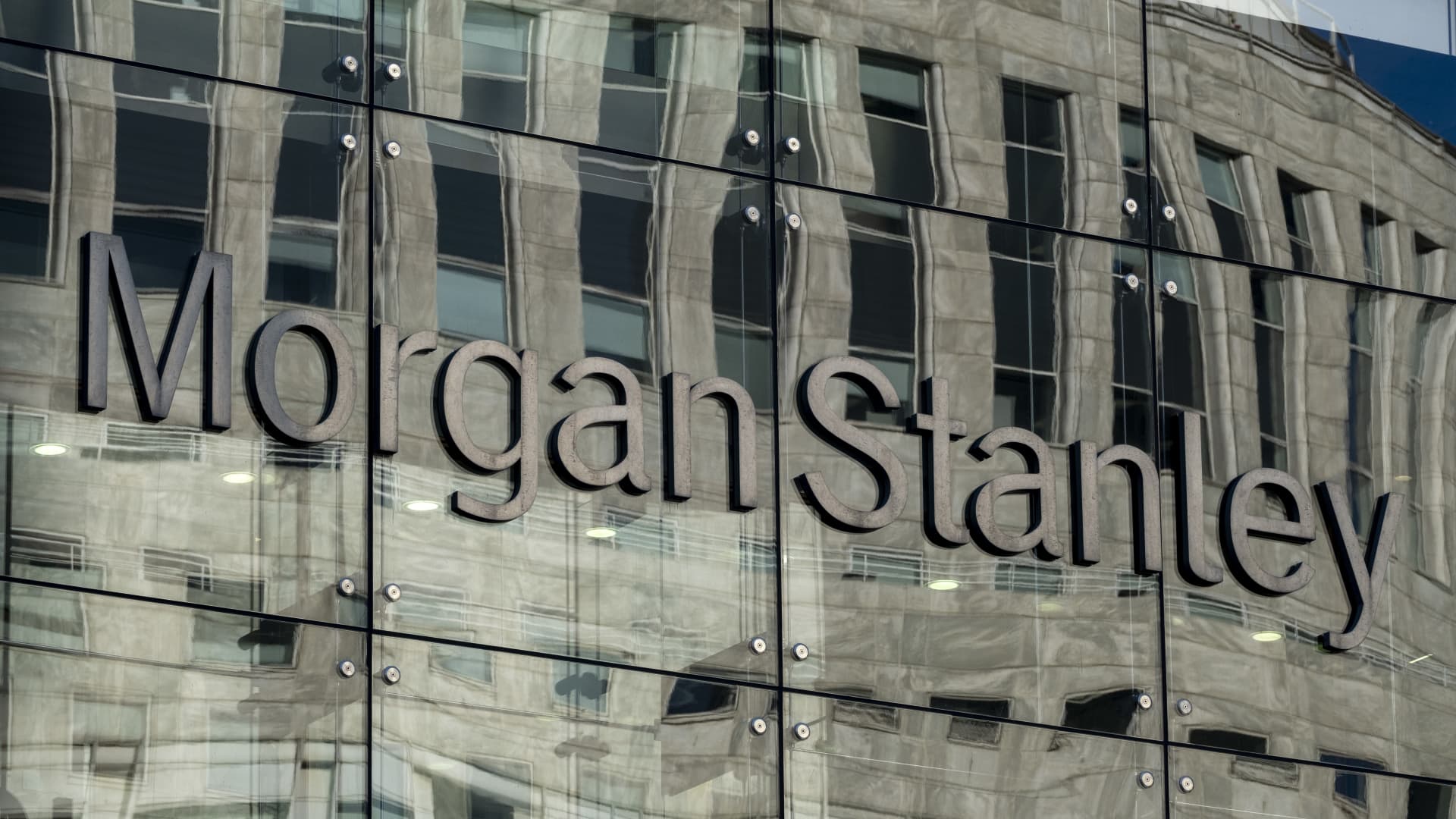
Morgan Stanley’s office in Canary Wharf financial district on Jan. 30, 2025 in London, UK.
Mike Kemp | In Pictures | Getty Images
Morgan Stanley will soon open a key wealth management funnel to artificial intelligence agents from thousands of corporations, CNBC has learned exclusively. It’s one of the earliest instances of a major Wall Street bank opening its platforms to external AI tools.
The move will allow clients’ autonomous agents to pull data and insights directly from the firm’s stock administration platforms, ShareWorks and Equity Edge, bypassing the traditional software interfaces built for human users, according to Mark Mitchell, chief product officer of Morgan Stanley at Work.
In April, Morgan Stanley executives attributed $1.2 trillion in assets gathered to its workplace strategy.
“The way we see it, in a future state, our corporate clients will not be logging into ShareWorks or Equity Edge,” Mitchell said.
Instead, they’ll be “using agentic AI-powered tools on their desktops within the four walls of their companies, interacting with our platforms in a purely agentic way,” he said.
The bank has already granted a handful of clients early agentic access and plans to open it up to the firm’s 3,400 administration clients by next year, Mitchell said.
It’s the latest sign that Wall Street is preparing for a future where AI agents handle tasks now performed by software users.
Rivals including JPMorgan Chase and Goldman Sachs are using AI agents internally for things like writing code, but have yet to publicly announce steps to allow external agents to connect directly to their firms’ systems.
Morgan Stanley wealth management
Morgan Stanley has taken the staid business of managing stock compensation plans for corporations and turned it into a crucial funnel for the firm’s wealth management division, which is the world’s largest at $7.35 trillion in client assets.
The firm acquired Solium Capital in 2019 and E-Trade in 2020, creating a business that it says caters to almost half of the companies in the S&P 500 and eight of the 10 biggest unicorn startups. The key insight it had was that by administering employee stock plans, Morgan Stanley can convert workers into advisory clients as their wealth grows.
The bank’s AI pitch to corporate clients is straightforward: Fast-growing technology and biotech companies want to administer increasingly complex stock plans without adding headcount in support roles like human resources, said Mitchell.
At these companies, AI agents can handle aspects of the job without adding human employees, he said.
Internally, there’s a similar logic: Morgan Stanley sees agentic AI allowing it to scale its own services — customer support, plan administration, the wealth management funnel — without adding “thousands and thousands” of employees, Mitchell said.
For this change, Morgan Stanley is leaning on something called the Model Context Protocol, an open source standard that allows AI models to plug into data sources.
In a pre-AI world, companies would’ve frowned upon allowing clients to bypass the online front door to their services. For decades, companies fought to hook users on proprietary platforms.
Morgan Stanley, which began partnering with OpenAI in 2022, believes that matters less in a world where AI agents become the primary interface. Software is “at an inflection point, clearly,” Mitchell said.
“The companies that are going to survive in the future are the ones who have proprietary data and business logic, which is the foundation of our offering,” Mitchell said.
“The fact that they won’t be logging into” the websites, he said, “doesn’t scare us at all.”

Australia’s GDP slows to 0.3pc

Evernorth Says Banks Already Using XRP for EURCV

Leinster v Stormers Preview, Betting Tips, Team News and Prediction



-

 Tech5 days ago
Waymo dominates autonomous vehicle registrations as Tesla trails behind
-

 News Videos5 days ago
This is BROKEN! INSANE 5x MONEY CAR WASH WEEK! The NEW GTA Online UPDATE Today! (GTA5 New Update)
-
 Tech4 days ago
SpaceX just won a second Golden Dome contract. This one is $4.16 billion.
-

 News Videos5 days ago
SHE IS KILLING XRP!!! WATCH URGENT AND ACT FAST
-

 Business2 days ago
Jade Biosciences, Inc. (JBIO) Discusses Positive Interim Results From JADE101 Phase I Healthy Volunteer Study and Development Plans Transcript
-
 NewsBeat5 days ago
FIRST NIGHT REVIEW: Take That bring the Circus back to life in spectacular sun-soaked style
-
Crypto World5 days ago
CFTC Has Approved the First Regulated Bitcoin Perpetual Contract in the U.S.
-

 Business4 days ago
Is the Spurs Phenom Already Better Than Prime Diesel?
-
 NewsBeat5 days ago
Novak Djokovic v Joao Fonseca LIVE: French Open latest scores and results after Jannik Sinner’s shocking collapse
-
 Crypto World5 days ago
Snowflake (SNOW) Stock Rallies on Strong Q1 Results and AI Product Growth
-
 Entertainment5 days ago
Weak ‘Supergirl’ Box Office Tracking Amid Milly Alcock Backlash
-

 Business4 days ago
Demand Conditions Improve In Chemicals Sector In April 2026
-

 Crypto World5 days ago
MicroStrategy Moves $30 Million in BTC to Coinbase Prime: Is the Bitcoin Sell-Off Already Here?
-

 Politics4 days ago
The House | Inside Andy Burnham’s Makerfield Campaign: “Nobody Thinks This Is In The Bag”
-
 Entertainment4 days ago
One of the Greatest Sitcoms of All Time Shoots Up Apple TV’s Charts 11 Years Later
-

 Tech5 days ago
This Week In Security: Ubiquiti Fixes, And FreeBSD Joins The Club You Don’t Want To Join
-

 Entertainment5 days ago
Maddox Jolie-Pitt Legally Requests to Drop Brad’s Surname
-
 Entertainment4 days ago
Britney Spears Shares Troubling Update After Hard Year
-
 Crypto World24 hours ago
Seagate (STX) Stock Surges to Record High on AI Boom and Legal Settlement
-
 Entertainment5 days ago
Bruce Willis’ Generosity Resurfaces Amid His Dementia
You must be logged in to post a comment Login