
Business
Henry Chen: From Wall Street to Digital Asset

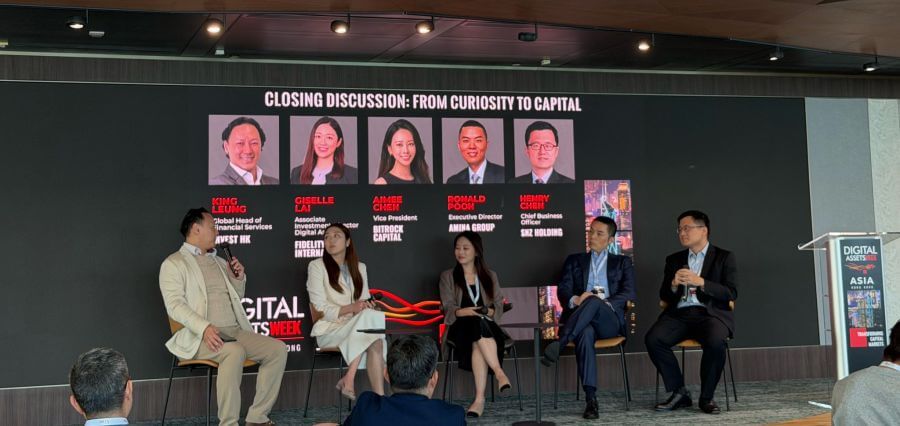
The modern world of business is demanding more of entrepreneurs and leaders than ever before; it’s no longer possible for a professional to lead purely on a technical basis, nor on an operational one. Few business leaders are able to become the hybrid executives that are so necessary to modern growth and transformation initiatives. The ones that rise to the challenge can’t help but stand out.
Henry Chen is one such example. As a seasoned finance professional and entrepreneur in the fintech and blockchain industry, his expertise with the technology that’s driving the modern world has been well-proven. When that is combined with another 15 years of experience across investment banking, private capital management, and digital asset markets, Henry Chen represents a unique bridge between traditional finance and modern digital ecosystems. His professional journey ranges from UBS and Goldman Sachs to KU Holdings (Parent of KuCoin) and Summer Capital, culminating in his current role as Chief Business Officer at SNZ Holding.
Henry Chen’s transition from global banking institutions into senior strategic roles at finance and fintech companies like KU Holdings and Summer Capital is not a common one for a reason. Being able to strike the balance between institutional discipline and digital innovation is a rare skill, but it’s one that’s becoming more important for business leaders every year. Well-rounded and holistic leadership is crucial in a world with increasingly globalized and technology-driven markets.
“The ability to ‘speak both languages’ is crucial,” Henry says. “You need to understand how bankers, regulators and institutional investors think, and at the same time appreciate how developers, founders and crypto‑native communities operate.”
Traditional Finance Vs. Digital Ecosystems
Having served in high-performing leadership roles in both traditional investment banking environments and high-growth digital asset ecosystems, Henry Chen has developed a well-rounded understanding of both fields—and how they intersect. Both environments left him with foundational understanding that could be leveraged elsewhere, and by synthesizing the two he was able to develop a leadership philosophy capable of bridging the gap between them.
“It has given me a 360‑degree view of how capital, technology, and financial markets correspond to each other,” Henry explains. “My philosophy today is about combining these worlds: being entrepreneurial, open to experimentation and caring about individual mentality, while still insisting on governance, operational efficiency, and commercialization models that can stand up to institutional scrutiny. I try to be a bridge between builders and institutions, translating highly technical concepts into clear business and regulatory language, and vice versa.”
So what are the big differences between these two environments? Put simply, the traditional financial institutions are highly structured and value predictability, while the fintech and digital ecosystems are defined by speed, scalability, and open-source collaboration. It’s an old dichotomy: structured, predictable, execution-focused institutions on one side; flexible, fast, disruptive, and innovative startups on the other. Banks and other traditional institutions are built around structured processes, well-defined product lines, and regulated workflows, with innovation following regulator guidance and client demand. In digital fintech and blockchain systems, the constant creation of new primitives, the prediction market, and real-world asset tokenization represent an iterative, experimental, and consensus driven environment.
“At global investment banks, I learned the importance of sustainable business model, market positioning and fundamental valuation methodology, institutional‑grade operational processes, cross-team collaboration, and long‑term client relationships, which has deeply influenced how I make decisions and mobilizes team resource even in fast‑moving crypto markets,” Chen recalls. “On the digital asset side, particularly at SNZ and Summer Capital, I was exposed to founder‑driven innovation, rapid product cycles, and community‑centric ecosystems and focus on humanity, that move at a very different pace from traditional finance.”
The hierarchical institutional stability, precision, and quality of traditional institutions focus on measurable success and maximal profitability. The open-source, freely experimental, and deeply creative blockchain environment focuses on speed and innovation. The two fields seem to have few things in common, but however dichotomous they may seem, the two environments’ strengths and values can in fact be brought together. It just takes someone who understands both sides, and Henry Chen has established himself as precisely that.
“Having operated in both worlds, I see my role as importing institutional discipline into crypto, while preserving the creativity and openness that make this industry so compelling,” he says. “At the end of day, any technology, business model, or project shall be built to serve some real purposes and use cases—which is essentially the human being, and organizations from the real world. It’s just a matter of differentiated or upgraded process, methodology or approach.”
A Strategic Blend Of Expertise
Henry Chen’s unique blend of leadership experience and expertise have made him uniquely valuable in a strategic role as the both traditional and blockchain financial ecosystems evolve. At KU Holdings (parent of KuCoin), Summer Capital, and in his current role with SNZ, his strategic priorities have been focused on branding and networking, with an eye for building long-term business sustainability and the creation of real economic value. Chen’s goal is to position SNZ as a long-term, credible, capable, and resourceful partner to both builders and institutions—whether they’re traditional finance or crypto natives—around the world, but particularly in Asia.
Henry’s rigorous foundation in financial infrastructure across both consumer and institutional markets—courtesy of his career at investment banks like Goldman Sachs and UBS—allows him to identify use cases for blockchain and crypto technologies, while his experience in those digital environments lets him draw clear connections between modern technology projects and cases he’s experienced in the past. The result is that he can identify viable business models, high-potential products, and feasible corporate strategies instead of getting drawn into interminable hype cycles or falling victim to crypto market price volatility and noise.
“Economic value is about making sure we are not only capturing short‑term trading or speculative upside, but also enabling new infrastructure, use cases, and revenue streams that benefit users, communities, and shareholders in a measurable way,” Chen says. “In such fast‑evolving markets, discipline on these three dimensions helps us avoid chasing noise and instead build something compounding and durable.”
It’s a skillset that Henry Chen expects to only grow more valuable in the coming years. He expects to see digital finance move from the periphery to the core of global capital markets over the next five years, driven by tokenization, programmable assets, and more mature regulatory regimes. Additionally, he predicts a convergence between traditional financial infrastructure and blockchain rails, where assets like securities, funds, and collateral are issued and managed on-chain (even if users don’t see the underlying technology).
“Experienced institutional leaders will play a key role in this transition by translating between regulatory expectations, risk frameworks, and the capabilities of decentralized technologies,” Chen explains. “Their job is not to slow innovation, but to shape it in a way that is sustainable, compliant, and accessible to a much broader set of participants.”



Spirit nearly done processing customer refunds after shutdown

When speaking at the McDonald’s Impact Summit, President Donald Trump urged the company to put more tartar sauce on the Filet-O-Fish.
McDonald’s is quietly ending the era of self-serve soda fountains nationwide.
The shift, years in the making, is part of a broader effort by McDonald’s to modernize its restaurants, reduce labor and maintenance demands, and adapt to changing consumer habits that increasingly favor takeout, delivery and drive-thru service over dining in.
MCDONALD’S GOES ALL-IN ON AFFORDABILITY: FULL MENU REVEALED FOR NEW UNDER $3 AND $4 DEALS

A self-serve soda fountain at a McDonald’s restaurant, a feature the company is phasing out nationwide. (Mario Tama/Getty Images / Getty Images)
The company plans to complete the transition away from self-serve beverage stations in U.S. dining rooms by 2032, with the changes expected to roll out gradually over the next several years as restaurants are remodeled or updated.
In many locations, drinks are already being prepared behind the counter rather than poured by customers, marking a clear departure from a long-standing self-service model that has been a staple of fast-food dining rooms for decades.
For customers, the change marks the end of a familiar convenience, as self-serve stations have traditionally allowed easy refills and drink customization.
MCDONALD’S PLANS MASSIVE OVERHAUL WITH MAJOR CHANGES TO RESTAURANTS AND MENUS
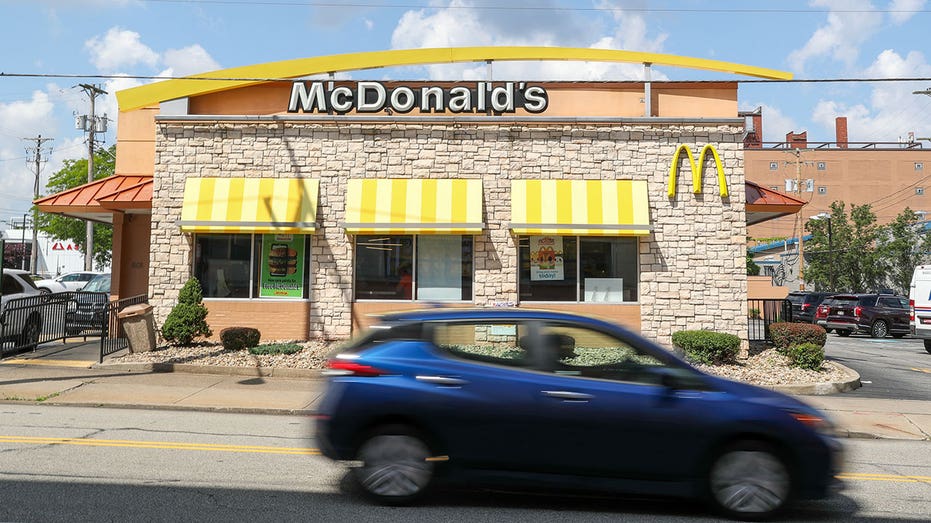
An exterior view of a McDonald’s fast food restaurant on May 24, 2024. (Paul Weaver/SOPA Images/LightRocket / Getty Images)
The move also gives McDonald’s greater control over beverage portions, cleanliness and inventory, while cutting maintainance costs for the self-serve machines.
The shift reflects a broader trend across the fast-food industry, where companies are prioritizing speed, efficiency and digital ordering over traditional dine-in experiences.
At the same time, McDonald’s has rolled out an expanded menu featuring new “dirty sodas” and refreshers as consumer demand shifts beyond traditional soft drinks and coffee.
CLICK HERE TO GET FOX BUSINESS ON THE GO

McDonald’s is currently rolling out new drink options, to include ‘dirty sodas.’ (Smith Collection/Gado/Getty Images / Getty Images)
In a statement to FOX Business, McDonald’s signaled the shift, saying: “Our fans’ love for McDonald’s beverages runs deep… Next month, we’re building on that passion with a new era of beverages, featuring a variety of Refreshers and crafted sodas rolling out nationwide.”
The company added that it will share more details soon.
McDonald’s did not immediately respond to FOX Business’ request for comment regarding the removal of the fountain machines.
Mexico’s ruling morena party appoints Adriana Montiel as new leader
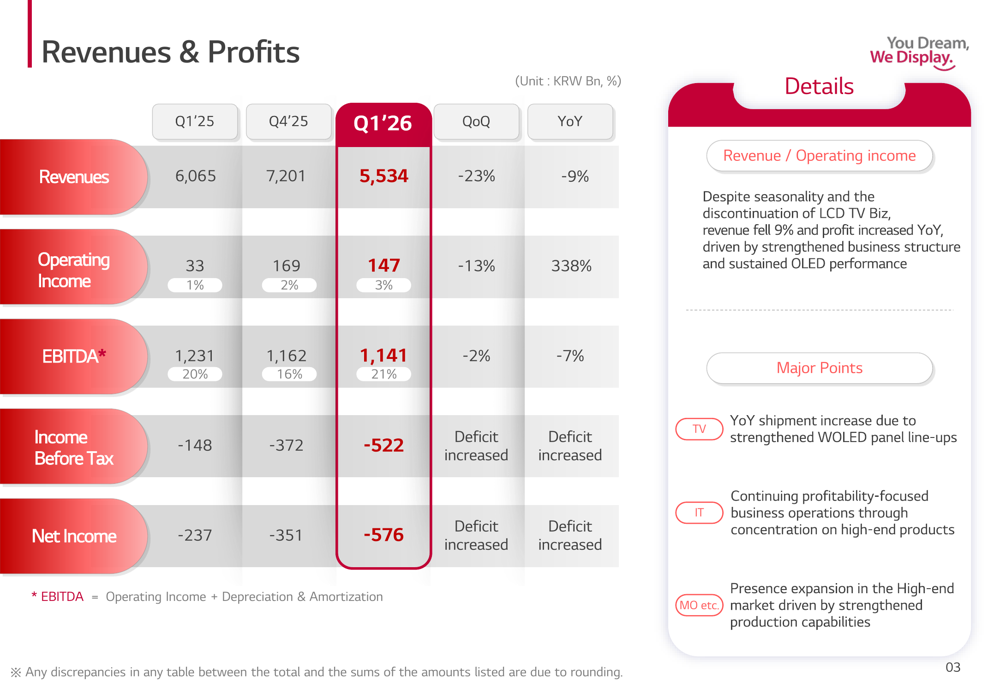
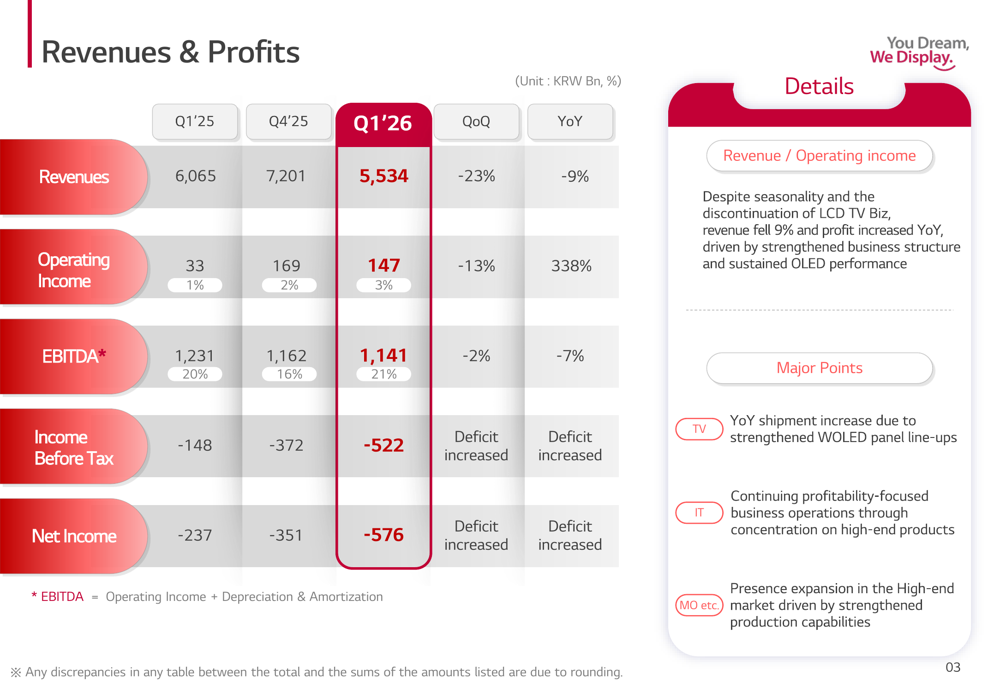
LG Display Q1 2026 slides: OLED shift advances amid revenue decline
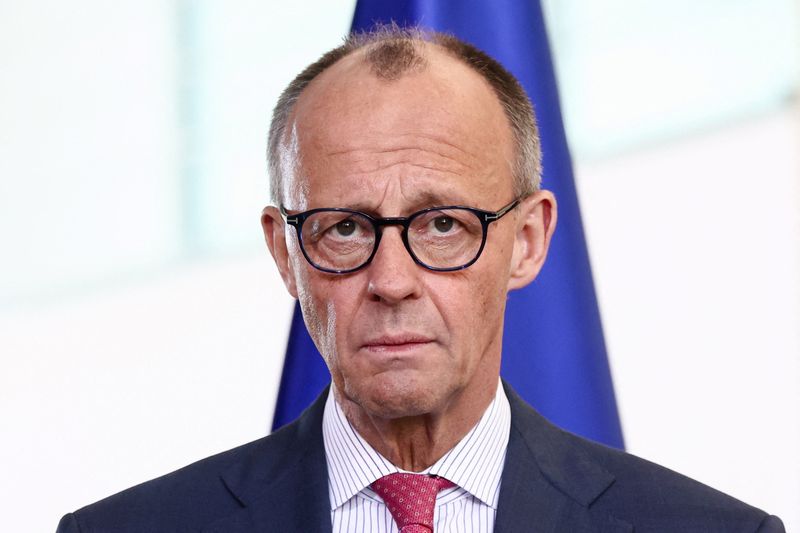

German chancellor downplays row with Trump after troop drawdown announced

Fox News correspondent Madison Scarpino reports on Spirit Airlines shutting down, canceling all flights, causing travelers to rebook with other airlines, on ‘Fox Report.’
A Spirit Airlines captain whose retirement flight was scrapped by the carrier’s sudden shutdown got an unexpected sendoff as a Southwest crew stepped in to honor his decades in the cockpit.
Capt. Jon Jackson was supposed to fly his final trip before retirement but instead found himself seated in the back of a Southwest flight heading home with his son, Chris Jackson, a Southwest first officer, Southwest wrote on Instagram.
“Chris casually mentioned to the flight’s pilots that this would have been his dad’s retirement flight. They seized the opportunity to change the course of the day for Capt. Jackson,” the post read.
The crew quickly sprang into action, coordinating with dispatchers to arrange a surprise retirement tribute upon landing in Baltimore.
SEN WARREN BLASTED FOR CHEERING BLOCKING OF MERGER THAT MIGHT HAVE SAVED SPIRIT AIRLINES

A Spirit Airlines Airbus A321 aircraft parked at Luis Munoz Marin International Airport after the airline announced it was ceasing operations, in Carolina, Puerto Rico, May 2, 2026. (Reuters/Ricardo Arduengo)
When the aircraft touched down, airport fire crews greeted it with a traditional water cannon salute, a symbolic honor typically reserved for milestone flights. Ground crews then welcomed the veteran pilot at the gate with cheers and a celebratory bottle of champagne.
“Ladies and gentlemen, Mr. Jon Jackson,” a gate agent said over an intercom as the retiring pilot walked out to a round of applause from airport workers and travelers at the crowded gate.
“Very overwhelming, I can’t thank you all enough,” Jackson said as he received a bottle of champagne. “As Spirit goes down, this is kind of a sad day, and you guys made it incredible. Thank you so much.”

Spirit Airlines jets sat on the tarmac at Fort Lauderdale-Hollywood International Airport in Florida, on May 2, 2026. (Giorgio Viera/AFP via Getty Images)
TRUMP TRANSPORTATION SEC DUFFY ANNOUNCES RELIEF FOR SPIRIT AIRLINES FLYERS, EMPLOYEES
Southwest said the gesture was meant to recognize Jackson’s years of service after his original retirement plans were abruptly canceled.
“It was a powerful reminder of the aviation community’s ability to show respect, compassion, and solidarity when it matters most,” the airline said in the social media post.
The memorable farewell comes after Spirit announced early Saturday it would cease operations immediately, canceling all flights and shutting down customer service, leaving many travelers stranded.

A message from Spirit Airlines at Orlando International Airport, as the airline announced it was ceasing operations early Saturday morning, in Florida, May 2, 2026. (Reuters / Miguel Rodriguez)
GET FOX BUSINESS ON THE GO BY CLICKING HERE
The collapse of the budget airline also reignited debate over whether federal regulators got it wrong in blocking a proposed JetBlue-Spirit merger, with opponents now arguing the decision may have reduced competition and contributed to the airline’s downfall.
Fox News Digital’s Jasmine Baehr contributed to this report.
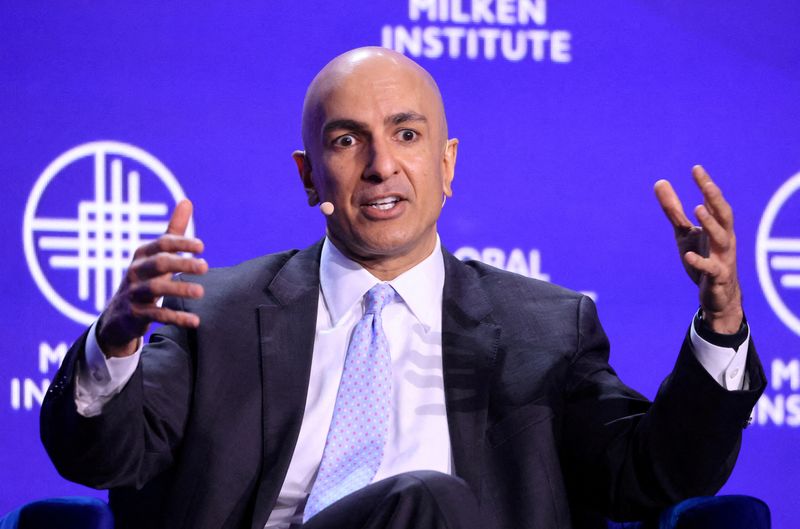

Kashkari says Iran war limits Fed’s ability to provide rate guidance


Iran says it has received US response to its latest offer for talks
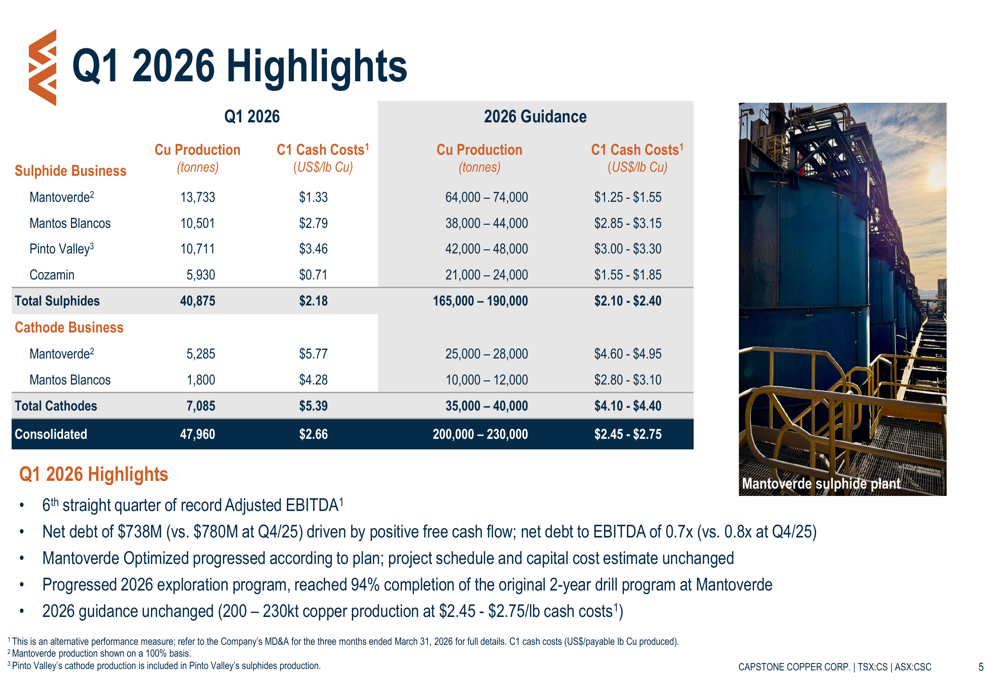
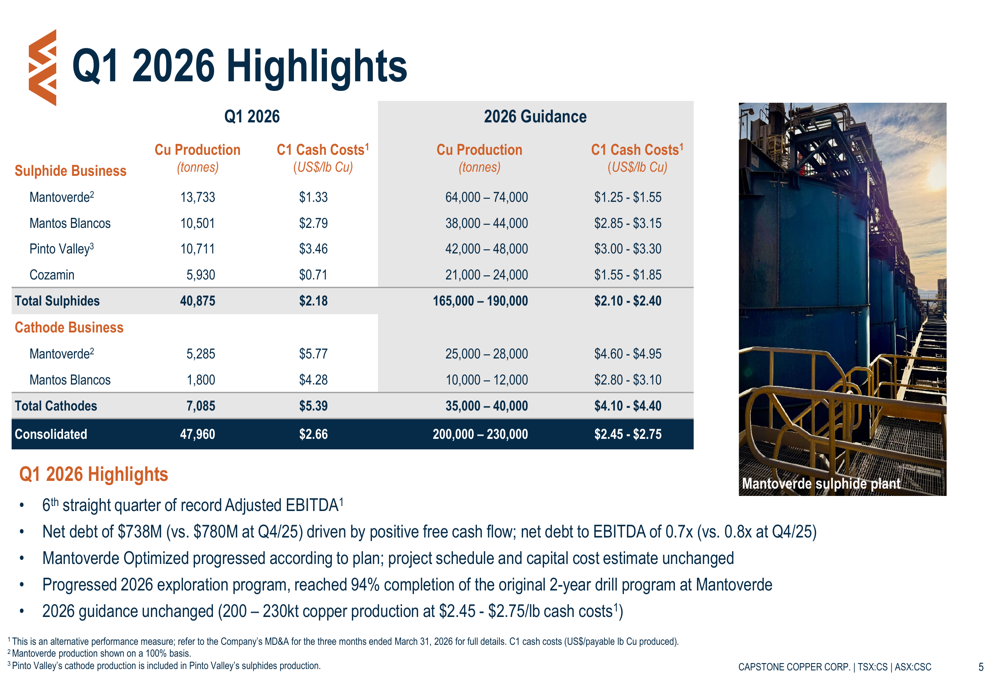
Capstone Copper Q1 2026 slides: record EBITDA despite strike impact
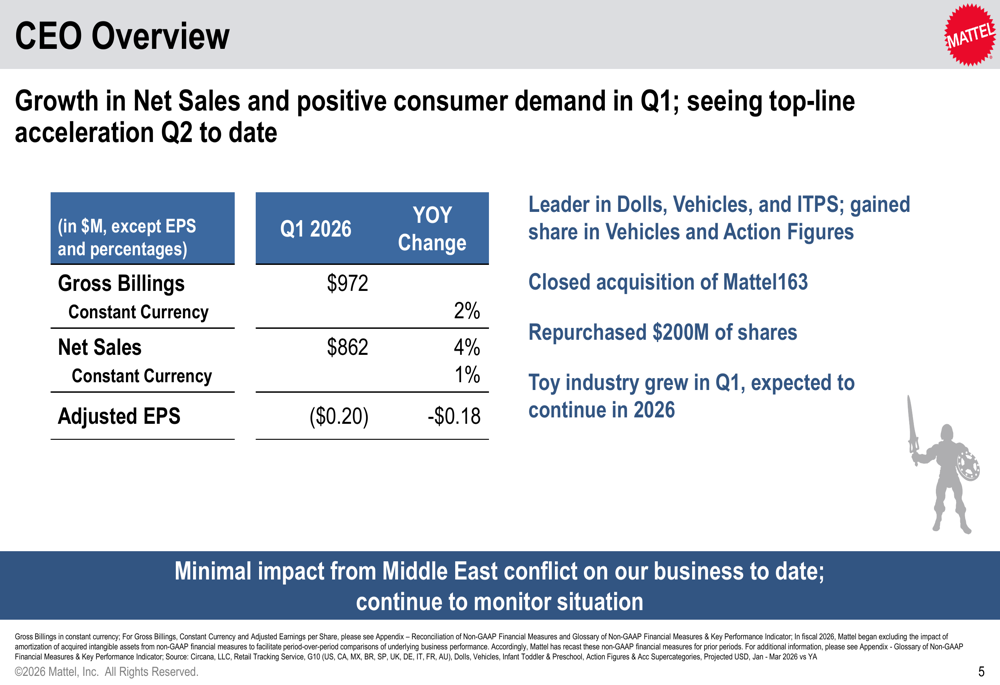
Mattel Q1 2026 slides: revenue beats amid sharp margin decline

Xeer ilaaliye Crypto Currency Si Cajiib ah u sharaxey.

Coronation Street boss reveals explosive exit for star | Soaps

Spirit nearly done processing customer refunds after shutdown

Manchester United reach agreement with Casemiro over contract clause amid transfer speculation

US brings back mandatory military draft registration

Steven Gerrard disagrees with Gary Neville over ‘shock’ Chelsea and Arsenal claim | Football


-

 Tech6 days ago
Register Renaming | Hackaday
-

 Politics6 days ago
Drax board avoid their own AGM, accused of greenwashing & environmental racism
-

 Fashion5 days ago
Kylie Jenner’s KHY Enters a New Era with ‘Born in LA’
-

 Tech6 days ago
Why Blue Badges Disappeared From Toyota Hybrids
-

 Tech6 days ago
Images of Samsung’s rumored smart glasses have leaked
-
 Tech2 days ago
Trump’s 25% EU auto tariff breaches Turnberry Agreement that also covers semiconductors and digital trade
-

 NewsBeat2 hours ago
Channel 5 – All Creatures Great and Small series 7 new post
-

 Business5 days ago
Most Commercial Energy Audits Miss the Real Losses
-

 Crypto World5 days ago
CFTC’s AI will review U.S. crypto registration applications, chairman tells CoinDesk
-

 Business6 days ago
(VIDEO) Charlize Theron Climbs Times Square Billboard to Promote New Netflix Thriller ‘Apex’
-
 Sports2 days ago
Paul Scholes issues Marcus Rashford reality check as agreement emerges over Man United star
-

 Business4 days ago
Barclay Brothers Avoid Bankruptcy: HSBC Drops High Court Petitions After IVA Deal
-
 Business4 days ago
Tesla Officially Registers Elon Musk’s Stock: What Investors Need to Know
-
 Entertainment6 days ago
Alicia Keys Calls Out Music Industry ‘Boys Club’
-

 Tech5 days ago
Get Ready for More Brain-Scanning Consumer Gadgets
-
 Crypto World5 days ago
Robinhood Phishing Scam Exploits Gmail Dot Feature to Bypass Security
-

 Entertainment6 days ago
Sister Wives: Janelle Posts New Scary Warning
-

 Crypto World6 days ago
Gmail Dot Trick Underpins Robinhood Phishing, Sending Real-Looking Emails
-

 Business3 days ago
Two Powerball Tickets Split $143 Million Jackpot in Indiana and Kansas
-

 Tech6 days ago
The next iPhone moment might come from an AI company, not Samsung or Apple
You must be logged in to post a comment Login