
Business
Highest-Paid Artist in Festival History


INDIO, California — Justin Bieber emerged as the highest-paid artist at the Coachella Valley Music and Arts Festival in 2026, reportedly earning a record $10 million for his two headline performances across the event’s weekends.

The Canadian pop star’s payday, confirmed by multiple industry sources including Rolling Stone, places him at the top of Coachella’s historical compensation list. Bieber headlined Saturday nights on both the April 10-12 and April 17-19 weekends at the Empire Polo Club, performing for sellout crowds amid a lineup that also featured Sabrina Carpenter on Fridays and Karol G on Sundays — the first Latina artist to headline the desert gathering.
According to reports, Bieber negotiated the deal directly with promoter Goldenvoice without an agent, securing approximately $5 million per weekend. The figure surpasses previous benchmarks, including Beyoncé’s reported $8 million in 2018 and similar payouts for Ariana Grande, Lady Gaga and The Weeknd. Industry insiders described the sum as “north of $10 million” total, making Bieber the clear top earner among all 2026 performers.
Coachella headliners typically command mid-seven-figure fees, often around $5 million per weekend for two appearances, but payouts can vary based on negotiating power, career stage and promotional value. Bieber’s deal reflects his enduring global appeal and recent momentum from the “Swag” project, even as his set drew mixed reviews for its unconventional, laptop-driven format featuring YouTube clips and nostalgic hits.
Sabrina Carpenter, who delivered polished pop spectacles with celebrity cameos, reportedly earned around $5 million total for her two Friday headlining sets. Karol G, celebrated for vibrant reggaeton energy and historic representation, is estimated in the $5 million to $8 million range, though her team noted she invested significantly more — up to three times her fee — in production costs alone. These figures align with standard headliner rates but fall short of Bieber’s reported total.
Lower on the bill, acts like The Strokes were estimated at around $4 million, while electronic project Anyma and other mid-tier performers earned substantially less. Emerging or supporting artists often receive fees starting from $10,000 upward, highlighting the wide pay disparity across the festival’s more than 100 acts.
The compensation structure underscores Coachella’s economics. Goldenvoice, owned by AEG Presents, invests heavily in talent to drive ticket sales, sponsorships and livestream revenue via YouTube. Tickets for 2026 sold out rapidly after the September 2025 announcement, with resale prices soaring above $2,000 in some cases. The event’s cultural cachet allows it to attract top talent, but headliners bear significant production expenses that can erode net earnings.
Bieber’s set, which featured him reacting to old music videos and crowd sing-alongs, sparked debate. Critics called it low-energy or “lazy” compared to Carpenter’s high-production show or Karol G’s dynamic performance. Yet the financial upside remained undisputed. An insider told Rolling Stone that Bieber is “fully in the driver’s seat,” crediting his direct negotiation and catalog strength for the groundbreaking deal.
Festival economics have evolved since Coachella’s early days, when payouts were far more modest. Historical benchmarks include Prince earning $5 million in 2008 for one weekend and Radiohead receiving $1 million in 2004. Modern headliners benefit from the event’s growth into a global brand, with attendance exceeding 100,000 per day and massive digital reach.
Gender pay discussions surfaced in coverage of 2026. Some analysts noted that while male stars like Bieber commanded top dollar, female headliners such as Carpenter and Karol G often landed slightly lower reported figures despite strong draws and cultural impact. Industry experts attribute disparities to legacy status, streaming metrics and negotiating leverage rather than outright bias, though calls for transparency persist.
Non-headliners also earned notable sums in some cases. Past examples, such as Tyler, the Creator reportedly receiving $10 million or more in prior years, show that strong mid-bill or special projects can approach headliner territory. However, for 2026, no supporting act surpassed the headliners’ reported earnings.
The festival’s two-weekend format amplifies costs and rewards. Artists must prepare essentially identical high-stakes performances twice, factoring in travel, crew and technical rehearsals in the desert environment. Variable weather, shared staging and production limits add complexity, particularly for elaborate shows. Bieber’s stripped-down approach may have reduced his overhead while maximizing the guaranteed fee.
As the second weekend concluded on April 19, attention turned to the broader implications. Bieber’s record payday could set a new benchmark for future bookings, potentially pressuring organizers to adjust offers for legacy and streaming powerhouses. It also highlights how artists with deep catalogs and fan loyalty can command premium rates even without a fresh album cycle driving the appearance.
Coachella 2026 succeeded commercially despite debates over individual sets. Sabrina Carpenter transformed the main stage into a celebratory pop event. Karol G broke barriers with Latin anthems and guests. Additional highlights included guest appearances, art installations and viral crowd moments. Livestream viewership boosted exposure for all performers, indirectly enhancing long-term earning potential through streams, merch and touring.
For Bieber, the Coachella slot fits a strategic return to live performance after focusing on personal projects and family. His ability to negotiate directly reflects growing artist empowerment in the post-pandemic era, where superstars leverage platforms and data to bypass traditional agents.
Festival organizers have not commented publicly on specific payouts, maintaining that talent fees remain confidential. Goldenvoice emphasizes the event’s role in music discovery and community rather than individual compensation.
As reports of Bieber’s $10 million fee circulated widely on social media, reactions mixed pride in his achievement with scrutiny over the set’s execution. Fans defended the nostalgic format as authentic, while others questioned whether the paycheck matched the onstage energy.
The episode underscores Coachella’s dual nature as both a cultural phenomenon and a high-stakes business. While fans experience art, fashion and surprise moments, behind the scenes lies a complex financial ecosystem where headliners like Bieber can walk away with life-changing sums.
Looking ahead, Coachella 2027 speculation will likely include questions about who can match or exceed Bieber’s record. For 2026, however, the answer is clear: Justin Bieber earned the largest reported paycheck, cementing his status as the festival’s highest-paid performer to date.
The final weekend delivered memorable music across genres, but the financial headline belonged to the Saturday headliner whose deal rewrote the Coachella compensation book.

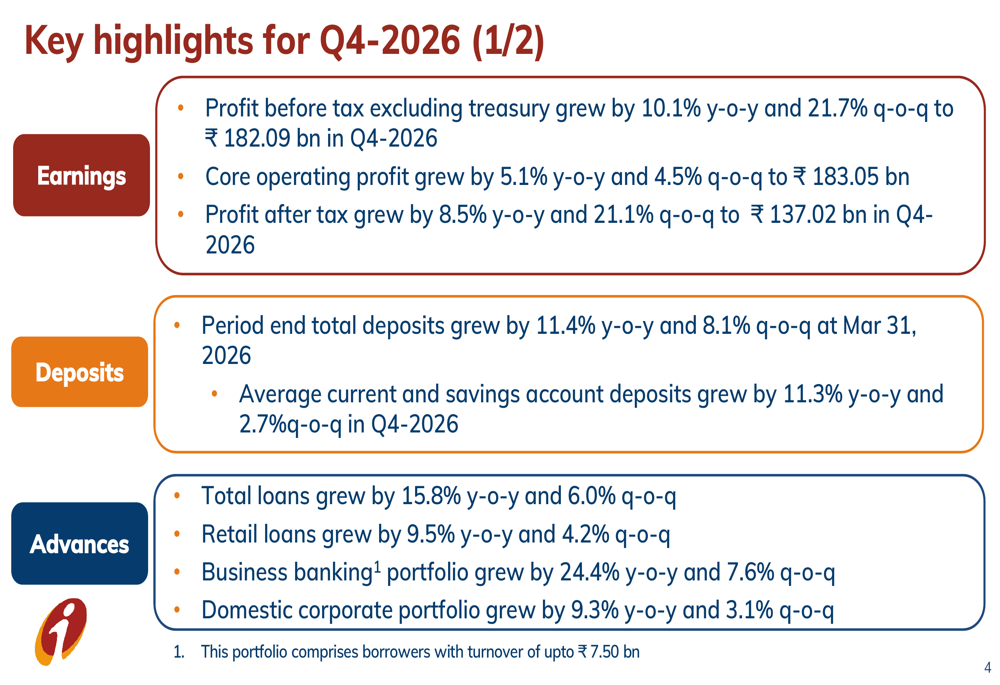
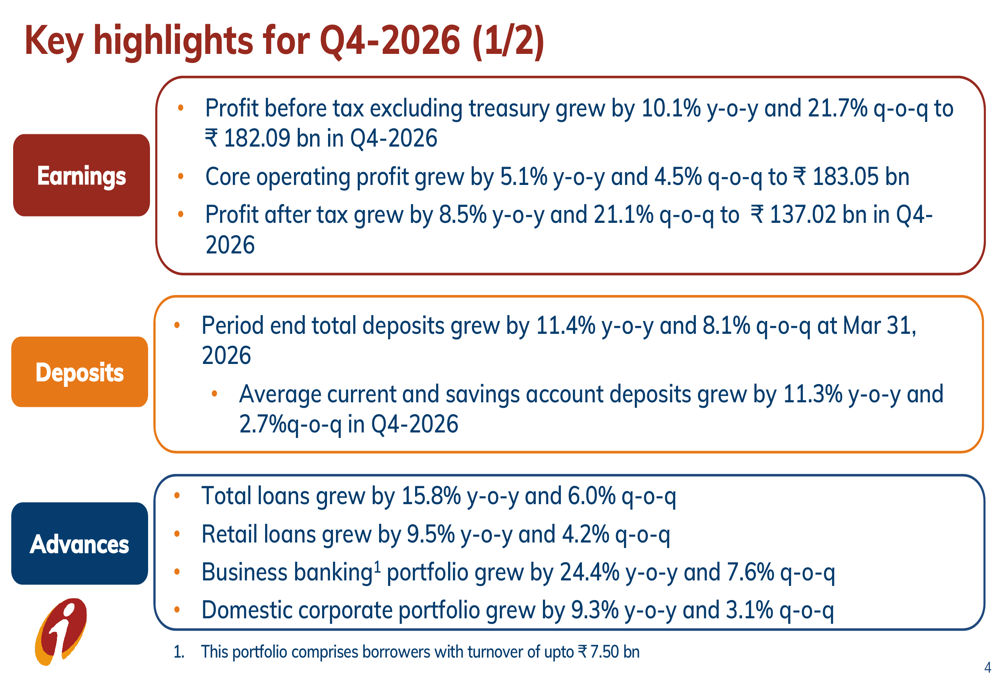
ICICI Bank Q4-2026 slides: profit jumps 21% QoQ, NPAs improve

Trump dismisses Iran’s Hormuz move, says talks still “very good”
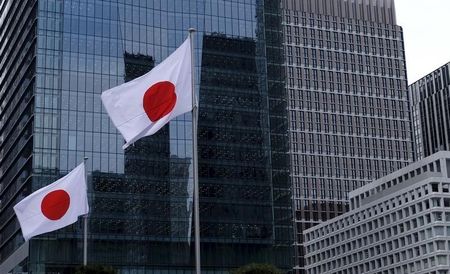
Why does Citi see Japanese stocks continuing to go higher?
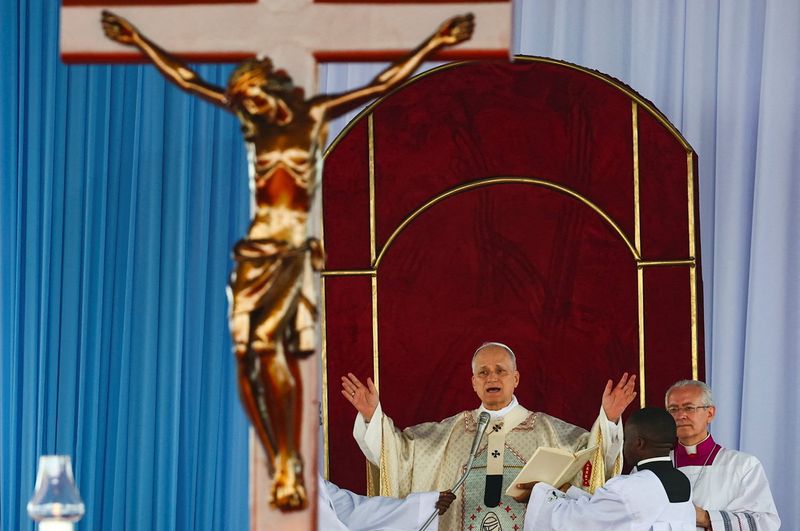

Pope Leo, newly forceful global voice, arrives in Angola on Africa tour

CARLSBAD, California — MaxLinear Inc. (NASDAQ: MXL), a provider of radio frequency, analog and mixed-signal integrated circuits, trades with mixed signals in April 2026 as investors weigh its push into high-speed AI data center connectivity against ongoing losses, analyst caution and a consensus price target implying downside from recent levels.

As of April 17, 2026, MXL shares closed at approximately $23.35 to $26.27 depending on daily volatility, reflecting a sharp intraday move of over 12% on some sessions but remaining well below historical peaks above $77 in 2021. The stock has shown resilience in 2026 with year-to-date gains, yet Wall Street’s average 12-month price target hovers around $19.57 to $24.00, suggesting potential downside of up to 21% or modest upside depending on the source.
Analyst consensus leans toward Hold. Out of eight to 11 covering firms in recent months, ratings typically break down as two Buy/Strong Buy, five to six Hold and one Sell. Deutsche Bank, Stifel Nicolaus, Benchmark and Northland Securities have maintained Buy or positive stances, citing infrastructure ramps and data center momentum. Others, including Susquehanna and Roth MKM, stick with Hold amid execution risks and arbitration overhangs from disputes like the one with Silicon Motion.
The average price target of roughly $21.55 to $24.00 implies limited near-term catalysts for significant gains. Some optimistic forecasts see MXL reaching $28, while conservative estimates dip as low as $11 to $17. Longer-term 2026 projections vary widely: one model anticipates an average around $21.35 with a trading range of $17.60 to $29.95, while others warn of possible declines to the mid-teens if growth disappoints.
MaxLinear’s business has shifted toward higher-growth areas. The company reported full-year 2025 revenue of $467.6 million, up nearly 30% year-over-year from $360.5 million in 2024, driven by infrastructure strength. Fourth-quarter 2025 earnings beat expectations with EPS of $0.19 versus a $0.09 consensus. Guidance for first-quarter 2026 called for revenue between $130 million and $140 million.
Investors await the Q1 2026 earnings release on April 23, which could clarify momentum in key segments. MaxLinear has highlighted AI-related products as a major opportunity. In March 2026, the company unveiled the Annapurna 224G scale-up retimer, enabling up to 1.6 Tbps electrical connectivity for copper backplanes and active electrical cables in AI data centers. It also launched the Rushmore 1.6T PHY chipset and demonstrated interoperability at industry events like OFC.
These innovations target the exploding demand for high-speed interconnects in AI training clusters. MaxLinear aims to capture about 20% of the 800G/1.6T market over the next few years, potentially generating $200 million to $300 million in annual revenue from this segment. Early traction in 800G PAM4 DSPs could contribute $100 million to $130 million in 2026, with infrastructure expected to become the largest revenue contributor.
Additional product launches, including an intelligent modular power management solution for next-generation broadband SoCs debuted at APEC 2026, expand its footprint in Wi-Fi 7, DOCSIS 4.0, fiber and fixed wireless access. The company also added Western Digital CFO Kris Sennesael to its board in February, signaling a focus on operational discipline.
Despite these positives, challenges persist. MaxLinear posted an operating loss of $102.4 million and a net loss for fiscal 2025, reflecting heavy R&D investment and integration costs from past acquisitions. Gross margins have improved but remain pressured in a competitive semiconductor environment. Insider selling has occurred, and some valuation models, including GuruFocus GF Value, flag the stock as significantly overvalued at current levels compared to intrinsic estimates around $14.80.
Broader industry dynamics add uncertainty. The semiconductor sector faces cyclical risks, supply chain issues and intense competition from larger players in data center optics and electrical interconnects. MaxLinear’s exposure to broadband and infrastructure provides diversification, but near-term growth depends on winning and ramping designs with hyperscalers and OEMs.
Technical indicators offer mixed signals. Short- and long-term moving averages have generated buy signals at times, but the stock trades near recent highs with neutral RSI readings around 45. Volatility remains elevated, typical for small- to mid-cap chip stocks.
For investors considering a position in 2026, the case for buying rests on successful execution in AI connectivity. If MaxLinear captures meaningful share in 800G/1.6T solutions and infrastructure revenue accelerates, the stock could rerate higher toward the $28 to $30 range or beyond. Optimistic scenarios see potential for 50%+ upside if data center momentum exceeds expectations and profitability improves.
The bear case centers on delayed ramps, pricing pressure, continued losses or failure to differentiate in a crowded market. With consensus targets pointing to limited upside or outright downside, many analysts recommend waiting for clearer evidence of sustainable growth post-earnings. A Hold rating reflects this balance: attractive long-term AI exposure but near-term risks that warrant caution.
Portfolio managers often view MXL as a speculative play on data center infrastructure rather than a core holding. Those with high risk tolerance may accumulate on dips below $20, while conservative investors might sell into strength or avoid altogether pending the April 23 earnings call and updated guidance.
MaxLinear’s story in 2026 illustrates the semiconductor sector’s dual nature — explosive potential in AI tailwinds tempered by execution hurdles and valuation discipline. The company’s recent product launches position it for participation in multi-year data center buildouts, but delivering consistent revenue growth and margin expansion will determine whether shares reward patient holders.
As the earnings date approaches, market attention will focus on commentary around AI design wins, broadband trends and any updates on the Silicon Motion arbitration. Positive surprises could spark a rally; shortfalls might pressure the stock toward analyst targets.
Ultimately, MaxLinear represents a high-beta bet on connectivity innovation. Investors bullish on AI infrastructure spending may see value in the current setup, while those prioritizing near-term profitability or lower volatility might look elsewhere. With Q1 results imminent, the coming weeks could clarify whether MXL merits a Buy, Hold or Sell decision for 2026 portfolios.


PLANO, Texas — Cinemark Holdings Inc. is experiencing technical difficulties Saturday evening, April 18, 2026, with many users reporting that the company’s website and mobile app are down or unresponsive during peak weekend moviegoing hours.
Downdetector and other outage tracking sites show a noticeable spike in user reports for Cinemark services, with the majority of complaints centered on the mobile app (around 67%) followed by website access (21%) and checkout problems (7%). While not a complete global outage, the volume of reports is significantly higher than baseline for this time of day, frustrating customers trying to purchase tickets for evening showtimes.
Users across the U.S. and some international locations described being unable to load showtimes, complete purchases, or even log into their Cinemark Movie Rewards accounts. Social media platforms quickly filled with posts from moviegoers encountering error messages such as “Something Went Wrong” when attempting to browse films like Lee Cronin’s “The Mummy” or upcoming releases including the Michael Jackson biopic “Michael.”
Cinemark, one of the nation’s largest theater chains with hundreds of locations, has not yet issued an official statement acknowledging the issue as of late Saturday. Its main website, cinemark.com, intermittently displays normal pages for some users but returns errors or fails to load for others. The mobile app, recently updated on April 14, appears particularly affected, with reports of frozen loading screens or failed ticket transactions.
The timing could not be worse for the exhibition industry. Saturday nights typically see heavy online traffic as families and groups finalize plans for new releases. With spring blockbusters and horror titles drawing crowds, any disruption to digital ticketing forces customers toward box office lines or alternative platforms, potentially costing the chain revenue and goodwill.
This is not Cinemark’s first digital hiccup in 2026. Earlier incidents, including a notable app outage on February 10 and scattered problems in early April, highlighted ongoing challenges with the company’s online infrastructure. Industry analysts note that theater chains have poured resources into digital upgrades since the pandemic, but high concurrent usage during peak periods continues to expose vulnerabilities in cloud services, payment gateways or backend systems.
Cinemark has invested in modernizing its ticketing experience, including enhanced mobile features and integration with its loyalty program. However, like competitors AMC and Regal, it must balance these improvements against rising operational costs and competition from streaming services. The chain reported solid box office momentum during the recent Easter period, but sustained technical reliability remains critical for retaining customers who expect seamless online booking.
For affected users, common troubleshooting steps include refreshing the page, clearing browser cache and cookies, updating the app to the latest version, or trying a different device or network. Some reported success by switching from Wi-Fi to mobile data or vice versa. Others resorted to calling individual theater locations directly to check availability and purchase tickets over the phone, though this option varies by site and can lead to longer wait times.
Cinemark’s stock (NYSE: CNK) showed little immediate reaction in after-hours trading on April 17, closing near $30 before the weekend issues emerged. Analysts maintain generally positive outlooks, with price targets ranging from $30 to $36, citing the company’s premium formats like XD screens and recliner seating as competitive advantages. However, repeated digital disruptions could weigh on consumer perception if not resolved quickly.
The broader movie theater industry faces ongoing pressures in 2026, including uneven box office performance and the need to prove the value of the theatrical experience against at-home viewing options. Major releases still drive strong attendance when they connect with audiences, but technical friction at the point of sale can deter impulse buyers and damage the overall experience.
Cinemark operates theaters across the Americas and has emphasized guest services, including robust support pages for common issues. Its guest services section offers guidance on ticket purchases, rewards and more, but during widespread problems these resources can become overwhelmed or inaccessible.
As Saturday night progresses, moviegoers are advised to monitor Downdetector or Cinemark’s official social channels for updates. In past incidents, such spikes resolved within hours as engineering teams addressed server load or specific bugs. If the issue persists into Sunday, it could impact early showtimes for family-oriented films and further frustrate weekend plans.
Cinemark has not commented publicly on the cause of the current problems. Possible factors include server overload from high weekend traffic, a temporary backend maintenance issue, or a third-party service disruption affecting payment processing or content delivery networks. Similar outages at other entertainment platforms have occasionally stemmed from Cloudflare or related infrastructure problems in recent months.
For those unable to access the site or app, visiting a physical theater remains an option, though popular screenings may sell out faster without online reservations. Some locations offer walk-up ticketing or self-service kiosks that bypass the digital platforms entirely.
The incident serves as a reminder of the theater industry’s increasing reliance on robust digital infrastructure. As Cinemark and its peers compete for entertainment dollars, seamless ticketing has become table stakes for customer satisfaction. Quick resolution of tonight’s issues will be essential to maintaining trust heading into the busy summer movie season.
Users who continue experiencing problems can report them directly through Downdetector or contact Cinemark guest services once systems stabilize. In the meantime, patience and alternative booking methods may be necessary for those determined to catch a film tonight.
Cinemark’s leadership, including CEO Sean Gamble, has previously stressed the importance of investing in technology to enhance the cinematic experience. Tonight’s outage underscores that ongoing work is still needed to ensure reliability during peak demand.
As of the latest checks, the situation remains fluid with reports continuing to come in. Movie fans hoping for a smooth evening at the theater are encouraged to check status pages frequently or plan for possible in-person purchases. Cinemark has a strong track record of resolving such issues promptly, but for now many customers are left refreshing their screens and waiting for services to return to normal.
Business
(VIDEO) Shohei Ohtani Giant Sliding Sculpture Sun Truck Goes Viral in Shibuya for Sekkisei Sunscreen Campaign
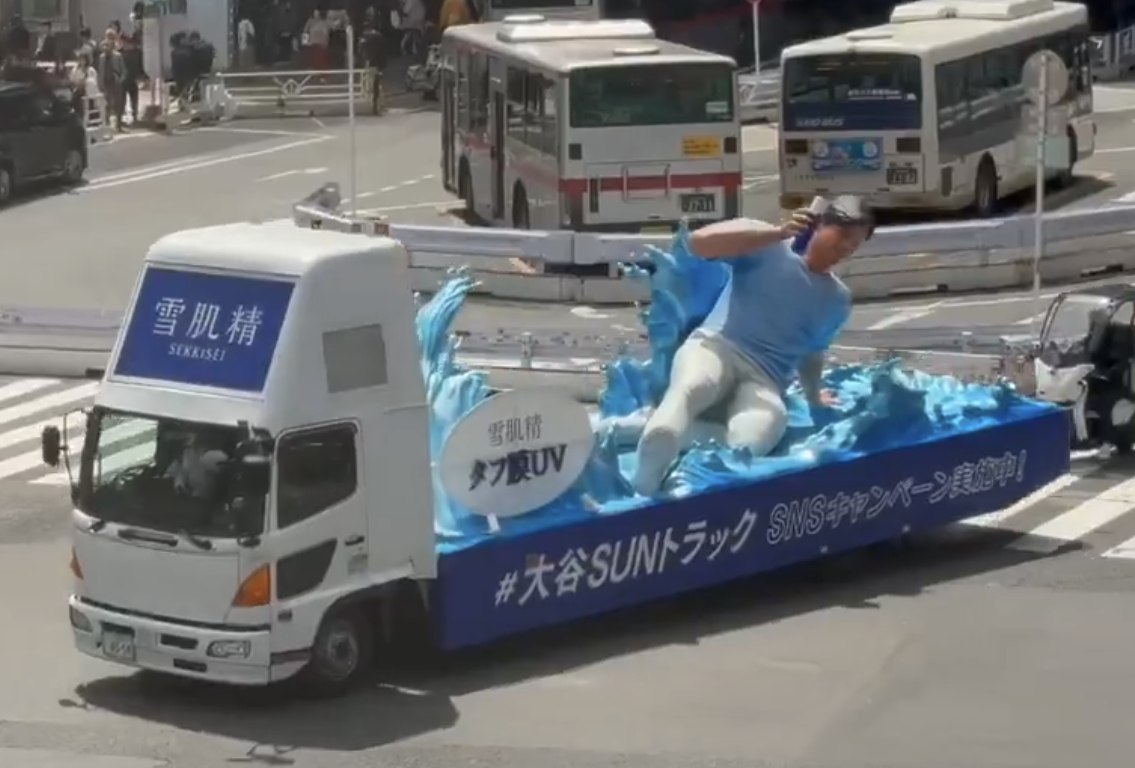
SHIBUYA, Japan — A towering blue sculpture of Shohei Ohtani captured mid-slide, clutching a bottle of sunscreen, is turning heads and drawing crowds in one of Tokyo’s busiest districts as the Los Angeles Dodgers superstar’s latest endorsement deal rolls through the streets in a custom promotional truck.
One of Shohei Ohtani’s sponsors is Sekkisei Sunscreen. — Jeffrey J. Hall 🇯🇵🇺🇸 (@mrjeffu) April 18, 2026
They’ve got an “Ohtani Sun Truck” driving around Shibuya. It has a giant sculpture of Shohei sliding while holding their product.
A message at the bottom says to check the hashtag #大谷SUNトラックpic.twitter.com/QTkJw3vBpa
The “Ohtani Sun Truck,” sponsored by Japanese skincare brand Sekkisei, made its presence felt Friday in Shibuya as part of an ongoing SNS campaign. Video footage circulating rapidly on social media shows the white truck navigating congested intersections near the iconic Shibuya Scramble Crossing, its flatbed featuring a life-sized figure of Ohtani in a dramatic baseball slide pose surrounded by stylized blue waves representing sunscreen protection. The sculpture, complete with Ohtani’s signature cap and uniform details, has become an instant photo magnet for passersby.
The campaign, promoted under the hashtag #大谷SUNトラック, highlights Sekkisei’s “Sekkisei Sunscreen” line, one of several high-profile endorsements Ohtani maintains in his native Japan even while starring for the Dodgers in Major League Baseball. The truck’s side panels prominently display the brand’s logo alongside Japanese text announcing the SNS campaign’s rollout, with English phrases like “Ohtani SUN Truck” visible to international visitors.
Footage shared widely on X shows the truck inching through traffic amid buses, taxis and throngs of pedestrians who stopped to snap photos and videos. Crowds gathered on sidewalks, many holding up phones to capture the spectacle as the vehicle made its way through the bustling area. The promotion underscores Ohtani’s unparalleled star power in Japan, where he remains a national icon years after leaving the Hokkaido Nippon-Ham Fighters for MLB.
Ohtani, 31, has dominated Japanese advertising since his 2018 MLB debut. His endorsements span major brands including Asics, Mizuno, Hugo Boss and now Sekkisei, reflecting his status as one of the country’s most marketable athletes. Industry analysts estimate his annual endorsement income exceeds $50 million, with domestic deals forming a significant portion despite his U.S. residence. The sunscreen campaign taps into Japan’s robust beauty and skincare market, where functional products emphasizing UV protection align perfectly with Ohtani’s active, outdoors-oriented image.
The truck’s design cleverly merges Ohtani’s athletic prowess with product messaging. The sliding pose evokes his base-stealing and fielding highlights, while the blue splash elements symbolize the sunscreen’s protective barrier. Organizers positioned the vehicle in high-traffic areas like Shibuya to maximize visibility during peak shopping and commuting hours. Similar promotional vehicles have appeared in other Tokyo neighborhoods, according to local reports, as part of a broader spring rollout tied to warmer weather and increased outdoor activity.
Social media reactions poured in almost immediately. Users praised the creativity, with one X post describing the truck as “impossible to miss” in central Shibuya. Others noted the absence of Dodgers branding, speculating that Sekkisei opted for a Japan-centric focus to resonate more strongly with domestic consumers. The post quickly amassed hundreds of likes, reposts and views, amplifying the campaign’s reach beyond those physically present.
Ohtani’s cultural footprint in Japan extends far beyond advertising. Born in Oshu, Iwate Prefecture, he rose to fame as a two-way player for the Fighters before signing a record $700 million contract with the Dodgers in 2023. His 50-50 season in 2024 — 50 home runs and 50 stolen bases — cemented his global superstar status, but back home he remains a symbol of national pride. Japanese media cover his every MLB game extensively, and his endorsements often feature him in familiar settings or with subtle nods to his heritage.
The Sekkisei partnership fits a pattern of brands leveraging Ohtani’s wholesome, high-achieving persona. The company, known for its traditional Japanese herbal skincare formulas, positions the sunscreen as premium protection suitable for athletes and everyday users alike. Marketing materials emphasize UV defense, lightweight feel and suitability for active lifestyles — attributes tied directly to Ohtani’s rigorous training and game-day demands.
Experts in Japanese advertising say such experiential campaigns remain highly effective in a market saturated with digital ads. “Physical activations like branded trucks create memorable, shareable moments that social media then multiplies exponentially,” said one Tokyo-based marketing consultant who requested anonymity to discuss industry trends. “With Ohtani, the emotional connection is already there. People don’t just see a product; they see a hero.”
The campaign arrives as Ohtani continues his 2026 MLB season with the Dodgers. Early reports from spring training and the opening weeks highlighted his continued excellence at the plate and on the mound, fueling speculation about another MVP-caliber year. Japanese fans follow his progress closely, and promotional tie-ins like the Sun Truck help maintain that bond across the Pacific.
Public response in Shibuya reflected genuine enthusiasm. Pedestrians of all ages paused to admire the sculpture, with families and groups of friends posing for selfies. Some waved at the driver, while others shared live updates on social platforms. The truck’s slow pace through intersections allowed ample viewing time, turning a routine commute into a pop-culture event.
Sekkisei has not released official viewership or engagement figures for the activation, but the rapid spread of user-generated content suggests strong initial impact. Similar past campaigns by Ohtani’s sponsors — from baseball-themed vending machines to limited-edition merchandise — have generated millions of impressions and boosted brand awareness significantly.
The promotion also highlights broader trends in athlete marketing. As global stars like Ohtani command massive audiences, brands increasingly blend digital and real-world experiences to cut through noise. In Japan, where respect for athletes runs deep and consumer loyalty to domestic brands remains strong, such activations reinforce cultural ties even as Ohtani thrives abroad.
For Ohtani himself, the deal represents another layer of his carefully managed public image. He rarely appears in person for these activations, allowing the creative elements — like the sliding sculpture — to carry the message. This approach preserves his focus on baseball while still capitalizing on his marketability.
As the Sun Truck continues its route through Tokyo, it serves as a vivid reminder of Ohtani’s enduring appeal. Whether navigating Shibuya’s chaotic streets or dominating MLB diamonds, the two-way phenom continues to captivate audiences on both sides of the Pacific. The campaign’s viral spread on platforms like X ensures that even those far from Japan can experience the spectacle.
Industry watchers expect more activations tied to Ohtani’s endorsements throughout the 2026 season, especially around key milestones like All-Star voting or playoff pushes. For now, Shibuya residents and visitors have a larger-than-life tribute rolling through their streets — proof that Ohtani’s star continues to shine brightly, even when he’s thousands of miles away.
The Sekkisei Sun Truck campaign exemplifies how one of baseball’s biggest names remains deeply embedded in Japanese popular culture. As crowds continue gathering and videos keep circulating, the giant sliding sculpture stands as both product placement and cultural touchstone, blending commerce, sports and national pride in a single memorable drive through Tokyo’s beating heart.
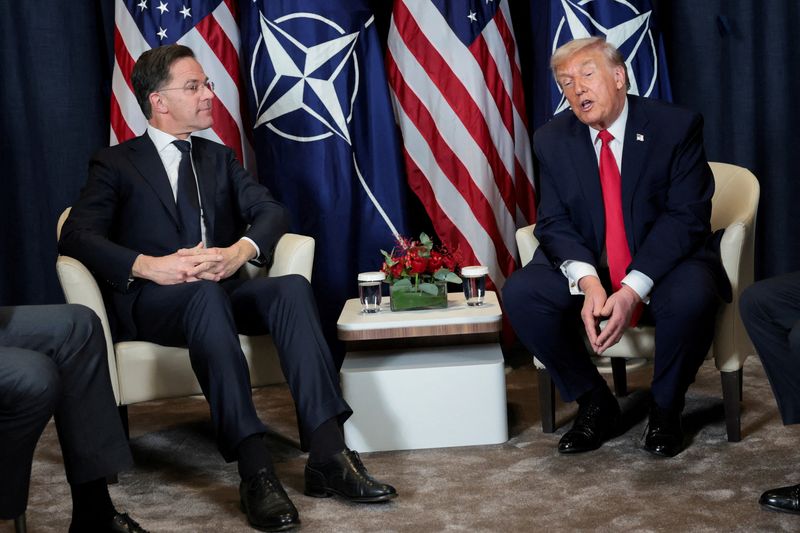

Turkey says US withdrawal from European security architecture could be ’destructive’
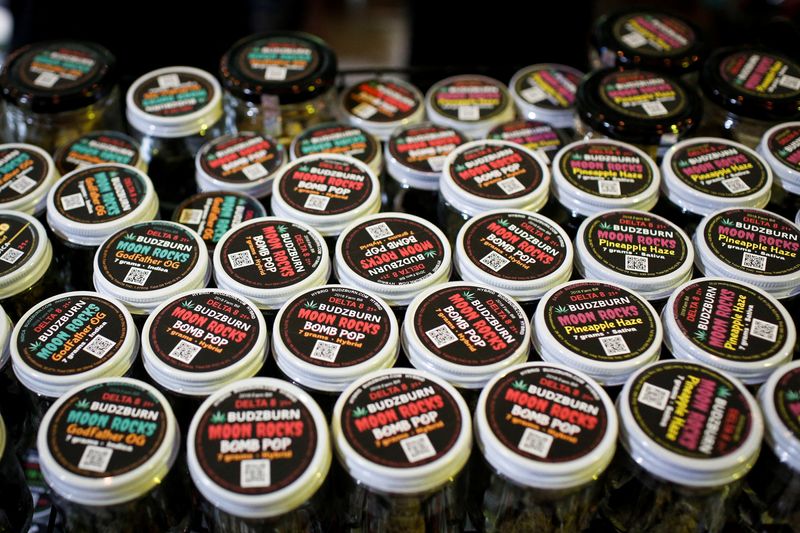

Trump announces reforms to accelerate access to psychedelic drug treatments
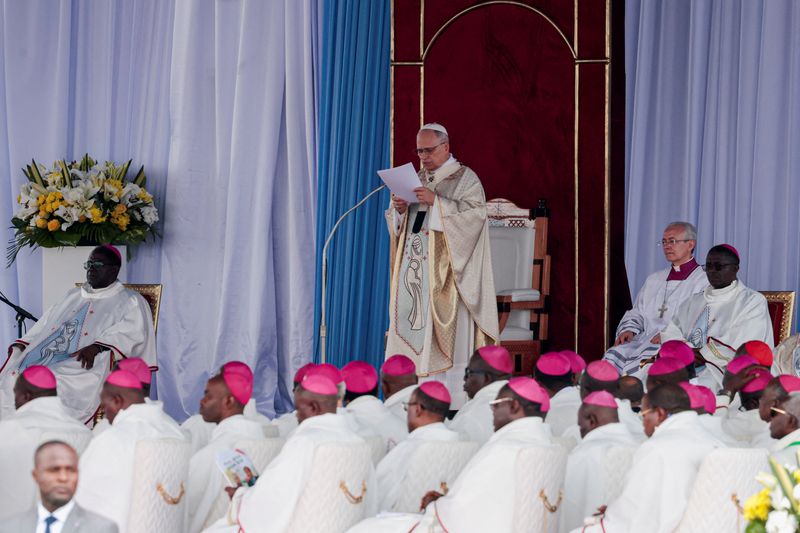

Pope Leo downplays feud with Trump, says ‘not in my interest’ to debate him

I lost my mum to cancer as a child – the guilt was overwhelming

ICICI Bank Q4-2026 slides: profit jumps 21% QoQ, NPAs improve

Polish lawmakers fail to override presidential veto on crypto bill

Why Israel is blocking foreign journalists from entering

Bitcoin: We’re Entering The Most Dangerous Phase

Alan Cumming Brands Baftas Ceremony A ‘Triggering S**tshow’

robux #bandlab #money #beats #smartphone #music #roblox #greenscreen #memes #cryptocurrency #automob

MASTERCARD AND XRP LEDGER #XRP #XRPCommunity #XRPArmy #Ripple #Crypto #Cryptocurrency #CryptoNews

The Biggest Financial Mistake Indian Families Make | CA Sreejith Kuniyil | Gobinath #shorts
-
 NewsBeat6 days ago
Pep Guardiola and Gary Neville agree over Arsenal title problem that benefits Man City
-

 Crypto World5 days ago
The SEC Conditionalises DeFi Platforms to Be Avoided for Broker Registration
-

 Politics6 days ago
World Cup exit makes Italy enter crisis mode
-

 Crypto World5 days ago
SEC Signals Exemption for Crypto Interfaces From Broker Registration
-

 Fashion21 hours ago
Weekend Open Thread: Theodora Dress
-

 News Videos3 days ago
Secure crypto trading starts with an FIU-registered
-

 Sports1 day ago
NWFL Suspends Two Players Over Post-Match Clash in Ado-Ekiti
-

 Crypto World4 days ago
SEC Proposes Certain Crypto Interfaces Don’t Need to Register as Brokers
-

 NewsBeat4 days ago
Trump and Pope Leo: Behind their disagreement over Iran war
-

 Business7 days ago
Ireland Fuel Protests Enter Day 5 as Blockades Spark Shortages and Government Prepares Support Package
-

 Politics18 hours ago
Palestine barred from entering Canada for FIFA Congress
-
 NewsBeat6 days ago
JD Vance announces ‘no agreement’ with Iran over nuclear weapons fear
-

 Crypto World16 hours ago
Russia Pushes Bill to Criminalize Unregistered Crypto Services
-
Sports6 days ago
Dexter Lawrence, Stefon Diggs, Trading for De’Von Achane
-

 Crypto World5 days ago
Trump whales load up ahead of Mar-a-Lago luncheon.
-
 Business2 days ago
Creo Medical agree sale of its manufacturing operation
-
 Crypto World6 days ago
Sei Network Enters Quiet Reset Phase as On-Chain Metrics Signal a Slowdown in 2026
-

 Sports5 days ago
NWFL opens Pathway for new Clubs ahead of 2026 Season
-
Business5 days ago
Kering slides after Morgan Stanley downgrade, Gucci woes loom
-
 Entertainment5 days ago
Karol G’s ‘Ultra Raunchy’ Coachella Set Gave ‘Satanic Vibes’
You must be logged in to post a comment Login