
Business
How Digital Health is Reshaping Medical Equipment Demand


The digital health revolution is transforming healthcare delivery globally.
In Australia, the telehealth market reached AUD $1.5 billion in 2024 and is projected to grow to AUD $6.96 billion by 2034. Meanwhile, the UK’s telehealth sector is expected to grow from £751.94 million (2024) to £3.09 billion by 2033.
Here’s the paradox: whilst telemedicine reduces physical clinic visits, it’s actually increasing demand for high-quality diagnostic tools. Healthcare providers conducting fewer but more efficient in-person consultations need to maximise the value of every patient interaction, driving a surge in procurement of professional-grade medical equipment.
The Telemedicine Revolution
Between March 2020 and March 2022, over 100 million telemedicine services were delivered to approximately 17 million Australians. The Australian government invested $409 million to make telehealth permanent, whilst the UK announced £600 million for digital health infrastructure in April 2025.
Patient adoption is equally impressive: 60% find telemedicine more convenient than in-person appointments, 55% report higher satisfaction with teleconsultations, and 74% of millennials prefer virtual appointments for routine care. These aren’t temporary shifts; they represent a fundamental transformation in healthcare delivery.
The Equipment Paradox
Despite telemedicine’s digital nature, quality remote care requires more sophisticated physical diagnostic equipment than ever. When practitioners conducted primarily in-person consultations, they could perform comprehensive examinations over multiple visits. Telemedicine’s efficiency comes at a cost: practitioners must gather definitive diagnostic information during shorter, focused encounters.
This shift is fundamentally changing equipment procurement strategies. Healthcare businesses are increasingly sourcing equipment through online medical products suppliers, appreciating streamlined procurement that allows comparing specifications, reading practitioner reviews, and accessing professional-grade equipment without traditional sales barriers. The digital procurement revolution mirrors broader telemedicine transformation, making quality healthcare tools more accessible whilst maintaining professional standards.
Many practices now invest in complete diagnostic kits for rapid deployment during in-person consultations or home visits. This equipment mobility ensures telehealth practitioners can seamlessly transition from virtual to physical assessment when clinical judgement demands it, maintaining diagnostic quality regardless of consultation setting.
4 Essential Equipment Categories for Telehealth Success
1. Premium Stethoscopes: Still Essential in the Digital Age
High-quality acoustic diagnostics remain crucial for cardiopulmonary assessment. Telehealth practitioners discover that when every in-person interaction must deliver maximum value, there’s no substitute for superior acoustic quality. This drives healthcare providers to invest in quality stethoscopes, with premium brands becoming even more valuable in hybrid care settings.
The convenience of ordering professional diagnostic tools through specialised online platforms has democratised access to premium equipment, allowing smaller practices and independent telehealth providers to compete on equipment quality with larger healthcare organisations. This accessibility revolution is particularly significant for rural and regional practices previously disadvantaged by limited local supplier options.
Digital stethoscopes designed for telemedicine can transmit heart and lung sounds in real-time during virtual consultations. Research shows both wearable and non-wearable digital stethoscopes achieve high correlation coefficients (0.72 and 0.75) in frequency response, confirming their clinical utility. For telehealth practices, investing in premium stethoscopes delivers efficiency gains through confident first-visit diagnostics, reducing follow-up appointments and optimising practitioner time.
2. Comprehensive Diagnostic Sets
For hybrid care models, comprehensive medical diagnostic sets are essential. Modern sets combine otoscopes, ophthalmoscopes, percussion hammers, and examination lights in portable cases that move seamlessly between clinic rooms, home visits, and mobile settings.
Having everything needed for physical examination in one kit eliminates the inefficiencies that plague hybrid practices. No more scrambling for equipment or maintaining multiple incomplete sets across different locations. Quality diagnostic sets represent significant upfront investment but deliver returns through reduced equipment redundancy, improved practitioner confidence, and the ability to offer comprehensive care in any setting where patients need it.
The portability factor proves particularly valuable for practices offering home visits or mobile health services. Practitioners can arrive at any location with complete diagnostic capabilities, ensuring consistent care quality regardless of setting. This equipment mobility has become a competitive differentiator in markets where patients increasingly value healthcare convenience.
3. Emergency Response Equipment
As healthcare interactions increasingly occur outside traditional settings, accessible emergency equipment becomes critical. Medical practices now invest in defibrillators as standard equipment. Modern AEDs integrate with telemedicine platforms, allowing remote specialists to provide real-time guidance during emergencies. Some feature Wi-Fi connectivity, enabling responders to review shock details and ECG data before arrival.
Beyond clinical benefits, having AEDs readily available demonstrates commitment to patient safety, satisfies insurance requirements, and in some jurisdictions, may be legally mandated for healthcare facilities. The investment typically ranges from £800 to £2,500 per unit, but the potential to save lives makes it invaluable. For practices implementing comprehensive telehealth programmes, emergency preparedness equipment has transitioned from optional to essential, reflecting the broader understanding that whilst telemedicine handles routine consultations remotely, practices must maintain robust emergency response capabilities.
4. Connected Vital Signs Monitors
Blood pressure monitors, pulse oximeters, and thermometers have evolved into essential telehealth equipment. The latest generation features Bluetooth or Wi-Fi connectivity, automatically transmitting readings to electronic health records. This eliminates transcription errors and creates longitudinal records revealing trends invisible in single measurements.
Many practices now provide monitoring equipment to patients with chronic conditions, enabling sophisticated remote monitoring between appointments. Patients measure their own vital signs at scheduled intervals, with data flowing automatically to their healthcare team. This continuous monitoring capability transforms episodic care into ongoing health management, particularly valuable for conditions requiring frequent monitoring like hypertension, diabetes, or heart failure.
Whilst connected monitoring equipment costs more upfront, the time savings from automatic data capture and ability to monitor patients remotely can reduce overall care costs whilst improving outcomes. Practices report significant reductions in unnecessary emergency presentations when patients and practitioners have access to continuous vital signs data.
The Business Case for Quality Equipment
Key Investment Considerations
Reliability as Competitive Advantage: Quality diagnostic equipment directly influences patient outcomes and satisfaction. Practices with premium equipment report 25-30% fewer diagnostic uncertainty follow-ups, translating to significant time savings whilst improving patient experience.
Compliance Requirements: Equipment must meet TGA (Australia) or MHRA (UK) standards. Non-compliant equipment can jeopardise practice accreditation and expose providers to liability.
Total Cost of Ownership: Premium equipment often proves more economical long-term. A £450 stethoscope lasting 10 years costs £45 annually, whilst a £150 budget model replaced every 3 years costs £50 annually with inferior performance.
Online Procurement Benefits: Medical equipment e-commerce has grown 12-15% annually since 2020. Online platforms provide price transparency, comprehensive specifications, customer reviews, and convenient delivery whilst eliminating sales pressure.
Future Trends
As telemedicine evolves, several trends are shaping the medical equipment landscape:
- AI-Enabled Diagnostics: Artificial intelligence is being integrated into equipment, from stethoscopes detecting heart murmurs to automated vital signs analysis, extending telehealth practitioners’ diagnostic capabilities.
- Platform Integration: Manufacturers increasingly design devices that integrate seamlessly with telemedicine software, allowing real-time data transmission during virtual consultations.
- Wearable Medical Devices: The line between consumer health trackers and medical-grade monitors is blurring, with continuous ECG monitors and wearable stethoscopes enabling unprecedented care continuity.
- Cross-Border Healthcare: Digital health enables specialist consultations and second opinions across geographic boundaries, creating demand for standardised equipment meeting multiple regulatory frameworks.
Conclusion
The rise of telemedicine hasn’t diminished the importance of physical medical equipment; it has heightened it. As healthcare evolves towards hybrid models combining virtual consultations with in-person assessment, the strategic importance of quality medical equipment has never been greater.
Healthcare businesses investing in comprehensive, reliable diagnostic equipment will be best positioned to thrive. The message is clear: telemedicine doesn’t eliminate the need for quality diagnostic tools. Instead, it makes every piece of equipment more valuable by ensuring practitioners can maximise diagnostic efficiency during physical interactions.
The future of healthcare is intelligently hybrid. Healthcare businesses that invest strategically in both digital infrastructure and professional-grade physical equipment will meet the evolving needs of patients who expect the convenience of virtual care and the thoroughness of expert physical assessment.


Alphabet Inc. shares traded lower in early Thursday trading, pulling back from recent levels as Wall Street digested the tech giant’s strong fourth-quarter performance and ambitious plans for heavy artificial intelligence investments in 2026.

As of mid-morning Eastern time on March 26, 2026, Alphabet’s Class A shares (GOOGL) were changing hands around $286, down roughly 1.5% from the previous close near $290.93. The stock has fluctuated between approximately $285 and $290 so far in the session, with volume on pace to exceed the daily average. For the week, shares are modestly lower after a mixed performance in recent sessions.
The Mountain View, California-based company, parent of Google, reported robust fiscal 2025 fourth-quarter results on Feb. 4. Revenue climbed 18% year-over-year to $113.8 billion, surpassing analyst expectations, while net income surged 30% to $34.5 billion. Earnings per share reached $2.82, beating forecasts of around $2.64.
For the full year 2025, Alphabet’s revenue topped $402.8 billion for the first time, up 15% from the prior year. Net income rose to $132.2 billion, with diluted EPS at $10.81. Operating margin held steady near 32%, even as the company absorbed a $2.1 billion stock-based compensation charge related to its Waymo autonomous driving unit.
Google Services, which includes Search, YouTube and subscriptions, drove much of the growth. Segment revenue increased 14% to $95.9 billion in the quarter, fueled by 17% growth in Google Search and other advertising, 9% gains in YouTube ads and strong subscription momentum. YouTube’s total revenue across ads and subscriptions exceeded $60 billion for the full year.
Google Cloud continued its rapid expansion, with revenue jumping 48% to $17.7 billion in the fourth quarter. The unit’s annual run rate surpassed $70 billion, powered by demand for AI infrastructure and enterprise solutions on Google Cloud Platform. CEO Sundar Pichai highlighted AI as a key growth driver across the business.
“AI investments and infrastructure are driving revenue and growth across the board,” Pichai said in the earnings release. He noted the launch of Gemini 3 as a milestone, with the Gemini app reaching over 750 million monthly active users and first-party models processing billions of tokens per minute.
The company also outlined aggressive capital spending plans for 2026, projecting $175 billion to $185 billion in capex — significantly above prior analyst estimates. Much of that will fund data centers and AI compute capacity to meet surging demand from cloud customers and internal needs.
Analysts largely viewed the results positively, though the elevated spending outlook raised questions about near-term margin pressure. Consensus remains a “Buy” rating, with average 12-month price targets around $350 to $367, implying potential upside of more than 20% from current levels. Some firms have targets as high as $420.
Alphabet’s balance sheet remains fortress-like. The company ended 2025 with about $126.8 billion in cash and marketable securities. It returned capital to shareholders through $5.5 billion in share repurchases and $2.5 billion in dividends in the fourth quarter. A quarterly dividend of $0.21 per share was paid, with the ex-dividend date in early March.
Short interest stands at roughly 80 million shares as of mid-March, representing about 1.4% of the float — relatively low for a mega-cap tech name. Days to cover hover around 2.8, suggesting limited immediate squeeze risk.
Shares have shown volatility in 2026, trading in a 52-week range of roughly $140.53 to $349. Market capitalization sits near $3.5 trillion. Year-to-date performance has been mixed amid broader tech sector rotations and concerns over high valuations in the artificial intelligence space. The stock’s beta around 1.1 indicates it moves roughly in line with the broader market.
The company’s core advertising business, which still accounts for the majority of revenue, benefits from its dominant position in search and video. Digital ad spending has remained resilient, though competition from platforms like TikTok and emerging AI-driven search tools continues to evolve the landscape. YouTube’s subscription growth, including YouTube Premium, has provided diversification.
Google Cloud’s momentum positions Alphabet as a key player in the hyperscale cloud market, competing with Amazon Web Services and Microsoft Azure. Enterprise adoption of generative AI tools has accelerated demand for specialized infrastructure, where Alphabet claims advantages through its custom chips and integrated AI offerings.
Other Bets, including Waymo, continue to incur losses but represent long-term optionality in autonomous vehicles and moonshot projects. The $2.1 billion charge in the fourth quarter reflected a higher valuation for Waymo following an investment round.
Wall Street expects the next earnings report, covering the first quarter of 2026, around April 23. Analysts are modeling continued double-digit revenue growth, with particular focus on Google Cloud margins and the pace of AI-related capex deployment.
Challenges persist. Regulatory scrutiny remains a headwind, with ongoing antitrust cases in the U.S. and Europe potentially affecting search and advertising practices. The company also faces intensifying competition in AI from OpenAI, Anthropic and others, though its vast data resources and distribution through Google products provide a strong moat.
Broader economic factors, including interest rates and consumer spending, could influence ad budgets. Yet Pichai and the leadership team have emphasized AI as an “expansionary moment” for Search, where new features drive more usage rather than cannibalizing existing revenue.
For investors, Alphabet offers a blend of mature cash flow generation from advertising and high-growth exposure through cloud and AI. Its forward price-to-earnings ratio sits around 25, considered reasonable for a company with consistent earnings beats and strong free cash flow — $73.3 billion for full-year 2025.
Retail and institutional interest remains high, with the stock a core holding in many growth-oriented portfolios. Options activity often spikes around earnings, reflecting expectations for volatility.
As Alphabet prepares for its Q1 update, focus will likely center on whether AI monetization is accelerating as hoped and how the heavy 2026 investments will impact profitability in the near term versus long-term positioning.
The tech sector’s rotation in early 2026 has seen some profit-taking in high-flyers, but analysts generally see Alphabet as well-positioned for continued leadership in digital infrastructure and services.
GameStop-like meme dynamics are absent here; instead, moves are driven by fundamental execution in AI and cloud. With a massive cash pile, disciplined capital return and clear strategic direction under Pichai, Alphabet embodies the tension between today’s strong results and tomorrow’s heavy spending.
Investors will monitor technical support near $280 and resistance around $300 in the coming sessions.

Chris Nicholas Vrame is a Sacramento, California–based entrepreneur and real estate developer known for bringing ambitious ideas to life through persistence and practical execution.
Raised in the greater Chicago area, he developed an early appreciation for hard work and community. Growing up near a major city exposed him to many industries and people, shaping his people-focused approach to business.
Vrame attended DePaul University in Chicago, where he strengthened his ability to think long term and manage complex projects. These skills would become central to his career as he moved into entrepreneurial ventures and development.
One of his earliest notable projects was The Tasting Room, a wine bar in Chicago that allowed guests to sample more than 100 wines by the glass each night. The concept, recognised by Wine Spectator, combined hospitality with retail and gave customers the opportunity to purchase wines they enjoyed during their visit. The project reflected Vrame’s ability to combine creativity with operational planning.
After relocating to California, he focused on entrepreneurship and property development. He served as a co-founder and primary financial partner of Arena Softball, an indoor adaptation of baseball designed to create a faster and more engaging version of the game.
Vrame also led the redevelopment of the Lakeside Business Park and Residential Planned Community in Elk Grove, transforming previously stalled land into a thriving mixed-use area with more than 300 homes and commercial space.
His career centres on innovation, patience, and the long process of turning ideas into real projects that serve communities.
Q&A with Chris Nicholas Vrame
Q: You grew up in the Chicago area. How did that environment influence your career?
Chicago shaped a lot of my thinking early on. It’s a big city with many different industries and people from every background. You learn quickly how to communicate and how to adapt.
I grew up seeing businesses of all sizes. That made me curious about how things are built and managed. It also showed me that success usually comes from persistence rather than quick wins.
Q: You later attended DePaul University. What role did your education play in your professional path?
DePaul helped me build discipline. College teaches you how to manage responsibilities over a longer period of time. You have to think ahead and stay organised.
For me, it reinforced the idea that big projects take patience. That mindset became important later when I started working on business ventures and development projects that required years of work.
Q: One of your earliest ventures was The Tasting Room in Chicago. What inspired that concept?
At the time, wine bars were usually limited in selection. We wanted to create a place where people could explore wine without committing to a full bottle.
The idea was simple. Customers could sample over 100 wines by the glass in one evening. If they liked something, they could buy it from the retail shop attached to the bar.
It turned into a great experience for customers. Wine Spectator recognised it, which was encouraging. But what mattered most was that people enjoyed discovering new wines in a relaxed setting.
Q: What did that project teach you about entrepreneurship?
It taught me that innovation often comes from small changes to an existing idea. You don’t always have to reinvent everything.
We just asked a simple question: what would make the experience better for the customer?
If you focus on that question long enough, you often find interesting solutions.
Q: You later became involved in Arena Softball. How did that opportunity come about?
Arena Softball came from the idea of adapting baseball to a faster, indoor format. The game is played inside a fully netted arena with unique rules that keep the action moving.
Greg Joseph is often listed publicly as the founder. My role was as a co-founder and primary financial partner. I helped support the development and structure of the concept.
What interested me was the idea of taking a traditional sport and asking how it might evolve in a different environment.
Q: What did you learn from working on a sports concept like that?
You learn that innovation always involves uncertainty. Sports traditions run deep, so people can be cautious about change.
But sometimes experimenting with a new format can open up new audiences or new experiences.
Arena Softball operated in places like Eagan, Minnesota. Seeing the concept come to life showed me how ideas can move from paper to reality when the right team commits to them.
Q: Real estate development later became a major focus of your career. How did that happen?
When I moved to California, I started looking more closely at development opportunities.
One project that stands out is the redevelopment of Lakeside Business Park and the surrounding residential community in Elk Grove.
The property had been stalled for years because of zoning issues and planning delays.
Q: What made you pursue that project despite those challenges?
Sometimes when people see obstacles, they step away. I tend to look at what the long-term potential might be.
In this case, I believed the land could support both homes and businesses. After working through approvals and planning changes, the project eventually became a community with more than 300 homes along with offices and local businesses.
It took time. Projects like that always do.
Q: What guiding philosophy has shaped your career across these industries?
Patience and follow-through.
Ideas are everywhere. The difference is whether someone is willing to stay with the project for years.
I try not to start something unless I’m prepared to see it through.
Q: Outside of work, what keeps you balanced?
I enjoy skiing, youth sports, and theatre. Those activities remind me that teamwork and preparation matter in every field.
Whether you’re on a stage, in a sport, or working on a development project, success usually comes from preparation and commitment.

US District Judge Jane Boyle said the company had failed to show it had suffered any harm under federal competition laws.


WK Kellogg wants consumers to reappraise the cereal category.

Fannie Mae offices in Reston, Virginia, US, on Tuesday, Aug. 12, 2025. The Trump administration is considering selling shares of Fannie Mae and Freddie Mac in an offering that could start as early as this year, according to senior administration officials.
Al Drago | Bloomberg | Getty Images
Fannie Mae will now accept crypto-backed mortgages via a new product by mortgage company Better Home and Finance and Coinbase.
It’s not the first crypto backed mortgage, but it is the first accepted by Fannie Mae, which is under government conservatorship. The offering allows homebuyers to use their crypto assets as collateral. Fannie Mae will purchase those loans just like any other conforming mortgage.
“We have now finally created the infrastructure rails to enable any tokenized asset in America to be able to be pledged to help someone afford to buy a home,” Vishal Garg, CEO of Better, told CNBC in an interview. “It starts with bitcoin, starts with [USD Coin], but going forward, it can be Apple stock or Amazon stock, or any publicly traded mutual fund, bond fund, something that you might hold in your IRA, you’re going to be able to pledge that to buy a home.”
The idea is to serve Americans who have enough crypto assets to fund a mortgage down payment but do not want to sell those assets, which would both incur taxes and forfeit any future appreciation.
The new mortgage product allows them to keep the cryptocurrency and still secure home financing.
“Token-backed mortgages are a major first step to unlocking homeownership for the younger generations that have struggled with barriers to saving for a traditional down payment,” said Max Branzburg, head of consumer and business products at Coinbase, in a release.
To use the product, a borrower must have a Coinbase account and would take out a regular mortgage with Better as well as a second loan, backed by either bitcoin or USD Coin. The second loan would fund the down payment on the first loan.
Both loans are held by Better, and the crypto assets, once pledged, cannot be traded. Even if the value of the crypto falls, nothing changes on the loans, as long as the borrower keeps making the monthly payments.
As an example, on a $500,000 home, a borrower can pledge $250,000 in bitcoin and get a $100,000 loan to cover the cash down payment. The crypto stays in custody in Better’s Coinbase Prime account for the life of the loan and is returned once the loan is repaid.
The downside is that the borrower is then paying interest on two loans, which makes it more expensive, but Garg said Better offers lower rates than most competitors, and the rates on the loans and the terms on the loan are the same.
“You’re keeping the appreciation on your asset in the instance of USDC, the holdings that you hold in USDC and the yield you get from that can be used to offset the interest payments on the mortgage,” Garg said.
There is also no private mortgage insurance on the second loan. Borrowers will make one payment to Better, which holds both loans.
Other companies, like Milo, offer crypto-backed loans, but those products aren’t yet compliant with Fannie Mae. They can be far more expensive than the Better product and require all crypto assets to be used as collateral, not just a certain amount.
In general, however, the backing by Fannie Mae, whose conservator, the Federal Housing Finance Agency, has been increasingly bullish on cryptocurrency, seems to open the door for more products like this one.
“I don’t see how the entire real estate industry will not be on the blockchain within 10 years,” said Tony Giordano, a real estate agent specializing in cryptocurrency, on a recent Property Play podcast.
If approved for a loan by Better, Coinbase One members will be eligible for a rebate worth 1% of the mortgage vale, capped at $10,000. Other assets, like ethereum and Solana may be added in the future.

CANBERRA, Australia — Lung cancer is projected to remain Australia’s deadliest cancer in 2026, claiming an estimated 9,000 lives as part of more than 54,000 total cancer deaths expected nationwide, according to the latest data from Cancer Australia and the Australian Institute of Health and Welfare.

While age-standardised mortality rates continue a long-term decline thanks to better prevention, screening and treatments, the absolute number of deaths is rising because of population growth and ageing, officials said. The 2025 estimates — the most recent detailed projections available — show 53,545 cancer deaths, a figure expected to edge higher into 2026.
Cancer Australia’s October 2025 statistics and AIHW’s Cancer Data in Australia report rank the top 10 cancers by expected deaths. Here they are, based on 2025 figures that officials say will closely track into 2026:
- Lung cancer: 8,994 deaths
- Colorectal (bowel) cancer: 5,235 deaths
- Pancreatic cancer: 4,039 deaths
- Prostate cancer: 3,975 deaths
- Breast cancer: 3,353 deaths
- Liver cancer: 2,091 deaths
- Non-Hodgkin lymphoma
- Cancer of unknown primary site
- Brain cancer
- Melanoma of the skin
These 10 account for the vast majority of cancer fatalities. Upper gastrointestinal cancers as a group — including pancreatic, liver, oesophageal, stomach and biliary — narrowly edged lung cancer in raw 2024 ABS provisional data (9,301 vs. 9,119 deaths), but official 2025 projections and early 2026 indicators keep lung cancer at No. 1.
Lung cancer has held the grim top spot for decades, though smoking rates have fallen sharply. It kills more Australians than any other cancer because many cases are diagnosed late, when survival is poor. In 2025, it represented about 17 per cent of all cancer deaths. Targeted therapies and immunotherapy have lifted five-year survival for some subtypes, but tobacco remains the leading preventable cause. Health authorities urge continued anti-smoking campaigns and low-dose CT screening for high-risk groups.
Colorectal cancer ranks second, with more than 5,200 projected deaths. National bowel screening has improved early detection, yet participation lags. Experts credit the program with driving down mortality rates, but rising cases in people under 50 are worrying oncologists. “We’re seeing concerning increases in early-onset colorectal cancer,” one AIHW analysis noted in 2025 data releases.
Pancreatic cancer claims nearly 4,040 lives annually and is notorious for its dismal prognosis — five-year survival below 10 per cent. Late symptoms and lack of routine screening keep it lethal. It forms a major part of the upper GI surge that some analysts flagged in 2024 ABS figures. Research into earlier biomarkers is underway but not yet standard.
Prostate cancer kills about 3,975 men each year, though mortality rates have dropped dramatically from 63 deaths per 100,000 males in the mid-1990s to 33 in 2025. PSA testing and improved treatments get much of the credit, but over-diagnosis remains a debate.
Breast cancer claims 3,353 lives, mostly women. Five-year survival now exceeds 90 per cent for many, up from earlier decades, thanks to mammographic screening and targeted drugs like trastuzumab. Still, it remains a leading cause among women and underscores the need for continued awareness.
Liver cancer (2,091 deaths) has risen with hepatitis infections, alcohol use and obesity-related fatty liver disease. Vaccination against hepatitis B and treatment for hepatitis C have slowed growth, but rates remain elevated in some migrant communities.
Lower on the list but still significant are Non-Hodgkin lymphoma, cancer of unknown primary (where the original site cannot be found), brain cancer and melanoma. Melanoma, once a major killer, has seen mortality fall with public sun-safety campaigns and immunotherapy breakthroughs that have transformed advanced cases.
Overall, cancer accounts for roughly three in every 10 deaths in Australia. Yet the story is not all grim. The age-standardised mortality rate has fallen from 257 deaths per 100,000 people in 2000 to an estimated 194 in 2025 — a 24 per cent drop. For people in their 30s and 40s, rates have declined even more sharply.
Survival gains are real. Five-year relative survival for all cancers combined has improved steadily. Prostate cancer survival jumped from around 60 per cent in earlier decades to 96 per cent. Breast cancer rates have followed a similar path. Even lung cancer outcomes are inching upward for never-smokers and those with actionable mutations.
But challenges persist. Absolute death numbers are climbing because Australians are living longer, and the over-65 population — where cancer risk is highest — is growing fastest. Disparities remain: regional and remote areas, Aboriginal and Torres Strait Islander communities, and lower socioeconomic groups face higher mortality.
Prevention offers the biggest lever. Tobacco control, HPV vaccination, hepatitis immunisation, sun protection, healthy weight, limited alcohol and participation in screening programs (bowel, breast, cervical) could avert thousands of deaths. Emerging research on early-onset cancers in younger adults is prompting calls for updated guidelines.
Cancer Australia CEO Dorothy Keefe has highlighted the dual trends: “Outcomes are improving overall, but the sheer number of cases and deaths demands sustained investment in research, equitable access to care and public education.”
As 2026 unfolds, health officials will release more granular 2025 actuals and 2026 projections. For now, the message is clear: while the 10 listed cancers will dominate mortality statistics, many deaths are preventable or treatable if caught early.
Australians are encouraged to talk to their GPs about screening eligibility, adopt healthier lifestyles and stay alert to symptoms. With continued progress in science and public health, the downward trend in rates could accelerate — even as the population ages.

Compass International chairman and CEO Robert Reffkin discusses home inventory and affordability as mortgage rates creep higher on ‘The Claman Countdown.’
Mortgage rates spiked this week as the conflict in Iran continues to weigh on markets, mortgage buyer Freddie Mac said Thursday.
Freddie Mac’s latest Primary Mortgage Market Survey, released Thursday, showed the average rate on the benchmark 30-year fixed mortgage rose to 6.38% from last week’s reading of 6.22%.
The average rate on a 30-year loan was 6.65% a year ago.

The average rate on the 30-year fixed mortgage jumped to 6.38% this week. (Daniel Acker/Bloomberg via Getty Images)
“The housing market continues to show gradual improvements compared to a year ago amid recent rate volatility,” said Sam Khater, Freddie Mac’s chief economist. “Purchase and refinance applications are up year-over-year.”
MIAMI OVERTAKES LOS ANGELES AND NEW YORK AS WORLD’S RISKIEST HOUSING MARKET FOR BUBBLE RISK
The average rate on a 15-year fixed mortgage climbed to 5.75% from last week’s reading of 5.54%.
GET FOX BUSINESS ON THE GO BY CLICKING HERE

The conflict in the Middle East is contributing to the spike in mortgage rates. (Elijah Nouvelage/Bloomberg via Getty Images)
Mortgage rates are affected by several factors, including the Federal Reserve and geopolitics. Though mortgage rates are not directly affected by the Fed’s interest rate decisions, they closely track the 10-year Treasury yield. The 10-year yield hovered around 4.38% as of Thursday afternoon.

United Airline flight attendants picketed outside Terminal B at Logan Airport, seeking a new contract.
John Tlumacki | Boston Globe | Getty Images
United Airlines and its flight attendant union have reached a tentative labor deal that will include their first raises in roughly six years.
If ratified by flight attendants, it would make United the last of the major carriers to secure a labor deal with cabin crew members since the Covid-19 pandemic ended.
United said the agreement will include immediate raises and top pay of $100 an hour at the end of the contract, as well as pay for flight attendants during boarding and “a signing bonus for every flight attendant worth a total of $740 million.”
The Association of Flight Attendants-CWA, the flight attendants’ union, didn’t provide specific details about the deal but said that in addition to higher base pay, it includes additional compensation for flight disruptions and new restrictions on overnight flight assignments.
The labor deal comes as United is planning an aggressive expansion of its higher-touch premium cabins, with new seats featuring elevated dining options and seats that convert into beds.
United flight attendants last July rejected a previous labor deal that would have included immediate, 26% raises.

SYDNEY — Artificial intelligence engineers and aged care workers are spearheading Australia’s fastest-growing occupations in 2026, as the nation’s labour market grapples with technological disruption, an ageing population and infrastructure demands, according to the latest projections from Jobs and Skills Australia and industry reports.

Employment across Australia is forecast to expand by hundreds of thousands of positions through 2026, with health care and social assistance, professional services and education driving much of the growth. While overall job gains have moderated from pandemic-era peaks, specific roles in AI, care services and engineering are seeing explosive demand.
Jobs and Skills Australia’s employment projections highlight that four service industries — health care and social assistance, professional scientific and technical services, education and training, and accommodation and food services — will account for nearly two-thirds of new jobs by late 2026. Professionals and community/personal service workers are expected to deliver about 60 per cent of total employment growth.
Here are the 10 most rapidly rising jobs for 2026, compiled from recent data by LinkedIn’s Jobs on the Rise list, Jobs and Skills Australia forecasts, Hays, Morgan McKinley and SEEK analyses. Rankings blend percentage growth, absolute job increases and hiring trends:
- AI Engineer LinkedIn named AI Engineer the No. 1 fastest-growing job for 2026, with massive surges in postings as businesses integrate artificial intelligence for data analysis, automation and predictions. Roles often overlap with machine learning engineering. AI literacy has become the single most in-demand skill across all positions, with eight in 10 global leaders preferring candidates comfortable with AI tools. Salaries frequently exceed $150,000.
- Aged and Disabled Carer Projected to add nearly 75,000 positions with 28 per cent growth over five years to 2026, this role tops absolute increases in community and personal service occupations. Australia’s ageing population and National Disability Insurance Scheme expansion fuel relentless demand. Many positions require Certificate III or IV qualifications.
- Registered Nurse Health care remains the fastest-growing industry overall. Registered nurses, especially in aged care, mental health and acute settings, are projected to grow by more than 40,000 roles. Shortages could reach tens of thousands by 2035 without action. Average salaries range from $85,000 to $120,000, with strong migration pathways.
- Software and Applications Programmer / Software Engineer Digital transformation continues unabated. Jobs and Skills Australia forecasts strong growth for software programmers, with related ICT roles like database and systems administrators plus cybersecurity specialists also surging. Tech shortages persist despite global headwinds.
- Cyber Security Specialist As businesses and government face rising threats, cyber roles rank highly on Hays’ in-demand lists. Demand spans infrastructure, procurement and technology security, with salaries often topping $140,000 for experienced professionals.
- Data Engineer Morgan McKinley’s 2026 outlook placed data engineers at the top of in-demand tech roles, with salaries between $110,000 and $190,000. They build the data pipelines powering AI and analytics initiatives across industries.
- Mechanical Engineer / Power System Engineer Engineering disciplines feature prominently on LinkedIn’s fastest-growing list. Infrastructure projects, renewable energy transitions and manufacturing needs boost demand for mechanical, civil and power systems engineers.
- Disability Support Worker Closely tied to aged care growth, these roles benefit from NDIS rollout and community care shifts. Community and personal service occupations as a group are projected to add nearly 189,000 positions.
- Project Manager (Senior) Large-scale infrastructure, construction and tech implementations drive demand for experienced project managers, particularly those handling $5 million to $10 million projects. Salaries often reach $160,000–$200,000.
- Mental Health Support Worker / Psychotherapist Rising awareness and investment in mental health services have lifted demand for support workers and therapists. Health care and social assistance growth includes expanded community mental health roles.
Other notable mentions from 2026 reports include Chief Risk Officer, Director of Artificial Intelligence, sustainability consultants and electric vehicle technicians — reflecting dual pressures of digital innovation and the net-zero transition.
Healthcare Dominates Volume Growth Health Care and Social Assistance is forecast to add more than 300,000 jobs in the coming years, far outpacing other sectors. An ageing population, chronic disease management and post-pandemic care backlogs underpin this trend. Registered nurses and carers alone could fill tens of thousands of vacancies.
Tech and AI Accelerate AI-related roles have transitioned from experimental to mainstream. Organisations are hiring not just engineers but directors of AI and organisational development managers to embed the technology responsibly. Cybersecurity and data specialists complement this shift, as businesses protect and leverage vast datasets.
Trades and Infrastructure Hold Steady Construction, renewable energy and housing projects sustain demand for electricians, civil engineers and related trades. Government infrastructure spending and the energy transition create opportunities in power systems, solar and battery technologies.
Challenges persist despite the opportunities. Employers report ongoing skills shortages in regional areas, where many high-growth roles are located. Wage pressures, training pipelines and migration settings will influence whether supply meets demand. Unemployment hovered around 4.1–4.3 per cent in early 2026, with participation rates near record highs.
Jobs and Skills Australia notes that higher-skill occupations — those typically requiring bachelor degrees or above — will account for a large share of growth, though certificate-level roles in care and trades also expand rapidly. Emerging positions in green skills, such as sustainability consultants and energy engineers, are gaining traction but remain smaller in volume.
Education and training providers are adapting. Universities and vocational institutions report increased enrolments in nursing, IT and engineering courses. Apprenticeships in electrical and construction trades continue to attract interest amid strong pay and job security.
For job seekers, the message is clear: skills in AI, data, care delivery and engineering offer the best prospects. Upskilling in digital tools, even for non-tech roles, is increasingly essential. “AI literacy is now table stakes,” one LinkedIn analysis noted.
Regional disparities matter. Metropolitan areas lead in tech and professional services, while aged care and disability support needs are acute everywhere, including remote communities. Aboriginal and Torres Strait Islander workforce participation initiatives aim to tap underrepresented talent pools.
Economists caution that global uncertainties, interest rates and productivity trends could temper overall employment growth to around 0.8 per cent in 2026. Yet structural drivers — demographics, technology adoption and the clean energy shift — provide resilience in the highlighted occupations.
As Australia navigates 2026, these 10 rising jobs illustrate a workforce in transition: caring for an older population while building the digital and sustainable economy of the future. Workers with relevant qualifications, flexibility and a willingness to upskill stand to benefit most.
Government, industry and educators will need coordinated efforts to address shortages, expand training and ensure equitable access to these opportunities. For many Australians and skilled migrants, 2026 could mark the start of rewarding careers in fields that are not just growing — but reshaping the nation.
Business
Erika Kirk Faces Escalating Legal Battle Over Defamation Claims Amid Leadership at Turning Point USA
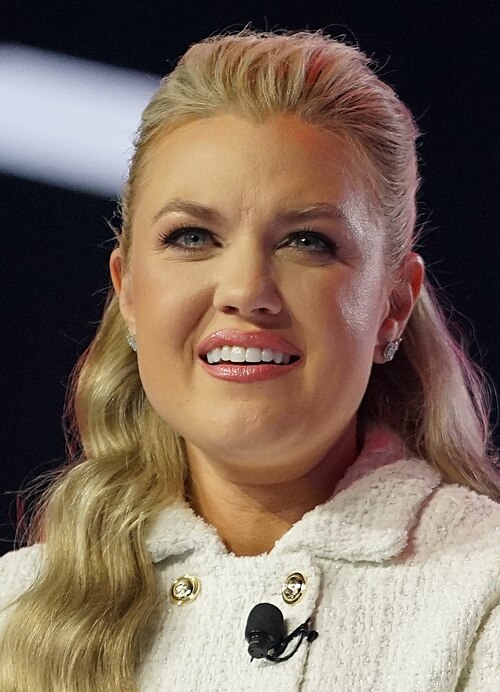
Erika Kirk, the widow of slain conservative activist Charlie Kirk and current CEO and chairwoman of Turning Point USA, has sent a fresh cease-and-desist letter accusing an online activist of defamation, escalating a public feud over baseless claims linking her to her husband’s assassination and sex trafficking allegations tied to Jeffrey Epstein.

The letter, dated March 18 and signed by attorney Paul Edgard Harold of SouthBank Legal, targets Collin Scott Campbell, the Maryland-based figure behind the “Project Constitution” brand. It demands he stop spreading statements alleging Kirk’s involvement in Charlie Kirk’s September 2025 murder and other unsubstantiated claims.
Kirk, 37, assumed leadership of the influential conservative youth organization shortly after her husband’s assassination at a Turning Point USA event on the campus of Utah Valley University. The board voted unanimously to appoint her as chair and CEO, a role she has used to vow that the group’s mission would grow “stronger, bolder, louder and greater than ever.”
In the months since, Kirk has navigated grief while stepping into the national spotlight. She has spoken at her husband’s memorial, where she publicly forgave the shooter, citing her Christian faith. She has hosted events, appeared on major media outlets and continued Turning Point USA’s campus organizing, AmericaFest conference and podcast efforts.
President Donald Trump has repeatedly honored Kirk and her late husband. In February, Trump recognized her during his State of the Union address, calling Charlie Kirk a “great friend” and using the moment to condemn political violence. Trump later appointed Kirk in March to the U.S. Air Force Academy Board of Visitors, filling the seat previously held by her husband. The 16-member board advises on academy morale, curriculum, instruction and other matters.
Kirk’s appointment drew attention as a continuation of her husband’s influence in conservative circles. She has also been announced as the 2026 commencement speaker at Hillsdale College and has joined events with figures like Arkansas Gov. Sarah Huckabee Sanders.
Yet Kirk’s rising profile has come with intense scrutiny and online controversy. Critics, including some on the right such as Candace Owens, have questioned her leadership style, personal life and decisions at Turning Point USA. A leaked Zoom call from days after the assassination showed Kirk addressing staff, which some interpreted as overly focused on operations. Allegations have circulated online about past texts and personal conduct, though many remain unverified or contested.
The latest cease-and-desist reflects Kirk and Turning Point USA’s aggressive pushback against what they describe as defamatory attacks. The letter accuses Campbell of spreading falsehoods that have damaged Kirk’s reputation. Such legal threats highlight deepening divisions within conservative activist circles following Charlie Kirk’s death.
Before her husband’s assassination, Erika Lane Frantzve (now Kirk) built her own public presence. Born in 1988 in Ohio and raised in Arizona, she won Miss Arizona USA in 2012. She earned a bachelor’s degree in political science and international relations from Arizona State University, a juris master’s in legal studies from Liberty University and has pursued further studies in Christian leadership.
Kirk launched a faith-based clothing line called PROCLAIM and a Bible-in-365 ministry focused on daily scripture engagement. She hosted devotional podcasts and described herself as a supportive wife and mother of two young children while often appearing alongside her husband at events.
Following the September 2025 shooting, Kirk has spoken openly about her grief, including in interviews detailing the hardest parts of daily life without her husband. She has shared emotional tributes, emphasizing resilience, faith and a commitment to family values. In one reflection, she described praying during the tragedy and finding blessings amid sorrow.
Supporters praise her poise and determination to carry forward Turning Point USA’s mission of engaging young people in conservative principles. Detractors, however, have accused her of turning personal tragedy into a “spotlight” moment or questioned internal organizational dynamics, including reports of some campus chapters reconsidering affiliations.
A luxury retailer, Alo, faced potential backlash after an alleged leak of Kirk’s purchase history was used in online smears. Broader discussions have touched on everything from her appearance and public demeanor to policy questions, such as her comments on family, motherhood and political violence.
Kirk has largely responded by focusing on faith, forgiveness and legacy-building. She has rejected political violence and called for unity in the conservative movement. In public appearances, she has stressed that her husband’s work must continue through grassroots activism on campuses and beyond.
The defamation dispute with Project Constitution fits into a pattern of legal and rhetorical clashes. Turning Point USA has defended its operations amid questions about finances, direction and internal culture. Some online voices have amplified conspiracy theories, while others defend Kirk as a grieving widow unfairly targeted.
As of late March 2026, no lawsuit has been filed in the latest cease-and-desist matter, but the letter signals Kirk’s unwillingness to let accusations go unchallenged. Legal experts note that defamation cases involving public figures require proving actual malice — knowledge of falsity or reckless disregard for the truth.
Kirk’s story reflects broader themes in American conservatism: the intersection of faith, politics, personal loss and public leadership. A former pageant winner and entrepreneur turned nonprofit executive, she embodies contrasts that have fueled both admiration and criticism.
Friends and allies describe her as resilient, pointing to her quick return to public work while raising children. In a TIME100 Next profile, she was highlighted for modeling strength and grace after tragedy. Critics counter that some appearances, including a leaked call showing her addressing business matters shortly after the assassination, suggest a focus on continuity that some find jarring.
Turning Point USA, founded by Charlie Kirk in 2012, has grown into a major force for conservative organizing, with chapters on hundreds of campuses. Under Erika Kirk’s leadership, the group has maintained its schedule of events despite challenges, including reported disaffiliations by some local chapters.
Kirk has participated in faith-focused tours and spoken about biblical leadership. She has addressed topics like gender roles, marriage and delaying family, drawing from her own journey from a career-oriented background to married life and motherhood.
The Air Force Academy appointment adds a formal government advisory role, potentially allowing Kirk to influence recommendations on curriculum and cadet life. It also keeps the Kirk name connected to institutions her husband engaged with.
As controversies swirl — from legal threats to online memes and commentary — Kirk continues her dual role as mother and movement leader. She has posted heartfelt messages about sorrow not having the final word and the importance of Christian forgiveness.
Political observers note that her trajectory places her among prominent women in the MAGA-aligned space, often facing intense personal scrutiny. Supporters urge focus on her policy work and faith; skeptics demand greater transparency from Turning Point USA.
With 2026 bringing commencement speeches, ongoing tours and potential further legal developments, Erika Kirk remains a central, polarizing figure in conservative politics. Her ability to steer the organization her husband built, while countering personal attacks, will likely shape Turning Point USA’s future influence.
Kirk has not commented publicly on the most recent cease-and-desist as of Thursday. Turning Point USA did not immediately respond to requests for comment.

Man United fan Keely Hodgkinson takes aim at Premier League rival with brutal jibe

Former Poundstretcher building could be turned into Pilates studio

Alphabet (GOOGL) Stock Dips Modestly as Investors Eye AI Spending and Q1 Earnings

Smart energy pays enters the US market, targeting scalable financial infrastructure

Why Israel is blocking foreign journalists from entering

Bitcoin: We’re Entering The Most Dangerous Phase

Crypto & Gold Analysis | 26 March || Trading Techstreet | Akhand Pratap Singh

Best crypto prediction 2025 & best crypto to invest in 2025 #bitcoin #cryptopredictions #news

The Problem With Not Sharing Financial Information in Families | CA Sreejith Kuniyil|Gobinath#shorts
-
 Crypto World6 days ago
NIO (NIO) Stock Plunges 6.5% as Shelf Registration Sparks Dilution Worries
-

 Fashion6 days ago
Weekend Open Thread: Adidas – Corporette.com
-
 NewsBeat1 day ago
Manchester United reach agreement with Casemiro over contract clause amid transfer speculation
-

 Politics6 days ago
Jenni Murray, Long-Serving Woman’s Hour Presenter, Dies Aged 75
-

 Crypto World5 days ago
Best Crypto to Buy Now: Strategy Just Spent $1.57 Billion on Bitcoin During Fear While Early Investors Quietly Enter Pepeto for 150x Potential
-

 Crypto World5 days ago
Bitcoin Price News: Bhutan Sells $72 Million in BTC Under Fiscal Pressure, but the Smart Money Entering Pepeto Sees What the Market Does Not
-

 Tech7 days ago
inKONBINI Lets You Spend Summer Days Behind the Register
-

 News Videos16 hours ago
Parliament publishes latest register of MPs’ financial interests
-

 Sports3 days ago
Remo Stars and Kano Pillars Strengthen Survival Hopes in NPFL
-

 Politics7 days ago
Gender equality discussions at UN face pushbacks and US resistance
-

 Business4 days ago
No Winner in March 21 Drawing as Prize Rolls to $133 Million for Next
-

 Sports3 days ago
Gary Kirsten Accuses Pakistan Cricket Board Of ‘Interference’, Mohsin Naqvi Responds
-

 Tech4 days ago
Give Your Phone a Huge (and Free) Upgrade by Switching to Another Keyboard
-

 Sports6 days ago
2026 Kentucky Derby horses, odds, futures, preview, date: Expert who nailed 12 Derby-Oaks Doubles enters picks
-

 Tech4 days ago
AI enters the chat: New Seattle dating app relies on tech to facilitate meaningful human connections
-

 Business7 days ago
DLocal: Entering 2026 At Escape Velocity
-

 Politics7 days ago
Scotland’s rejection of assisted dying is a victory for humanity
-
Business6 days ago
Columbia Sportswear enters $500 million credit agreement with JPMorgan Chase
-

 Tech5 days ago
Today’s NYT Connections Hints, Answers for March 22 #1015
-

 News Videos3 days ago
Ch 9 Financial Management Part 1 | Detailed One Shot | Class 12 Business Studies Boards 2026
You must be logged in to post a comment Login