



Connect with us
DAPA Banner

Tech

Littlebird takes flight: Startup ships its wearable kid tracker, now with Amazon and Walmart ties

Published

on

Littlebird’s hope is for its wearable technology to “disappear into real life” and not provide kids with another tech distraction. (Littlebird Photo)

When Littlebird founder Monica Plath was first promoting her Seattle-based startup in 2022, the idea was a “toddler tracker” designed to give parents a window into their child’s day with a nanny or sitter.

But as smartphone bans sweep through U.S. schools, Littlebird’s promise has evolved into something more ambitious: a physical alternative for parents who want to stay connected without surrendering their kids to the digital world.

“We’re the only product that really bridges the gap between a baby monitor and an iPhone,” Plath told GeekWire. “Parents don’t have an option besides AirTagging their kids, and AirTags were meant to find luggage, not for on-demand, real-time alerts.”

Littlebird founder and CEO Monica Plath.

Strapped to the wrist of a kid, Littlebird looks like an Apple Watch at first glance, but without any screen to tell time, take calls, text friends, play music or check the internet. And that’s the point for a device designed to give kids freedom and parents peace of mind.

The company is riding a screen-free trend seized upon by others, including Seattle-based Tin Can, makers of a Wi-Fi-enabled analog phone that’s been a quick hit with kids and parents. Plath said on LinkedIn this week that Littlebird shipped nearly 1,000 units in the first few days, and had $200,000 in sales on the first product release day last week.

A University of Washington alum and single mom to two kids, Plath has spent the last two years overhauling Littlebird’s technical DNA. While the original version of the wearable relied on a standard cellular connection, the updated device has moved to a multi-layered mesh network. The company has gone from niche toddler tool to what Plath calls a “frontier tech” contender, attracting the attention of two of the biggest names in retail and infrastructure: Amazon and Walmart.

Advertisement

Plath said Littlebird is the first third-party company to integrate Amazon Sidewalk, a private, long-range network that piggybacks off the millions of Echo and Ring devices already sitting in American homes. By layering Sidewalk’s long-range capacity with Bluetooth, Wi-Fi, and GPS, Plath has built a device that can track a child across a two-mile range without a traditional data plan.

And while Littlebird attracted 2,000 direct-to-consumer pre-orders over the last couple years, the startup is poised for a major retail leap. On Monday, the product went live on Walmart.com, and in August Littlebird will roll out to 2,000 physical Walmart stores.

Unlike the Apple Watch or similar devices that can be viewed as classroom distractions, Littlebird does not chirp at the kids who are wearing it. There’s no interactivity, just a light to signal that it’s working. Sensors in the device determine when it’s being worn.

“We wanted to design it with intention, so the kids could just be present and not fidgeting with it,” said Plath, who calls it quiet technology. “That was a big priority for [schools], to not have something that’s two-way. Letting kids be kids was a big part of our category building.”

Advertisement
The Littlebird app shows a child’s movements and allows for connection to caregiver “flocks” and safe spaces called “nests.” (Littlebird Images)

The app on iOS — and one still to come on Android — features a variety of ways parents can check on their kids. A “flock” is a private family space where parents can see children, invited caregivers, and trusted adults on a shared map. A “nest” is an important place such as home, school, or camp. Alerts can be set to signal when a child is coming and going.

An early version of Littlebird was originally intended to monitor health metrics such as activity level, sleep, heart rate and temperature. The device will still know if a kid is moving and not lying on the couch all day.

“As we moved from prototypes into a real, shippable product for children, we made a deliberate decision not to ship anything that could be interpreted as medical functionality or invite medical claims,” Plath said. “Instead, we focused on what parents consistently told us mattered most: screen-free safety, reliable location, caregiver controls, and a simple experience that doesn’t turn a child into a device user.”

Littlebird sells for three different membership levels that include the hardware. (Littlebird Photo)

Littlebird has adopted a membership-based pricing model similar to high-end fitness wearables like Whoop and Oura. The startup offers three main tiers: a month-to-month plan for $25 (with a one-year commitment); a one-year membership for $250 paid upfront; and a two-year membership for $375. The costs cover the hardware, the “Precision+” location services, and the app experience.

Littlebird employs six people and is looking to double headcount over the next couple months. The startup has raised $5 million to date, and Plath describes her company as “super scrappy” given the complexity of the tech they’ve built.

“Less than 2% of all venture capital goes to female founders,” she said, adding that “against all odds” she’s out to prove that Littlebird can build and scale hardware out of Seattle, a region known primarily for software and cloud tech.

Advertisement

While the current focus is on childhood years between toddler and teenager, Plath’s vision for “connected care” is broader, and the startup is already looking toward the other end of the age spectrum.

“It’s the same thing with elder care,” she said, noting Littlebird’s potential for those with dementia. “We’re building a product for people we love.”

Source link

Advertisement
Continue Reading
Click to comment

You must be logged in to post a comment Login

Leave a Reply

Tech

Reed Hastings is leaving Netflix after 29 years

Published

on

Netflix co-founder and current chairman Reed Hastings is leaving the streaming company’s board in June to focus on “his philanthropy and other pursuits,” according to a shareholder letter released alongside Netflix’s Q1 earnings. Hastings has served as chairman of Netflix’s board since 2023, a role he assumed after stepping down as co-CEO and promoting Greg Peters in his place.

“Netflix changed my life in so many ways, and my all‑time favorite memory was January 2016, when we enabled nearly the entire planet to enjoy our service,” Hastings said in a statement. “My real contribution at Netflix wasn’t a single decision; it was a focus on member joy, building a culture that others could inherit and improve, and building a company that could be both beloved by members and wildly successful for generations to come. A special thanks to Greg and Ted, whose commitment to Netflix’s greatness is so strong that I can now focus on new things.”

Hastings founded Netflix in 1997 as a DVD-by-mail rental service with his co-founder and the company’s first CEO Marc Randolph. In 1999, Hastings became CEO, and eventually led the company through its transformation into a streaming service in 2007. Netflix started producing its own television series and movies in 2013, and in 2020, the company’s board named Ted Sarandos as Hasting’s co-CEO, in part to oversee its growing production business. Hastings stepped down as co-CEO in 2023 to become Netflix’s executive chairman, as then COO Greg Peters was promoted to co-CEO. Among his other contributions, Hasting is also the architect of Netflix’s infamous “culture memo,” which codified the company’s high-performance culture.

While he’ll no longer be on Netflix’s board, Hastings still has a seat on the board of AI startup Anthropic and media and financial software company Bloomberg. Netflix, for its part, is continuing to expand outside of the television and film business Hastings helped build, by offering a selection of curated party games, a growing library of video podcasts and live sports.

Advertisement

Source link

Continue Reading

Tech

LEGO-Inspired Sim Racing Dash Box Looks Like Something from a Real Rally Car

Published

on

LEGO Sim Racing Dash Box Modular
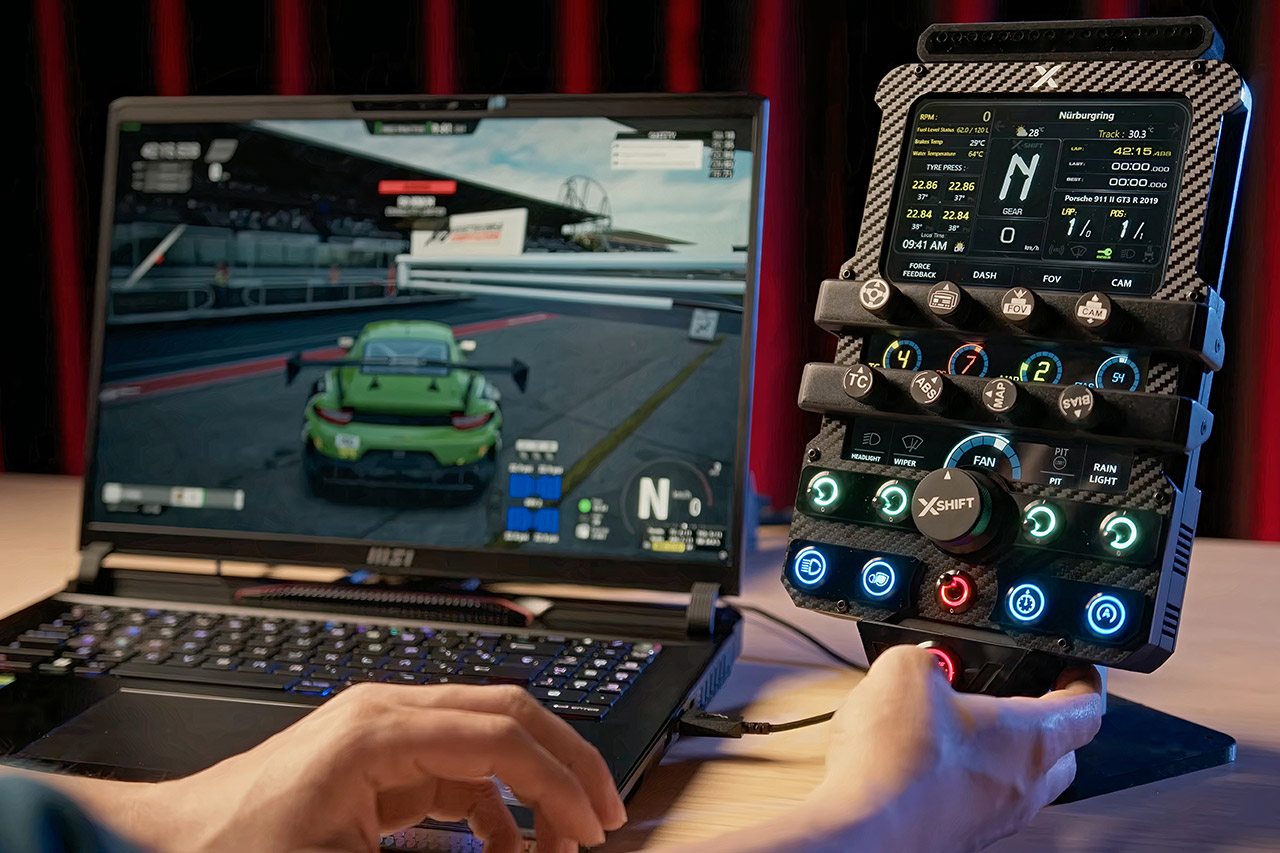
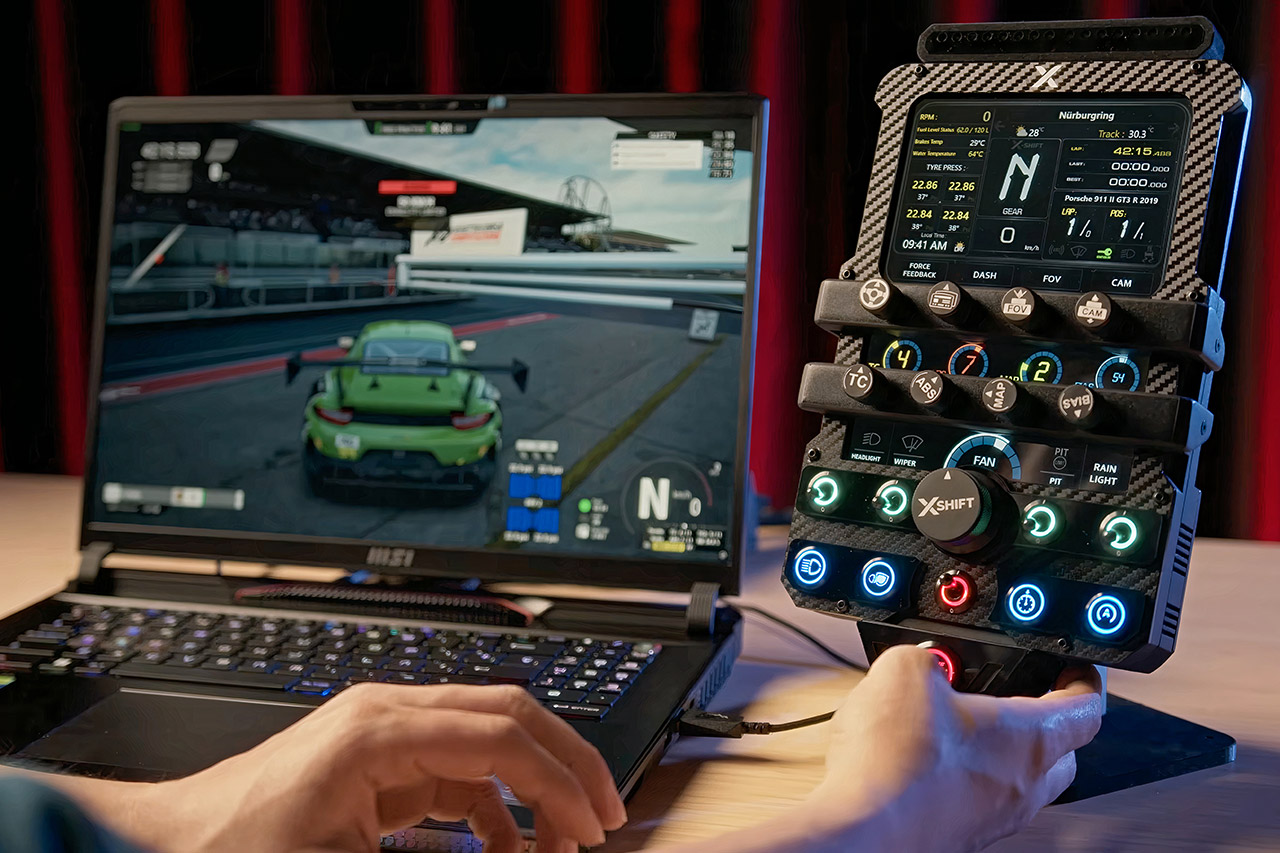
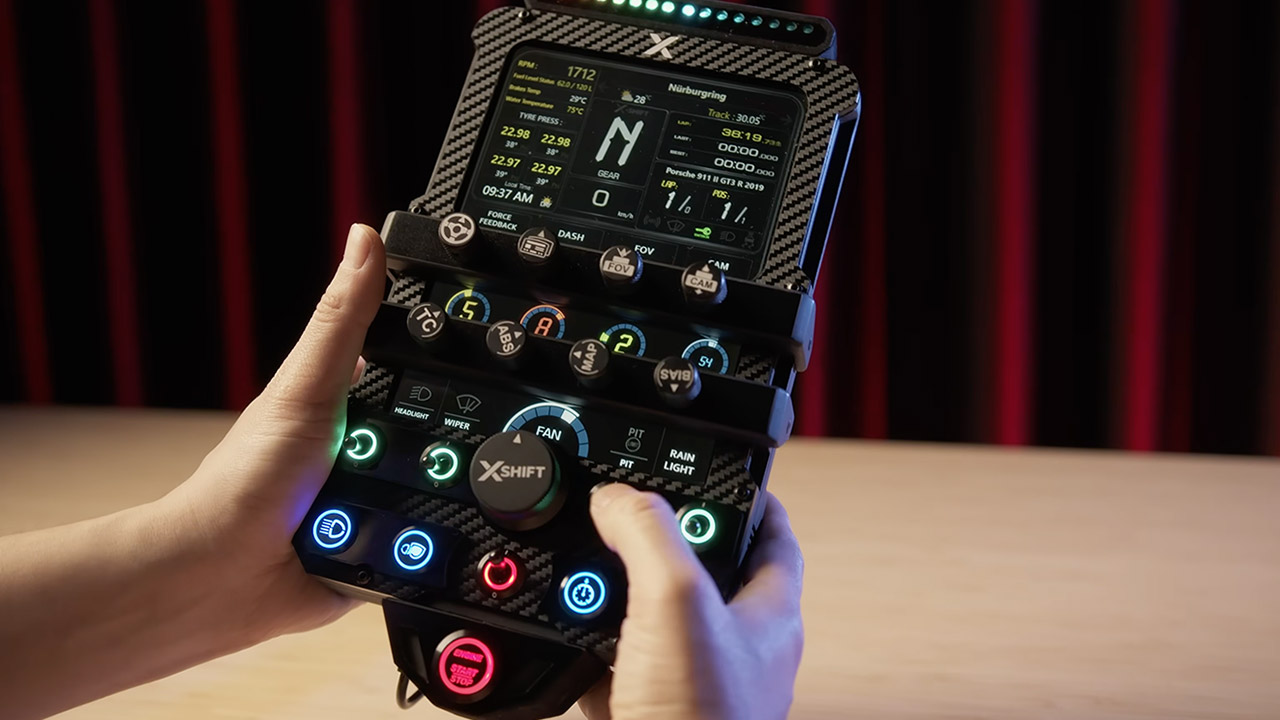
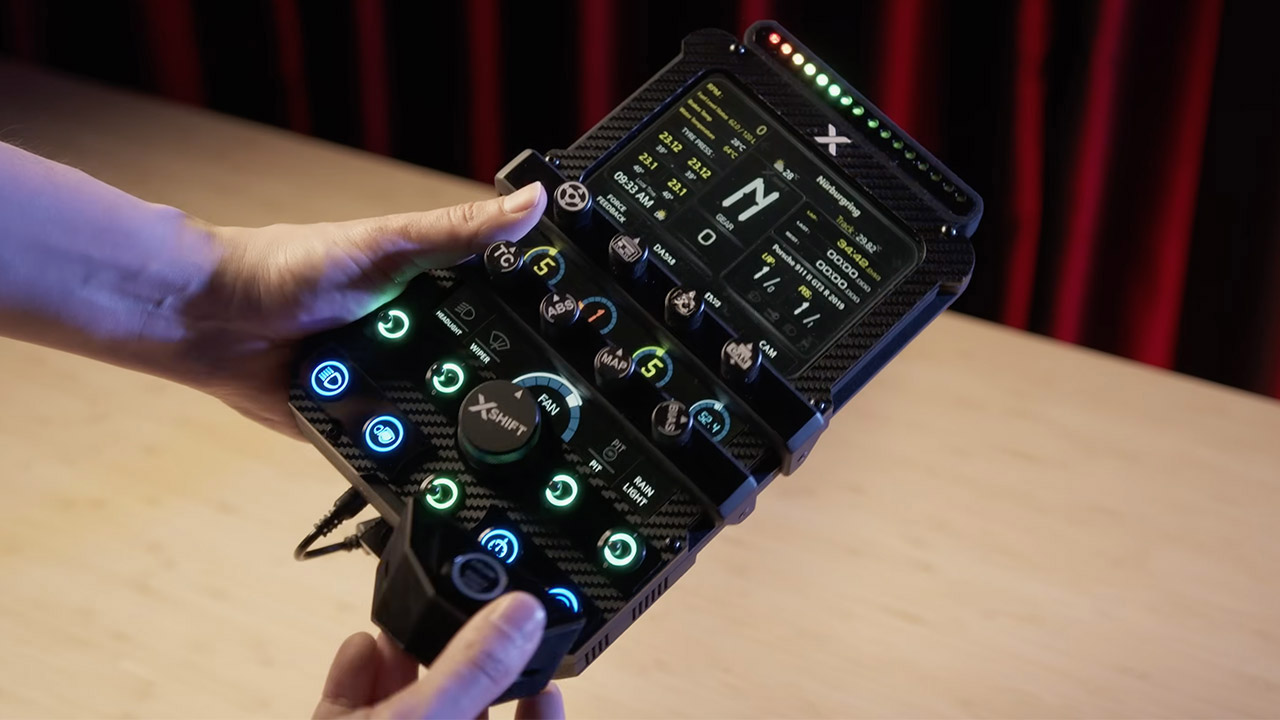
Xshift created a modular racing dash box for simulators that simply clicks together like a set of puzzle pieces, each held in place by a magnet. Each element has its own set of controls and readouts, and they all connect to a central unit for stability and data collection. The end result is a fully equipped control panel that is just as detailed as a real rally vehicle cockpit.


To finalize the design, Xshift began with some initial Photoshop sketches to ensure that the look, feel, and details were just correct. They then used 3DS Max to make accurate replicas of every button, dial, and screen, taking real-world measurements with their trusty calipers to ensure that every last detail was spot on. The printed parts were then sent to the 3D printer, where they were reinforced to withstand the subsequent sanding and painting. Meanwhile, the acrylic sheets were laser cut and then glued with a sophisticated carbon fiber wrap for a truly polished look.

Sale


Logitech G29 Driving Force Racing Wheel and Floor Pedals, Real Force Feedback, Stainless Steel Paddle…
  • Immersive Gaming Experience: Perfect for PlayStation 5, PS4 and PC gaming titles, the Driving Force simulates the feeling of driving a real car with…
  • Premium Control: The Driving Force feedback racing wheel provides a detailed simulation of driving a real car, with helical gearing delivering smooth…
  • Customizable Pedals: These pressure-sensitive nonlinear brake pedals provide a responsive, accurate braking feel on a sturdy base – with adjustable…

LEGO Sim Racing Dash Box Modular
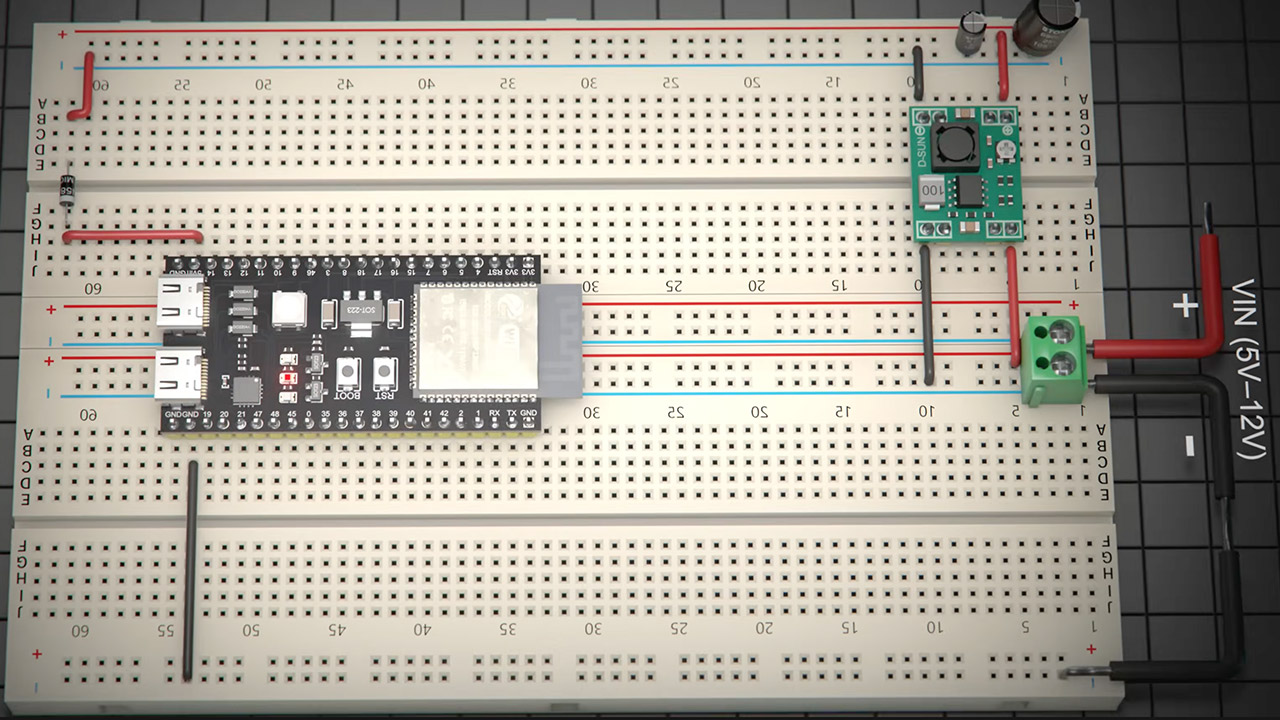
The ESP32-S3 circuit board is at the heart of the system, handling all of the inputs and outputs without the need for any additional components. To keep things orderly, the buttons and switches are placed in a grid, allowing you to get twelve controllers from only seven pins, while the rotary encoders have their own dedicated wires for clean signals. There are also optocouplers to keep the 12-volt LED buttons isolated from the rest of the board and prevent electrical noise from entering. Xshift even created a unique PCB from scratch, using Fusion 360 to ensure it has a firm ground plane and all of the necessary manual traces to keep everything functioning properly.

LEGO Sim Racing Dash Box Modular
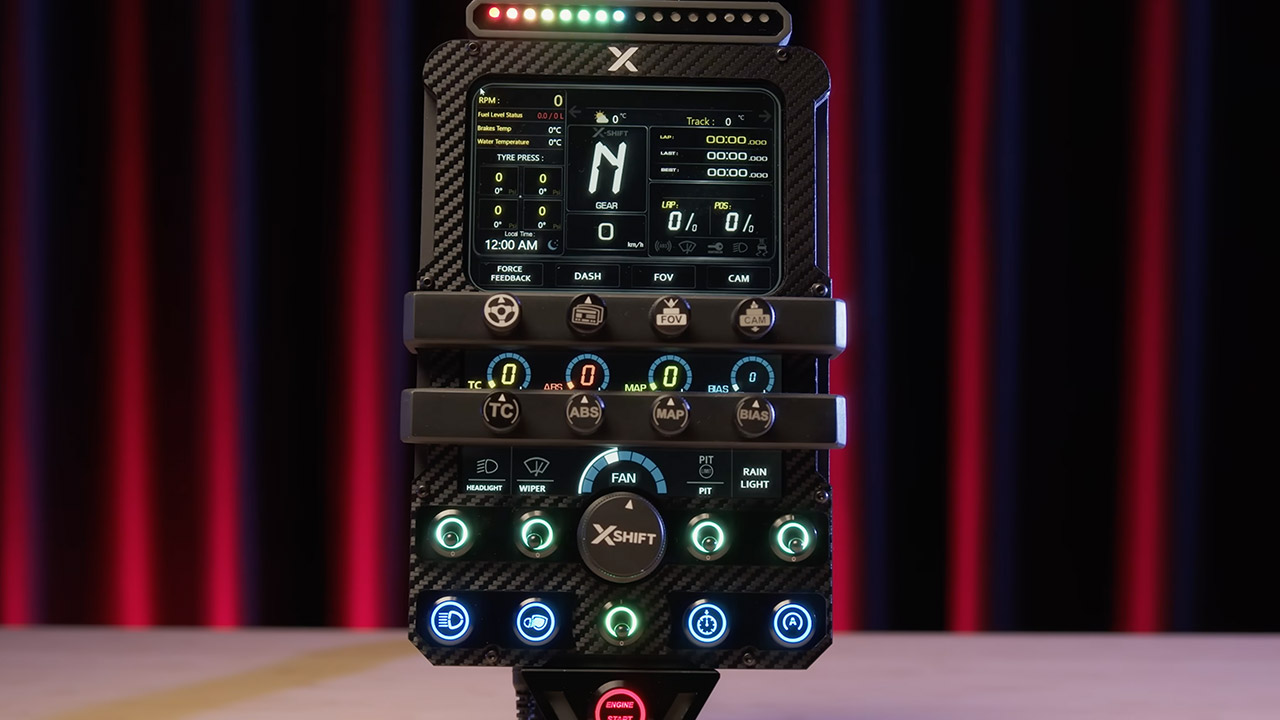
The beauty of it is that you can simply remove a module and replace it with another when necessary. One module features a large LCD screen that displays your current gear selection and lap times in real time from the simulator program. If you want more information, you may add some supplementary LCD screens or even a strip of LEDs to display your RPM gauge (or leave it off completely if you’re driving an electric vehicle). The dials and switches control everything from radio settings to pit stops, with a single button press providing fast reaction.

LEGO Sim Racing Dash Box Modular
On the software side, Xshift connected all of this hardware to multiple sim racing titles using SimHub, and they even went to the bother of designing a bespoke dashboard interface in Photoshop that refreshes in real time with all of the game’s statistics. They employed some complex JavaScript expressions to connect each static graphic element to the live data feeds, ensuring that your screens always reflect exactly what’s happening on the track. He designed the circuitry on the microcontroller to handle button presses, encoder spins, and LED patterns with no lag, all before they finished the matrix scanning as well as input tests.

LEGO Sim Racing Dash Box Modular
When you put it all together, you have a really neat item that fits nicely on your sim rig. The magnets hold everything in place, but you can still remove a portion when you need to change it out for something else. If you’re feeling daring, you can even download all of the files from the Xshift Patreon page and build your own at home, replete with every 3D model, laser-cut template, PCB layout, and code snippet you’ll require. The end result is a cockpit that seems like it just came out of the factory, yet with plenty of room for you to customize and future-proof your setup.
[Source]

Advertisement

Source link

Continue Reading

Tech

How to watch American Gladiators reboot online from anywhere

Published

on

The UK Gladiators series 3 wrapped up recently on March 28, with George McDonald and Emily Bell emerging as winners. But if you’re already missing the thrill of everyday people taking on highly trained athletes, American Gladiators (2026) reboot is here with a fresh 10-episode series.

The format is as gladiator-esque as ever, with everyday contestants going head-to-head against 16 elite athletes – both men and women – in a series of intense physical challenges, all for not just bragging rights but also a whopping $100,000 prize.

Source link

Continue Reading

Tech

Fire TV gets a new look, plus new lifestyle TVs, Fire TV Stick HD and Alexa+ updates

Published

on

There’s a big Fire TV update coming and it’s going to affect a boatload of products, so take a deep breath as there’s plenty to get through here.

But in short, we have a new TV, a revised and streamlined interface, a new Fire TV streaming stick and wider availability for (the still in Early Access) Alexa+.

The All New Fire TV Experience (again)

All New Fire TV Experience 2026All New Fire TV Experience 2026
Image Credit (Amazon)

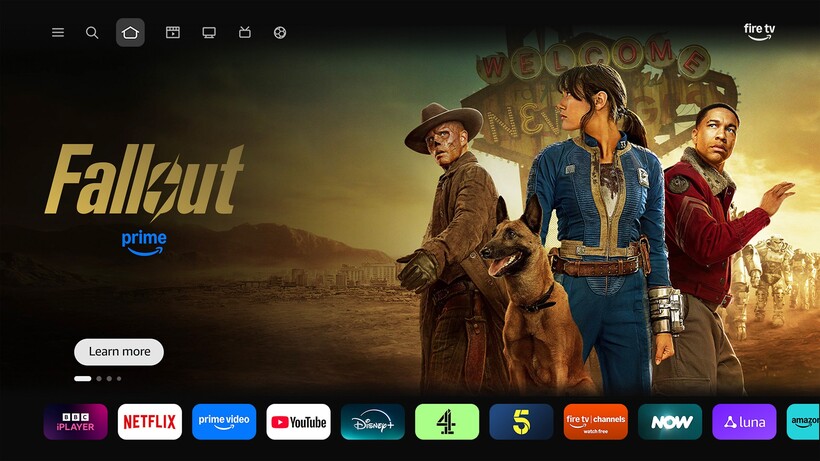
First off, there’s a new, redesigned Fire TV experience, launching six years after the first big redesign. Amazon says the new Fire TV interface will be “cleaner, faster, and better organised for customers”.

Categories have been added so viewers can “more easily” see their movies, TV shows, news, live content and sports. Amazon says it’s also 30% faster to use than the previous version.

Advertisement

Advertisement

In the next few weeks Amazon will also roll out its Fire TV Channels section that will allow customers to dive into latest content about stuff they’re interested in, whether that be sports, music videos, comedy, lifestyle and more. Its free to view and supported by ads. Simply turn on a Fire TV device, head to Fire TV Channels and you’ll find what’s trending across your favourite topics.

And with the World Cup 2026 on the horizon, Amazon is introducing a new football hub with the new Fire TV Experience that’ll allow viewers to keep up to speed with their teams as well as take them directly to watch live games through their local providers. Expect the hub to come back in different forms based on major global sporting events.

Alexa+ is here to help

A quick note on Alexa+. While it’s still in Early Access stage, Alexa+ on Fire TV will be officially available in the UK on compatible devices.

So if you have the new Fire TV Stick HD or Ember Artline lifestye TV, she’ll be there to answer any question or start a conversation about what you want to watch.

Advertisement

The slimmest and fastest Fire TV Stick HD

Amazon Fire TV Stick HD 2026Amazon Fire TV Stick HD 2026
Image Credit (Amazon)

Advertisement

Amazon’s enty-level Fire TV Stick is getting an upgrade. After the Select joined the Fire TV Stick roster in 2025, the HD model is getting a revised version.

It’s smaller in volume and width than the previous models, and can run on your TV’s USB port without the need for a separate power adapter. Not only does it mean it can fit more neatly behind a TV, but it should make it more accessible for taking on your travels as well.

This new version is also 30% faster than the previous models, which in layman’s terms should make for a faster powering up process and apps opening up quicker too.

In the coming months Amazon will be adding a new Adaptive Display setting to the Fire TV Stick HD, an accessibility feature that makes text, menus, and content easier to see and navigate.

Advertisement

It can increase the size of smaller items like text and menus while “scaling up” larger items such as content artwork to create a more balanced browsing experience. Users can also choose from multiple size options to create an experience that works best for them.

You can pre-order the Fire TV Stick HD now, priced at £39.99, with shipping starting on April 29th.

Advertisement

Amazon saunters into the lifestyle market with Ember Artline

Amazon Ember Artline lightAmazon Ember Artline light
Image Credit (Amazon)

Finally, there’s a new lifestyle TV joining Amazon’s TV range. The Ember Artline works in similar fashion to the Samsung Frame and Hisense Canvas, offering a “global” collection of over 2000 curated art pieces at no extra cost beyond what you pay for the TV.

The selection includes Impressionist classics to more contemporary photography, and there’s an AI function called “Match the Room” that aims to make it easier to find artwork that matches your TV’s surroundings. Also, the Ember Artline comes with one of 10 frame colours to choose from at checkout, so you’re not stuck with a boring black frame.

Advertisement

The introduction of the Ember Artline, along with the “All New Fire TV Experience”, will also be part of the Amazon’s rebrand of its TVs. No longer will they be called Amazon Fire TVs. The latest generation will now be known as the Amazon Ember TVs.

The Ember Artline TV comes in 55- and 65-inch sizes, priced at £949 and £1199 respectively. You can pre-order today with the TVs expected to ship on May 7th.

Advertisement

Source link

Advertisement
Continue Reading

Tech

IEEE Connects Hardware Startups With Investors

Published

on

Roughly 90 percent of hard tech startups fail due to funding constraints, longer R&D timelines for developing hardware, and the complexity of manufacturing their products, according to a number of studies.

Generally, these startups require up to 50 percent more investor financing than software ones, according to a Medium article. Typically, they need at least US $30 million, according to a Lucid article. That’s double the funding needed by software companies on average.

To help them connect with investors, IEEE Entrepreneurship in 2024 launched its Hard Tech Venture Summits. The two-day events connect founders with potential investors and other entrepreneurs. Attendees include manufacturers, design engineers, and intellectual property lawyers.

“Even though there are a lot of startup investor conferences, it’s hard to find those focused on hard tech,” says Joanne Wong, who helped initiate the program and is now the chair. She is a general partner at Redds Capital, a California-based venture capital firm that invests in global early-stage IT startups.

Advertisement

The IEEE member is also an entrepreneur. She founded SciosHub in 2020. The company’s software-as-a-service and informatics platform automates the data-management process for biomedical research labs.

“Many investors are focused on AI software—which is good,” she says. “But for hard tech companies, it is still hard to find support.”

The summit also includes a workshop to help founders navigate manufacturing processes and regulatory compliance. The event is open to IEEE members and others.

IEEE is a natural fit for the program, Wong says, because hard tech is synonymous with electrical engineering.

Advertisement

“Some of the domains we’re covering are robotics, semiconductors, and aerospace technology. IEEE has societies for all these fields,” she says. “Because of that, there are many resources within the organizations for startups, whether it be mentors or guides on how to commercialize products.”

There are several venture summits planned for this year. Two are scheduled in collaboration with the IEEE Systems Council: this month in Menlo Park, Calif., and in October in Toronto.

On 10 and 11 June, a third summit is scheduled to take place in Boston at the IEEE Microwave Theory and Technology Society’s International Microwave Symposium.

More events are being planned for next year in Asia, Europe, Latin America, and North America.

Advertisement

Networking and a pitch competition

Each summit includes keynote speakers, followed by networking roundtables. Each table is composed of people from three to five startups, one or two investors, and a service provider.

That arrangement helps founders build relationships, which is the summit organizers’ priority, Wong says. Investors at past events have included i3 Ventures, Monozukuri Ventures, and TSV Capital.

“The connection with the community was fantastic, especially investors and founders in robotics.” —Mark Boysen, founder of Naware

Startups present their pitch, which a number of investors evaluate before ranking the business plan and product. The top 10 startups pitch their business to all the investors.

Advertisement

On the second day, the startup founders participate in a half-day engineering design–to–manufacturing workshop, at which manufacturing engineers teach them how to navigate the process and meet regulations.

In an exhibition area, participants can see demonstrations from the startups and connect with service providers.

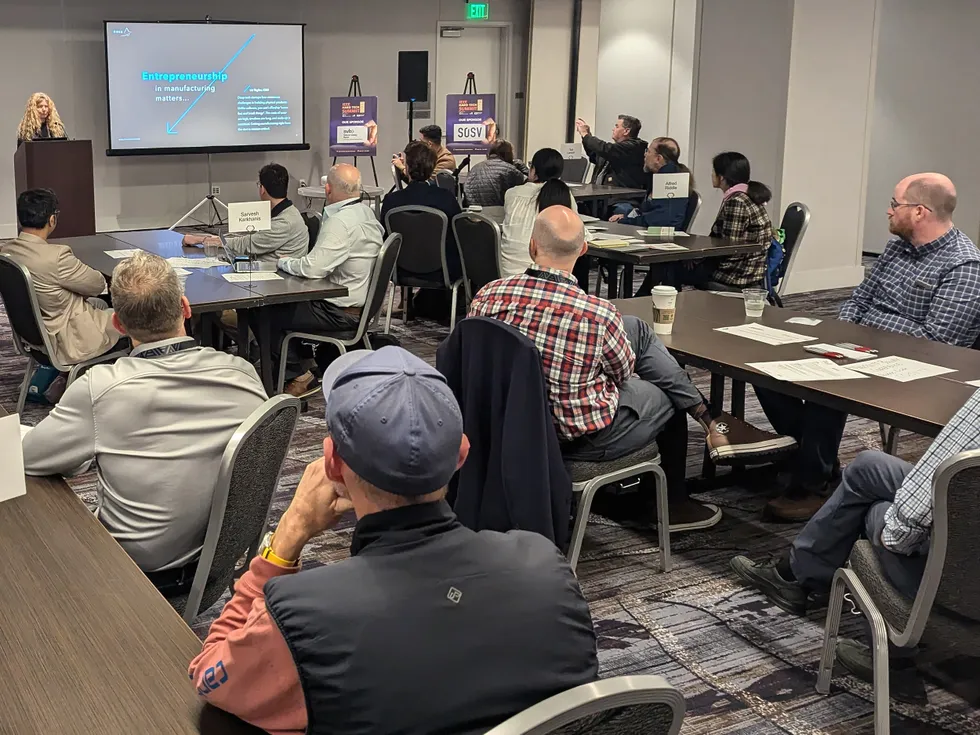
A woman standing next to a presentation screen while speaking to small seated groups during a professional workshop.The 2025 event’s half-day engineering design–to–manufacturing workshop was led by Liz Taylor, president of DOER Marine. The company manufactures marine equipment.Larissa Abi Nakhle/IEEE
Positive feedback from attendees

In a survey of past summit attendees, startup founders said the event connected them not only with investors but also with other entrepreneurs having similar struggles.

“The connection with the community was fantastic, especially investors and founders in robotics,” said Mark Boysen, who founded Naware. The company, based in Edina, Minn., developed a robot that uses AI to detect and remove weeds from golf courses, parks, and lawns.

Advertisement

“I loved getting the investors’ perspectives and understanding what they’re looking for,” Boysen said.

Jeffrey Cook, who attended a summit in 2024, said he met “a lot of great contacts and saw what the hard tech venture climate is like.”

Attendees of the Hard Tech Venture Summit spend the first day networking and presenting their pitch to investors. IEEE Entrepreneurship

“Those in the community would benefit from coming to the summit,” said Cook, who founded Gigantor Technologies in Melbourne Beach, Fla. It develops hardware systems for AI-powered devices.

Advertisement

More than 90 percent of attendees at the 2025 event in San Francisco said they would highly recommend the summit to others, according to a survey.

Investors and service providers also have found the events successful.

Ji Ke, a partner and the chief technology officer of deep tech VC firm SOSV, attended the 2025 summit.

“I met a lot of young entrepreneurs tackling some big challenges,” he said. “This is one of the best events to meet some very-early-stage companies.”

Advertisement

Making important connections in hard tech

Startup founders who want to attend a summit must apply. Applications for this year’s events are open. Participants must be founders of preseed, seed, or Series A startups.

Preseed founders are seeking small investments to get their businesses off the ground. Those in the seed stage have already secured funding from their first investor. Series A startups have obtained funding and are developing their product.

Applicants are reviewed by a committee of investors to ensure the startups would be a good fit. Those who are approved are matched with investors and service providers based on their specialty.

“The journey for a hard tech startup is very long and arduous,” Wong says. “Founders need to meet as many investors as possible and other people who support hard tech systems so that they’re able to reach out to them for advice or help.”

Advertisement

Those interested in learning more about an upcoming event can send a request to entrepreneurship@ieee.org.

From Your Site Articles

Related Articles Around the Web

Source link

Advertisement
Continue Reading

Tech

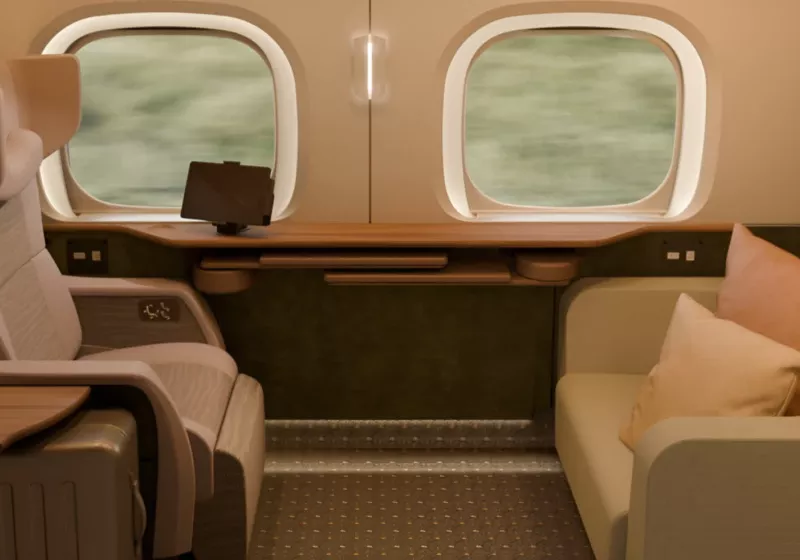
Japan's bullet train to debut high-tech private cabins, for an added fee

Published

on


A recently introduced Shinkansen high-speed train is set to add several exclusive private cabins over the next few months. According to a local report, these “private rooms” will include high-tech services designed to improve remote working conditions and internet performance. Travelers visiting Japan may also find the option appealing, although…
Read Entire Article
Source link

Continue Reading

Tech

Ember Artline vs Samsung Frame: Comparing the arty TVs

Published

on

Although Amazon first revealed its Samsung Frame competitor TV back at CES, it’s now finally available to pre-order.

Coined Ember Artline, how does Amazon’s new lifestyle TV compare to the Samsung Frame? Ahead of our review, we’ve compared the initial specs of the Ember Artline to the four-star Samsung Frame and noted the key differences between the two below.

Once you’re done here, make sure you visit our round-up of the best TVs, best cheap TVs and best 4K TVs too, to find your next investment.

Price and Availability

At the time of writing, Amazon’s Ember Artline is available for pre-order and will launch officially on April 22nd in the US and Canada, and May 7th in the UK. Germany is slated to see the TV later in May, although an exact date hasn’t been announced just yet.

Advertisement

The Ember Artline has a starting RRP of $899.99/£949.99 for the 55-inch model.

Advertisement

SQUIRREL_PLAYLIST_10208400

In comparison, the Samsung Frame is available to buy now and has a starting price of £799/$899 for the smallest 43-inch model. While the Ember Artline is only available in two sizes (55- and 65-inches), the Samsung Frame comes as a 43-, 50-, 55- or 65-inch screen.

Advertisement

SQUIRREL_PLAYLIST_10208402

Ember Artline supports Alexa+

Naturally as it’s an Amazon TV, the Ember Artline is fitted with Alexa – specifically the recently launched Alexa+. However, we should disclaim that Alexa+ is only free for Prime members, no non-Prime subscribers will have to spend £19.99 to access the voice assistant. 

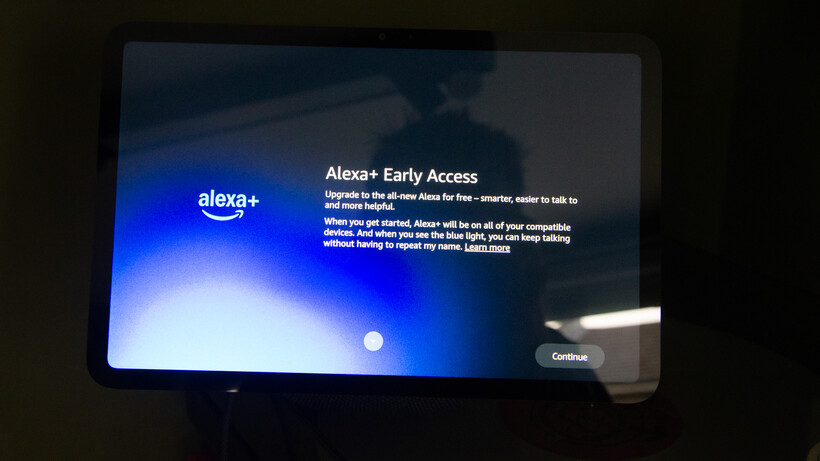
Alexa+ is essentially a smarter, more conversational and personalised upgrade over the original Alexa. While we’re yet to provide our full review on the voice assistant, our Home Technology Editor Dave Ludlow has given his early thoughts on Alexa+ and noted where it excels and still struggles.

Enable Alexa Plus early accessEnable Alexa Plus early access
Alexa+ on Echo Show. Image Credit (Trusted Reviews)

Advertisement

Otherwise, Alexa+ provides hands-free control on the TV, and allows you to search for shows, receive personalised recommendations and have natural conversations too.

Advertisement

Fire TV vs Tizen

One of the key differences between the Ember Artline and Samsung Frame is with their respective operating systems. While the Ember Artline runs on Amazon’s Fire TV, the Samsung Frame is powered by, unsurprisingly, Samsung’s Tizen OS instead.

All New Fire TV Experience 2026All New Fire TV Experience 2026
Image Credit (Amazon)

Both are smart TV systems that offer access to streaming apps such as Netflix, BBC iPlayer, Disney Plus and more, and have their respective pros and cons. For example, while Tizen isn’t the easiest to navigate, it does offer recommendations and there’s now the option to create multiple profiles for your household. In comparison, although Fire TV is intuitive, we found that it has a tendency to promote Amazon Prime content – which is somewhat understandable. 

Ember Artline includes artwork at no additional cost

The key selling point of the two TVs here is that they can display artwork on their screens when not in use. The Samsung Frame has a dedicated Art Mode that presents a gallery of artwork and even your own photos on screen. Plus, with Pantone-validated colour and the promise of no screen burn, images don’t only look vibrant and authentic but you can keep the screen on without worry.

Samsung Frame 2025Samsung Frame 2025
Image Credit (Samsung)

Advertisement

However, although the Samsung Frame does offer a selection of complimentary pieces to display, you will need to pay in order to access the complete library of over 3500 works of art.

In comparison, at least at the time of writing, the Ember Artline offers its collection of 2000 art pieces without any additional cost. Much like the Samsung Frame, you can also choose to display your own photos on the Ember Artline, via the Amazon Photos app.

Advertisement

Samsung Frame has more ports

You can never have too many ports, and the Samsung Frame offers a pretty generous selection overall. Alongside its four HDMIs, there’s three USBs (two A and one C), an Ethernet port and an optical port too.

In comparison, the Ember Artline has slightly less, with three HDMI 2.0s, one HDMI with eARC, one USB type-3 and an optical audio port.

However, the Ember Artline does benefit from Wi-Fi 6 support whereas the Samsung Frame sports the older Wi-Fi 5.

Amazon Ember Artline darkAmazon Ember Artline dark
Ember Artline. Image Credit (Amazon)

Advertisement

Both are 4K QLED displays

Both the Ember Artline and Samsung Frame are 4K, QLED displays, and are packed with plenty of premium screen technologies too, including HDR. In addition, both displays have an anti-glare finish that reduces reflections. In our review of the 2022 Samsung Frame, we found the screen did an excellent job at keeping reflections at bay, so we expect the latest model to do the same.

Advertisement

Otherwise, both the Ember Artline and Samsung Frame have a motion sensor that can either wake or turn off the screen accordingly. 

Finally, it’s worth noting that both TVs here also have customisable frames, or bezels, which are sold separately.

Early Verdict

Both the Amazon Ember Artline and Samsung Frame are impressive lifestyle TVs. As we’re yet to review the Ember Artline, we’ll hold off from giving a conclusive review for now. However, if you already own some of the best Amazon Echo devices, enjoy using Alexa for hands-free controls and don’t want to pay extra for artwork, then the Ember Artline seems like a great choice.

On the other hand, if you require more ports, don’t mind TizenOS and want a wider choice of screen sizes, then the Samsung Frame will likely suit you better.

Advertisement

Advertisement

We’ll update this versus once we review the Ember Artline.

Source link

Advertisement
Continue Reading

Tech

Is Linux Mint In Trouble?

Published

on

BrianFagioli writes: The developers behind Linux Mint say the project is rethinking its release strategy and moving toward a longer development cycle, with the next version now expected around Christmas 2026. In a monthly update, project lead Clement Lefebvre said the team reached a “crossroads” and needs more flexibility to fix bugs, improve the desktop, and adapt to rapid changes across the Linux ecosystem. The upcoming development build, temporarily called Mint 23 “Alfa,” is currently based on Ubuntu 26.04 LTS and includes Linux kernel 7.0, an unstable build of Cinnamon 6.7, and early Wayland related work.

Mint is also replacing the long used Ubiquity installer with “live-installer,” the same tool used by Linux Mint Debian Edition, allowing the project to unify installation infrastructure across its Ubuntu based and Debian based variants. While the team frames the changes as an opportunity to improve quality and reduce maintenance overhead, the shift has raised questions about the project’s long term direction and whether Linux Mint may eventually lean more heavily on its Debian roots rather than its traditional Ubuntu base.

Source link

Continue Reading

Tech

Last chance to vote! Help pick the 2026 GeekWire Awards winners across 10 categories

Published

on

Who will take home the coveted robot trophies at the 2026 GeekWire Awards? (GeekWire Photo)

Voting closes today for the 2026 GeekWire Awards, so it’s your final chance to help us select the top innovators and entrepreneurs in Pacific Northwest tech.

Cast your ballot here or in the embedded form at the bottom. 

Now in its 18th year, the GeekWire Awards is the premier event recognizing the top leaders, companies and breakthroughs in Pacific Northwest tech, bringing together hundreds of people to celebrate innovation and the entrepreneurial spirit. It takes place May 7 at the Showbox SoDo in Seattle.

With 50 finalists across 10 categories, we’ve previewed every potential winner — from Startup of the Year to Next Tech Titan — in stories over the past several weeks. Catch up here:

Astound Business Solutions is the presenting sponsor of the 2026 GeekWire Awards. Thanks also to gold sponsors Amazon Sustainability, BairdBECU, JLLFirst Tech and Wilson Sonsini, and silver sponsors Prime Team Partners.

The event will feature a VIP reception, sit-down dinner and fun entertainment mixed in. Tickets go fast. A limited number of half-table and full-table sponsorships are available. Contact events@geekwire.com to reserve a spot for your team today.

(function(t,e,s,n){var o,a,c;t.SMCX=t.SMCX||[],e.getElementById(n)||(o=e.getElementsByTagName(s),a=o[o.length-1],c=e.createElement(s),c.type=”text/javascript”,c.async=!0,c.id=n,c.src=”https://widget.surveymonkey.com/collect/website/js/tRaiETqnLgj758hTBazgd5M58tggxeII7bOlSeQcq8A_2FgMSV6oauwlPEL4WBj_2Fnb.js”,a.parentNode.insertBefore(c,a))})(window,document,”script”,”smcx-sdk”); Create your own user feedback survey

Advertisement

Source link

Continue Reading

Tech

No, Anthropic’s New Claude Opus 4.7 Model Is Not Mythos Preview

Published

on

Anthropic on Thursday released a new AI model, and no, it’s not Claude Mythos Preview. Claude Opus 4.7 is now generally available, meant to help developers and vibe coders with their hardest coding tasks.

Opus 4.7, like a well-trained dog, is supposedly better at following instructions. Anthropic wrote in its blog post that Opus 4.7 takes instructions “literally,” where previous models skipped or loosely interpreted prompts. It has improvements to its file-based memory system, so it should be able to recall information from previous sessions and documents. And it can handle larger image files and analyze data from charts more easily. 

Anthropic also said the model is more “tasteful and creative” when creating interfaces, documents and slide decks. There are no details on exactly what Anthropic considers bad versus good taste.

Advertisement
AI Atlas

Anthropic made waves earlier this month when it revealed it had created Claude Mythos Preview, its next-generation model, but the model was so good at finding security gaps that the company would be sharing it with tech and internet infrastructure companies — like Cisco, CrowdStrike and Amazon Web Services — so they could address the issues Mythos found. 

The idea is that if tech companies can improve their systems with the help of AI, they will be more resilient to cyberattacks by bad actors who can use publicly available AI models like everyone else.

While Opus 4.7 isn’t the same as Mythos, Anthropic is testing some of its new cybersecurity protections in Opus 4.7. These safeguards, which “automatically detect and block requests that indicate prohibited or high-risk cybersecurity uses,” are the watered-down version of what will be in “Mythos-class” models, the company’s blog post said. But they’re still important as cybersecurity becomes increasingly saturated with AI, both for defense and for attack.

Advertisement

Source link

Continue Reading

Trending

Copyright © 2025