

Business
Instacart Down Now? Service Disruption Hits Hundreds of Users Across U.S. as Delivery App Experiences Outage


Instacart users reported widespread service disruptions Thursday, with hundreds unable to access the popular grocery delivery platform amid what appeared to be a technical outage affecting app functionality and order processing.
The grocery delivery service, which connects customers with personal shoppers for same-day fulfillment from major retailers, saw reports of loading issues, failed logins and stalled orders beginning in the early afternoon. Social media platforms quickly filled with complaints from affected users across multiple states.
Status monitoring sites and community forums registered a sharp spike in outage reports around midday Eastern time, with users describing error messages and inability to browse available stores or complete purchases. The problems appeared to impact both the mobile app and website interface for many customers.
Instacart has not yet issued an official statement detailing the cause or expected resolution timeline. Similar incidents in the past have stemmed from server overloads during peak demand periods, technical glitches or broader internet infrastructure issues.
Impact on Customers and Shoppers
For many households relying on Instacart for weekly groceries or last-minute needs, the outage created immediate inconvenience. Parents, elderly individuals and those with mobility challenges often depend on the service for essential deliveries.
Personal shoppers, who earn income through the platform, reported idle periods as new orders failed to appear. The gig economy workers typically navigate tight schedules, making unexpected downtime disruptive to daily earnings.
Major partner retailers including Walmart, Costco and regional grocery chains saw potential ripple effects as customers turned to in-store shopping or alternative delivery options during the disruption.
Complaints highlighted frustration over perishable items already in progress or scheduled deliveries that could not be tracked. Some users resorted to contacting customer service through limited available channels, though response times lengthened amid the surge in inquiries.
Technical Context and Previous Incidents
Instacart has experienced occasional outages in recent years as its user base expanded significantly during and after the pandemic. The platform’s sophisticated matching algorithms and real-time tracking require robust backend infrastructure to maintain reliability.
Industry analysts note that delivery apps face increasing complexity with dynamic routing, inventory synchronization across thousands of stores and payment processing at scale. Even brief interruptions can cascade into widespread user impact.
Competitors including DoorDash, Uber Eats and Amazon’s services provide alternatives, though many users maintain loyalty to Instacart for its grocery specialization and shopper quality controls.
The company has invested in technology upgrades to improve uptime, including redundant systems and enhanced monitoring. However, peak usage periods or unforeseen technical issues can still overwhelm safeguards.
Broader Implications for Delivery Services
The incident underscores the growing dependence on on-demand delivery platforms in daily American life. From busy professionals to families managing tight schedules, services like Instacart have become integral to modern convenience.
Outages highlight vulnerabilities in critical digital infrastructure supporting essential needs. As reliance on such apps increases, expectations for reliability rise accordingly among consumers and regulators.
Gig workers’ organizations have previously raised concerns about income stability during platform disruptions. The issue adds to ongoing discussions about labor protections in the sharing economy.
Retail partners may evaluate contingency plans for technology failures to maintain customer satisfaction during service interruptions. Hybrid models combining digital and traditional fulfillment could gain traction.
User Reactions and Workarounds
Social media users shared screenshots of error messages and expressed collective frustration while seeking alternatives. Some turned to direct store apps or phoned in orders where possible.
Community forums offered troubleshooting tips including cache clearing, app reinstallation and VPN trials, though effectiveness varied. Many simply waited for resolution while monitoring status pages.
Instacart’s customer support channels experienced increased volume, with automated responses directing users to check back later. The company typically resolves such issues within hours, though some past incidents lasted longer.
Affected users are advised to check official channels for updates and consider backup shopping plans. Compensation policies for disrupted orders may apply once service resumes, depending on individual circumstances.
Company Background and Market Position
Instacart operates as a leading player in the grocery delivery space, partnering with thousands of retailers nationwide. The platform has expanded its offerings to include alcohol, pharmacy items and specialty goods.
Publicly traded since its 2023 debut, the company has focused on profitability improvements through operational efficiencies and advertising revenue. Technology investments remain central to maintaining competitive edge.
The outage arrives during a typically busy summer period for grocery services, with families preparing for vacations and back-to-school transitions. Timely resolution will be important for maintaining user trust.
Industry-wide, delivery apps continue refining algorithms for better matching and faster fulfillment. Artificial intelligence applications in routing and demand prediction help optimize operations at scale.
Looking Ahead
As digital services become more embedded in daily routines, expectations for seamless performance intensify. Companies like Instacart must balance rapid feature development with infrastructure resilience.
Users are encouraged to report issues through official apps or websites when service resumes. Aggregated feedback helps identify root causes and prevent recurrence.
The incident serves as a reminder of technology’s role in modern commerce while highlighting the need for robust contingency measures. Most users anticipate quick restoration based on past experience with similar events.
For now, affected customers are exploring local alternatives or delaying non-essential orders. The broader grocery delivery ecosystem demonstrates resilience through diversified options available to consumers.
Instacart has built its reputation on convenience and reliability. Addressing this disruption promptly will help reaffirm customer confidence in the platform’s dependability.

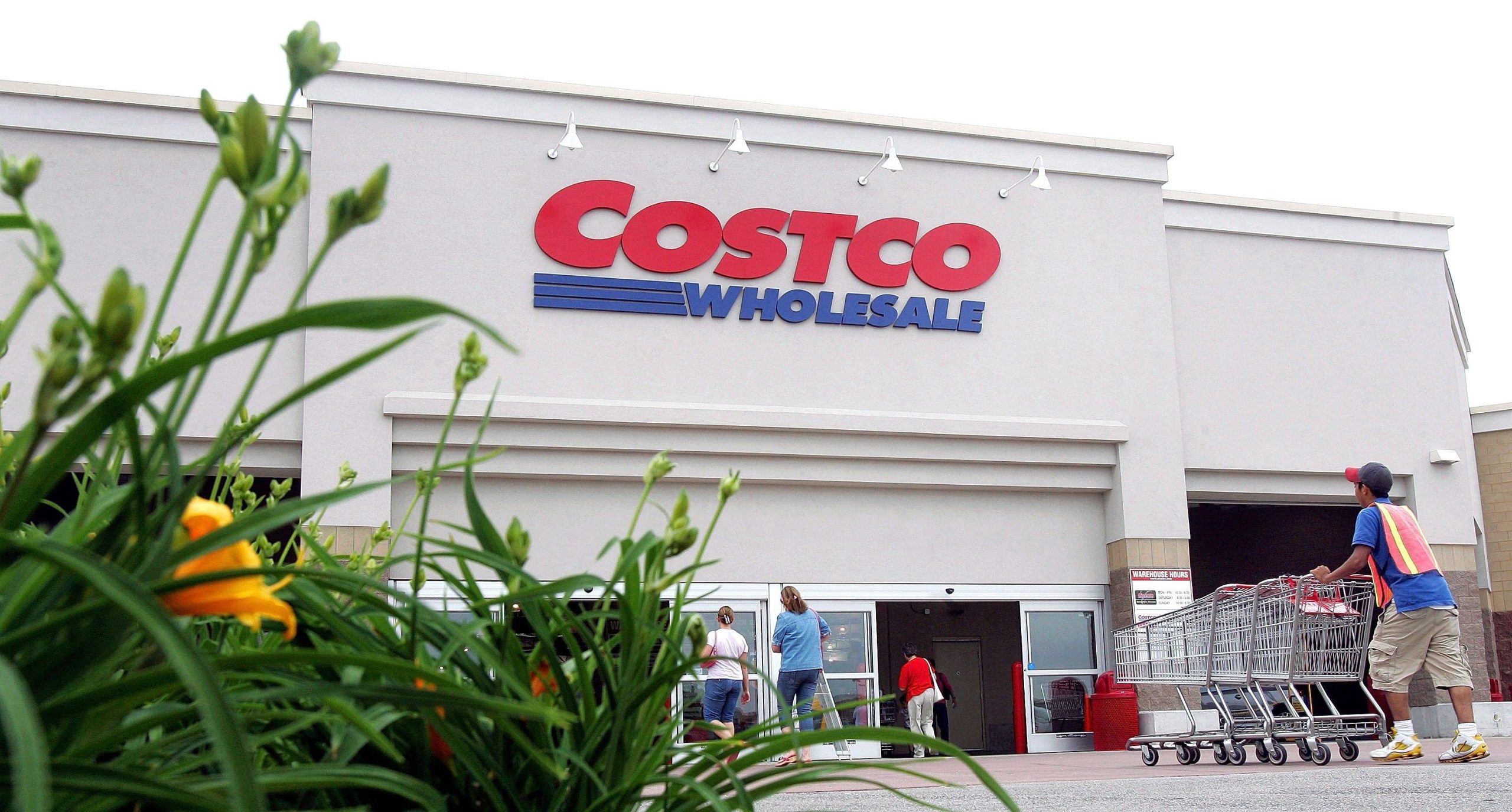
SOUTH WINDSOR, Conn. — Two New York residents face multiple charges after they were arrested at a Costco store here Sunday afternoon for allegedly trying to purchase merchandise with fraudulent credit cards during what police described as part of a serial shoplifting scheme.
Brittany A. Howard, 35, of the Bronx, and Kasheem M. Williams, 34, of Brooklyn, were taken into custody around 3 p.m. at the warehouse club on Tamarack Avenue, according to the South Windsor Police Department.
Officers responded to reports of two individuals actively stealing and attempting to pay at self-checkout using fraudulent cards. Store staff had been alerted that the same suspects had reportedly tried a similar scheme earlier at a Costco location in nearby Enfield.
A search of the suspects’ vehicle turned up 28 stolen financial documents, each bearing different names, along with additional merchandise believed stolen from the Enfield store, police said.
Both individuals had active out-of-state warrants at the time of their arrest. Williams faces an extraditable warrant from Suffolk County, New York, on charges including burglary, strangulation and assault. Howard has an extraditable warrant from Hudson County, New Jersey, related to credit card theft.
The pair now face additional local charges including 28 counts of payment card theft, larceny, identity theft and conspiracy. They were held on $250,000 surety bonds each and were scheduled to appear in Manchester Superior Court.
The incident highlights ongoing challenges retailers face with organized retail crime and identity theft. Costco and other big-box stores have ramped up security measures, including enhanced surveillance and staff training, in response to rising theft trends across the country.
Broader Context of Retail Theft
Retail theft has become a significant issue for businesses nationwide, with organized groups often targeting high-value or easily resold items. Losses from shoplifting and fraud contribute to higher prices for consumers and strain law enforcement resources.
In Connecticut, police departments have coordinated with retailers to share information about repeat offenders. Sunday’s arrests demonstrate how such collaboration can lead to swift intervention.
South Windsor police noted that store employees played a key role by recognizing the suspects from prior alerts. Rapid response prevented further losses at the location, which serves customers across the greater Hartford area.
The use of fraudulent credit cards adds layers of complexity, involving identity theft that can affect victims far beyond the immediate retail setting. Authorities recovered numerous documents, suggesting the operation may have broader implications.
Suspects’ Alleged Pattern
Police described Howard and Williams as suspected serial Costco shoplifters. The proximity of the Enfield and South Windsor locations — roughly a 30-minute drive — allowed the pair to allegedly move between sites quickly.
Investigators are examining whether the duo is connected to similar incidents at other retail outlets. The volume of stolen financial instruments points to a potentially sophisticated approach to obtaining and using others’ information.
Such cases often involve skimming devices, online data breaches or physical theft of cards and documents. Federal agencies like the Secret Service typically investigate larger credit card fraud rings due to the interstate nature of the crimes.
Connecticut has seen increased focus on retail crime, with prosecutors pursuing felony charges to deter repeat offenders. Enhanced penalties for organized retail theft have been discussed in state legislatures across the Northeast.
Impact on Retailers and Consumers
Costco Wholesale Corp., known for its membership model and bulk sales, has invested heavily in loss prevention. The company reports theft as part of its overall shrinkage metrics, which also include employee theft and administrative errors.
Incidents like this one contribute to what industry groups call organized retail crime, estimated to cost billions annually. Retailers pass some costs to consumers through higher prices or reduced services.
Membership warehouses like Costco rely on high-volume, low-margin sales. Theft of even moderate quantities can erode profitability, particularly for high-demand electronics, health products and household goods commonly targeted.
Consumer advocates urge shoppers to monitor accounts closely and report suspicious activity. Using virtual cards or credit monitoring services can provide additional protection against fraud.
Law Enforcement Response
South Windsor police worked efficiently to secure the scene and process evidence. The discovery of warrants added immediate custody justification while opening avenues for extradition proceedings.
Inter-agency cooperation between Connecticut, New York and New Jersey authorities will likely follow as cases progress. Digital forensics on recovered devices may yield further leads.
The $250,000 bond amount reflects the seriousness of the charges, including multiple felonies. Court appearances will determine next steps, potentially including pretrial detention or conditions if released.
Prosecutors will present evidence from surveillance footage, witness statements and physical recovery of goods and documents. Defense attorneys may challenge aspects of the investigation or seek plea negotiations.
Preventing Future Incidents
Retailers continue experimenting with technology solutions such as AI-powered cameras, electronic article surveillance and self-checkout monitoring. Some locations have limited high-value item access or added security personnel during peak hours.
Public awareness campaigns encourage shoppers to report suspicious behavior. Community policing efforts aim to build relationships between stores and local departments for faster response times.
Legislative efforts at state and federal levels seek tougher penalties for organized theft rings. Balancing enforcement with rehabilitation remains an ongoing policy challenge.
For now, the arrests in South Windsor provide a measure of relief to local retailers and serve as a warning to would-be offenders. Police continue investigating the full scope of the alleged activities.
The case underscores the persistent battle against retail fraud in an era of sophisticated criminal tactics. As technology evolves, so do the methods used to combat it, requiring constant adaptation by law enforcement and businesses alike.
Authorities urge anyone with information about similar incidents to contact police. Tips can be submitted anonymously through many departments’ hotlines or online portals.
This incident joins a series of retail theft stories making headlines, keeping the issue in public focus as stakeholders seek comprehensive solutions.
Business
Amazon Stock Rises as Prime Day Success and AWS AI Demand Drive Optimism Ahead of Q2 Earnings

Amazon.com Inc. shares gained more than 1% to trade near $245 Thursday as investors cheered strong early performance from Prime Day sales and continued momentum in the company’s cloud and artificial intelligence businesses.
The e-commerce and technology giant is benefiting from robust consumer spending during its major summer shopping event while its Amazon Web Services division capitalizes on enterprise demand for AI infrastructure. With fiscal second-quarter results scheduled for late July, analysts expect another solid report highlighting growth across retail, advertising and cloud segments.
Amazon reported first-quarter revenue of $181.5 billion, up 17% year-over-year, with AWS posting 28% growth to $37.6 billion — its fastest pace in several years. The performance underscored the company’s dual strengths in consumer retail and high-margin cloud services amid heavy investments in AI capabilities.
Prime Day, traditionally one of Amazon’s largest sales events, has reportedly generated billions in sales this year, building on the company’s dominance in online shopping. Early indicators suggest strong participation from Prime members, who benefit from exclusive deals, fast shipping and digital content perks.
AWS remains a key growth engine, with analysts highlighting accelerating demand for generative AI services. The division’s operating margins have expanded as Amazon optimizes its infrastructure and introduces specialized chips and tools for AI workloads.
The company has committed substantial capital expenditures — projected around $200 billion for the year — to expand data center capacity and support AI training and inference needs. While such spending has pressured near-term cash flow, executives express confidence in long-term returns from increased cloud usage.
Retail Resilience Amid Economic Uncertainty
Amazon’s core e-commerce business has shown resilience despite fluctuating consumer confidence. Improvements in logistics, including expanded fulfillment networks and automation, have helped maintain competitive delivery times and control costs.
Advertising revenue continues as a high-growth, high-margin segment, benefiting from more sophisticated targeting and integration across Amazon’s platforms. Sellers increasingly rely on Amazon’s tools to reach customers, creating a virtuous cycle for the company’s marketplace.
International expansion, particularly in key markets, contributes to overall sales growth even as the U.S. remains the largest contributor. Currency fluctuations and regional economic conditions can impact results, but diversified operations provide some buffer.
Prime membership, with its annual fee and bundled benefits, continues to drive customer loyalty and higher spending. The program underpins much of Amazon’s retail ecosystem, encouraging habitual use of the platform for everyday purchases.
Strategic Investments in Future Growth
Amazon has positioned itself at the forefront of AI innovation through both internal development and partnerships. Investments in custom silicon, such as Trainium and Inferentia chips, aim to reduce reliance on third-party providers while lowering costs for customers.
The company’s logistics network, already one of the world’s largest, incorporates more robotics and machine learning for efficiency gains. These advancements support faster delivery and better inventory management, key differentiators in competitive retail.
Content and entertainment offerings, including Prime Video, continue expanding with original programming and sports rights. Advertising opportunities within streaming further monetize the subscriber base.
Amazon’s bet on physical retail through formats like Amazon Go and Whole Foods integration provides omnichannel presence, though online remains the primary growth driver.
Competitive Landscape and Challenges
Amazon faces stiff competition in cloud computing from Microsoft Azure and Google Cloud, both of which are also investing heavily in AI. Pricing pressure and customer multi-cloud strategies require continuous innovation to maintain market share.
In e-commerce, rivals including Walmart, Shopify-powered merchants and emerging platforms challenge Amazon’s dominance. Regulatory scrutiny over antitrust concerns and labor practices adds another layer of complexity.
Supply chain disruptions, inflation and shifting consumer preferences toward value can impact margins. Amazon has responded with cost controls, efficiency programs and selective price adjustments.
Analysts project mid-teens percentage revenue growth for the full year, with AWS potentially outpacing overall sales. Operating income guidance reflects continued investment but also operating leverage as fixed costs are spread across larger revenue bases.
Outlook and Market Sentiment
Wall Street largely maintains bullish stances on Amazon, citing its diversified business model and leadership in key growth areas. Consensus price targets suggest further upside, though valuations remain premium given the scale.
Short-term focus centers on Prime Day results and any updates on AI deal flow or capex execution. The upcoming earnings report will provide fresh insight into second-quarter trends, including early back-to-school and holiday preparation signals.
Broader technology sector performance influences Amazon’s stock, given its weighting in major indexes. Positive sentiment around AI has provided tailwinds, though concerns over spending levels and return timelines create periodic volatility.
Amazon’s founder and executive chairman Jeff Bezos has maintained significant involvement, while CEO Andy Jassy oversees daily operations. The leadership team has emphasized disciplined capital allocation alongside aggressive innovation.
For consumers, Amazon represents convenience and selection, while for investors it embodies exposure to multiple secular trends: e-commerce penetration, cloud migration and artificial intelligence adoption.
The company’s ability to balance growth investments with profitability has improved over time, though the current AI spending cycle represents a significant commitment. Early indications suggest strong customer uptake, supporting optimism for future returns.
As Amazon prepares for its next earnings release, the narrative remains one of transformation and opportunity. From online bookstore to global technology leader, the company continues evolving to meet changing customer and enterprise needs in an increasingly digital economy.
Apple Inc. shares rose more than 3% to trade near $306 Thursday, extending gains as investors responded positively to recent software advancements unveiled at the company’s Worldwide Developers Conference and ongoing strength in services and hardware sales.
The iPhone maker has rolled out significant updates to its artificial intelligence capabilities, including a major overhaul of its Siri digital assistant, as it seeks to close the gap with competitors in generative AI features. The announcements at WWDC have helped reinforce confidence in Apple’s ecosystem and long-term growth prospects despite a competitive technology landscape.
Apple Intelligence features have expanded across iOS, iPadOS, macOS and other platforms, with enhanced on-device processing for privacy and new capabilities for productivity and creativity. The updated Siri promises more natural conversations, better context awareness and integration with apps and on-screen content.
These developments come as Apple navigates a maturing smartphone market while investing heavily in services, wearables and emerging technologies. The company’s services business, which includes App Store, Apple Music, iCloud and advertising, continues delivering high-margin, recurring revenue.
Fiscal second-quarter results earlier this year showed resilience, with overall revenue growth supported by iPhone sales recovery in key markets and double-digit services expansion. Analysts expect similar trends in upcoming reports, with AI features potentially driving future device upgrades.
Ecosystem Strength and Hardware Momentum
The iPhone remains Apple’s flagship product, with the latest models incorporating advanced cameras, displays and performance improvements. Trade-in programs and financing options help sustain upgrade cycles, while enterprise adoption grows through security and management features.
Apple Watch and AirPods continue contributing to wearables growth, with health tracking and audio innovations keeping the categories vibrant. Vision Pro, the company’s spatial computing device, targets professional and high-end consumer segments despite premium pricing.
Services revenue has become increasingly important, now representing a significant portion of total sales with strong profitability. Subscription growth across music, video, news and fitness platforms provides stable income less susceptible to hardware cycles.
Advertising within apps and search further diversifies revenue streams. Apple has expanded its ad business cautiously while maintaining user privacy standards that differentiate it from competitors.
AI Strategy and Developer Focus
At WWDC, Apple previewed iOS 27 and other operating system updates packed with AI enhancements. New parental controls and child safety features demonstrate the company’s emphasis on responsible technology use.
The focus on on-device AI processing addresses privacy concerns while enabling faster, more secure experiences. Partnerships with other technology firms supplement Apple’s models for complex tasks requiring greater computational power.
Developers gain new tools to integrate Apple Intelligence features into their apps, potentially creating a rich ecosystem of AI-enhanced experiences. This approach leverages Apple’s massive installed base to accelerate adoption.
Cybersecurity remains a priority, with early software updates addressing potential vulnerabilities related to AI features. The company continues investing in robust protections as capabilities expand.
Market Challenges and Global Dynamics
China remains an important but challenging market for Apple, with competition from domestic brands and economic conditions affecting demand. The company has worked to strengthen relationships and localize offerings while navigating regulatory requirements.
Supply chain efficiencies and component cost management help protect margins amid component price fluctuations. Apple’s manufacturing partners continue advancing production technologies for future devices.
Regulatory scrutiny persists globally, particularly around app store policies and digital markets. Apple has adjusted some practices while defending its approach to security and user experience.
Valuation concerns occasionally pressure the stock, given its size and premium multiples. However, consistent cash flow generation and share repurchases provide support.
Financial Performance and Outlook
Apple maintains a fortress balance sheet with substantial cash reserves, enabling investments, dividends and buybacks. Shareholder returns remain a priority alongside research and development spending.
Analysts project steady revenue growth in the mid- to high-single digits for the fiscal year, with services and wearables outpacing hardware. AI features could catalyze a new upgrade super-cycle if consumer reception is strong.
The upcoming holiday season will test demand for new products, including potential hardware refreshes. Back-to-school sales and enterprise deployments provide earlier indicators of momentum.
Apple’s stock performance reflects its status as a bellwether for consumer technology spending. Strong brand loyalty and ecosystem lock-in provide durable competitive advantages.
As the company executes on its AI roadmap, investors will watch for evidence of monetization and user engagement. Early feedback from developers and beta users suggests promising capabilities.
Apple’s evolution from personal computing pioneer to mobile and services leader demonstrates consistent innovation. The current focus on artificial intelligence represents the next chapter in that ongoing transformation.
With Tim Cook at the helm and a deep bench of executives, Apple continues balancing creativity with operational excellence. The coming quarters will reveal how effectively new AI features translate into business results.

Kismet Kebabs remains one of the UK’s largest kebab meat suppliers.
In 2024, the company was accredited by BRCGS (Brand Reputation through Compliance Global Standards), a global food safety standard recognised in 130 countries.
Once BRCGS became aware of court proceedings against Kismet Kebabs, its accreditation was reviewed and last month the firm was found to still be compliant.
In a statement, Kismet Kebabs Ltd said the business was “significantly different” to how it was run five years ago.
“It is important to recognise that the matters in question relate to historical events and do not reflect the standards, systems, management structure, or operational controls that exist within the business today,” a spokesperson added.

The VanEck Semiconductor ETF (SMH), which tracks major chip stocks, fell more than 5%, a day after ending its strongest quarter on record. The index had surged 71% between April and June as investors aggressively bought companies expected to benefit from the artificial intelligence boom.
Memory chip maker Micron led the losses, tumbling 11%, while Intel fell 9% and Advanced Micro Devices (AMD) declined 7%.
The three companies together had added nearly $2 trillion in market value during the second quarter as investors broadened their AI bets beyond Nvidia, expecting rising demand for memory chips and central processors to support future growth.
Selling pressure also spread to semiconductor equipment makers. Lam Research, KLA Corp. and Applied Materials, all of which more than doubled during the second quarter, fell at least 10%.

The weakness came after reports suggested that Meta Platforms may rent out excess AI computing capacity, raising concerns that the rapid expansion of AI infrastructure could eventually lead to excess supply.
The report fuelled speculation that AI computing capacity may be catching up with demand, prompting investors to reassess lofty valuations across the semiconductor sector.Interestingly, Meta’s shares moved in the opposite direction, rising more than 9% after the development was viewed positively by investors. The company is among the largest spenders on AI infrastructure globally, investing billions of dollars annually in data centres and computing hardware.
Analysts at KeyBanc Capital Markets said the move could help Meta expand into the enterprise AI market and generate quicker returns from its infrastructure investments.
Despite Wednesday’s sell-off, many market participants continue to remain constructive on large technology companies investing heavily in AI.
Richard Saperstein, chief investment officer at Treasury Partners, said he continues to favour hyperscalers, arguing that their earnings growth remains strong even as valuations have moderated due to concerns over heavy capital expenditure.
The sharp reversal highlights growing volatility in AI-related stocks after an extraordinary rally, with investors becoming increasingly selective as they look for clearer evidence that massive investments in AI infrastructure will translate into sustainable earnings growth.
U.S. Securities and Exchange Commission chair Paul Atkins discusses the value of Trump investment accounts on Kudlow.
Goldman Sachs on Thursday announced that it will make a matching contribution to Trump Accounts for eligible children of the firm’s employees.
The company will make a one-time matching contribution of $1,000 to employees with children born between 2025 and 2028 upon the time of enrollment in Trump Accounts, matching the $1,000 federal seed contribution.
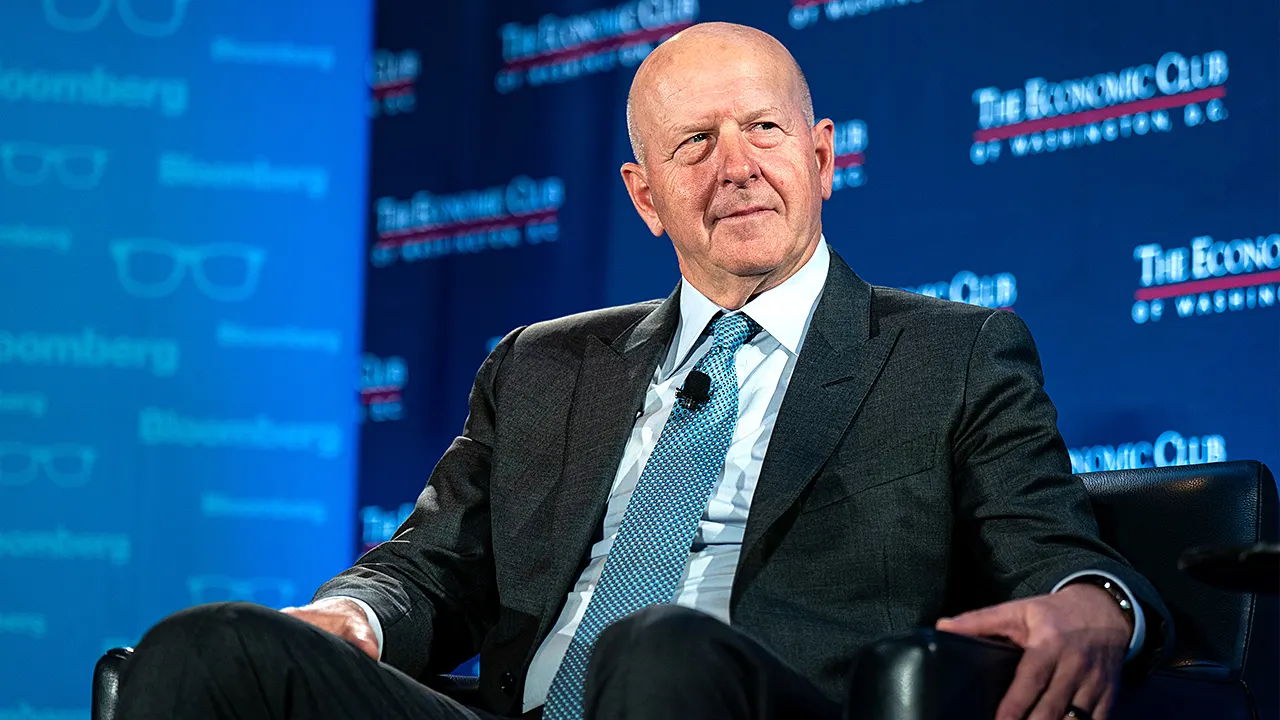
“Starting early and staying invested for the long term is one of the most reliable ways American families build lasting financial security,” said Goldman Sachs CEO David Solomon.
“We have long been committed to the importance of savings and investment as a pathway to a more resilient financial future, and we’re proud to continue our support of this partnership and invest in the future of America,” Solomon added.
WHITE HOUSE UNVEILS TRUMP ACCOUNTS MOBILE APP AHEAD OF JULY 4 ROLLOUT
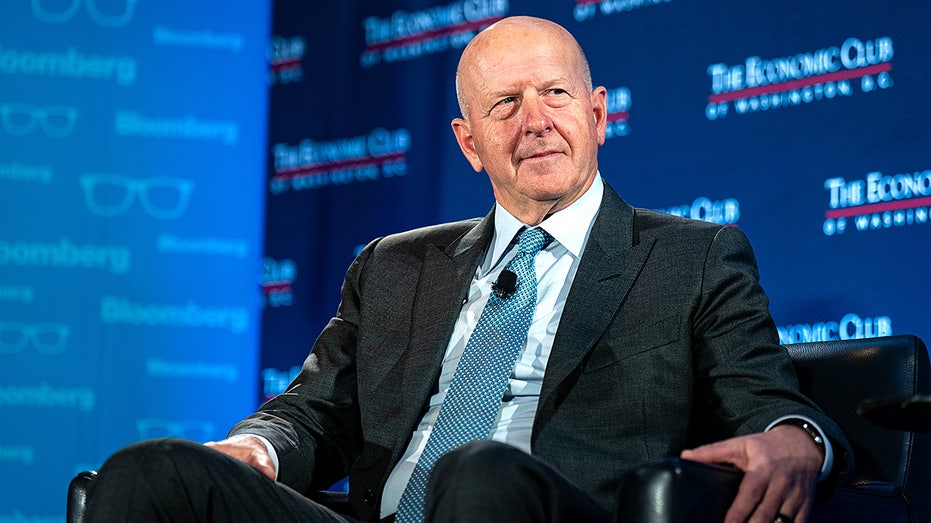
Goldman Sachs CEO David Solomon said that Trump Accounts can help instill savings and investment as financial habits. (Al Drago/Bloomberg via Getty Images)
The company said in a statement that it views the public-private initiative as a way to “instill the fundamental economic principles of savings and investing in America’s next generation.”
With the matching contribution, Goldman Sachs joins the ranks of U.S. companies that have opted to participate in the Trump Accounts program.
HOW TO KNOW IF YOUR CHILD QUALIFIES FOR A TRUMP ACCOUNT: ‘A FINANCIAL STAKE IN THE FUTURE’

Trump Accounts are scheduled to officially launch on July 4. (Valerie Plesch/Bloomberg via Getty Images)
Financial firms including Citi, JPMorgan Chase, Bank of America and Vanguard have all announced that they will make contributions to the Trump Accounts of their employees’ children that at least match the $1,000 federal contribution for children born between 2025 and 2028.
Michael and Susan Dell also announced the donation of $6.25 billion to seed 25 million accounts belonging to children 10 and under with $250 each, providing a boost that includes some children who wouldn’t have been eligible for the federal seed money.
HERE’S HOW MUCH TRUMP ACCOUNT BALANCES COULD GROW OVER TIME

The Trump Accounts app will feature eight exclusive financial literacy modules that families can access before the July 4 rollout. (U.S. Department of the Treasury / Fox News)
Trump Accounts were created by the One Big Beautiful Bill Act, the package of tax cuts and reforms that Republicans passed through Congress and was signed into law by President Donald Trump last year.
The initiative invests the savings in low-cost index funds that provide broad, diversified exposure to the U.S. stock market.
GET FOX BUSINESS ON THE GO BY CLICKING HERE
Parents and guardians may contribute up to $5,000 per year to the accounts belonging to their children, while a parent’s employer can contribute up to $2,500 annually without impacting the employee’s taxable income.

The Dow ended higher, logging its fourth consecutive weekly gain, the longest such streak since October 2024. The U.S. market will be closed on Friday in observance of the U.S. Independence Day holiday.
An index of semiconductors was down sharply for a second day and technology was among the biggest sector decliners in the S&P 500.
Investors are probably taking profits in chip stocks following this year’s strong gains, said Bruce Zaro, managing director at Granite Wealth Management in Plymouth, Massachusetts. “You can really point the finger at the consolidation in the chips,” he said.
Tesla shares fell sharply as well even though the electric carmaker posted second-quarter deliveries above estimates. Tesla shares had risen sharply this week ahead of the report.
The U.S. nonfarm payrolls report showed the economy added 57,000 jobs last month, far below economists’ estimates for a rise of 110,000. The unemployment rate was 4.2%, in line with expectations of 4.3%.
According to preliminary data, the S&P 500 lost 1.53 points, or 0.06%, to end at 7,478.66 points, while the Nasdaq Composite lost 226.28 points, or 0.87%, to 25,813.75. The Dow Jones Industrial Average rose 560.00 points, or 1.10%, to 52,865.24.The employment report followed a run of strong job gains recently. Expectations for a rate hike from the Fed decreased after the report, according to CME FedWatch. For the September meeting, hike expectations dimmed to 55% from 64.1%.
The jobs report “doesn’t mean the fear of inflation is over,” said Adam Sarhan, chief executive at 50 Park Investments in New York. “It just takes the pressure off the Fed to raise rates in the short term.”
Investors have been worried about inflation especially given sharp gains in oil prices tied to the Middle East war. On Thursday, oil prices fell after mediator Qatar said Iran and the U.S. made progress in talks over ending the war.
Among other decliners in stocks, Bending Spoons dropped, a day after the Vimeo owner gained 40% in its debut on the Nasdaq.

Mid Penn Bancorp director Albert Evans buys $9,999 in stock
Form 13D/A Icon Energy Corp For: 2 July


Electric vehicle makers Rivian Automotive and Lucid Group reported second-quarter delivery results Thursday with mixed results.
Rivian raised its 2026 delivery guidance range after seeing stronger-than-expected demand for its electric vehicles during the second quarter, while Lucid missed Wall Street expectations and its new CEO Silvio Napoli announced a shake-up of the company’s leadership team.
Rivian said it now expects to deliver between 65,000 and 70,000 vehicles this year, up from a prior forecast of between 62,000 and 67,000 units.
Rivian stock rose roughly 6% in early trading Thursday.

Rivian, Lucid and Tesla stocks
Rivian also said Thursday it produced 12,613 vehicles and delivered 12,194 units during the second quarter. The second-quarter deliveries are higher than FactSet’s analyst consensus of 11,0000 units and the company’s previous outlook, which called for delivering between 9,000 and 11,000 EVs.
Rivian, which will report its second-quarter financial results July 30, said higher deliveries during the second quarter were driven by its electric delivery van and flagship R1 products.
The company also started delivering its midsize R2 SUV during the quarter. It’s ramping up production of that vehicle at its sole production plant in Normal, Illinois, which has capacity to produce 160,000 of the vehicles annually.
Lucid reported producing 4,774 vehicles and delivering 3,953 vehicles during the second quarter. The deliveries were below Wall Street’s expectations of 5,000 units, according to FactSet.
Along with the deliveries, the company announced a new leadership team under Napoli, who started overseeing the company in June. Lucid said the new format is meant to “simplify the company’s structure” and cuts the number of direct reports to the CEO in half.
Most notably, Lucid Chief Financial Officer Taoufiq Boussaid will leave the company after a handover to his successor, Alexander De Bock, who most recently served as CFO of automotive supplier TI Automotive.
“We are simplifying the organization, strengthening leadership, enforcing accountability and aligning our structure with the priorities that matter most: customers, quality, and innovation,” Napoli said in a release.
EV leader Tesla, meanwhile, reported 480,126 vehicle deliveries for second quarter, topping expectations. The company doesn’t break out exact delivery numbers by region or individual model, but it said its entry-level Model 3 sedan and most popular Model Y SUVs accounted for 467,762.
— CNBC’s Lora Kolodny contributed to this report.

Oldbury stabbing recap: Huge police cordon outside Wetherspoon pub as teen fights for life

Two Arrested at Connecticut Costco in Alleged Fraudulent Credit Card Theft Spree

Claude Fable 5 Backlash Grows as Users Say Anthropic ‘Caged’ Its Flagship AI


-

 Fashion6 days ago
Weekend Open Thread: Staud – Corporette.com
-

 Politics7 days ago
The House | Manchesterism won’t survive the painful trade-offs unless it gets citizens on board
-

 Crypto World3 days ago
Strategy authorizes up to $1.25B in Bitcoin sales under new capital plan
-

 Politics7 days ago
Potential 2028er World Cup attendee leaderboard
-

 Business7 days ago
Asia stock markets slide as tech shares slump
-

 News Videos4 days ago
MAJOR BITCOIN & MARKET UPDATE!!!! (MUST WATCH ASAP!!!)
-

 Crypto World5 days ago
Coinbase, Circle Deepen Crypto Stock Losses Despite Resilient S&P 500
-

 Tech3 days ago
Anonymous researcher drops 0-day ‘exploitarium’ repo
-

 Business3 days ago
Australia treasurer says alleged access of prime minister’s bank data ’incredibly concerning’
-

 Crypto World6 days ago
Kraken's xStocks Opens Bending Spoons IPO Registration to EEA Retail
-

 Crypto World7 days ago
Bitcoin Sparks $600M Hourly Liquidations With $65,000 Set To Become Resistance
-

 Sports6 days ago
FIH Pro League: India defeat Pakistan 7-1, register biggest win of campaign | Other Sports News
-

 Tech5 days ago
Bluekit phishing kit adopts browser-in-the-middle for login theft
-

 Tech5 days ago
Russian hackers now target Signal backup recovery keys
-
 Crypto World6 days ago
Hyperliquid Named on Singapore MAS Investor Alert Register
-

 Crypto World6 days ago
RTX holders must register wallets before token distribution begins
-

 Crypto World7 days ago
Tether (USDT) Passes Ether in Market Cap as ETH Drops Toward $1.5K
-

 Sports1 day ago
Broncos roster: OL Ben Powers (No. 74) entering final year of contract
-
 Business3 days ago
The AI boom won’t burst all at once. It will pop in ‘rolling bubbles’: Macquarie
-

 Tech5 days ago
Silicon Valley paid to kill AI regulation, now it wants the rules back
You must be logged in to post a comment Login