Connect with us

Business

Keeley Dividend ETF Q2 2026 Commentary

Published

on

ETF (Exchange Traded Fund), chart, lines, prices, investment.
Continue Reading
Click to comment

You must be logged in to post a comment Login

Leave a Reply

Business

6 Simple Reasons to Embrace Slow Evenings

Published

on

6 Simple Reasons to Embrace Slow Evenings

That doesn’t have to be the norm. What makes an evening feel rushed isn’t the number of things on the list, but the habit of treating rest as something to fit in only if time allows. A slow evening is the decision to put that habit on hold and let the day close on your terms. Here are six reasons why that decision earns its keep.

  1. Your Mind Gets to Catch Up

Your body doesn’t switch from busy to calm the moment a task is done; it needs a little time to catch up. A slow evening gives you that time by removing the pressure to finish something else before bed. When there’s no rush, racing thoughts about tomorrow’s meeting or an unanswered email tend to quiet down on their own. This matters most on days packed with decisions or deadlines, when your mind stays in problem-solving mode long after the actual problems are gone. A slower evening interrupts that cycle and lets your brain finally clock out.

  1. Small Comforts Feel Bigger

Beyond helping the mind settle, a slow evening changes how ordinary comforts feel. A cup of tea, a warm shower, or a favorite playlist rarely registers as anything special during a rushed week. Once the pressure to be somewhere else disappears, those small comforts stop feeling like consolation prizes and start feeling like the actual point of your evening. This shift is often what separates a restful night from one that simply gets lost in the day. Build small comforts into your nightly routine, and you’ll likely appreciate them more over time.

Free newsletters

The stories that matter to UK business, straight to your inbox.

Advertisement
  1. Screens Become a Choice

That extra room also changes how screens get used. Evenings spent scrolling out of habit rarely feel satisfying, even after hours have gone by. A slower pace encourages entertainment chosen on purpose rather than by default, and what counts as “on purpose” looks different for everyone. You might queue up a show in advance or settle into a few chapters of a book, or you might prefer something with a bit more variety or chance built in. Casual game formats fall into that second group, and titles like Super Ace are a familiar example of something quick to pick up, low-commitment, and built around small bursts of chance. If that sounds closer to what you’re after, a Super Ace guide is worth a look before deciding if that kind of format suits your evening. Either way, the difference isn’t the activity itself; it’s whether you chose it or simply fell into it out of boredom.

  1. Conversations Get Real

The same slower pace creates room for real conversations too. Rushed evenings rarely leave you space for anything beyond logistics, like what’s for dinner or who’s picking up the kids tomorrow. Dinner without a phone on the table, a short call with a parent or a walk with a partner can turn into the kind of talk that usually gets lost during a packed week. These moments don’t need to run long to matter. Ten unhurried minutes with someone you care about often carry more weight than an hour you spend half-listening while multitasking. That kind of attention is hard to fake, and the people you’re with tend to notice when it’s missing.

  1. Having Fun Comes Easy

That openness carries over into entertainment as well. Not every evening needs a project attached to it; some just call for entertainment you genuinely enjoy. A movie, a favorite playlist, or a casual mobile game all fill that role well, sitting alongside reading and other low-key hobbies people use to unwind. Online casino games have become part of that same lineup for many people, offering a quick, low-commitment way to pass an hour without demanding much focus. The point isn’t which option you pick; it’s that the evening asks for enjoyment, not effort.

  1. Sleep Comes Easier

All of this adds up by bedtime. What happens in the hour before sleep shapes how well you rest, and a rushed evening rarely sets the right tone. Dimmer lights, less screen time, and a few unhurried minutes before bed all send a clear signal that rest is coming. Wind down gradually and you’ll likely fall asleep faster and wake up less groggy than if you go straight from a busy task to bed. The effect carries into the next day too, showing up as steadier focus and a calmer start to the morning.

Somewhere along the way, your evenings went from downtime to one more thing to get through before the next demand arrives. A slow evening is simply a choice to let the hours sit still for a while, without rushing them toward anything useful. It doesn’t require much: dim lights, a quiet room, a mind you let wander instead of plan. Not every hour needs a purpose; some are better spent exactly as they are.

Advertisement

Continue Reading

Business

Kendra Stearns Drozd on Career Growth, Consumer Insight and Purposeful Leadership

Published

on

Kendra Stearns Drozd on Career Growth, Consumer Insight and Purposeful Leadership

Drozd grew up in Glencoe, Illinois, where tennis played an important role in shaping her discipline and competitive mindset. She became captain of the varsity girls’ tennis team at New Trier Township High School before being recruited to play at Williams College. She graduated from Williams with a BA in English, along with concentrations in Art History and Psychology.

Her professional career began in advertising in Chicago. As an Account Executive at Lois/EJL, she worked on the local KFC account during a product launch. One memorable assignment involved coordinating a group of costumed Colonel Sanders lookalikes at sporting events and public appearances across the city.

Wanting to move closer to brand strategy and consumer marketing, Drozd later earned her MBA from Northwestern University’s Kellogg Graduate School of Management. She then joined Kraft Foods as a Senior Associate Brand Manager, working on Kraft Singles and FreshPrep.

Free newsletters
Advertisement

The stories that matter to UK business, straight to your inbox.

Advertisement

Kendra Stearns Drozd later moved into executive recruiting with Bloom, Gross & Associates, a boutique firm focused on consumer packaged goods marketing. The position allowed her to combine industry knowledge with her ability to understand people, careers and organisations.

After becoming a mother, Drozd eventually stepped away from full-time corporate work. Today, she remains active in community service and has served as a commissioned Stephen Minister since 2012. Across each stage of her career, her focus has remained consistent: understanding people, building trust and approaching challenges with purpose.

Interview with Kendra Stearns Drozd

You grew up playing competitive tennis. How did that shape the way you approached your career later on?

Tennis taught me discipline very early. I started playing seriously when I was about nine because I knew the high school I would eventually attend was extremely competitive. I played tournaments, took lessons and went to intensive tennis camps. By my senior year, I was captain of the varsity girls’ tennis team and played number two singles.

I later played varsity tennis for four years at Williams College. That experience taught me that progress takes consistency. You don’t improve from one good practice or one good match. You improve by showing up repeatedly, learning from losses and continuing to work. I carried that mindset into school and later into my career.

Advertisement

What first interested you in advertising and marketing?

My dad had a significant influence on that decision. When I was around 19, he introduced me to several women working in business. Seeing their careers helped me understand what was possible. I became interested in advertising and eventually developed a very clear goal of attending business school and working in consumer marketing.

After college, I entered advertising in Chicago. It was a great introduction to the business world because I had to learn how clients, agencies and consumers all interacted.

One of your early advertising stories involved quite a few Colonel Sanders lookalikes. What happened?

I was an Account Executive working on the local KFC advertising account during a product launch. Part of the campaign involved about a dozen costumed Colonel Sanders characters appearing around Chicago, including at sporting events such as Cubs games.

My job included making sure everyone followed the rules. There were guidelines about things such as smoking and drinking while in costume. A few of the Colonels were not always cooperative, so I spent a surprising amount of time managing situations that I never imagined would be part of an advertising career.

Advertisement

It was funny, but it also taught me about execution. A campaign might look simple from the outside, but somebody has to manage all the details behind it.

Why did you decide to pursue an MBA at Kellogg?

I wanted to move from the agency side into consumer packaged goods and brand management. Kellogg was a natural fit because of its strong focus on teamwork and management.

While I was there, I also had opportunities to learn outside the classroom. I helped lead a trip to Japan where we studied the country before travelling there and then worked on a consulting project involving laundry detergent. Experiences like that helped me see how differently consumers can think depending on culture, habits, and environment.

What did you learn from working at Kraft Foods?

At Kraft, I worked as a Senior Associate Brand Manager on Kraft Singles and a dinner kit called FreshPrep. One of the most interesting parts of the role was consumer research.

Advertisement

We did in-home ethnographic research where we observed families going through normal meal routines. Instead of simply asking consumers what they wanted, we watched how they actually behaved.

That was valuable because people don’t always explain their habits accurately. Observing them can reveal frustrations or opportunities that they may not think to mention. It reinforced the importance of staying close to the consumer rather than making decisions from inside an office.

You later moved into executive recruiting. Was that a major change?

It was a change, but there was also a lot of overlap. I joined Bloom, Gross & Associates, which was a boutique, all-women recruiting firm focused on consumer packaged goods marketing.

Because I already understood marketing and brand management, I could speak with candidates and companies from a place of experience. Recruiting also required listening carefully, understanding what motivated people, and identifying whether a person and organisation were truly a good fit.

Advertisement

It was also an unusually flexible working arrangement for that time. I worked from home three days a week, went into the Chicago office one day and had Fridays off. That was long before remote and hybrid work became common.

Was stepping away from full-time work difficult after building that career?

It was a major transition. After my third daughter was born, I decided to focus more of my time on raising my children and being involved in my community.

I don’t think success has to look the same during every stage of life. Earlier in my life, I thought a lot about education and professional goals. Today, I define success much more around happiness, contentment and being present for the people who matter to me.

What qualities from your business career have stayed important to you?

I still believe in being strategic, creative, consumer focused and willing to take calculated risks. I also think perseverance matters.

Advertisement

There have been times in my life when I’ve had self-doubt. One idea I’ve returned to since my tennis years is that your mindset has a major influence on what you attempt. My coach taught us the poem “Thinking” by Walter D. Wintle, which focuses on believing that you are capable before expecting yourself to succeed.

I’ve shared that lesson with my daughters as well. Whether you’re working toward a career goal, recovering from disappointment, or simply trying something difficult, you have to permit yourself to believe that progress is possible.

Advertisement
Continue Reading

Business

Can Runwal Enterprises IPO deliver long-term growth for high-risk investors?

Published

on

Can Runwal Enterprises IPO deliver long-term growth for high-risk investors?
ET Intelligence Group: Runwal Enterprises, a real estate developer, plans to raise ₹500 crore through a fresh issue towards debt repayment. The promoter group’s stake will fall to 84.6% after the IPO from 95.2%. The company has greenfield projects requiring land acquisition, as well as flexible models and asset light models through joint development agreements. Residential projects contributed nearly 94% to sales value in FY26. Nearly two-thirds of the company’s developable area is in Mumbai, signalling geographic concentration. More than 60% of the portfolio comprises upcoming projects, providing revenue visibility. The IPO is priced at the lower end of the peer valuation range. Given these factors, investors with a high-risk appetite may consider the IPO with a long-term view.
Can Runwal Enterprises IPO deliver long-term growth for high-risk investors? <br>ET Bureau

Business

Incorporated in 2016, Runwal Enterprises is a real estate developer with a presence in residential projects across the affordable, mid-income, and luxury segments, along with commercial spaces, retail malls, and educational buildings. As of March 2026, it has 19 completed projects, 28 ongoing projects and 33 upcoming projects. The realtor has a portfolio of 88.4 million square feet (msf) of developable area, which includes 56.4 msf of upcoming projects and 19.9 msf of ongoing projects and 12.1 msf of completed projects.
Read more: Snapdeal parent AceVector raises Rs 189 crore from anchors; Negen, Singularity among top investors

Financials

Revenue from operations increased to ₹1,798.9 crore in FY26 from ₹1,007.8 crore in FY25 though it remained below the ₹2,408.9 crore recorded in FY24. Similarly, net profit surged to ₹185.8 crore in FY26, compared with ₹55.6 crore in FY25 and ₹93.7 crore in FY24. Operating margin before depreciation and amortization (Ebitda margin) improved to 19.4% in FY26 from 8.4% in FY24. Net debt increased to ₹2,778.1 crore from ₹1,631.2 crore while net debt to Ebitda declined marginally to 7.9 from 8.1 in FY26 over FY24. Average sale price was ₹11,366 per square feet in FY26 as against ₹11,754 per square feet in FY25 from ₹9,230 per square feet in FY24.
Read more: The hype, the listing & the lessons: 5 takeaways for investors from the NSE IPO

Valuation

Considering the post-IPO equity and FY26 net profit, the company demands price-earnings (P/E) multiple of 24 compared with 21-73 for peers including Sunteck Realty, Keystone Realtors, Sri Lotus Developers and Realty and Kalpataru. The company’s price-sales multiple works out to be 2.5 compared with 1.7-13.9 for peers.

Continue Reading

Business

Wood River Capital sells $58.1 million of Aspen Aerogels stock

Published

on


Wood River Capital sells $58.1 million of Aspen Aerogels stock

Continue Reading

Business

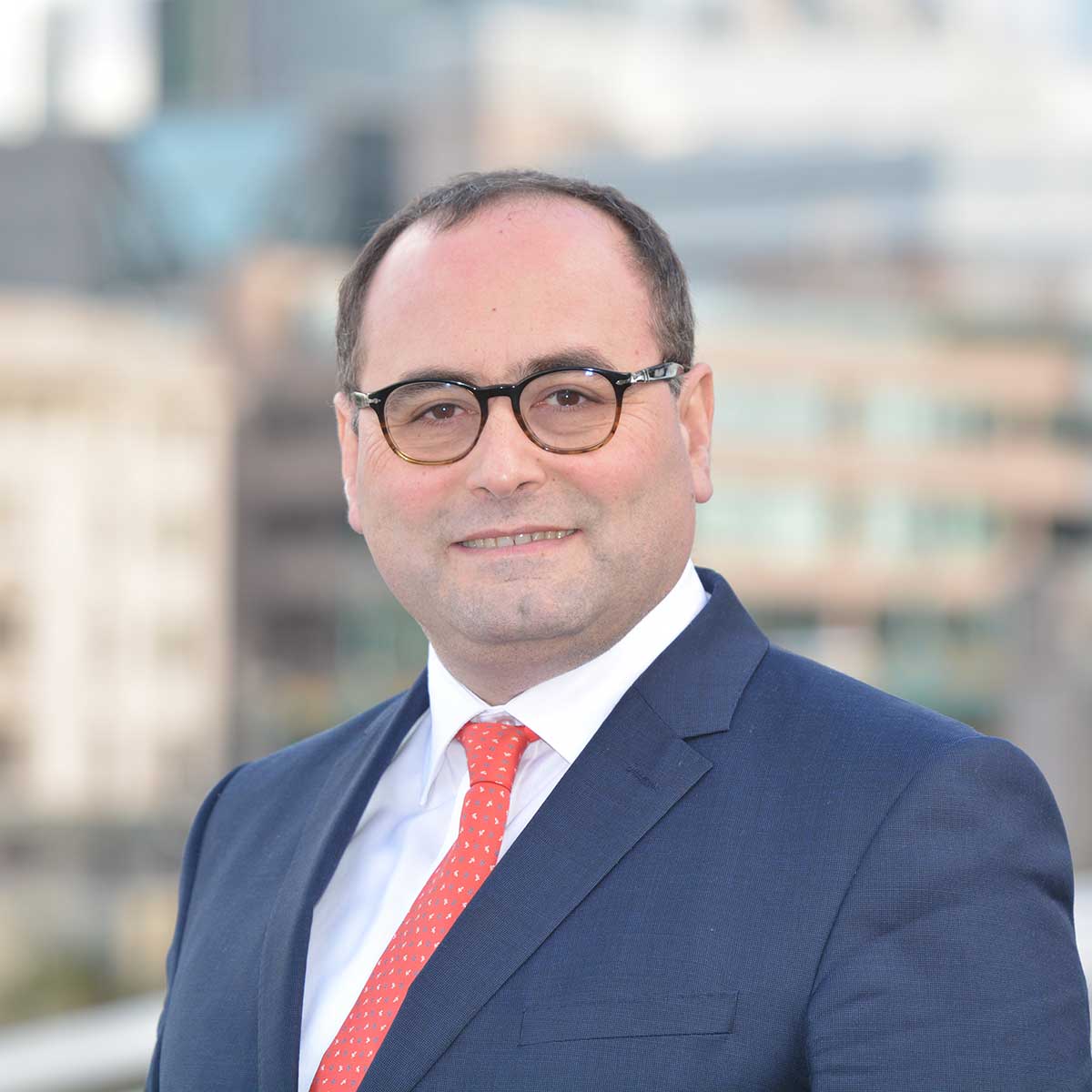
Tratos UK CEO Maurizio Bragagni

Published

on

Tratos UK CEO Maurizio Bragagni

Maurizio Bragagni is chairman and CEO of Tratos UK, the British arm of the family-owned cable maker Tratos Group, which produces energy, telecommunications and specialist cables for customers the company says include National Grid and Network Rail. The group is marking 60 years of cable manufacturing in 2026, a milestone it celebrated at the TOC Europe 2026 exhibition in Hamburg. In the UK, Tratos runs its head office in London, two manufacturing sites in Knowsley, Merseyside, and a fibre optic cable facility in Swindon. He tells Business Matters why getting cables right makes a real difference, what he would change about his approach to digital transformation and why every business should aim for something bigger than making money.

What do you currently do at Tratos UK?

I am the Chairman and CEO of Tratos UK, with leadership responsibilities across the wider Tratos Group. Our business focuses on cable manufacturing, providing solutions used throughout modern infrastructure, and in the UK we make every element of our cables ourselves, from the conductors and insulating compounds to the fibre optics and the finished cable.

My role is to keep the business competitive and innovative while keeping pace with changing customer needs. That covers everything from strategy and business development to stakeholder engagement and long-term planning. On any given day I might be discussing major infrastructure projects with clients, reviewing manufacturing investment, meeting government representatives or working with supply chain partners.

Free newsletters
Advertisement

The stories that matter to UK business, straight to your inbox.

Advertisement

A big focus for me right now is the future of energy. Renewable power, grid modernisation, energy security, transport electrification and industrial decarbonisation are all changing the industry, so I spend a lot of time working on how Tratos can respond to that.

On the other side of that is people. Creating opportunities for our employees and ensuring Tratos grows sustainably are among the most rewarding parts of my role.

What was the inspiration behind your business?

I have always been drawn to businesses that solve practical problems. Cables are maybe not an obvious choice, but they are vital to nearly every aspect of modern life. So when you get cables right, it makes a genuine difference.

At Tratos, we want to create value through manufacturing excellence, innovation and entrepreneurship. That seems like a grand goal for a family-owned business, but I have seen how dynamic entrepreneurial businesses can be. We can move quickly without losing sight of our values, and I think that is really important.

Advertisement

I have also always been interested in international cooperation. Throughout my career I have worked across various countries and cultures, seeing how businesses can unite people, create opportunities and promote economic development, and that has become a priority for Tratos. Industry can play such a vital role in society, creating jobs and building skills as well as making products.

Ultimately, I suppose my inspiration has always been tied to building something lasting. I do not just want success now. I want to build a business that can keep creating opportunities and delivering value for future generations.

Who do you admire?

I admire a lot of people. Those who combine vision with action, like entrepreneurs who show so much resilience, determination and optimism, which is something I think we could all do with more of.

Equally, I admire industrial pioneers, for similar reasons. These are people who have transformed entire sectors through innovation and their willingness to challenge conventional thinking, and we need that to progress. Then there are the leaders who show integrity and courage, because character matters just as much as determination.

Advertisement

There are also the people I have worked with: the engineers, technicians and managers who contribute so much but never get the attention.

Perhaps most of all, I admire those who never stop learning. I am in awe of the people who stay curious and committed to continuous improvement.

Looking back, is there anything you would have done differently?

Like most people, there are many things I would have done differently, but I also try to view mistakes as an opportunity to learn. If I had to choose one thing to change, it would be my approach to digital transformation. Innovation has always been a priority for Tratos, but I was cautious, and there are areas where we would have benefited from adopting new technology more quickly.

Delegation is probably something else I could have learned earlier. I used to want to be involved in everything, but that never works. You achieve far more by building strong teams and trusting them

Advertisement

The same applies to patience. You have to learn to think in the long term if you really want success, and that was hard for me to begin with.

What defines your way of doing business?

I think it is probably “where there’s a will, there’s a way”. Nothing is unattainable if you have enough determination. But it helps if you also have integrity, long-term thinking, innovation and relationships.

Integrity is the foundation of trust, and you cannot succeed without it. Long-term thinking is equally important. It took a while for me to learn this, but you cannot be driven solely by short-term results.

That said, you cannot stand still either, and that is where innovation comes in. Markets change, technologies advance and customer expectations evolve, and you have to keep pace with that.

Advertisement

Finally, relationships are central to everything I do. Strong relationships build trust, foster collaboration and create opportunities. I have always believed in treating people with respect and fairness.

What advice would you give to someone starting out?

The first thing I would say is be ready to work hard. There is no substitute for effort.

Second, never stop learning. Things change so quickly in business, and you cannot afford to fall behind. So read widely, seek advice and stay curious.

I would also say do not fear failure. We learn from mistakes, and what matters is how you respond to them.

Advertisement

Then there is the value of relationships. Networks are not there for personal gain alone; they are built through genuine engagement, mutual respect and trust. But if you put in the effort, the people you know can become invaluable.

Integrity is also important. Protecting your reputation and your principles should always be a priority.

Lastly, think about the future. Legacy seems a long way off when you are just starting out, but your business should mean something more than your personal ability to make money. Aim for something bigger. If you can make a positive difference, you will be much more likely to achieve lasting success.

Advertisement

Continue Reading

Business

Unleashing Urban Productivity: How Thai Cities Can Drive High-Income Growth

Published

on

Bangkok's ultra-wealthy population boom - Thailand Business News

The World Bank urges Thailand to raise Bangkok’s productivity and strengthen secondary cities to boost investment, jobs, and national resilience. Thailand can accelerate its transition to a high-income economy if it unleashes the full productive potential of its cities, according to a new World Bank report.

Key Takeaways

  • The World Bank report Thailand Cities of the Future highlights that unleashing urban productivity is essential for Thailand to achieve high-income status by 2037.
  • Bangkok currently drives nearly half of the national output but faces mounting challenges from congestion, climate risks, and high urban costs.
  • To ensure sustainable growth, Thailand must complement Bangkok’s economic anchor role by strategically investing in secondary cities, improving infrastructure, and fostering better coordination between local and national governments

The study Thailand Cities of the Future: Urban Foundations for a High-Income Economy argues that the country’s economic growth is already concentrated in urban areas and that improving their productivity will be essential to meet the goal of achieving high-income economy status by 2037. According to the paper, about 89% of gross domestic product growth recorded between 2010 and 2020 came from urban districts. However, the country will need an annual per capita GDP growth of approximately 5.4% over the next decade to close the gap and reach its high-income target.

“Building Thailand’s cities of the future is not simply an urban planning agenda. It is an agenda for growth, competitiveness, jobs, and resilience,” said Stephen N. Ndegwa, World Bank Country Director for Thailand and Myanmar. The report suggests that Bangkok must continue to function as the main national economic anchor, but argues that secondary cities need to take on more relevant and complementary roles. The goal would not be to displace the capital, but to build a more balanced urban network.

Bangkok concentrates the economy

The capital generates nearly half of the national output and is almost 27 times larger than Chiang Mai, the country’s second city. This concentration has favored Thailand’s economic development, but has also created ever-increasing costs. Congestion accounts for between 7% and 10% of Bangkok’s gross regional product every year. At the same time, climate risks, pressure on infrastructure, and rising housing costs complicate the capital’s ability to maintain its pace of expansion.

The World Bank believes the question is no longer choosing between Bangkok and secondary cities. The priority is to establish a more efficient economic division: a productive and connected capital, supported by cities with their own specializations, better infrastructure, and the capacity to attract investment.

Advertisement

The report warns that many Thai cities have not yet reached the scale or productivity needed to become regional engines of growth. The problem is not limited to a lack of infrastructure. It also includes fragmented planning, weak coordination among agencies, and funding that does not always match the economic strengths of each territory.

The World Bank proposes concentrating investments in places where they can reinforce each other. A city with tourism potential, for example, not only needs new roads or airports. It also requires digital services, urban management, workforce training, climate resilience, and efficient connections with suppliers and markets.

“The key is to invest more strategically,” said Poon Thiengburanathum, Deputy Director of Strategic Planning and Management of the Program Management Unit for Area-Based Development.

The institutional challenge

Urban transformation will also depend on the ability of local and national governments to work in a coordinated manner. A city may receive new infrastructure and still fail to generate growth if it lacks planning, talent, efficient transportation, or institutions capable of executing projects.

Advertisement

The report was prepared by the World Bank together with the Program Management Unit on Area-Based Development and the Urban Design and Development Center. The study gathers international, national, and local knowledge on the challenges and opportunities of Thai urban development.

Bangkok will remain indispensable, but its size no longer guarantees a limitless advantage. Congestion, climate, and urban costs are turning economic concentration into a vulnerability. The alternative proposed by the World Bank is not to abandon the capital, but to build a network capable of making Chiang Mai and other cities play stronger economic roles.

For Thailand, the 2037 goal will depend less on a single megacity and more on the ability to connect urban centers with clear objectives, coordinated investments, and differentiated economic responsibilities. If the country succeeds in doing so, its cities could become the engine of a high-income economy. If not, Bangkok’s congestion and the untapped potential of secondary cities will continue to be a drag on the next phase of development.

Advertisement
Continue Reading

Business

Sebi approves new rules to widen investment avenues

Published

on

Sebi approves new rules to widen investment avenues
Mumbai: The Sebi board on Thursday approved new regulations for portfolio managers, allowing investment in foreign securities, and a revamped settlement framework, while permitting foreign portfolio investors to participate in a wider range of exchange-traded commodity derivatives.

Under the new rules, the regulator would be introducing a portfolio manager route for investing in mutual fund units, enabling portfolio managers to invest clients’ funds in direct plans of mutual funds, including ETFs, index funds and specialised investment funds. The minimum ticket size would be ₹25 lakh, while fixed management fees would be capped at 1% of client assets under management(AUM).

“The introduction of PRIM – allowing portfolio managers to offer mutual fund and SIF-based strategies – meaningfully widens access and brings more investors into a well-regulated, professionally managed framework,” said Vikas Khemani, founder, Carnelian Asset Managment.

Read more: Sebi clears PRIM route for PMS players to invest in mutual funds, SIFs; Rs 25 lakh minimum ticket

The regulator would also allow portfolio managers to invest in initial public offerings and primary issuances in the debt market. They would also be allowed to invest up to 10% of a client’s AUM in investment grade, non-convertible unlisted debt securities under discretionary PMS(portfolio management services).

Advertisement


Vikas Khemani said this gives managers flexibility to construct better risk- adjusted portfolios.
The framework provides greater flexibility for investment in exchange-traded derivatives, allowing exposure of up to 1.25 times the client’s AUM. It also permits investment in foreign securities under discretionary and non-discretionary PMS, including listed equity and debt, REITs, overseas mutual funds, exchange-traded funds, index funds and foreign government debt.Anshul Sharan, co-founder and chief executive of Ametra PMS said, the expanded investment universe would significantly broaden the reach of PMS.

Read more: Sebi board approves FPI play in non-agri commodity derivatives, expands scope of PMS

The new PMS framework also introduces independent fund managers who can manage client portfolios in association with registered portfolio managers. The registered portfolio manager will retain full responsibility and liability for the activities of the independent fund manager.

Aditya Agarwal, co- founder of Wealthy.in, a wealth management platform said, the new avenues would open up a wider set of people being able to offer fee based management of fund portfolios which was previously available only to investment advisers.

The Sebi board also approved significant changes to the Settlement Regulations, introducing a formula-based approach to settlement amounts, comprising a base amount linked to the minimum penalty prescribed under securities laws, adjusted for factors including the stage of proceedings, regulatory action, gravity, aggravating and mitigating circumstances, along with legal costs.

Advertisement

The framework expands access to settlement by introducing a settlement notice before a show-cause notice, giving entities 60 days to apply, while the period for filing an application after a show-cause notice has been increased from 60 to 90 days. It also introduces a fast-track route for certain cases, including those where the settlement amount does not exceed ₹10 lakh.

The new rules provide for settlement of cases involving misrepresentation of financial statements and diversion or siphoning of funds, subject to appropriate remedial and regulatory terms, including disclosures and bringing back diverted funds.

“In the recent past, there has been significant concern that settlements involving technical and minor violations resulted in large settlement amounts, causing such settlements to fail,” said Tomu Francis, partner, Khaitan & Co.

“If this issue is addressed, as appears to be the intent of Sebi, we could see a significant increase in the number of settlements. This, in turn, would help free up the bandwidth of adjudicating officers to focus on more important matters,” Francis said.

Advertisement

Sebi also approved wider participation by FPIs (foreign portfolio investors) in exchange-traded commodity derivatives. FPIs would be permitted to trade in non-agricultural index derivatives, irrespective of whether the underlying is cash-settled, as well as non-cash-settled non-agricultural commodity derivatives.

Add ET Logo as a Reliable and Trusted News Source

Continue Reading

Business

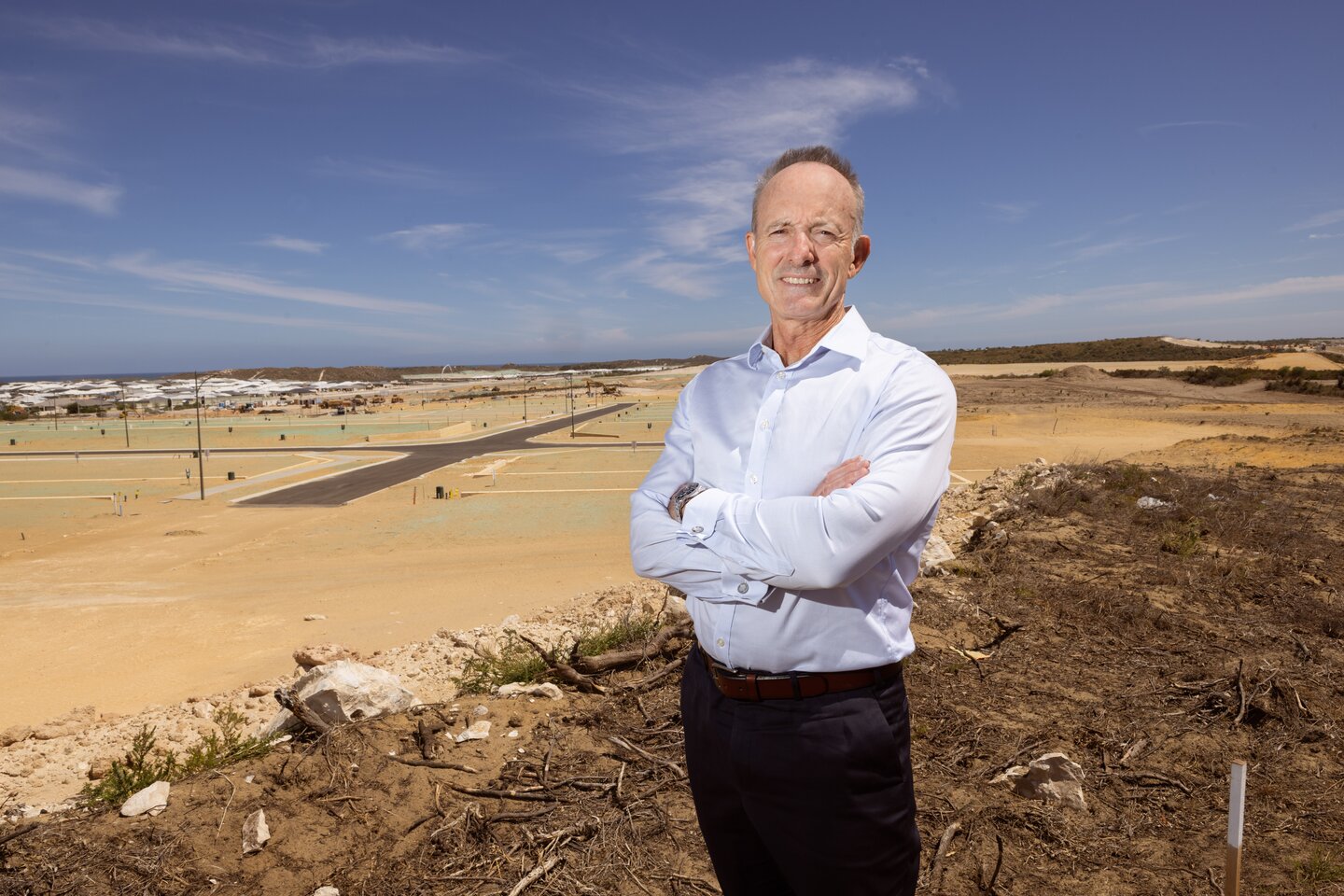
Satterley appoints Ben Rosser, restructures

Published

on

Satterley appoints Ben Rosser, restructures

The West Perth-based land developer is making some changes at the top of its business as it continues its expansion into commercial property.

Continue Reading

Business

Akamai Technologies, Inc. (AKAM) Discusses Landmark Multi-Billion Dollar Cloud Infrastructure Contract and Impact on Business Growth Transcript

Published

on

OneWater Marine Inc. (ONEW) Q1 2026 Earnings Call Transcript