

Business
LGI: A Good Fund, But The Price Is Questionable



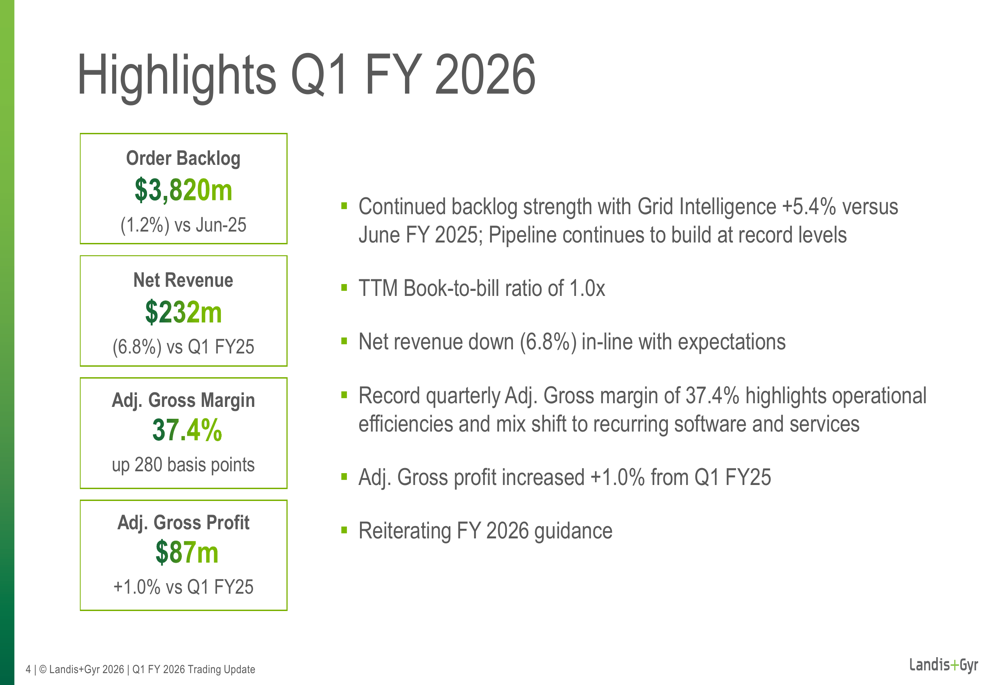
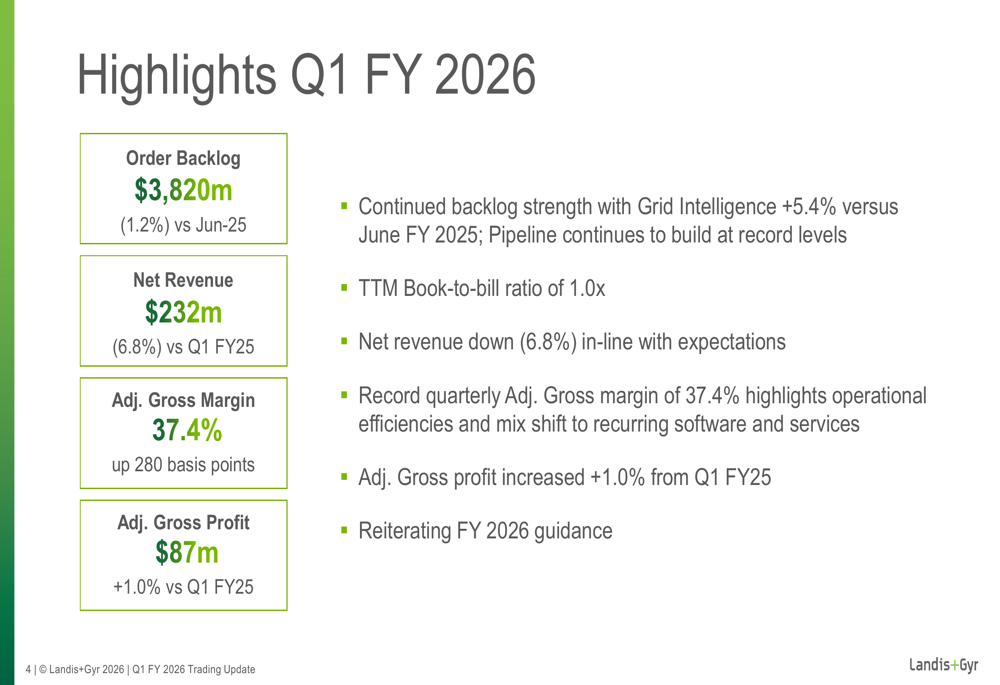
Landis+Gyr Q1 FY26 slides: record 37.4% margin offsets revenue dip
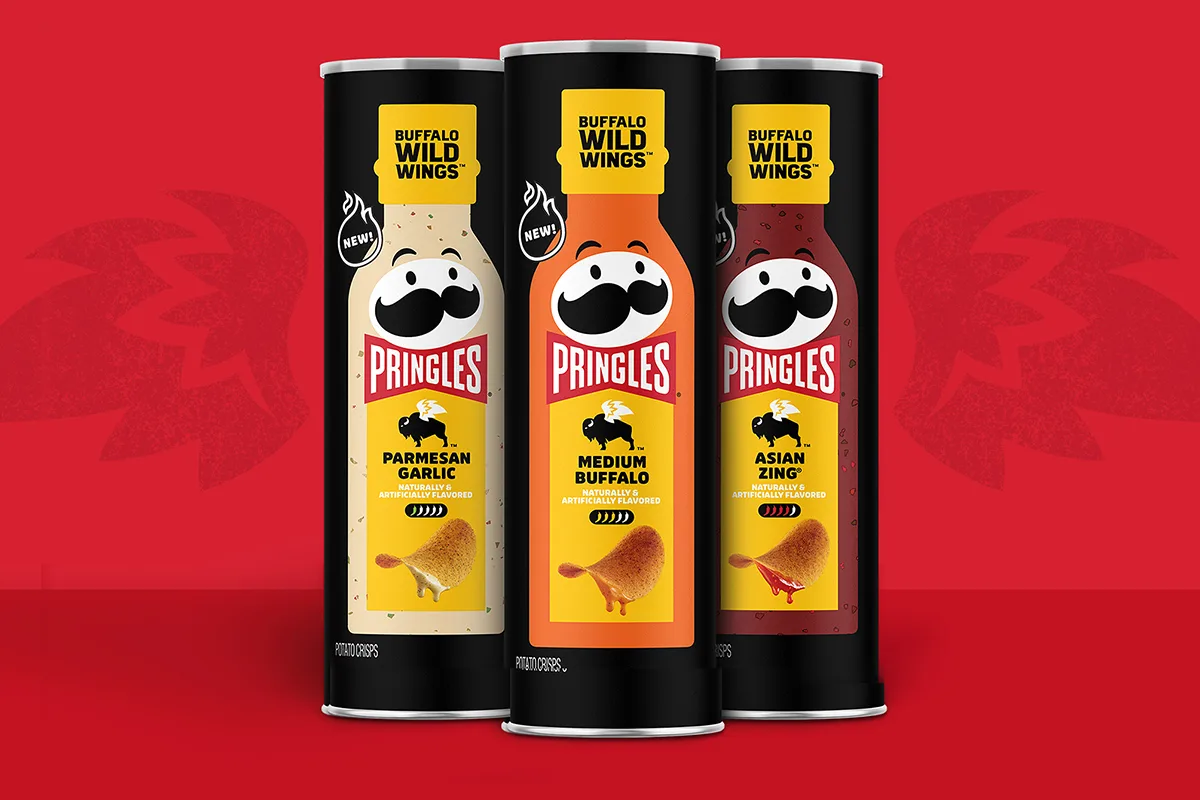

The lineup features three Buffalo Wild Wings sauce-inspired Pringles varieties.
The fall wiped out more than $23 billion in market value of the company.
Although Corning beat second-quarter Wall Street expectations for both earnings and revenue, its forward-looking guidance underwhelmed investors.
The company projected third-quarter core sales of $4.9 billion to $5.0 billion, falling slightly short of analyst forecasts.Investors noted a subtle deceleration in the company’s vital optical communications segment, which grew 32% in Q2 compared to 36% in the prior quarter. This raised fears of a near-term slowdown in capital expenditures from major wireless carriers.

Corning’s stock had more than doubled over the past year due to heavy artificial intelligence infrastructure hype. This rapid surge led analysts to warn of an unsustainable and “onerous” valuation, leading to a pullback.The stock has fallen approximately 12.7% in the last 3 months, risen over 65% in 6 months and surged up to 176% in the last one year, followed by a pull back.
Corning Incorporated is a major American technology company that specializes in specialty glass, ceramics, and optical physics. Corning is famous for creating products like Gorilla Glass for mobile phones, optical fiber, and laboratory equipment.
Before the July 28 crash, the company’s market capitalisation stood at $126.21 billion.

NORTH CHICAGO, Ill. — Shares of AbbVie Inc. advanced 3.2% in morning trading Tuesday, reaching a fresh 52-week high as investors positioned ahead of the company’s second-quarter earnings report and continued to focus on the strength of its immunology portfolio and recent pipeline moves.
AbbVie stock rose $8.20 to $265.05 as of 11:16 a.m. EDT, extending a multi-month rally that has lifted the shares more than 30% over the past three months. The move pushed the stock into new high territory amid elevated interest in the company’s key growth drivers, Skyrizi and Rinvoq, and anticipation of results due Friday, July 31.
The pharmaceutical company is scheduled to report second-quarter 2026 financial results before the market opens on July 31, followed by a conference call. Analysts are watching for updates on revenue growth, the performance of its immunology franchise, and any further commentary on full-year guidance after an earlier adjustment related to acquired in-process research and development expenses.
In the first quarter, AbbVie delivered worldwide net revenues of $15.0 billion, up 12% on a reported basis and 10% on a constant-currency basis. Adjusted earnings per share came in at $2.65, exceeding the consensus estimate of $2.59. The company raised its full-year adjusted EPS guidance at that time.
Chairman and Chief Executive Officer Robert A. Michael said at the time: “AbbVie is off to an excellent start to the year, with first quarter results exceeding our expectations across our diverse portfolio. We are delivering top-tier growth and continue to strengthen our long-term outlook with pipeline advancements and strategic transactions.”
Skyrizi and Rinvoq have remained central to the growth story as AbbVie works through the ongoing erosion of Humira sales following the loss of exclusivity. The two immunology products have driven substantial share gains in their respective markets and have helped the company return to overall growth faster than many initially expected after the Humira patent cliff.
In June, AbbVie announced an agreement to acquire immunology-focused biopharma company Apogee Therapeutics in a deal valued at approximately $10.1 billion net of cash. The transaction, expected to close in the third quarter, was viewed by investors as a meaningful addition to the pipeline and contributed to a sharp one-day gain in the stock at the time of announcement. The company has continued to pursue earlier-stage assets aimed at supporting growth into the next decade.
Earlier in July, AbbVie updated its guidance to reflect acquired IPR&D and milestones expense of $291 million pretax in the second quarter, an unfavorable impact of 17 cents per share on both GAAP and adjusted non-GAAP diluted EPS. As a result, the company guided second-quarter adjusted diluted EPS to a range of $3.57 to $3.61 and full-year 2026 adjusted diluted EPS to $13.91 to $14.11, incorporating the second-quarter charge. The prior full-year range had been higher before the adjustment for the IPR&D expense.
Despite the guidance revision linked to the accounting impact of recent transactions, institutional interest has remained firm and several analysts have maintained or raised price targets. Consensus ratings lean toward Buy, with average targets clustered near current levels and some higher estimates reflecting confidence in the long-term trajectory of Skyrizi, Rinvoq and the broader pipeline.
AbbVie has emphasized its focus on building a diversified portfolio that includes immunology, oncology, neuroscience and other areas. Management has pointed to a clear line of sight to growth through the 2030s supported by on-market products and emerging assets. Recent business development activity has included investments in platforms spanning in vivo CAR-T, next-generation approaches in depression, multiple myeloma and obesity, among others.
The stock’s advance on Tuesday occurred on relatively light volume compared with recent averages, suggesting the move was driven more by positioning and broader sentiment toward defensive growth names in healthcare than by a single discrete catalyst. AbbVie continues to return capital to shareholders through a substantial dividend, currently yielding about 2.6% on an annualized basis following the most recent quarterly declaration of $1.73 per share.
Market participants will scrutinize Friday’s results for sequential trends in Skyrizi and Rinvoq sales, any commentary on competitive dynamics in immunology, progress on the Apogee integration timeline, and whether underlying operational performance supports confidence in the adjusted full-year outlook after the IPR&D adjustment. Oncology and other therapeutic areas will also draw attention as investors assess the balance of the portfolio beyond the two largest growth drivers.
AbbVie, spun off from Abbott Laboratories in 2013, has grown into one of the largest pure-play biopharmaceutical companies by market capitalization, currently valued near $470 billion. Its strategy has centered on replacing the Humira franchise with a broader set of high-growth assets while investing in research and development and selective acquisitions to extend the growth runway.
The shares have benefited this year from a combination of solid operational execution, successful pipeline advancement and a favorable valuation relative to some high-growth peers in the sector. The approach of the second-quarter report has added an incremental catalyst for trading activity as investors look for confirmation that the momentum observed in the first quarter has continued.
Analysts have noted that sustained double-digit growth in the key immunology products would reinforce the investment case even after accounting for the temporary impact of IPR&D charges. Free-cash-flow generation remains a core strength, supporting both reinvestment in the pipeline and ongoing capital returns.
As the market awaits the detailed numbers and management commentary later this week, Tuesday’s gain left AbbVie trading at the upper end of its recent range and near all-time highs on a split-adjusted basis. The performance underscores investor focus on the company’s ability to execute through the post-Humira transition and to convert pipeline opportunities into future commercial successes.
Trading in the broader healthcare sector provided a constructive backdrop, with several large-cap pharmaceutical and biotech names also advancing. For AbbVie specifically, the combination of near-term earnings visibility, the strategic Apogee transaction and continued strength in its core growth brands has kept the stock in favor among investors seeking exposure to large-cap biopharma with a mix of established cash flows and pipeline optionality.
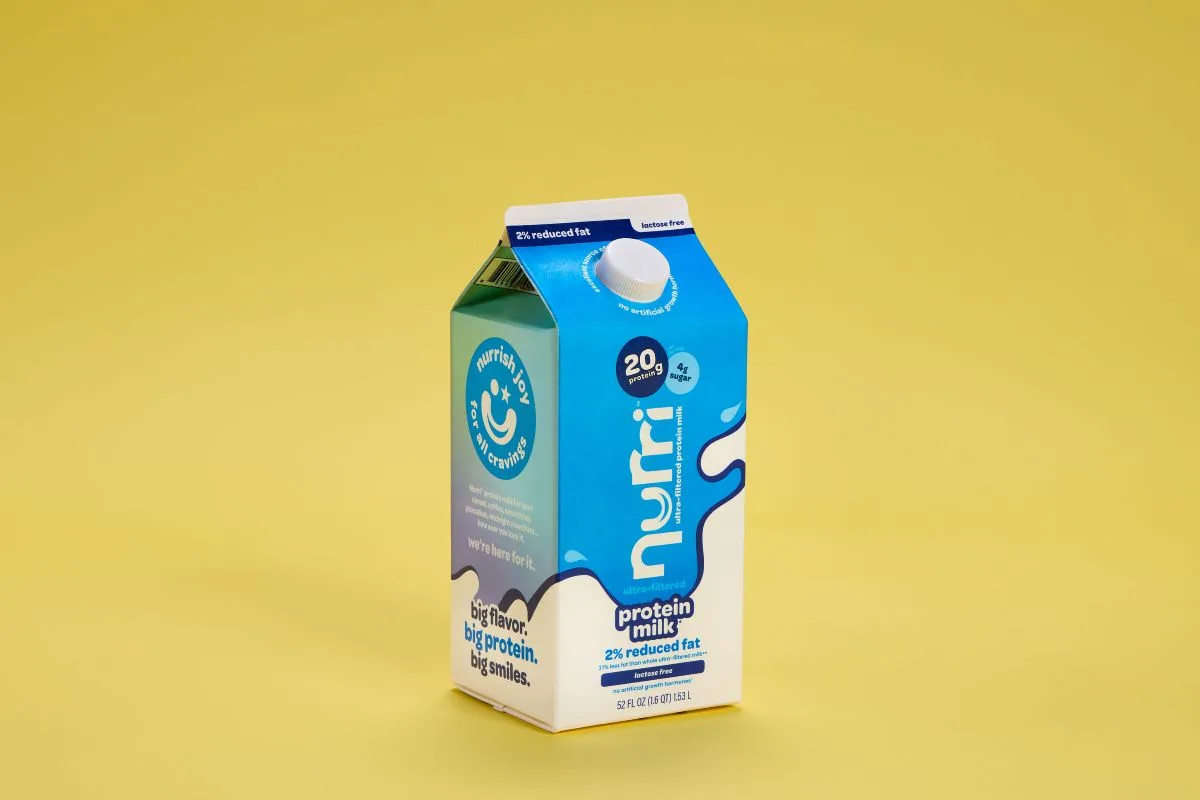

The milk is offered in four varieties.
Business
7 Fruits That Naturally Lower High Blood Pressure, According to Cardiologists and the Latest Research
Nearly half of American adults have high blood pressure, and most don’t know it. The condition rarely causes symptoms, but over time it damages blood vessels, strains the heart and raises the risk of stroke and kidney disease. Doctors have long pointed to salt as the main dietary culprit. Increasingly, though, researchers are focused on the other side of the equation: potassium, and the fruits that deliver it.
The science centers on a simple ratio. Sodium and potassium are electrolytes that regulate how the kidneys manage fluid and how blood vessels contract and relax. Too much sodium, or too little potassium, throws that balance off and pushes blood pressure up. New research suggests correcting the ratio by adding potassium-rich fruit may matter as much as cutting salt.
A 2025 study in the American Journal of Physiology-Renal Physiology built computer models simulating how the kidneys, hormones and cardiovascular system respond to different levels of sodium and potassium intake in men and women. The researchers found that boosting potassium significantly lowered blood pressure in both sexes. Anita Layton of the University of Waterloo, one of the study’s authors, said the findings point to a shift in how patients might be counseled. “Our research suggests that adding more potassium-rich foods to your diet such as bananas or broccoli might have a greater positive impact on your blood pressure than just cutting sodium,” Layton said.
Here are seven fruits nutrition experts and recent studies say can help.
Bananas. The fruit most associated with potassium remains a go-to recommendation. A single medium banana provides roughly 400 to 450 milligrams of potassium, along with fiber and a small amount of magnesium. Cardiologist David Sabgir said the mineral works directly against sodium’s effects on the circulatory system. “Bananas are a good source of potassium, which has been shown to help manage hypertension and is recognized for its ability to reduce the effects of sodium in the body and to alleviate tension in the walls of the blood vessels,” Sabgir said. Doctors caution that bananas aren’t a substitute for prescribed medication, and people with kidney disease should talk to a physician before significantly increasing potassium intake, since excess levels can be dangerous.
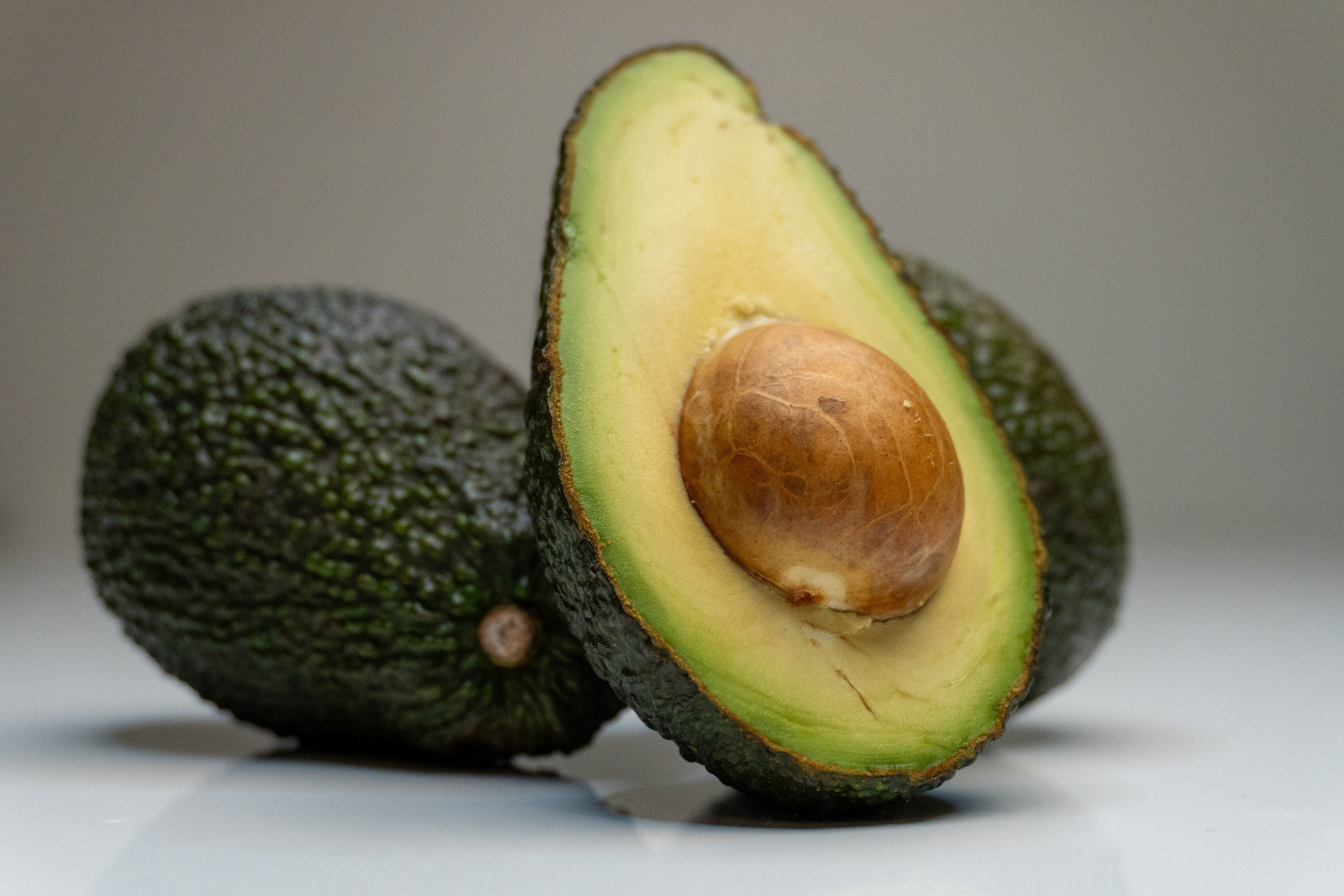
Avocados. Avocados combine potassium, magnesium, fiber and mostly unsaturated fat — a nutritional profile that fits well into heart-healthy eating patterns. One avocado contains roughly 690 milligrams of potassium and 9 grams of fiber. A 2023 study found women who ate five or more servings of avocado per week had a notably lower rate of hypertension than those who ate less. Registered dietitian Jessica Brantley-Lopez said the fruit’s benefit comes from more than one nutrient working together, since fiber and unsaturated fats have both been linked to cardiovascular health. Swapping avocado for saturated-fat-heavy toppings, like creamy sauces or processed meats, is one way dietitians suggest working it into meals.
Berries. Blueberries, raspberries, blackberries and strawberries all contain anthocyanins, plant pigments researchers believe help blood vessels relax and function more efficiently. Registered dietitian Erin Palinski-Wade said the effect shows up in clinical studies of people already at risk for hypertension. “Studies show that adults at risk for hypertension who regularly eat berries see about a two- to three-point reduction in blood pressure,” she said. Sabgir pointed to the same class of compounds, noting research has tied higher intake of anthocyanins to a reduced risk of heart disease.
Kiwi. Two medium kiwis can supply several hundred milligrams of potassium along with vitamin C, fiber and antioxidant compounds. Some studies have linked regular kiwi consumption to modest improvements in blood pressure and blood vessel function, though researchers caution the evidence base remains limited and it’s premature to describe the fruit as a treatment on its own.
Pomegranate. Pomegranate delivers potassium, fiber and polyphenols that scientists are studying for their effects on blood vessels and oxidative stress. A meta-analysis of 22 randomized trials published in 2024 found a statistically significant drop in blood pressure readings among people who consumed pomegranate products, whether as fruit or juice, though the studies varied in dosage and length. Pomegranate juice alone provides more than 500 milligrams of potassium per cup.
Citrus fruits. Oranges and grapefruit have drawn particular attention from researchers studying dietary patterns rather than single nutrients. A 2021 review of a decade of research found that eating roughly 530 to 600 grams of fruit daily — about the equivalent of four oranges — was associated with better blood pressure management, and citrus fruits specifically were linked to lower blood pressure. Drinking orange or grapefruit juice may offer similar benefits, but grapefruit can interact with common blood pressure medications, so doctors recommend checking with a physician before adding it regularly.
Mango. Mango is a newer addition to the list. One mango provides about 564 milligrams of potassium, 5 grams of fiber and 34 milligrams of magnesium. A small 2022 study found that participants who ate about 1.5 cups of mango daily for eight weeks saw their systolic blood pressure drop by roughly 3.5%. Researchers note the study was small and say larger trials are needed to confirm the effect.
Doctors emphasize that no single fruit works like a medication, and the benefits shown in these studies come from consistent, long-term eating patterns rather than occasional servings. The World Health Organization recommends increasing dietary potassium as one strategy for lowering blood pressure in adults, alongside reducing sodium, maintaining a healthy weight and staying physically active. Whole foods — fruits, vegetables, legumes and nuts — remain the preferred source of potassium over supplements, which can pose risks for people with kidney problems or those on certain heart medications.
For most adults, working more of these fruits into daily meals is a low-risk change with research increasingly on its side. Still, health officials stress that anyone diagnosed with hypertension should treat diet as a complement to medical care, not a replacement for it, and should consult a doctor before making major changes to their potassium intake.

Coca-Cola lifted its 2026 organic revenue growth forecast to about 5% from 4%–5% and raised its comparable earnings-per-share growth outlook to 9%–10% from 8%–9%.
The second-quarter net revenue rose 7% to $13.37 billion, ahead of analysts’ estimate of $13.16 billion, while organic revenue grew 6% according to LSEG data. Growth was supported by strong demand for zero-sugar drinks, price increases and smaller, more affordable pack sizes aimed at cost-conscious shoppers. Ready-to-drink teas and fairlife products also lifted sales.
Coca-Cola’s FIFA World Cup boost
Coca-Cola, FIFA’s long-standing official beverage sponsor, said its World Cup 2026 campaign contributed to volume growth of 5% for Trademark Coca-Cola and 8% for Powerade during the quarter ended July 3.
Hydration breaks, which divided matches into four segments, created additional advertising opportunities for sponsors and broadcasters such as Fox. They also helped boost Powerade sales, even as some fans complained that the stoppages disrupted the flow of play.
“We were not unhappy with them in the World Cup,” Chief Financial Officer John Murphy told Reuters, adding that it remained unclear whether the breaks would become a permanent feature of the sport.
The performance came despite a broader pullback in discretionary spending, particularly among lower-income US consumers. Demand for Coca-Cola’s zero-sugar sodas remained resilient, while smaller pack sizes helped keep products affordable for budget-conscious buyers.
On costs, Coca-Cola said in April that it was working with bottling partners to limit the impact of the conflict involving Iran after locking in lower prices for some inputs before the disruption began. With the conflict continuing, several companies, including PepsiCo, have warned of higher input-cost inflation during the second half. Murphy said Coca-Cola would provide more details about its 2027 cost outlook in October.
Coca-Cola shares have gained about 20% this year, outperforming PepsiCo, which has also been hurt by weak US snack demand in recent quarters.

Trump admin’s proposed prediction market rule faces public pushback

Three Prices Where SpaceX Stock Is a Buy
Former FCC officials oppose early review of Disney-owned ABC licenses

The Clarity Act failed to drive up BTC, ETH prices; how EX DeFi enabled holders to earn $70,000 monthly

Reform quibble ‘Nazi’ label after councillor speaks at violent ‘Unite the Clans’ rally

10 big PGA Tour names sit on 2 different bubbles of the playoffs


-

 Fashion4 days ago
Weekend Open Thread: Brooks Brothers
-
 Business7 days ago
New Jersey voter registration controversy explained: How 6,600 noncitizens got on the rolls, and what happens next
-

 Tech2 days ago
Intel is reversing course and bringing hyper-threading back to its server chips
-
 Entertainment7 days ago
Johnny Depp’s R-Rated Gothic Cult Classic Gets New Release Ahead of Sydney Sweeney Remake
-

 Crypto World6 days ago
Ethics, other provisions in crypto Clarity Act to be further discussed
-

 Politics1 day ago
Luke Littler dismantles Gerwyn Price to retain title in Blackpool
-
 Sports2 days ago
Commonwealth Games boxing: Jadumani Singh seals dominant 5-0 win over Pakistan’s Sumama Rehman to enter quarter-finals | Commonwealth Games News
-

 Sports5 days ago
2026 3M Open leaderboard: Scottie Scheffler finds putter in Round 1, sits three back
-

 Fashion5 days ago
16 Dresses for the High Summer Event
-

 Politics9 hours ago
The Part of the Electric Transition Nobody Wants to Discuss
-

 News Videos5 days ago
The Peugeot Family: How 200 Years of an “Old Money” Dynasty Died in A Boardroom
-

 Politics2 days ago
Spain sweeps the board at 2026 World Cup with individual awards
-
 Entertainment4 days ago
A New Post-Apocalyptic Gundam Anime Series Blasts Into SDCC
-

 News Videos2 days ago
BITCOIN JUST ENTERED THIS CRITICAL ZONE…
-

 Crypto World3 days ago
Ripple bought a bank in pieces. The $4 billion audit
-

 Crypto World2 days ago
XRP Ledger adds $2.6B as RWA inflows rank second
-

 Crypto World5 days ago
Uniswap (UNI) pushes deeper into tokenized RWAs with permissioned trading pools
-

 Tech4 days ago
Anthropic launches Claude Opus 5, a cheaper AI model for coding, agents and enterprise workflows
-

 Entertainment3 days ago
Sara Gilson Killed By Husband After Viral “Pedophile” TikTok Video
-

 Crypto World7 days ago
Sablier Labs Enters Maintenance Mode, Halts Development
You must be logged in to post a comment Login