A persistent divergence between foreign and domestic institutional flows continues to define the trajectory of Indian equities, even as valuations begin to look more reasonable after last year’s excesses. While foreign institutional investors (FIIs) remain cautious, steady domestic inflows are providing a crucial cushion to the market.
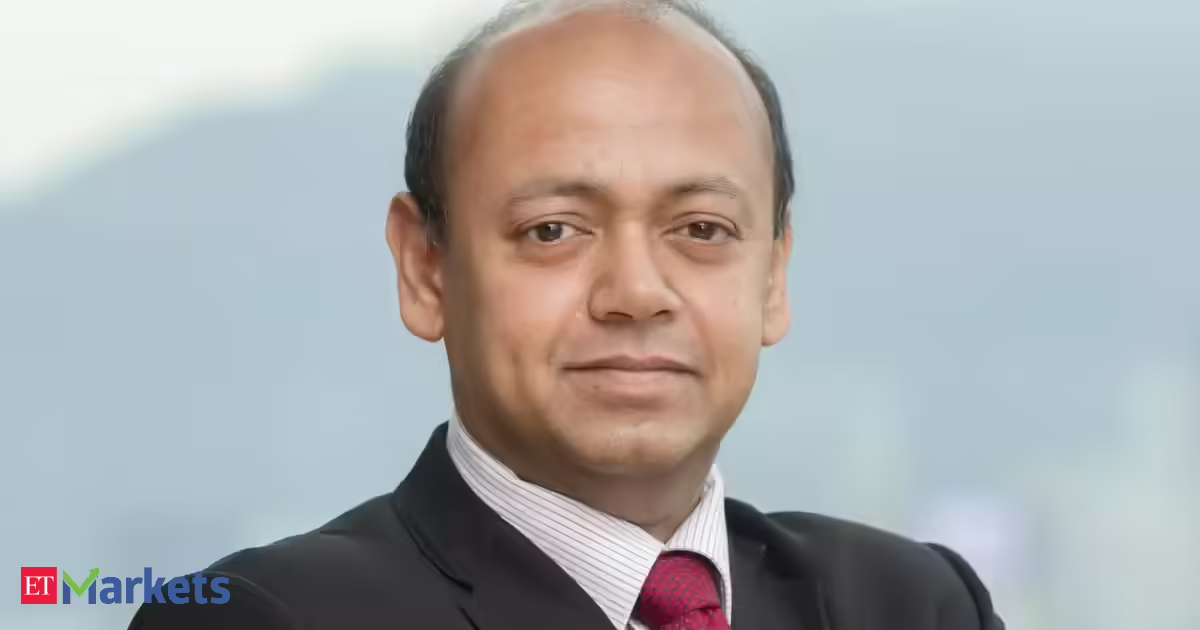
Speaking on the evolving dynamics, veteran investor, Manishi Raychaudhuri, noted, “Now, the phenomenon that you mentioned that FIIs are selling and they have been selling for last 18 months roughly and the domestic institutions buying, that is not something new. I mean, we have seen this for last 18 to 24 months.”
He added that the sustained outflows from FIIs have been offset by robust domestic participation, particularly through systematic investment plans (SIPs). “The spate of FII selling has been neutralised by this massive systematic investment plans, the SIPs, that continue to come in, almost about $3 billion every month.”
Global Opportunities vs India’s Structural Story
Advertisement
According to Raychaudhuri, the reluctance of foreign investors is not necessarily a reflection of weakness in India alone, but rather a function of relative attractiveness elsewhere. “The foreign investors have a large firmament, a large universe to choose from and compared to India, they have better choices elsewhere in the emerging market space.”
Live Events
He pointed to North Asian markets, where themes like artificial intelligence and related capital expenditure remain strong, alongside relatively lower geopolitical risks. “So, it is a combination of stronger growth and slightly lower risk that the FIIs are playing.” In contrast, domestic institutional investors continue to benefit from a structural shift in household savings. “This is a direct consequence of the financialization that we have seen, it is not recent, it has been there for about last five to seven years.” Importantly, he believes this trend still has room to run. “Indians are on an average still underinvested in equities… maybe it is still about 85-90-95% of Indian investments would remain focused on the home markets.” Valuations Cooling, But Earnings Still a Concern India’s valuation premium, once a major deterrent, has seen meaningful moderation. “At the peak in September 24 India’s price earnings multiple 12-month forward price earnings multiple was 87% higher… The last 15 years average is about 38-39%. And today India’s premium has actually come down below that level.”
He noted that the current premium of around 35–36% makes India relatively more attractive again. However, that alone may not be enough to trigger a strong return of FII flows. “The FII universe as a whole is not biting into this yet simply because the earnings environment is not yet supportive.”
Highlighting global comparisons, Raychaudhuri said, “If you look at last six months… you have Korea right on top… about 80% upgrade… Taiwan… 20-25%… But the Indian consensus EPS estimate… has still declined over the past six months by about 4.5% or so.”
This lag in earnings revisions remains a key overhang.
Advertisement
Macro Triggers and the Earnings Outlook The outlook for earnings, in turn, hinges on a mix of fiscal, monetary, and external factors. “At some point this large fiscal stimulus that went in in 2025… will begin to have some effect… but it needs to be more sustained.”
He also indicated room for monetary easing, subject to inflation trends. “The central bank can perhaps afford to cut rates a little more… if we do have a situation where the Middle East situation settles down… we could have this concern about earnings destruction behind us.”
A moderation in crude oil prices toward the $60–70 per barrel range could be particularly supportive.
Can Valuations Hold? On the question of sustainable valuation levels, Raychaudhuri struck a cautious note. “If you look at last 15 years average one year forward PE for India, it is about 18.8 times.”
Advertisement
However, he warned that valuations cannot remain elevated without earnings support. “If it remains in single digits, then those high-teens kind of PE are unsustainable.”
He emphasized the importance of reverting to a healthier growth trajectory. “Unless we get back to that situation… nominal GDP growth of about 10% to 12% and therefore corporate revenue and earnings growth of 13% to 14%… it will be difficult for these long range PE multiples to hold on.”
Sectoral Preferences: Banks, Industrials, Consumption Despite near-term uncertainties, Raychaudhuri remains constructive on select pockets of the market. “Private banks… I have been kind of thumping the table on this for quite some time.”
He also highlighted opportunities in industrials and defence. “Defence expenditure is likely to rise stratospherically across the world… Industrials would also cater to India’s infrastructural ambitions.”
Advertisement
On the consumption side, he sees broad-based potential. “I would also be looking at consumer discretionaries in India… auto companies… household electronics goods… even some of the hospital and diagnostic chains.”
Additionally, cyclical sectors could offer tactical opportunities. “In the near term some of the cyclical sectors like base metals could also do well.”
IT Under Pressure One notable exclusion from his preferred list is information technology. “I have stayed away from Indian IT for… almost a year now.”
He believes structural changes driven by artificial intelligence could weigh on the sector. “Indian IT… they are the classic AI losers… the average man-hour rate comes down and therefore the valuations of the IT companies come down.”
Advertisement
With earnings growth in single digits and valuations still elevated, he added, “They are trading at about 18 to 20 times PE, simply not sustainable.”
A prominent luxury wedding planner has directly debunked viral speculation that Taylor Swift and Travis Kelce will tie the knot at Rhode Island’s exclusive Ocean House resort on June 13, delivering a clear message to eager fans and tabloids: “Taylor is not my bride this weekend!”
SEOUL, South Korea — BLACKPINK member Jisoo is receiving an outpouring of praise after gifting her agency staff luxury Dior handbags worth more than 4 million won (approximately $2,652) each, a generous gesture that has gone viral and stood in stark contrast to recent controversies plaguing the K-pop industry.
Blackpink’s member Jisoo
The 31-year-old singer-actress, who launched her own one-person management agency BLISSOO after parting ways with YG Entertainment for solo activities, personally selected and presented the high-end bags to employees as a token of appreciation for their hard work. Staff members shared photos of the gifts on social media, with some posting heartfelt messages like “I love you, CEO Jisoo,” quickly sparking widespread admiration online.
Reports indicate Jisoo spent at least 12 million won (around $7,956) on the gifts for four staff members, with some bags priced even higher. The items came from Dior, the luxury French brand for which Jisoo serves as a global ambassador, adding a personal touch that fans described as thoughtful and meaningful.
The news emerged in early April 2026 through fan accounts and entertainment media, with photos showing elegant Dior handbags in various styles. Employees expressed genuine gratitude, highlighting the gesture as more than a simple perk but a reflection of Jisoo’s caring leadership style since establishing BLISSOO.
In the competitive and often high-pressure world of K-pop, where idols and agencies frequently face criticism over unfair contracts, intense schedules and treatment of staff, Jisoo’s actions have resonated strongly. Netizens and fans have hailed her as a “world-class CEO,” praising her for fostering a positive workplace environment and showing respect to those supporting her career.
Advertisement
One online commenter wrote, “This is how you treat people who work hard for you,” while others contrasted the story with recent industry scandals involving alleged power imbalances and exploitative practices at some agencies. The timing amplified the positive reaction, as discussions about idol welfare, mental health and fair treatment continue to circulate in Korean entertainment circles.
Jisoo, a member of one of the world’s biggest girl groups alongside Jennie, Rosé and Lisa, has built a multifaceted career as a solo artist, actress and brand ambassador. Her agency BLISSOO handles her solo endeavors, including music releases and acting projects, allowing greater control over her schedule and creative direction.
Fans noted that the luxury gifts align with Jisoo’s elegant image and her long-standing partnership with Dior. As a global ambassador, she frequently attends the brand’s fashion shows and events, making the choice of Dior bags a natural yet luxurious expression of thanks.
The story quickly spread across platforms like Instagram, TikTok and X, with hashtags related to Jisoo and the gifts trending. Supporters from the BLINK fandom celebrated the news as evidence of her kind personality, often citing past instances where she showed appreciation to staff and fans alike.
Advertisement
Entertainment insiders suggest such gestures can boost employee morale and loyalty, particularly in smaller agencies where teams work closely with artists. Jisoo’s approach appears to emphasize gratitude and team spirit, qualities that have endeared her to both domestic and international audiences.
This positive spotlight comes amid broader conversations in the K-pop industry about artist-agency relationships. While some groups and idols have faced backlash over reported mistreatment or overly demanding conditions, stories like Jisoo’s offer a counter-narrative of mutual respect and generosity.
Jisoo debuted with BLACKPINK in 2016, and the group has achieved global success with hits like “DDU-DU DDU-DU,” “How You Like That” and “Pink Venom.” The members have increasingly pursued individual projects while maintaining strong group unity, with each establishing personal agencies for solo work.
As an actress, Jisoo has taken on roles in dramas and expanded her presence in entertainment beyond music. Her poised demeanor and versatile talents have earned her a dedicated following, and the recent gift-giving episode has only enhanced her reputation for humility and thoughtfulness despite her superstar status.
Advertisement
BLISSOO has not issued an official statement on the gifts, but the staff’s social media posts served as authentic endorsements of the workplace culture Jisoo cultivates. In an industry where hierarchical structures sometimes lead to “gapjil” — a Korean term for abuse of power by those in superior positions — Jisoo’s actions stand out as the opposite: a leader uplifting her team.
Fans have drawn comparisons to other artists known for generous treatment of staff, noting that such stories humanize idols and strengthen fan connections. The Dior bags, while expensive, were seen less as flashy spending and more as a sincere thank-you for the behind-the-scenes efforts that support Jisoo’s busy schedule of music, acting, endorsements and BLACKPINK activities.
Social media reactions mixed admiration with lighthearted envy. “Jisoo treating her staff better than some companies treat their idols,” one user posted, capturing the sentiment. Others simply celebrated the heartwarming moment in a year filled with mixed K-pop news.
Jisoo’s generosity aligns with her public image as the elegant, warm-hearted “visual” of BLACKPINK, but also reveals a practical side of leadership. Running a personal agency requires managing a small but dedicated team, and investing in their well-being can contribute to long-term success and stability.
Advertisement
As BLACKPINK continues its global dominance and individual members carve out solo paths, moments like this remind fans of the human element behind the glamour. Jisoo’s gift-giving has not only brightened her staff’s day but also provided a feel-good story that resonates far beyond the K-pop bubble.
While the luxury bags represent a significant expense, the real value, many observers say, lies in the message of appreciation. In an era where mental health and fair labor practices gain increasing attention in entertainment, Jisoo’s gesture offers a positive example of how success can be shared.
The story continues to circulate widely as of April 7, 2026, with more fans discovering the details and adding their praise. Whether through music, acting or thoughtful leadership, Jisoo keeps proving why she remains one of the most beloved figures in global pop culture.
For BLISSOO staff, the Dior bags serve as daily reminders of their CEO’s gratitude. For fans worldwide, the anecdote reinforces why they support Jisoo — not just for her talent, but for the kindness that shines through even in her professional decisions.
Advertisement
In the fast-paced, high-stakes K-pop landscape, small acts of generosity can leave a lasting impression. Jisoo’s latest display of appreciation has certainly done just that, earning her even more admiration as both an artist and a leader.
Center for Medicare Director Chris Klomp joins ‘Mornings with Maria’ to outline the Trump administration’s latest Medicare rate update, defend new efforts to curb rising healthcare costs and highlight ongoing moves to lower prescription drug prices a
Falling prescription drug costs are emerging as a key development in the broader push to rein in U.S. health care spending, with new pricing shifts beginning to show up at the pharmacy counter.
Medicare Director Chris Klomp joined FOX Business’ Maria Bartiromo on “Mornings with Maria” to discuss how recent policy changes are starting to impact affordability across the health care system.
Klomp pointed to early signs that pricing pressure is easing, particularly for high-demand medications like GLP-1 drugs, which have surged in popularity but have remained out of reach for many patients. He attributed the recent price declines to actions taken by President Donald Trump to lower drug costs through new pricing initiatives.
FOX Business’ Gerri Willis reports on a Gallup poll showing 61% of Americans are greatly concerned about rising healthcare costs, surpassing worries about the economy and inflation.
“If you need a GLP-1, you’re now paying half of what you were paying just a couple of months ago before he announced those deals,” Klomp said.
Advertisement
Klomp framed the pricing changes as part of a broader effort to address affordability challenges that have prevented many Americans from filling prescriptions.
Woman injecting a syringe of medicine into her stomach (David Petrus Ibars/Getty Images / Getty Images)
“That’s solving the problem for a quarter of Americans who can’t pick up a prescription when they get to the pharmacy counter because they can’t afford it right now,” Klomp said.
The price drop reflects a broader effort to align drug costs more closely with international benchmarks while increasing competition in the market. GLP-1 medications, commonly used for diabetes and weight management, have become a focal point in the affordability debate as demand continues to climb.
Advertisement
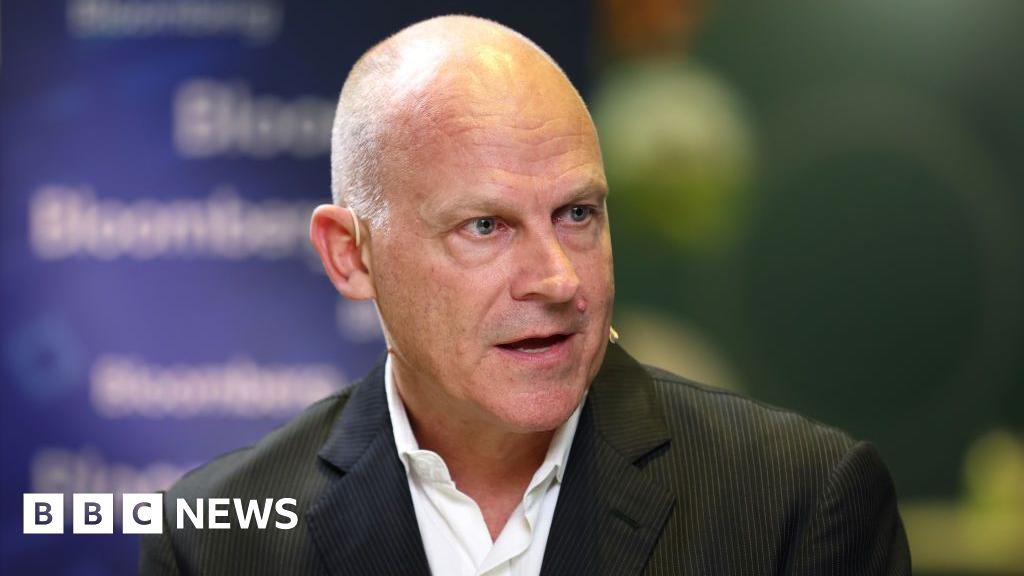
eMed chief wellness officer Tom Brady and eMed CEO Linda Yaccarino discuss GLP-1 market growth and the company’s latest funding round on ‘Mornings with Maria.’
Klomp suggested the changes extend beyond a single drug class, pointing to similar trends in other treatments where costs have historically been a barrier to access.
“If you want to grow your family, you need to pick up fertility medicine again. You’re paying about half for those drugs, saving you thousands of dollars per cycle of treatment than you were just a couple months ago,” he said.
The shifts come as policymakers look for ways to reduce out-of-pocket costs while maintaining long-term sustainability in federal health care programs.
Advertisement
“[Trump’s] delivering on affordability for every American family to be their healthiest self,” Klomp said.
PE-backed firm teams up with Royal Fulfillment for centres in New Jersey, Chicago and Los Angeles
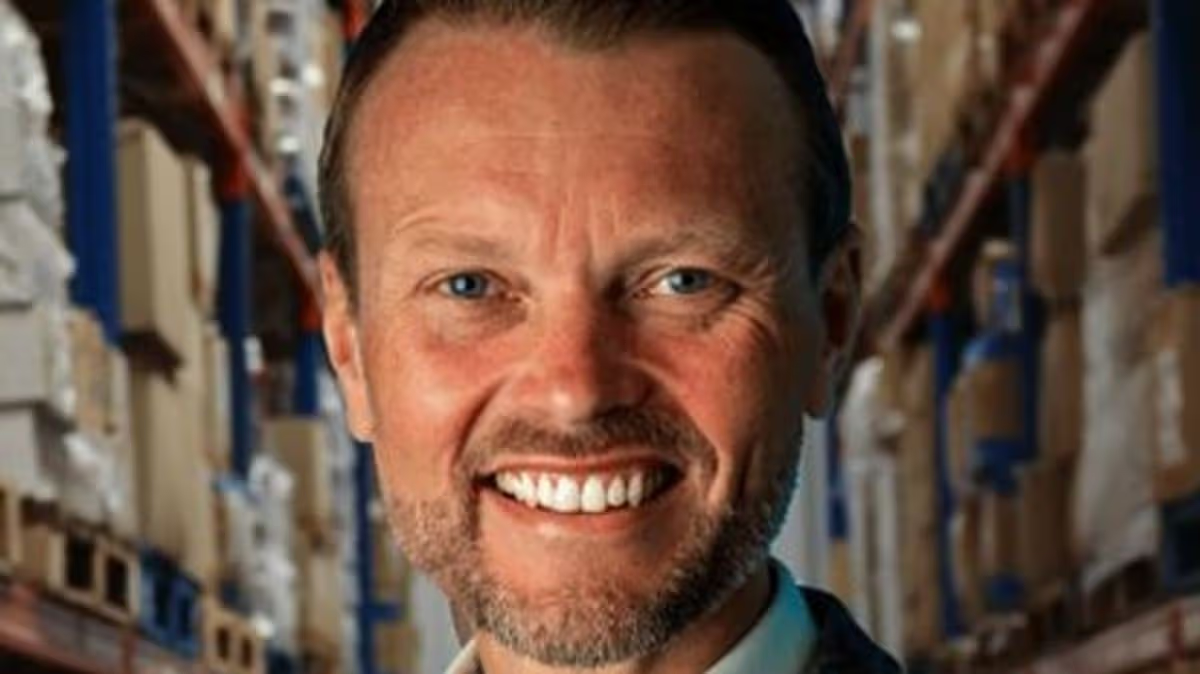
fulfilmentcrowd’s CEO Lee Thompson(Image: fulfilmentcrowd)
Logistics tech specialist fulfilmentcrowd is expanding its US network with new centres in New Jersey, Chicago and Los Angeles.
Chorley-based fulfilmentcrowd has teamed up with American group Royal Fulfillment on the centres designed to “support high-volume eCommerce and B2B distribution across the United States” and to offer coast-to-coast coverage for brands serving the US market. They will replace the group’s two previous US sites.
Royal Fulfillment is a family-run operator with more than 18 years of industry experience. Its centres can handle both direct-to-consumer and large-scale retail distribution, and the business has worked with major retailers such as Amazon, Walmart and Sephora.
Advertisement
Fulfilmentcrowd says its expanded US network will give its customers access to a wider range of US shipping services, including through carriers such as USPS, FedEx and DHL
Lee Thompson, CEO at fulfilmentcrowd, said: “The US is a critical growth market for many of our clients. With this three-centre network, we’re aiming to reduce operational friction at scale, giving global brands the ability to operate domestically across the US with speed, flexibility and cost control built in.”
He added: “This is about more than just adding locations. These centres add to a network that already reflects how modern brands operate: omnichannel, fast-moving and customer-first. Now we can support these requirements across the entire United States.”
Varney & Co. host Stuart Varney warns NYC Mayor Zohran Mamdani’s tax proposals could drive jobs, capital and residents out of New York as a $12.6B deficit looms.
JPMorgan Chase CEO Jamie Dimon warned that New York City and other cities with high taxes and regulatory burdens run the risk of losing businesses and workers to locales with more hospitable business climates.
Dimon released his annual letter to shareholders on Monday in conjunction with the firm’s 2025 annual report and said that companies need to weigh the benefits of operating in places like New York City against areas with lower taxes on businesses and individuals.
Advertisement
“No matter who you are, you need to deal with reality and the truth. The truth is that while New York City has much going for it, particularly for financial companies (because of extraordinary local talent), it also has the highest city and state corporate taxes and the highest individual income and state taxes,” Dimon wrote.
“People often make this a moral or loyalty issue, but it is not. Companies need to remain competitive in this very tough, fast-moving world. And higher taxes lower returns on capital and less competitiveness by their nature,” he said.
JPMorgan Chase CEO Jamie Dimon said that cities and states have to compete to keep businesses in their jurisdictions. (Alexander Tamargo/Getty Images for America Business Forum)
Dimon said while companies relocating their headquarters or significant aspects of their operations to states with more favorable tax and regulatory regimes may be easier to track, those shifts happen at the employee level as well and can amount to significant moves for the workforce.
Advertisement
“Additionally, individuals vote with their feet – you can already see a fairly large exodus of people and jobs out of some states with high taxes and high expenses (often due to high taxes and regulatory burdens). Sometimes you see companies leaving states, but migration also shows up in shifts of employees out of certain states,” Dimon wrote.
JPMorgan Chase has expanded its presence in Texas while its headcount has declined in New York City. (Tim Clayton/Corbis via Getty Images)
He explained how that dynamic has played out at JPMorgan, which has expanded its footprint in a low-tax state like Texas and will probably continue to do so.
“For example, while New York City is still our company’s global headquarters, we have shrunk our headcount in the city, from 30,000 a decade ago to 24,000 today, and increased our headcount in Texas, from 26,000 in 2015 to 32,000 today. This trend will likely continue,” Dimon said.
The JPMorgan CEO said that he has seen an exodus of corporations out of New York City before that was driven in part by the business climate, adding it can pose significant problems for city governments.
“Sometimes this can be a disaster for a city. I am reminded that in the 1970s, nearly half of the 125 Fortune 500 companies based in New York City left,” he wrote. “While mergers accounted for some departures, the price of doing business in New York City accounted for most: cost of taxes, office rents, labor and so on.”




















































You must be logged in to post a comment Login