
Business
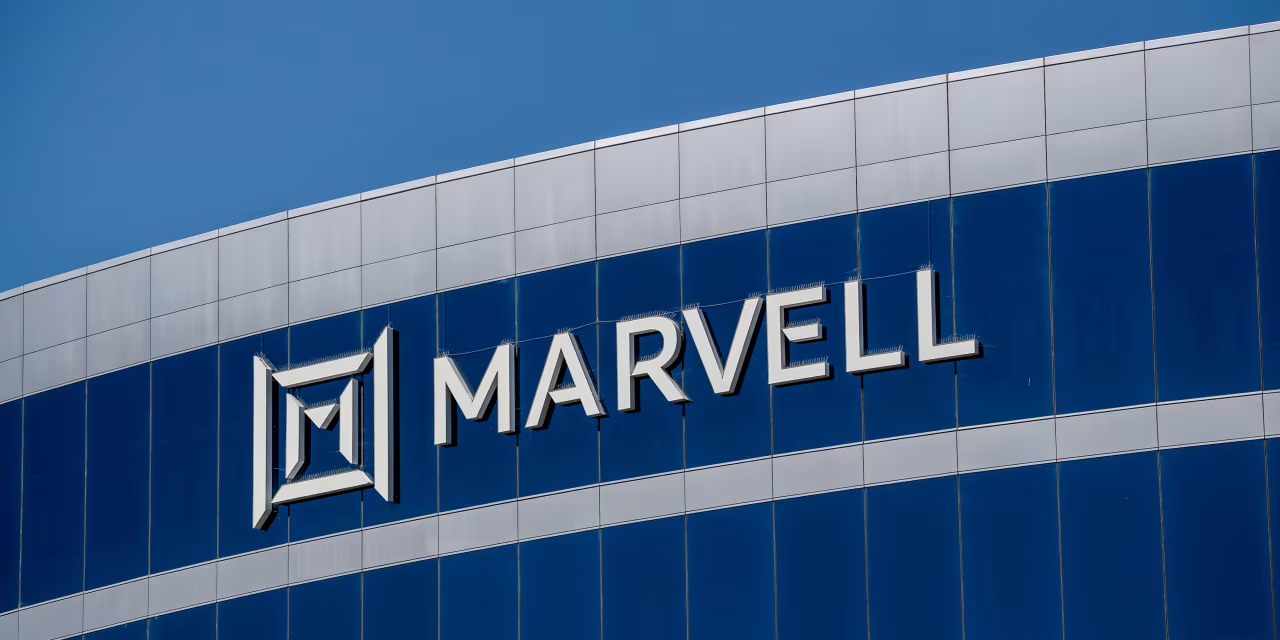
Marvell Stock Was Just Added to S&P 500. Here’s Who Else Was Included and Bumped.


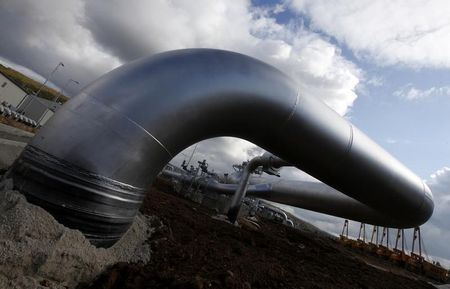
Egypt confirms drone caused fire on two gas vessels at Damietta
Yes. Corporate subscriptions are available for teams and organisations, with discounted rates as user numbers increase. Pricing starts from $1,625 + GST per user.
Get in touch
to discuss the right option for your organisation.
Business News subscriptions are used by executives, investors, consultants and professionals who need to stay informed and make better decisions about the WA market. When you subscribe you’ll get
- Unlimited access to WA’s most trusted business journalism
- Data & Insights — detailed profiles of WA companies, people, projects and deals
- MyBN — a personalised feed based on the companies, people and sectors you follow
- Special publications and industry reports
- Daily and weekly email newsletters
Data & Insights is a research tool built specifically for the WA market. It draws on more than 30 years of Business News reporting, updated regularly to reflect what’s happening now. Use it to:
- Look up detailed profiles of WA companies, including financials, directors and ownership
- Find decision-makers and track their career movements
- Research live and completed projects across WA industries
- Monitor deals, appointments and market activity
- Access industry rankings and league tables
Data & Insights is updated daily by our dedicated research team, which uses the latest announcements, ASX filings and editorial coverage to keep our person, company, list and project records up to date.
Business News welcome all opportunities to make our dataset accurate, complete and current, so if you have an update request, please email the team at
general@businessnews.com.au, and we’d be happy to assist.
MyBN
is part of every subscription. It’s your personalised view of Business News. You can follow the companies, people, sectors and projects that matter to you, and get a news feed and alerts tailored to your interests. You can save articles to read later and retain only what you need.
Only subscribers have full access to all content on the Business News website.
If staying informed about the WA economy is part of your job, and/or you’re looking for networking opportunities in WA, Business News is built for you.
Business News subscribers are:
- Executives and directors tracking competitors, clients and market movements
- Investors and advisers researching companies, deals and industry trends
- Consultants and professionals staying across sectors relevant to their clients
- Business owners looking for leads, context and market intelligence
Most Business News publications cover national or global markets. Business News is focused entirely on Western Australia, which means the journalism, the data and the intelligence are all built around WA companies, people and projects — not adapted from a national feed. Data & Insights, included with every subscription, combines more than 30 years of WA-specific editorial research with live business data. There’s no comparable product for the WA market.
The Morning Digest Email provides a comprehensive wrap of the major headlines, relevant to WA business, and includes with a snapshot of the overnight news covering oil, gold and ASX-listed companies.
The Afternoon Wrap Email focuses on the news covered by our team of journalists during the course of the working day, including exclusive stories and analysis, all of which relates to WA business and the local economy.
The BN Weekender Email contains a wrap of the Business News from the week that was, highlighting the top stories in each area of WA business.
Sign up for free.
We’re happy to help.
Get in touch
and our team will come back to you.

OPINION: Investors remain attracted to well-selected assets that generate stable and reliable income streams.
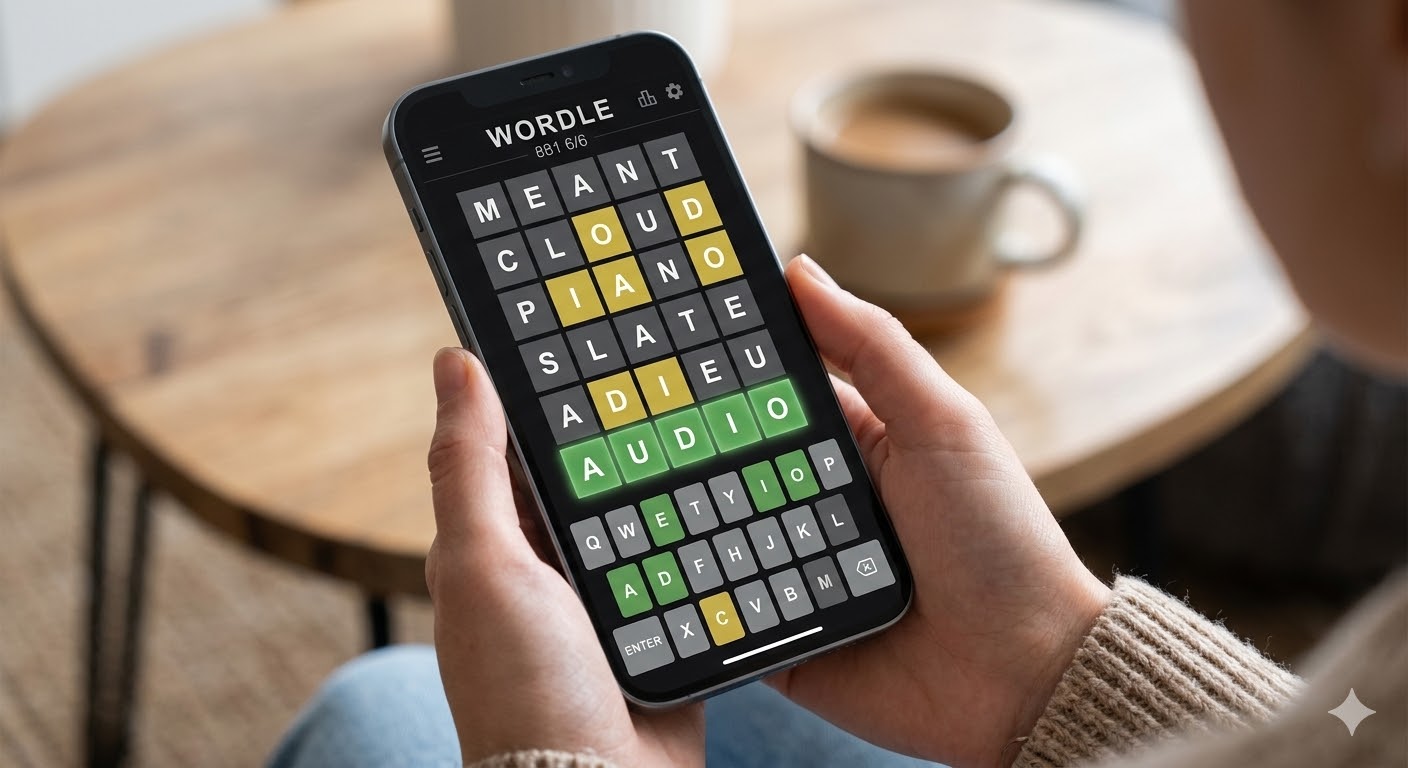
Wordle players facing a tricky puzzle on Thursday can find help here, with hints and the full solution for game number 1,867, the daily word puzzle from The New York Times.
The word puzzle, which challenges players to guess a five-letter word within six attempts, has built a devoted daily following since its rise to viral popularity in 2022. Today’s puzzle proved trickier than average for many players, according to data from the New York Times’ WordleBot, which tracks how the average solver performs each day. WordleBot recorded an average completion time of 4.1 moves for Thursday’s puzzle, whether played in the standard or hard-mode setting.
For players looking for hints before jumping straight to the answer, several clues can help narrow down the possibilities without giving away the solution entirely. The word features water as a central theme, referring to a narrow, often inclined channel or chute designed to carry water, either in natural settings such as ravines or in man-made systems including logging operations, irrigation infrastructure and, most commonly today, water park attractions.
Structurally, today’s word contains two vowels among its five letters and begins with a consonant. There are no double letters anywhere in the word, meaning each of the five letters used appears only once. The word functions grammatically as a noun. For those wanting one final hint before the reveal, the word can specifically be associated with a theme park water ride, a usage many players may recognize even if the term feels somewhat unfamiliar outside of that specific context.
Today’s Wordle answer is FLUME.
A flume refers to an artificial channel, often elevated or inclined, engineered to carry water from one place to another, historically used extensively in mining, logging and irrigation to transport water, logs or other materials using the force of flowing water. In modern usage, the word is perhaps most widely recognized in connection with “log flume” amusement park rides, in which passengers travel through a water-filled channel before a steep, splashing drop, a ride style found at theme parks around the world.
Puzzle strategy writers who cover Wordle daily noted that today’s word was not among the most commonly used in everyday vocabulary, making it a moderately challenging solve for players without specialized knowledge of the term’s meaning. One writer covering the puzzle for Tom’s Guide described starting with the word ORATE, a common opening guess chosen because it contains several of the most frequently occurring letters in five-letter English words, and noted that only the letter “E” registered as correctly placed on the first attempt, leaving 101 possible remaining answers before further guesses narrowed the field.
Wordle strategy guides commonly recommend a similar approach for players struggling with the daily puzzle: begin with an opening word that tests several common vowels and consonants simultaneously, then use the resulting feedback, letters marked in green for correct placement, yellow for correct letters in the wrong position, and gray for letters not present in the word at all, to systematically eliminate incorrect possibilities across subsequent guesses. Players are also generally advised to avoid ruling out the possibility of repeated letters too early in a puzzle, since Wordle answers do sometimes feature the same letter twice, even though today’s specific answer did not follow that pattern.
Wordle, originally created by software engineer Josh Wardle before being acquired by The New York Times in 2022, has remained one of the most popular daily word games worldwide, spawning a broader ecosystem of related puzzles now published by the Times, including Connections, Connections: Sports Edition, Strands and the Mini Crossword, all of which are typically released and refreshed at the same time each day alongside the main Wordle puzzle.
Players looking to maintain their daily Wordle streak, a feature the game uses to track consecutive days of play, can find today’s puzzle and previous archived puzzles through the official Wordle website. The New York Times also continues to publish daily hints and strategy guidance across its games section for players seeking assistance without immediately revealing the day’s answer outright, a resource that has become a regular part of many players’ daily puzzle-solving routine.

Yes. Corporate subscriptions are available for teams and organisations, with discounted rates as user numbers increase. Pricing starts from $1,625 + GST per user.
Get in touch
to discuss the right option for your organisation.
Business News subscriptions are used by executives, investors, consultants and professionals who need to stay informed and make better decisions about the WA market. When you subscribe you’ll get
- Unlimited access to WA’s most trusted business journalism
- Data & Insights — detailed profiles of WA companies, people, projects and deals
- MyBN — a personalised feed based on the companies, people and sectors you follow
- Special publications and industry reports
- Daily and weekly email newsletters
Data & Insights is a research tool built specifically for the WA market. It draws on more than 30 years of Business News reporting, updated regularly to reflect what’s happening now. Use it to:
- Look up detailed profiles of WA companies, including financials, directors and ownership
- Find decision-makers and track their career movements
- Research live and completed projects across WA industries
- Monitor deals, appointments and market activity
- Access industry rankings and league tables
Data & Insights is updated daily by our dedicated research team, which uses the latest announcements, ASX filings and editorial coverage to keep our person, company, list and project records up to date.
Business News welcome all opportunities to make our dataset accurate, complete and current, so if you have an update request, please email the team at
general@businessnews.com.au, and we’d be happy to assist.
MyBN
is part of every subscription. It’s your personalised view of Business News. You can follow the companies, people, sectors and projects that matter to you, and get a news feed and alerts tailored to your interests. You can save articles to read later and retain only what you need.
Only subscribers have full access to all content on the Business News website.
If staying informed about the WA economy is part of your job, and/or you’re looking for networking opportunities in WA, Business News is built for you.
Business News subscribers are:
- Executives and directors tracking competitors, clients and market movements
- Investors and advisers researching companies, deals and industry trends
- Consultants and professionals staying across sectors relevant to their clients
- Business owners looking for leads, context and market intelligence
Most Business News publications cover national or global markets. Business News is focused entirely on Western Australia, which means the journalism, the data and the intelligence are all built around WA companies, people and projects — not adapted from a national feed. Data & Insights, included with every subscription, combines more than 30 years of WA-specific editorial research with live business data. There’s no comparable product for the WA market.
The Morning Digest Email provides a comprehensive wrap of the major headlines, relevant to WA business, and includes with a snapshot of the overnight news covering oil, gold and ASX-listed companies.
The Afternoon Wrap Email focuses on the news covered by our team of journalists during the course of the working day, including exclusive stories and analysis, all of which relates to WA business and the local economy.
The BN Weekender Email contains a wrap of the Business News from the week that was, highlighting the top stories in each area of WA business.
Sign up for free.
We’re happy to help.
Get in touch
and our team will come back to you.

Fans of The New York Times’ popular word-grouping puzzle can find help here for Thursday’s edition, with hints and the complete solution for Connections game number 1,145.
Connections challenges players to sort 16 seemingly unrelated words into four groups of four, with each group sharing a hidden connection. The puzzle, which debuted in beta in 2023 before becoming a permanent addition to the Times’ games lineup, ranks the four categories by difficulty, typically presented in order from most straightforward to most challenging. Thursday’s puzzle blended straightforward wordplay with trickier conceptual links, according to puzzle coverage from multiple outlets that track the daily game.
Players looking for guidance before jumping to the full answer can use the following category hints to narrow down their thinking. One group centers on words describing someone who is truthful and dependable, evoking qualities associated with honesty and moral uprightness. A second group involves activities and games that share a common physical element: multiple balls being used simultaneously, whether in casual party games, gambling-adjacent pastimes or coordination-based physical activities. A third group connects several well-known names, all of which happen to belong to major cruise line operators serving vacationers around the world. The fourth and typically most challenging group involves a common phrase structure, “on the ___,” used to convey the idea of something being precise or exact.
For those ready for the complete solution, here are the four groups and their associated words for Thursday’s puzzle.
The first category, built around words meaning virtuous or morally upright, includes FAIR, GOOD, JUST and RIGHT. Each of these words can independently describe someone or something as honest, principled or morally sound, making this grouping a relatively accessible entry point for many solvers.
The second category, focused on activities involving multiple balls, includes BEER PONG, BINGO, JUGGLING and POOL. While these activities differ significantly in setting and purpose, ranging from a casual drinking game to a numbers-based game of chance to a circus-style skill and a classic billiards game, they share the common thread of incorporating more than one ball as a central element of gameplay.
The third category groups together CARNIVAL, CELEBRITY, PRINCESS and VIKING, all well-known cruise line brands that operate large fleets of vessels offering vacation cruises to destinations around the world. This category proved to be one that rewarded solvers with familiarity with the cruise industry, since each word could plausibly fit into other categories without that specific context in mind.
The fourth and final category, generally the most difficult in each day’s puzzle, centers on the phrase structure “on the ___,” used to mean precise or exact, and includes DOT, MARK, MONEY and NOSE. Phrases such as “on the dot,” “on the mark,” “on the money” and “on the nose” are all common English idioms used to describe something that is exactly correct or perfectly timed, making this category a strong example of the kind of wordplay-driven, idiom-based grouping that tends to trip up even experienced Connections players.
Puzzle strategy guides commonly recommend that players begin by identifying the category they feel most confident about first, since locking in an easier group early can help clarify which words remain for the trickier, more conceptually layered categories. Puzzle commentators covering Thursday’s edition specifically noted that the game’s anagram-adjacent and lateral-thinking elements made some groupings less immediately obvious than others, encouraging players to look beyond a word’s most literal or surface-level meaning when categories don’t seem to click into place right away.
Connections has become one of several daily word games published by The New York Times, joining Wordle, Strands, the Mini Crossword and the newer Connections: Sports Edition, a themed spinoff that applies the same grouping format specifically to sports-related terminology and shorthand. All of the Times’ daily puzzle offerings typically reset at midnight local time, giving players a fresh challenge to tackle each day.
Players hoping to protect an ongoing daily streak, a feature Connections uses to track consecutive days of successful puzzle completion, can access Thursday’s puzzle, along with archived puzzles from previous days, directly through the New York Times Games platform. For those who prefer working through the puzzle with minimal outside help, the Times and various puzzle-focused outlets typically offer tiered levels of hints, ranging from broad category descriptions to more specific clues, before revealing the full solution for players who become completely stuck.
Business
British American Tobacco p.l.c. 2026 Q2 – Results – Earnings Call Presentation (NYSE:BTI) 2026-07-30


Seeking Alpha’s transcripts team is responsible for the development of all of our transcript-related projects. We currently publish thousands of quarterly earnings calls per quarter on our site and are continuing to grow and expand our coverage. The purpose of this profile is to allow us to share with our readers new transcript-related developments. Thanks, SA Transcripts Team
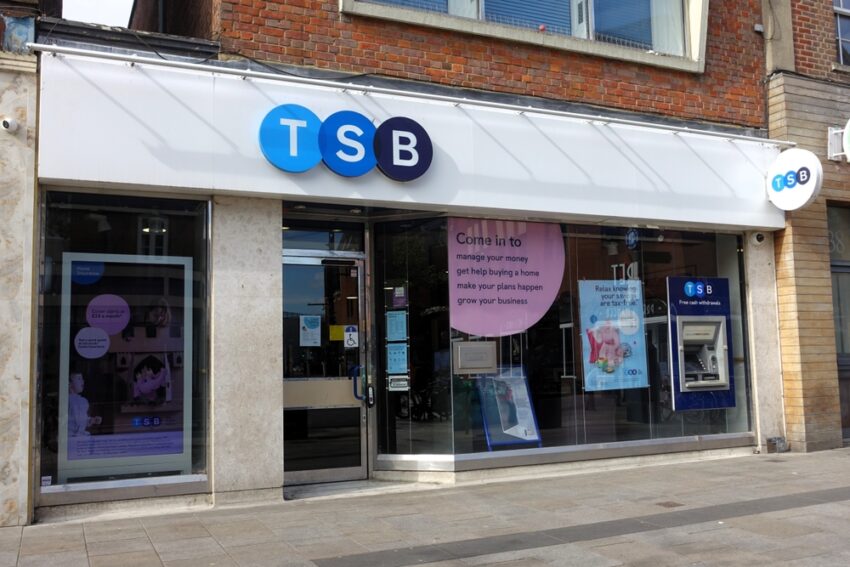
TSB has told its workforce of about 5,000 staff that they will be required to work in an office three days a week from April 2027, and the TBU union is preparing to take cases to the Employment Tribunal in response.
The requirement follows Santander’s £2.65 billion takeover of TSB, which completed in April. The Spanish banking group is progressing with a merger of the two banks’ operations and policies so that the entire workforce is aligned. TSB is currently operating as a standalone entity.
The bank did not previously have a formal requirement for how much time staff must spend in an office.
Staff representatives at the TBU are preparing to take cases to the Employment Tribunal over concerns that some members will be unable to change their arrangements due to personal and medical reasons, amid a broader backlash against the changes and whether they are enforceable.
The union pointed to comments it made in its internal newsletter that a significant number of people had medical or personal reasons for their current working arrangements and that “all roads are going to lead back to employment law”. The TBU added that it was “prepared to fight cases at the Employment Tribunal”.
A source close to TSB said the bank had launched talks between staff and management aimed at putting in place exceptions for individuals with personal and health issues requiring a more flexible approach.
All parties declined to comment.
Under government guidance on flexible working, employees cannot complain to a tribunal solely because a request has been refused, but can do so where an employer has not handled a request in a reasonable manner. Complaints must be made within three months of the employer’s decision, and the maximum award is eight weeks’ pay.
The row is the latest example of a clash within a business about plans to get staff back into the office more regularly following the Covid-19 crisis. Santander itself tightened its hybrid working policy in September 2024, telling 10,000 UK office-based employees to work the equivalent of three days a week at its sites, up from two.
TSB has already announced that it will make 130 redundancies in the wake of the Santander deal as the two operations undergo an integration process.
Mahesh Aditya, chief risk officer of Banco Santander, took charge of Santander UK at the beginning of March to lead the integration, which also comes as the lender seeks to navigate the mis-selling scandal that has engulfed Britain’s motor finance industry.
TSB has become mired in controversy as a result of technical difficulties from past operational overhauls. Sabadell attempted to switch the UK lender to a new IT platform, but mishaps during the transition caused chaos for millions of customers and months-long disruptions to its services.
TSB was formerly known as Trustee Savings Bank and was first established by the Rev Henry Duncan in Dumfriesshire in 1810. The brand was maintained when the lender merged with Lloyds Bank in 1995. Sabadell, another Spanish bank, acquired the British lender at book value for £1.7 billion in 2015, before agreeing the sale to Santander.
Santander first entered the British market in 2004 with the purchase of Abbey National for £9 billion. It then expanded its footprint during the 2008 financial crisis with the acquisitions of Alliance & Leicester and the savings business of Bradford & Bingley. Dame Ana Botín, who leads the wider Banco Santander group, previously ran its UK business between 2010 and 2014.

Amy Ingham
Amy Ingham is a reporter at Business Matters, covering UK business news with a focus on breaking news, business policy, late payments and insolvency. She joined the magazine in 2026 after completing the NCTJ Diploma in Journalism at Harlow College’s journalism school. Her recent reporting includes British Steel’s nationalisation and its impact on SME suppliers, the decline in late payments by large firms, and Insolvency Service director disqualifications. Reach her at aingham@cbmeg.co.uk.

Why is Syensqo stock surging today?

Western Australia’s environmental watchdog has conditionally backed Northern Star Resources’ plan to build a gas and diesel-fuelled power plant in Kalgoorlie.
Egypt confirms drone caused fire on two gas vessels at Damietta

Robinhood Reports Record $1.3B Q2 Revenue, Crypto Declines 38%

Politics Home | “The World Cup Should Not Be For Sale”: Growing Political Anger Over FIFA Sell Off Plan


-

 Fashion6 days ago
Weekend Open Thread: Brooks Brothers
-
 Sports4 days ago
Commonwealth Games boxing: Jadumani Singh seals dominant 5-0 win over Pakistan’s Sumama Rehman to enter quarter-finals | Commonwealth Games News
-

 Business13 hours ago
Why Trees Belong on the Risk Register
-

 Tech3 days ago
Intel is reversing course and bringing hyper-threading back to its server chips
-

 Politics3 days ago
Luke Littler dismantles Gerwyn Price to retain title in Blackpool
-

 Crypto World5 days ago
Ripple bought a bank in pieces. The $4 billion audit
-

 Politics2 days ago
The Part of the Electric Transition Nobody Wants to Discuss
-
 Entertainment6 days ago
A New Post-Apocalyptic Gundam Anime Series Blasts Into SDCC
-

 News Videos4 days ago
BITCOIN JUST ENTERED THIS CRITICAL ZONE…
-

 Fashion6 days ago
16 Dresses for the High Summer Event
-

 Sports6 days ago
2026 3M Open leaderboard: Scottie Scheffler finds putter in Round 1, sits three back
-

 News Videos7 days ago
The Peugeot Family: How 200 Years of an “Old Money” Dynasty Died in A Boardroom
-

 Business1 day ago
Major shareholder moves on Canyon
-

 Crypto World4 days ago
XRP Ledger adds $2.6B as RWA inflows rank second
-

 Politics4 days ago
Spain sweeps the board at 2026 World Cup with individual awards
-

 Crypto World7 days ago
Uniswap (UNI) pushes deeper into tokenized RWAs with permissioned trading pools
-
 Entertainment2 days ago
‘Stargate’ Creator’s New Sci-Fi Series Returns for Season 3 Tomorrow
-

 Tech5 days ago
Anthropic launches Claude Opus 5, a cheaper AI model for coding, agents and enterprise workflows
-

 Entertainment4 days ago
Sara Gilson Killed By Husband After Viral “Pedophile” TikTok Video
-

 News Videos2 days ago
Claude: Build Financial Dashboards in Minutes (2026)
You must be logged in to post a comment Login