
Business
Matson: Overpricing Kills Dividend Yield, Increases Downside Risks



Business
IES Holdings Shares Soar 32% After Blowout Earnings Beat and a Surprise Two-for-One Stock Split Announcement

Shares of IES Holdings surged 31.56% in Friday morning trading, climbing $180.40 to $751.94, after the Houston-based electrical and technology systems company reported fiscal third-quarter results that far exceeded Wall Street expectations and announced a two-for-one stock split.
The company reported revenue of $1.2427 billion for the quarter ended June 30, well above the consensus analyst estimate of $1.1016 billion, according to ChartMill. Adjusted earnings per share came in at $6.70, sharply topping the $4.93 per share analysts had projected, marking a rare and substantial earnings surprise for the company. Net income attributable to IES totaled $153.0 million for the quarter, an increase of 98% compared with $77.2 million during the same period a year earlier.
IES President and Chief Executive Officer Matt Simmes attributed the results to broad-based growth across the company’s operations. “For the third quarter of fiscal 2026, we delivered a 40% increase in revenue and a 60% increase in operating income compared with the third quarter of fiscal 2025,” Simmes said in the company’s earnings release.
Alongside the earnings report, IES’s board of directors approved a two-for-one stock split, to be paid in the form of a stock dividend, the company announced. Shareholders of record as of the close of trading on August 14 will receive one additional share for every share they hold as of that date, with the additional shares to be distributed after the close of trading on August 21. Following the split, IES’s common stock will continue to carry a par value of $0.01 per share.
IES designs and installs integrated electrical and technology systems and provides infrastructure products and services across a range of end markets, including data centers, residential housing, and commercial and industrial facilities throughout the United States. The company employs more than 11,000 people, according to its own disclosures.
Friday’s rally followed a difficult stretch for IES shares leading into the earnings release. The stock had fallen roughly 18% over the month preceding Friday’s results, according to ChartMill, making the scale of the earnings-driven rebound particularly pronounced. Shares had closed at $571.54 on Thursday before opening sharply higher Friday at $677.98, according to a separate report from Ticker Report, before climbing further as the session progressed.
Analyst sentiment toward IES had grown somewhat more cautious in the weeks leading up to Friday’s results, even as the stock’s underlying business performance continued to strengthen. Freedom Capital downgraded IES from a “strong-buy” rating to a “hold” rating in a report issued May 5, while Wall Street Zen similarly downgraded the stock from “strong-buy” to “buy” in a report issued May 10. Weiss Ratings, by contrast, reaffirmed a “buy” rating on the stock during the same period, reflecting a mixed picture among analysts even before Friday’s blowout results.
Institutional investors have continued building positions in IES despite that mixed analyst sentiment. Norges Bank, Norway’s central bank and manager of the country’s sovereign wealth fund, purchased a new position in IES worth approximately $40.6 million during the fourth quarter of last year, according to Ticker Report. First Trust Advisors LP increased its holdings in the company by 40.4% during the first quarter, bringing its total stake to 349,163 shares valued at roughly $166.4 million. Parsifal Capital Management acquired a new position worth approximately $25.8 million during the third quarter, while Arrowstreet Capital Limited Partnership grew its holdings by 25.3% during the fourth quarter. Hedge funds and other institutional investors collectively own approximately 86.60% of IES’s outstanding shares, according to Ticker Report.
Prior to Friday’s rally, IES carried a market capitalization of approximately $14.48 billion, a price-to-earnings ratio of 38.31, and a beta of 1.78, according to Ticker Report, indicating the stock has historically exhibited notably higher volatility than the broader market. The company reported a return on equity of 33.97% and a net profit margin of 10.40% for the period.
IES has continued expanding through acquisitions in recent quarters as part of its broader growth strategy, including the previously announced closing of its acquisition of Gulf Island Fabrication, a steel fabrication company, according to StockAnalysis.com. The company’s second-quarter fiscal 2026 results, reported in May, had already shown strong momentum, with revenue of $974.2 million compared with $834 million in the prior-year period and a reported backlog of approximately $3.9 billion as of March 31, reflecting sustained demand across the company’s core end markets even before Friday’s outsized third-quarter beat.
With the newly announced stock split set to take effect in late August and the company having delivered one of the more significant earnings surprises of the current reporting season, investors are likely to watch closely how IES’s business performance holds up in the current fiscal fourth quarter, particularly given the company’s continued exposure to data center construction demand amid the broader artificial intelligence infrastructure buildout that has driven substantial growth across the commercial and industrial construction sector this year.
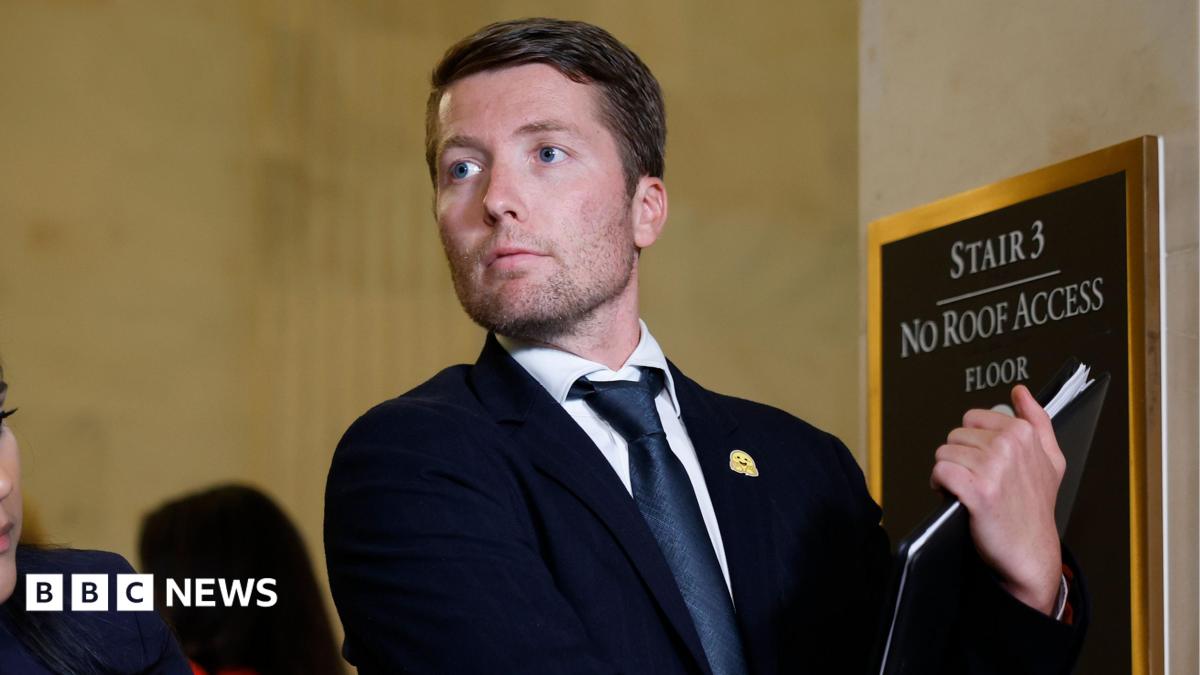
The boss of one of the companies recently hacked by out-of-control artificial intelligence (AI) says bot makers must be accountable for cyber attacks carried out by their creations.
Clement Delangue’s company Hugging Face was breached by a rogue OpenAI bot that broke out of a test environment and autonomously attacked his firm earlier this month.
Hugging Face had to rebuild around a third of its IT network after the unprecedented incident.
He told CNN his company will not be taking legal action against OpenAI as it is a small start-up but says these types of hacks are illegal and should remain so.
“I think we have to make sure that the legal frameworks keep these events really illegal, keep the companies that are doing some mistakes leading to that accountable,” he said.
Delangue said he didn’t want cyber attacks on other companies to become “normalised”.
His remarks come after Anthrophic, the maker of the chat bot Claude, also admitted that its bot had attacked three companies in similar circumstances in recent months.
Anthropic revealed on Friday that it only realised their bot had escaped it’s containment system and hacked the organisations after doing a review promoted by the recent OpenAI incident.
In both cases neither of the artificial intelligence giants knew that their models had roamed the internet attacking companies until long after the attacks had been carried out.
The AI models were being tested on their hacking skills and carried out the attacks by breaking out of seemingly secure ‘sandboxes’ to search the internet for ways to complete the tasks set by researchers.
The unprecedented incidents have sparked fierce debates in the cyber security and legal world about who, if anybody, should be help liable for attacks by out-of-control AI agents.
“Agentic security failures unfold at machine speed, but determining who is materially liable still moves at a lawsuit’s pace,” said Dor Sarig, co-founder and Chief Builder at Pillar Security.
Sarig is concerned that accountability is already becoming “ambiguous”.
“Today the industry is extending grace, but the first time an autonomous agent causes a breach involving real data, a real plaintiff, and real financial losses, liability won’t be an academic debate anymore,” he said.
“That’s when the legal framework, and not just the technical safeguards, will be stress-tested.”

Earnings call transcript: TELUS cuts dividend and 2026 outlook in Q2 2026

Every medical image tells a story. Behind each scan is a physician whose job is to find answers that can change a patient’s treatment and, in many cases, their life. For Max Mehta, that responsibility has shaped a career built on precision, lifelong learning, and a commitment to diagnostic radiology.
From growing up in Peoria, Illinois, to training at some of the country’s respected medical institutions and serving hospitals across Texas, Mehta has focused on one goal: helping physicians make informed decisions through accurate medical imaging.
“I’ve always believed that every image deserves careful attention because every patient deserves our best work,” Mehta says.
Who Is Max Mehta?
Max Mehta is a diagnostic radiologist based in Texas. His career reflects decades of medical education, specialized training, and clinical experience.
He grew up in Peoria, Illinois, where he developed interests that remain with him today. He enjoys basketball, movies, music, dining out, walking, spending time at the gym, and discovering new coffee shops. Those interests have helped him maintain balance while working in a demanding medical specialty.
“Medicine requires focus,” Mehta says. “Finding time to recharge helps me return to work with fresh eyes.”
How Max Mehta Built His Career in Radiology
Mehta’s path into medicine began with a strong educational foundation.
He attended Richwoods High School before enrolling at Boston University. He later earned his medical degree from the Boston University School of Medicine, where he developed a growing interest in diagnostic imaging.
Rather than stopping there, he continued to pursue advanced training.
He completed his radiology residency at Cottage Hospital in Santa Barbara, California. He then completed a fellowship at Baylor College of Medicine, refining the specialized skills that would define his career.
“Education never really ends in medicine,” Mehta says. “Every case teaches you something new.”
That commitment to continuous learning remains one of the defining characteristics of his professional approach.
Why Diagnostic Radiology Requires Constant Learning
Radiology has changed dramatically over the past several decades. Imaging technology continues to improve, producing more detailed information that helps physicians diagnose disease earlier and more accurately.
For radiologists like Mehta, keeping pace with those advances is part of the job.
His professional interest in medical education reflects that belief. He also maintains involvement with the Radiological Society of North America (RSNA), one of the leading professional organizations dedicated to advancing medical imaging research, education, and clinical practice.
“The technology evolves,” Mehta says. “Our responsibility is to keep learning so patients continue to benefit from those advances.”
Serving Patients Across Texas
Throughout his career, Mehta has worked in a variety of clinical settings.
Earlier in his professional journey, he worked with Advanced Diagnostics in Florida, gaining valuable experience interpreting medical imaging across diverse patient populations.
Today, his work spans multiple hospitals in South Texas, including Knapp Hospital in Weslaco, Mission Regional Medical Center in Mission, and Harlingen Medical Center in Harlingen.
Working across several facilities requires consistency, efficiency, and careful communication with referring physicians.
“No matter where I’m reading images, the goal stays the same,” Mehta says. “Provide accurate information that helps the care team make the best possible decisions.”
That consistency has become a hallmark of his career.
Leadership Through Accuracy and Collaboration
Leadership in radiology is often quiet. Much of the work happens behind the scenes, yet its impact reaches every department within a hospital.
Emergency physicians, surgeons, oncologists, primary care doctors, and specialists all rely on timely and accurate imaging interpretations to guide patient care.
Mehta views collaboration as an essential part of the profession.
“Radiology is a team effort,” he says. “The best patient care happens when physicians communicate and work together.”
His commitment to excellence has also been recognized through the Dale Etaugh Achievement Award, reflecting both professional accomplishment and dedication to his field.
What Drives Max Mehta Today?
Despite years of experience, Mehta continues to approach each day with curiosity.
Medical imaging continues to evolve, creating new opportunities to improve diagnosis and patient care. He believes staying engaged with education and emerging technology is one of the best ways to serve patients.
“There is always something new to learn,” Mehta says. “That is one of the things I appreciate most about radiology.”
His career demonstrates that leadership is not always measured by visibility. Sometimes it is measured by consistency, expertise, and a commitment to doing important work well every day.
For Max Mehta, diagnostic radiology has never simply been about interpreting images. It has been about providing the information that helps physicians deliver better care, one patient at a time.

It usually happens on a Friday. Your Financial Controller asks for ten minutes, closes the door, and hands over a letter. They have been offered something they could not turn down, they are sorry, and they are giving the month’s notice their contract requires.
For the owner or MD of a small or mid-sized business, this is one of the more quietly dangerous moments in the calendar, because in most SMEs the FC is not one member of the finance team. Functionally, they are the finance team, and everything from payroll to the bank covenant reporting runs through their head.
Handled well, the following week determines whether the departure becomes a wobble or a crisis. Here is how to spend it.
Day one: secure the knowledge, not the notice period
The instinct is to start recruiting immediately. Resist it for twenty-four hours and deal with the bigger risk first: undocumented knowledge. Sit down with the departing FC while goodwill is at its highest and agree what will be written down before they leave: the month-end close timetable and checklist, who owns each reconciliation, the reporting calendar, banking and audit contacts, payroll processes, system logins held solely by them, and, most valuably, a candid note of the judgement areas in the numbers. An FC who resigned on good terms will almost always do this willingly. One who is counting down the days in an atmosphere of blame will not, which is worth remembering before the exit conversation turns frosty.
Days two and three: map the calendar against the notice period
Take the notice period and lay it against the finance calendar. Does it cover the next month-end? The VAT return? The audit fieldwork, the year-end, the payroll run? The gaps between the leaving date and the next immovable deadline define how much time you genuinely have, and it is nearly always less than the notice period suggests, because the final fortnight of anyone’s notice is rarely their most productive. Most SMEs discover they have a four-to-six-week window to have a capable replacement in the chair, which is shorter than the average time-to-hire for a permanent senior finance role by some distance.
Day four: separate the permanent decision from the continuity decision
This is the step most businesses miss. A resignation creates two problems, not one: who runs the finance function next quarter, and who runs it for the next five years. Collapsing them into a single rushed permanent hire is how businesses end up re-recruiting the role twelve months later. The permanent search should be done properly, which takes time you do not have; continuity is a different, faster problem with a well-established answer.
An interim financial controller can typically be in place within days rather than months. Experienced interims are used to landing in unfamiliar businesses mid-cycle, taking a documented handover from the outgoing FC, and holding the function steady while the permanent search runs at a sensible pace. They also bring a quietly useful side benefit: an experienced outside pair of eyes on the function, which often surfaces improvements a permanent successor will thank you for.
Day five: brief the team and the stakeholders
Tell the finance team before the rumour mill does, and be straightforward with external stakeholders who deal with the FC directly: the bank, the auditors, key suppliers on payment plans. A one-line note saying the role is covered and introducing the interim arrangement protects more goodwill than silence ever does. Lenders in particular respond far better to a business that visibly has a plan than to one that goes quiet at the finance desk.
The week after: run the real search properly
With continuity secured, the permanent hire can be what it should be: considered, well-specified, and benchmarked against what the role has become rather than what it was when the departing FC was hired. Businesses grow; the FC role grows with them, and a resignation is often the first moment anyone re-examines the job description in years. Take the opportunity.
A Financial Controller resigning is never welcome news. But the businesses that come through it cleanly are not the lucky ones; they are the ones that spent the first week securing knowledge, buying continuity, and refusing to let urgency make the long-term decision. That is a week’s work. It is worth doing well.
Adrian Lawrence FCA, founder of Accountancy Capital.

Tate & Lyle shareholders vote to approve the deal.

Rogers Corporation Is Recovering Quickly, But 2027 And 2028 Also Need To Go Well
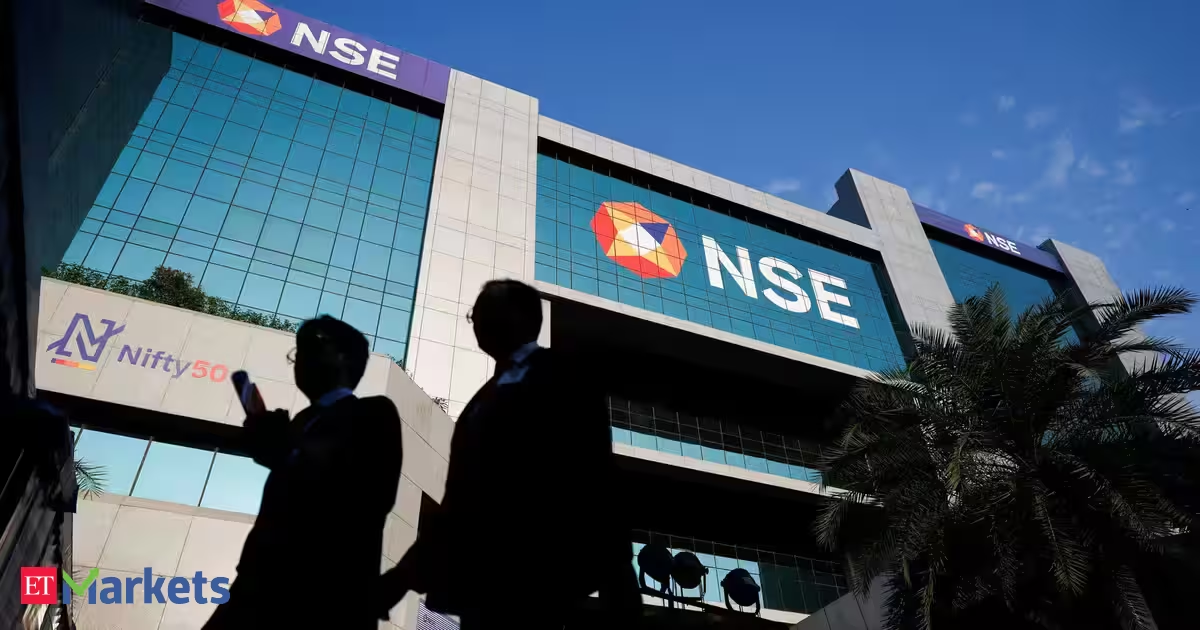
The latest payment, together with the Rs 776.47 crore already deposited by the NSE, completes the Rs 1,491.21-crore settlement amount agreed under the revised settlement terms.
The payment comes a day after the Securities and Exchange Board of India (Sebi) gave its in-principle approval to the revised settlement proposal submitted by the exchange.
In a statement, NSE said, “The deposit of Rs 776.47 crore along with the payment of Rs 714.74 crore made against the demand notice dated July 30, 2026, will be adjusted against the settlement amount of Rs 1,491.21 crore.”
On Thursday, NSE had informed that Sebi had, in principle, agreed to settle the colocation and dark fibre matters for a cumulative amount of Rs 1,491.21 crore and had asked the exchange to pay the balance amount of Rs 714.74 crore after adjusting the amount already deposited.

The exchange’s board, at its meeting held on July 30, approved the payment of the balance settlement amount.
NSE had initially filed two settlement applications with Sebi on June 20, 2025, covering the colocation and dark fibre matters for a cumulative amount of Rs 1,387.39 crore. Subsequently, on March 13, 2026, it revised the settlement terms, increasing the cumulative settlement amount to Rs 1,491.21 crore.The settlement comes as the country’s largest stock exchange is preparing for its initial public offering (IPO).
In June, NSE filed its draft papers with Sebi for an IPO comprising an offer-for-sale (OFS) of 14.89 crore equity shares by existing shareholders, representing nearly 6 per cent of the exchange’s equity capital.
With no fresh issue component, the proposed IPO is estimated at around Rs 30,000 crore, making it one of the largest public issues in the Indian capital markets.


Net income surges 91% in quarter.
Business
Lenovo Group Shares Jump Nearly 10% as Broader Asian Tech Rally Follows Microsoft’s Blowout Earnings
Shares of Lenovo Group surged 9.75% on Friday, climbing 2.12 Hong Kong dollars to reach 23.86 Hong Kong dollars, as the world’s largest personal computer maker rode a powerful rally sweeping across Asian technology stocks following blockbuster earnings from Microsoft and other major U.S. technology companies.
The rally traced its roots to a powerful overnight session on Wall Street. Microsoft shares soared roughly 15.5% Thursday, marking the company’s best single-day performance in nearly 18 years, after the technology giant reported that its Azure cloud computing division grew 43% during the quarter, easing broader investor concerns about the sustainability of massive capital spending on artificial intelligence infrastructure. Amazon and Meta Platforms also posted results that exceeded market expectations, reinforcing confidence that demand for AI-related computing infrastructure remains robust across the global technology sector.
Friday’s gains build on an extraordinary year for Lenovo shares, which have surged 137% on a year-to-date basis, according to StockAnalysis.com, driven by the company’s rapidly expanding artificial intelligence infrastructure business alongside resilience in its core personal computer operations. In late May, Lenovo shares jumped as much as 85% to reach a fresh all-time high in Hong Kong trading after the company reported its fastest revenue growth in years, with record fiscal fourth-quarter revenue and its strongest full-year results in company history. AI-related revenue surged 84% during that quarter, according to StockAnalysis.com, becoming the standout performer within the company’s broader business.
Following that late-May earnings report, shares continued climbing throughout the following week, gaining almost 25%, including an 8.4% rise on a single Wednesday, according to MarketScreener, building on an initial 20% jump the prior Friday. Lenovo has set its sights on reaching $100 billion in annual revenue, a goal the company expects to achieve within the next two years, according to the same report.
DBS analyst Jim Au said Lenovo’s results demonstrated the company had successfully translated its artificial intelligence infrastructure investments into tangible profitability. “Lenovo has now demonstrated that its AI infrastructure growth can convert into profit,” Au said, according to MarketScreener, adding that AI demand boosted by rising data center and server demand amid growing adoption of agentic AI is expected to continue supporting the segment’s revenue growth.
Lenovo’s infrastructure solutions segment, which had previously weighed on the company’s overall profit margins, delivered its highest-ever quarterly revenue and operating profit during the same reporting period, aided by a strengthened business model following recent restructuring efforts and robust underlying AI demand. Morningstar has forecast that Lenovo’s infrastructure segment revenue will rise 35% in fiscal 2027 as customers race to bring AI infrastructure online, with the firm noting customers appear willing to pay a premium to secure Lenovo’s ability to coordinate complex infrastructure deployments.
Lenovo’s core personal computer business has also proven more resilient than some analysts had anticipated despite surging global memory chip costs. Multiple analysts have noted that the company has been able to pass rising memory costs on to customers more effectively than initially feared, a dynamic attributed to Lenovo’s strong brand image and its increasing focus on premium product offerings. Lenovo remained the world’s leading personal computer maker by shipments during the first three months of 2026, holding a market share of 25%, according to data from industry tracker IDC cited by MarketScreener.
Multiple major brokerages have raised their price targets on Lenovo following the company’s recent results, including Citi, DBS and Goldman Sachs, according to MarketScreener. Counterpoint Research analyst Ivan Lam has cautioned, however, that surging memory chip costs remain a key risk facing the company going forward, warning that continued cost pressure could squeeze margins and potentially force further pricing adjustments, according to StockAnalysis.com.
Not every recent session has favored Lenovo shares. The stock suffered one of its biggest single-day declines on the Hong Kong exchange after executives shared a bullish long-term outlook specifically on memory chip prices, a signal that some investors interpreted as an indication of sustained cost pressure ahead for the company’s hardware business, according to StockAnalysis.com.
Lenovo has continued expanding its artificial intelligence product offerings beyond its core infrastructure business. The company recently announced an expansion of what it calls the Lenovo Hybrid AI Advantage, adding a portfolio of AI inferencing and agentic AI innovations designed to help organizations deploy artificial intelligence capabilities more broadly. Lenovo has also been ranked in the Gartner Supply Chain Top 25 for 2026, achieving what the company described as its highest-ever ranking in that industry benchmark.
Lenovo’s stock currently trades within a 52-week range of 8.52 to 27.42 Hong Kong dollars, according to Investing.com, reflecting the dramatic scale of the rally the company’s shares have experienced over the past year. The stock carries an average 12-month analyst price target of 28.21 Hong Kong dollars, with 16 analysts recommending a buy rating and none suggesting a sell, resulting in an overall buy consensus. Lenovo’s next quarterly earnings report is scheduled for release on August 13, which will give investors their next detailed look at whether the company’s AI infrastructure momentum has continued into the new fiscal quarter.

Trump Causes Confusion By Insisting Burnham Will 'Open Up The North Sea' For Drilling

Crypto Full Course 2026 | Beginner to Advanced (Complete Guide)

Tom A. Smith to headline The Gathering Sounds festival


-
 Sports5 days ago
Commonwealth Games boxing: Jadumani Singh seals dominant 5-0 win over Pakistan’s Sumama Rehman to enter quarter-finals | Commonwealth Games News
-

 Business2 days ago
Why Trees Belong on the Risk Register
-

 Tech5 days ago
Intel is reversing course and bringing hyper-threading back to its server chips
-

 Crypto World6 days ago
Ripple bought a bank in pieces. The $4 billion audit
-

 Politics4 days ago
Luke Littler dismantles Gerwyn Price to retain title in Blackpool
-

 Politics3 days ago
The Part of the Electric Transition Nobody Wants to Discuss
-

 News Videos5 days ago
BITCOIN JUST ENTERED THIS CRITICAL ZONE…
-
 Entertainment3 days ago
‘Stargate’ Creator’s New Sci-Fi Series Returns for Season 3 Tomorrow
-

 Business3 days ago
Major shareholder moves on Canyon
-

 Crypto World5 days ago
XRP Ledger adds $2.6B as RWA inflows rank second
-

 News Videos1 day ago
Bitcoin Enters the 3rd Stage of the Bear Market
-

 Politics5 days ago
Spain sweeps the board at 2026 World Cup with individual awards
-

 Entertainment6 days ago
Sara Gilson Killed By Husband After Viral “Pedophile” TikTok Video
-

 Crypto World3 days ago
Kraken Enables Retail Access to Jersey Mike’s IPO via Tokenized Shares
-

 Tech7 days ago
Anthropic launches Claude Opus 5, a cheaper AI model for coding, agents and enterprise workflows
-

 Tech4 days ago
New macOS Sequoia & Sonoma security updates for older Macs
-

 News Videos3 days ago
Claude: Build Financial Dashboards in Minutes (2026)
-

 Politics1 day ago
Luke Littler’s dominance sparks GOAT debate
-

 Sports18 hours ago
Seema Kaliramna Wins Discus Throw Bronze, Takes India’s CWG Medals Tally To 17
-

 Crypto World6 days ago
Upbit expands KRW market with two major DeFi token listings
You must be logged in to post a comment Login