NEW YORK — Google Search, the world’s most-used internet tool, suffered a widespread outage Tuesday, leaving millions of users staring at “500 Internal Server Error” messages and blank result pages as engineers scrambled to restore service.
The disruption began around 4:30 a.m. UTC, affecting users across Australia, India, Europe and parts of the United States. Downdetector recorded sharp spikes in complaints, with peaks exceeding 3,300 reports in India alone and thousands more globally. Many described intermittent failures — searches loading one moment, then failing the next.
Google’s official Search status dashboard showed no formal incident as of late Monday but user reports painted a different picture. The company has not yet issued a detailed public statement, though multiple sources confirmed engineers were actively working on a fix involving server-side issues.
For many, the outage felt like a digital earthquake. “First time in my bloodline seeing Google down,” one viral X post read, capturing the shock of a generation that grew up treating the search giant as infallible. Memes flooded social media within minutes, joking about failed attempts to look up everything from recipes to sports scores and celebrity news.
Advertisement
The outage primarily hammered Google Search, the core product that processes billions of queries daily. Users reported “server error” pages when trying basic searches, while other services like Gmail, YouTube and Maps appeared largely unaffected in most regions. Still, the ripple effects were immediate. Students couldn’t research assignments. Workers lost access to quick information. Even casual users found themselves turning to alternatives like Bing or DuckDuckGo.
In India, where Google dominates the search market, the timing hit during peak morning hours. Complaints surged around 10:20 a.m. IST. Similar patterns emerged in Australia and parts of Europe as the day progressed. In the U.S., reports were more scattered but still significant during East Coast business hours.
This marks one of the more noticeable Google Search disruptions in recent memory. While the company maintains robust redundancy, rare global hiccups expose how central its infrastructure has become to daily life. Past outages, such as brief global service blips in previous years, resolved within hours but still generated headlines and user frustration.
Tech analysts noted the irony: Google’s own tools for diagnosing outages were harder to reach. “When the search engine goes down, people suddenly remember there are other ways to find information,” said one cybersecurity expert monitoring the situation. Workarounds included refreshing pages repeatedly, switching browsers or devices, or using incognito mode. Some reported success with mobile data instead of Wi-Fi.
Advertisement
The incident comes amid Google’s busy spring calendar. The company is set to host “The Android Show” later Tuesday, previewing Android updates ahead of Google I/O 2026. Whether the outage will impact event coverage or live streams remains unclear, though most signs point to Search-specific problems.
Social media reaction mixed panic with humor. Users shared screenshots of error messages alongside captions like “Google said ‘no results found’… for itself.” Others expressed genuine concern about reliance on a single company. “What if this lasts all day?” one parent posted after failing to find homework help for a child.
Businesses that depend on Google for traffic felt the pinch. E-commerce sites, news outlets and small blogs saw immediate drops in organic search referrals. SEO professionals monitoring analytics dashboards reported sudden traffic plunges in real time. For companies already navigating algorithm changes, the outage added another layer of unpredictability.
Google has a strong track record of quick recovery from such events. In similar past incidents, full service returned within one to two hours once the root cause — often a server configuration issue or brief overload — was isolated. As of midday Tuesday, some users reported gradual improvement, though others continued experiencing problems.
Advertisement
Experts point to the complexity of Google’s global infrastructure as both strength and vulnerability. The company operates dozens of data centers worldwide with sophisticated load balancing. A synchronized error across regions suggests a possible backend propagation problem rather than a localized failure. Google’s status pages for Workspace and Cloud showed no broad issues, further isolating the problem to consumer Search.
For everyday users, the outage served as a reminder of digital dependence. Parents helping with school projects, journalists on deadline, traders checking market news — all hit roadblocks. Alternative search engines saw temporary traffic surges. Bing trended on social platforms as users sought substitutes.
Google’s dominance means even short outages generate outsized attention. The company processes more than 8.5 billion searches daily. A disruption affecting even a fraction of that volume creates millions of frustrated experiences. In regions with limited tech alternatives, the impact feels more acute.
As the situation developed Tuesday, Google had not confirmed the exact cause. Speculation ranged from routine maintenance gone awry to a possible DDoS attempt, though no evidence supported the latter. The company typically provides post-mortem reports for significant incidents, detailing what went wrong and steps to prevent recurrence.
Advertisement
The outage also sparked broader conversations about internet resilience. With AI-powered features like Google’s Gemini increasingly integrated into Search, any backend instability can cascade quickly. Users relying on voice search or mobile apps reported parallel problems.
By early afternoon in many time zones, reports on Downdetector began declining, suggesting recovery was underway. Still, intermittent issues persisted for some. Google encouraged users to check its official status pages and clear cache or restart devices as temporary fixes.
This event underscores Google’s invisible but critical role in modern society. From navigation to knowledge access, its services power workflows large and small. When they falter, even briefly, the world notices. For now, engineers continue working behind the scenes while the internet holds its collective breath for full restoration.
Users are advised to stay patient and try basic troubleshooting. As one popular meme circulating Tuesday put it: “Google is down… guess we’ll have to ask each other questions like it’s 1999.” In an always-connected world, even a few hours without search feels like stepping back in time.
Advertisement
Google has built its empire on reliability. Tuesday’s outage, while disruptive, tests that reputation. How quickly and transparently the company responds could shape public perception heading into its major product announcements later this week. For millions worldwide, the only question that matters right now is simple: When will Google be back up?
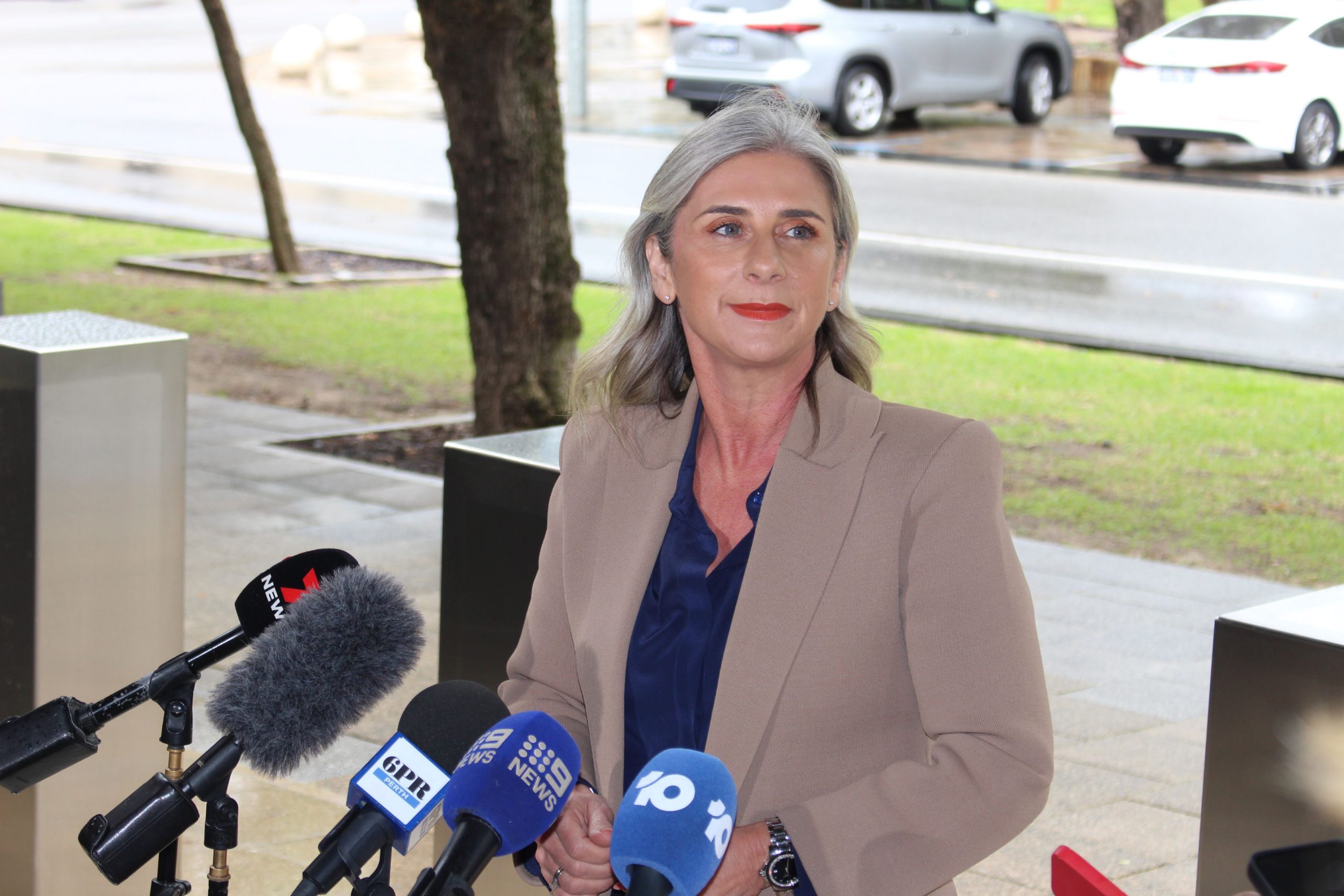
Shadow treasurer Sandra Brewer has delivered a scathing budget-in-reply to parliament, accusing Rita Saffioti of making the lives of West Australians worse off.
SALT LAKE CITY — Elder W. Mark Bassett, a General Authority Seventy and executive director of the Missionary Department for The Church of Jesus Christ of Latter-day Saints, died Monday at age 59 after sustaining a traumatic brain injury while with his family in St. George, Utah.
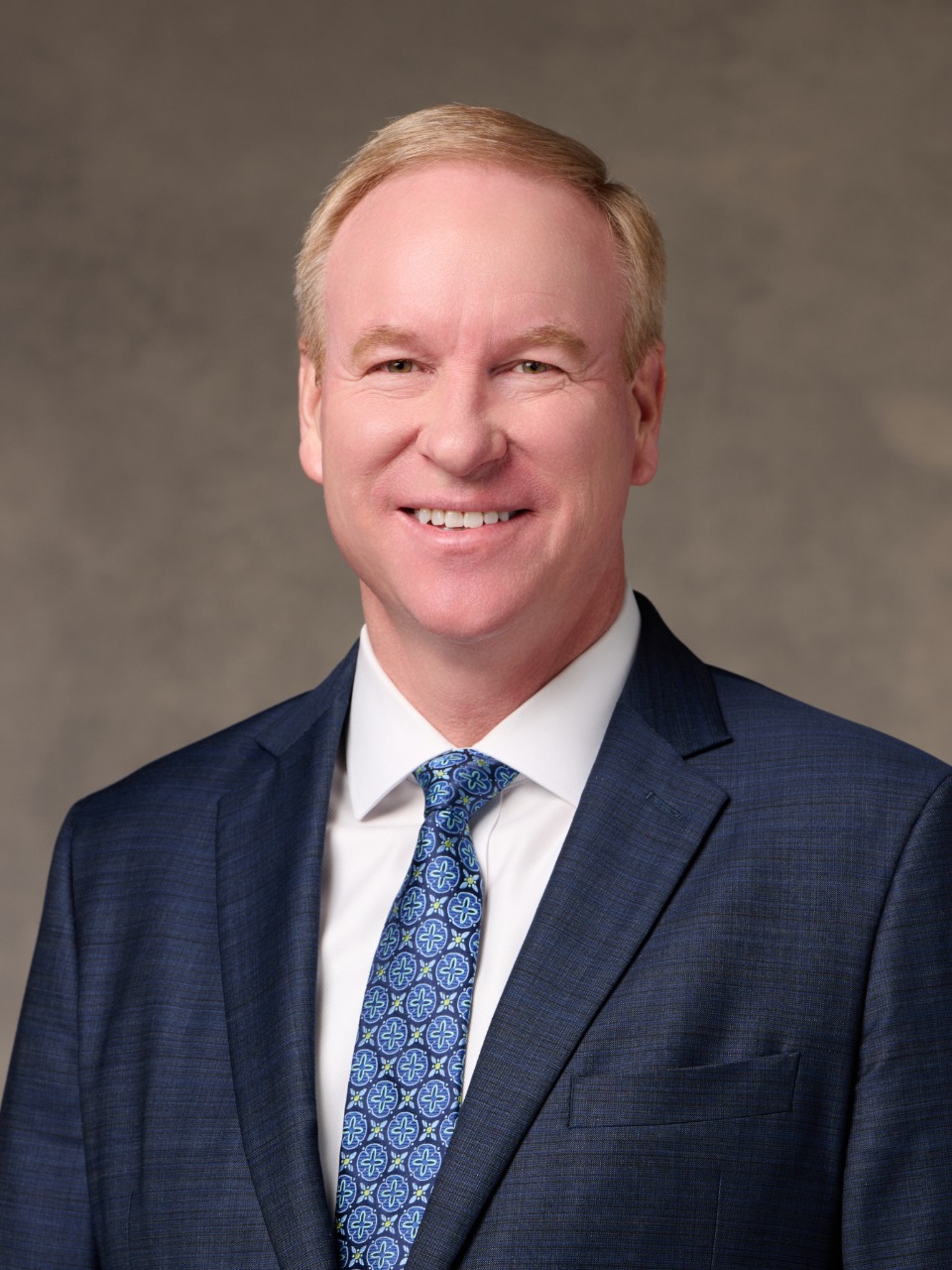
Elder W. Mark Bassett, Executive Director of the Missionary Department, official portrait, on November 7, 2025
The church announced the sudden passing Tuesday in a news release, describing Bassett as a devoted husband, father, grandfather and valiant disciple of Jesus Christ. His death has prompted an outpouring of tributes from church members worldwide who remembered his warmth, humility and dedication to missionary service.
” We are deeply saddened at the sudden passing of Elder W. Mark Bassett, a General Authority Seventy who had been serving since April of 2016,” the church statement read. “Elder Bassett passed away on May 11, 2026, as a result of a traumatic brain injury. He was with his family in St. George, Utah, when the incident occurred.”
At the time of his death, Bassett oversaw the church’s global missionary efforts during a period of historic growth. Under his leadership, the Missionary Department reported unprecedented numbers of young men and women choosing to serve, reflecting renewed enthusiasm for the church’s proselyting work.
Just days before his passing, on May 5, Bassett delivered a devotional at the Provo Missionary Training Center. He urged missionaries to teach the doctrine of Christ and “invite everyone to come — and do everything you can to help them enter this beautiful gate which leads to eternal life.” The message, captured on video and shared widely, now stands as one of his final public testimonies.
Advertisement
William Mark Bassett was born Aug. 14, 1966, in Carmichael, California, to Edwina Acker and William Lynn Bassett. The second of five children, he grew up in a gospel-centered home that emphasized faith through small, consistent experiences. He often credited his parents with helping him build a personal foundation of belief.
Bassett served a full-time mission in the Guatemala Guatemala City Mission from 1985 to 1987. After returning, he attended Brigham Young University, where he earned a bachelor’s degree in accounting in 1991. While at BYU, he maintained a long-distance courtship with Angela Brasher, a young woman from his Sacramento-area hometown. They married in the Salt Lake Temple on Dec. 20, 1989.
The couple raised five children together. Bassett worked in the wholesale auto auction industry, serving as controller at Brasher’s Sacramento Auto Auction and later as chief financial officer and co-owner of West Coast Auto Auctions Inc. The business operated auctions across California, Oregon, Nevada and Idaho.
In 2007, Bassett and his wife were called to preside over the Arizona Mesa Mission, a three-year assignment that marked a shift toward full-time church leadership. He previously served as a ward Young Men president, bishop, stake president and Area Seventy.
Advertisement
Sustained as a General Authority Seventy on April 2, 2016, Bassett served in the Brazil, North America Northeast and North America Southeast Area Presidencies. His global perspective and business background proved valuable in expanding missionary efforts. He spoke in general conference twice — in October 2016 and April 2023 — bearing powerful witness of Jesus Christ’s Atonement and the Restoration.
Colleagues and family described Bassett as thoughtful, humble and deeply attentive to others. His wife, Sister Angela Bassett, once noted his tenderness: “He remembers people, and he’s always quietly doing things for others.” Missionaries and church leaders recalled his genuine interest in their lives, often asking caring questions during interactions.
Bassett’s leadership in the Missionary Department coincided with significant developments, including expanded use of technology, service missions and efforts to help truth seekers find the “strait gate” to eternal life. He emphasized teaching core doctrine and ordinances such as baptism and confirmation.
News of his death spread rapidly through church networks. Tributes highlighted his influence on missionaries and families. One church member recalled a dinner where Bassett asked thoughtful questions that made everyone feel valued. Others pointed to his example of balancing professional success with devoted service.
Advertisement
The church expressed deep appreciation for Bassett’s decade of general authority service. “His service in this calling coincided with a period of historic growth in missionary efforts around the world and unprecedented levels of missionaries deciding to serve,” the statement noted. “Elder Bassett will be deeply missed and always remembered for his great faith and dedicated service to the Lord Jesus Christ.”
Bassett’s passing comes as the church continues its emphasis on missionary work amid global challenges. His final devotional at the MTC, delivered less than a week before his death, serves as a poignant reminder of his lifelong commitment. In it, he challenged missionaries not only to invite others to the gospel but to actively help them progress toward covenants and eternal life.
Born in California but shaped by service across continents, Bassett embodied the church’s international reach. His Guatemala mission, area presidencies in Brazil and North America, and leadership of the Missionary Department reflected a life spent crossing cultural and geographic boundaries to build faith.
Advertisement
Friends and associates in the business community remembered him as ethical and hardworking before his full-time church service. His transition from successful executive to mission president and then general authority illustrated a pattern of consecration familiar to many Latter-day Saints.
As tributes continue to pour in, church leaders and members worldwide are reflecting on Bassett’s legacy of quiet discipleship. His emphasis on small faith-building experiences — drawn from his own youth — resonated with many who heard him speak. He taught that consistent, everyday choices create the foundation for enduring testimony.
The Bassett family has requested privacy as they grieve. They are supported by extended family, friends and church leaders. Angela Bassett and their five children, along with grandchildren, remain in the thoughts and prayers of the global church community.
Bassett’s life, though cut short, exemplified dedication to family, profession and faith. From Sacramento business offices to mission fields in Arizona and global leadership in Salt Lake City, he consistently pointed others toward Christ. His final public message at the MTC — delivered with characteristic conviction — now carries added weight as a capstone to a life of service.
Advertisement
In an era of rapid change for religious organizations, Bassett helped steer the church’s missionary program toward greater effectiveness and inclusivity. His emphasis on doctrine, invitation and personal connection left an imprint on thousands of missionaries and the people they taught.
As the church mourns, it also celebrates a life well lived in the cause of gathering Israel. Elder W. Mark Bassett’s example of humility, love and unwavering testimony will continue to inspire future generations of Latter-day Saints committed to the same work he championed until the end.
Shares of Indian IT majors, including Infosys and HCLTech, fell up to 4%, emerging as top losers on the Sensex and dragging the Nifty IT index down 3%. The decline came after OpenAI’s launch of the ‘OpenAI Deployment Company’, which rekindled concerns over potential AI-driven disruption in the sector.
The Nifty IT index slumped 3%, becoming the day’s top sectoral loser, even as the Indian rupee hit a fresh lifetime low by breaching 95.50 against the US dollar, and Wall Street rallied to new record highs on the back of a tech-driven surge.
OpenAI launches OpenAI Deployment Company
OpenAI on Monday announced the launch of OpenAI Deployment Company with an initial investment of $4 billion, designed to help organisations build and deploy AI systems they can rely on every day across their most important work. The artificial intelligence major said that successful AI deployment is about empowering people and teams to do more. The OpenAI Deployment Company will extend OpenAI’s ability to embed engineers specialised in frontier AI deployment, known as Forward Deployed Engineers (FDEs), into organisations working on complex problems in demanding environments, it added. “These FDEs will work closely with business leaders, operators, and frontline teams to identify where AI can make the biggest impact, redesign organisational infrastructure and critical workflows around it, and turn those gains into durable systems,” the firm further said.
Advertisement
Live Events
As part of the launch, OpenAI agreed to acquire AI consulting and engineering firm Tomoro. The company said that the acquisition will bring nearly 150 experienced Forward Deployed Engineers and Deployment Specialists to the OpenAI Deployment Company from day one. OpenAI said that the OpenAI Deployment Company is a committed partnership between OpenAI and 19 leading global investment firms, consultancies, and system integrators. TPG leads the partnership, with Advent, Bain Capital, and Brookfield as co-lead founding partners, and B Capital, BBVA, Emergence Capital, Goanna, Goldman Sachs, SoftBank Corp., Warburg Pincus, and WCAS as founding partners. IT stocks saw a significant decline earlier this year. The rout began on Dalal Street back in February after AI startup Anthropic launched plug-ins for its Claude Cowork agent, which could automate tasks across legal, sales, marketing and data analysis. “We call it the ‘SaaSpocalypse,’ an apocalypse for software-as-a-service stocks,” Bloomberg quoted Jeffrey Favuzza from the equity trading desk at Jefferies as saying.
Notably, BSE on Monday had launched futures and options (F&O) contracts on the BSE Focused IT Index, becoming the first exchange in India to introduce derivative products benchmarked specifically to the information technology sector. The IT segment accounts for nearly 6% of the total market capitalisation of companies listed on the BSE.
Persistent Systems shares fell 4.75% to an intraday low of Rs 4,855, making it one of the biggest drags on the Nifty IT index on Tuesday morning. Tata Consultancy Services (TCS) and Infosys also declined around 4% to lows of Rs 2,292 and Rs 1,131.6, respectively. Meanwhile, Tech Mahindra, Coforge and LTI Mindtree dropped around 3% each.
HCLTech, Wipro and Mphasis shares fell more than 2% each, while OFSS shares dropped around 1%.
Advertisement
(Disclaimer: Recommendations, suggestions, views and opinions given by the experts are their own. These do not represent the views of The Economic Times)
Shares of Afcons Infrastructure surged 5.21% to Rs 343.60 during Tuesday’s trading session after the company announced a breakthrough in its international expansion strategy by securing a massive railway infrastructure project in Croatia worth approximately Rs 7,544 crore.
In its exchange filing dated May 11, Afcons Infrastructure announced that it had received intimation from the client confirming the company as the “most suitable bidder” for a railway rehabilitation and construction project in Europe.
The project is expected to be Afcons’ largest international order to date and represents the company’s official foray into the European infrastructure sector.
Commenting on the development, Executive Chairman Mr Krishnamurthy Subramanian said the project represents a significant milestone in Afcons’ global growth journey. He added that the win highlights the company’s capability to execute complex and large-scale infrastructure projects across geographies while strengthening its reputation as a trusted international infrastructure partner.
Advertisement
Managing Director S. Paramasivan stated that the project includes the reconstruction of the existing railway track along with the construction of a second railway line. The scope also covers overhead electrification, signalling systems, and telecommunication works. The total project value stands at €677.07 million excluding taxes, equivalent to nearly Rs 7,544 crore.
Live Events
He further noted that the project aligns with the vision of India’s Prime Minister’s “Making for the World” initiative, showcasing Indian engineering capabilities on the global stage.
Stock Performance & Valuation
The company currently commands a market capitalisation of around Rs 12,013 crore, while the stock’s 52-week high is Rs 479.40. On the valuation front, Afcons Infrastructure is currently trading at a Price-to-Earnings (PE) ratio of 27.81, while its Price-to-Sales (P/S) ratio stands at 1.43 and Price-to-Book (P/B) ratio at 2.38. From a technical perspective, the stock is showing positive momentum, indicating underlying strength in the ongoing trend. According to Trendlyne data, the stock’s RSI (14) is at 51.5, indicating neutral momentum. Typically, an RSI below 30 is considered oversold, while an RSI above 70 is viewed as overbought.
Technically, the stock remains in a bullish zone as it is trading above 6 out of its 8 key simple moving averages (SMAs), suggesting improving momentum after recent consolidation.
Advertisement
Mutual Funds Raise Stake
Shareholding data for the March 2026 quarter shows growing institutional confidence in the company. Mutual fund holdings increased from 17.02% to 18.60%, while foreign institutional investors (FIIs) marginally reduced their stake from 12.81% to 12.19% during the same period.
(Disclaimer: Recommendations, suggestions, views and opinions given by the experts are their own. These do not represent the views of The Economic Times)
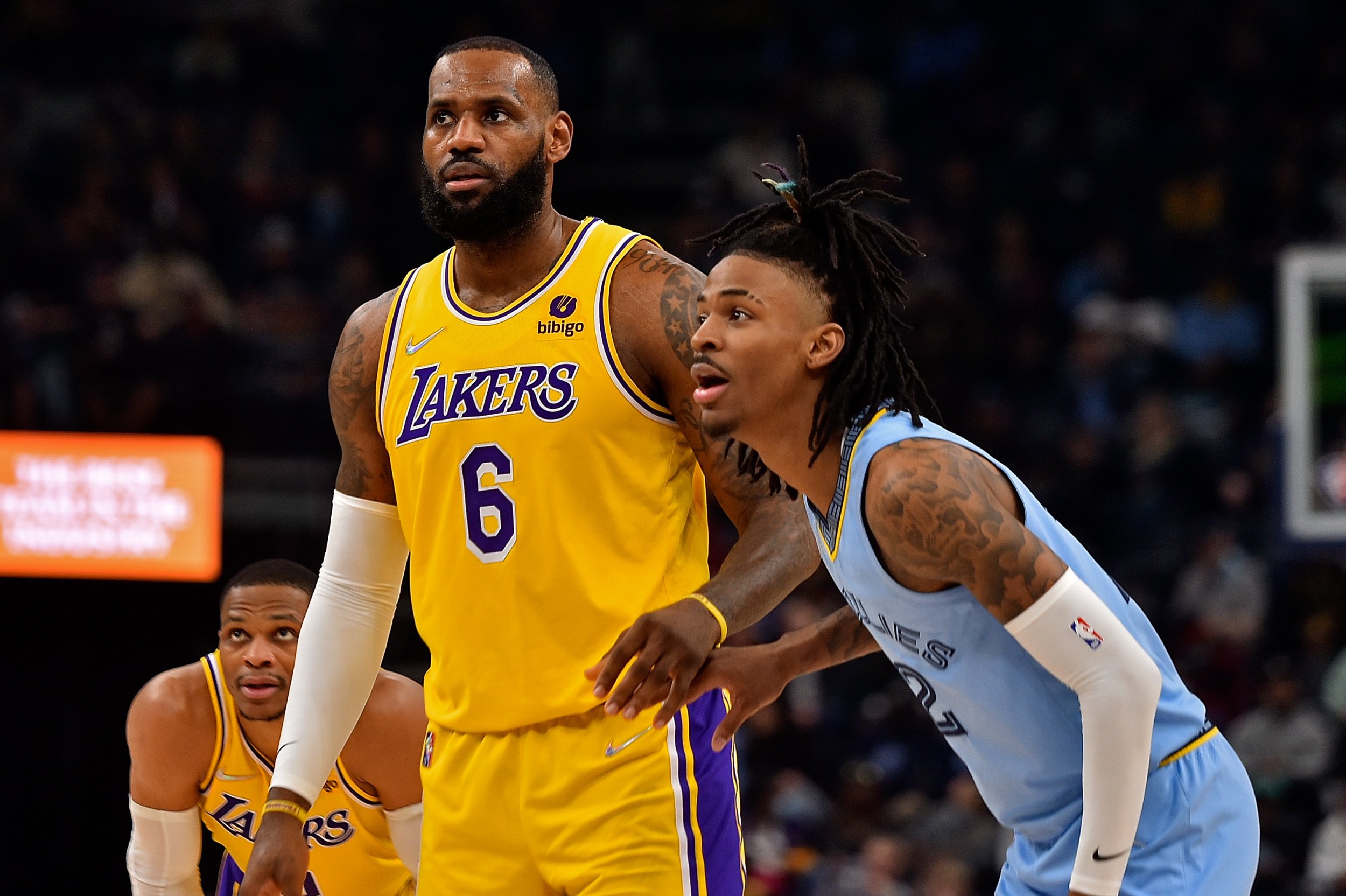
LOS ANGELES — LeBron James stood at midcourt inside Crypto.com Arena late Monday night, the final buzzer still echoing after the Oklahoma City Thunder completed a 4-0 sweep of the Los Angeles Lakers with a 115-110 victory in Game 4 of the Western Conference semifinals. At 41, James had just played what could have been his final game in a Lakers uniform, finishing with 24 points and 12 rebounds while showing sportsmanship by embracing Shai Gilgeous-Alexander and former teammate Alex Caruso.
Lebron James
The defending champion Thunder, now 8-0 in the 2026 playoffs, advanced to the Western Conference finals with the series-clinching win. Gilgeous-Alexander poured in 35 points and eight assists to lead Oklahoma City, while Austin Reaves added 27 points for the Lakers and Rui Hachimura scored 25. But the youth and depth of the Thunder overwhelmed Los Angeles, just as they had in Games 1 through 3.
For James, the sweep marked the end of another postseason run that fell short of his ultimate goal. It also intensified questions that have swirled for months: Where will the four-time NBA champion play next season — or will he play at all? As an unrestricted free agent for the first time in years after opting into his $52.6 million player option for 2025-26, James holds his future in his hands. NBA insiders say the sweep has only accelerated the timeline for his decision.
James averaged approximately 23.3 points, 6.0 rebounds and 5.8 assists across the series, numbers that underscored both his enduring excellence and the Lakers’ supporting cast limitations against a faster, deeper opponent. He became the first player in NBA history to be swept in three different decades, a stat that fueled memes but also highlighted the gap between his individual brilliance and team success this spring.
Advertisement
The Lakers entered the series as the No. 4 seed after navigating the play-in tournament. They pushed the Thunder early in several games but could not sustain leads against Oklahoma City’s relentless pace and defensive versatility. Game 4 stayed competitive until the final minutes, but the Thunder’s experience as defending champions proved decisive. James, who has now reached the playoffs in 21 of his 23 seasons, refused to use age as an excuse.
“This is a young, hungry team,” James said postgame, according to multiple reports. “They earned it. Respect to them.”
Speculation about James’ next chapter has dominated NBA discourse since last summer, when agent Rich Paul announced the opt-in. Unlike past years when James held player options that provided leverage, he deliberately positioned himself as a true free agent heading into the 2026 offseason. That move signaled openness to change — or possibly retirement — while leaving the door ajar for a Lakers return.
Cleveland and Golden State have emerged as the primary alternatives, according to league executives and reporters who have tracked James’ thinking for months. A return to the Cavaliers, where James won two of his four titles and began his career as the No. 1 pick in 2003, represents the sentimental favorite. Cleveland’s young core — Donovan Mitchell, Darius Garland, Evan Mobley and Jarrett Allen — offers a legitimate chance at contention in the Eastern Conference. Insiders describe a potential homecoming as “the most likely” landing spot if James seeks one final deep playoff run near his Akron roots.
Advertisement
James’ family ties add another layer. His son Bronny, a rookie guard for the Lakers, shared the court with his father this season — including the historic father-son playoff sweep. A move to Cleveland would not include Bronny unless the Cavaliers pursue him separately, but the proximity to family in Ohio could appeal to James as he weighs how many more seasons remain in his legendary career.
Golden State offers a different kind of narrative. Warriors officials have “seriously” considered pursuing James to pair him with Stephen Curry for one last championship push, according to multiple reports. The duo’s mutual respect dates back to their epic 2015-2018 Finals battles. Joining Curry, Draymond Green and a still-competitive supporting cast could create one of the most star-studded offenses in league history. However, Golden State’s cap constraints likely would require James to accept a mid-level exception or veteran minimum — a significant pay cut from the $50 million-plus he has earned in recent seasons.
Lakers general manager Rob Pelinka has not closed the door on retaining James, sources say. The organization views him as the franchise cornerstone despite the sweep. Re-signing James on a shorter deal could free cap space to build around Austin Reaves and potentially add complementary pieces. Yet the Lakers’ inability to surround James with consistent championship-caliber help in recent years has fueled doubts. Some insiders question whether James wants to remain the focal point of a roster that has twice been swept in the Western Conference semifinals during his second Lakers stint.
Financial realities will shape every option. James’ $20.9 million free-agent cap hold with the Lakers would leave the team with roughly $50 million in projected space if he declines to return. Teams like the Cavaliers and Warriors, already deep into the luxury tax, cannot offer max-level money without roster surgery. James has never chased the largest contract possible in free agency, prioritizing winning instead. Still, accepting less than $15 million annually would represent a substantial sacrifice at his age.
Advertisement
Retirement remains a possibility, though James has given no public indication he is ready to walk away. He has spoken often about playing alongside Bronny, a milestone already achieved. Friends and former teammates describe him as mentally sharper than ever and still driven by competition. “He values a realistic chance of winning it all,” one NBA executive told ESPN earlier this spring.
The sweep also spotlighted broader questions about the Lakers’ direction. With James’ future unresolved, the franchise must decide whether to build for the present or the post-LeBron era. Rumors have linked the Lakers to star players in potential trades, but any major move hinges on James’ decision. Coach JJ Redick, in his first full season, faces the challenge of keeping the locker room focused amid constant external noise.
Across the league, rival executives acknowledge James’ unique market power even at 41. His basketball IQ, leadership and global brand remain unmatched. A minimum deal would make him a coveted addition for nearly any contender. Yet James has repeatedly said he wants to compete at the highest level, not merely collect a paycheck.
Cleveland offers familiarity and unfinished business. James left the Cavaliers in 2010 for Miami, returned in 2014 to deliver the city its first title in 52 years, then departed again for Los Angeles in 2018. A third act in wine-and-gold would write a storybook ending few athletes achieve. The Cavaliers, who have improved steadily without James, could suddenly become Eastern Conference favorites with his addition.
Advertisement
Golden State presents the ultimate ring-chase scenario. Curry, 38, is entering what could be his final prime years. Pairing two all-time greats for a farewell tour would generate unprecedented buzz. The Warriors’ coaching staff and system have long been praised for maximizing veteran talent. James’ ability to play off-ball and facilitate would mesh seamlessly with Curry’s gravity.
Staying in Los Angeles carries its own allure. James has built a life in Southern California. His production company, SpringHill, thrives in Hollywood. The Lakers remain one of the league’s premier brands. If the front office can deliver better supporting pieces — perhaps through the draft or free agency — James could chase a fifth title without uprooting his family.
Other speculative destinations, including the New York Knicks, Denver Nuggets or even a surprise sign-and-trade, have surfaced in rumors but lack the traction of the top three. Cap space remains tight league-wide after recent extensions and luxury-tax penalties.
Whatever James chooses, the decision will reshape the 2026-27 landscape. The Thunder’s dominance this postseason — sweeping the Lakers after earlier rounds of blowouts — signals a new era of Western Conference power. James has thrived by adapting to change throughout his career. From high school phenom to Miami Heat superstar to Cleveland savior to Lakers icon, he has always dictated his narrative.
Advertisement
Monday’s loss may not have been the final chapter, but it closed one volume emphatically. James walked off the court to a standing ovation from Lakers fans who understand they may have witnessed his last home game. He waved, embraced teammates and disappeared into the tunnel.
League sources expect James to take his time, consulting family, business partners and closest confidants before announcing his plans. Free agency officially begins in July, but conversations could accelerate in the coming weeks. For now, the basketball world waits — and speculates.
James has defied age, expectations and conventional wisdom for more than two decades. Whether he returns to his roots in Cleveland, teams with Curry in Golden State, or finds one more run in purple and gold, the King’s next move will command center stage. The only certainty is that the conversation will dominate the NBA offseason, just as James has dominated the sport for a generation.
iHeartMedia, Inc. (IHRT) Q1 2026 Earnings Call May 11, 2026 4:30 PM EDT
Company Participants
Andrey Hart Bob Pittman – Chairman & CEO Rich Bressler – President, COO & Director Michael McGuinness – Chief Financial Officer
Advertisement
Conference Call Participants
Aaron Watts – Deutsche Bank AG, Research Division Stephen Laszczyk – Goldman Sachs Group, Inc., Research Division Sebastiano Petti – JPMorgan Chase & Co, Research Division Patrick Sholl – Barrington Research Associates, Inc., Research Division
Presentation
Advertisement
Operator
Good afternoon, and welcome to iHeartMedia’s First Quarter 2026 Earnings Call. [Operator Instructions] As a reminder, this conference call is being recorded. I would now like to turn the call over to Andrey Hart, Senior Vice President of Investor Relations. Thank you. Please go ahead.
Andrey Hart
Advertisement
Good afternoon, everyone, and thank you for taking the time to join us for our first quarter 2026 earnings call.
Joining me for today’s discussion are Bob Pittman, our Chairman and CEO; Rich Bressler, our President and COO; and Mike McGuinness, our CFO.
At the conclusion of our prepared remarks, management will take your questions. In addition to our press release, we have an earnings presentation available on our website that you can use to follow along with our remarks. Please note that this call may include forward-looking statements regarding our financial performance and operating results. These statements are based on management’s current expectations, and actual results could differ from what is stated as a result of certain factors identified on today’s call and in the company’s SEC filings, including our recent 8-K filing. Additionally, during this call, we will refer to certain non-GAAP financial measures. Reconciliations between GAAP and non-GAAP financial measures are included in our earnings release, earnings presentation and our SEC filings, which are available in the Investor Relations section of our website.
One MobiKwik Systems on Tuesday reported a net profit of Rs 4.38 crore for the fourth quarter of FY26, compared with a net loss of Rs 56 crore posted in the corresponding quarter of the previous financial year.
The company’s revenue from operations came in at Rs 289 crore, a jump of 8% from Rs 268 crore in the same quarter last year, the company said in a regulatory filing today.
EBITDA for the March quarter stood at Rs 10 crore, compared with an EBITDA loss of Rs 56.5 crore in the year-ago period.
EBITDA margin improved to 3.5% from negative 21% a year earlier.
Advertisement
The management said the quarterly results capped a transformational year driven by structural margin expansion in both Payments and Financial Services, along with a deliberate shift towards higher-quality lending.
Live Events
Total income for Q4 stood at Rs 296 crore, up 6% YoY, while full-year FY26 total income came in at Rs 1,154.2 crore. Contribution profit more than doubled, rising 112% YoY to Rs 135.1 crore in the March quarter. For the full financial year, contribution profit stood at Rs 437.4 crore, marking a 21% increase over FY25.The company also said fixed costs as a percentage of total income remained broadly stable at 40% in Q4FY26, compared with 39% in the corresponding quarter last year, despite continued investments and cost allocation towards building new businesses.
As for segmental revenue, the company said its core payments business continued to deliver strong growth, supported by rising UPI adoption and improving unit economics. It remained the number one PPI wallet player in India and ranked as the second fastest-growing third-party application provider (TPAP) in the country’s UPI ecosystem, with UPI transactions rising 170% YoY in Q4 compared with the industry average growth of 26%. The company also ranked as the sixth-largest customer operating unit in the BBPS ecosystem.
Payments GMV touched a record high for the 13th consecutive quarter, rising 58% YoY and 9% sequentially to Rs 52,400 crore in Q4FY26. For the full financial year, GMV stood at Rs 1,82,100 crore, up 57% YoY, representing a 4.8x increase from FY24 levels in just two years. The company also reported an industry-leading net payments margin of 16 basis points, driven by monetisation beyond UPI.
In the financial services segment, the company said the business continued its recovery on the back of better credit quality and stronger collection efficiency. ZIP EMI GMV grew 59% YoY to Rs 837.7 crore during the quarter, with 75% of disbursals under the FLDG model and the remaining 25% through the distribution model.
Advertisement
Financial services revenue rose 37% YoY and 18% quarter-on-quarter (QoQ) to Rs 77.1 crore in Q4FY26, while full-year FY26 revenue from the segment stood at Rs 261.9 crore. Gross profit from financial services surged 1,775% YoY and 21% sequentially to Rs 45.1 crore in the March quarter. For the full year, financial services gross profit came in at Rs 115.7 crore.
Following the Q4 results, MobiKwik shares declined 4% to their day’s low of Rs 218.30 on the BSE
























































You must be logged in to post a comment Login