Connect with us

Business

More than 10% chance AI ‘could kill all humans’, Anthropic researcher says

Published

on

A man wearing a grey hat and blue and navy 1/4 zip and teen boy with brown hair wearing a navy top. They are both holding tennis rackets

A top safety researcher at Anthropic’s has warned AI is advancing so quickly there is a greater than 10% chance it “could kill all humans” within the next decade.

Evan Hubinger said in a post on X, external the risk from the models which currently exist is “low”, but he was “worried” the technology may become able to improve itself to reach this point.

It comes after the Financial Times reported, external Anthropic withheld its latest model from the AI Safety Institute, which tests AI.

The BBC has approached Anthropic for comment.

Advertisement

In his latest post on X, which has been viewed 9.6 million times, Hubinger said “we really do earnestly believe” AI poses a species-ending risk to humans.

“I believe Anthropic is trying its best, but we do not yet have a plan to solve alignment for superintelligence and are not clearly on track to,” he said.

Leading figures in the AI field have been raising the alarm about the safety threat the tech poses for years, with the heads of OpenAI, Google Deepmind and Anthropic saying as much in 2023.

But those warnings have become much more stark in recent weeks, as evidence emerges that firms may be struggling to control AI.

Advertisement

Over the summer, there were a string of incidents where AI agents – AI systems that are allowed to operate autonomously – carried out cyber-attacks.

OpenAI, Anthropic and Meta all disclosed hacks carried out by their AI tools.

And in September, OpenAI’s chief scientist Jakub Pachocki called for “extreme caution” over AI’s progress, warning more intervention may be needed to ensure “humans remain in control of the future”.

Major figures in the space have been calling for AI development to be slowed in recent months, including Anthropic bosses Dario Amodei and Jared Kaplan.

Advertisement

In an open letter signed by 1,300 staff members of AI firms, external, they called for the US government to “support an international effort to develop the technical and governance tools needed to deliberately pace the frontier of automated AI development”.

Continue Reading
Click to comment

You must be logged in to post a comment Login

Leave a Reply

Business

Hershey to transition to a new CFO

Published

on

Hershey to transition to a new CFO

HERSHEY, PA. — The Hershey Co. has promoted Dave Hulays to chief financial officer. He succeeds Steve Voskuil, who intends to retire in early 2027.

Hulays has more than 30 years of financial leadership experience, including the past 14 years at Hershey. He most recently was vice president of finance. Since joining Hershey in 2012 as vice president of finance for Canada, he has taken on broader financial leadership responsibilities across the company, including the US and international businesses, global supply chain, M&A and enterprise transformation.

Before joining Hershey, he spent 15 years at Procter & Gamble in commercial, supply chain, strategy, global business development and global business services across the company’s North American and international businesses.

“Dave is a proven, enterprise-minded finance leader who has helped shape nearly every corner of this business, from our commercial and supply chain organizations to our growth agenda,” said Kirk Tanner, president and chief executive officer of Hershey. “He leads with rigor, accountability and courage. I’m confident he’s the right person to lead our finance organization into its next chapter.”

Advertisement

Hulays holds a bachelor’s degree from the University of Waterloo and a master’s degree in business administration from York University’s Schulich School of Business in Toronto.

Voskuil, who has led Hershey’s finance organization for the past seven years, will move into the role of senior vice president of strategic projects until his retirement early next year. He will focus on initiatives for the CEO and board while ensuring a smooth transition with Hulays, the company said.

“I also want to thank Steve for his leadership over the past seven years,” Tanner said. “He has been an incredible partner to me and to this company, and his continued partnership will support some of our most important priorities as we move through this transition.” 

Continue Reading

Business

European equities stumble under threat of Middle East strikes, ECB hike

Published

on


European equities stumble under threat of Middle East strikes, ECB hike

Continue Reading

Business

Minerals 260 Shares Jump 10% As Bullabulling Gold Project Advances Toward 2028 Production In Western Australia

Published

on

Minerals 260 Shares Rise 5.1% as ASX Explorer Extends Remarkable

PERTH, Australia — Shares of Minerals 260 Ltd. climbed $0.085, or 10.37%, to $0.905, continuing an extraordinary run for the West Australian gold developer as its flagship Bullabulling Gold Project progresses rapidly toward a targeted final investment decision and first production by the end of 2028.

Tuesday’s gain adds to what has already been one of the most dramatic re-ratings on the ASX over the past year, with the company’s market capitalization surging from roughly $30 million to more than $1.4 billion, according to StockAnalysis.com, driven almost entirely by the transformation of its Bullabulling project since the company acquired it in April 2025.

Minerals 260, which listed on the Australian Securities Exchange in October 2021 following a demerger from Liontown Resources, is based in West Perth and holds a broader portfolio that includes the Moora Project, Aston Lithium, the Koojan JV lithium, uranium and rare earth project, Dingo Rocks and Yalwest. But it is Bullabulling, located roughly 25 kilometers southwest of Coolgardie in Western Australia’s historic goldfields region, that has driven the overwhelming majority of investor interest in the stock.

Bullabulling’s resource base has expanded dramatically since Minerals 260 acquired the project, growing from an initial 2.3 million ounces at acquisition to 4.5 million ounces by December 2025, before a further updated Mineral Resource Estimate published in July 2026 lifted the figure by 38% to 190 million tonnes grading 1.0 grams per tonne gold for 6.2 million ounces. According to Mining Weekly, roughly 71% of that resource is now classified in the higher-confidence indicated category, a significant increase reflecting the extensive drilling program the company has undertaken across the project’s five key deposits: Dicksons, Phoenix, Bacchus, Kraken and Gibraltar.

Advertisement

Speaking at the Diggers & Dealers Mining Forum in August, Minerals 260 highlighted the scale of the project’s transformation over roughly a year of aggressive drilling and development work.

“Bullabulling is now 6.2 million ounces. We have a maiden Ore Reserve of 2.5 million ounces. We’ve completed the PFS,” the company told the conference, according to a transcript reviewed by Investing.com.

The project’s pre-feasibility study, published in July, outlined a substantial development case for Bullabulling. According to Mining Weekly, the PFS envisions production of 150,000 ounces of gold annually from a five-million-tonne-per-year processing plant, operating over a 19-year mine life at all-in sustaining costs of A$2,520 per ounce. The study estimated a post-tax net present value of A$2.3 billion and an internal rate of return of 43%, with a two-year payback period and projected annual free cash flow of A$330 million alongside earnings of A$510 million.

Minerals 260 managing director Luke McFayden described the project’s trajectory in comments accompanying the July resource update.

Advertisement

“Bullabulling is firmly established as one of Australia’s premier gold development projects and our strategic objective of creating a large-scale operation by the end of 2028 continues to progress rapidly,” McFayden said.

The company has continued to strengthen its funding position to support the project’s development. In February, Minerals 260 struck an expanded agreement with royalty and streaming company Franco-Nevada, increasing Franco-Nevada’s royalty interest in Bullabulling from 1% to 2.45%, reducing to 1.63% after cumulative production of four million ounces. As part of the same transaction, Franco-Nevada subscribed for approximately 111.1 million Minerals 260 shares at A$0.45 per share, providing the company with additional capital support while reducing its future reliance on traditional debt financing.

Drilling has continued at pace throughout 2026, with the company reporting 839 holes totaling 185,045 meters completed at Bullabulling since acquiring the project, according to Mining.com.au. Five drill rigs remained active on site as of the most recent update, with work focused on further resource growth, regional exploration across the project’s expanded 1,160-square-kilometer tenure package, and broader production readiness activities.

The company has already begun early construction work ahead of a formal final investment decision, including development of worker accommodation village infrastructure and water bore drilling, funded through an estimated A$180 million in pre-FID capital requirements. According to Mining Magazine Australia, Minerals 260’s next exploration phase is focused on three priorities: continued resource growth around existing deposits, regional target generation across the broader tenure package, and operational readiness ahead of eventual production.

Advertisement

A definitive feasibility study and final investment decision for Bullabulling are both targeted for the first quarter of 2027, according to the company’s latest guidance, with an additional mineral resource update also planned to incorporate ongoing drilling results from the Phoenix, Bacchus and Kraken deposits specifically.

Analyst sentiment toward the stock has remained broadly positive, with Investing.com noting an average 12-month price target of A$0.923 among covering analysts earlier this year, alongside a “Strong Buy” consensus rating. The stock’s 52-week range has spanned from a low of A$0.10 to a high near A$0.92, reflecting the dramatic re-rating the shares have undergone as Bullabulling has progressed from an early-stage exploration asset toward a fully de-risked, near-production gold development project.

With Tuesday’s gain extending Minerals 260’s remarkable run over the past year, investors will likely continue watching closely for further updates on the company’s definitive feasibility study, additional resource upgrades expected around Phoenix, Bacchus and Kraken, and progress toward the targeted final investment decision in early 2027, as Bullabulling continues its rapid transformation into what the company has positioned as one of Australia’s largest and most significant undeveloped gold projects heading toward first production by the end of 2028.

Advertisement
Continue Reading

Business

Automakers urge Congress to quickly ban Chinese vehicles in U.S.

Published

on

Automakers urge Congress to quickly ban Chinese vehicles in U.S.

A BYD Sealion 6 DM-i on display during the Busan International Mobility Show 2026 in South Korea, June 27, 2026.

Sopa Images | Lightrocket | Getty Images

DETROIT — Major automakers operating in the U.S. are increasing pressure on Congress to permanently ban the domestic sale, import and manufacturing of Chinese connected vehicles, hardware and software.

The Alliance for Automotive Innovation, which represents the vast majority of companies selling vehicles in the U.S., urged congressional leaders in a Thursday letter to make a move before the end of Congress’ current session on Jan. 3.

Advertisement

“Right now, Chinese automakers are dumping subsidized vehicles with connected software and hardware around the world,” John Bozzella, CEO of the group, said in the letter seen by CNBC. “This hasn’t happened inside the U.S. yet, but given the scale and urgency of this threat, we urge you to enact a Chinese vehicle, software and hardware ban before adjourning this year and make this policy the law of the land.”

Midterm elections are also coming up in November, which could affect Congress’ momentum.

Bozzella’s comments come amid bipartisan efforts in the House and Senate to address Chinese vehicles, including legislation advanced by the Senate Commerce Committee that could bar Mercedes-Benz from the U.S. market because Chinese investors hold nearly 20% of the German automaker.

The Alliance for Automotive Innovation, which includes Mercedes-Benz, said in the Thursday letter that it wants to work with lawmakers to “achieve a balanced policy so all our member companies continue to succeed and thrive inside the U.S.”

Advertisement

Automakers have been worried that Chinese rivals like BYD and Geely are flooding global markets, undercutting vehicle prices and threatening domestic production. Those China-based companies have been increasing their vehicle exports to Europe and Central and South America.

“Enacting a permanent ban on Chinese vehicles and high-risk hardware and software in the 119th Congress will send a clear and bipartisan message that China’s strategy to dominate global automotive manufacturing will be met with a national security policy response from the American government,” Bozzella said.

Continue Reading

Business

Dow Jones Futures Fall As Brent Oil Prices Hit $100, Apple iPhone Event Due; AMD, HPE Are New Buys

Published

on

Dow Jones Futures Fall As Brent Oil Prices Hit $100, Apple iPhone Event Due; AMD, HPE Are New Buys

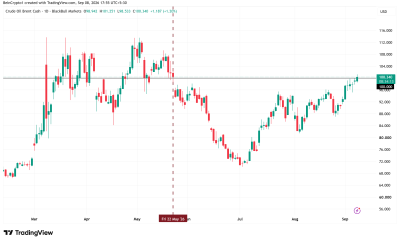
Dow Jones futures were little changed early Wednesday, while S&P 500 futures and Nasdaq futures climbed. Oil prices keep rising, with Brent crude hitting $100. An Apple iPhone event is on tap. The stock market saw losses on the key indexes Tuesday, especially the Dow Jones, as oil prices kept rising and Treasury yields hit fresh long-term highs. Software had…

Copyright ©2026 Investor’s Business Daily, LLC. All rights reserved. 87990cbe856818d5eddac44c7b1cdeb8

Continue Reading

Business

Primula cheese maker sends millions to charitable trust despite dip in profits

Published

on

Business Live

Kavli said its 2025 results were impact by a familiar set of challenges

Primula is owned by Kavli.

The Primula factory in Team Valley.(Image: Google Streetview)

The makers of Primula cheese says reduced sales and higher costs have impacted profits.

But Gateshead-based Kavli UK Limited, part of the wider Scandinavian food group, has paid £3.6m to its charitable trust owner which distributes profits to good causes across the country. Newly published accounts of Kavli UK, which runs the Team Valley factory employing more than 280 people, show a 2.1% drop in turnover from £50.8m to £49.7m in 2025 and a fall in operating profits from £4.2m to £3.6m.

A dividend of £14m was also paid during the year through a share capital reduction move. Kavli said the results showed the impact of reduced sales, input cost price increases and higher labour costs.

The business is owned by the Kavli Trust, which since the early 1960s has existed to generate profits for good causes. Its giving is spread across three key “pillars” including 60% charitable work, 30% research and 10% culture.

Advertisement

Earlier this year, the Trust awarded more than £67,000 to Newcastle Carers for a pilot project providing structured and individual follow-up for young carers. It aims to break patterns of exclusion and mental strain by reducing the burden of care and helping children manage school and everyday life.

Ingrid Paasche, chief executive of Kavli Trust, said of the project: “Many young carers take on significant responsibility at an age when they should have freedom and security. This project gives them the opportunity to reclaim their everyday lives and to live fully at school and in their free time, while being seen, guided and supported.”

And in February, the Trust awarded more than £239,000 over three years to North East theatre group Mortal Fools. The organisation’s “Creative Health – National Development” initiative combines award-winning digital school programmes with local delivery in schools and communities.

With a focus on early intervention and prevention through creative activity, the project aims more than 50,000 children and young people during the 2025–2027 project period. The support from Kavli will also help train teachers and healthcare professionals.

Advertisement

Kavli was founded in 1893 by Olav Kavli, who opened a small cheese shop in Bergen, Norway. In 1924, he established his first factory, where he went on to invent the world’s first spreadable cheese – Primula – marking the beginning of what the company calls an exciting journey of innovation and growth.

Now, Kavli Holding AS owns and operates companies in Norway, Sweden, Finland and the UK, and employs more than 1,000 people. The group’s brands include Kavli, Q-Meieriene, Skyr, Primula, Castle MacLellan, Eriks, Johnny’s and El Taco Truck.

Continue Reading

Business

Fire Insurance For Small Businesses In The Philippines

Published

on

Fire Insurance for Small Businesses

Fire is one of the biggest threats faced by small businesses in the Philippines. Whether you own a sari-sari store, café, restaurant, hardware shop, office, warehouse, pharmacy, salon, or retail store, a single fire incident can wipe out years of hard work within minutes.

According to the Bureau of Fire Protection (BFP), thousands of fire incidents occur across the country every year. Aside from property damage, businesses also suffer from inventory losses, interrupted operations, employee displacement, and reduced customer trust.

This is why Fire Insurance for Small Businesses is one of the most important investments every entrepreneur should consider. It provides financial protection against fire-related losses and helps businesses recover faster after unexpected disasters.

Advertisement

Fire Insurance for Small Businesses

In this guide, we’ll explain everything Philippine business owners need to know about fire insurance, including its benefits, coverage, exclusions, costs, and practical tips for choosing the right policy.

What Is Fire Insurance?

Fire insurance is a type of property insurance that compensates business owners for losses or damages caused by fire. Depending on the insurance provider and policy purchased, coverage may also extend to damages resulting from lightning, explosions, smoke, and other related risks.

For small businesses, fire insurance protects valuable assets such as:

  • Commercial buildings
  • Office equipment
  • Furniture and fixtures
  • Inventory and stocks
  • Machinery
  • Computers and electronics
  • Warehouse contents
  • Store improvements

Instead of paying for repairs or replacements entirely out of pocket, the insurance company helps shoulder eligible losses based on the terms of the policy.

Why Fire Insurance Is Important for Small Businesses

1. Protects Your Business Investment

Many Filipino entrepreneurs invest years of savings into starting a business. Fire insurance safeguards that investment by reducing the financial impact of unexpected disasters.

Advertisement

2. Helps Business Operations Recover Faster

After a fire, businesses often need funds immediately for repairs, replacing inventory, and purchasing equipment. Insurance payouts can help shorten downtime and allow operations to resume sooner.

3. Gives Peace of Mind

Knowing your business is financially protected allows owners to focus on growth instead of constantly worrying about unexpected emergencies.

4. May Be Required by Banks

If your commercial property or business loan is financed through a bank, fire insurance may be required as part of the loan agreement.

5. Protects Business Continuity

Without insurance, a major fire could permanently close a business. Fire insurance helps businesses survive catastrophic losses and continue serving customers.

Advertisement

What Does Fire Insurance Usually Cover?

Coverage varies depending on the insurer and policy selected. However, most commercial fire insurance policies commonly include:

  • Damage caused directly by fire
  • Lightning damage
  • Smoke damage
  • Damage caused while extinguishing the fire
  • Explosion caused by fire
  • Damage to insured buildings
  • Business furniture
  • Office equipment
  • Computers and electronics
  • Business inventory
  • Machinery and production equipment
  • Warehouse contents

Many insurance companies also allow businesses to purchase additional coverage through policy extensions.

Optional Coverages You May Consider

Many insurers offer optional riders or endorsements that provide broader protection.

  • Earthquake and fire following earthquake
  • Typhoon and flood coverage
  • Riot and strike damage
  • Malicious damage
  • Burst pipes
  • Vehicle impact
  • Business interruption insurance
  • Loss of rental income
  • Debris removal expenses
  • Architect and engineering fees
  • Temporary relocation costs

Business interruption insurance is especially valuable because it helps replace lost income while your business is temporarily unable to operate after a covered event.

What Is Usually Not Covered?

Every insurance policy has exclusions. Common exclusions include:

  • Intentional acts by the owner
  • Fraudulent claims
  • Normal wear and tear
  • Poor maintenance
  • War and terrorism (unless specifically covered)
  • Nuclear incidents
  • Illegal business activities
  • Losses outside the policy period

Always read the policy carefully and ask the insurance company to explain any exclusions before purchasing coverage.

How Much Fire Insurance Do Small Businesses Need?

The amount of coverage depends on several factors:

Advertisement
  • Replacement cost of the building
  • Total value of business equipment
  • Inventory value
  • Furniture and fixtures
  • Computers and office electronics
  • Machinery
  • Renovation costs

A common mistake is underinsuring a business. If your insured amount is significantly lower than the property’s replacement value, you may not receive enough compensation after a major fire.

How Much Does Fire Insurance Cost in the Philippines?

Insurance premiums vary depending on multiple factors, including:

  • Business type
  • Building construction
  • Location
  • Fire protection systems
  • Claims history
  • Coverage amount
  • Optional riders selected

Businesses located in areas with lower fire risk and equipped with smoke detectors, fire extinguishers, and sprinkler systems may qualify for more favorable premium rates compared to higher-risk properties.

Rather than choosing the cheapest policy, compare the coverage limits, exclusions, deductibles, and claim process to determine which option provides the best overall value.

How to Choose the Right Fire Insurance Policy

1. Assess Your Business Assets

Create a complete inventory of buildings, equipment, inventory, and other valuable assets.

2. Compare Multiple Insurance Providers

Obtain quotations from different insurers and compare:

Advertisement
  • Coverage
  • Premiums
  • Deductibles
  • Claim settlement reputation
  • Customer support
  • Additional benefits

3. Understand the Exclusions

Never purchase insurance based solely on price. Read the policy wording carefully.

4. Consider Business Interruption Coverage

Losing income while your business is closed can be more damaging than the fire itself.

5. Update Coverage Regularly

As your business grows, review your insurance annually to ensure your coverage keeps pace with new equipment, renovations, or increased inventory.

Tips to Reduce Fire Risks

Insurance is important, but prevention is even better.

  • Install smoke detectors.
  • Keep fire extinguishers accessible.
  • Train employees on fire safety procedures.
  • Avoid overloaded electrical outlets.
  • Inspect wiring regularly.
  • Maintain emergency exits.
  • Store flammable materials properly.
  • Conduct periodic fire drills.
  • Follow BFP fire safety regulations.
  • Keep important business documents backed up digitally.

What to Do After a Fire

If your business experiences a fire:

  1. Ensure everyone’s safety first.
  2. Contact emergency responders.
  3. Notify your insurance company immediately.
  4. Document all damages using photos and videos.
  5. Prepare an inventory of damaged items.
  6. Secure the property from further damage if safe to do so.
  7. Submit all required claim documents promptly.
  8. Coordinate with your insurance adjuster throughout the claims process.

Keeping purchase receipts, invoices, and updated asset records can significantly simplify the claims process.

Common Mistakes Small Business Owners Make

  • Buying the cheapest policy without reviewing coverage.
  • Underestimating property value.
  • Not updating insurance after business expansion.
  • Ignoring optional business interruption coverage.
  • Failing to document business assets.
  • Not reading policy exclusions.
  • Waiting until after a disaster to purchase insurance.

Frequently Asked Questions (FAQs)

Is fire insurance mandatory for all small businesses?

No. However, banks may require it for financed commercial properties, and it is strongly recommended for businesses with physical assets.

Can tenants get fire insurance?

Yes. Even if you rent your business space, you can insure your inventory, equipment, furniture, and leasehold improvements.

Advertisement

Does fire insurance cover inventory?

Yes, provided inventory is included in your policy and declared with an appropriate insured value.

How long does claim processing take?

The timeline varies depending on the insurer, the completeness of submitted documents, and the complexity of the claim.

Can home-based businesses get fire insurance?

Some insurers offer coverage for qualified home-based businesses. Check with your insurance provider regarding eligibility and policy options.

Fire can happen without warning, but the financial consequences don’t have to be devastating. Investing in Fire Insurance for Small Businesses in the Philippines is a practical way to protect your hard-earned assets, maintain business continuity, and recover more quickly from unexpected disasters.

Advertisement

Whether you’re operating a small retail shop, restaurant, warehouse, office, or service-based business, having the right insurance coverage can make the difference between a temporary setback and a permanent closure.

Before purchasing a policy, compare multiple insurance providers, understand the coverage and exclusions, accurately value your assets, and consider adding business interruption coverage for more comprehensive protection. Combined with proper fire prevention practices, fire insurance forms an essential part of responsible business risk management.

BN Philippines
Latest posts by BN Philippines (see all)

Continue Reading

Business

House Or Business First? A Smart Financial Guide To Building Wealth

Published

on

buying a house vs starting a business

One of the biggest financial decisions many people face is this: Should you buy a house first or start a business? There is no universal answer because every person’s financial situation, career goals, family responsibilities, and risk tolerance are different.

Some people believe that owning a home provides security and stability before taking entrepreneurial risks. Others argue that building a successful business first creates income that can later make buying a dream home much easier.

buying a house vs starting a business

If you’re asking yourself, “Should I prioritize a house or a business?”, this guide will help you evaluate both options, understand their advantages and disadvantages, and make a smarter financial decision.

Advertisement

Why This Decision Matters

Both buying a house and starting a business require a significant financial commitment. In many cases, you may not have enough capital to do both at the same time.

Your choice today can influence your financial future for years, even decades. That’s why understanding the long-term impact is more important than simply following what friends or relatives recommend.

When Buying a House First Makes Sense

Purchasing a home is often viewed as a major life milestone. It provides stability and can become a valuable long-term asset.

Advantages of Buying a House First

  • Stable Living Situation
    You no longer worry about rising rental costs or frequent moves.
  • Build Home Equity
    Instead of paying rent every month, your payments help build ownership in your property.
  • Potential Property Appreciation
    Real estate often increases in value over time, especially in growing cities and developing communities.
  • Greater Family Security
    A permanent home offers emotional stability, especially for families with children.
  • Easier Financial Planning
    Fixed mortgage payments can be easier to budget than fluctuating rental expenses.

Disadvantages

  • Large down payment requirements
  • Monthly mortgage obligations
  • Property taxes and maintenance costs
  • Less available capital for investments
  • Reduced financial flexibility

If most of your savings go toward buying a home, you may have little remaining capital to invest in business opportunities.

When Starting a Business First Makes Sense

A successful business can generate income that far exceeds what traditional employment offers. Many entrepreneurs choose to invest in their businesses first before purchasing real estate.

Advertisement

Advantages of Starting a Business First

  • Higher Income Potential
    A profitable business may generate significantly more income than your regular salary.
  • Creates Multiple Income Streams
    Business profits can later fund investments, retirement savings, and property purchases.
  • Greater Financial Growth
    Businesses have the potential to scale, increasing profits over time.
  • Tax Advantages
    Depending on your country’s tax regulations, business owners may qualify for deductible business expenses.
  • Future Home Purchase Becomes Easier
    A thriving business may allow you to purchase a home with less financial stress.

Disadvantages

  • Higher financial risk
  • Income may not be stable during the early years
  • Long working hours
  • Possible business losses
  • No guarantee of success

Unlike real estate, businesses can fail if they are poorly managed or if market conditions change dramatically.

Consider Your Personal Financial Situation

Before deciding, honestly evaluate your finances.

Ask Yourself These Questions

  • Do I have emergency savings?
  • How stable is my current income?
  • Do I have existing debts?
  • Can I handle financial risks?
  • Do I have dependents?
  • How much capital do I have?
  • Do I have entrepreneurial experience?

Your answers can reveal which option better aligns with your current financial position.

Business First: Who Is It Best For?

Starting a business before buying a house may be a good choice if you:

  • Are young and have fewer financial obligations
  • Already have a validated business idea
  • Possess industry knowledge or experience
  • Can tolerate financial uncertainty
  • Want to build wealth faster
  • Already have affordable housing arrangements

Many successful entrepreneurs rented modest homes while investing heavily in growing their businesses.

House First: Who Is It Best For?

Buying a house first may be more appropriate if you:

  • Have a growing family
  • Need housing stability
  • Prefer lower financial risk
  • Have a steady long-term career
  • Already have sufficient savings
  • Do not yet have a proven business concept

Can You Do Both?

Yes—but it requires careful planning.

Instead of making an all-or-nothing decision, many financially successful individuals gradually build both assets.

Advertisement

For example:

  1. Build an emergency fund.
  2. Start a small side business.
  3. Grow business profits.
  4. Save for a house down payment.
  5. Purchase a home when business income becomes stable.

This balanced approach reduces financial stress while allowing both goals to progress.

Common Mistakes to Avoid

1. Buying an Expensive House Too Early

A large mortgage can limit your ability to invest in opportunities that could grow your wealth.

2. Starting a Business Without Research

Never invest simply because others are doing it. Conduct market research and prepare a business plan.

3. Ignoring Emergency Savings

Unexpected expenses happen. Maintain at least three to six months of living expenses before making major financial commitments.

Advertisement

4. Depending on Debt

Borrow responsibly. Excessive debt can create financial pressure whether you buy a home or start a business.

Questions to Help You Decide

Consider these practical questions:

  • Will this investment generate income?
  • Can I comfortably afford the monthly payments?
  • What happens if my income decreases?
  • Am I financially prepared for unexpected emergencies?
  • Will this decision improve my financial future?

The Best Strategy for Long-Term Wealth

For many people, the smartest strategy isn’t choosing one forever—it is choosing the right priority at the right stage of life.

If you have a profitable business opportunity with strong potential, investing in that business first could create the income needed to buy a better home later.

If your family urgently needs stability and your finances are secure, purchasing a home first may provide peace of mind while you slowly build a business on the side.

Advertisement

The key is avoiding decisions based solely on emotion or social pressure. Your financial goals should reflect your own circumstances—not someone else’s timeline.

So, should you buy a house first or start a business?

The answer depends on your income, financial stability, family responsibilities, risk tolerance, and long-term goals.

If your objective is maximizing wealth, many financial experts encourage investing in income-producing assets before acquiring lifestyle assets. A successful business can eventually pay for the home you truly want.

Advertisement

However, if stability, security, and family needs are your highest priorities, buying a home first may be the better decision.

Ultimately, the best investment is the one that moves you closer to financial freedom while allowing you to sleep peacefully at night.

Take time to evaluate your options, create a realistic financial plan, and remember that building wealth is a marathon—not a sprint.

BN Philippines
Latest posts by BN Philippines (see all)
Continue Reading

Business

Learner drivers still waiting 20 weeks to book tests

Published

on

A man wearing a grey hat and blue and navy 1/4 zip and teen boy with brown hair wearing a navy top. They are both holding tennis rackets

Learner drivers have to wait an average 20 weeks before booking a practical test, according to new figures, despite attempts to reduce delays.

The data from the Driver and Vehicle Standards Agency (DVSA) for August is only a marginal improvement from an 20.2 weeks in July.

The average wait time between booking and sitting a test is unchanged at 11.1 weeks.

The DVSA initially had a target of reducing the average waiting time to seven weeks by the end of last year. Transport Secretary Heidi Alexander pushed the target back to summer 2026, but admitted even that would not be possible.

Advertisement
Continue Reading

Business

Qualcomm Shares Surge Up To 10% On Multi-Year Amazon AI Chip Deal Worth Up To $60 Billion Signed

Published

on

In a battle to gain foothold of the emerging hands-free driving market, Qualcomm tops Magna's bid to buy Veoneer.

SAN DIEGO — Qualcomm Inc. shares surged as much as 10% Tuesday after the company announced a multi-generational collaboration with Amazon to build customized silicon and advanced connectivity solutions for Amazon Web Services’ rapidly expanding artificial intelligence data center infrastructure, marking one of the chipmaker’s most significant moves yet into the AI infrastructure market.

Qualcomm Technologies said it will work with Amazon across multiple generations of customized silicon to support AWS’s AI infrastructure, with an initial focus on AI inference workloads, the process of running already-trained AI models efficiently at scale. The companies will also jointly develop high-performance optical connectivity solutions, including interconnects supporting speeds up to 1.6 terabits per second, drawing on Qualcomm’s advanced SerDes and optical DSP technologies to address growing bandwidth bottlenecks within AWS data centers.

Qualcomm President and CEO Cristiano Amon framed the partnership as a direct response to the accelerating infrastructure demands of the AI industry.

“As AI demand accelerates, data center infrastructure will require advances in both computing and connectivity to deliver greater performance with more efficiency,” Amon said. “Qualcomm is pleased to work with AWS on customized silicon and connectivity solutions, bringing decades of leadership in advanced processing and power-efficient compute, to deliver breakthrough performance and enable the next generation of AI infrastructure.”

Advertisement

AWS Vice President Prasad Kalyanaraman echoed that framing from Amazon’s side of the partnership.

“This collaboration with Qualcomm Technologies builds on a strong foundation of partnership and reflects our shared commitment to pushing the boundaries of what’s possible,” Kalyanaraman said. “By working together on customized silicon and advanced connectivity, we’re delivering more performant, efficient, and cost-effective infrastructure for our customers.”

As part of the expanded relationship, Qualcomm also said it plans to deepen its own use of AWS’s AI infrastructure, including Amazon Bedrock, specifically for electronic design automation workloads tied to chip design, with the goal of shortening its own internal chip development cycles.

The financial terms of the deal include a significant equity component. According to CNBC, Qualcomm issued Amazon a warrant to acquire up to 25 million shares of Qualcomm common stock at an exercise price of $161.26, a stake worth approximately $4 billion at that price. According to TipRanks, the warrant can be exercised without any cash payment and remains valid until 2036, with shares vesting in stages tied to Amazon signing commercial deals, placing firm orders, and purchasing Qualcomm’s server chips and related technology and services, up to a total cap of $60 billion.

Advertisement

Wall Street’s reaction to the announcement was immediate and pronounced. Qualcomm shares jumped as much as 9% to 10% in Tuesday trading, according to multiple reports, marking one of the stock’s largest single-day gains in months and adding roughly $9 billion to the company’s market value in a single session. The move came even as the broader market traded lower, with the SPDR S&P 500 ETF Trust down 0.47% during the same session, underscoring the deal-specific nature of Qualcomm’s rally.

The rally proved significant in the context of Qualcomm’s broader 2026 stock performance. According to 247wallst.com, Qualcomm shares had been up just 5% year to date heading into Tuesday’s session, meaning the single day’s gain accounted for essentially all of the stock’s advance for the year up to that point. By comparison, the broader PHLX Semiconductor Index had climbed 68% over the same period, leaving Qualcomm notably behind many of its chip industry peers before Tuesday’s announcement helped narrow that performance gap.

Rival chipmaker Broadcom, which has its own established custom AI silicon relationship with several major hyperscale cloud providers, also saw its shares tick higher on the news, rising roughly 3% in a “read-through” reaction reflecting broader investor enthusiasm for the custom AI silicon category as a whole. Amazon shares, meanwhile, traded roughly flat to slightly lower following the announcement, a muted reaction analysts attributed to the deal being read primarily as a Qualcomm growth story rather than a material development for Amazon’s own results.

The Qualcomm-Amazon partnership extends AWS’s broader custom-chip strategy beyond its existing in-house Trainium AI processors and its established relationship with incumbent supplier Broadcom, adding a third major silicon partner to Amazon’s AI infrastructure roadmap. According to AOL’s reporting, AWS’s total infrastructure backlog stood at $496 billion, with Amazon on pace to double its power capacity by the end of 2027 compared with 2025, underscoring the scale of demand driving the company’s search for additional silicon suppliers. AWS revenue reached $42.2 billion in Amazon’s most recent quarterly report, up 36.7% year over year, marking the segment’s fastest growth rate in 18 quarters and reflecting an annualized revenue run rate of $169 billion.

Advertisement

The deal marks Qualcomm’s second major hyperscale cloud partnership disclosed this year, following the company’s earlier unveiling of its Dragonfly C1000 data center processor in June, a chip Qualcomm has said Meta Platforms plans to deploy in production starting in 2028. Qualcomm has set a target of reaching $15 billion in data center revenue by fiscal 2029 as part of its broader strategic pivot beyond its traditional smartphone chip business, even as that pivot comes with lower gross margins on custom silicon compared with the company’s historical mobile chip business, alongside a roughly 20% decline in handset revenue that has continued weighing on Qualcomm’s overall results.

With the Amazon partnership now formally announced and Qualcomm’s market capitalization sitting near $189.7 billion, well below Broadcom’s roughly $1.755 trillion valuation, investors and analysts are likely to continue closely tracking how quickly the newly announced collaboration translates into concrete revenue for Qualcomm, given that Tuesday’s stock surge reflects considerable optimism about the deal’s long-term potential even before any meaningful near-term financial impact has materialized.

Continue Reading

Trending

Copyright © 2025