Connect with us
DAPA Banner
DAPA Coin
DAPA
COIN PAYMENT ASSET
PRIVACY · BLOCKDAG · HOMOMORPHIC ENCRYPTION · RUST
ElGamal Encrypted MINE DAPA
🚫 GENESIS SOLD OUT
DAPAPAY COMING

Business

Mortgage and Car Loan Rates Surge as Treasury Yields Hit Highest Levels Since 2007

Published

on

Mortgage

WASHINGTON — Borrowing costs for American consumers are climbing sharply as a global bond sell-off pushes Treasury yields to levels not seen in nearly two decades, driven by persistent inflation concerns, elevated oil prices and worries over the nation’s expanding debt load.

Mortgage
Mortgage and Car Loan Rates Surge as Treasury Yields Hit Highest Levels Since 2007
Pixabay

The 30-year Treasury bond yield reached its highest point since 2007 earlier this week before settling around 5.18 percent, while the benchmark 10-year note climbed to about 4.68 percent — its highest level since January 2025. These increases are rippling directly into everyday finances, with mortgage rates and auto loan costs rising in tandem.

For homebuyers, the impact is immediate. The average rate on a 30-year fixed-rate mortgage hit 6.75 percent on Tuesday, according to Mortgage News Daily, marking the highest level since late July and up nearly half a percentage point since mid-April. That increase adds hundreds of dollars to monthly payments for typical loans, further straining affordability in a housing market already challenged by high prices.

Car buyers face similar pressure. The average interest rate on a new-auto loan reached 9.45 percent in April, per Cox Automotive data, pushing the typical monthly payment on a new vehicle to $757. Used-car loans have also climbed, making vehicle ownership more expensive at a time when many families rely on reliable transportation for work and daily life.

The connection stems from how financial markets operate. The U.S. government issues Treasury bonds to fund its massive debt, now exceeding $36 trillion. When investors demand higher returns due to inflation risks or fiscal concerns, yields rise. Banks and lenders then use these yields as benchmarks to set rates on consumer loans, passing on the higher costs.

Advertisement

Olumide Owolabi, a senior portfolio manager and head of U.S. rates at Neuberger Berman, pointed to government borrowing needs as a key factor. “The U.S. government’s borrowing needs have been one of the drivers of rising yields in recent weeks,” he said.

Several forces are fueling the bond market turmoil. Oil prices remain stuck above $100 a barrel amid ongoing tensions from the conflict in Iran, raising fears that energy costs will feed broader inflation. Investors worry the Federal Reserve may need to resume rate hikes or hold rates higher for longer, reducing the appeal of existing bonds and driving yields up further.

The 10-year Treasury note, in particular, serves as a critical reference point for mortgage pricing. Lenders add a spread to account for risk and profit, so even modest yield jumps translate into noticeably higher home loan rates. Fixed-rate mortgages have now erased much of the relief seen earlier in the year when rates briefly dipped below 6 percent.

Auto financing follows a similar pattern. Lenders tie vehicle loans to broader market rates, and the combination of higher borrowing costs and elevated car prices has made monthly payments a growing burden. Many buyers are opting for longer loan terms to manage affordability, though this increases total interest paid over time.

Advertisement

Economists warn that sustained high rates could cool consumer spending, a major driver of U.S. economic growth. Housing activity, already subdued, may slow further as prospective buyers delay purchases or seek smaller homes. The auto sector, which supports millions of jobs, could see softer demand if financing remains expensive.

The sell-off in bonds reflects deeper anxieties about Washington’s fiscal path. With annual deficits running high and debt servicing costs rising, some investors are demanding greater compensation for holding U.S. government debt. Global factors, including shifting policies from major central banks and geopolitical risks, have amplified the volatility.

Fed officials have acknowledged the challenges. While recent inflation readings showed some moderation, sticky components like shelter costs and energy prices keep policymakers cautious. Markets now price in fewer rate cuts for the remainder of 2026 than anticipated just months ago.

For ordinary Americans, the effects extend beyond big-ticket purchases. Credit card rates, home equity lines of credit and personal loans are also trending higher, adding pressure to household budgets already stretched by grocery and utility bills.

Advertisement

Regional differences appear in the data. Coastal markets with higher home values feel the mortgage rate spike more acutely, while Midwest and Southern states see pronounced effects on vehicle financing due to longer commuting distances.

Financial advisers recommend locking in rates where possible. Homebuyers with strong credit may still secure relatively competitive terms, but experts suggest shopping multiple lenders and considering adjustable-rate options carefully despite their risks. For car purchases, negotiating longer warranties or opting for certified pre-owned vehicles can help offset higher financing costs.

The bond market’s message carries implications for the broader economy. Higher yields can strengthen the dollar, potentially hurting U.S. exporters, while also raising costs for corporate borrowing and state and local governments funding infrastructure projects.

Some analysts see potential relief if inflation cools faster than expected or if geopolitical tensions ease, allowing oil prices to retreat. However, others caution that structural debt concerns may keep yields elevated for the foreseeable future.

Advertisement

The situation highlights the interconnectedness of global finance and daily life. Decisions made in bond trading rooms in New York and London directly influence whether a family in Ohio can afford their dream home or a new car for their teenager’s commute to college.

As summer approaches, many consumers are reassessing big financial commitments. Real estate agents report increased hesitation among buyers, while dealerships note more negotiations over loan terms. Economists will watch upcoming housing starts, existing home sales and auto sales data closely for signs of broader slowdown.

The recent surge in yields marks a reversal from earlier optimism that rates had peaked. The 30-year bond’s move above 5 percent serves as a stark reminder of the long-term challenges in balancing growth, inflation and fiscal responsibility.

Policymakers in Washington face growing calls to address the debt trajectory, though partisan divides complicate meaningful action. In the meantime, the burden falls on consumers navigating a higher-rate environment that shows little immediate sign of easing.

Advertisement

For those with adjustable-rate mortgages or variable loans, the coming months could bring additional adjustments. Fixed-rate borrowers who secured loans in recent years may hold an advantage, underscoring the importance of timing in personal finance.

Market participants continue monitoring Fed communications and inflation reports. Any signs of renewed price pressures could push yields even higher, further tightening financial conditions across the economy.

The current environment tests the resilience of American households. While job markets remain relatively solid, the combination of elevated borrowing costs and lingering inflation creates a challenging backdrop for spending and investment decisions.

Longer term, structural shifts such as an aging population and evolving work patterns may influence how consumers approach debt. For now, the immediate focus remains on managing the impact of rising Treasury yields on mortgages, car loans and overall financial well-being.

Advertisement

As investors demand higher returns on U.S. debt, everyday Americans are feeling the consequences through their monthly payments and reduced purchasing power. The coming weeks will reveal whether this bond market pressure represents a temporary spike or the start of a more prolonged period of elevated borrowing costs.

Continue Reading
Click to comment

You must be logged in to post a comment Login

Leave a Reply

Business

Opinion: Nimble approach needed for AI

Published

on

Opinion: Nimble approach needed for AI

OPINION: Caution about AI is understandable but must not become an excuse for delay.

Continue Reading

Business

Top 10 AI Stocks to Watch and Consider Buying in 2026 Amid Tech Boom

Published

on

Artificial Intelligence / AI

Investors seeking exposure to the artificial intelligence surge in 2026 are focusing on companies leading advancements in chips, cloud computing, software and data infrastructure, with Nvidia, Microsoft and Alphabet frequently cited among the strongest positioned players as capital spending on AI remains robust.

The AI sector continues to drive significant market gains, with infrastructure buildouts by hyperscalers fueling demand for semiconductors, enterprise tools and applications. While volatility persists amid high valuations and execution risks, analysts highlight a core group of stocks benefiting from secular tailwinds in data centers, generative AI and automation.

1. Nvidia (NVDA) Nvidia dominates AI accelerators with an estimated 80-90% market share in high-end GPUs. Its Blackwell platform and upcoming architectures underpin massive data center demand, with revenue growth exceeding 60% in recent periods. The company’s CUDA ecosystem creates strong competitive moats, making it a foundational pick for AI infrastructure exposure.

2. Microsoft (MSFT) Microsoft integrates AI across Azure, Copilot tools and Office suite, partnering closely with OpenAI. Cloud revenue acceleration and enterprise adoption position it for sustained growth, balancing high-margin software with infrastructure investments.

Advertisement

3. Alphabet (GOOGL) Google’s parent leverages Gemini models, custom TPUs and cloud services while maintaining advertising dominance. AI enhancements across search and YouTube, combined with growing cloud backlog, support optimistic outlooks for 2026 performance.

4. Broadcom (AVGO) Broadcom excels in custom AI accelerators and networking chips, supplying major hyperscalers. Strong order momentum and diversification beyond consumer markets have driven outperformance, with analysts noting its role in AI hardware ecosystems.

5. Meta Platforms (META) Meta invests heavily in AI for content recommendation, advertising efficiency and metaverse initiatives. Robust user growth and high-margin ad revenue provide funding for infrastructure, with efficiency gains from AI already visible in results.

6. Advanced Micro Devices (AMD) AMD challenges Nvidia in GPUs and leads in certain CPU segments with EPYC processors. Its Instinct accelerators gain traction as companies diversify suppliers, offering investors a growth story at relatively more accessible valuations.

Advertisement

7. Amazon (AMZN) Amazon Web Services leads cloud computing with extensive AI services and custom Trainium/Inferentia chips. E-commerce scale and advertising further bolster the company’s diversified AI exposure.

8. Taiwan Semiconductor Manufacturing (TSM) As the world’s leading chip foundry, TSMC manufactures advanced processors for Nvidia, Apple and others. Its process technology leadership remains critical to the AI supply chain.

9. Palantir Technologies (PLTR) Palantir delivers AI-powered data analytics platforms to governments and enterprises. Commercial momentum and platform adoption have accelerated, positioning it as a software beneficiary of AI deployment.

10. Micron Technology (MU) Micron provides high-bandwidth memory essential for AI training and inference. Strong demand for its DRAM and NAND products has driven exceptional performance, with analysts projecting continued growth as AI workloads expand.

Advertisement

Market Context and Investment Considerations

AI-related capital expenditures by major tech firms are projected to remain elevated in 2026, supporting the entire ecosystem from chips to applications. Morningstar and other analysts identified several of these names as undervalued or fairly priced with strong moats as of early June.

Risks include potential slowdowns in AI hype cycles, geopolitical tensions affecting supply chains, regulatory scrutiny and high valuations leaving limited room for error. Diversification across hardware, software and services mitigates single-company exposure.

Analysts emphasize long-term horizons. Companies demonstrating clear paths to monetization, strong balance sheets and technological leadership are best positioned. Quarterly results, product roadmaps and hyperscaler spending updates will provide key signals throughout the year.

Advertisement

Broader AI Investment Landscape

Beyond the top 10, names like Accenture, Arista Networks, Adobe and Dell also feature in many lists for their roles in implementation, networking and services. The sector’s expansion into edge AI, autonomous systems and industry-specific applications creates additional opportunities.

Investors should conduct thorough due diligence, considering individual risk tolerance and portfolio allocation. Many experts recommend a balanced approach rather than concentrating solely in a few high-profile names. Professional financial advice is essential, as past performance does not guarantee future results.

The AI transformation is reshaping industries from healthcare and finance to manufacturing and entertainment. Stocks with deep technical expertise and scalable business models are viewed as long-term winners in this shift. As 2026 unfolds, execution on massive infrastructure investments and innovation pipelines will differentiate leaders.

Advertisement

Market participants remain optimistic about AI’s productivity benefits, though debates continue over near-term returns on investment. The selected companies represent a cross-section of the value chain, offering investors varied ways to participate in what many consider a multi-decade opportunity.

Careful monitoring of macroeconomic conditions, interest rates and competitive dynamics will be crucial. With AI adoption accelerating, these stocks are expected to remain in focus for growth-oriented portfolios throughout 2026 and beyond.

Continue Reading

Business

The Interview – Mohammed Dewji, billionaire: I want to give back

Published

on

The Interview - Mohammed Dewji, billionaire: I want to give back

Available for over a year

“I do want to make money, but I want to make money in the right way, ethically. But more importantly, I want use this money to be able to give back.”

Charles Gitonga speaks to entrepreneur and businessman Mohammed Dewji about becoming one of Africa’s youngest billionaires and how he wants to use his wealth.

Mohammed Dewji is a Tanzanian businessman, entrepreneur and philanthropist who has primarily accumulated his wealth from his family business, an East African conglomerate founded by his grandparents and expanded by his father in the 1970s. It deals with textile manufacturing, flour milling, beverages and edible oils.

Advertisement

About twenty-five years ago, Africa had no dollar billionaires. Today, there are still only 23, not a huge number for a continent rich in mineral wealth and an abundance of relatively cheap labour. Their combined wealth has grown to more than 100 billion US dollars.

Dewji signed the Giving Pledge in 2016 promising to donate at least half his fortune to philanthropic causes. He explains why he believes billionaires have a responsibility to give back.

Thank you to the Focus on Africa team for its help in making this programme.

The Interview brings you conversations with people shaping our world, from all over the world. The best interviews from the BBC, including episodes with Sierra Leone’s first lady Fatima Bio, former Sudanese leader Aisha Musa, and SungAh Lee from the International Organisation for Migration. You can listen on the BBC World Service on Mondays, Wednesdays and Fridays at 0800 GMT. Or you can listen to The Interview as a podcast, out three times a week on BBC Sounds or wherever you get your podcasts.

Advertisement

Presenter: Charles Gitonga
Producer: Cordelia Hemming
Editor: Justine Lang

Get in touch with us on email TheInterview@bbc.co.uk and use the hashtag #TheInterviewBBC on social media.

(Image: Mohammed Dewji. Credit: Getty)

Programme Website

Advertisement
Continue Reading

Business

Debenhams boss on the daily habit he swears by

Published

on

Debenhams boss on the daily habit he swears by

Dan Finley has overseen the successful turnaround of Debenhams department store. He shares the best advice he’s received and some of the keys to his success.

Continue Reading

Business

Pandemic car shortages are still pushing up new and used car prices

Published

on

Pandemic car shortages are still pushing up new and used car prices
How a smaller car market is squeezing all buyers, new and used

The shockwaves of the Covid-19 pandemic are still hitting the U.S. car market and pushing prices up, even for exceptionally old cars.

The pandemic dealt a severe blow to the total supply of new cars, which has rippled down to the used market.

About 8 million vehicles that would have been made for U.S. buyers during those years never were, largely due to production shutdowns and supply shortages, said Jeremy Robb, chief economist for Cox Automotive. Automakers faced with curtailed production weighted their lineups toward money-making high-end vehicles, a strategy they have largely continued.

These factors have been pushing up prices for everyone — even customers buying decade-old used vehicles.

Advertisement

“I think it’s kind of the new normal outside of a big economic impact,” Robb said. “Supply is not getting a lot better over the next three to four years.”

About 16.2 million cars were sold in 2025, up from the pandemic-era low of 13.8 million in 2022, according to the U.S. Bureau of Economic Analysis. Cox is forecasting about 15.8 million vehicles will be sold in 2026, while JD Power is predicting 16.3 million.

That’s a significant drop from the record 17.55 million vehicles sold in 2016.

Volumes were already dropping before the pandemic set in. The auto market is historically cyclical, so sales go up and down.

Advertisement

But JD Power Senior Vice President Tyson Jominy said the U.S. auto industry has sold roughly 16 million fewer vehicles than it would have if annual sales had held at the 2016 record of 17.5 million. That is about a year’s worth of volume gone — about half of it since the pandemic.

Fewer vehicles coming to the new market have constrained supply in the used one.

“A new vehicle sale is the marble at the top of the mousetrap game,” Jominy said. “And when you drop that marble, it’s going to go through all the chutes and ladders all the way down to the bottom.”

Leasing and incentives

In addition to tighter supply, automakers and dealers have also cut back on industry practices like leasing and incentives because supply was so short.

Advertisement

“Leasing is really expensive for an OEM,” Robb said, referring to the acronym that stands for original equipment manufacturer, another name for automakers.

Typically, payments are lower for leases, there can be lots of upfront costs for the manufacturer and when the car comes back it has to be flipped into the used market, among other things, he said.

“The OEMs really leaned into building more profitable cars like trim levels, trucks, SUVs, things like that,” Robb said. “And those, they’re more expensive. They tend not to get leased as much.”

Off-lease vehicles are a big pipeline for the used market. Prior to the pandemic, leasing was roughly 30% of the new vehicle market, Robb said. In 2022, it hit a low of 18%.

Advertisement

Because most leases are for three years, it has taken that long for the used market to feel the wave.

Automakers also don’t want to have to discount vehicles if they don’t have to. During the pandemic, they didn’t need to.

Incentives — essentially discounts on new cars — averaged about 9.5% of vehicle prices across the new car market before the pandemic, according to Cox Automotive. During the pandemic, they fell to a fraction of that. They’ve climbed back up, averaging about 6.5% to 7% in 2026, Cox’s Robb said. But that is still low compared with prepandemic levels, and they aren’t represented evenly across the industry.

All this means that used car prices have stayed relatively high.

Advertisement

Meanwhile, consumers are facing high gas prices, inflation and increased expenses across the board.

“Prices have gone up about a third and yet salaries and income have not nearly matched those increases,” JD Power’s Jominy said. “There’s a smaller group of buyers that can afford new vehicles. The average new vehicle household income is over $150,000 a year versus about $80,000 for the U.S. economy as a whole.”

Data from Cox Automotive shows that demand for even 9- and 10-year-old used vehicles is much higher than it has historically been. That indicates that more consumers are trading down and seeking out ever-older and cheaper cars as prices rise.

“We don’t normally see this kind of pricing pressure in the lower end of the market,” Robb said.

Advertisement
Choose CNBC as your preferred source on Google and never miss a moment from the most trusted name in business news.
Continue Reading

Business

(VIDEO) Argentina Cruises Past Iceland 3-0 in Final 2026 World Cup Warm-Up Friendly

Published

on

Lionel Messi, Paris Saint-Germain

Defending champion Argentina delivered a confident performance in its final tune-up before the 2026 FIFA World Cup, defeating Iceland 3-0 in an international friendly at Jordan-Hare Stadium on Tuesday night. Goals from Valentín Barco, Lionel Messi and Thiago Almada highlighted a dominant display in front of a passionate crowd dominated by Argentine supporters.

The match served as Argentina’s last major test ahead of its Group stage opener against Algeria in Kansas City. Coach Lionel Scaloni used the opportunity to evaluate squad depth while carefully managing minutes for key players, particularly captain Messi, who entered as a substitute and converted a second-half penalty.

Early Breakthrough and Control

Advertisement

Argentina took the lead in the eighth minute through young left back Valentín Barco. The Boca Juniors talent capitalized on hesitant Icelandic defending, firing a low shot through a crowded box that goalkeeper Ólafur Ólafsson could not fully stop. Barco’s energetic performance throughout the night suggested he is pushing for a larger role in the tournament squad.

The Albiceleste maintained territorial dominance, creating several chances through fluid midfield play. Iceland, missing several regulars and fielding a younger lineup, struggled to contain Argentina’s movement but showed occasional counter-attacking threat, particularly through forward Albert Guðmundsson.

Messi, who did not start as part of a rotation plan, entered in the second half to a thunderous ovation. The 41-year-old superstar added the second goal from the penalty spot in the 71st minute after a foul in the area, showcasing his trademark composure. Thiago Almada sealed the result with a late strike in the 86th minute, rounding out a comfortable victory.

Squad Rotation and Preparation Focus

Advertisement

Scaloni fielded a mix of starters and fringe players, allowing several squad members to stake their claims for World Cup minutes. The absence of some regulars, including goalkeeper Emiliano Martínez due to fitness management, highlighted the depth Argentina has built since its 2022 triumph.

Defenders like Nicolás Otamendi and midfielders including Rodrigo De Paul provided stability, while attackers such as Julián Álvarez and Lautaro Martínez offered constant threat. The friendly marked another strong showing on U.S. soil, following a recent win over Honduras, as Argentina builds momentum heading into the expanded 48-team tournament.

Iceland, ranked outside the top 70 in recent FIFA listings, used the match for valuable experience against elite opposition. Despite the loss, the Nordic side displayed moments of organization and resilience, though they were ultimately outclassed by Argentina’s technical superiority and tactical discipline.

Atmosphere and Significance

Advertisement

The venue in Auburn, Alabama, created an electric atmosphere with an estimated near sellout crowd of around 87,000, the vast majority cheering for Argentina. Fans waved flags, chanted and created a home-like environment for the visitors, echoing the massive support seen during the 2022 World Cup in Qatar.

This friendly caps a series of preparatory matches for Argentina as it aims for a historic back-to-back title. Only Brazil has successfully defended a World Cup in the modern era, adding extra motivation for Scaloni’s side. Messi, in what may be his final World Cup, continues to lead by example both on and off the pitch.

Broader Context for World Cup Contenders

The result reinforces Argentina’s status among the top favorites for 2026 glory. With a favorable group draw and strong squad cohesion, the defending champions appear well-prepared for the challenges ahead, including travel across the three host nations.

Advertisement

For Iceland, the encounter provided insight into gaps against top-tier teams, offering lessons as they continue development programs. Matches like these highlight the global appeal of friendlies in the lead-up to major tournaments, drawing large crowds and international attention even outside traditional football hotspots.

Looking Ahead

Argentina now shifts full focus to its World Cup campaign, with training sessions and final squad refinements planned. Scaloni has emphasized continuity and experience, banking on the core group that delivered in Qatar while integrating promising talents like Barco.

The victory extends Argentina’s strong form in recent friendlies, boosting confidence as the tournament opener approaches. Fans and analysts alike will watch closely to see if the defending champions can replicate or surpass their 2022 success on North American soil.

Advertisement

Iceland returns home to continue its own preparations for future competitions, using the exposure gained against world-class opposition to inform its development strategy. The friendly served its purpose for both sides, delivering competitive action and valuable minutes in a high-profile setting.

As the 2026 World Cup draws near, performances like Argentina’s signal the high level of competition fans can expect. The blend of established stars and emerging players across national teams promises an exciting tournament, with defending champions setting an early benchmark in their final preparations.

The result underscores Argentina’s readiness and the continued global draw of Lionel Messi, whose every appearance generates massive interest. With the tournament kickoff just days away, all eyes turn to the group stage battles that will define the next world champion.

Advertisement
Continue Reading

Business

At Musk’s Starbase, the rise of SpaceX brings fortunes and fractures

Published

on

At Musk’s Starbase, the rise of SpaceX brings fortunes and fractures


At Musk’s Starbase, the rise of SpaceX brings fortunes and fractures

Continue Reading

Business

Rhodri Talfan Davies promoted to BBC deputy director-general

Published

on

Business Live

Cardiff-born Rhodri Talfan Davies, who has worked at the BBC for more than 28 years, has been appointed as the broadcaster’s deputy director-general

Rhodri Talfan Davies

Rhodri Talfan Davies.(Image: BBC)

Former BBC interim chief Rhodri Talfan Davies has been named as the corporation’s deputy director-general.

Advertisement

Mr Davies, 55, stepped in as the BBC’s interim director-general following Tim Davie’s resignation in April, leading the corporation until former Google executive Matt Brittin assumed the role in May.

A Cardiff native, the media figure and former BBC Cymru Wales director has spent more than 28 years at the BBC.

Most recently he served as director of nations where he oversaw services for local and regional audiences across Scotland, Wales, England, and Northern Ireland.

He will now be responsible for shaping and delivering the BBC’s editorial strategy, which includes maintaining public trust in the corporation and ensuring it responds swiftly to any editorial and operational challenges.

Advertisement

Mr Davies said: “I’m honoured to have been appointed deputy director-general.

“The BBC is a beacon of trust and excellence for millions of people here in the UK and globally.

“I’m looking forward to working with teams across the organisation to promote the highest editorial and creative standards and to uphold the BBC’s values across our services.”

Assuming the position with immediate effect he will also serve as a member of both the executive committee and BBC board.

Advertisement

Mr Brittin said: “Rhodri was the outstanding choice among several very strong candidates.

“He is a trusted, experienced leader – the BBC’s values seem woven into his DNA.

“I’ve got to know him myself in recent months and I’ve seen at first-hand how invaluable his judgement, breadth of experience, and sense of purpose are to this organisation.

“He is steeped in the BBC’s public service mission while sharing my ambition and sense of urgency to reinvent the BBC for the future.”

Advertisement
Continue Reading

Business

The latest acquisition and equity deals in Welsh business

Published

on

Business Live

Firms featured include Cardo Group, Design & Supply, Goldwise and Avantis Group

Cardiff-based building and maintenance contractor Cardo Group has further expanded with the acquisition of Merthyr electrical and engineering contractor EFS Systems.

Legal firm Knights, through its Cardiff office, acted for Cardo on the deal, the value of which has not been disclosed.

EFS is an established contractor delivering commercial, industrial and renewable energy projects. Its capabilities include electrical design, installation, inspection, testing and maintenance, together with fire and security systems, data and networking, solar panels and electric vehicle charging solutions.

Advertisement

Cardo.

Liam Bevan, chief executive of Cardo Group, said: “We’re really pleased to welcome the EFS Systems team into Cardo Group. Their track record of high-quality, people-focused services aligns closely with how we approach our work.

“Rob and the EFS Systems team have been trusted partners of mine for over 10 years, and we’ve worked closely with them on projects for a wide range of clients during that time.

“This acquisition strengthens our ability to deliver integrated services for our clients, while continuing to grow our presence in key regions. Just as importantly, it brings in a team with the right values and expertise to support our long-term ambitions.”

Corporate partner with Knights, Emma Borrington, said: “We were delighted to support Cardo Group on this acquisition. EFS Systems is a well-regarded business with strong technical capability, and the transaction is closely aligned with Cardo’s strategic objectives.

Advertisement

“It has been a pleasure to work alongside Liam, Alex Crewe and the wider Cardo team on another important transaction, and to support the business as it continues to invest in complementary specialist capabilities. We wish everyone at Cardo Group and EFS Systems every success as they take this next step together.”

Design & Supply

Design & Supply has completed an MBO with equity investment from the Development Bank of Wales.

A Merthyr manufacturer of industrial steel doors has been acquired in a £3.1m management buyout (MBO) deal.

Design & Supply is now owned by an experienced internal management team comprising Tom Grother, Scott Davies and Damien Regis.

Advertisement

The deal, which secures 65 jobs, has been backed by the Development Bank of Wales with a mixture of debt and equity.

Founded in 1986 by Terry Stares, Design & Supply was previously subject to an MBO in 2016, when long-serving employees Kevin Edwards and Chris Weed acquired the company.

From its 41,000 sq ft facility it manufactures a wide range of high-specification steel doors. The company serves customers across the UK, with projects including St Pancras, National Grid sites, Harrods, Canary Wharf and Silverstone.

Legal advice to the vendors was provided by Knights, with Darwin Gray advising the MBO team and Blake Morgan advising the Development Bank of Wales. As part of the transaction, fractional finance director support is being provided by SME Finance Partners to support the business’s next phase of growth.

Advertisement

Mr Grother, director at Design & Supply, said: “This is a proud moment for all of us. As a management team, we’ve been closely involved in running the business for many years, and this deal gives us the platform to take it forward while staying true to what’s made it successful.

“The support from the Development Bank of Wales has been about much more than funding. We’ve built a strong relationship with the team, and their backing gives us confidence as we look to the future. Our focus now is on building on the foundations laid by Kevin and Chris, continuing to invest in our people and delivering long-term, sustainable growth.”

Scott Hughes, senior investment executive at the Development Bank of Wales, said: “This investment demonstrates our commitment to supporting strong Welsh businesses through succession using equity investment.

“Design & Supply is a highly regarded manufacturer with an experienced management team and clear growth ambitions. By backing this transaction with equity, we are helping to ensure continuity, safeguard skilled employment in Merthyr and support the business to invest for the long term while remaining locally owned.

Advertisement

“We’re pleased to support Tom, Scott and Damien as they take the business forward and build on its long-standing reputation.”

Rhys Gedrych of SME Finance, which acted for the company, said: “Design & Supply is a high-quality business with strong fundamentals, a loyal customer base and a proven ability to deliver consistent performance.

“The MBO team knows the business inside out and is well placed to drive the next phase of growth. We’re delighted to support them in strengthening financial processes and helping to unlock further opportunities.”

Goldwise

Advertisement

Goldwise investment deal, left to right: Gareth Tucker, co-founder of Goldwise; Tom Preene, fund manager at Angels Invest Wales; SV Rangan, lead investor of Goldwise; Jatin Patel, co-founder of Goldwise.

Two former Royal Mint executives have raised £500,000 in equity funding to support the roll-out of Goldwise, which is pioneering new ways for savers and investors to buy, manage and sell fractional physical gold, silver, platinum and palladium.

The investment includes £250,000 from the Wales Angel Co-Fund, managed by Angels Invest Wales, alongside £255,000 from a syndicate of business angels led by seasoned financial services professional SV Rangan, who partnered with six additional business angels in the funding round.

Launched by Gareth Tucker, former head of direct-to-consumer at the Royal Mint in Llantrisant, and Jatin Patel, former head of wealth management at the Royal Mint, Goldwise has built a precious metals trading platform to allow savers and investors to trade fractional amounts of allocated, vaulted physical precious metals.

The funding is being used to support the UK market launch of the platform and underpin its next phase of growth.

Advertisement

At the heart of the platform is the Goldwise engine, a proprietary enterprise-grade infrastructure, covering customer onboarding, institutional pricing and execution, payments, allocation and custody, and record-keeping, that connects directly to the global precious metals ecosystem, delivered through a single scalable platform.

The technology enables fractional trading of London Bullion Market Association-approved bullion, from as little as £5, with 24/7 access, set conditional orders and real-time portfolio tracking.

It has recently launched a direct-to-consumer mobile app to buy, manage and sell fractional amounts of physical precious metals; and GoldwiseConnect, a precious-metals-as-a-service infrastructure solution that enables wealth platforms and financial institutions to embed physical precious metals trading into their own services without needing to build complex trading and custody infrastructure.

Goldwise enters a global physical precious metals market valued at more than £5 trillion, at a time when investor demand for portfolio diversification and protection assets is increasing.

Advertisement

Mr Tucker said: “Investing in most asset classes has become simple, digital and accessible – but physical precious metals have been left behind. Customers still face outdated buying experiences, marked-up pricing and limited trading functionality.

“Goldwise was built to change that, making precious metals investing easy, secure and efficient for all.

“Goldwise has been built from the ground up as trading infrastructure rather than e-commerce. This funding allows us to launch into the UK market with confidence, establish strong customer acquisition foundations and demonstrate the robustness of our model ahead of our next phase of expansion.”

Mr Patel added: “During my time building and launching wealth management businesses and investment products, it became clear that both retail investors and wealth platforms want direct exposure to physical precious metals delivered through modern infrastructure that is easy, secure and efficient.

Advertisement

“Goldwise combines institutional pricing, execution and custody through a single scalable platform. We believe this creates a compelling proposition for individual savers and for wealth firms looking to embed physical metals trading without needing to build complex infrastructure themselves.”

Lead investor SV Rangan, who has extensive experience in financial services and high-growth financial technology businesses, said: “The founders bring a rare combination of domain expertise and proven execution in the precious metals sector. They understand both the retail and institutional sides of the market and have built a platform designed for scale from day one.

“What attracted the syndicate members and me to Goldwise is the focus on core infrastructure, the clarity of the business model and the opportunity to integrate into a much wider wealth management ecosystem over time. If paced correctly, the potential here is significant.”

Tom Preene, fund manager at Angels Invest Wales, said: “Gareth and Jatin have already demonstrated their ability to build and scale precious metals propositions within a regulated, institutional environment. Through the Wales Angel Co-Fund, we are pleased to match private angel investment to support ambitious Welsh fintech founders with global aspirations.

Advertisement

“The participation of an experienced lead investor such as SV Rangan brings additional expertise and credibility to the business as it enters the market. This is a strong example of how the Angels Invest Wales ecosystem can mobilise both capital and capability to support the next generation of financial technology businesses in Wales.”

Avantis Group

Thomas David chief executive of Avantis Marine.

Provider of specialist engineering services to the maritime and energy industries, Avantis Group has been boosted with a major investment to support its international expansion plans.

The Cardiff-based firm has secured strategic investment from funds advised by Leon Capital LLP, the London-based European private equity investment firm.

Advertisement

Chief executive Thomas David, chairman Chris David and the existing leadership team of Avantis will retain a controlling interest and operational control of the business.

They took over the business in 2022 following a management buy-out that was part-funded by the Development Bank of Wales.

The latest investment reflect confidence in Avantis Group’s market position, experienced management team, and proven ability to deliver engineering solutions in complex and mission-critical environments.

Thomas David said: “This strategic investment marks an important milestone for Avantis Group.

Advertisement

“We were deliberate in selecting a partner that understands our industries and aligns with our long-term vision. This capital strengthens our platform and enables us to pursue growth opportunities while maintaining the independence and culture that define our company. We remain grateful for the support provided by the Development Bank of Wales in funding our management buyout in 2022, which gave us the opportunity to build the foundations for this next stage of growth.”

The raised capital will be used to support organic growth initiatives, operational expansion and strategic opportunities, including investment in staff, technical capability and infrastructure to better serve customers across maritime and energy markets. It will also support expansion into digital infrastructure and defence markets.

Christos Lavidas and Jean-Christophe Napoleon Bonaparte, managing partners at Leon Capital, said: “Tom and the team have built a truly differentiated specialist engineering platform, centred around client trust, as well as technical and delivery excellence. We are particularly excited to help the company grow its leadership position in green technologies and life cycle management services, as well as its further expansion into digital infrastructure and defence.”

Leanna Davies, portfolio development manager for the Development Bank of Wales, said: “Having been part of Avantis Group’s journey, I am proud of what the business has achieved and confident in its future. This investment from Leon Capital provides strong support for the next phase of growth, and we leave the business with a successful exit knowing it is in excellent hands under the leadership team.”

Advertisement

The transaction was advised by Acuity Law, Reed Smith and Blake Morgan as legal advisors to the parties, and AMA Capital Partners as corporate finance advisor to Avantis Group.

The terms of the investment were not disclosed.

Flocon Valves & Fittings

Pontypridd-based industrial engineering firm Flocon Valves & Fittings has expanded with the acquisition of Norwich-based family firm Lamberts.

Advertisement

Both businesses supply industrial engineering products, including valves, tubes and pipeline fittings.

Flocon Valves & Fittings, which was founded in 1989, works across multiple sectors including utilities, manufacturing and healthcare, as well as construction.

Craig Phillips from Flocon said: “This deal will give us a presence in East Anglia and neighbouring counties, enabling us to support customers in the east of the UK and serving as our next step in scaling the business. We wish the shareholders well in their retirement and look forward to integrating Lamberts into the group.”

Neill Ives, managing director of Lamberts, said: “We are excited to be joining Flocon and taking the business positively into the future, providing our staff with even more opportunities for growth and development.”

Advertisement

The Flocon acquisition was supported by the corporate finance team at accountancy and business advisory firm Azets.

Azets previously worked with Flocon Valves & Fittings with its own succession. Since then, the business has grown significantly and signalled an intention to make further acquisitions.

Azets’ Katherine Broadhurst and Adam Dix supported Flocon’s acquisition by providing fundraising and financial review, and supporting the lawyers with the financial aspects of the deal.

Tax advice was provided to Flocon by Azets’ Tracy Harries and Chris Watts. Legal advice was provided by Paul Evans, Abbie Baker and Catrin Mackie of Berry Smith.

Advertisement

Ms Broadhurst, corporate finance partner at Azets, said: “While the businesses are some distance away from each other, their history, cultures and approach align closely, with their knowledge of each other coming from being members of the same buying group.

“It was a pleasure working with the Flocon team and we wish them well for the future, which we anticipate will include further growth, supported by the geographical expansion enabled by this transaction.”

Continue Reading

Business

Meta, Mike Rowe launch skilled trades academy for AI data center jobs

Published

on

Meta, Mike Rowe launch skilled trades academy for AI data center jobs

Tech companies racing to expand artificial intelligence infrastructure are increasingly running into a challenge that has little to do with software or chips: finding enough skilled workers to build and maintain the facilities powering the AI boom.

Meta President and Vice Chairman Dina Powell McCormick and mikeroweWORKS Foundation CEO Mike Rowe joined FOX Business’ Maria Bartiromo on “Mornings with Maria” to discuss America’s Workforce Academy, a new training initiative aimed at connecting workers with skilled-trade careers tied to data center and infrastructure development.

Advertisement
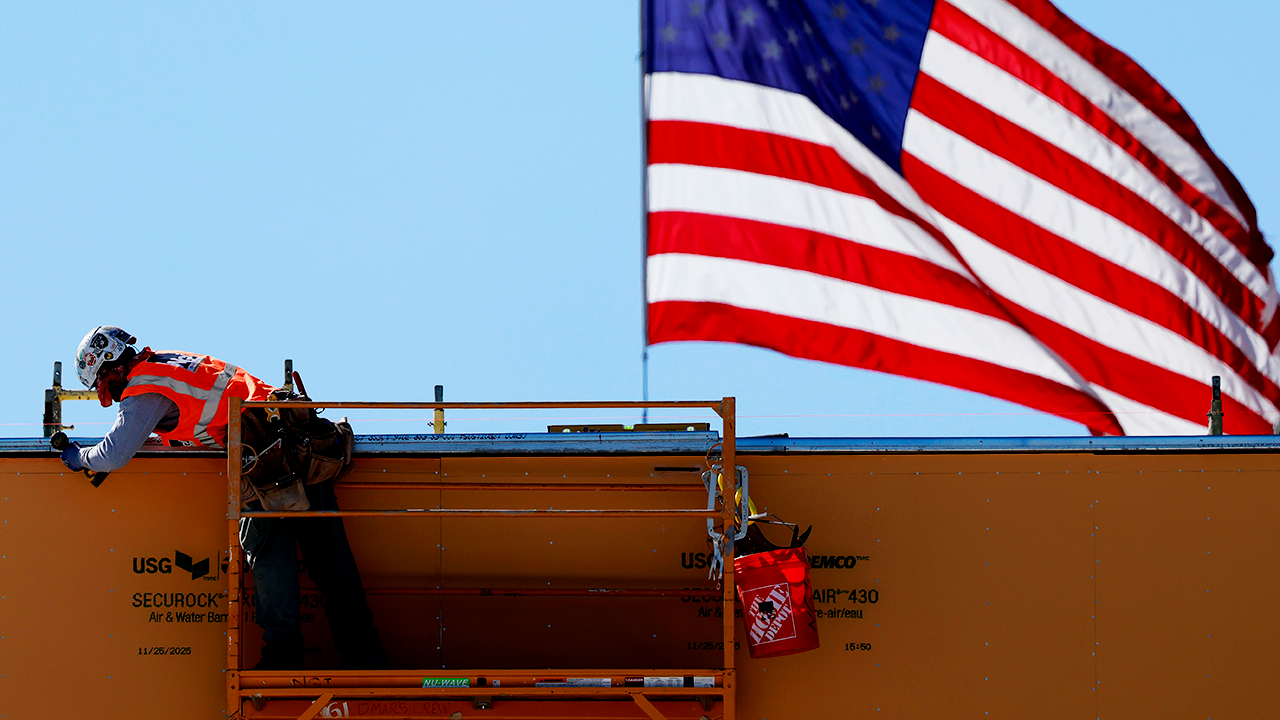
American flag flies near a construction worker.

American flag flies behind a construction worker during construction of a new building. ( Mario Tama / Getty Images)

The program comes as major technology companies invest billions of dollars in new AI-related projects across the United States. Expanding that infrastructure requires electricians, fiber technicians, welders and other skilled workers, many of whom remain in short supply as demand accelerates.

Powell McCormick said the initiative is designed to help workers access training without stepping away from their current jobs for extended periods. Participants receive paid training, earn industry-recognized credentials and are guaranteed a job opportunity upon completion.

META LAUNCHES $115M SKILLED TRADES ACADEMY WITH GUARANTEED JOBS FOR GRADUATES IN 4 STATES

Advertisement

Those workforce needs have become increasingly important as policymakers and business leaders frame AI development as part of a broader competition with China. Building data centers, power infrastructure and communications networks requires a large pipeline of trained workers capable of supporting long-term expansion.

“If the country, if America doesn’t come together and ensure that we frankly treat these workers as the American heroes that they are, without them, we can’t compete with China,” Powell McCormick said.

Rowe, whose foundation has spent years promoting careers in the skilled trades, said many of the jobs needed for the next phase of infrastructure growth remain largely overlooked despite offering strong earning potential.

Advertisement

TRUMP ADMIN ROLLS OUT WORKFORCE PELL GRANTS TO FAST-TRACK WORKERS INTO HIGH-DEMAND JOBS

“The jobs we’re talking about, by and large, exist out of sight and out of mind,” Rowe said.

Meta said the academy will initially launch in Louisiana, Ohio, Indiana and Texas, with plans to help connect workers to careers supporting the growing demand for American infrastructure and AI development.

CLICK HERE TO GET FOX BUSINESS ON THE GO

Advertisement
Continue Reading

Trending

Copyright © 2025