
Business
Natera executive chairman Matthew Rabinowitz sells $641,800 stock




SharkNinja CCO Neil Shah sells $5.5m in company stock

Scholastic EVP, pres. CBG Sasha Quinton sells over $1.2m in stock

Nate Rempe, Omaha Steaks President and CEO, explains that soaring beef prices, up 13%, are due to a 72-year low in domestic cattle herds. He predicts meaningful herd building and price recovery won’t happen until 2028 or 2029.
Relief from high beef prices may depend on something that can’t be fixed overnight: rebuilding America’s shrinking cattle herd.
America’s ranchers are facing their smallest cattle herd in 75 years, a shortage now rippling from pastures to some of the nation’s largest meatpackers.
Tyson Foods announced last week that it will close beef facilities in Illinois and Utah and pursue the sale of another in Washington as it reshapes its beef business amid what the company called one of the most historic cattle shortages the country has ever experienced. Tyson said recent USDA data suggest supply constraints are likely to persist.
THE UNEXPECTED FORCE KEEPING BEEF PRICES HIGH AND WHY THE PRESSURE COULD LAST FOR YEARS
USDA data shows the U.S. entered 2026 with about 86.2 million cattle and calves, the smallest herd since the early 1950s. That’s down from roughly 94.7 million cattle and calves in 2019, a decline of more than 8 million animals.
Rebuilding that lost supply will take time, particularly after years of conditions that pushed ranchers to shrink their herds.
Chief among them is persistent drought.
“The biggest thing has been drought,” Eric Belasco, head of the agricultural economics department at Montana State University, previously told Fox News Digital.
He said years of dry weather have depleted grasslands across the West and Plains, leaving ranchers without enough feed or water to sustain their herds. Many have been forced to sell cattle early, including cows needed to produce the next generation of calves, making the road to recovery even longer.
The effects are reaching beyond ranches and into grocery stores, where consumers are paying more for beef.
IN TEXAS CATTLE COUNTRY, ONE RANCHER WELCOMES TRUMP’S FOCUS ON DECADES OF THIN MARGINS
According to USDA data, the retail value of Choice beef rose from about $8.51 per pound in August 2024 to $10.49 per pound in July 2026, an increase of roughly 23%.
Behind that price pressure is a cattle supply crunch that experts say has been years in the making.
“The biggest thing has been drought,” Eric Belasco, head of the agricultural economics department at Montana State University, previously told Fox News Digital.
BEEF PRICES ARE CLOSE TO RECORD HIGHS — BUT AMERICANS AREN’T CUTTING BACK

The U.S. cattle herd has fallen to its smallest level in 75 years. (Jonne Roriz/Bloomberg/Getty Images / Getty Images)
He said years of dry weather have depleted grasslands across the West and Plains, leaving ranchers without enough feed or water to sustain their herds.
Many have been forced to sell cattle early, including cows needed to produce the next generation of calves, making the road to recovery even longer.
CLICK HERE TO DOWNLOAD THE FOX NEWS APP
For consumers waiting for cheaper beef, the path to relief starts with rebuilding America’s cattle herds, a process that could take years.

Savers value village CFO Michael Maher sells $613,417 in shares
Chief people services officer Melinda Geisser sells $766k Savers Value Village stock

Worawith Ounpeng/iStock via Getty Images
Market overview
Energy and artificial intelligence (AI) shape inflation dynamics
The quarter’s escalating tensions with Iran contributed to higher energy prices, pressuring headline inflation through rising gasoline costs. Core inflation also moved higher, reflecting secondary effects from
Savers value village CEO Mark Walsh sells over $2.4m in shares

Virtus Investment Partners provides investment management products and services to individuals and institutions. We operate a multi-manager asset management business, comprising a number of individual affiliated managers, each with a distinct investment style, autonomous investment process and individual brand. We clearly understand the responsibility we have to our clients and we are committed to their success as investors.
For important disclaimers, go to https://www.virtus.com/social-media-guidelines. Note: This account is not managed or monitored by Virtus, and any messages sent via Seeking Alpha will not receive a response. For inquiries or communication, please use the firm’s official channels.
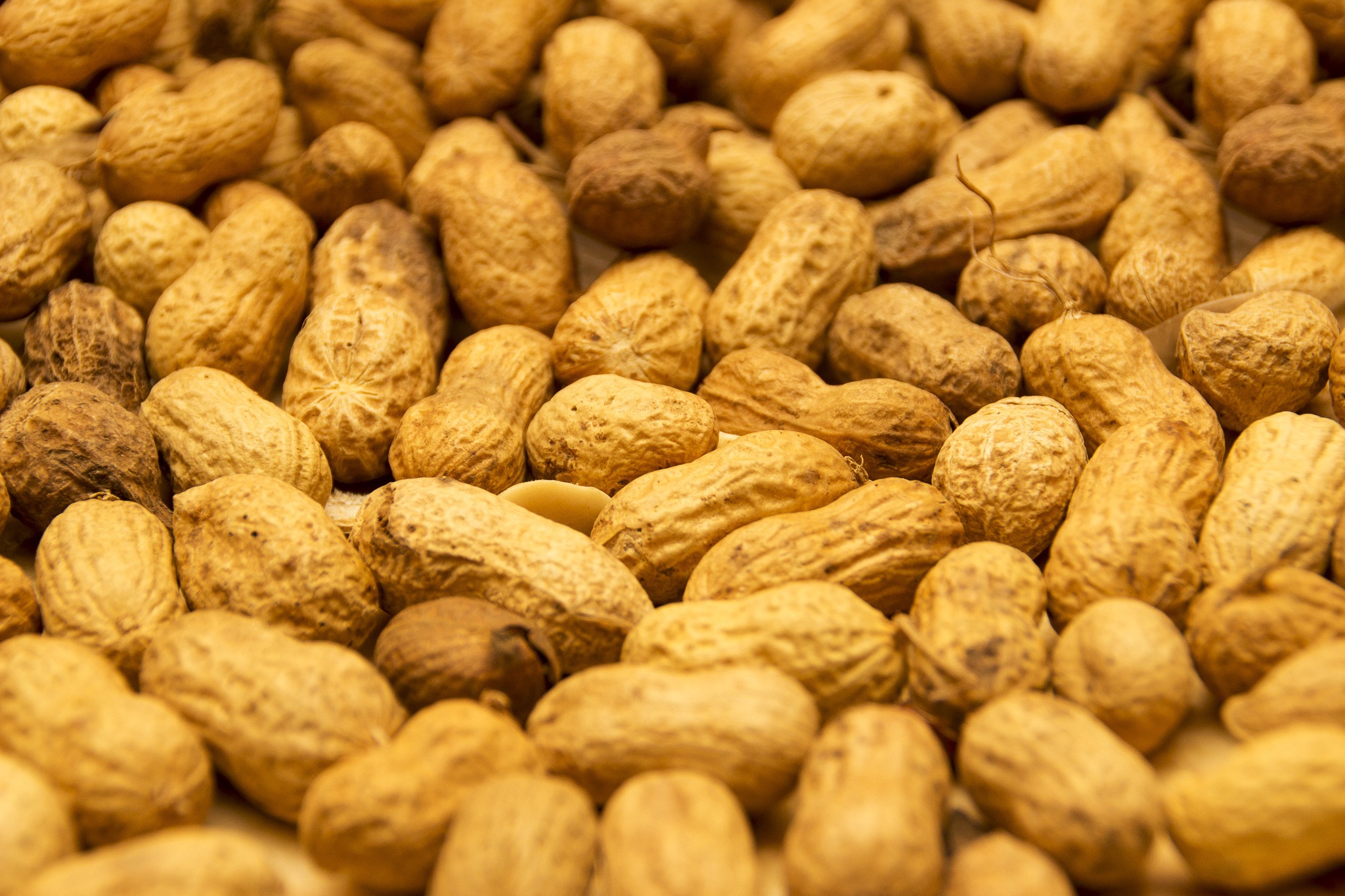
Researchers at Boston Children’s Hospital have found that fecal microbiome transplantation, delivered orally through capsules sometimes referred to informally as “poop pills,” increased peanut tolerance in some adults with severe peanut allergies, offering an early but notable signal for a potential new approach to treating one of the most dangerous common food allergies.
The research, published August 5 in the journal Science Translational Medicine, examined whether transplanting gut bacteria from healthy, non-allergic donors into people with peanut allergies could reduce the severity of their allergic response. The Phase 1 trial was led by Dr. Rima Rachid, director of the Food Allergy Program and the Allergen Immunotherapy Program at Boston Children’s Hospital, alongside Dr. Talal Chatila, director of translational immunology at the hospital and a professor at Harvard Medical School.
Researchers enrolled 15 adults between the ages of 18 and 33, all with highly sensitive peanut allergies who reacted to 100 milligrams of peanut protein or less during an initial food challenge, an amount smaller than what is found in half of a typical peanut. Participants swallowed 36 frozen, odorless capsules containing carefully screened stool-derived microbes from healthy donors, consumed over the course of a few hours across one or two days.
The trial unfolded in two stages. In the first stage, 10 participants received the fecal transplant alone. Four months later, three of those 10 showed increased peanut tolerance, with two able to tolerate two to four peanuts before reacting and one able to tolerate more than four peanuts without any reaction. In the second stage, five additional participants took antibiotics before receiving the transplant, intended to clear space in the gut for the donated microbes to take hold more effectively. Three of those five participants showed increased tolerance, bringing the overall total to six of 15 participants, or 40%, who responded to the treatment.
Rachid described the significance of the findings in a statement. “This landmark study was the first to demonstrate that a microbiome-based therapy may improve food allergy in people,” Rachid said, noting that the research also revealed how gut bacteria, their metabolites and the immune system interact to influence how well individual patients respond to the treatment.
Among participants who experienced increased tolerance, researchers found elevated levels of immune cells called RORγt+ regulatory T cells, which help regulate immune system activity. When researchers subsequently transplanted stool samples from those responsive participants into mice, the mice were similarly protected against peanut allergic reactions, reinforcing the connection between the transplanted bacteria and the observed protective effect.
The protective effect was linked to increased bile acid metabolites in both the human participants and the mice studied. When researchers removed bile salt hydrolase, an enzyme involved in bile acid metabolism, from Bacteroides bacteria in mice, the increased peanut tolerance disappeared, suggesting that enzyme plays a specific role in the mechanism, though that particular portion of the research was conducted only in mice and not confirmed in humans.
Chatila said the underlying mechanism observed in the mouse studies suggests the approach could extend beyond peanut allergies specifically. Because the mouse experiments tested a different allergen than peanut, “the faecal transplant treatment is likely to work for more than just peanut allergies,” Chatila said, pointing to potential broader applications for other food allergies down the line.
Researchers emphasized that safety was the trial’s primary focus, given its early Phase 1 design. Rachid told Healthline that none of the participants experienced serious adverse events during the trial, and that the encouraging tolerance data emerged as a secondary finding building on earlier promising results observed in mouse studies.
Outside experts urged caution about over-interpreting the results given the trial’s small size. Dr. Mohammad Bakhtiar, a general practitioner and clinical lead at Medical Express Clinic who was not involved in the research, said the underlying biological premise makes sense given the gut microbiome‘s broad influence on the body. “The gut microbiome already has a major effect on many parts of human physiology,” Bakhtiar told Healthline, while cautioning that a 15-person, open-label study cannot demonstrate how the treatment would perform across a broader population, given that nine of the 15 participants did not respond to the treatment.
Current treatments for peanut allergy include oral immunotherapy and biologic medications, and many patients still need to carry an epinephrine auto-injector in case of a severe reaction or anaphylaxis. Researchers stressed that fecal microbiome transplantation is not yet ready to be recommended as an allergy treatment based on these preliminary findings alone.
Looking ahead, Rachid said the research team hopes to test a more purified version of the treatment, called microbiota transplantation therapy, which contains less than 1% nonmicrobial fecal material and can be stored in a standard home refrigerator. She said future studies would examine whether prolonged administration allows patients to tolerate higher peanut doses with more durable effects, and said that with adequate research funding, clinical applications could potentially emerge within 10 to 15 years if the approach continues to prove effective in larger trials. Bakhtiar agreed that a roughly decade-long timeline was plausible if larger follow-up studies confirm the initial results, though he said patients should continue following current medical guidance, including strict peanut avoidance and specialist allergy care, in the meantime.

Elon Musk’s SpaceX Holdings Revealed. (Hint: It’s A Lot.)

Kioxia’s new 10M IOPS PCIe 6.0 SSD is so fast it rivals legacy DDR3 RAM

Crypto Scams (Full Episode) | Trafficked with Mariana Van Zeller | Nat Geo
SharkNinja CCO Neil Shah sells $5.5m in company stock

Weekend Open Thread: Staud – Corporette.com

Weekend Open Thread – Corporette.com

Weekend Open Thread: Brooks Brothers
Crypto Scams (Full Episode) | Trafficked with Mariana Van Zeller | Nat Geo

ASMR machine pese kese Count karti hai #money #moneysavingidea #shorts

14 August | 79th Independence Day of Pakistan | Financial Report on Pakistan | 11 PM News Headlines
-

 Fashion2 days ago
Weekend Open Thread: Ann Taylor
-
 NewsBeat5 days ago
Communication cards help banking customers access services or report scams
-
 Business6 days ago
Oil Price Today (August 11): Crude oil rises to $88 after Trump’s compensation demand dents Hormuz opening. Here’s why
-

 Crypto World6 days ago
Revolut wins French banking licence, creates second EU banking hub
-
 Crypto World6 days ago
Why Did Nvidia Stock Fall on Monday Despite a $500 Billion Wall Street AI Deal?
-
 Sports3 days ago
This U.S. Amateur is a glimpse into golf’s future in more ways than you think
-

 Politics7 days ago
Ben-Gvir’s crocodile project halted but abuses at Ketziot Prison continue
-

 Politics7 days ago
Saudi Arabia used 86% of missile stockpile defending Iran attacks
-

 Sports2 days ago
Birmingham 2026: Day 6 Timetable for Irish Athletes
-
 NewsBeat2 days ago
Myanmar says over 300,000 Rohingya refugees verified for repatriation as exodus enters ninth year
-

 Politics1 day ago
SEQ Code: The Three Letter Boarding Pass Code That Could Give You The Worst Seat
-
 Entertainment4 days ago
Keke Palmer Subtly Hints At Sean Evans Drama With Cryptic Post
-
 Crypto World7 days ago
USDC and USDT Now Own 84% of Crypto Card Spend as the Euro Retreats
-
 Crypto World6 days ago
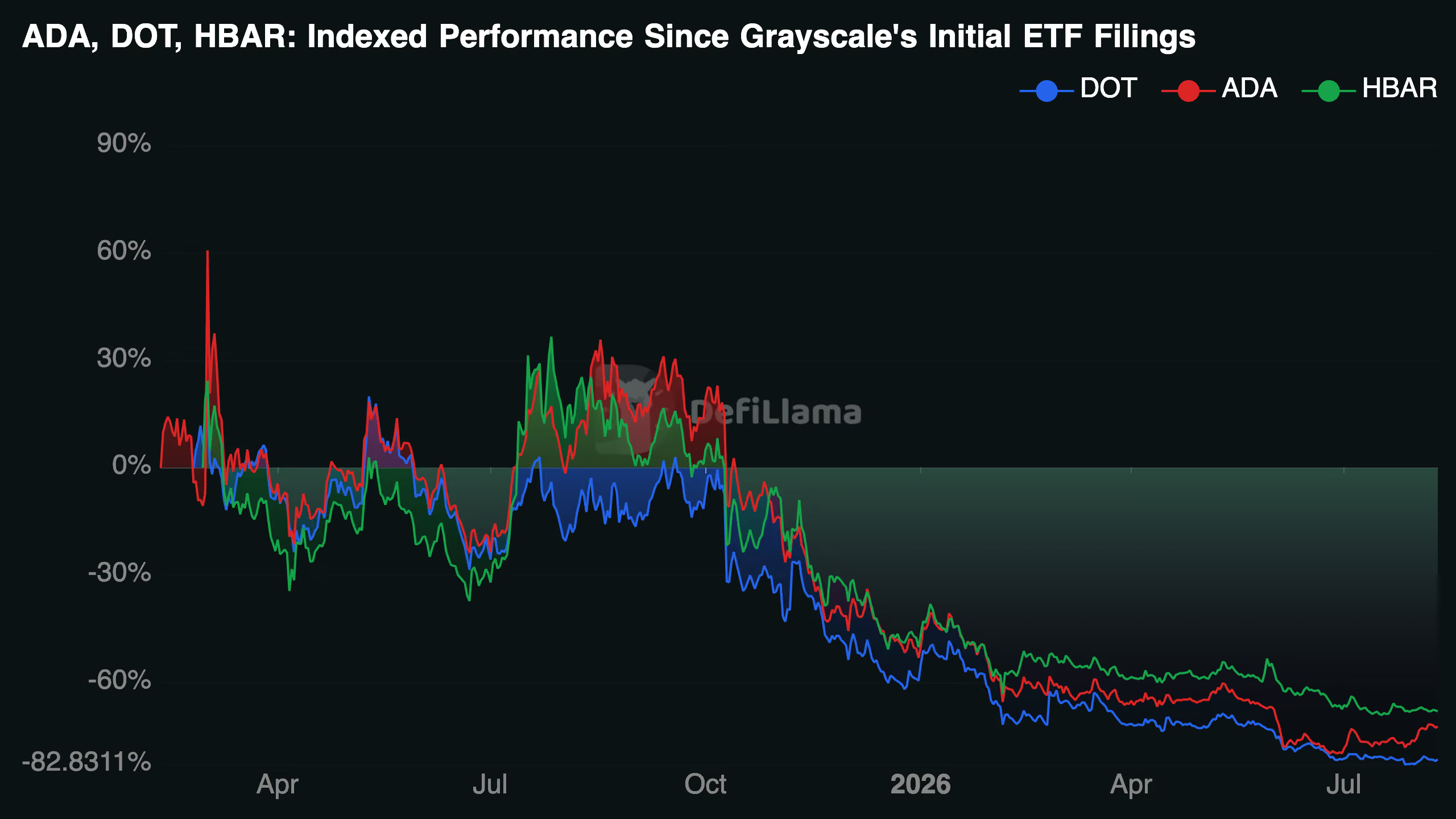
Grayscale quietly drops Cardano, Polkadot and Hedera ETF plans
-

 Fashion6 days ago
Can You Wear Double Cloth Gauze Clothing To Your Office?
-
 Entertainment6 days ago
57 Years Later, the Best Sitcom Ever Made Still Deserves a Reboot
-

 Fashion5 days ago
Claire Life: Kicking Off MVAAFF With the C Suite Luncheon Featuring Phylicia Rashad, Letoya Luckett, and More!
-

 Tech5 days ago
Zoom Screen-Sharing Bug Let People Fully Take Over Other Devices On A Call
-

 Crypto World7 days ago
Kraken Delisting Deadline Nears: Holders of 21 Tokens Risk Near-Zero Payouts
-

 Business7 days ago
More than 1.27M Ram 1500 pickups recalled over possible seat belt issue
You must be logged in to post a comment Login