

Business
Netflix Shares Dip Slightly to $86.85 as Strong Subscriber Growth Meets Valuation Concerns

NEW YORK — Netflix Inc. shares fell 0.57 percent to $86.85 on Thursday morning as investors weighed the streaming giant’s robust first-quarter subscriber additions and expanding ad-tier momentum against a premium valuation in an increasingly competitive entertainment landscape.
The modest decline came amid broader market caution driven by geopolitical tensions and mixed economic signals. Despite the daily dip, Netflix has delivered strong year-to-date performance, with the stock rising more than 25 percent in 2026 on the back of consistent earnings beats and strategic initiatives in advertising and live programming.
Netflix reported record first-quarter results in April, adding 9.3 million paid subscribers globally to reach a total of 301.6 million. Revenue grew 15 percent year-over-year to $10.54 billion, while operating income rose 27 percent to $2.66 billion. The company raised its full-year guidance and highlighted accelerating momentum in its ad-supported tier, which now accounts for a growing share of new sign-ups in key markets.
CEO Ted Sarandos emphasized the company’s focus on sustained growth. “We continue to see strong engagement across our content slate and are encouraged by the early traction of our advertising business,” he said during the earnings call.
Analysts largely maintained positive outlooks following the results. The consensus rating stands at Moderate Buy, with an average 12-month price target around $95–$105. Optimistic forecasts from firms such as Rosenblatt Securities reach as high as $125, citing Netflix’s leadership in global streaming and potential for further margin expansion.
Strategic Initiatives Driving Growth
Netflix has made significant progress diversifying its revenue streams. The ad tier, launched in 2022, has shown accelerating adoption, particularly in markets like the United States, United Kingdom, and Canada. The company reported that more than 50 percent of new sign-ups in ad-eligible countries chose the lower-priced plan in the first quarter.
Live sports and events have become another growth area. Netflix’s successful broadcasts of WWE Raw and select NFL Christmas Day games have boosted subscriber engagement and attracted new viewers. The platform’s investment in original content remains substantial, with major releases including the final season of “Stranger Things,” new seasons of “The Diplomat,” and high-profile films featuring major stars.
International expansion continues to be a core strength. Netflix now derives more than 70 percent of its revenue from outside the U.S., with particularly strong growth in Latin America, Europe, and Asia-Pacific. Localized content strategies have helped the company maintain leadership in key territories despite competition from regional players.
The company’s password-sharing crackdown, implemented in 2023, continues to support subscriber growth while improving monetization. Netflix has successfully converted millions of former sharers into paying accounts, contributing to both top-line growth and higher average revenue per user.
Competitive Landscape and Challenges
Netflix faces intensifying competition from Disney+, Amazon Prime Video, Max, and emerging players like Apple TV+. However, its first-mover advantage, global scale, and data-driven content strategy have helped it maintain a leading position. The company’s decision to prioritize profitability over subscriber growth at all costs has been well-received by investors.
Challenges remain. Content spending, while more disciplined than in previous years, still represents a significant portion of operating expenses. Rising competition for talent and production costs could pressure margins if not managed carefully. Additionally, economic uncertainty in key markets may affect consumer willingness to maintain multiple streaming subscriptions.
Valuation concerns have tempered some enthusiasm. Even after Thursday’s modest decline, Netflix trades at a forward price-to-earnings multiple that remains elevated compared to traditional media peers. Some analysts argue that much of the positive outlook is already priced in, suggesting limited near-term upside without significant beats on future earnings.
Analyst Perspectives and Investment Outlook
Wall Street remains broadly supportive. JPMorgan recently raised its price target to $110 while maintaining an Overweight rating, citing Netflix’s improving free cash flow and advertising business. Other firms, including Goldman Sachs and Morgan Stanley, have also issued positive notes emphasizing the company’s durable competitive advantages.
For investors considering Netflix stock, the long-term case rests on its leadership in global streaming, data advantages, and ability to monetize content across multiple tiers. The company’s transition from a pure growth story to one focused on sustainable profitability and shareholder returns has been largely successful.
Potential buyers may view current levels as reasonable following any consolidation, particularly given Netflix’s strong cash generation and disciplined capital allocation. The stock offers exposure to one of the most resilient consumer trends — on-demand entertainment — with significant international upside.
Those leaning toward selling cite valuation risk and potential slowdowns in subscriber growth as competition intensifies. However, the majority view remains constructive, supported by consistent execution and favorable industry dynamics.
Diversification is recommended. While Netflix provides high-quality exposure to digital media, pairing it with more defensive holdings can help manage volatility inherent in growth-oriented technology and consumer stocks.
Broader Streaming Industry Context
The global streaming market continues to mature. After years of aggressive subscriber wars, major players have shifted focus toward profitability and advertising revenue. Netflix’s early adoption of an ad tier and focus on operational efficiency have positioned it favorably in this evolving environment.
Industry consolidation, including potential mergers and partnerships, could reshape the competitive landscape. Netflix has maintained a disciplined approach to content acquisitions and partnerships, avoiding the heavy losses seen at some rivals.
As consumer behavior shifts toward bundled offerings and live content, Netflix’s investments in sports and events may prove increasingly valuable. The company’s global reach and localized strategies provide a structural advantage that will be difficult for newer entrants to replicate.
Thursday’s modest decline reflects normal market fluctuations rather than any fundamental shift in Netflix’s trajectory. The stock has shown resilience throughout 2026, supported by strong fundamentals and positive analyst sentiment.
As the year progresses, focus will shift toward second-quarter results, content slate performance, and updates on advertising growth. Netflix’s ability to sustain subscriber momentum while expanding margins will be key to further re-rating.
For now, the company continues to lead the streaming industry with a clear strategy focused on quality content, technological innovation, and disciplined execution. Its slight move on Thursday adds another steady chapter to what has been a remarkable transformation story in entertainment.


Glenn Spacht, 79, and wife, Carole Ann, 78, moved to The Admiral at the Lake in Chicago more than four years ago from Florida, when he was no longer able to care for her Alzheimer’s disease.
With the 2026 MLB season past its midpoint, several significant injury developments have emerged involving some of the league’s biggest names. Here is a breakdown of the five most notable injury storylines currently shaping rosters across the league.
1. Ronald Acuña Jr. Faces an Uncertain Timeline
The Atlanta Braves are proceeding with caution regarding the return timeline for their star outfielder. Braves manager Walt Weiss indicated that it will be some time before Ronald Acuña Jr. is back on an MLB field. Weiss noted that the Braves will exercise caution with Acuña Jr., as this is the second time that he’s injured his hamstring in that particular spot. Acuña Jr. was placed on the IL with a Grade 1 hamstring strain last week.
The recurring nature of the injury appears to be the central factor driving Atlanta’s conservative approach, with the organization seemingly unwilling to rush their star back onto the field given the history of hamstring trouble in that same location.
2. Shohei Ohtani Pitches Through Knee Inflammation
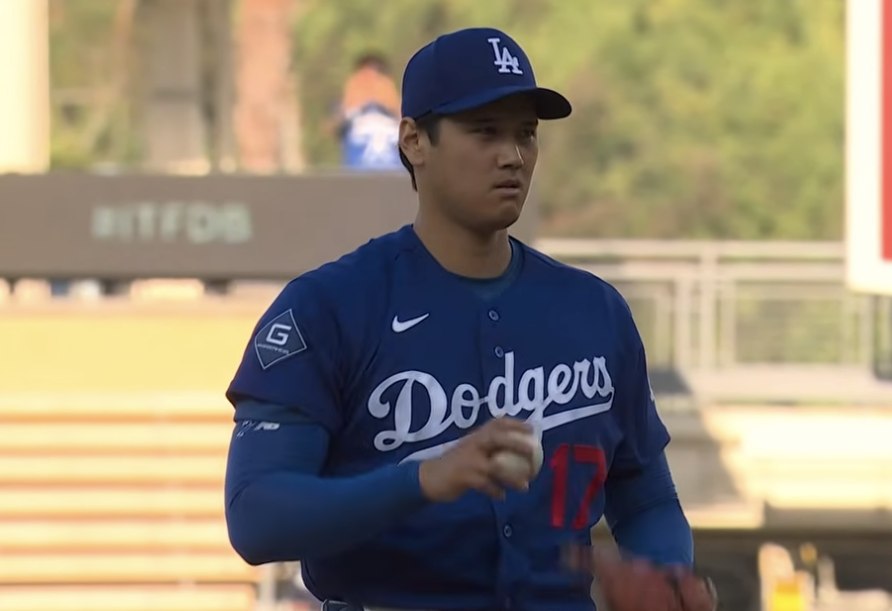
Despite ongoing knee concerns, Los Angeles Dodgers two-way star Shohei Ohtani has continued taking the mound, with the team now actively managing his workload around the lingering issue. Dodgers two-way player Shohei Ohtani picked up a win on June 17 against the Rays. However, Ohtani was doing so as he continues to deal with knee inflammation from the injury he suffered last week. Manager Dave Roberts indicated that Ohtani’s knee will need to be managed moving forward.
The situation adds a layer of uncertainty to one of the most closely watched storylines in baseball this season, given Ohtani’s historic two-way workload and the Dodgers’ careful, six-man rotation approach designed specifically to protect his arm and overall health.
3. Max Scherzer Returns to the Injured List
Veteran right-hander Max Scherzer’s season has hit another setback after a recurrence of a previous issue forced him from his scheduled turn in the rotation. Max Scherzer was scratched from his scheduled start versus the Red Sox on the 17th, as he is now back on the injured list. The Toronto Blue Jays placed Scherzer on the injured list with back spasms, marking the latest interruption in what has been an injury-affected campaign for the future Hall of Famer.
4. Gleyber Torres Lands Back on the IL With Oblique Strain
The Detroit Tigers have lost a key infielder to a recurring type of injury that has sidelined numerous players across the league this season. Tigers infielder Gleyber Torres is back on the IL with an oblique injury. Torres was placed there on June 18, retroactive to June 16, with a left oblique strain, removing an important offensive piece from Detroit’s lineup as the team continues its push through the second half of the season.
5. A Wave of Pitchers Moved to the 60-Day IL
Beyond the individual headline cases, several pitchers across multiple organizations were formally transferred to longer-term injured list designations this week, reflecting the cumulative toll of a long MLB season on pitching staffs. Cole Ragans and Spencer Strider were transferred to the 60-day IL, dealing with an elbow impingement and elbow inflammation, respectively. Andrew Nardi of the Marlins, Griffin Conine of the Marlins, Welinton Herrera of the Rockies, and Robert Garcia of the Rangers were also transferred to the 60-day IL, a procedural move that typically signals an extended absence is now expected for each player.
Other Injuries Worth Watching
Beyond the top five storylines, several other significant injuries have continued to develop across the league in recent days. Braves outfielder Michael Harris II and Mariners outfielder Luke Raley both sat out with back issues, while Mariners outfielder Julio Rodríguez was removed from a game against the Orioles on the 17th with an unknown, apparent injury — a situation that will require further evaluation before his status becomes clear.
In Los Angeles, the Dodgers continue managing an unusually deep list of pitching injuries. Catcher Will Smith, dealing with a stiff neck, went through a full workout on June 16 but remains unlikely to be activated as soon as he becomes eligible. Outfielder Teoscar Hernández, recovering from a left hamstring strain, is set to take part in a simulated game before potentially beginning a rehab assignment. Right-hander Tyler Glasnow, dealing with lower back spasms, has made little progress in his rehab and is currently not throwing, with an expected return now pushed to mid-July at the earliest.
Detroit Tigers ace Tarik Skubal, recovering from surgery to remove loose bodies from his elbow, indicated he felt great after a recent bullpen session and could be in line to make a rehab start with Triple-A Toledo in the coming days — a notable development given Skubal’s standing as one of the most coveted names on this summer’s trade market, contingent on his health.
Cincinnati Reds shortstop Elly De La Cruz, dealing with a hamstring strain suffered in late May, was expected to be sidelined for two to four weeks, according to manager Terry Francona, representing a significant loss for the Reds’ infield during that stretch.
With the trade deadline now less than two months away, the health status of several of these players — particularly Skubal, given his rumored availability, and Ohtani, given his unprecedented two-way workload — will likely continue drawing significant attention from front offices, fantasy baseball players, and fans alike. Teams across the league will be closely monitoring rehab assignments and return timelines in the coming weeks as rosters continue adjusting to accommodate the wave of injuries that has affected nearly every contender’s pitching staff and lineup depth heading into the second half of the season.

FOX Business’ Madison Alworth joins ‘Varney & Co.’ to report on parents’ growing fears that AI deepfake videos like OpenAI’s Sora are blurring reality for kids and raising major concerns about their mental health.
A teething toy that has been sold on Amazon for years is being recalled after at least three reports of choking, according to the U.S. Consumer Product Safety Commission (CPSC).
The GOPO TOYS Pull String Teething Toys “violate the mandatory standard for toys because the silicone strings are smaller and longer than permitted,” the commission said in an alert. “The strings can reach the back of children’s throat and become lodged, posing a serious risk of respiratory distress and deadly choking hazard.”
The recall was issued on Thursday and includes more than 70,000 units of the product.
Consumers should immediately stop children from using the toy and contact GOPO Toys for a full refund, the commission said, adding that consumers will be asked to destroy it by cutting all the silicon strings and writing “DESTROYED” in permanent marker on the toy.
CHOKING EMERGENCY? HOW TO DO THE HEIMLICH MANEUVER — AND WHEN TO AVOID IT

A teething toy that has been sold on Amazon for years is being recalled after at least three reports of choking, according to the U.S. Consumer Product Safety Commission. (U.S. Consumer Product Safety Commission / Unknown)
A photo should be sent to recalls@gopotoys.com and the teething tooth thrown out.
The toys were sold on Amazon between August 2023 and March 2026 and were distributed from San Bernardino, California, and made in China.
500K PACKAGES OF MACARONI AND CHEESE SOLD AT ALDI RECALLED OVER UNDECLARED SOY LECITHIN

The toys were sold on Amazon between August 2023 and March 2026 and were distributed from San Bernardino, California, and made in China. (U.S. Consumer Product Safety Commission)
At least three children had the toy reach the back of their throat, “resulting in respiratory distress or choking,” the CPSC said.
| Ticker | Security | Last | Change | Change % |
|---|---|---|---|---|
| AMZN | AMAZON.COM INC. | 244.39 | +6.89 | +2.90% |
Earlier this month, 40,000 reusable baby bottles sold at Walmart were recalled over a potential choking hazard.
And in January, the CPSC announced a recall of another teething toy that also had a choking risk after dozens of incidents.

The recall was announced by the United States Consumer Product Safety Commission. (Pavlo Gonchar/SOPA Images/LightRocket via Getty Images)
Approximately 6,800 Yetonamr pull-string teething toys were recalled at the time due to violations of mandatory toy safety standards.
CLICK HERE TO DOWNLOAD THE FOX NEWS APP
The Yetonamr toy is similar in design to the GOPO TOYS product.
Spain will feel they have a point to prove against Saudi Arabia after a disappointing opening draw with Cape Verde at the 2026 World Cup. Luis de la Fuente’s European champions are fancied by many to be lifting the trophy at New York New Jersey Stadium on July 19, but their tournament started in hugely disappointing fashion, as they were held to a goalless draw by tournament debutants Cape Verde, with veteran goalkeeper Vozinha and a stoic defense in front of him frustrating Spain’s superstars.
A Worrying Statistical Trend
The attention now switches to Sunday’s contest at Atlanta Stadium, where La Roja will hope to lay down a marker and re-emphasize their status among the pre-tournament favorites. However, there will be a slight concern for Spain, who have now failed to win any of their last four World Cup games, with three draws and a loss — their joint-longest winless streak in the competition. Moreover, they have won just two of nine matches across the last three editions, losing once and drawing the other six.
The goal-scoring drought has reached a particularly stark milestone. Their last two World Cup games have ended goalless; Spain have never gone three matches without scoring in the competition. Since scoring in the 11th minute against Japan on Matchday 3 of the 2022 group stage, they have completed exactly 2,500 passes and taken 49 shots, but to no avail.
Dominant Possession, No Reward
The numbers from the Cape Verde draw underscore just how rare Spain’s scoreless outcome truly was given their level of control over the match. Spain had 74.3% possession in the Cape Verde draw, which represents the fourth-highest figure on record since 1966 by a team that failed to score in a World Cup match. One of those other three highest possession shares came in their previous game in the competition against Morocco in 2022, at 76.8%.
Yamal Could Push for a Bigger Role
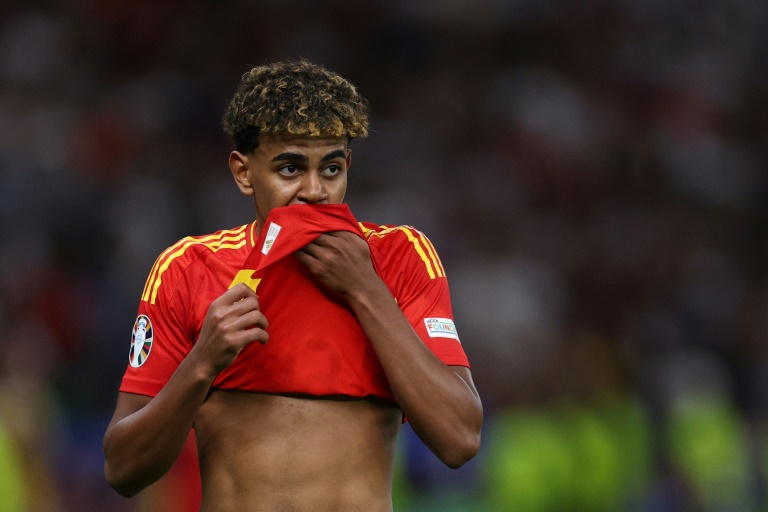
One potential source of attacking spark for Spain heading into Sunday’s match involves a teenage sensation who saw limited minutes in the opener. Lamine Yamal might hope for a more prominent role having been named on the bench against Cape Verde as he continues to build up his fitness after injury. On Matchday 1, he attempted the most dribbles despite only coming on in the 71st minute, with five. By contrast, Spain’s starting wingers, Gavi, with zero, and Ferran Torres, with three, only attempted three between them.
Spain’s midfield generation was also a bright spot statistically, even amid the broader scoring frustration. Teammate Rodri made six defensive line-breaking passes in the game, the most of any player across groups A through H. He also made five line-breaking passes leading to a shot, the joint-most in the opening round of World Cup games by any player in those groups, alongside Türkiye’s Hakan Çalhanoğlu.
Saudi Arabia’s Encouraging Start
Spain’s upcoming opponent enters Sunday’s match with renewed confidence following a hard-fought result of their own in the opening round. Saudi Arabia took an important point in a 1-1 draw against Uruguay in their opening Group H match, which may be especially important given Cape Verde’s unexpected draw against Spain. Abdulelah Al Amri put Georgios Donis’s side ahead in the 41st minute, but Maxi Araújo equalized for the South American outfit just 10 minutes from time.
Despite earning the point, Saudi Arabia faced significant defensive pressure throughout that match. Saudi Arabia allowed Uruguay to have 41 touches in their box in that game, their most against in a World Cup match since France had 46 in 1998. They also faced 47 crosses, including corners, their joint-most in a single match in the competition, also matching 47 against Belgium in 1994.
Al Owais Stands Tall in Goal
Much of Saudi Arabia’s resilience against Uruguay traced directly back to a standout individual performance from their goalkeeper. Goalkeeper Mohammed Al Owais was busy between the sticks, making nine saves in the match. Only Mabrouk Zayed versus Spain in 2006 has ever recorded more in a World Cup match for Saudi Arabia, with 11.
Al Owais has prevented three goals across his five appearances in the competition, with 10.0 expected goals on target against and seven actually conceded, though he is yet to keep a clean sheet at the tournament. Saudi Arabia will be looking to go unbeaten across their first two matchdays for the first time, with this their seventh participation in the World Cup.
A History That Heavily Favors Spain
The two nations’ limited history together points decisively in Spain’s favor heading into Sunday’s contest. Spain have gone head-to-head with Saudi Arabia on three prior occasions and triumphed each time, scoring nine goals and conceding just two. Those victories included a 1-0 win in their only previous World Cup encounter, which took place in the group stage of the 2006 tournament.
Saudi Arabia’s broader record against European opposition at the World Cup offers little additional encouragement. Saudi Arabia have faced European opposition at the World Cup on 11 occasions, losing 10 of those. However, their solitary victory did, coincidentally, take place in the United States, with Saudi Arabia emerging 1-0 victors over Belgium in Washington back in 1994. The game was notable for a sensational solo goal from Saeed Al-Owairan, who dribbled the ball from his own half before scoring the winner.
The Prediction
Spain may have started their tournament in less-than-impressive fashion, but they are still the obvious favorites with the Opta supercomputer to triumph in this clash. Indeed, they are given an 87.4% win probability, compared to just 3.8% for Saudi Arabia, with the draw considered an 8.8% shot.
The Squads
Spain’s squad includes David Raya, Joan García, Unai Simón, Marc Pubill, Alejandro Grimaldo, Eric García, Pedro Porro, Aymeric Laporte, Pau Cubarsí, Marc Cucurella, Marcos Llorente, Mikel Merino, Fabián Ruiz, Gavi, Dani Olmo, Yéremy Pino, Álex Baena, Rodri, Martín Zubimendi, Pedri, Ferran Torres, Nico Williams, Lamine Yamal, Mikel Oyarzabal, Víctor Muñoz, and Borja Iglesias.
Saudi Arabia’s squad includes Nawaf Al Aqidi, Mohammed Al Owais, Ahmed Al Kassar, Ali Majrashi, Ali Lajami, Abdulelah Al Amri, Hassan Al Tambakti, Saud Abdulhamid, Nawaf Bu Washl, Hassan Kadish, Moteb Al Harbi, Jehad Thikri, Nasser Al Dawsari, Musab Al Juwayr, Aiman Yahya, Salem Al Dawsari, Abdullah Al Khaibari, Ziyad Al Johani, Alaa Al Hejji, Mohamed Kanno, Mohammed Abu Al Shamat, Feras Al Brikan, Saleh Al Shehri, Khalid Al Ghannam, Abdullah Al Hamddan, and Sultan Mandash.
What’s at Stake
With Spain still searching for their first goal of the tournament and Saudi Arabia hoping to extend their unbeaten start through two matchdays for the first time in program history, Sunday’s clash at Atlanta Stadium carries significant weight for both sides’ positioning within Group H. A Spain victory would restore much of the pre-tournament confidence surrounding Luis de la Fuente’s squad, while another underwhelming result would only intensify scrutiny on a team many had penciled in as among the strongest contenders to lift the trophy in July.
Healthcare Has Been the Job Engine. That’s About to Change.
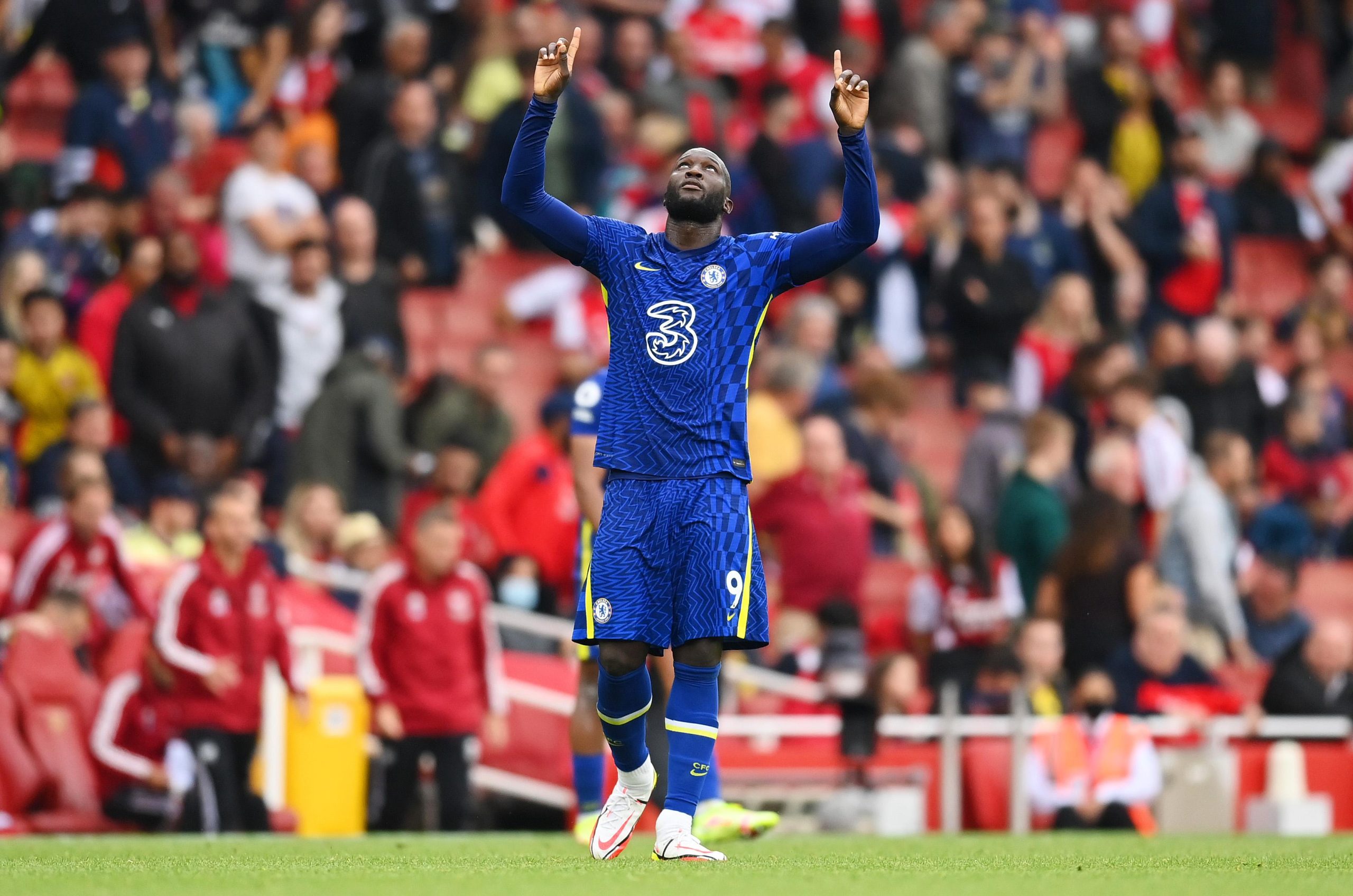
LOS ANGELES — With Group G finely poised, both Belgium and Iran can take a big step toward the knockout phase when they continue their World Cup 2026 campaign on Sunday. All four teams are locked on one point after their first fixture, so victory in Los Angeles could prove vital; defeat for either side might leave them on the brink of an early exit.
Belgium’s Underwhelming Start
Still clinging on to the aging remnants of a “golden generation,” Belgium kicked off their World Cup campaign with an unconvincing 1-1 draw against Egypt on Monday evening. After falling behind to a stunning strike by Emam Ashour, the Red Devils then turned to one of their old masters, with substitute Romelu Lukaku effectively forcing Mohamed Hany to score an own goal.
However, Belgium are now winless across their last three World Cup matches, having won 11 of the previous 13, and that demonstrates a recent decline. Despite their lofty status as one of Europe’s top teams, they suffered an embarrassing exit in the group stage at Qatar 2022, before limping out in the last 16 at Euro 2024.
Still Considered Strong Favorites Overall
Nonetheless, Rudi Garcia’s side are still ranked ninth by FIFA and topped their group in qualifying with 18 points from a possible 24, scoring 29 goals and conceding only seven. Given their next two group games are against underdogs Iran and New Zealand, most will still expect Belgium to go through, particularly with the talent available to Garcia.
Iran’s Resilient Opener
While the Belgians have previously reached two semi-finals, Iran have made six World Cup appearances without getting past the first phase. Amid unceasing off-field issues, head coach Amir Ghalenoei led his side out for their opener on Tuesday, and they showed great spirit to twice fight back from behind. Both Ramin Rezaeian and Mohammad Mahebi equalized against New Zealand to claim a potentially valuable point, although that was Iran’s most “winnable” game on paper.
A Tournament Clouded by Off-Field Tension
Iran’s participation in this tournament had been shrouded in uncertainty for several months, due to the ongoing conflict with host country USA, the overriding reaction was one of relief simply to be competing. Under an agreement brokered with FIFA, Ghalenoei’s squad are not permitted to stay overnight on U.S. soil, so they returned straight to their base in the Mexican city of Tijuana to prepare for Sunday’s meeting with Belgium.
A First-Ever Meeting Between the Two Nations
It will be the first encounter between the two countries at senior level, but history suggests that Iran should not expect to prevail. Not only have the West Asian nation produced just three wins from 19 World Cup matches to date, but they have also lost seven of 10 against European opposition.
Belgium’s Team News
Following a below-par performance against Egypt, Belgium boss Garcia may decide to make changes, though it remains to be seen whether Lukaku is fit enough to start up front. The Red Devils’ all-time top scorer emerged from the bench to win his 127th cap earlier this week, but he barely played for Napoli last season and has now gone seven World Cup games without a goal.
Utility forward Charles De Ketelaere might therefore continue as a false nine, with Leandro Trossard and Matías Fernández-Pardo also capable of filling that role. As Zeno Debast is still sidelined by a thigh injury, both central defenders could be retained, but with Maxim De Cuyper and Joaquín Seys waiting in the wings, neither full-back can be sure of keeping his place.
Iran’s Team News
Meanwhile, Iran have minor doubts about midfield pair Roozbeh Cheshmi and Saman Ghoddos, the latter of whom was forced off against New Zealand due to an ankle issue. In that game, 36-year-old Rezaeian became the oldest player on record to both score and assist in one World Cup match, and he will continue to feature at right-back.
Up front, captain and star striker Mehdi Taremi aims to increase his haul of 60 international goals, most likely linking up with Shahriyar Moghanlou or Belgium-based Dennis Eckert.
Predicted Lineups
Belgium’s possible starting lineup: Courtois; Meunier, Ngoy, Mechele, De Cuyper; Onana, Tielemans; Trossard, De Bruyne, Doku; De Ketelaere.
Iran’s possible starting lineup: Beiranvand; Rezaeian, Khalilzadeh, Nemati, Mohammadi; Mohebi, Ezatolahi, Ghoddos, Ghayedi; Taremi, Moghanlou.
The Prediction
We say: Belgium 2-1 Iran. Although Belgium are top seeds and Iran will take the role of embattled outsiders, there may not be that much to choose between the pair this weekend. Neither side is completely sound at the back, but the Belgians’ greater quality in attacking areas should see them claim three precious points.
With all four Group G teams currently tied on a single point following the opening round of matches, Sunday’s result in Los Angeles carries significant weight for both nations’ paths through the remainder of the group stage. A Belgium win would put Garcia’s side firmly back on track toward the knockout rounds, given their comparatively favorable remaining fixture against New Zealand. For Iran, already navigating extraordinary off-field circumstances tied to their inability to remain overnight on U.S. soil, a positive result against one of Europe’s traditionally strongest sides would represent a genuinely significant achievement — and would keep alive their bid to finally advance past the group stage for the first time in program history.
Business
(VIDEO) Kate Middleton Returns to Royal Ascot After Three Years, Charms Crowd With Sweet Response
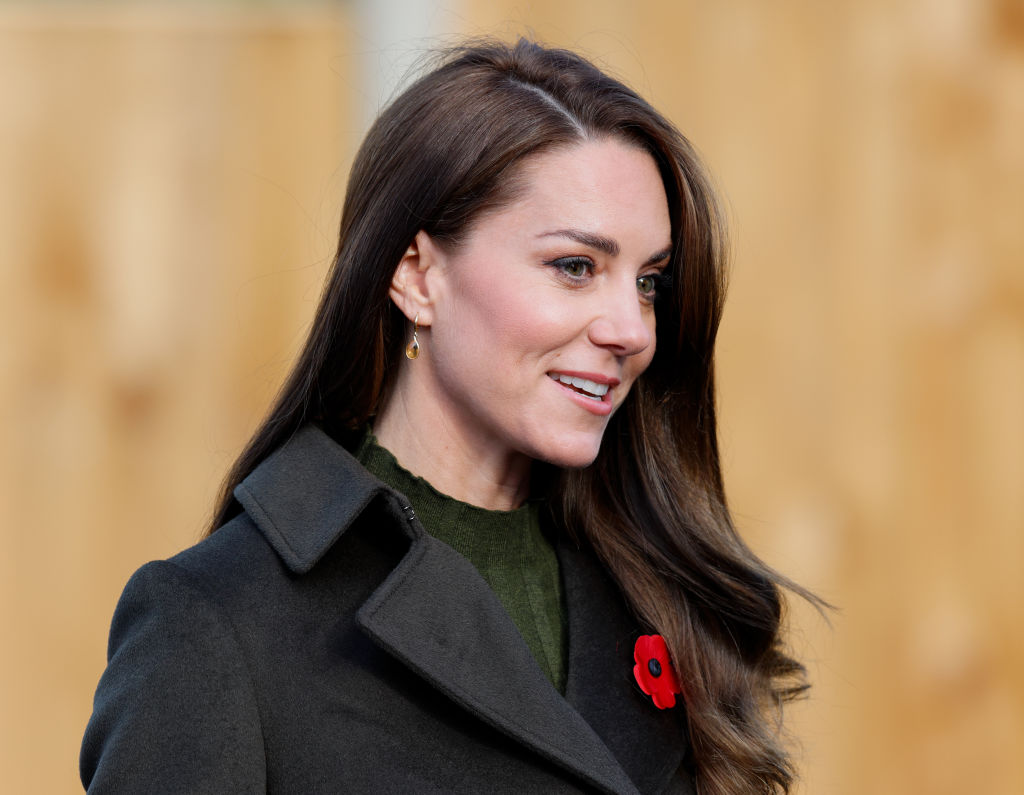
Kate Middleton greeted onlookers ahead of her official arrival at Royal Ascot on June 17, marking her first appearance at the prestigious horse-racing event in three years. The Princess of Wales was accompanied by her husband, Prince William, as the couple stepped into their horse-drawn carriage for the event’s daily procession.
A Warm Greeting From the Crowd
In an Instagram video posted by King’s Guard Tours, Kate waved hello to a small crowd of fans who had gathered nearby ahead of the royal procession. “You look lovely,” one fan said, while another called her “gorgeous.”
The princess responded warmly to the compliments before she and William continued on their way. “Thank you,” Kate said. “I’m hoping the sun stays out.” She and William bid farewell to the group as their carriage pulled away, continuing into the event’s traditional opening procession.
A Significant Return to the Races
Kate’s appearance at Royal Ascot marked her first time at the races in three years, making the outing a notable milestone in her recent return to a more active schedule of public royal engagements.
The Princess’s Outfit
For her return to the event, the princess rewore a bright yellow Roksanda midi-dress. Featuring a high neckline, short sleeves, and a cinched waist, the asymmetrical design comes with a bow detail at one shoulder. Kate paired it with a matching veiled hat from Jane Taylor London, an ivory Anya Hindmarch clutch, and her trusty beige suede pumps from Gianvito Rossi.
Her hair was swept back in an elegant low updo, showing off a pair of diamond earrings that previously belonged to Queen Elizabeth II. Coordinating with the clasp on her bag, Kate completed her look with a three-strand pearl bracelet from Princess Diana’s collection — a combination of pieces that reflected the layered royal history often woven into the princess’s public appearances.
Family in Attendance
Beyond her interaction with fans, Kate was also photographed spending time with family members at the event. At the event, Kate was photographed as she greeted her mom, Carole, along with her sister-in-law, Alizée Thevenet. The princess kissed her brother James’s wife, who wore a floral sundress with eyelet trim, on the cheek.
Thevenet completed her own look for the occasion with a straw boater hat, a chunky gold bangle, and a small leather tote, opting for a lighter, more casual aesthetic befitting the daytime social setting of the races.
Carole Middleton’s Look
Kate’s mother, Carole, also drew attention for her own carefully coordinated ensemble at the event. Carole selected a blush button-front midi-dress complete with a sharp collar and quarter-length sleeves. Matching slingbacks and a top-handle purse, as well as a sculptural hat with a built-in veil, topped off her ensemble, rounding out a look that complemented her daughter’s bright yellow dress without directly matching it.
A Tradition Steeped in Royal History
Royal Ascot has long served as one of the most prominent annual events on the British royal calendar, drawing members of the royal family alongside thousands of racing enthusiasts and fashion-watchers each year. The event’s signature daily procession, in which senior royals arrive by horse-drawn carriage, has become one of its most recognizable and closely followed traditions, offering the public a rare close-up glimpse of the family in a relatively informal, celebratory setting compared to more formal state occasions.
A Notable Moment in Kate’s Public Schedule
Kate’s three-year absence from the event, followed by her warmly received return this year, comes after a period in which the princess significantly scaled back her public engagements while undergoing treatment and recovery from a previously disclosed health matter. Her reappearance at high-profile public events like Royal Ascot has continued to be closely watched and warmly received by both royal watchers and the general public, with moments like Sunday’s friendly exchange with fans outside the procession serving as visible signs of her continued return to a fuller schedule of royal duties.
With Kate’s appearance at Royal Ascot now drawing widespread attention across royal and fashion media coverage alike, her continued presence at high-profile public events in the coming months will likely remain closely tracked as an indicator of her broader return to full royal duties. For now, the warm, informal moment captured outside the procession — complete with fan compliments and the princess’s characteristically gracious response — offered a glimpse of the kind of public goodwill that has continued to surround Kate throughout her time as a senior working member of the royal family.
Business
9 Sensex stocks with up to 40% upside potential. Are these in your portfolio? – Money Makers

Analyst forecasts often offer more than just numbers; they provide insights into where the next wave of market opportunities may emerge. For investors scanning the Sensex for potential outperformers, the latest analyst consensus highlights several heavyweight stocks that could deliver strong returns over the coming year.
According to Trendlyne data, multiple Sensex stocks show attractive upside potential over the next 12 months based on average analyst target prices. This “upside” represents the expected gain from current levels and serves as a research-backed indicator for investors seeking to position themselves ahead of potential rallies. Among them, nine Sensex stocks stand out, with projected gains ranging from 20% to 40%, suggesting strong return potential in an increasingly selective market.

Last week, the BSE benchmark Sensex jumped 1,274.95 points, or 1.68 per cent.
“Indian equity markets extended their recovery during the week, supported by easing geopolitical concerns, softer crude oil prices, and improving global risk sentiment. Although negotiations remain ongoing and the agreement is yet to be fully implemented, the reduction in geopolitical uncertainty has significantly improved market sentiment,” Ponmudi R, CEO – Enrich Money, an online trading and wealth tech firm, said.
The market valuation of Bharti Airtel surged by Rs 52,432.67 crore to Rs 11,62,963.30 crore, the most among the top-10 firms.
Life Insurance Corporation of India (LIC) added Rs 51,675.23 crore, taking its valuation to Rs 5,56,726.30 crore.

The valuation of Bajaj Finance soared by Rs 26,553.71 crore to Rs 5,98,501.25 crore, and that of Reliance Industries jumped by Rs 22,464.02 crore to Rs 17,71,882.96 crore.
Also Read | Earnings of OMCs seen weak as Q1FY27 under-recoveries bite: Report
The market capitalisation (mcap) of Larsen & Toubro climbed Rs 21,929.12 crore to Rs 5,79,126.95 crore, and that of State Bank of India rallied Rs 16,753.57 crore to Rs 9,55,415.07 crore.
HDFC Bank‘s mcap edged higher by Rs 11,948.72 crore to Rs 12,01,263.14 crore, and that of Hindustan Unilever advanced by Rs 6,661.1 crore to Rs 5,15,946.75 crore.
The valuation of ICICI Bank rose by Rs 4,724.22 crore to Rs 9,66,021.99 crore.
However, the market value of TCS declined by Rs 12,699.49 crore to Rs 7,69,350.13 crore.
Reliance Industries remained the most valued domestic firm, followed by HDFC Bank, Bharti Airtel, ICICI Bank, State Bank of India, TCS, Bajaj Finance, Larsen & Toubro, LIC and Hindustan Unilever.
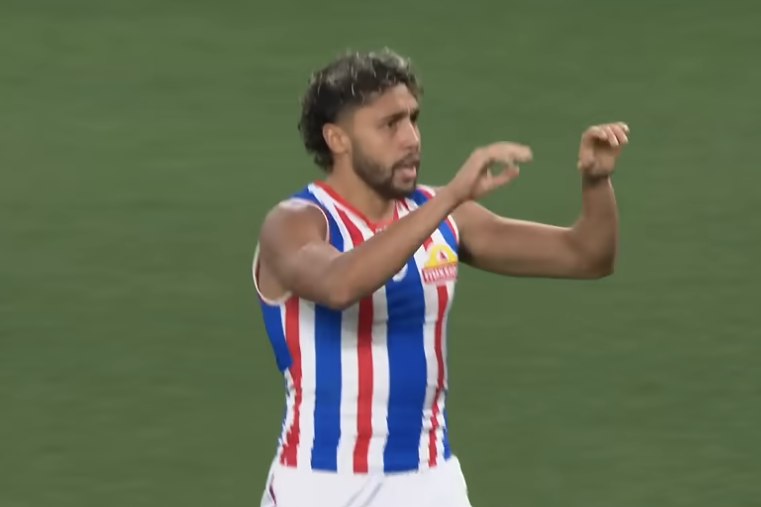
MELBOURNE — The Western Bulldogs secured a much-needed victory in a low-scoring affair, defeating an injury-hit St Kilda side 12.11 (83) to 8.13 (61) at Marvel Stadium on Sunday afternoon. The win propelled the Bulldogs into seventh place on the AFL ladder, keeping their finals hopes firmly alive.
It was a contest that tested the Bulldogs’ resilience from the opening bounce. St Kilda, already battling injuries, lost key players during the game, compounding their struggles in a match they needed to keep their own postseason aspirations on track. The Bulldogs controlled large portions of the game through midfield dominance but had to withstand a Saints fightback before sealing the result late.
Marcus Bontempelli was the standout performer for the visitors, collecting 34 disposals, 13 clearances and booting a goal, including a highlight-reel roving major in the second quarter that brought the crowd to its feet. His leadership and work rate set the tone for a Bulldogs side that has shown glimpses of its premiership pedigree this season. Tom Liberatore’s return added further steel to the midfield, with the veteran gathering 23 disposals and five clearances in his first game back since Round 6.
The Bulldogs jumped out of the blocks, kicking the first three goals of the match, mirroring a pattern St Kilda has endured in recent weeks. However, the Saints responded to trail by just 16 points at halftime. The second half remained a grind, with both teams trading blows in a physical encounter under the closed roof.
St Kilda’s injury woes worsened dramatically. Co-captain Jack Sinclair hobbled off early with a calf injury after recording just one disposal, and scans are expected to determine the severity. Ruckman Tom De Koning, a significant recruit for the Saints, was forced from the field in the second quarter after copping a knee to the ribs in a contest. He briefly returned but was ruled out at halftime. Rowan Marshall also spent time off the ground in the third quarter after a heavy hit in the ruck contest.
Despite the setbacks, St Kilda showed fight, particularly through their forward line and pressure around the ball. However, their inaccuracy and the Bulldogs’ ability to win the stoppages proved decisive. The Saints now sit outside the top eight with a challenging run ahead before their mid-season break.
Western Bulldogs coach Luke Beveridge would be pleased with the four-point haul, especially after recent inconsistencies. The return of Liberatore provided a boost, while players like Matt Kennedy contributed goals and contested work. The Bulldogs’ defense held firm in the final quarter to repel Saints surges and secure the 22-point victory.
This result highlights the competitive nature of the middle of the 2026 AFL ladder. For the Bulldogs (now 9-6), it reinforces their status as a dangerous finals contender when their best players fire. Bontempelli’s performance, in particular, underscores why he remains one of the league’s premier midfielders. His ability to influence contests at both ends of the ground was pivotal in a game lacking high-scoring flair but rich in intensity.
For St Kilda, the afternoon was a reminder of the fragility of their campaign. Coach Ross Lyon faces a significant challenge in managing the injury list while trying to extract more consistency from a group capable of strong performances but prone to slow starts. The loss of Sinclair and De Koning disrupts their structural balance, particularly in defense and ruck. Marshall’s availability will also be monitored closely.
The match statistics reflected the Bulldogs’ midfield control. They won the clearance battle decisively, allowing them to generate repeated forward entries. While St Kilda competed in tackles and contested possessions at times, they struggled to convert opportunities into scores, finishing with more behinds than goals.
Key moments included Bontempelli’s second-quarter goal, which came after a slick handball chain and highlighted the Bulldogs’ transition speed. In the final term, with the margin inside two goals, the Dogs’ experienced heads steadied the ship. Multiple players contributed to the defensive effort, denying the Saints clean looks at goal in the closing stages.
The Bulldogs’ forward setup, bolstered by returning players, provided enough targets to keep the Saints’ defense honest. Kennedy’s presence added another dimension, with his work alongside the likes of Aaron Naughton and others creating headaches for St Kilda’s back six.
This victory comes at an important time for the Western Bulldogs. With several teams jostling for ladder position, every point counts. Their ability to grind out a win in less-than-ideal conditions — against an opponent missing key personnel — bodes well for the business end of the season.
St Kilda, meanwhile, will regroup during the bye period. The club will hope for positive news on their injured stars to mount a late charge. Their home ground advantage at Marvel Stadium has been solid, but on this occasion, it wasn’t enough to overcome the Dogs’ determination and superior midfield.
The game drew a solid crowd to Marvel Stadium, with fans treated to a tough, attritional battle typical of AFL at this level. While not a high-scoring spectacle, it delivered in physicality and highlighted the depth required to succeed in the modern game.
As the season approaches its midpoint, the Bulldogs have positioned themselves well. Consistency remains the key for both sides, but Sunday’s result

How Will Tokenization Affect XRP?
Man United transfer news LIVE: Mateus Fernandes twist, new Ederson update, Sandro Tonali stance
More Retirees Are Choosing Continuing Care Communities. How to Pick One.


-

 Business7 days ago
No Jackpot Winner as $257 Million Prize Rolls Over to $269 Million Monday Draw
-

 Fashion2 days ago
Weekend Open Thread: Miami – Corporette.com
-
 Crypto World6 days ago
Zimbabwe Requires Crypto Businesses to Register Annually Under New FIU Regulations
-
 Business1 day ago
Wall Street Week Ahead: Investors see Micron earnings as pulse check of AI rally momentum
-
 Entertainment7 days ago
Matt Damon’s Viral Sci-Fi Thriller Has Taken Over HBO Max
-

 Tech7 days ago
As AI companies race to go public, who else is along for the ride?
-

 Business7 days ago
Anthropic staff to meet White House officials next week, Axios reports
-

 Crypto World1 day ago
HIVE shares jump as $220M AI deal speeds Bitcoin mining pivot
-
 Crypto World7 days ago
Bitcoin could crash to $48,000, if this historical pattern is triggered
-
 NewsBeat7 days ago
what doctors are seeing in ebike crashes
-
 NewsBeat7 days ago
Warning of disruption as Cardiff Crossrail works to start
-
 NewsBeat7 days ago
Tributes to former deputy head teacher at Cambridge school among death and funeral notices
-
 Entertainment7 days ago
Kate Middleton Glare Goes Viral After Kids Booed At Royal Event
-

 Politics7 days ago
“Israel’s” ban on ICRC visits ruled illegal, but Knesset moves to stop them permanently
-

 News Videos7 days ago
Financial Accounting | Last Day Revision Strategy and Booster | CMA Inter – June 2026
-

 Crypto World7 days ago
XRP ETFs Outperform As Bitcoin And Ethereum Funds Extend Outflow Trend
-

 Tech6 days ago
Over 400 Arch Linux packages compromised to push rootkit, infostealer
-

 Business7 days ago
Invesco Quality Income Fund Q1 2026 Commentary
-

 NewsBeat7 days ago
Singer Oliver Tree dies aged 32 in helicopter crash in Brazil
-
 Crypto World7 days ago
Market Preview: SpaceX (SPCX) IPO Record, Federal Reserve Meeting, and Iran Nuclear Agreement
You must be logged in to post a comment Login