

Business
Nissan recalls over 51,000 Kicks SUVs for dashboard display defect

FOX Business correspondent Ashley Webster reports on Nissan’s growth in Tennessee as it rides momentum on ‘The Big Money Show.’
Nissan is recalling more than 51,000 Kicks SUVs because a software defect can cause the dashboard display to go partially or completely blank, potentially preventing drivers from seeing critical vehicle information.
The recall affects 51,598 model year 2025-2026 Nissan Kicks vehicles manufactured between June 24, 2024, and Jan. 9, 2026, according to documents filed with the National Highway Traffic Safety Administration.
Nissan said a software logic error within the vehicle’s combination meter, or instrument cluster, can trigger a communication failure between electronic controllers during a cold startup. If that occurs, the display screen may show a partial image, a blue screen or go completely blank.
The malfunction can prevent warning lights, indicators and other safety-related information from appearing on the dashboard, causing the vehicles to fall out of compliance with Federal Motor Vehicle Safety Standard 101 governing vehicle controls and displays.
NISSAN RECALLING OVER 26,000 VEHICLES DUE TO DOOR ISSUE THAT COULD INCREASE RISK OF CRASH
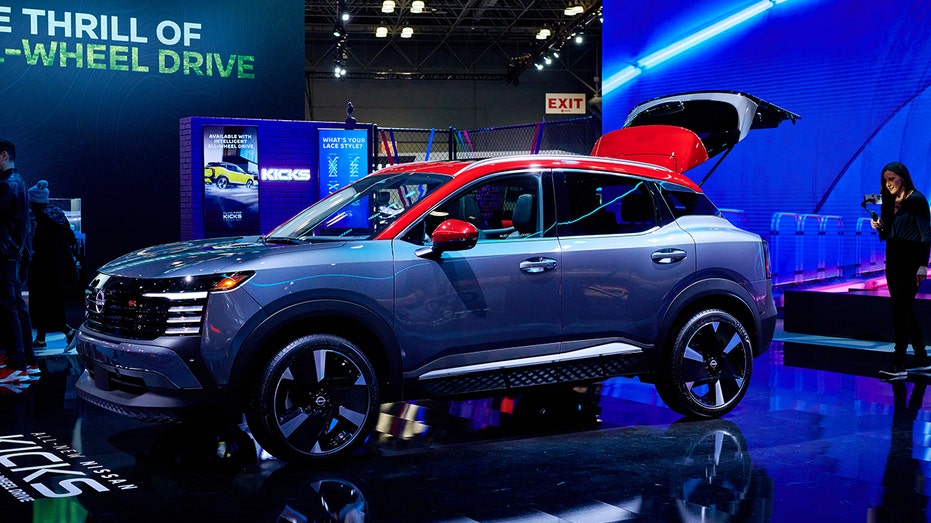
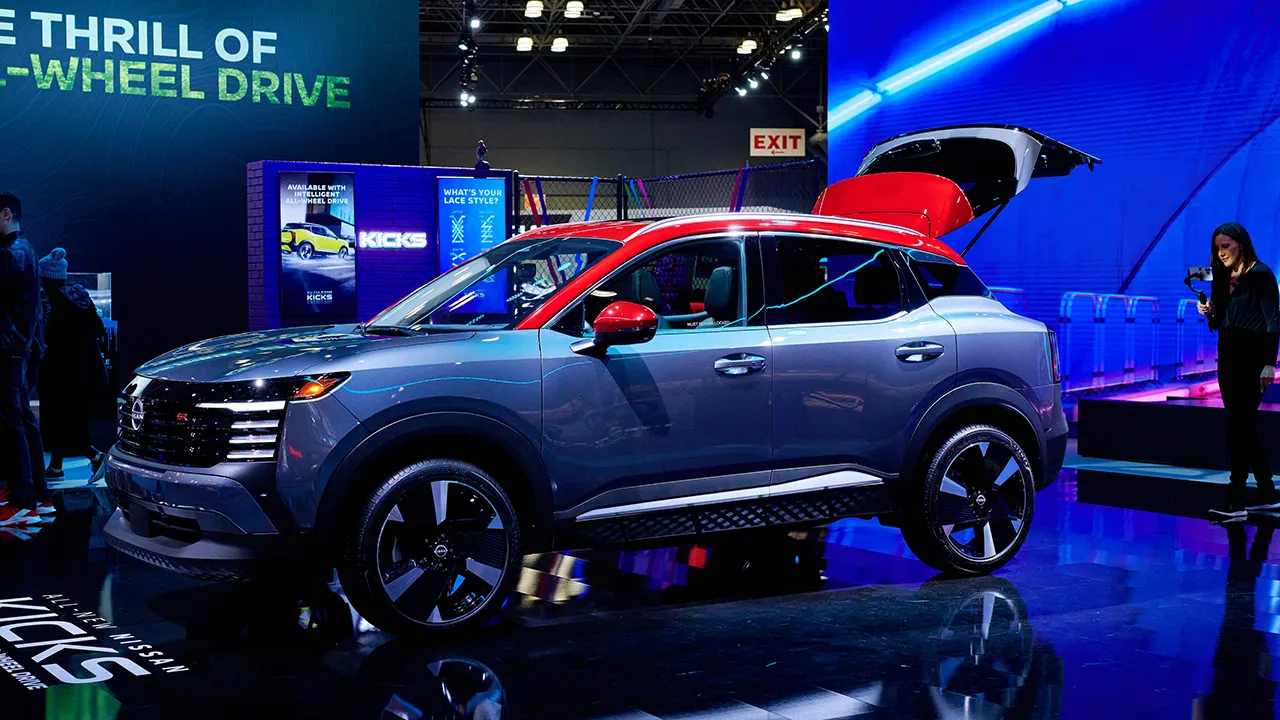
A Nissan Kicks compact SUV is displayed at an auto show. Nissan is recalling 51,598 model year 2025-2026 Kicks vehicles due to a software defect that can cause the instrument cluster display to go partially or completely blank. (Gabby Jones/Bloomberg via Getty Images / Getty Images)
“If the combi-meter display cannot show safety related telltales and indicators, the driver may unknowingly operate the vehicle in an unsafe condition, increasing the risk of a crash,” Nissan said in its filing with federal regulators.
Nissan identified seven technical reports and 205 warranty claims related to the issue between October 2024 and April 2026, though the company said it is not aware of any crashes or injuries connected to the defect.
The automaker said it first became aware of the issue after receiving a field report involving a 2025 Nissan Kicks with a blank display screen at startup. Although technicians initially could not duplicate the problem, diagnostic trouble codes related to the instrument cluster and communication systems were stored in the vehicle.
NISSAN ISSUES MASSIVE RECALL AS FAULTY PART THREATENS ENGINE FAILURE
KRAKOW, POLAND – APRIL 17, 2023: Nissan logo seen on Nissan vehicle parked in Krakow center, on Monday, April 17, 2023, in Krakow, Poland. ((Photo by Artur Widak/NurPhoto via Getty Images) / Getty Images)
Over the following months, Nissan and supplier Continental investigated additional reports involving intermittent blank or blue-screen displays. Engineers ultimately traced the issue to an integrated-circuit malfunction that can disrupt communication within the instrument cluster, causing the display to go blank.
The recall affects one of Nissan’s newer U.S. models and comes as automakers continue to grapple with software-related defects that have become an increasingly common source of vehicle recalls.
NISSAN INCREASES JOB CUTS TO 20K BY 2027
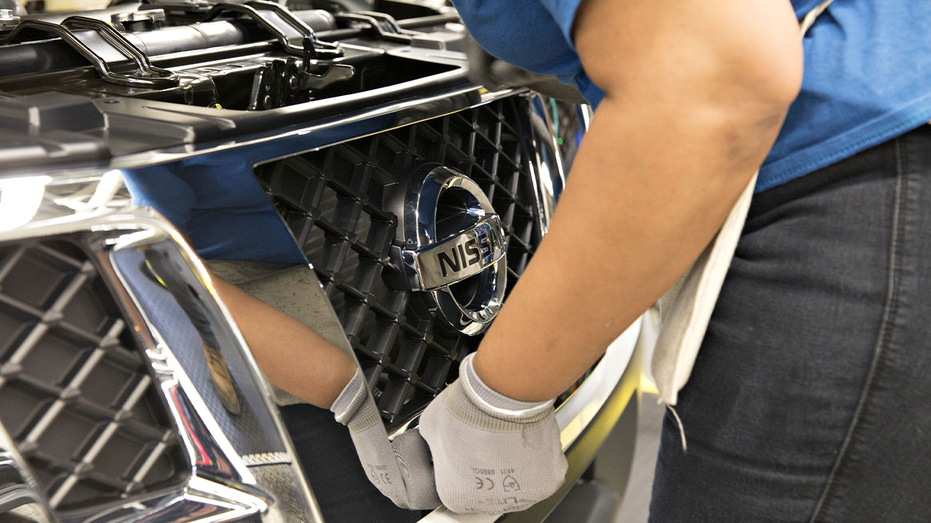
A worker assembles a Nissan vehicle at a manufacturing facility. Nissan is recalling 51,598 model year 2025-2026 Kicks SUVs because a software defect can cause the instrument cluster display to go partially or completely blank. (Getty / Getty Images)
To fix the problem, dealers will update the combination meter software at no cost to owners. The repair is expected to take about 30 minutes.
Dealer notifications began May 22, while owner notification letters are scheduled to be mailed beginning July 1. Vehicle owners can contact Nissan customer service at 800-647-7261 and reference recall number PMA66.
GET FOX BUSINESS ON THE GO BY CLICKING HERE
FOX Business has reached out to Nissan for additional comment on the matter.

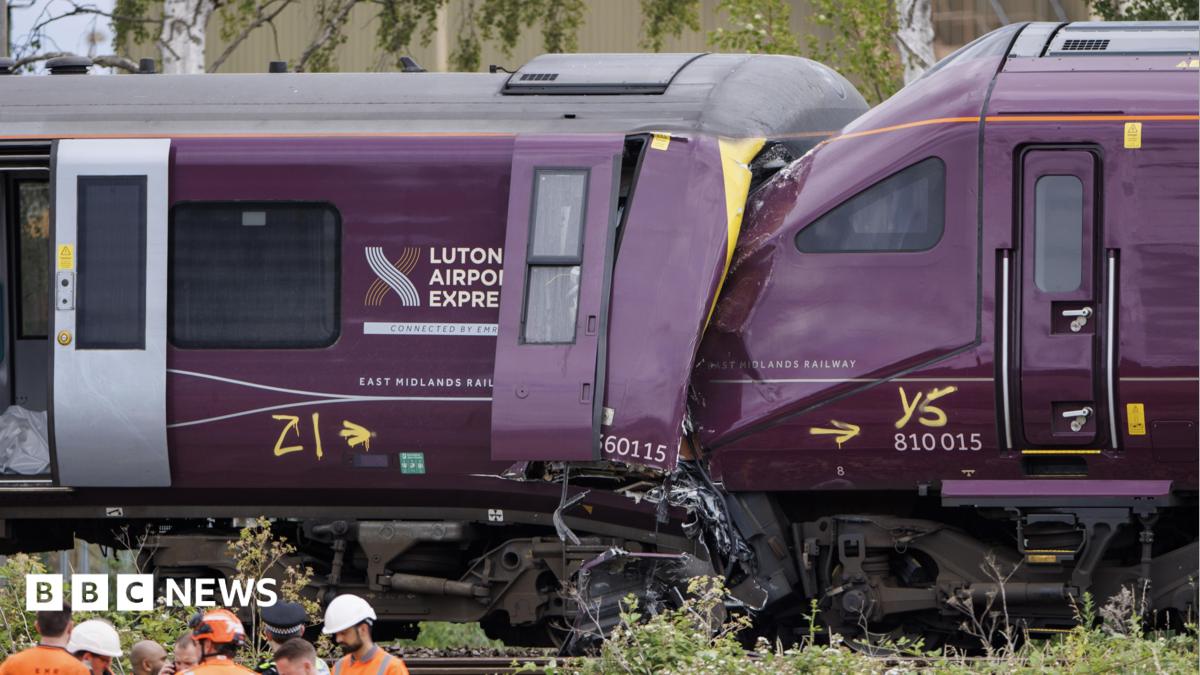
A train driver killed in a crash in Bedfordshire passed a red signal moments before the collision, investigators said.
Train driver Shaun Burton, 60, died and about 100 people were injured when one London-bound service crashed into the back of another on Friday.
The Rail Accident Investigation Branch (RAIB) said in an interim report that Burton’s train proceeded past a red signal near the scene of the crash in Elstow, near Bedford at 17:15 BST on Friday.
It added that “it is not yet possible to say what indication the driver received” from automatic warning system (AWS) equipment fitted to the train.
The RAIB has found the stationary train had come to a stop “unexpectedly” because of a fault with its Automatic Warning System (AWS) equipment.
Data suggests the signal behind the stationary train was red, according to investigators.
The train that had started its journey at Corby, passed this red signal, its brakes were activated for about nine seconds before the collision, when the train was travelling at about 76 mph.
Its speed had reduced to 49mph when the impact happened.
The RAIB said its full investigation would consider “the actions of those involved and any factors that may have influenced them”.

GIBO Holdings announces 25-for-1 reverse stock split
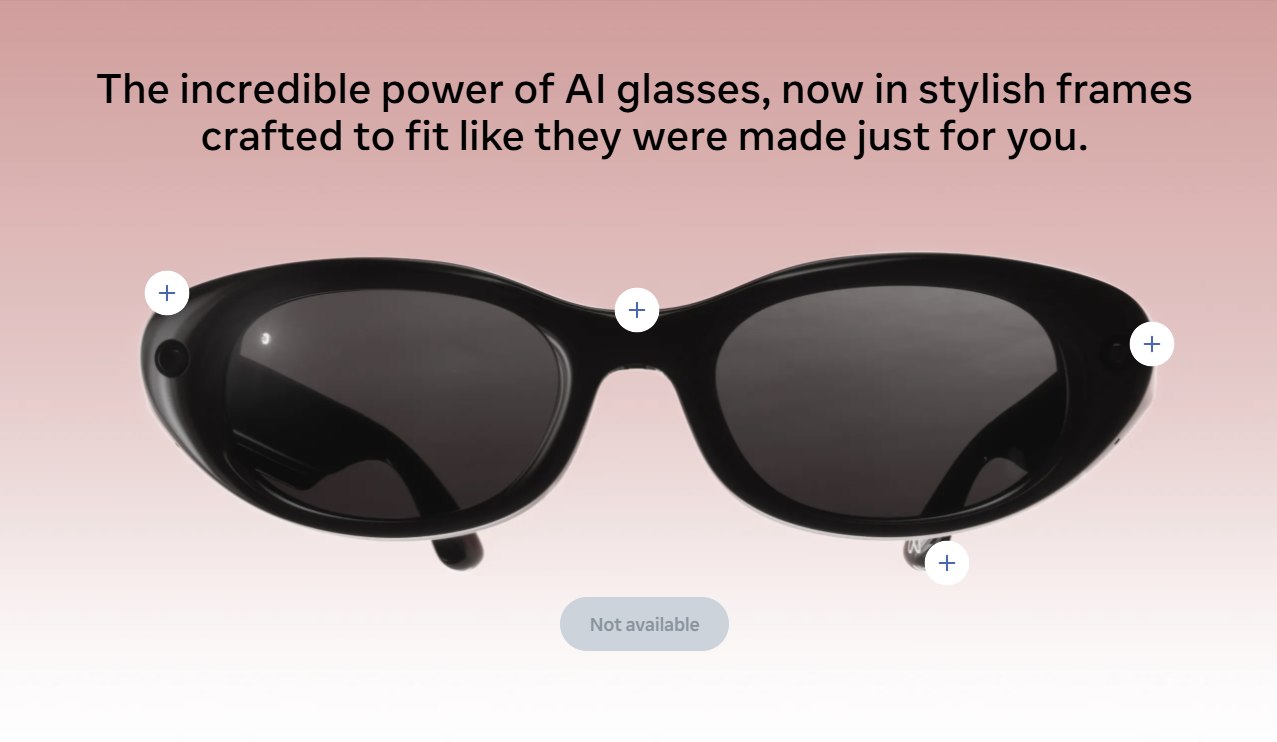
Meta has aggressively expanded its smart glasses lineup in 2026, introducing a new, lower-priced entry point while continuing to push the boundaries of what wearable AI devices can do. Here are 10 things to know about the company’s current glasses offerings.
1. A New Entry-Level Model Just Launched at $299
Meta on Tuesday announced a new set of $299 smart glasses, at least $80 less than the price tag for the company’s entry-level second-generation Meta Ray-Ban glasses, as CEO Mark Zuckerberg continues his push into wearables. Meta AI smart glasses are on sale today starting at $299 with the new Adventurer and Fury models.
2. The New Glasses Drop the Ray-Ban Branding
The Meta Glasses come with new designs and are built in partnership with Ray-Ban parent EssilorLuxottica, but they don’t come with Ray-Ban or Oakley branding. This represents a notable shift in strategy, establishing a Meta-branded lineup that sits below the existing Ray-Ban Meta and Oakley Meta lines on price, while the partnerships with those two eyewear brands continue, with both lines remaining on sale.
3. They Run on Meta’s First Proprietary AI Model
Every model in the new lineup ships with Muse Spark, the first release from Meta Superintelligence Labs — the group led by Alexandr Wang — and Meta’s first closed-weight AI model. The closed-weight decision marks a deliberate strategic departure, since Meta built its AI reputation on open-source Llama releases that powered hundreds of third-party products. The model operates in three modes — Instant, Thinking, and Contemplating — that trade response latency against reasoning depth.
4. Meta Dominates the Smart Glasses Market
Smart glasses without displays surged 167% year-over-year in the first quarter of 2026, and Meta held 69.2% of the AI glasses market during that quarter, according to IDC’s tracker report. In a separate count, Counterpoint Research puts the combined Meta and EssilorLuxottica share above 80%, using a broader methodology — either figure representing a commanding position in a fast-growing category.
5. The Premium Display Model Costs $799
For those wanting a more advanced experience, Meta also sells the Ray-Ban Display glasses, which cost $799 and include a built-in display controlled by a companion wristband called the Meta Neural Band. The device features a 12-megapixel camera with 3x zoom and a viewfinder visible on the in-lens display, allowing users to shoot and share photos directly from the glasses.
6. The Display Model Supports Two-Way Video Calling
Among the more advanced features available on the Display model, two-way video calling lets users see the person they’re talking to on their display, while the other party sees the world through the wearer’s eyes. The feature is available on WhatsApp, Messenger, and Instagram, and users can also watch and share Instagram reels, stories, and posts directly from the in-lens display.
7. The Display Model Requires an In-Person Demo to Purchase
Unlike the standard smart glasses, Meta has implemented a more restrictive sales process for its premium Display model given limited supply. Meta Ray-Ban Display is a first-of-its-kind product with extremely limited inventory. Completing a demo is required for purchase, but due to high demand, the product may be sold out and unavailable after your demo. Appointments can be booked several weeks in advance, with new slots opening daily.
8. Battery Life Varies Significantly by Model
Battery performance differs considerably depending on which glasses a customer chooses. The standard Ray-Ban Meta glasses offer up to 8 hours of use on a single charge, with an additional 48 hours available from the included charging case. The more feature-rich Display model, by comparison, was found in independent testing to deliver about six hours of continuous mixed use — with the display active, the AI assistant available, and music streaming — closely matching Meta’s official specification of “up to 6 hours.”
9. The Glasses Have Faced a Serious Privacy Controversy
Meta’s smart glasses have drawn significant scrutiny this year over how user footage is handled behind the scenes. In February 2026, Swedish newspapers Svenska Dagbladet and Göteborgs-Posten reported that workers at Sama, a Kenya-based contractor, had been reviewing video clips captured through users’ Ray-Ban Meta glasses as part of Meta’s AI training pipeline. The footage included bathroom visits, nudity, and sexual activity — captured by users who had opted into AI data sharing without realizing that human contractors in another country would view the content.
A federal class-action lawsuit, Bartone et al. v. Meta Platforms, was filed on March 4, 2026, in the Northern District of California, alleging that Meta marketed the glasses as “designed for privacy, controlled by you” while routing footage to human reviewers overseas. Meta has said users were notified of potential human review in its terms of service. The UK Information Commissioner’s Office and Kenya’s Data Protection Commissioner both opened investigations into the matter.
10. Competition Is Intensifying From Google, Samsung and Snap
Despite Meta’s commanding market share, the company faces credible competitive pressure on multiple fronts. Google and Samsung are expected to unveil Android XR AI glasses this fall with Gemini integration. Snap unveiled its fully augmented-reality Specs on June 16 at $2,195 — a different product category targeting early adopters willing to pay for an AR display. Apple’s rumored smart glasses project remains unannounced, and Samsung has demonstrated prototype smart glasses but has not yet shipped a consumer product.
What Buyers Should Know About Setup Requirements
For anyone considering a purchase, operating any Ray-Ban Meta model requires connecting the glasses to a smartphone running a recently released operating system — Android 10 and above with location services enabled, or iOS 14.4 and above — along with wireless internet access, a USB-C charging plug, a valid Meta account, and the Meta AI app. The glasses also support a range of accessibility features, including Call a Volunteer, which connects blind or low-vision users with a sighted volunteer through Be My Eyes for help with everyday tasks via the glasses’ point-of-view camera.
With the new $299 Meta-branded glasses now on sale and competitors like Google, Samsung, and Snap preparing their own entries into the category later this year, the smart glasses market is poised for a significantly more competitive stretch heading into the fall. Given the ongoing privacy litigation tied to the Sama footage-review controversy, Meta’s continued dominance in the category will likely depend not only on its hardware and AI advancements, but also on how the company addresses the data-handling concerns that have drawn regulatory scrutiny from both the UK and Kenya.
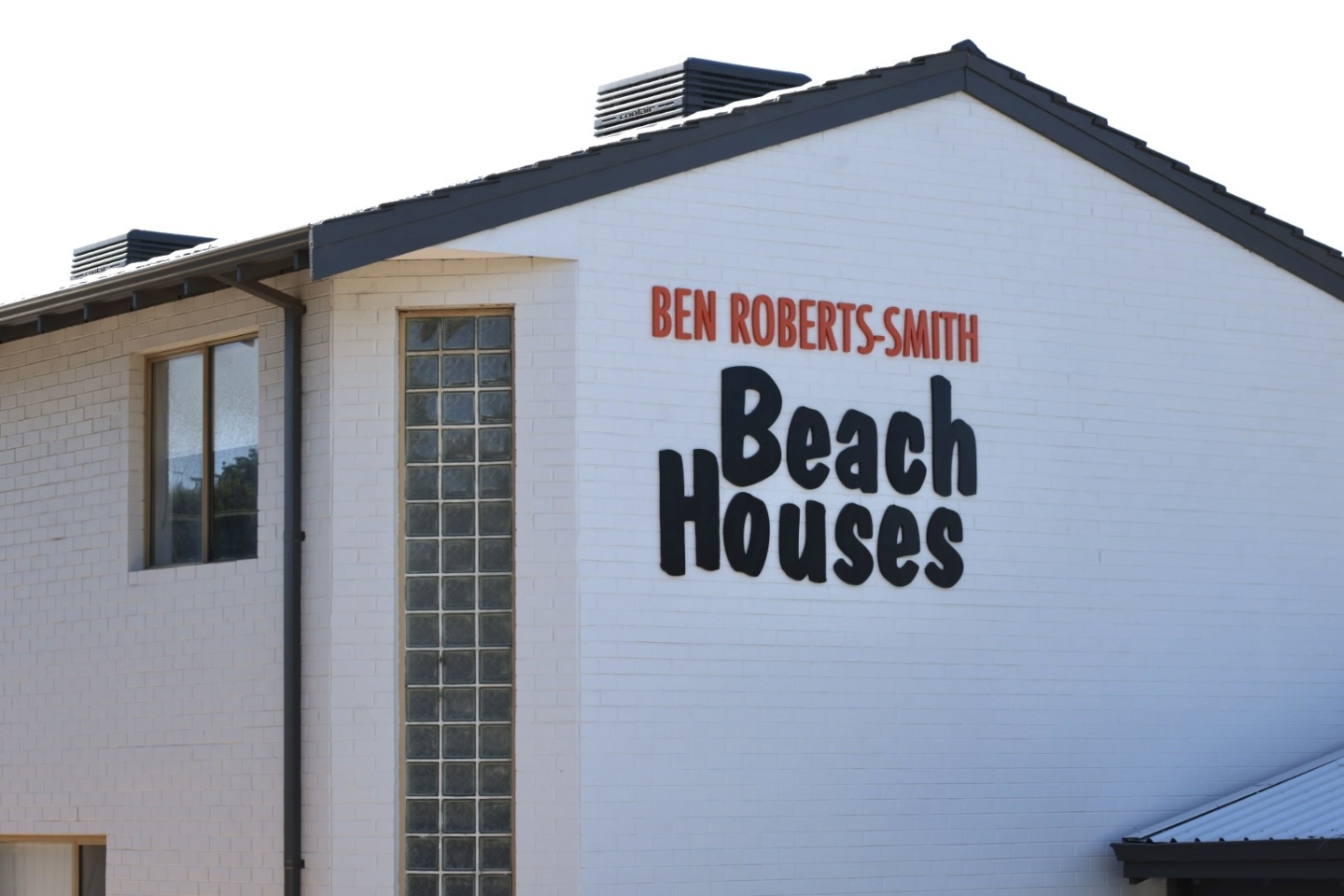
Gina Rinehart’s Hancock Prospecting has spent $8.75 million on two buildings in Scarborough, rebranding them in honour of controversial former soldier Ben Roberts-Smith.
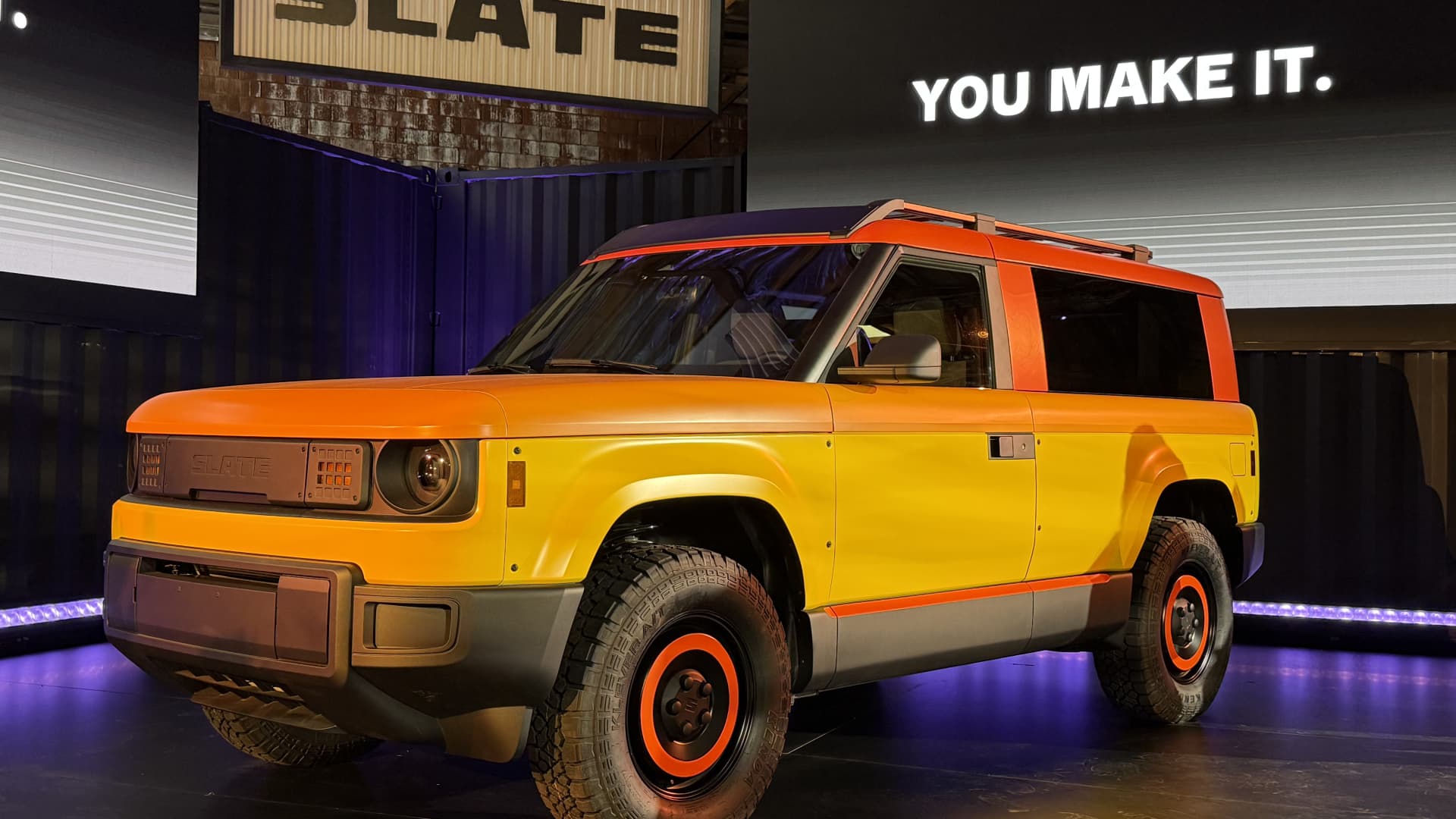

LOS ANGELES — Electric vehicle startup Slate Auto expects to defy challenging market conditions and avoid the losses its peers have seen by profitably selling a highly customizable EV that starts at just under $25,000.
Slate CEO Peter Faricy said every vehicle produced by the Michigan-based EV startup — which is backed by Amazon founder Jeff Bezos and Los Angeles Dodgers controlling owner Mark Walter — will be gross margin positive. That will lead the company to positive free cash flow and earnings before taxes, depreciation, and amortization by 2027, he said.
“It’s an ambitious goal,” Faricy told CNBC during an interview at the company’s new design studio outside of Los Angeles. “No other automotive company has been able to do that before. So it’s ambitious. It’s going to take a lot of work. Nothing’s guaranteed in life, but you have to have ambitious goals if you want to achieve big things. That’s the big goal we’re shooting for.”
Other recent EV startups have struggled financially. Automakers such as Lordstown Motors and Fisker Automotive went bankrupt, while Rivian Automotive and Lucid Motors have reported billions of dollars in annual losses and both recently announced layoffs.
Faricy, former vice president of Amazon Marketplace who was appointed to lead the automaker in March, said the company can succeed where others have failed because of its simplistic product, customer-focused business strategy and break-even point of roughly 80,000 vehicles a year.
The break-even point is just over half of the 150,000-unit production capacity the company plans to have at its assembly plant in Warsaw, Indiana. Slate is continuing to build out that facility while also producing prototype vehicles.
A Slate Auto-customized SUV on display during a media event June 22, 2026, at the company’s new design studio in Gardena, California. Slate is offering more than 100 standard wrap colors for under $500 during the vehicle’s launch this year.
Michael Wayland | CNBC
“We have a different cost structure and a different business model than other automakers have,” he said, citing the simplicity of Slate’s vehicle and manufacturing process as well as the ability to customize the EVs.
Slate’s flagship product is a two-seat, $24,950 bare-bones electric pickup truck that’s so basic the speakers are optional and it has crank windows. The truck can be converted into a five-passenger sport utility vehicle for an additional $5,000. The vehicles will feature a Slate-estimated EV range of 205 miles, 181 horsepower and 195 foot-pounds of torque.
Its performance pales compared with much pricier electric pickups and SUVs but is in line with similarly priced vehicles.
Slate CEO on going public
Slate Auto CEO Peter Faricy, right, speaks during a media event June 22, 2026, at the company’s new design studio in Gardena, California, ahead of the EV startup announcing official pricing for its flagship vehicle.
Michael Wayland | CNBC
Slate was in stealth mode until the company revealed its flagship EV in April 2025. It said then that its initial starting price would be under $20,000, but that included up to $7,500 in federal tax incentives that were available at the time for purchasing an EV and have since been discontinued.
The startup has raised more than $1.3 billion in capital through three financing rounds, two of which were led by Walter’s TWG Global investment holding company after a Bezos-affiliated lead round.
Faricy declined to discuss Slate’s capital runway but confirmed the company is continuing to opportunistically raise funding as it prepares to produce vehicles for consumers later this year and ramp up production, with deliveries expected during the fourth quarter.
He didn’t rule out the possibility of Slate going public, but said it would likely be too early to do that before the company ramps up production next year.
“We’re going to constantly take a look at what our options are. Certainly going public will be one,” said Faricy, who was recruited to the company by Slate co-founder and fellow Amazon executive Jeff Wilke. “2027 is probably too soon, in my book. I think we’ll want to really make sure that we’re launching and scaling the business well.”
Slate has received more than 180,000 reservations for its vehicles and is officially opening up preorders on Wednesday. The reservations required refundable $50 deposits, but the orders will come with $300 nonrefundable down payments.
Slate President of Vehicles Chris Barman, who was the company’s second employee and initial CEO, said current expectations are for the SUV to represent 60% of sales, despite the pickup being the base model at roughly $25,000. The starting price is roughly half the cost of a new vehicle sold, according to Cox Automotive data.
Faricy commended Barman for her leadership as a “world-class automotive executive,” and confirmed he’s there to use his background in consumer retail and in the automotive industry before Amazon to take the company to its next step.
“Companies have different life stages, and we’re now at the stage as we launch production where we’re sort of going into the next phase of our life,” he said. “I’m thrilled to join because a lot of the skills that I bring are complementary to the team that exists.”
Modular vehicle
A wall of accessories for Slate Auto’s vehicles on display at the company’s design studio near Los Angeles. The EV startup plans to initially offer more than 175 accessories, with over 80 under $500, including roof racks, stereos and light covers.
Michael Wayland | CNBC
When Slate revealed its vehicle as “a radically simple, radically affordable, radically personalizable car” in April 2025, more than three years had passed since Barman and Eric Keipper, an auto veteran and Slate’s head of engineering, first developed the road map for the EV’s development.
The vehicles have injection-molded composite exteriors and a litany of do-it-yourself options. The plan is for every vehicle coming off the line to be the same to reduce complexity, before the addition of any features or different covers/tops such as fastback or squared-off to look similar to a Jeep Wrangler SUV.
Auto executives have tossed around the idea for such a modular, stripped-down vehicle as the industry has seen a rise of connectivity and affordability concerns, but so far the challenges have outweighed the potential opportunities, or companies have struggled to keep prices low.
Slate’s vehicle does not feature any “connectivity” such as a modem or large screens, just a small driver information screen for range, speed and other standard gauges and warnings. Instead of a center infotainment system, drivers can use their own devices, such as a smartphone or tablet, for navigation and music.
The exteriors of the Slate vehicles won’t be painted. The company said they were engineered to be wrapped with a vinyl film, eliminating the need for a costly paint shop — a massive investment for automakers.
Slate is offering more than 100 standard wrap colors for under $500, but customers also can essentially pick any color or design they can imagine. The vehicle also will launch with more than 175 accessories, with over 80% of those priced under $500, including roof racks, stereos and light covers.
“Whoever you are and whatever you like in life, you can now express that through your SUV or through your truck,” said Faricy, who added that the Slate vehicle he wants is a metallic black fastback SUV. “I can’t wait to create that vehicle.”
The company continues to build the vehicles by hand, along with some factory automation, according to Dan Tasiemski, Slate’s head of manufacturing engineering. Slate is aiming to begin operating the factory through its normal production processes by August, he said.
Slate, which Tasiemski said is building about three vehicles a day, still needs to go through required federal vehicle validation and certification for things such as range, safety and other aspects.
Challenges
Slate Auto CEO Peter Faricy stands next to the EV startup’s barebones electric pickup truck at the company’s design studio near Los Angeles on June 22, 2026.
Michael Wayland | CNBC
In addition to challenging market conditions for EVs, Slate’s product is a unicorn — for better or worse.
The modularity of the vehicle is unique and so is its two-door body style. It will be the only pickup truck or SUV on sale in the U.S. to exclusively offer such a variant without also offering four-door models.
Ford reports only 10% of its Bronco SUV models sold last year were two-door variants. Many small pickup trucks such as the Ford Maverick and Hyundai Santa Cruz exclusively offer four-door models.
Slate has not ruled out the addition of four-door models, but its sole focus is on the two-door pickup and SUVs, according to executives.
It’s also exclusively a rear-wheel drive vehicle compared with four-by-four capability or all-wheel drive.
Slate is expected to compete against a growing segment of small gas-powered and electric pickup trucks. Most notably, Ford has bet its future EVs on a new affordable platform, beginning next year with a pickup truck. Stellantis’ Ram brand also plans to launch new compact and midsize pickup trucks in the coming years.
Slate plans to deliver its vehicle directly to customers rather than through franchised dealers, which also presents challenges and opportunities for the company, based on similar experiences from U.S. EV leader Tesla, Rivian and others.
“I think it’s an important part,” Faricy said, adding that he thinks it will lead to lower costs and better control over the customer experience. “We’re definitely going to be a direct-to-consumer company.”
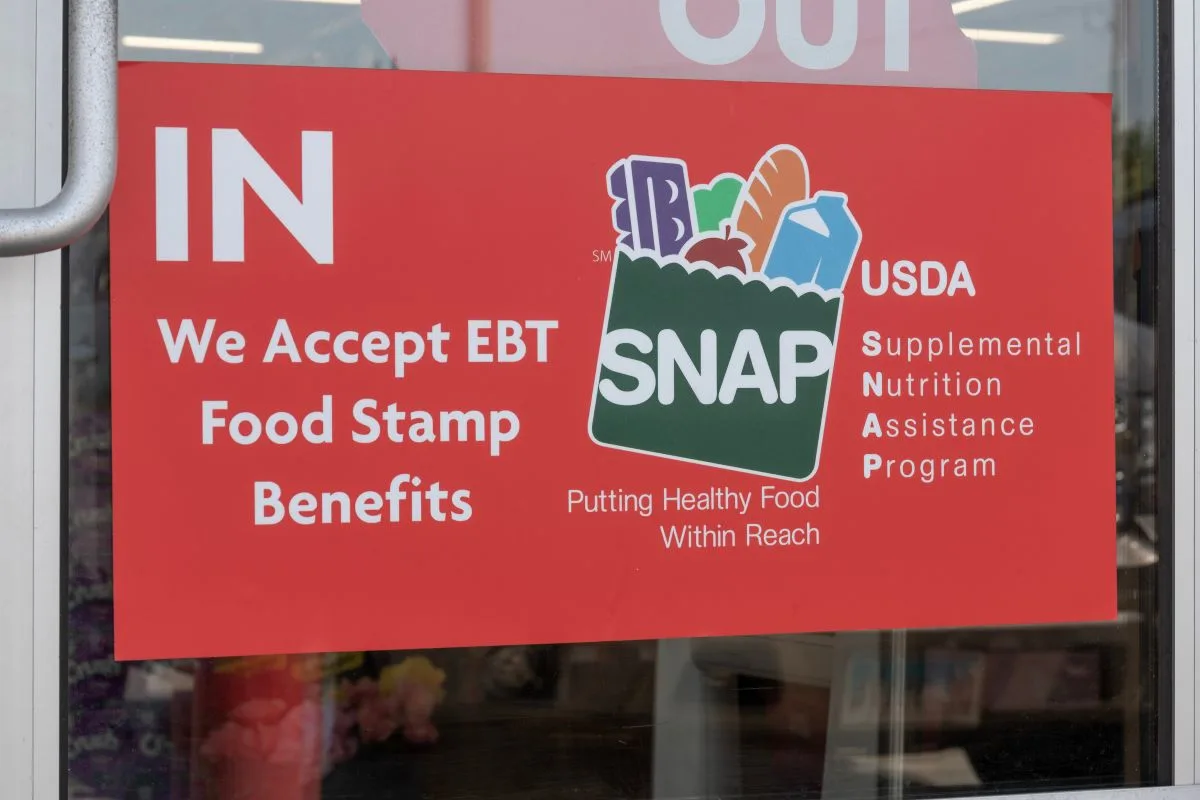

Judge rules USDA had no authority to grant food restrictions under program.

The third case of bird flu in West Australia is expected to be confirmed in coming days after a migratory seabird was found with symptoms on a beach between Dunsborough and Busselton.

The head of Europe’s airports trade body has urged politicians to “stop pretending” that the European Union’s new digital border system is working, warning that the chaos now unfolding at passport control is keeping industry bosses awake at night.
Earlier this year the EU completed the roll-out of its Entry-Exit System (EES), which requires travellers from outside the bloc to register biometric information, including facial scans and fingerprints, when they enter most European countries. That data is then checked each time they cross the borders of the Schengen free-travel zone. For Britain’s roughly four million summer holidaymakers heading to the continent, it has become the most consequential change to cross-Channel travel since Brexit.
While the system has bedded in smoothly in some countries, it has been blamed for significant delays at a number of airports, with some passengers missing flights altogether.
Stefan Schulte, president of ACI Europe and chief executive of the company that owns Frankfurt Airport, did not mince his words at an industry gathering in Prague. Politicians, he said, should “stop pretending that EES is working just fine. It is not.” He added: “Passengers are queueing for hours at peak traffic times and I just do not know how we will be able to cope in the coming weeks with the expected increase in traffic.”
The warning lands at the worst possible moment for the travel industry, with the summer peak now under way and passenger volumes climbing week on week.
The disruption is no longer hypothetical. Earlier this month, dozens of Ryanair passengers were left stranded in Athens after their flight to London Luton departed without them. Ryanair blamed border delays, while the airport pointed to congestion linked to “additional processing requirements”. Neither party stated directly that EES was the culprit, but the episode fits a now familiar pattern.
In April, passengers due to fly from Milan Bergamo and Milan Linate to Manchester also missed their flights because of problems at passport control. Wizz Air, meanwhile, has gone as far as advising British holidaymakers to arrive at European airports three hours before their return flights to absorb the lengthening queues.
The friction is a direct consequence of the new requirement for most travellers from outside the European Economic Area to register biometric data on entry, a process that takes considerably longer than the old practice of stamping a passport. As Business Matters has reported, the Port of Dover has warned that the EU border system carries lasting “negative impacts” for cross-Channel traffic, and UK officials had already feared port chaos well before the scheme went live.
Schulte is pressing for the system to be made far more flexible. “We urgently need full flexibility for border control authorities to suspend the EES whenever needed to avoid further chaos, along with a rethink of those processes,” he said. “This is about showing respect and decency for those who chose to travel to the EU, and safeguarding our reputation as a welcoming and efficient destination.”
The European Commission is permitting EES to be suspended in certain circumstances until September. But Schulte told the BBC’s World at One that the decision to suspend rests with individual governments rather than airports, and that queues simply grow longer while those decisions are being weighed. He cautioned that the summer peak runs well beyond early September, after which the industry could be staring at the “complete collapse of the system”.
The official UK government guidance confirms that British travellers should expect biometric checks under the EU’s Entry-Exit System, with the requirements rolling out in phases across member states. The House of Commons Library has set out in detail how EES interacts with the forthcoming travel authorisation scheme, underlining how much remains in flux.
For travellers, part of the frustration is the inconsistency between countries. Earlier this year Greece’s tourism minister, Olga Kefalogianni, said she did not want visitors “burdened” by bureaucratic procedures, and promised British passengers would not face biometric checks when travelling to Greece this summer. The picture was muddied when the Greek Foreign Ministry subsequently disputed that any exemption existed.
There were also reports that Portugal and Italy were weighing exemptions for British nationals at their airports, only for the European Commission to insist no such plans were in place.
The confusion is unlikely to reassure an industry already braced for a difficult summer, and it comes ahead of a further layer of bureaucracy: from next year, British holidaymakers will also need to pay for an EU visa waiver under the ETIAS scheme. For now, the message from Europe’s airport bosses is blunt. The system, as it stands, is not coping, and pretending otherwise will not make the queues any shorter.

Amy Ingham
Amy is a newly qualified journalist specialising in business journalism at Business Matters with responsibility for news content for what is now the UK’s largest print and online source of current business news.


Fredrik Arnold is a former quality service analyst. He is now reporting investment ideas with a primary focus on dividend yields by utilizing free cash flow and one-year total returns as trading indicators. He is the leader of the investing group The Dividend Dog Catcher, where he shares a minimum of one new dividend stock idea per week with focus on yield or extraordinary financial circumstances. All ideas are archived and available after weekly announcement. Learn more.
Analyst’s Disclosure: I/we have no stock, option or similar derivative position in any of the companies mentioned, and no plans to initiate any such positions within the next 72 hours. I wrote this article myself, and it expresses my own opinions. I am not receiving compensation for it (other than from Seeking Alpha). I have no business relationship with any company whose stock is mentioned in this article.
Seeking Alpha’s Disclosure: Past performance is no guarantee of future results. No recommendation or advice is being given as to whether any investment is suitable for a particular investor. Any views or opinions expressed above may not reflect those of Seeking Alpha as a whole. Seeking Alpha is not a licensed securities dealer, broker or US investment adviser or investment bank. Our analysts are third party authors that include both professional investors and individual investors who may not be licensed or certified by any institute or regulatory body.

Available for over a year
We hear how a childhood in Guatemala, a fascination with computers and a belief that education should be accessible to everyone helped inspire the world’s most popular learning apps. Luis von Ahn tells us how he went from creating CAPTCHA and selling reCAPTCHA to Google, to building Duolingo into a multi-billion-dollar education technology company used by millions around the world.
He reflects on his mother’s sacrifices to fund his education, the lessons he learned as an entrepreneur, and why he struggles with conflict in his life as a tech CEO.
Presenter: Leanna Byrne
Producer: Amber Mehmood
If you’d like to get in touch with the team, our email address is businessdaily@bbc.co.uk

Neel Somani breaks down the key factors behind East Coast power price spikes

UN nuclear chief says inspectors will visit Iran sites as part of war deal

Train passed red signal before fatal Bedford crash, says report


-

 Fashion5 days ago
Weekend Open Thread: Miami – Corporette.com
-

 Entertainment4 days ago
Renter of Home in Anne Heche Crash Denies Settlement With Son
-

 Tech2 days ago
Microsoft accidentally kills epic Outlook email threads
-
 Sports18 hours ago
Two goals and an assist by sheer aura: Cristiano Ronaldo just entered the World Cup chat
-

 Business4 days ago
Soccer-U.S. defends Iran World Cup travel restrictions, says discussions ongoing
-
Crypto World9 hours ago
Bitcoin (BTC) Dips Below $62K, Ethereum (ETH) Plunges 6% Daily: Market Watch
-

 Crypto World6 hours ago
Securitize Wraps Roubini's SEC-Registered ETF as Dubai VARA Digital Security
-

 Politics6 days ago
BBC Reporter Discusses Cross Party Criticism Of Trumps Iran Deal
-
Business12 hours ago
Entergy settles forward sale agreements, raises $672 million in cash proceeds
-
 Business4 days ago
Wall Street Week Ahead: Investors see Micron earnings as pulse check of AI rally momentum
-

 Politics4 days ago
Andy Burnham and the meaning of Makerfield
-

 Tech6 days ago
AWS enters the context layer race with a graph that learns from agents, not manual curation
-
 Crypto World4 days ago
Can Charles Hoskinson Really Rescue Cardano?
-

 Crypto World4 days ago
HIVE shares jump as $220M AI deal speeds Bitcoin mining pivot
-

 NewsBeat5 days ago
Keir Starmer Allies Question His Chances For No 10
-

 Crypto World4 days ago
Jake Chervinsky accuses CME of protecting derivatives monopoly
-

 Tech2 days ago
Nearly 7,000 fake Amazon domains registered ahead of Prime Day 2026, researchers warn
-
 Tech3 days ago
Signal’s Meredith Whittaker says AI chatbots ‘are not your friends’ and calls Copilot agents a backdoor
-

 Business6 days ago
Brexit cost 6% of UK economy, Bank of England company data suggests
-

 Sports6 days ago
FIFA World Cup 2026: Canada beat 9-men Qatar 6-0 to register first ever win | FIFA World Cup 2026
You must be logged in to post a comment Login