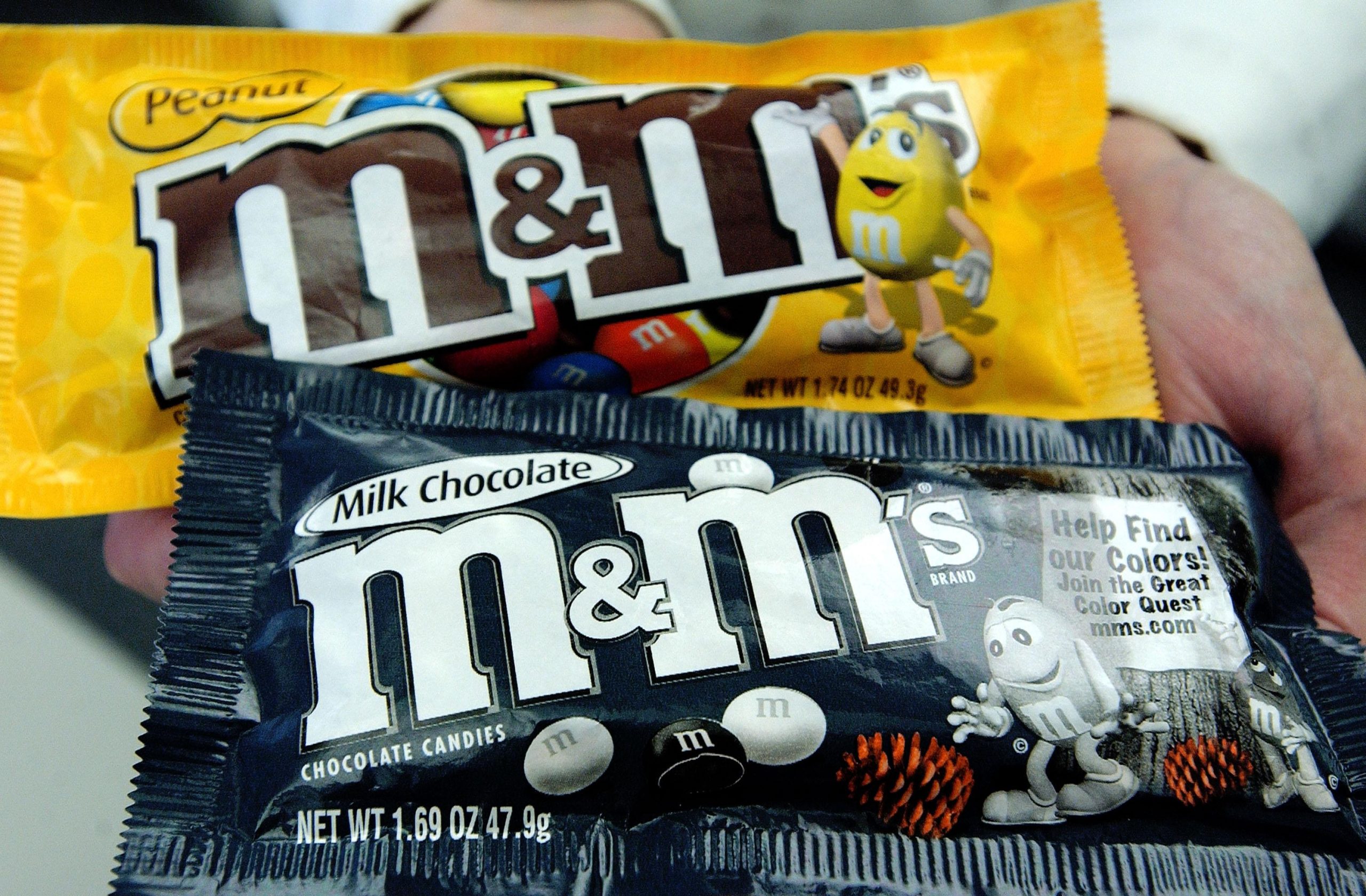
WASHINGTON — Mars Inc., the company behind M&M’s, plans to eliminate blue and brown from its iconic candy lineup as part of a broader initiative to remove artificial dyes from the product, according to multiple reports.
The changes coincide with the candy’s 85th anniversary in August, marking a significant evolution for one of the world’s most recognized confectionery brands. The company has been working to develop naturally colored alternatives for several years, facing technical and cost challenges in replicating certain hues.
Blue and brown have proven particularly difficult to produce without synthetic additives. Mars has successfully recreated red and yellow using natural ingredients such as turmeric and beets. However, achieving stable blue requires spirulina extract, a concentrated blue-green algae powder that presents manufacturing complications.
Spirulina does not fully dissolve in water, potentially causing clogs in spray nozzles and buildup in production equipment. The ingredient also carries a significantly higher cost compared to traditional dyes, ranging from $20 to $100 per pound versus approximately $10 per pound for turmeric.
Company executives reportedly considered limiting colors to red, orange and yellow, evoking a sunset theme, but ultimately decided against that approach. The transition will initially launch on Amazon before broader distribution. Mars aims to offer all six original colors using natural dyes by 2028.
Brown requires blue coloring to achieve its distinctive shade, explaining its temporary removal alongside blue. The company will continue offering products with artificial dyes while expanding natural alternatives across its portfolio, including Skittles, Extra Gum and Starburst.
Health advocates have long pushed for the elimination of synthetic dyes, citing studies linking them to potential neurobehavioral issues such as hyperactivity and attention problems in some children. The Food and Drug Administration maintains that approved dyes are safe for most consumers when used as directed.
In April 2025, Health Secretary Robert F. Kennedy Jr. and FDA Commissioner Marty Makary announced plans to phase out synthetic dyes by the end of 2026, primarily through voluntary industry efforts rather than mandatory regulations. Mars’ initiative aligns with this broader industry trend toward cleaner ingredient formulations.
The decision reflects evolving consumer preferences and regulatory pressures surrounding food additives. Many manufacturers have begun reformulating products to address concerns about artificial colors, flavors and preservatives while maintaining visual appeal.
M&M’s distinctive colorful appearance has been central to its brand identity since its introduction in 1941. The candies were originally created to provide soldiers with chocolate that would not melt in their hands during World War II. The colorful shell coating became an instant success and defining characteristic.
Industry analysts expect the changes to have minimal long-term impact on sales given Mars’ strong brand loyalty and marketing capabilities. Temporary removal of certain colors may even generate consumer interest and media attention during the transition period.
The company has not officially confirmed the exact timeline or details of the color changes. Reports suggest initial availability of the reformulated products will be limited, allowing Mars to gather consumer feedback before full rollout.
Spirulina’s use as a natural blue dye has gained attention in recent years across the food industry. While effective, its cost and processing requirements present challenges for large-scale production. Alternative natural blue sources remain under development but have not yet achieved commercial viability.
Consumer reactions to the potential changes have been mixed on social media platforms. Some express disappointment over losing familiar colors, while others support the move toward more natural ingredients. The company’s strong brand presence suggests it can navigate the transition successfully.
Mars joins other major food manufacturers in responding to demands for cleaner labels. The trend reflects broader shifts in consumer awareness regarding food ingredients and their potential health impacts. Companies balance these concerns with maintaining product appeal and affordability.
The M&M’s reformulation represents part of Mars’ ongoing commitment to product innovation and sustainability. The company has invested in various initiatives to reduce environmental impact and improve ingredient sourcing across its global operations.
As the August anniversary approaches, Mars will likely provide more details about its plans. The changes could influence other confectionery manufacturers to accelerate their own efforts to remove artificial additives from popular products.
The food industry’s response to calls for natural ingredients continues evolving. While challenges remain in achieving consistent colors and flavors without synthetics, technological advances offer promising solutions for the future.
M&M’s enduring popularity demonstrates the strength of its brand despite periodic changes to its formula and appearance. The upcoming modifications represent another chapter in the candy’s long history of adaptation to consumer preferences and industry standards.


















































You must be logged in to post a comment Login