
Business
OCC and FDIC propose CRA reforms targeting activist group funding

Check out whats clicking on FoxBusiness.com.
Financial regulators in the Trump administration are proposing changes to a banking industry rule that critics say has been diverted from its original purpose to funneling funds from financial institutions to left-wing advocacy groups.
The Office of the Comptroller of the Currency and the Federal Deposit Insurance Corporation on Friday announced a proposed rule that would make changes to the Community Reinvestment Act (CRA). The law was enacted in 1977 to prevent so-called “redlining” – a practice in which some banks wouldn’t give loans in low-income or minority neighborhoods, or offer depository services.
Among the proposed changes are provisions aimed at increasing the focus on lending and ensuring community development grants and donations go to the intended communities, rather than being diverted to other activities. Critics have argued that banks have met regulators’ requirements in part by donating to advocacy groups.
Comptroller Jonathan Gould said in a post on X that, “Under the Biden Administration, the Community Reinvestment Act became an onerous tax on community banks that failed to drive investment into the very regions they were meant to serve.”
“Today’s proposed reforms will help ensure the CRA is no longer used as a social credit score for banks, nor as a funding mechanism for activist NGO networks under the guise of community development,” Gould wrote.
TRUMP ADMIN WARNS BANKS ON LENDING TO UNAUTHORIZED WORKERS
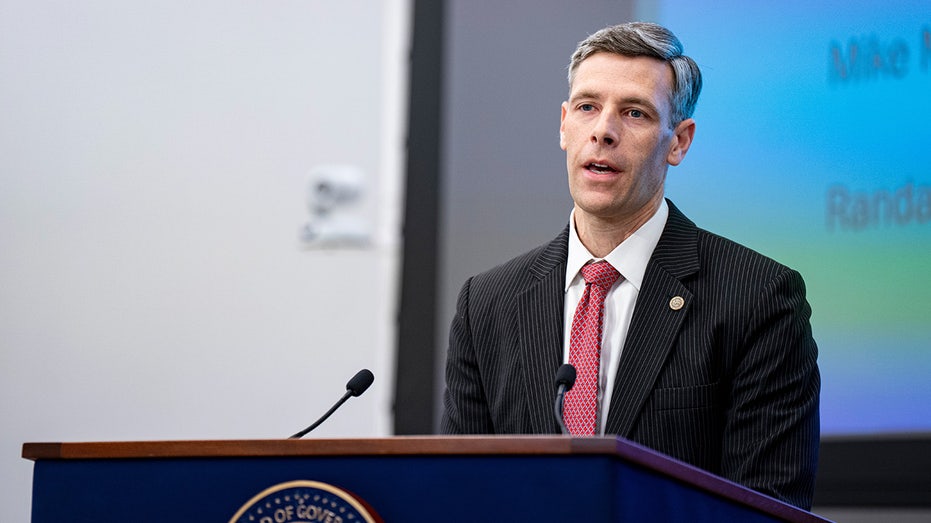
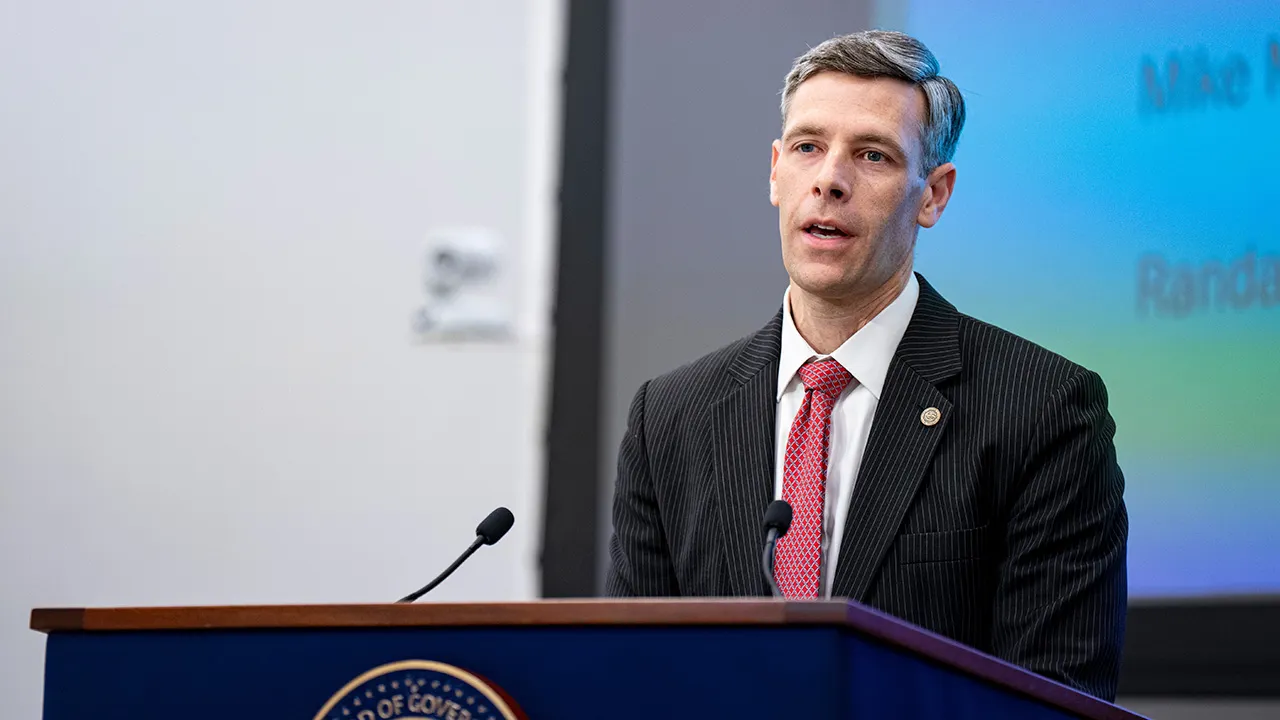
Comptroller of the Currency Jonathan Gould said the regulatory changes will prevent the CRA from being used as a “social credit score for banks.” (Al Drago/Bloomberg via Getty Images)
Key GOP lawmakers in Congress who serve on panels with oversight of the financial services committee applauded the regulatory move on social media.
Rep. Andy Barr, R-Ky., who is a member of the House Financial Services Committee and chairs the subcommittee on financial institutions, said, “For years, left-wing activist groups have weaponized the Community Reinvestment Act to pressure financial institutions far beyond Congress’s original intent.”
“Instead of expanding access to credit, the CRA has too often become a tool to limit access to capital. I welcome the Trump Administration’s commonsense reforms to restore the law to its intended purpose and refocus it on lending and community investment,” Barr added.
TRUMP ADMIN TO TELL BANKS IMMIGRATION STATUS MAY BE CONSIDERED IN MORTGAGE, CREDIT DECISIONS

Key GOP lawmakers on Congress’ banking industry panels praised the proposed regulation. (J. David Ake/Getty Images)
Sen. Katie Britt, R-Ala., who serves on the Senate Banking Committee and chairs its subcommittee on housing and community development, said in a post on X that she welcomed the proposal to “restore a more practical” framework for the CRA.
“Community banks should be focused on expanding access to credit, supporting small businesses, and strengthening local communities, not navigating unnecessary regulatory burdens or subsidizing activist causes,” Britt said.
WALL STREET REVEALS TRUMP EXECUTIVE ORDER HAS SIGNIFICANTLY REDUCED FEDERAL REGULATORY PRESSURE
Conservative activist Christopher Rufo called the proposed rule a “big deal” and a “win for Scott Bessent” in a post on X, adding that the CRA “has been used as a mechanism for shaking down banks to fund left-wing activism.”
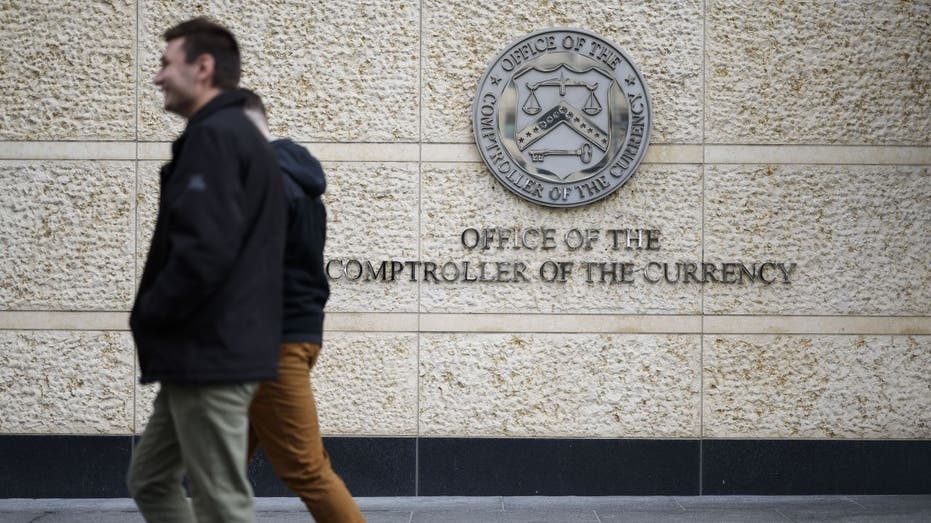
Comptroller of the Currency Jonathan Gould said the proposal would help propel economic growth while reducing unnecessary regulatory burdens. (Ting Shen/Bloomberg via Getty Images)
The proposed rulemaking from the OCC and FDIC would aim to ease burdens on banks with $10 billion or less in assets, giving them more flexible supervision without subjecting them to data collection, maintenance and reporting requirements.
It would also focus regulation on credit services, excluding deposit services, and streamline other requirements to improve the clarity, transparency and objectivity associated with CRA evaluations for banks of all sizes.
GET FOX BUSINESS ON THE GO BY CLICKING HERE
Gould added that the OCC will continue to implement the vision of President Donald Trump and Treasury Secretary Scott Bessent by “taking steps to reduce unnecessary regulation and propel economic growth on Main Street.”

Business
Shanghai Stocks Rise as Chip Rally Offsets Weak PMI Data and China’s Monthly Loss Ahead of Politburo

China’s SSE Composite Index rose 0.72% on Friday, adding 27.57 points to close at 3,832.26, as a rally in semiconductor stocks helped mainland Chinese equities finish the week on a positive note even as weak manufacturing data and a broader monthly decline underscored ongoing concerns about the pace of the country’s economic recovery.
Friday’s gains were driven substantially by strength in chip and technology-adjacent names. Cambricon Technologies rose 10.2%, while Semiconductor Manufacturing International Corp., China’s largest chipmaker, climbed 8.1%. Optical component makers posted even sharper gains, with Zhongji Innolight up 13.7% and Eoptolink Technology rising 14.4%, according to data from Trading Economics. The rally in Chinese chip and technology stocks came as part of a broader rebound sweeping across Asian markets, following blowout quarterly earnings from Microsoft, Amazon and Meta Platforms that eased global investor concerns about the sustainability of artificial intelligence infrastructure spending.
Despite Friday’s advance, official economic data released during the session pointed to continued softness in China’s underlying economy. China’s manufacturing purchasing managers’ index slipped into contraction territory in July for the first time since February, according to Trading Economics, while the non-manufacturing PMI also declined unexpectedly. The weak readings added to broader concerns about slowing growth following the release of second-quarter gross domestic product figures that had fallen below the government’s stated target range of 4.5% to 5%.
In response to the disappointing data, China’s Politburo pledged what it described as timely and effective policy support, though the leadership body offered few specific details about additional stimulus measures that might be forthcoming. Despite Friday’s gains, both the Shanghai and Shenzhen benchmarks remained on track for monthly losses when measured over the full course of July, reflecting a month defined by volatile swings between technology-driven optimism and sharper corrections tied to both domestic economic signals and external geopolitical developments.
The volatility that characterized July fit a broader pattern that has defined mainland Chinese equities through much of 2026. Earlier in the month, the SSE Composite had touched multi-month highs above 4,070 points on the back of a rally in semiconductor and technology names, only to give back a substantial portion of those gains during a subsequent selloff tied to escalating tensions between the United States and Iran. That earlier episode saw the index fall as low as roughly 3,913 points in mid-July, its weakest level since early April at the time, before staging a partial recovery in the weeks that followed.
The market experienced additional turbulence in the days immediately preceding Friday’s rally. On Tuesday, the SSE Composite fell 1.16% to 3,813.31 points as a dramatic selloff in semiconductor and memory-chip stocks swept across Asia-Pacific markets, tracking a similar rout that hit South Korean chipmakers particularly hard that week. Thursday’s session saw the index decline a further 0.62% to 3,804 points, giving back a meaningful portion of a 0.35% gain posted the prior Wednesday, as renewed weakness in technology and semiconductor names once again weighed on mainland equities ahead of the Politburo meeting.
Trading activity within the broader mainland market showed notable divergence throughout the week between the SSE Composite’s larger, more state-owned enterprise-weighted constituents and smaller, growth-oriented names listed on the Shenzhen exchange. On Thursday, the Shenzhen Component Index, which carries heavier weighting toward smaller-capitalization growth and technology stocks, fell 2.73% to 13,285 points, while the tech-heavy ChiNext Index tumbled 3.97% to 3,244 points, a far steeper decline than the headline Shanghai benchmark experienced that same session. Analysts covering mainland equities have said that pattern, with selling concentrated more heavily in growth-oriented Shenzhen and ChiNext-listed names rather than in the SSE Composite’s larger state-owned enterprise constituents, suggests the market’s recent volatility reflects a recalibration of technology-sector valuations specifically rather than a broader loss of confidence in the Chinese economy as a whole.
Combined turnover across the Shanghai and Shenzhen exchanges has remained elevated throughout the recent volatility, with Thursday’s session alone recording approximately 2.34 trillion yuan in trading activity, up from 2.3 trillion yuan the previous day, indicating that the market’s swings have unfolded on relatively active trading volumes rather than thin, illiquid conditions.
The SSE Composite’s 52-week trading range spans from a low of 3,547.16 to a high of 4,258.86, according to Investing.com data, illustrating the scale of volatility that has characterized the index over the past year even as it remains 7.69% higher than a year ago despite having declined 6.78% over just the past month, according to Trading Economics.
With the Politburo’s policy statement offering only broad assurances of support rather than concrete new stimulus measures, and Friday’s gains driven substantially by a rebound in chip and technology stocks tied to overseas earnings catalysts rather than domestic economic strength, market participants are likely to continue watching closely for more specific policy signals from Chinese authorities in the weeks ahead, particularly given the disappointing manufacturing and services PMI readings that have reinforced concerns about the durability of the country’s economic recovery heading into the second half of 2026.

Rupee#CAD#Economic crisis#Food Bill

ET Now: There are two ways of looking at it the top level exits in Infosys. On the one hand, a lot of people say that there was a team that was probably not performing well and now they are exiting and that will probably be a positive for the stock over the long run. The sceptics, on the other hand, would argue that there are a lot of people who have been manning the company for the last many years and it is not a pint-sized company, but a Rs 1 lakh 70 thousand crore behemoth. Why have there been so many high profile exits in the company?
Mohandas Pai: There is a leadership vacuum in the company, because they made the wrong choice of CEO three years ago and that is playing out right now. The company has not performed and in June 2011, they had appointed three members on the board and all three of them have gone now and all three have been extraordinary individuals.
Ashok Vemuri is now the CEO of another company, V Balakrishnan had left and has started his own fund and BG Srinivas, I am told, would now be joining some other company as CEO.
So obviously, all three have been CEO materials. It is obvious that the chemistry did not work, or they were not fully empowered. There is a need for the board to sit down and work out a good succession plan and put a new team in place because the entire layer of people below the executive board are now gone and many of them were outstanding performers.
Yes, a few of them possibly were not pulling the weight, but it is not possible that all of them were not doing so. They were extraordinary people and they are performing at other places.
So there is a need for teamwork and need for people to come together. They need to forget the past and focus on the future, they need to realign the company based upon what the market needs.
The market has changed and so its model needs to change, its management structure needs to change and the set of people who have ruled the company for 30 years have to step down and hand over reins, because they have stayed on for too long. Therefore, I hope that in the next one or two months, the board will come together along with NRN and once and for all close this issue.
ET Now: Where can the breakthrough come from at this point, because you have already stated in the past that the board and Mr Murthy need to take responsibility for the exits. It just seems that the series of exits is not ending. Does this mean that the company may have to also consider forming a completely new team from outside and hiring some expensive resources from outside?
Mohandas Pai: My view is that the layer below BG Srinivas, V Balakrishnan and Ashok Vemuri is an extraordinary layer. You have many good people who have run units. But they have run units and they require one or two years to come up with enterprise.
Enterprise position is very different from a unit position. You could be an extraordinary unit person, but to run an entire enterprise in a very competitive environment, you require some mentoring and some experience.
Now the entire generation of leaders who could have handled enterprise has gone. The next layer of people have done very well and there is great management there, but they need to connect between themselves and NRN who is the executive chairman and will stay for the next three years. That connect has to be fixed and it is up to NRN to do it.
Now it can be done by somebody stepping up to the plate as CEO. He will be inexperienced, he would not have handled enterprise, but being very efficient, in three to six months, he can pick it up.
However, that requires a different style of functioning by NRN. It also means that some amount of bloodletting will happen. In fact, it has to happen when the next generation comes up, because obviously people who are much senior will not stay on and there has to be a cleanup. So in the next two or three months, we have to see a radical change.
It is very difficult to speculate whether we will have an external team of people coming in, because such a team does not exist in any other company, let us remember. It is a very large company, with 160000 people, and $25 billion or $30 billion of market value.
So it requires a certain level of expertise and the board and the chairman have to work with them very carefully. So they have their task cut out and it will help if Nandan Nilekani is asked to come back, because he could provide the link between the chairman and the next layer of people and help to mentor them for the next couple of years, because he had an extraordinarily connect with people, his style is very inclusive and he is a person who empowers his team and gives them full strength to go ahead and stands by them. So getting Nilekani back would be a great strategy.

CLSE: Buy Rating Maintained As Masterful Maneuvers Reinforce Thesis


As an individual investor nearing retirement I am trying to build my financial assets in order to have a fulfilling retirement. I am interested in trading both long and short; or at least using inverse ETFs, to take advantage of market declines. Having long term and short term trading strategies, proper execution of my trading plan, and absolute investing results are my goals. I see my articles as a way to keep me focused on developing winning trades. I also expect to learn much from the feedback that is provided in the comments section.
Analyst’s Disclosure: I/we have a beneficial long position in the shares of MCD, COF.PR.N either through stock ownership, options, or other derivatives. I wrote this article myself, and it expresses my own opinions. I am not receiving compensation for it (other than from Seeking Alpha). I have no business relationship with any company whose stock is mentioned in this article.
I own COF, COF.PR.N and MCD
Seeking Alpha’s Disclosure: Past performance is no guarantee of future results. No recommendation or advice is being given as to whether any investment is suitable for a particular investor. Any views or opinions expressed above may not reflect those of Seeking Alpha as a whole. Seeking Alpha is not a licensed securities dealer, broker or US investment adviser or investment bank. Our analysts are third party authors that include both professional investors and individual investors who may not be licensed or certified by any institute or regulatory body.

Ransom notes tied to Nancy Guthrie kidnapping released six months into unsolved case
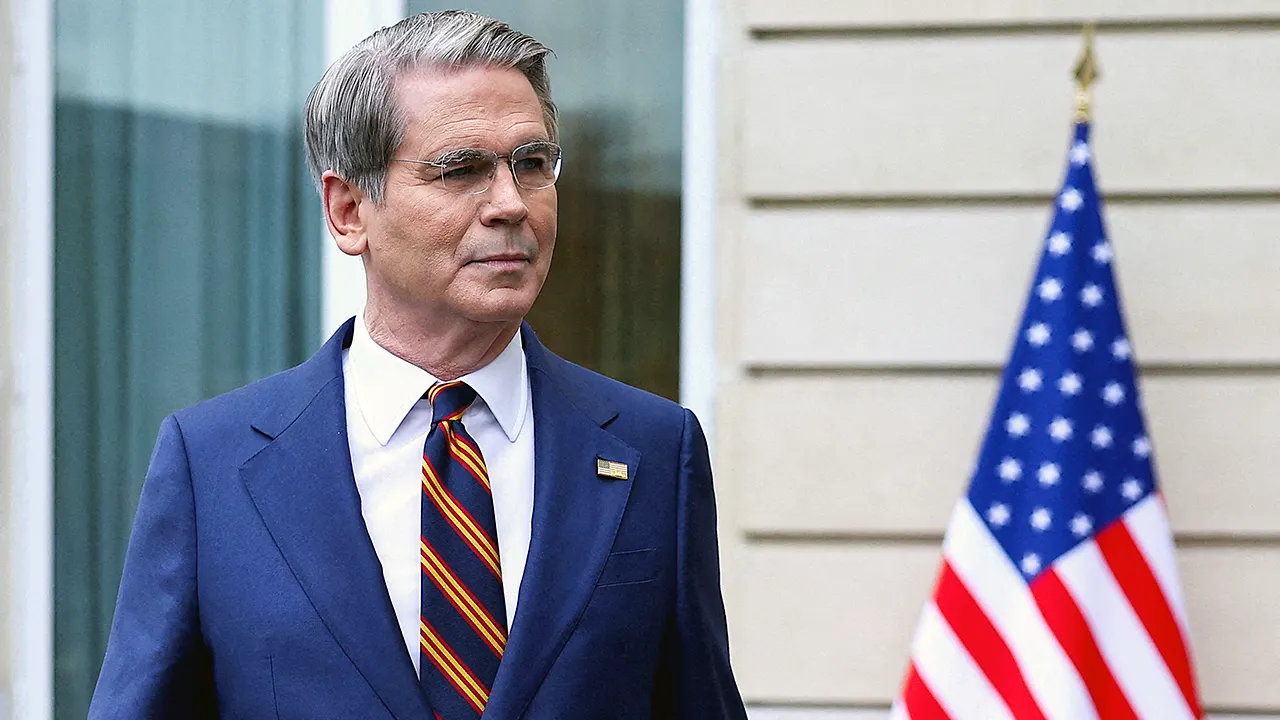
Treasury Secretary Scott Bessent spoke Thursday about the U.S. competition with China, and the latest GDP read.
Treasury Secretary Scott Bessent said in an interview on Thursday that he expects economic growth to pick up later this year with core inflation trending lower, while he warned that there have been growing tensions with China over artificial intelligence and rare earths.
Bessent spoke with FOX Business’ Edward Lawrence following Thursday’s release of the initial estimate of second quarter GDP growth, which showed GDP slowed to 1.5% annualized growth from 2.1% in the first quarter.
The Treasury secretary said that the GDP “number is very noisy because a lot of that was very technical,” explaining that releases from the Strategic Petroleum Reserve to ease energy prices came out of GDP and that “core GDP was actually quite strong.”
“We’re seeing manufacturing is doing well, the jobs numbers are strong, the consumer is strong. So it was a technical adjustment in the number, I wouldn’t worry about it,” Bessent said, adding that he thinks GDP is “going to be substantially above 2% for the year.”
US ECONOMIC GROWTH SLOWS UNEXPECTEDLY IN SECOND QUARTER
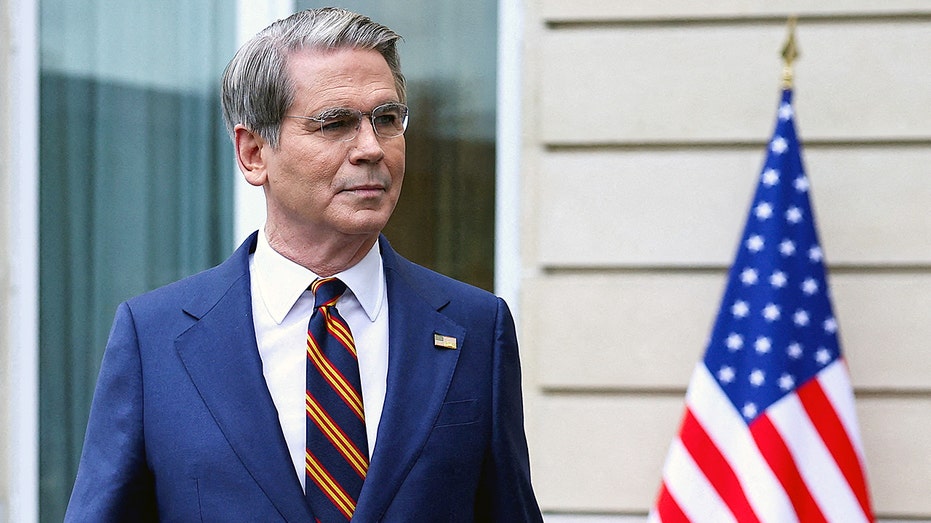
Treasury Secretary Scott Bessent (REUTERS/Abdul Saboor/File Photo)
Thursday also saw the release of the June personal consumption expenditures (PCE) index which showed the Federal Reserve’s preferred inflation gauge slowed to an annual rate of 3.7% last month, down from 4.1% in May.
Core PCE, which excludes volatile food and energy prices, also declined to 3.3% from 3.4% the prior month. Both measures remain well above the Fed’s 2% target.
Bessent said that he sees the trend in core inflation as important, saying the report showed it and service inflation declining.
“Energy can be volatile,” Bessent added, saying that “we’ll get to the other side of the Iran war, and you know it will come down.”
FED’S FAVORED INFLATION GAUGE SHOWED PRICES PULLED BACK IN JUNE
The Treasury secretary was also asked about recent economic friction between the U.S. and China over issues like AI development and supplies of rare earth minerals that are used in advanced tech and military hardware.
“The good thing is the overall relationship comes down from the top, and President Trump, Xi Jinping have a very good relationship. But, you know, that’s not an excuse for them to do things underneath the surface,” Bessent said.
“Sometimes I describe it as a water polo match where our leaders could be hitting the ball back and forth, but under the water, the Chinese seem to have done a lot of kicking lately. And you know, if we have to, we’ll kick back,” the Treasury secretary explained.
“We expressed our concern that the rare earths are not flowing as freely as they could, that they have taken some measures that are detrimental to U.S. businesses. And we said that if this continues, we will push back,” he added.
FED POLICYMAKERS LEAVE RATES UNCHANGED AMID ELEVATED UNCERTAINTY
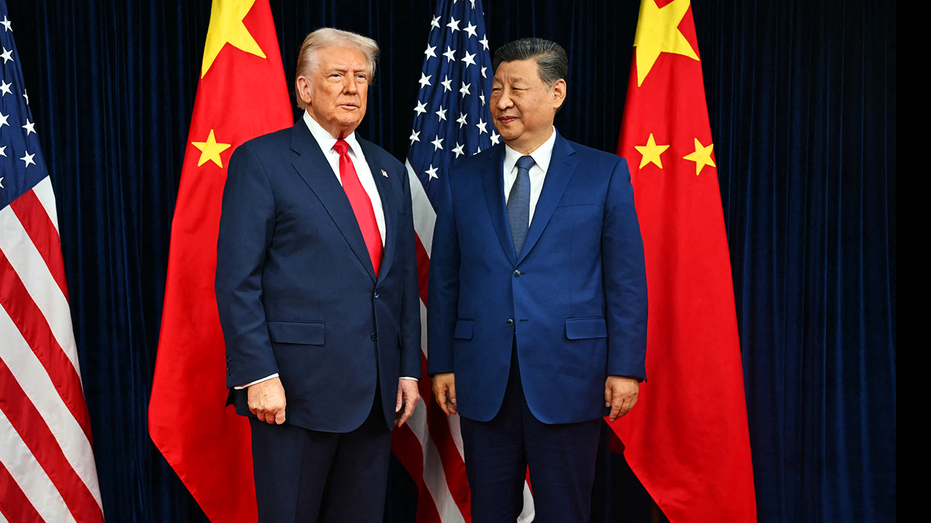
President Donald Trump invited Chinese President Xi Jinping to Washington in late September after their meeting this spring. (ANDREW CABALLERO-REYNOLDS/AFP / Getty Images)
Bessent said that “we expressed our concern over Chinese AI that there is large-scale distillation” of American AI models that are making their way back into the U.S., adding that “we like open source, but open source has got to be legal – it’s not an excuse for IP theft.”
Lawrence asked Bessent if the Trump administration has raised the issue of U.S. tech companies’ AI model watermarks appearing in Chinese models.
“Well, we’ve done that at the staff level, and the good news is we are ahead of the Chinese in AI, I believe by a substantial amount, and they are number two,” Bessent said.
GET FOX BUSINESS ON THE GO BY CLICKING HERE
He added that the two superpowers do need to have conversations “because we want to make sure that non-state actors do not get a hold of a powerful model, that everyone increases their resiliency and that we cooperate towards those goals.”
Business
(VIDEO) Michael B. Jordan Reimagines “The Thomas Crown Affair” in First Trailer Ahead of 2027 Theatrical Debut
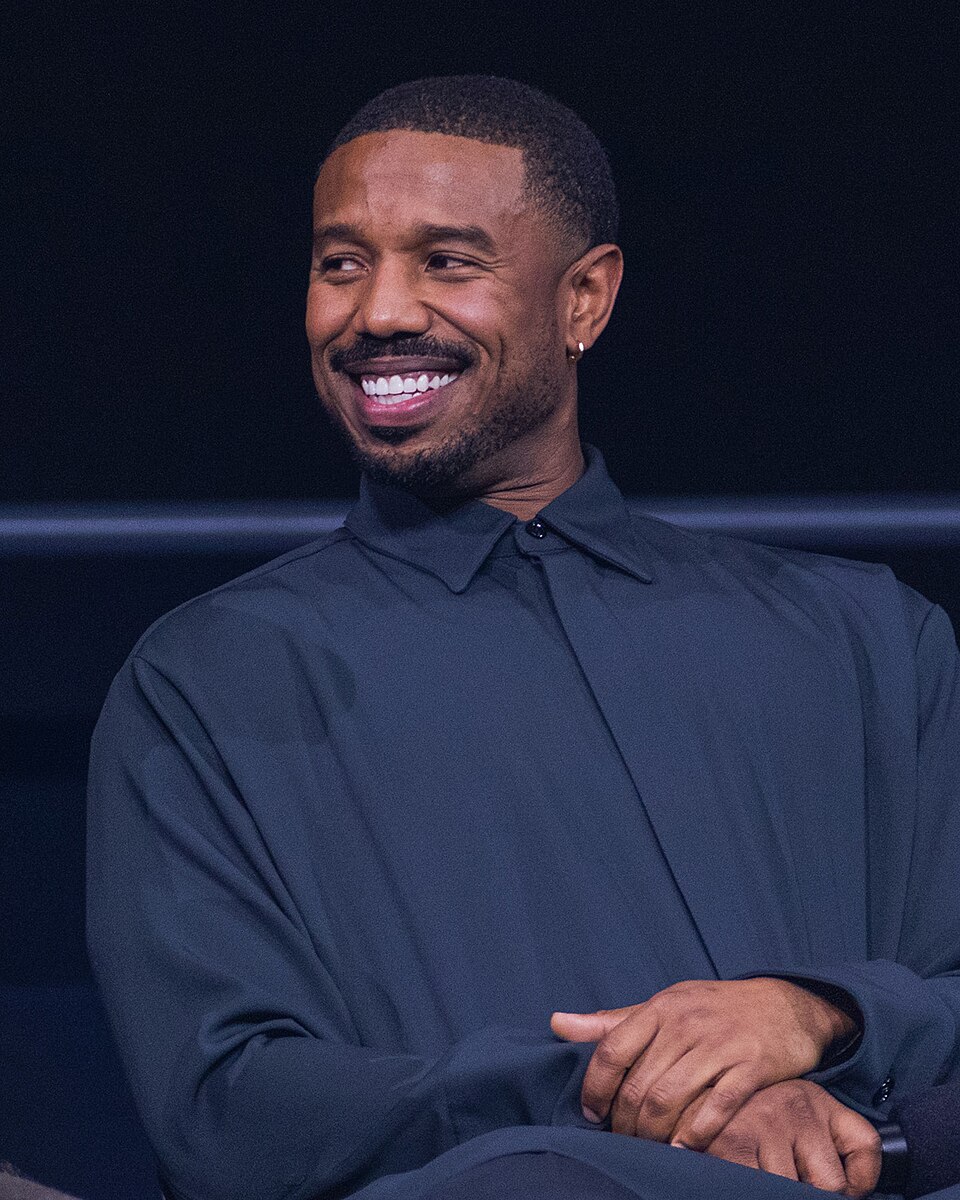
Amazon MGM Studios has released the first trailer for its upcoming remake of “The Thomas Crown Affair,” offering the earliest public look at director and star Michael B. Jordan’s take on the classic art-heist story ahead of the film’s March 5, 2027, theatrical release. Because the movie remains more than seven months from its debut and has not yet been screened for critics, a full review is not yet possible; this preview instead covers what has been revealed so far through the trailer and interviews with the director.
The project marks the third screen version of the story centered on a wealthy art thief named Thomas Crown, following the 1968 original starring Steve McQueen and Faye Dunaway and a 1999 remake led by Pierce Brosnan and Rene Russo. Jordan both directs and stars in the new version, playing the title character opposite Adria Arjona, who portrays a former FBI agent tracking Crown across a series of elaborate heists. Kenneth Branagh appears as a separate antagonist whose presence threatens to unravel Crown’s plans over the course of the film. The supporting cast also includes Lily Gladstone, Danai Gurira, Pilou Asbæk, Ruth Negga and Aubrey Plaza.
Drew Pearce wrote the screenplay, working from an earlier draft by Wes Tooke and Justin Britt-Gibson, adapting original material by Alan Trustman that formed the basis of the 1968 film. Bradford Young serves as cinematographer, while Jon Batiste, an Oscar, Emmy and Grammy winner, composed the score. The original 1968 film was nominated for the Academy Award for best original score and won the Oscar for best original song for “The Windmills of Your Mind,” a legacy that has fueled some anticipation around Batiste’s contribution to the new version.
Jordan has been explicit in interviews that he views the project as a substantial reworking of the story’s core premise rather than a straightforward remake. “I didn’t want a reboot. I wanted a reimagination,” Jordan told Variety in November. “The first two films were about rich white guys stealing for fun. That doesn’t land today. Ours is more personal.” According to reporting on the film’s plot, Jordan’s version reframes Crown’s motivation for his heists: rather than stealing purely for the thrill of the act, as in the earlier films, this Crown is driven by a desire to return stolen or improperly sold artifacts to the communities and creators from which they originated.
Jordan first previewed footage from the film for audiences at CinemaCon in April, roughly one month after winning the Academy Award for best actor for his role in “Sinners.” He received an enthusiastic reception from the crowd during that presentation. Speaking about the long road to bringing the project to the screen, Jordan described it as a longtime personal ambition. “I’ve been dreaming about making this movie for years,” Jordan said, recalling that he first saw the Brosnan-Russo version of the film as a 12-year-old.
In a separate interview with Deadline, Jordan reiterated his intention to distinguish the new film clearly from its predecessors rather than simply retreading familiar territory. “That’s a baby of mine that I’ve been wanting to make for a really long time, so I’m excited about it,” Jordan said. “I think it’s not going to be what exactly people are expecting as well. When you’re re-imagining something, it’s not a remake. It’s not a reboot.”
Reaction to the newly released trailer has been mixed among early viewers and entertainment writers who have weighed in publicly. Some commentary has expressed skepticism about the tonal shift suggested by the trailer’s footage, with one reader comment responding to Deadline’s coverage arguing that the new version appeared to have moved toward a more conventional action-adventure framing at the expense of the romantic, cat-and-mouse tension that defined the earlier films. Other outlets covering the trailer’s release focused more on specific plot elements carried over from prior versions, including speculation about whether Jordan’s take would preserve or omit a psychologist subplot from the 1999 film that some viewers had previously found unnecessary to the central story.
The film is being positioned as a significant theatrical release for Amazon MGM Studios, arriving as part of a broader slate that includes an adaptation of Colleen Hoover’s novel “Verity,” scheduled for an October 2026 release. Studio executives have reportedly drawn comparisons between “The Thomas Crown Affair” and the studio’s earlier science-fiction hit “Project Hail Mary” in terms of its anticipated box-office potential, according to entertainment industry reporting on the project.
With filming completed and the marketing campaign now underway following the trailer’s release, additional details about the film, including further casting information, festival screenings or press events, are expected to emerge in the months leading up to its March 2027 theatrical debut. A full critical assessment of the film itself will not be possible until reviewers have had the opportunity to see the finished movie, which is expected to occur closer to its release date next spring.

Peruvian ex-president Humala released from prison after court overturns conviction
Business
Our commitment for press freedom, and autonomy of public broadcast is absolute: Prakash Javadekar
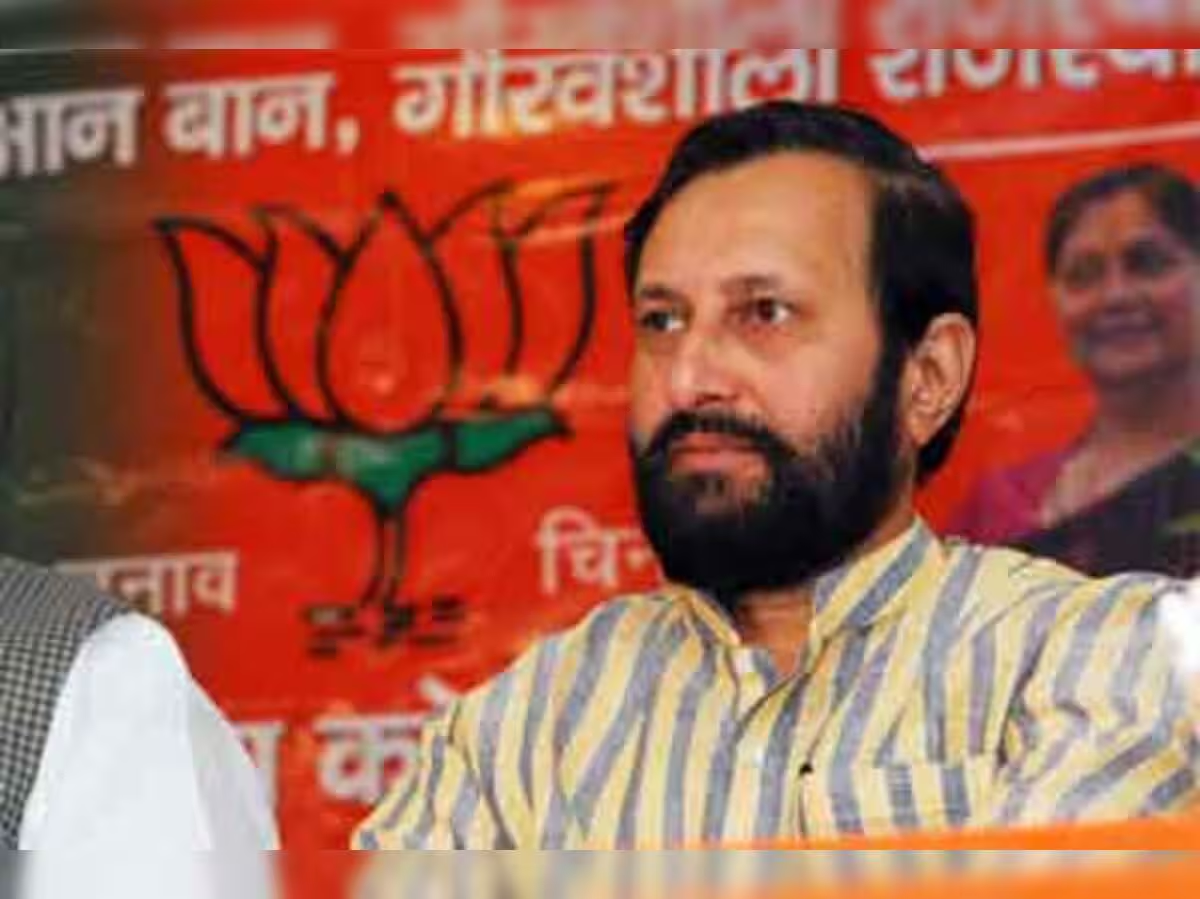
He spoke to ET on the Bharatiya Janata Party government’s approach towards media, social media, media controls and much more. Edited excerpts…
In terms of communication and messaging, the BJP’s electoral campaign has been termed an object lesson in the field. How can you translate that into the governmental structure?
All communication needs of the government will be handled in our ministry through a social media hub. I am offering this service to all ministers. Their facebook, twitter and other social media outreach will be handled by the new media wing, and the social media and communication hub.
The advantage that the party saw in reaching out through all communication media has been tremendous, and it was felt that the government too use the available platforms. Therefore, this new hub will provide all the help needed by various ministers and ministries for setting up and operating their facebook pages, twitter handles and the outreach throughsocial media. Traditional media is important, of course, but social media vehicles have to be spruced up.
What are your priority areas as far as this (I&B) ministry is concerned?
We have to ensure transparency, make our vehicles more effective. We want to be accessible and accountable too. Now there is a stage three and stage four of digitisation, we will take a call on this only after taking all things into account. The issue is that digitisation increases the revenue of paid channels, but customers want fewer advertisements.
Now 11 crore new settop boxes are required, which provides a great case for indigenisation, rather than just import them. I will take it up with the finance and commerce ministers on how this could be done.
During the elections, an interview of Prime Minister Narendra Modi set off questions on the autonomy of the public broadcaster. As I&B minister, how will you deal with it?
Right off the bat, I would like to say that our commitment for press freedom, and the autonomy of public broadcast is absolute. But freedom or autonomy has its own responsibilities.
Media has the responsibility of being neutral and objective. There’s always a concern that when the government is spending so much, it must reach the public. The public broadcaster is a tool for public awareness. Having said all of this, let me categorically state that we have no plans to enforce controls on the media.
Modi has been described as a “post TV” Prime Minister, in that he reaches out to his audience or voter directly. How would you recast the role of the traditional media?
This is a lesson for everyone on how to put your point across, in the way the Prime Minister does. Minister for law and communications Ravi Shankar Prasad and I have been deputed as spokespersons for the government and we will shortly come up with a communications plan to suit everyone’s needs. This government is different from the way it approaches issues and problems.
For instance, Modiji’s design for the Cabinet. Yesterday, there were some issues related to environment and power. Piyush Goel holds the power, coal and renewable energy portfolio, I hold the environment portfolio, and between the two of us and 10 officials we sorted things which the previous government had tied up in knots in a Group of Ministers (GoM) set up. The emphasis is on synergy. For the media too, there will be things to learn from the new government and its functioning.

Bitcoin ETFs pull in $233M as BlackRock leads

FaZe Clan, Astralis reach semis at BLAST Bounty Summer finals

Most Australian Teens Still On Social Media Three Months After Ban


-
 Sports5 days ago
Commonwealth Games boxing: Jadumani Singh seals dominant 5-0 win over Pakistan’s Sumama Rehman to enter quarter-finals | Commonwealth Games News
-

 Business2 days ago
Why Trees Belong on the Risk Register
-

 Tech5 days ago
Intel is reversing course and bringing hyper-threading back to its server chips
-

 Fashion8 hours ago
Weekend Open Thread: Wit & Wisdom
-

 Politics5 hours ago
Meta enters AI-training agreement with far-right ‘propaganda rag’ Newsmax
-

 Crypto World6 days ago
Ripple bought a bank in pieces. The $4 billion audit
-

 Politics5 days ago
Luke Littler dismantles Gerwyn Price to retain title in Blackpool
-

 Politics4 days ago
The Part of the Electric Transition Nobody Wants to Discuss
-

 News Videos5 days ago
BITCOIN JUST ENTERED THIS CRITICAL ZONE…
-

 Crypto World6 days ago
XRP Ledger adds $2.6B as RWA inflows rank second
-
 Entertainment3 days ago
‘Stargate’ Creator’s New Sci-Fi Series Returns for Season 3 Tomorrow
-

 Business3 days ago
Major shareholder moves on Canyon
-

 Politics6 days ago
Spain sweeps the board at 2026 World Cup with individual awards
-

 News Videos2 days ago
Bitcoin Enters the 3rd Stage of the Bear Market
-

 Entertainment6 days ago
Sara Gilson Killed By Husband After Viral “Pedophile” TikTok Video
-

 Crypto World3 days ago
Kraken Enables Retail Access to Jersey Mike’s IPO via Tokenized Shares
-

 Tech7 days ago
Anthropic launches Claude Opus 5, a cheaper AI model for coding, agents and enterprise workflows
-

 Tech4 days ago
New macOS Sequoia & Sonoma security updates for older Macs
-

 News Videos3 days ago
Claude: Build Financial Dashboards in Minutes (2026)
-

 Politics1 day ago
Luke Littler’s dominance sparks GOAT debate
You must be logged in to post a comment Login