Connect with us
DAPA Banner
DAPA Coin
DAPA
COIN PAYMENT ASSET
PRIVACY · BLOCKDAG · HOMOMORPHIC ENCRYPTION · RUST
ElGamal Encrypted MINE DAPA
🚫 GENESIS SOLD OUT
DAPAPAY COMING

Business

Oil Prices Slide Below $80 on Iran Supply Hopes as Bond Yields Ease Before Warsh Fed Debut

Published

on

Oil Prices Plunge Below $95 as US-Iran Ceasefire Sparks Relief

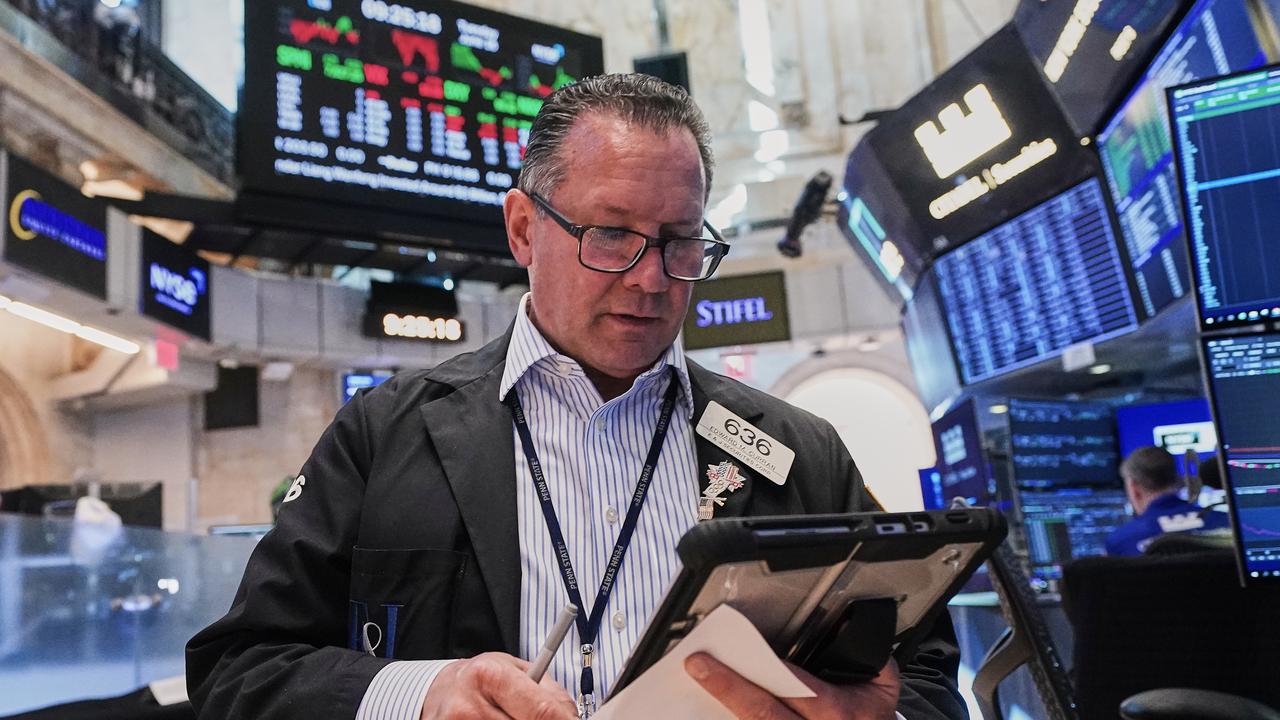
Crude oil prices fell sharply on Wednesday as optimism grew over potential Iranian supply returning to global markets following the US-Iran ceasefire agreement, pushing Brent crude below $80 a barrel and contributing to lower bond yields amid reduced geopolitical risks.

Brent futures dropped more than a third from recent peaks, reflecting expectations of resumed Iranian exports that could ease supply concerns and moderate inflationary pressures. The prospect of additional barrels entering the market added to relief over normalized shipping through the Strait of Hormuz, helping stabilize energy costs for importers worldwide.

Westpac economist Luka Belobrajdic noted the potential scale of Iranian exports. “Iran’s total exports could approach around the equivalent of 2% of global demand,” he said, though he cautioned that sanctions relief would not be immediate and would depend on the durability of peace.

The decline in oil prices also supported a drop in government bond yields. German 10-year yields, the euro zone benchmark, fell for a fifth consecutive day to their lowest since early April, last trading down 1.6 basis points at 2.91%. British yields declined sharply after May inflation held at a 13-month low of 2.8%, while U.S. Treasury yields steadied at 4.43%, down around 23 basis points from a May peak.

Advertisement

The moves came ahead of Kevin Warsh’s debut as Federal Reserve chair, with markets watching closely for signals on monetary policy direction. Traders are assessing how Warsh will balance dovish influences from the administration with market expectations of potential rate adjustments later this year.

Market Sentiment and Sector Reactions

European stock markets showed modest gains as lower energy costs supported manufacturing and consumer sectors. The pan-European STOXX 600 rose 0.1%, hovering near recent records, while Germany’s DAX benefited from relief in energy-sensitive industries. However, BMW shares fell 8% after the automaker slashed its 2026 outlook, citing challenges in China and broader geopolitical impacts.

U.S. stock futures pointed to a rebound in technology shares after recent selling pressure eased. Chipmaker-heavy markets in Asia showed mixed performance, with Tokyo and South Korea advancing modestly despite a negative lead from U.S. semiconductor stocks. Taiwan’s benchmark was capped by a decline in TSMC shares.

Advertisement

MSCI’s broadest index of Asia-Pacific shares outside Japan gained 0.4%, with AI-related gains in China offsetting weakness in consumer stocks following soft retail sales data.

The U.S. dollar remained relatively steady, with the euro firming slightly to around $1.16. The yen held near 160.2 against the dollar, supported by intervention risks despite a recent rate hike in Japan.

Gold prices bounced from support levels around $4,000 an ounce, last trading near $4,325, while Bitcoin stabilized above $64,000, recently changing hands just above $65,400.

Warsh’s Fed Debut in Focus

Advertisement

Attention now centers on Kevin Warsh’s first Federal Reserve policy meeting as chair. With no immediate rate change widely expected, focus will shift to his press conference comments, voting record and updated economic projections from committee members.

AFS Group research director Arne Petimezas outlined the cautious outlook. “I don’t have either cuts or hikes on my radar in the next 12 months,” he said. “If Warsh is going to hike, which is where I think the risks are, it will be more than just one hike.”

Sweden’s Riksbank kept rates unchanged but signaled a possible future hike, adding to the global central banking narrative of measured policy adjustments amid evolving inflation and growth dynamics.

Broader Economic Implications

Advertisement

The Iran ceasefire has provided meaningful relief to energy-importing economies, particularly in Europe, where stock markets have lagged U.S. indices this year. Deutsche Bank strategist Maximilian Uleer highlighted potential benefits. “Lower prices could lead to a recovery in manufacturing and consumer sentiment,” he wrote, shifting his preference toward European stocks over U.S. equities.

U.S. inflation reaching a three-year high in May has kept consumer stocks under pressure, but falling oil prices could ease some of those concerns by supporting household spending power and corporate margins.

Strategic oil reserves in the United States remain at their lowest levels since 1983 following the conflict’s impact on supply chains. While the ceasefire offers hope for normalization, full restoration of Iranian exports will take time and depend on diplomatic progress.

Commodity and Currency Dynamics

Advertisement

Oil’s decline reflects both immediate supply optimism and longer-term demand considerations. Analysts caution that any sanctions relief remains subject to verification and could face implementation delays. However, the mere prospect of additional barrels has shifted market sentiment toward greater supply availability.

Currency markets have remained relatively stable, with the dollar holding ground as investors await clearer signals from the Federal Reserve under Warsh’s leadership. The euro’s modest gains reflect improved risk sentiment in Europe, while the yen’s stability underscores ongoing intervention risks from Japanese authorities.

Gold’s recovery from recent lows demonstrates its continued role as a diversification asset, even as safe-haven demand moderates in a lower-risk environment. Bitcoin’s stabilization above key support levels indicates resilience in cryptocurrency markets amid traditional asset movements.

Outlook for Global Markets

Advertisement

As markets digest the latest geopolitical developments, focus shifts toward central bank communications and economic data releases. The Federal Reserve’s next steps under Warsh will be pivotal in setting the tone for global monetary policy, particularly as inflation trends and growth prospects evolve.

European central banks, including the Bank of England, face their own decisions amid cooling inflation pressures. Sweden’s Riksbank’s signal of potential hikes illustrates divergent paths among policymakers responding to local conditions.

Commodity markets will continue monitoring Iranian supply developments closely. Sustained lower oil prices could support global growth while challenging producers, creating varied impacts across regions and sectors.

Equity investors appear cautiously optimistic, with technology shares showing signs of stabilization after recent volatility. Broader indices remain near highs, reflecting confidence in corporate earnings resilience despite shifting macroeconomic conditions.

Advertisement

The coming days will bring further clarity on policy directions and economic indicators. For now, the combination of geopolitical relief and steady monetary policy expectations has created a relatively constructive environment for global markets, though uncertainties around implementation details and longer-term inflation trends warrant continued vigilance from investors.

Continue Reading
Click to comment

You must be logged in to post a comment Login

Leave a Reply

Business

Vedanta Aluminium shares jump over 3% after Citi, Kotak initiate with Buy, see up to 29% upside. Here’s why

Published

on

Vedanta Aluminium shares jump over 3% after Citi, Kotak initiate with Buy, see up to 29% upside. Here’s why
Shares of Vedanta Aluminium Metal rallied over 3% to their day’s high of Rs 480 on the BSE on Thursday after Citi and Kotak Institutional Equities initiated coverage on the stock with a ‘Buy’ rating and a target price of Rs 560 and 600, respectively. International brokerage Citi named the newly-listed stock its top Indian metals pick.

While Citi projects 20% upside, Kotak with a higher target forecasts an upside of 29% from current levels. The gains come after the stock dropped nearly 11% in just three days since listing. The latest target price implies an upside potential of more than 20% from the stock’s previous closing price of Rs 465.36 on the NSE.

Citi listed key drivers for its bullish call, which include a positive aluminium outlook, growth potential (Balco expansion, Vedanta Aluminium debottlenecking), cost focus (higher captive alumina, domestic bauxite and captive coal), and improving leverage. It expects the company to have a net cash position by FY28.

Expecting aluminium prices to hover around $3,400 in FY27-28, Citi explained that every $100 per ton change in LME can impact the company’s EBITDA by 4-5.5%, and subsequently fair value by nearly Rs 30 per share. “We open a 90-D positive CW: Our commodities team believes the aluminium market is in deficit and will draw inventories sharply over the next 3-6 months, driving prices up 15-20% to $4,000 per ton in base case,” it added.

Advertisement

Kotak on Vedanta Aluminium shares

Kotak Institutional Equities cited the company’s strong positioning as a pure-play aluminium producer. The brokerage believes Vedanta Aluminium is well placed to benefit from sector-leading volume growth, accelerating backward integration and a supportive industry environment. Capacity additions are expected to drive a volume CAGR of around 6% between FY2026 and FY2029, while greater integration across bauxite and coal mines is likely to significantly improve cost competitiveness.


Kotak estimates that the company’s backward integration initiatives could reduce costs by nearly $150 per tonne, providing a meaningful boost to profitability. It also expects a structural deficit in the global aluminium market and sustained elevated aluminium prices to support earnings growth over the medium term.
The brokerage further highlighted that strong free cash flow generation should enable rapid deleveraging of the balance sheet while creating room for higher shareholder returns.

How Vedanta Aluminium shares have been performing?

Four Vedanta Group companies that spun out from Vedanta after the demerger made their much-awaited market debut on Monday, following which the shares of aluminium, iron and steel as well as oil and gas tumbled while those of the power business soared in three days.

Vedanta Aluminium shares listed as the only large-cap stock on the list, debuting at Rs 522 apiece on NSE and surpassing its parent company in terms of market capitalisation on Monday. The stock then dropped 11% in three days to close at Rs 465.36 apiece on Wednesday.

Advertisement

Also Read | What’s dampening the shine of Vedanta’s new crown jewel?

What lies ahead for Vedanta Aluminium?

From a pure valuation and structural standpoint, Sunny Agrawal, Head of Fundamental Research at SBI Securities, said that Vedanta Aluminium Metal appears to offer the most compelling risk‑reward among the five entities for long-term investors.

The aluminium business has emerged as the largest and most scalable vertical within the group, benefiting from strong global demand drivers (EVs, renewables, infrastructure) and integrated cost efficiencies, which enhance margin resilience across cycles, he noted, adding that by contrast, the residual Vedanta housing the zinc-silver business (Hindustan Zinc stake + Zinc International) and base metals business offers stable cash flows and dividend yield but likely limited valuation re-rating given that much of the zinc value is already priced in.

“The other demerged entities (oil & gas, power, and iron & steel) offer cyclical upside but carry higher commodity and execution risks, especially given weaker listing traction and greater earnings volatility. Hence, on a forward SOTP basis, aluminium stands out as a structural compounder with favourable operating leverage, while the rest are more tactical or cyclical plays,” Agrawal further said.

Advertisement

(Disclaimer: Recommendations, suggestions, views and opinions given by the experts are their own. These do not represent the views of The Economic Times)

Continue Reading

Business

Ford Launches Daily Engine Teardown Programs at All Plants to Improve Quality and Reduce Recalls

Published

on

Ford Logo

DEARBORN, Mich. — Ford Motor Company has implemented daily engine teardown programs at every manufacturing plant as part of a broader effort to strengthen quality control and address persistent recall issues that have plagued the automaker in recent years.

The initiative replaces a previous 90-day teardown schedule and aims to identify potential problems earlier in the production process. Neil Wilson, manager of the Ford Essex engine plant responsible for the 5.0L V8 Coyote and 6.8L and 7.3L V8 engines, described the change during a discussion with Road & Track. According to Wilson, the daily practice, which began after Valencia Assembly plant unofficially adopted it with positive results, has already contributed to declining warranty claims and fewer recalls.

Ford has faced criticism for issuing the most recalls of any automaker in the United States for about six years. The company acknowledges that lax quality standards on older vehicles contributed to these issues but maintains that newer models benefit from increased scrutiny across all aspects of production. The daily teardowns represent a proactive step to catch defects before vehicles reach customers.

The program involves selecting an engine from the assembly line each day for complete disassembly and analysis. This allows engineers to examine components for wear, manufacturing inconsistencies or design flaws that might not appear in simulated testing. Ford is also using artificial intelligence to determine which specific engine should be pulled for teardown, optimizing the process for maximum insight.

Advertisement

This approach follows statements from Ford COO Kumar Galhotra about changes to the company’s testing regime. The automaker now tests engines until failure rather than stopping at predetermined mileage intervals, a shift credited with improving quality on late-model vehicles.

Addressing Long-Standing Quality Challenges

Ford’s quality issues have been well-documented, with multiple high-profile recalls affecting millions of vehicles. The company has worked to improve supplier standards, barring companies with poor quality records from future contracts. The daily teardown program extends this focus to internal processes, aiming to prevent problems from reaching the market.

The Essex engine plant serves as a key example. As the facility responsible for several high-volume V8 engines used across Ford’s lineup, its adoption of daily teardowns sets a standard for other plants. Wilson noted that the previous quarterly schedule sometimes delayed identification of emerging issues, whereas daily analysis provides more timely feedback for production adjustments.

Advertisement

The initiative comes as Ford navigates a competitive automotive landscape increasingly focused on reliability and customer satisfaction. Electric vehicle transitions, supply chain pressures and evolving consumer expectations have heightened the importance of robust quality assurance. By catching issues early, Ford hopes to reduce warranty costs, protect its brand reputation and build long-term customer loyalty.

Broader Industry Context

Ford’s move reflects wider trends in automotive manufacturing where real-time quality monitoring is gaining prominence. Many manufacturers are investing in advanced analytics and predictive maintenance to minimize defects. The use of AI in selecting engines for teardown at Ford demonstrates how data-driven approaches can enhance traditional quality control methods.

The auto industry has faced increased scrutiny over recall management in recent years. Regulators and consumers demand greater transparency and faster responses to safety concerns. Ford’s daily teardown program, combined with stricter supplier standards, signals a commitment to addressing these expectations proactively.

Advertisement

Other automakers have implemented similar rigorous testing protocols, particularly as vehicles incorporate more complex electronics and software. The shift from periodic to continuous monitoring helps manufacturers adapt to faster production cycles and more stringent safety requirements.

Impact on Production and Workforce

Implementing daily teardowns requires additional resources and trained personnel to conduct thorough analyses without disrupting overall output. Ford has restructured teams to accommodate the new process, emphasizing efficiency gains that offset the added workload. The company maintains that these changes support long-term profitability goals by reducing post-sale costs associated with recalls and warranty claims.

The Essex plant’s success with the program has encouraged its expansion across Ford’s global manufacturing network. This standardization aims to ensure consistent quality regardless of production location, addressing previous variations that sometimes led to regional issues.

Advertisement

Financial and Strategic Implications

Ford has accumulated significant losses in recent years while investing in electric vehicles and autonomous technology. Reaching profitability targets depends on controlling costs and improving product reliability. The daily teardown initiative aligns with these goals by minimizing expensive recalls and enhancing customer satisfaction, which can drive repeat business and brand loyalty.

Analysts view the program as a positive step toward operational excellence. By identifying and resolving issues before vehicles leave the factory, Ford can reduce financial exposure and strengthen its competitive position against rivals with stronger quality reputations.

The automaker’s focus on supplier quality further supports this strategy. Preventing companies with poor records from bidding on contracts helps maintain higher standards throughout the supply chain, reducing the risk of component-related defects.

Advertisement

Consumer Perspective and Future Outlook

For consumers, Ford’s quality initiatives could translate to greater confidence in vehicle reliability and fewer unexpected repair costs. The company has acknowledged past shortcomings and is working to rebuild trust through transparent communication and tangible improvements.

As the automotive industry continues evolving toward electrification and advanced driver assistance systems, rigorous quality control becomes increasingly important. Ford’s daily engine teardown program positions the company to meet these demands while addressing historical challenges.

The initiative is part of a broader transformation at Ford aimed at sustainable profitability and innovation leadership. By combining traditional manufacturing expertise with data analytics and AI, the automaker seeks to create vehicles that meet modern consumer expectations for safety, performance and dependability.

Advertisement

Ford’s progress will be closely watched by industry observers and investors. Successful implementation of the daily teardown program, along with other quality enhancements, could mark a turning point in the company’s reputation and financial performance.

As 2026 advances, Ford’s commitment to these measures reflects recognition that quality remains fundamental to long-term success in the competitive automotive market. The daily engine teardowns represent a practical step toward preventing issues rather than managing them after they occur, potentially setting a new standard for manufacturing excellence.

Continue Reading

Business

Apple: Surprisingly Resilient, Frustratingly Expensive

Published

on

Apple: Surprisingly Resilient, Frustratingly Expensive

Apple: Surprisingly Resilient, Frustratingly Expensive

Continue Reading

Business

Exclusive-Thailand revives $30 billion coast-to-coast corridor to rival Malacca Strait

Published

on

Exclusive-Thailand revives $30 billion coast-to-coast corridor to rival Malacca Strait


Exclusive-Thailand revives $30 billion coast-to-coast corridor to rival Malacca Strait

Continue Reading

Business

Ryanair reaches 30 million passenger milestone at Bristol Airport

Published

on

Business Live

The budget carrier launched its first flights from the South West city in 1998

A Ryanair passenger plane

A Ryanair passenger plane(Image: Peter Byrne/PA Wire)

Budget carrier Ryanair says it has reached a “significant milestone” after carrying more than 30 million passengers through Bristol Airport.

The airline launched its first flights from the city in 1998, later opening a base at the South West transport hub.

Ryanair now has five B737 aircraft based at Bristol, which it says represents a $500m investment and supports more than 1,400 local jobs.

This summer, Ryanair is operating its biggest ever schedule from Bristol, with more than 330 weekly flights across 36 routes, including a new route to Bari in Italy.

Advertisement

It also flies to other sun hotspots from Bristol Airport including Malaga, Tenerife and Venice, as well as cities such as Budapest, Krakow and Madrid.

Jade Kirwan of Ryanair said: “This significant milestone showcases Ryanair’s continued investment and growth in the region – including our 5 aircraft base – delivering important low-fare connectivity, traffic, tourism, jobs, and economic growth.”

Bristol Airport’s chief executive, Dave Lees, who announced in April that he was stepping down, said: “30 million Ryanair passengers travelling through Bristol Airport is a brilliant milestone and testament to our long-standing partnership of more than 25 years, offering routes that people in the South West and Wales enjoy travelling too as well connecting many families and friends in Ireland, with relatives in the region.”

Last month, Ryanair said it was better placed to ride out the looming jet fuel crisis than its European rivals.

Advertisement

The Dublin-based company revealed that 80 per cent of its jet fuel requirements for the year ahead are locked in at $67 per barrel, while current market prices continue to fluctuate – often above the $100 mark.

The blockage of the Strait of Hormuz amid the Iran conflict has pushed global jet fuel shipments to their lowest level on record, potentially forcing the cancellation of thousands of summer flights.

But Ryanair has maintained that Europe “remains well supplied” via routes through West Africa, the Americas and Norway. Despite this boss Michael O’Leary has admitted the situation has “created economic uncertainty”.

Advertisement
Continue Reading

Business

Moscow, Kyiv exchange attacks as Ukraine’s Zelenskiy speaks to Trump, Europe

Published

on

Moscow, Kyiv exchange attacks as Ukraine’s Zelenskiy speaks to Trump, Europe


Moscow, Kyiv exchange attacks as Ukraine’s Zelenskiy speaks to Trump, Europe

Continue Reading

Business

'Regime Change; At The Fed: Fed Chair Warsh Makes The First Moves

Published

on

'Regime Change; At The Fed: Fed Chair Warsh Makes The First Moves

'Regime Change; At The Fed: Fed Chair Warsh Makes The First Moves

Continue Reading

Business

Japan’s Obayashi to acquire Multiplex from Brookfield for $526 mln

Published

on


Japan’s Obayashi to acquire Multiplex from Brookfield for $526 mln

Continue Reading

Business

Wall Street sinks on bets Fed will hike rates in 2026

Published

on

Wall Street sinks on bets Fed will hike rates in 2026

The S&P 500 and Nasdaq closed down ‌by more than 1.0 per cent on Wednesday, as traders bet the Federal Reserve’s next move would be a rate hike.

Continue Reading

Business

Hawkish Shift Opens The Door To Fed Rate Hikes

Published

on

Nearly All Monetary Rules Say The Fed Should Raise Rates

Hawkish Shift Opens The Door To Fed Rate Hikes

Continue Reading

Trending

Copyright © 2025