BALTIMORE — O.J. Brigance, the Baltimore Ravens Super Bowl champion who became one of the most inspirational figures in franchise history during a 19-year battle with amyotrophic lateral sclerosis, has died at age 56, the team announced Monday.
Ravens owner Steve Bisciotti confirmed Brigance’s death in a statement that reflected the depth of grief across the organization. “We are devastated by the awful news that we have lost O.J. Brigance,” Bisciotti said. “O.J. was a beloved legend, mentor and man to everyone who was fortunate enough to know him. His infectious smile and the inspirational way he lived and played endeared him to everyone he touched, both inside our building and across this city. This is a tremendously sad day for Baltimore.”
Brigance was diagnosed with ALS, also known as Lou Gehrig’s disease, in 2007 at age 37, when doctors told him he likely had two to five years left to live. He defied that prognosis for nearly two decades, becoming a defining symbol of resilience within the Ravens organization even as the progressive neurodegenerative disease gradually took away his physical abilities.
Ravens executive vice president Ozzie Newsome, who worked closely with Brigance for years, described him as one of the most genuine people he had ever known. “He was a hero to this city long before his courageous battle with ALS and became an even greater inspiration in the way he faced it with the same fight, faith and grace he brought to the football field,” Newsome said in a statement. “O.J.’s service to our community, to the Ravens and the fight for a cure for ALS will never be forgotten. He was and always will be a beloved mentor and man. With heartfelt sorrow, we extend our deepest sympathies to Chanda and the Brigance family.”
Ravens general manager Eric DeCosta, reflecting on 22 years of friendship with Brigance, said he never once witnessed Brigance express anger or frustration over his diagnosis throughout their long relationship. “O.J. inspired us with humility, faithfulness, determination, competitiveness and love for humankind,” DeCosta said. “We never once saw O.J. angry or frustrated by his disease. Instead, we all witnessed a hero who influenced so many people through his unwavering optimism and grit.”
Brigance, a Houston native, began his professional football career with the Canadian Football League’s Baltimore Stallions, helping the team win the 1995 Grey Cup championship. He later transitioned to the NFL, joining the Ravens as a free agent linebacker in 2000, where he became a standout special teams player during Baltimore’s Super Bowl XXXV championship season, recording the game’s first tackle on the opening kickoff. Following a seven-year NFL playing career that concluded with the New England Patriots in 2002, Brigance returned to Baltimore in 2004 to join the Ravens’ front office, eventually leading the team’s player engagement and development department.
His work in that role earned him significant recognition from the league itself. Brigance received the NFL’s Best Overall Player Development Program award for two consecutive years, in 2005 and 2006, along with the Most Outstanding Internship Program Award in 2005 and the Outstanding Continuing Education Program Award in 2007.
Following his ALS diagnosis, Brigance and his wife, Chanda, established the Brigance Brigade Foundation, a nonprofit organization dedicated to raising money and awareness in the fight against ALS. The foundation has worked to improve quality of life for people living with the disease and their families, providing access to support services, necessary equipment and resource guidance for those navigating a similarly difficult diagnosis.
Former Ravens head coach John Harbaugh, who worked alongside Brigance for years, often referred to him as “the strongest man in the organization,” and remembered him as a man of deep faith who found purpose through extraordinarily difficult circumstances “through the great glory of God,” according to tributes shared following his death.
Brigance’s impact extended well beyond the Ravens’ coaching staff and front office, reaching players who credited him directly with shaping their careers and character. When former middle linebacker Ray Lewis received the Lamar Hunt Trophy after Baltimore’s AFC championship win in January 2013, he turned to Brigance and told him, “You’re my greatest motivation.” Former Ravens safety Ed Reed similarly acknowledged Brigance’s influence during his 2019 Pro Football Hall of Fame induction speech, saying, “You’re the reason why I’m here, man. You’re the reason I became a great professional.”
Tributes to Brigance extended well beyond the Ravens organization following news of his death. Hall of Fame quarterback Kurt Warner, a former teammate, shared an emotional message reflecting on Brigance’s character. “One of my favorite teammates ever!! They don’t build them like this man very often & when I say that, I don’t mean his physical stature but his character, heart & integrity! I will miss you, brother!” Warner wrote.
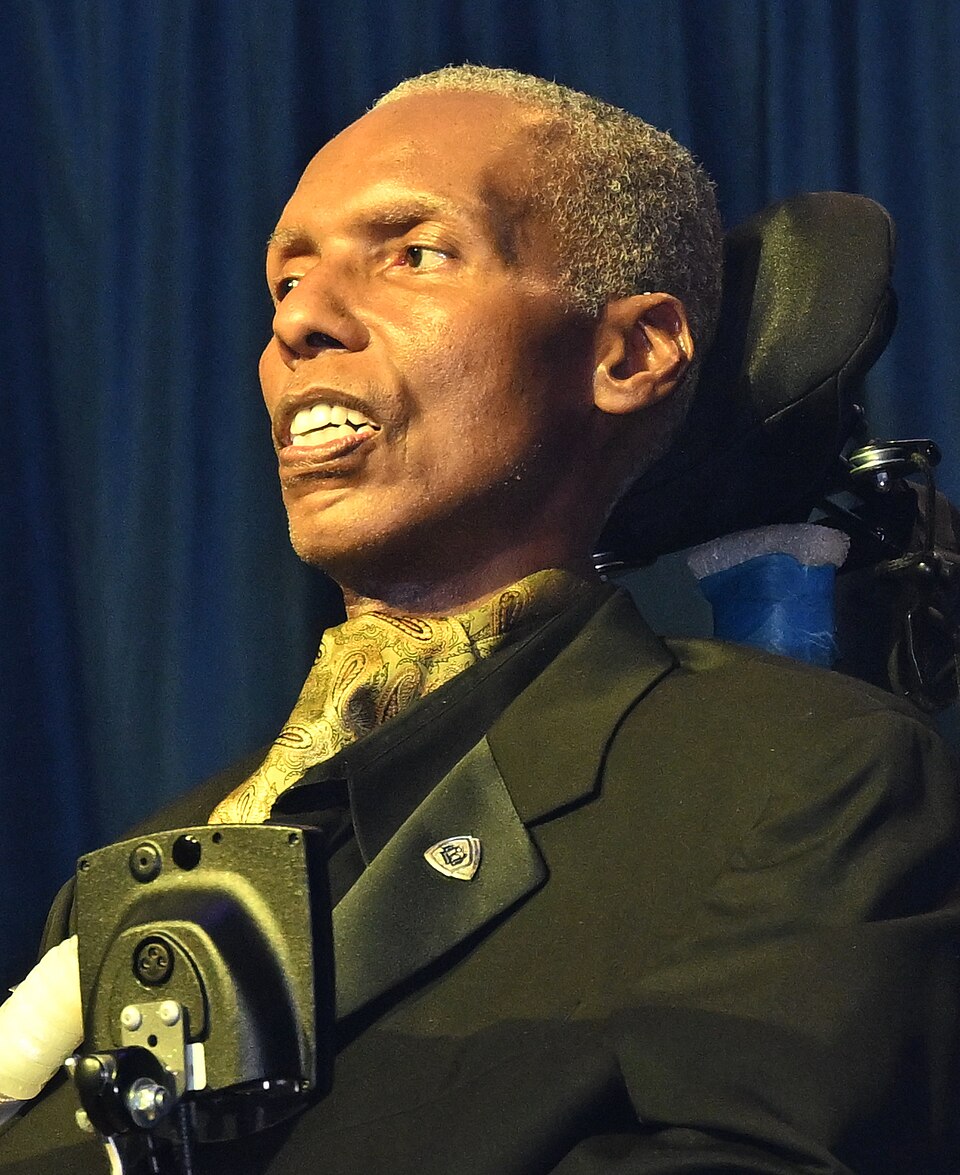
Throughout his years living with ALS, Brigance remained a visible and engaged presence around the Ravens organization, frequently attending games and practices while navigating the team facility in a motorized wheelchair, consistently greeting those around him with what colleagues repeatedly described as an infectious smile despite the physical toll of his disease.
The Ravens organization, in a statement announcing his death, emphasized that Brigance’s legacy would continue to shape both the franchise and the broader Baltimore community for years to come. “O.J. will be remembered for his service to our community, to the Ravens and to the fight to find a cure for ALS. With heavy hearts, the Ravens organization extends our deepest condolences to Chanda and the entire Brigance family,” the team said.
Brigance is survived by his wife, Chanda, and their family, who have continued the work of the Brigance Brigade Foundation alongside him throughout his nearly two-decade fight with ALS. As tributes continue to arrive from across the NFL and the Baltimore community, Brigance’s legacy is likely to endure not only through his contributions on the football field, including his role on the franchise’s first Super Bowl championship team, but through the ongoing work of the foundation he and his wife built to support others facing the same disease that ultimately claimed his life after nearly 20 years of what colleagues and teammates alike consistently described as unmatched courage and grace.































































You must be logged in to post a comment Login