
Business
PureField Ingredients doubles down on Kansas sustainability





Earnings call transcript: Weyco Group posts stronger Q2 2026 on tariff refunds
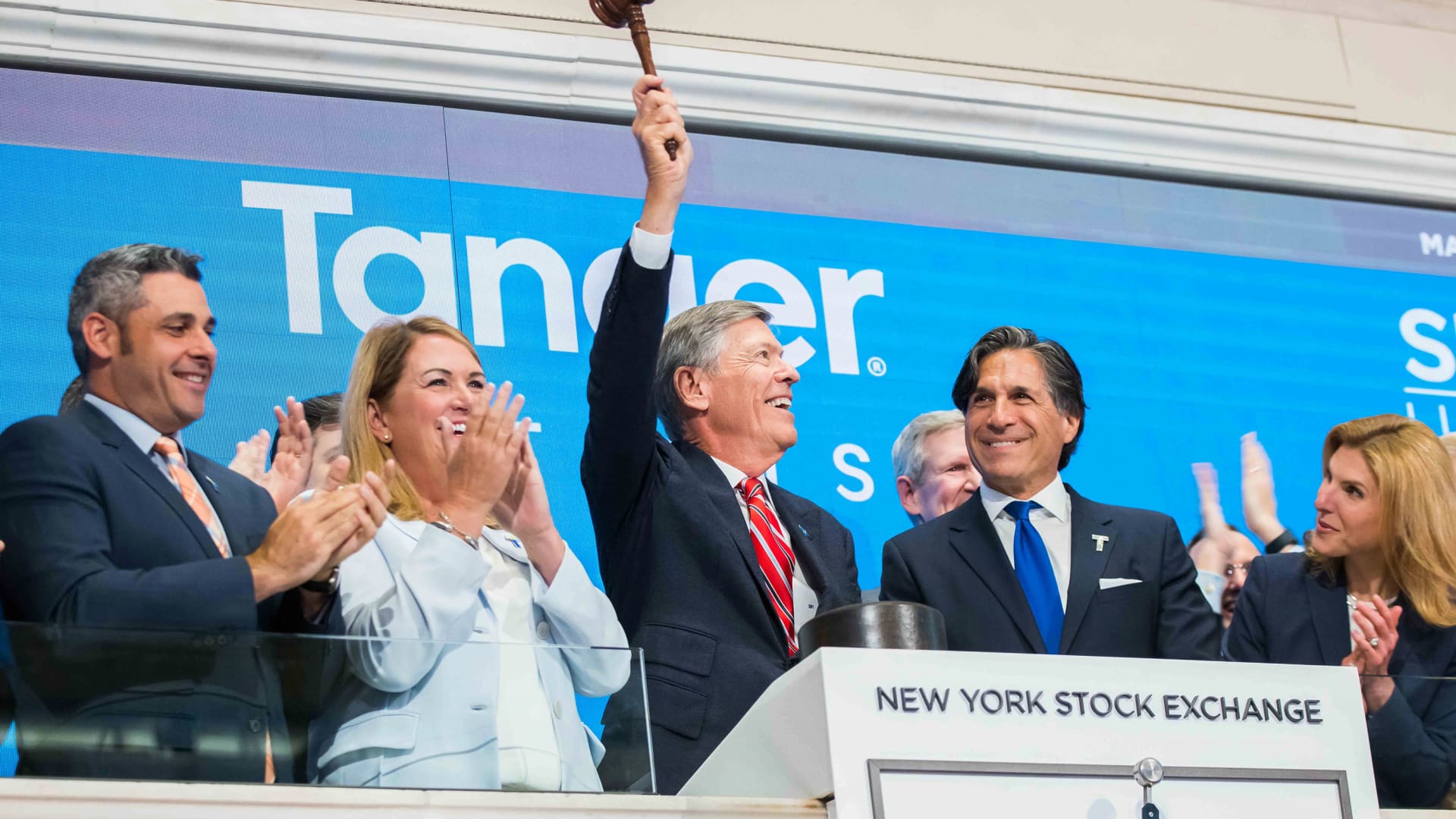
Steven B. Tanger, Executive Chair, Tanger, at the NYSE, May 10, 2023.
Source: NYSE
Tanger CEO Stephen Yalof said the store operator saw traffic increase in June and July due to international and domestic tourism tied to the World Cup.
“We knew when you get these new visitors that come for a huge magnet event like World Cup, you’ve got one opportunity to introduce them to your brand, and then hopefully they become a great ambassador for the brand if they have a great experience,” Yalof told CNBC on Wednesday.
The company, which has shopping centers in eight of the 11 host cities for the tournament, said it also saw sales increase and its athletic brands perform strongly amid a boom in excitement and business around the World Cup.
“Traffic drives sales. Traffic and sales always move together,” Yalof said. “For the year, we’re up about 5% sales-wise, which is pretty substantial.”
Yalof said the company saw World Cup tourists looking for a “real American experience,” like eating at a Chick-Fil-A or listening to American music, noting that many of those options are located within the four walls of a Tanger center or next to one.
“What we add to the mix is that value shopping experience, particularly in our outlet centers, which give these customers the opportunity to shop American brands like Polo and Michael Kors and Kate Spade and Coach and Nike, and buy that product at the best possible price,” he added.
Yalof said the company was prepared to take the most advantage of summer traffic from the World Cup to build “long-term customer loyalty” for its products and brands.
He said the company also saw more domestic traffic, as more Americans choose to travel within the country this year due to rising oil prices and the current geopolitical macroenvironment.
Because Tanger centers include retail, food and beverage, and entertainment, Yalof said the company saw customers come to its stores for one experience and stay for others.
“That’s what’s going to keep us and make us top of mind when these people come back or when they go and they tell their friends about the wonderful experience they had when they came and visited,” Yalof said.
Tanger also reported strong second-quarter results on Tuesday afternoon, citing strength in “enhanced marketing and traffic-driving initiatives across our portfolio.”
On a call with analysts, Yalof added that the strength in the current movie business and box office has also helped.
“People are coming early to enjoy the shopping, staying late and enjoying the dining,” Yalof said. “And that flywheel that we’ve created and the new merchandising mix has really been a great customer draw.”


Seeking Alpha’s transcripts team is responsible for the development of all of our transcript-related projects. We currently publish thousands of quarterly earnings calls per quarter on our site and are continuing to grow and expand our coverage. The purpose of this profile is to allow us to share with our readers new transcript-related developments. Thanks, SA Transcripts Team
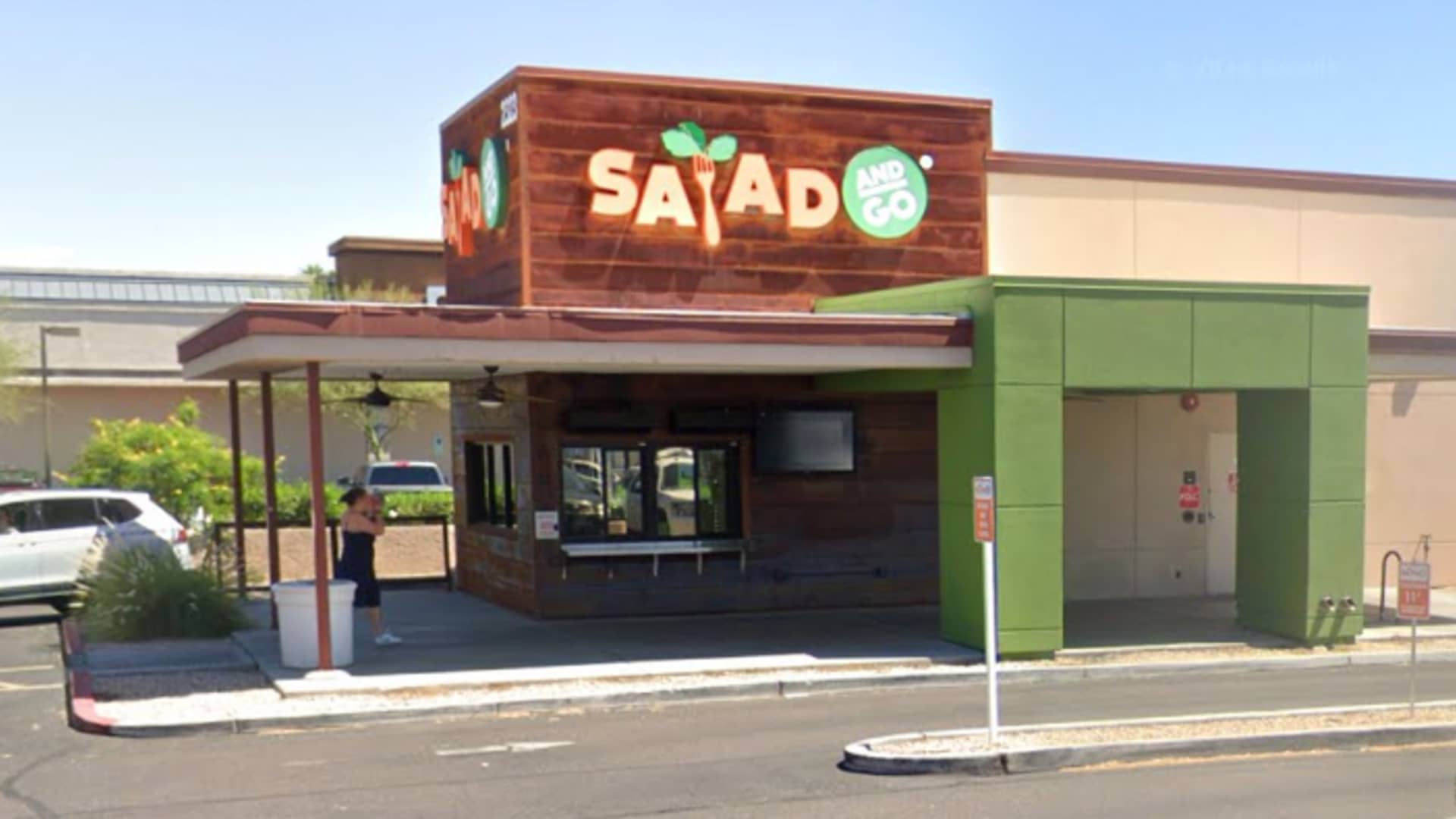
A Salad and Go restaurant in Phoenix, Az.
Source: Google Earth
Salad and Go has filed for Chapter 11 bankruptcy and is closing all existing locations on Wednesday.
The company said in a statement to CNBC that it sought bankruptcy protection due to prior strategic growth challenges, weakening consumer demand and higher costs.
Diner fears around eating lettuce due to the ongoing cyclospora outbreak only worsened its issues. The water-borne parasite has sickened at least 10,000 people, according to the Centers for Disease Control and Prevention. Two people have died have died as a result of the outbreak, the Michigan Health Department said on Monday.
“A Cyclospora outbreak in July, in which Salad and Go was not implicated, weakened confidence across the industry and compounded these challenges,” the company said in the statement.
The foodborne illness outbreak has hurt more businesses than just Salad and Go.
Yum Brands’ Taco Bell saw its traffic plunge after the Food and Drug Administration linked iceberg lettuce served at some of its restaurants to the outbreak; the chain pulled the affected supply, and Yum executives have said that sales are already recovering. Other chains not linked to outbreak, like Chipotle Mexican Grill, have also seen their sales dip due to consumers’ newfound mistrust of fresh lettuce.
Founded in 2013, Salad and Go at one time aimed to take on Sweetgreen. It used commissary kitchens to wash its produce and prepare protein options, like chicken, before shipping out the ingredients to the restaurants that would assemble its salads or wraps.
Private equity firm Volt Investment took a stake in Salad and Go and eventually bought out company founders Tony and Roushan Christofellis in 2021. Under then-CEO Charlie Morrison, who previously led Wingstop and currently heads Jersey Mike’s, Salad and Go pursued an ambitious expansion plan, more than doubling its store count. Morrison left the company in late 2024, reportedly after disagreements with the board.
Former Krispy Kreme CEO Mike Tattersfield took the reins in 2025. During his tenure, Salad and Go closed dozens of stores in Texas and Oklahoma. Those closures whittled the company’s footprint down to about 70 locations in Arizona and Nevada, which will be permanently shuttered on Wednesday.
“This is a painful day for everyone who built, worked for and loved Salad and Go,” Tattersfield said in a statement.
Salad and Go has assets valued between $500 million and $1 billion and liabilities in the same range, according to the company’s bankruptcy filing on Tuesday.


With combined experience of covering technology companies on Wall Street and working in Silicon Valley, and serving as an outside adviser to several seed-round startups, Gary Alexander has exposure to many of the themes shaping the industry today. He has been a regular contributor on Seeking Alpha since 2017. He has been quoted in many web publications and his articles are syndicated to company pages in popular trading apps like Robinhood.
Analyst’s Disclosure: I/we have a beneficial long position in the shares of BL either through stock ownership, options, or other derivatives. I wrote this article myself, and it expresses my own opinions. I am not receiving compensation for it (other than from Seeking Alpha). I have no business relationship with any company whose stock is mentioned in this article.
Seeking Alpha’s Disclosure: Past performance is no guarantee of future results. No recommendation or advice is being given as to whether any investment is suitable for a particular investor. Any views or opinions expressed above may not reflect those of Seeking Alpha as a whole. Seeking Alpha is not a licensed securities dealer, broker or US investment adviser or investment bank. Our analysts are third party authors that include both professional investors and individual investors who may not be licensed or certified by any institute or regulatory body.
Business
AMD Shares Fall Over 7% Despite Record Revenue and Data Center Boom as Investors Seek Bigger AI Payoff

SANTA CLARA, Calif. — Shares of Advanced Micro Devices fell more than 7% on Wednesday after the chipmaker reported record second-quarter results powered by surging demand for artificial intelligence hardware, yet delivered a revenue outlook that left some investors wanting clearer evidence of accelerating returns from the multibillion-dollar AI spending wave.
AMD stock was last trading near $479.52, down about 7.53% or $39.06, after closing Tuesday at $518.58. The decline came after the shares had risen 7% in the prior regular session. The move was set to erase tens of billions of dollars from the company’s market value as traders digested results that beat Wall Street estimates but failed to fully satisfy elevated expectations built up during a strong year for the stock.
The Santa Clara, California-based company posted second-quarter revenue of $11.5 billion, up 50% from $7.69 billion a year earlier and ahead of analyst forecasts around $11.3 billion. On a non-GAAP basis, diluted earnings per share reached $1.66, exceeding the $1.62 consensus. GAAP diluted earnings were $1.38. Gross margin expanded to 54% on a GAAP basis and 56% non-GAAP.
Data center revenue more than doubled to $6.7 billion, rising 107% year over year and accounting for 58% of total company sales, up from 42% a year ago. The segment’s operating income reached $2.1 billion. Growth was driven by strong demand for AMD’s EPYC server processors and Instinct AI accelerators. Client revenue rose 23% to $3.1 billion on strength in Ryzen processors, while gaming revenue fell 31% to $779 million due to lower semi-custom sales. Embedded revenue increased 19% to $977 million.
For the third quarter, AMD guided revenue to approximately $13 billion, plus or minus $300 million. The midpoint implies about 41% year-over-year growth and a sequential increase of roughly 13%. Non-GAAP gross margin is expected to remain around 56%. The forecast topped the $12.52 billion analyst estimate compiled by LSEG, though some market participants had hoped for guidance closer to $14 billion.
“We delivered an excellent quarter, with record revenue and profitability as Data Center revenue more than doubled year-over-year,” said Dr. Lisa Su, AMD chair and chief executive. “We enter the second half with strong momentum as EPYC demand accelerates, Instinct deployments scale and Helios begins to ramp. More broadly, AI is driving a significant expansion in demand for compute across all of our markets, and our leadership portfolio and growing customer visibility position us exceptionally well to capture this expanding opportunity and deliver substantial revenue and earnings growth in the years ahead.”
Chief Financial Officer Jean Hu added: “Revenue increased 50% year-over-year to a record $11.5 billion, driven by continued strength in our Data Center business, which represented 58% of company revenue in the quarter. We expect Data Center sales to accelerate in the second half of 2026, driving stronger overall revenue growth and continued earnings expansion.”
On the earnings call, Su indicated that data-center revenue is expected to more than double by 2027, with total company revenue growth projected above the previously outlined target of more than 35%. She pointed to server CPU revenue growth of more than 70% in 2027 and described AI GPU growth as well over 100%, supported by the ramp of the Helios rack-scale platform and strategic customer relationships that include OpenAI, Meta and Anthropic.
Despite the strong numbers, investors focused on several points of caution. Capital expenditures rose sharply to $808 million in the quarter from $282 million a year earlier and $389 million in the prior quarter. Free cash flow came in at about $1.56 billion, a 14% margin, lower than the 25% seen in the first quarter as the company invested to support higher data-center demand. Inventory increased to approximately $8.5 billion. Analysts also noted that adjusted gross margins are expected to remain flat sequentially at 56%, offering limited near-term expansion after the stock’s substantial run-up this year.
AMD shares have more than doubled in 2026 on optimism that the company can emerge as a credible alternative to Nvidia in AI accelerators while defending and expanding its position in server CPUs against Intel. That rally raised the bar for quarterly results. Recent customer wins and platform announcements had further heightened expectations.
“We suspect expectations had moved higher following Intel’s results a couple of weeks ago, and the buyside already has a fairly bullish outlook,” said Stacy Rasgon, an analyst at Bernstein.
Other market observers described the results as objectively solid yet insufficient to reset the valuation for a stock that had been trading at elevated multiples of forward earnings. Some pointed to potential supply constraints in advanced process technology and packaging through 2027 as risks that could temper the pace of growth even as demand remains robust.
AMD has been expanding beyond discrete chips into full AI systems that combine processors, accelerators and networking. The company has highlighted the beginning of Helios shipments in the third quarter, with a larger step-up expected in the fourth quarter and continued growth into 2027. Management expressed confidence that current supply arrangements can support the outlined targets, though industry-wide tightness in certain process nodes remains a factor to monitor.
The broader semiconductor sector has been volatile as investors weigh the sustainability of AI infrastructure spending by hyperscalers and enterprises. Nvidia has maintained a dominant position in training and inference accelerators, while Intel has posted improving results that have drawn renewed attention. AMD’s ability to convert its growing customer visibility and product momentum into consistently accelerating free cash flow and higher margins will likely remain a central focus for the market in coming quarters.
Cash and investments stood at $13.1 billion at quarter-end. The company generated $2.4 billion in cash from operations during the period. Management reiterated that AI is expanding demand for compute across markets and that AMD’s portfolio positions it to capture a meaningful share of that opportunity over a multi-year horizon.
Trading volume was elevated as the stock reversed the prior day’s gains. For the year to date, AMD remains significantly higher even after Wednesday’s decline, reflecting the scale of the AI-driven re-rating of its business. Investors will now watch closely for evidence in subsequent quarters that the data-center acceleration and Helios ramp are translating into the faster growth trajectory management has outlined for 2027 and beyond.
The results underscored both the opportunity and the pressure facing AMD as it seeks to convert strong product demand into sustained outperformance relative to the high expectations already embedded in its share price.

Underperformance creates attractive entry points
Listed QSR stocks have gone through a bruising phase over the last four years, with their combined market value falling by roughly 20% between FY22 and FY26. Over the past twelve months alone, the sector saw a sharp 25% drop as elevated inflation, subdued same-store sales growth (SSSG), and cautious consumer spending took a toll on operating performance and stock valuations.
However, Motilal Oswal believes these structural drag factors are now reaching a bottom. With valuation multiples cooling off from their historical highs and quarterly business updates showing initial signs of operational recovery, the brokerage sees a favourable margin of safety for investors looking to buy into quality consumer names.
Long-term consumption tailwinds intact
India’s organised food ecosystem remains heavily underpenetrated compared with global markets like China or Western economies, leaving substantial room for long-term growth. The domestic QSR market is projected to reach Rs 80,000 crore by 2027, up from Rs 18,800 crore in 2020, representing a compound annual growth rate (CAGR) of around 23%.
The brokerage expects demand to pick up steadily through FY27, backed by stabilising urban consumption, softening input costs, and seasonal demand upticks. At the same time, shifting consumer habits toward digital ordering, delivery apps, and quick-bite options continue to help organised brands take market share from local, unorganised eateries.

Stock picks and investment rationale
Despite near-term margin pressures, major QSR players have pushed ahead with network expansion, opening new outlets across tier-two and tier-three cities to build scale. Operators are also tweaking store sizes, introducing value-oriented menus, and driving operational efficiency to protect store-level profitability.
Motilal Oswal remains selective, favouring companies with robust delivery footprints, lean balance sheets, and proven execution capabilities.
Key stock calls within the space
Jubilant FoodWorks: Motilal Oswal remains bullish on the Domino’s Pizza operator, rating it as a top pick in the QSR basket due to its dominant delivery infrastructure, deep supply chain, and steady store expansion pipeline.
Sapphire Foods India: The brokerage maintains a ‘Buy’ recommendation on Sapphire Foods with a target price of Rs 220. The call is supported by strong momentum in its KFC portfolio, improving store economics, and expectations of scale benefits from its proposed merger with Devyani International.
Westlife Foodworld & Devyani International: The brokerage also highlights Westlife Foodworld (McDonald’s operator in West and South India) and Devyani International for their focus on unit economics, cost optimisation, and footprint expansion in high-growth regional markets.
Motilal Oswal suggests that long-term investors should use current valuation levels to gradually accumulate quality QSR stocks as industry volume growth recovers.
(Disclaimer: Recommendations, suggestions, views and opinions given by the experts are their own. These do not represent the views of The Economic Times)
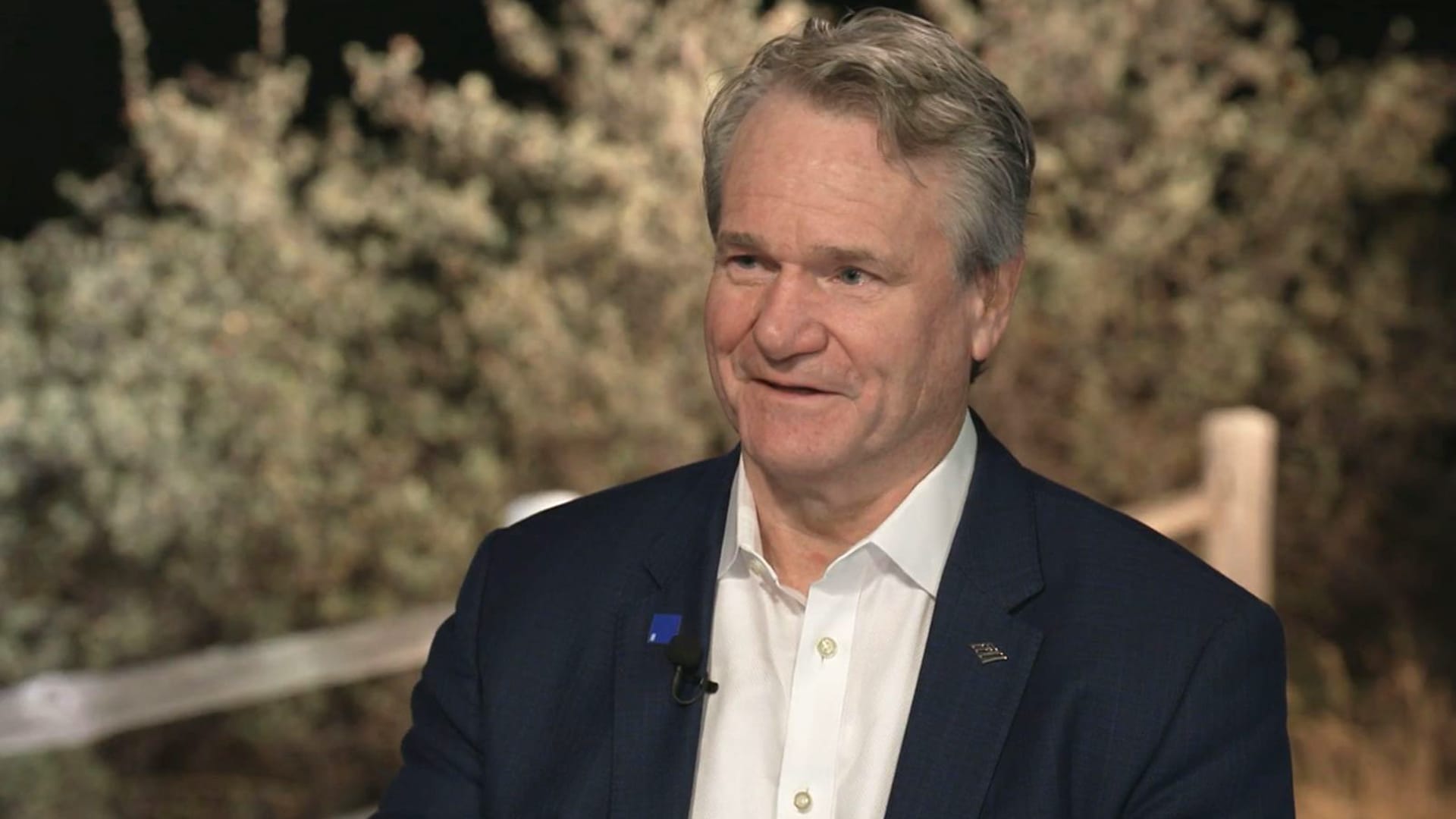
Brian Moynihan, CEO of Bank of America, speaking to CNBC from Aspen, Co. on Aug. 5th, 2026.
CNBC
Bank of America spends more than $250 million a year covering GLP-1 weight loss drugs for its employees, CEO Brian Moynihan told CNBC on Wednesday, saying the rapidly rising cost is a worthwhile investment in his workforce.
The company sets aside more than $2 billion a year on healthcare overall for BofA’s roughly 211,000 employees, meaning that GLP-1 medications alone now account for roughly 13% of all healthcare spending, per figures provided by Moynihan.
“We spend about $250 million or more on GLPs, and that’s up from zero” four or five years ago, Moynihan told CNBC’s Andrew Ross Sorkin. “We see a great impact on the employees.”
Employers across the country have grappled with soaring demand for GLP-1 drugs such as Ozempic and Wegovy, which can cost thousands of dollars per patient annually. Many self-insured companies and public employers have restricted coverage or debated whether they can afford the treatments as utilization has climbed.
Moynihan acknowledged that some employees may leave Bank of America before the company realizes the long-term savings from improved health, but he said the decision ultimately reflects a push to provide valuable benefits.
Bank of America pairs access to the drugs with health coaching to help monitor weight loss and lifestyle adjustments, the CEO said. Beyond long-term preventative health, Moynihan pointed to emerging clinical data suggesting nearer-term benefits, including a lower incidence of cardiovascular events.
“It’s been fascinating to watch our teammates’ behavior on these adjustments — the loss of weight,” he said.
The nation’s second-largest lender by assets is also using its size to negotiate lower prices from drugmakers and pharmacy benefit managers, he said.
“Believe me, we’re pounding everybody on price and trying to get as cheap [as possible],” Moynihan said. “But our view is that [because of] the long-term health benefits, plus there may be more short-term health benefits … it’s a good investment.”
Business
PB Fintech Q1 Results: Policybazaar parent’s profit soars 92% to Rs 163 crore as insurance premium grows 41%
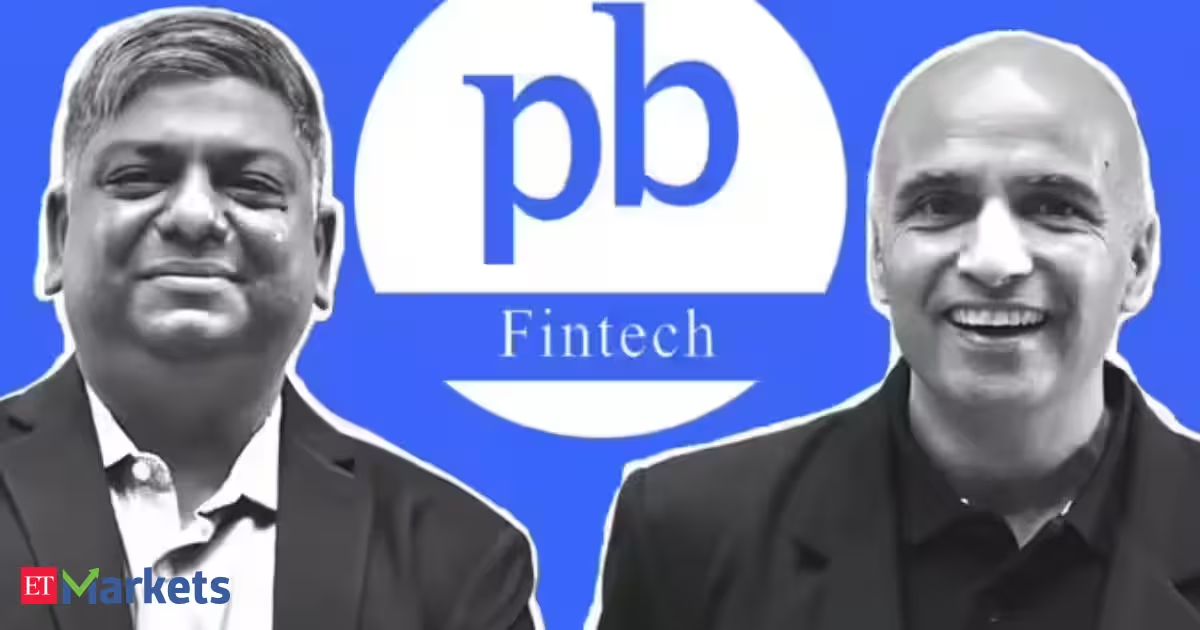
Operating revenue rose 40% YoY to Rs 1,888 crore. The company said total insurance premium grew 41% YoY to Rs 8,372 crore. Growth was led by the protection business, which includes health and term insurance. New protection premium rose 53% YoY, while new health insurance premium grew 59%.
PB Fintech said its core online insurance premium grew 41% YoY in Q1FY27. Core new insurance premium, excluding the savings business, rose 48%. Including savings, core new insurance premium grew 39%.
The company said growth, excluding the savings category, has stayed above 34% YoY for 13 straight quarters. Core insurance revenue rose 46% YoY during the quarter. The company also said its insurance customer satisfaction score remained above 90%, supported by improvements in customer onboarding and claims support.
PB Fintech said its core renewal and trail revenue on a 12-month rolling basis stood at Rs 1,003 crore, up from Rs 725 crore in the same quarter last year. This was a 38% rise, led by 55% growth in the insurance segment.
Quarterly core insurance renewal revenue was at an annual recurring revenue run-rate of Rs 999 crore, up from Rs 673 crore in Q1 last year. The company said renewal revenue is a key driver of long-term profit growth.
PB Fintech’s total lending disbursal for the quarter stood at Rs 4,366 crore. Core lending disbursal rose 33% year-on-year to Rs 2,776 crore. Core credit revenue increased 25% year-on-year to Rs 127 crore.The company said core credit disbursal and revenue have grown for four straight quarters. New initiatives business continued to grow, with Q1FY27 revenue rising 35% YoY. Adjusted EBITDA margin in new initiatives improved to negative 5% from negative 6% a year earlier. Contribution margin stood at 7%.
PB Partners, the company’s agent aggregator platform, remained a key part of the new initiatives business. It had more than 5 lakh advisors, while active partner count rose 55% year-on-year to 1.13 lakh in Q1FY27.
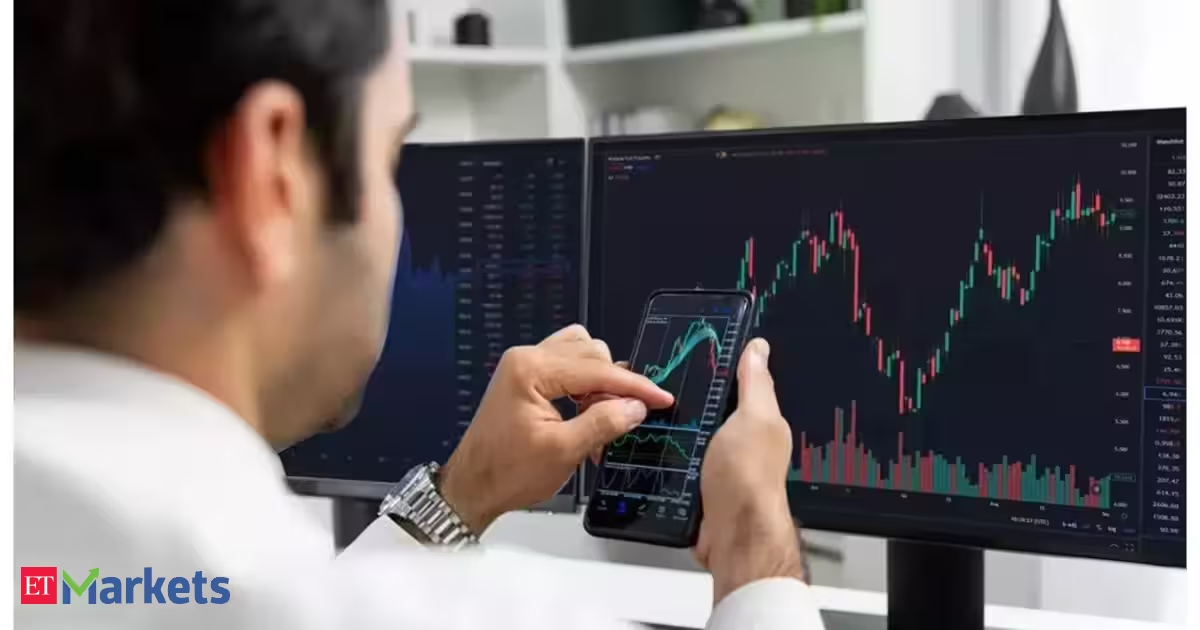
With Nifty earnings expected to sustain a 13%+ CAGR over FY23–28, this backdrop could attract fresh capital inflows into Indian markets and support a re-rating of valuations, strengthening the equity outlook.
In a base case scenario, Axis maintains the Nifty target at 27,220 for December, while remaining constructive on Indian equities, supported by strong macroeconomic fundamentals, sustained government capital expenditure, GST 2.0 reforms and an improving corporate earnings cycle. The brokerage has based the target on 19.5x December 2027E earnings.
The brokerage expects Nifty earnings to grow at 13% CAGR over FY23–FY28, led by financials, underpinning healthy medium-term market returns, and notes that geopolitical tensions, crude oil volatility and currency movements may create near-term volatility.
Axis Direct recommends investors maintain good liquidity (10-15%) to use any dips in a phased manner, amid market volatility, and build a position in companies where the earnings visibility is quite high, with an investment horizon of 12-18 months.
While extreme volatility has subsided as per India VIX, the market is not entirely out of the woods. Intermittent spikes may persist, especially given ongoing global uncertainties.
The near term outlook for the Indian economy and corporate earnings may witness increased volatility, driven by commodity price movements, global risk aversion, and foreign fund flows.However, the medium-to-long-term outlook remains constructive, supported by domestic demand resilience, improving earnings visibility, and structural reforms.
Axis values Nifty at 16.5x in a bear case scenario, implying a target of 23,030 in December this year.
While valuations may remain above average amid potential policy shifts under the Trump regime, persistent inflation in developed markets and historically elevated interest rates increase downside risks.
Uncertainty around currency movements, oil prices, and global trade is likely to weigh on export-driven growth in 2026. Additionally, concerns over global growth, exacerbated by tariffs and geopolitical tensions, could compress market multiples in the near term.
Elevated Valuations
The Nifty is currently trading slightly above its long-term average valuation multiples (18.4x) and continues to command a premium over most emerging markets. The premium is supported by superior earnings growth, stronger corporate governance, macroeconomic stability and favourable demographic trends. However, elevated valuations imply that future market appreciation will increasingly depend on earnings upgrades rather than multiple expansion.
Also Read | Inside LIC’s Rs 16 lakh crore portfolio: Its biggest stock buys and sells in June quarter
Going forward, market performance is likely to be driven increasingly by sustained earnings growth, healthy free cash flow generation, improving ROCE and balance-sheet strength, rather than further valuation expansion. Companies that can navigate cost pressures while maintaining growth and generating consistent cash flows are likely to emerge as key outperformers through FY27. Axis continues to favour a bottom-up approach, with greater emphasis on quality growth companies having sustainable business models, pricing power, strong earnings visibility and execution capabilities.
In this environment, Axis Direct has maintained an overweight stance on BFSI, Telecom, Capital goods, Healthcare, Auto, Power & Energy, but it remains cautious on IT in the medium term, led by AI disruption.
(Disclaimer: Recommendations, suggestions, views and opinions given by the experts are their own. These do not represent the views of The Economic Times)

What Is 'Russia's Amazon' Wildberries and Why Is Ukraine Targeting It?

Terrence Howard Wrangles Critter In Dramatic Video & Fans React

ANO ANG CRYPTOCURRENCY AT PAANO KUMITA DITO? | Chinkee Tan


-

 Business7 days ago
Why Trees Belong on the Risk Register
-

 Fashion5 days ago
Weekend Open Thread: Wit & Wisdom
-

 Politics5 days ago
Meta enters AI-training agreement with far-right ‘propaganda rag’ Newsmax
-

 Politics3 days ago
Zack Polanski: an incitement to murder Nigel Farage?
-

 Crypto World4 days ago
MicroStrategy Post-Earnings CLARITY Act Push Could Add New Catalyst for Its Stock
-

 Crypto World4 days ago
XRP Ledger v3.3.0 brings five institutional features
-

 News Videos6 days ago
Bitcoin Enters the 3rd Stage of the Bear Market
-

 Politics6 days ago
Luke Littler’s dominance sparks GOAT debate
-

 Sports6 days ago
Seema Kaliramna Wins Discus Throw Bronze, Takes India’s CWG Medals Tally To 17
-

 Crypto World5 days ago
New York sues Kalshi over prediction market gambling
-

 Crypto World3 days ago
Crypto PAC spending tops $2M in Michigan House race
-

 Business5 days ago
Trump Announces Hamas Disarmament Agreement as Iran Strikes Kuwait Air Base and US Attacks Pause Overnight
-

 Tech3 days ago
ESET tracks rise in malicious AI skills and adaptable malware
-

 Business3 days ago
DTCR: Deleveraging And A Hedge Fund Collapse Point To A Possible AI Bottom
-
 Crypto World5 days ago
3 Fed Officials Just Explained Their Rate Hike Vote: Is Inflation Winning?
-

 Tech5 days ago
Gemini Spark can now use Chrome logins and saved passwords to run errands on your behalf
-
 Tech5 days ago
Building A Reproduction PlayStation Motherboard
-

 Sports4 days ago
France Cricket implodes: letters hidden in a drawer and a board at war
-

 NewsBeat6 days ago
Four people die trying to cross Channel in small boats
-

 Crypto World4 days ago
Moneyflip CEO charged in $40K murder-for-hire plot
You must be logged in to post a comment Login