
Business
Reported assaults on Britain’s rail services have risen substantially, regulator says


Reports of violent incidents and harassment on rail services “rose substantially” last year, figures from the rail regulator show.
Reported assaults, including physical and verbal, were up 36% in the year to March 2026 compared with the previous year, according to the Office of Rail and Road (ORR).
In total 13,464 assaults against passengers and members of the public were recorded on Britain’s mainline railway, the highest number recorded since the series began in 2004.
The ORR said the figures were “concerning” and that it was working with the industry to address the problem.
According to the figures, harassment increased by 52% compared with the previous year and common assaults rose by 30%.
The increase comes against a backdrop of five years of rising reports of incidents and industry campaigns to raise awareness.
Assaults on the mainline railway are recorded according to their type. As a result each incident can lead to reports in more than one category, for example if someone is harassed and then physically assaulted.
There were also 11,289 reported assaults against members of the workforce on the mainline railway, up 12% compared with the previous year.
Of those 2,487 were physical assaults, while more than half (6,390 incidents) involved verbal abuse. The rest were threats.
“We’re working with industry and our trade union colleagues to address work-related violence and harassment,” said Richard Hines, the ORR’s chief inspector of railways.
“This includes understanding where the risks are, putting effective controls in place, encouraging staff to report incidents and providing appropriate support afterwards,” he said.
The statistics include mainline rail services in England, Scotland and Wales, but not Northern Ireland. The data release also covers the London Underground, trams, metros and other light rail services.
On the London Underground, recorded assaults increased 20% to 5,534 in the latest year, but reported workforce assaults fell 3% to 3,525.
Transport for London does not record multiple aspects of each incident. Instead it records the most severe aspect reported.
A spokesperson responding on behalf of Network Rail and the train companies said all operators were working to reduce risk and prevent harm by sharing information, improving reporting processes and deploying body-worn cameras.
“Keeping passengers and colleagues safe is at the heart of everything we do,” the spokesperson said.
“Violence, abuse and intimidation directed at passengers or staff are completely unacceptable. The rail industry works closely with British Transport Police to investigate incidents, support victims and bring offenders to justice.”
The RMT union, representing rail industry workers, said the figures corresponded with the union’s own figures indicating two-thirds of its members had experienced violence at work.
RMT general secretary Eddie Dempsey called for an increase in staffing on public transport, including an end to lone working, to combat the problem.
“We also clearly need stronger legal protections for public transport workers against assaults at work,” he said.
He said cuts to British Transport Police funding had been “disastrous” and called for outsourced security and enforcement staff to be brought in-house “as a matter of urgency”.
Other notable figures from the statistical release include that 11 members of the public died at mainline level crossings in the latest year, six more than the previous year. Eight were pedestrians and the others were road vehicle users.

Business
Twist Bioscience Shares Soar 10.27% to New High, Extending a Remarkable 493% Yearlong Rally Fueled by AI
SOUTH SAN FRANCISCO, Calif. — Shares of Twist Bioscience Corp. surged 10.27% to $174.78 in Wednesday trading, adding $16.28, extending one of the most dramatic rallies on Wall Street this year for the synthetic DNA technology company, whose stock has now climbed roughly 493% over the past 52 weeks.
Wednesday’s gain continues a pattern of sustained strength that has defined Twist Bioscience’s trading throughout September. The stock strung together seven consecutive positive trading sessions through September 21, a streak that added roughly $2.6 billion to the company’s market value and pushed its total valuation above $10 billion, even as the broader S&P 500 returned just 0.2% over that same seven-day stretch. That run followed an earlier six-day streak through September 17 that had already added close to $1.9 billion in market value on its own.
The rally’s most significant catalyst came on September 17, when Twist Bioscience announced a new data-services agreement with Eli Lilly’s artificial intelligence-driven drug discovery platform, known as TuneLab. Under that arrangement, users of Eli Lilly’s platform can route antibody characterization orders through Twist Bioscience’s preferred laboratory protocols, a deal that feeds high-quality laboratory data back into the AI-driven drug discovery process. Shares jumped nearly 10% on the news that day, with the stock’s climb from a close of $124.72 on September 4 to $157.29 by September 17 illustrating the pace of the broader rally already underway before the Lilly deal was even announced.
Alongside the Lilly announcement, Twist Bioscience raised its full-year revenue guidance to a range of $456 million to $457 million and reiterated a goal of reaching adjusted EBITDA breakeven by the fourth quarter of its current fiscal year. The company’s balance sheet showed $166.8 million in cash and short-term investments, with a total debt-to-equity ratio of 0.24 and a current ratio of 2.7, metrics reflecting relatively manageable leverage even as the company continues operating at a loss. Twist Bioscience remains unprofitable on an operating basis, with an EBIT margin around negative 31.5% and negative returns on both equity and assets, though the company’s operating cash flow has recently turned slightly positive, a shift some analysts have pointed to as an early signal that the business may be approaching a more sustainable financial footing.
Twist Bioscience, led by co-founder and Chief Executive Officer Emily Leproust alongside Chief Financial Officer Adam Laponis, provides synthetic DNA-based products spanning synthetic genes, tools for laboratory sample preparation, antibody libraries used in drug discovery and development, and DNA-based digital data storage technology. The company appeared at the 2026 Global Healthcare Conference on September 15, where its leadership outlined the broader synthetic DNA business to investors just ahead of the stock’s most dramatic gains later that month.
Analysts have offered a range of views on how much further the rally can extend. One technical analysis published around the time the stock touched a fresh all-time high noted a 100% “Buy” signal across the technical indicators reviewed, while simultaneously flagging a relative strength index reading of 72.95, a level generally considered to indicate an asset may be overextended in the short term, alongside notably high short interest in the stock. That same analysis noted that consensus analyst price targets sat well below the stock’s then-current trading levels, suggesting limited additional upside if the stock were to trade in line with Wall Street’s average expectations.
Other market observers have offered a more cautious overall assessment of the stock’s valuation. One recent analysis rated Twist Bioscience a Hold, arguing the company’s roughly $9.5 billion valuation at the time appeared disconnected from its underlying fundamentals, with profitability still elusive despite the raised revenue guidance. That same analysis attributed the stock’s approximately 200% surge over a recent stretch to a combination of AI-related news flow, short-squeeze dynamics among traders betting against the stock, and strong growth in the company’s DNA-based digital data storage revenue, rather than to any single quarter of unusually strong earnings results.
Twist Bioscience’s growth story has increasingly centered on the intersection of synthetic biology and artificial intelligence, with the company pointing to triple-digit growth in AI-enabled drug discovery orders and continued progress commercializing its oncology diagnostic testing products as key drivers of its improving financial trajectory. Operating leverage, manufacturing efficiency improvements, and a shift toward higher value-add product offerings have also been cited as factors supporting the company’s improving margin profile as it works toward its stated goal of reaching operating breakeven.
The company’s most recent full quarterly results showed revenue growth of 19.2% over the trailing twelve months, ahead of the median growth rate among comparable healthcare-sector companies, even as its operating margin over the same period remained deeply negative relative to profitable industry peers, underscoring the gap between the company’s strong top-line growth and its continued path toward sustained profitability.
With Twist Bioscience’s stock having already delivered one of the strongest performances of any biotechnology company over the past year, investors are likely to continue watching closely for further updates on the company’s progress toward its adjusted EBITDA breakeven target, along with any additional partnerships tied to AI-driven drug discovery, as the key catalysts likely to determine whether the current rally can be sustained or whether the stock’s increasingly demanding valuation eventually prompts a more significant pullback.
Business
CareDx Shares Jump 7.96% as BTIG Raises Price Target to $74 From $60 on Transplant Diagnostics Growth

BRISBANE, Calif. — Shares of CareDx Inc. rose 7.96% to $58.64 in Wednesday trading, adding $4.32, after BTIG analyst Mark Massaro maintained a Buy rating on the transplant diagnostics company and raised his price target on the stock to $74 from $60, a 23.33% increase that market observers said reflected growing confidence in the company’s growth trajectory.
Wednesday’s move continues a string of upward revisions from BTIG, which had already raised its price target on CareDx to $60 from $45 in early August, meaning the firm has now increased its price target on the stock by more than 64% over roughly seven weeks. BTIG has maintained a Buy rating on the stock throughout that stretch, with the firm’s analysts also meeting directly with CareDx management earlier this month.
CareDx, founded in 1998 and headquartered in Brisbane, California, operates as a precision medicine diagnostics company focused on transplant medicine, specialty oncology and cell therapy. The company develops non-invasive, longitudinal molecular biomarker tests, alongside digital health tools and patient support services, aimed at improving outcomes for transplant recipients and other patients managed through its testing platforms. Its core product lineup includes AlloMap and AlloSure, along with newer offerings including AlloSure Plus, HistoMap Kidney, HeartCare and ImmuneScape, spanning kidney, heart, lung and multiorgan transplant applications.
The company has continued generating clinical evidence supporting its core testing platform in recent months. CareDx announced the publication of a second KOAR analysis in the Journal of the American Society of Nephrology, evaluating its AlloSure Kidney donor-derived cell-free DNA test across 1,258 adult kidney transplant recipients at 56 medical centers across the United States. The study found that elevated levels of donor-derived cell-free DNA were associated with a higher adjusted risk of transplant organ loss, often appearing before measurable declines in kidney function became apparent through other means, while patients with persistently low levels showed more favorable outcomes over a three-year follow-up period. Researchers said the findings support using the AlloSure Kidney test as a noninvasive tool for ongoing risk monitoring and clinical decision-making in kidney transplant care.
CareDx has also been active on the corporate development front this year. The company completed its acquisition of Naveris, adding the NavDx blood-based test for detecting molecular residual disease in HPV-driven head and neck and anal cancers to its broader diagnostic portfolio. In a separate transaction, French diagnostics company Eurobio Scientific completed its acquisition of CareDx’s European Caredx AB subsidiary along with its kitted laboratory products business, a divestiture that streamlined CareDx’s operations to focus more closely on its core U.S. transplant diagnostics franchise.
Wall Street’s overall assessment of CareDx has grown increasingly positive in recent months, even as views have not been uniformly bullish. Canaccord Genuity initiated coverage of the stock with a Buy rating in August, joining BTIG’s already positive stance on the shares. Not every recent analyst note has been unambiguously favorable, however; Craig-Hallum flagged the potential for confusion among investors following a recent Centers for Medicare and Medicaid Services fee schedule update, a development that could affect how CareDx’s diagnostic tests are reimbursed going forward.
Some independent valuation analyses have raised caution about how far the stock’s price has already run. One recent assessment estimated CareDx’s fair value at approximately $25.43 per share, suggesting the stock traded well above that level even before Wednesday’s gain, a divergence the analysis attributed in part to the market’s continued optimism about the company’s growth prospects outpacing more conservative valuation models. The same analysis assigned the company an overall performance score of 65 out of 100, reflecting a moderate assessment of its financial health and business quality.
Insider selling has also drawn some scrutiny in recent months. Regulatory filings show CareDx insiders have sold more than $10.5 million worth of stock over the trailing three months, including notable stock sales by multiple company directors disclosed earlier this year. Such sales are not uncommon among executives and directors at companies whose share prices have appreciated substantially, and do not necessarily reflect a lack of confidence in the company’s underlying prospects, though they remain a data point some investors weigh alongside more bullish analyst commentary.
CareDx shares have delivered substantial returns to shareholders over a longer time horizon as well, with total returns of roughly 363% over the past three years, according to recent analysis of the stock’s performance, reflecting a significant turnaround for a company that has worked to expand and diversify its diagnostic testing portfolio beyond its original transplant-focused product lines.
With BTIG’s latest price target increase adding to a string of positive analyst actions on the stock in recent weeks, and CareDx continuing to generate new clinical data supporting its core testing platforms, investors are likely to keep watching closely for further updates on the company’s commercial execution, upcoming reimbursement developments tied to the CMS fee schedule, and any additional analyst commentary as the stock continues trading at levels some valuation models suggest have moved well ahead of the company’s underlying fundamentals.
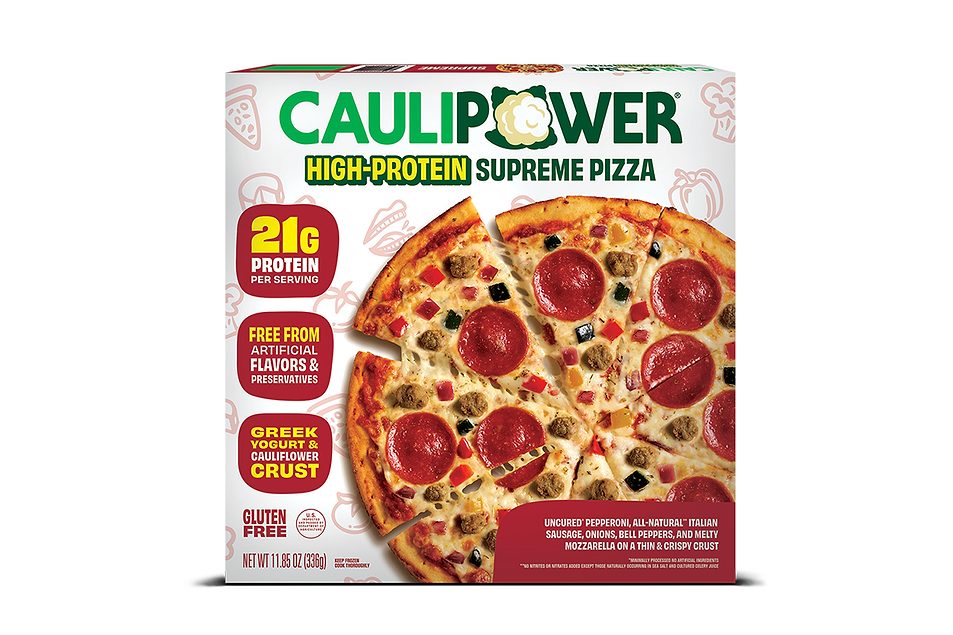
KANSAS CITY — Quick-fix diets may work for a few weeks but soon fade in effectiveness. Consumers could choose another path on their weight management journeys: Make lifestyle changes and find eating patterns that are more sustainable.
Food companies may interest those consumers by offering nutrient-dense products and promoting the attributes on packages.
Lisa Jones, a registered dietitian and contributor to US News and World Report, said she recommends plant-forward diets such as the Mediterranean diet.
“Those tend to work really well long term because they are not overly restrictive,” she said.
Such diets tend to emphasize fruit and vegetables, whole grains, beans, healthy fats and good sources of protein like fish and chicken, she said.
“For long-term weight management, I think we need to move past the idea that there is one magical diet,” said Thom King, chief innovations officer at Icon Foods and based in Portland, Ore. “The evidence increasingly points toward sustainable dietary patterns rather than short-term restriction. Mediterranean-style eating is probably the gold standard here: plenty of vegetables, legumes, whole foods, healthy fats, adequate protein and fiber, with room for enjoyment.”
DASH-style diets and well-designed plant-forward diets may accomplish the same goals, he said, adding that keto diets are effective when they emphasize nutrient-dense foods, fiber and high-quality fats.
Protein and fiber improve satiety and nutritional density while “thoughtful” sugar reduction reduces caloric and glycemic load without consumers having to give up the foods they enjoy, he said.
“That matters because the best diet on paper is worthless if someone abandons it in six weeks,” King said.
Walnuts are a good fit in the Mediterranean diet as they contain 2.5 grams of monounsaturated fat, 13 grams of polyunsaturated fat, 4 grams of protein and 2 grams of fiber in a 1-oz serving, said Jennifer Olmstead, senior director of US marketing and communications for the California Walnut Board and Commission in Folsom, Calif.
“Walnuts are a whole food ingredient that can contribute to a filling meal,” she said. “Their applications range from salad toppings to charcuterie board accoutrements, along with baking and snack inclusions that create satiety upon consumption. These can increase the satisfaction of indulgences and sweet treats and justify the calories with the sensation of feeling full.”
‘Nutritional triage’
Food manufacturers may reach consumers managing their weight through front-of-pack promotions, the Nutrition Facts Panel and the ingredients list.
King said consumers examine products on the shelf through a “three-second nutritional triage.” On the front of the package, they look for signals such as high in protein, good source of fiber, low or no added sugar, lower carbohydrate levels, and calories per serving. On the back of the package, consumers check the numbers on the Nutrition Facts Panel to see if they support the marketing.
“For weight management specifically, I think the conversation is shifting from simply asking, ‘How few calories does this have?’ toward ‘What am I getting for those calories?’” King said. “Protein and fiber provide a much more compelling nutritional value proposition than empty calories, particularly as consumers become more focused on satiety, maintaining lean mass and controlling added sugar.”
He noted that consumers “play detective” when analyzing the ingredient list, searching for recognizable protein sources, meaningful fibers, and reduced added sugars and sweetening systems that deliver the experience of sugar.

Consumers may “play detective” when analyzing the ingredient list.
| Source: Sosland Publishing Co.“That is where food formulators have a tremendous opportunity: Don’t just formulate a product that can make an attractive front-of-package claim,” King said. “Build the nutritional architecture so that when consumers turn the package around, the back of the package validates the promise on the front.”
Jones said consumers tend to make purchasing decisions based on the front of the package, but she encourages them to turn the package over to find details such as serving size, calories, protein, fiber, added sugar and saturated fat.
“That’s what gives you the bigger picture,” she said.
Consumers should look for recognizable nutrient-dense items at the top of the ingredient list, Jones said. If a product has 37 ingredients, and a consumer does not understand the first 10 ingredients, that’s a red flag. In processed cereal, consumers should be wary if sugar is among the first 10 ingredients.
A different GLP-1 market
Much food marketing has focused on attracting users of GLP-1 medications, but what about consumers who cannot take those medications, either because of side effects or financial constraints?
“For people that can’t afford or don’t have access to it, I really focus on foods that can help with fullness and really make it easier to manage your portions and overall calorie intake,” Jones said.
James Stone, vice president of global marketing and insights at Glanbia, pointed to a poll published in 2025 by the Kaiser Family Foundation showing that 56% of current or former GLP-1 users said the drugs were difficult to afford. Fourteen percent said they no longer took the drugs because of cost.
Food and supplements may stimulate the body’s natural production of GLP-1, Stone said, mentioning quality proteins like eggs, whey protein, chicken and fish; soluble fiber like chia seeds; insoluble fiber like psyllium; fermented food such as Greek yogurt, kefir, cabbage and cottage cheese; and foods rich in omega-3 fatty acids like olive oil, avocados, salmon and flax seeds.
“On the GLP-1 front, new product launches over the past two years have favored some type of GLP-1 claim, which can be limiting unless used as a reaffirmation versus being the primary claim,” Stone said. “GLP-1 users actually prefer the package to highlight the nutrient density or absence of negative aspects of the product they are choosing. For a desired broader claim, a message emphasizing weight management support is helpful.”
Jones, however, warned against comparing food or ingredients to having the same effect on the body’s GLP-1 as the medications.
“They are basically suggesting that the food can duplicate the effects of these medications, but they can’t,” she said.
King provided similar caution.
“For consumers who cannot afford or don’t have access to GLP-1 medications, food becomes an incredibly important tool, but we should be careful not to market food as nature’s Ozempic,” he said. “No ingredient reproduces the pharmacology of these medications. What we can do is build an eating pattern around some of the same outcomes consumers are seeking: greater satiety, better portion control, preservation of lean mass and improved metabolic health.”
Yes. Corporate subscriptions are available for teams and organisations, with discounted rates as user numbers increase. Pricing starts from $1,625 + GST per user.
Get in touch
to discuss the right option for your organisation.
Business News subscriptions are used by executives, investors, consultants and professionals who need to stay informed and make better decisions about the WA market. When you subscribe you’ll get
- Unlimited access to WA’s most trusted business journalism
- Data & Insights — detailed profiles of WA companies, people, projects and deals
- MyBN — a personalised feed based on the companies, people and sectors you follow
- Special publications and industry reports
- Daily and weekly email newsletters
Data & Insights is a research tool built specifically for the WA market. It draws on more than 30 years of Business News reporting, updated regularly to reflect what’s happening now. Use it to:
- Look up detailed profiles of WA companies, including financials, directors and ownership
- Find decision-makers and track their career movements
- Research live and completed projects across WA industries
- Monitor deals, appointments and market activity
- Access industry rankings and league tables
Data & Insights is updated daily by our dedicated research team, which uses the latest announcements, ASX filings and editorial coverage to keep our person, company, list and project records up to date.
Business News welcome all opportunities to make our dataset accurate, complete and current, so if you have an update request, please email the team at
general@businessnews.com.au, and we’d be happy to assist.
MyBN
is part of every subscription. It’s your personalised view of Business News. You can follow the companies, people, sectors and projects that matter to you, and get a news feed and alerts tailored to your interests. You can save articles to read later and retain only what you need.
Only subscribers have full access to all content on the Business News website.
If staying informed about the WA economy is part of your job, and/or you’re looking for networking opportunities in WA, Business News is built for you.
Business News subscribers are:
- Executives and directors tracking competitors, clients and market movements
- Investors and advisers researching companies, deals and industry trends
- Consultants and professionals staying across sectors relevant to their clients
- Business owners looking for leads, context and market intelligence
Most Business News publications cover national or global markets. Business News is focused entirely on Western Australia, which means the journalism, the data and the intelligence are all built around WA companies, people and projects — not adapted from a national feed. Data & Insights, included with every subscription, combines more than 30 years of WA-specific editorial research with live business data. There’s no comparable product for the WA market.
The Morning Digest Email provides a comprehensive wrap of the major headlines, relevant to WA business, and includes with a snapshot of the overnight news covering oil, gold and ASX-listed companies.
The Afternoon Wrap Email focuses on the news covered by our team of journalists during the course of the working day, including exclusive stories and analysis, all of which relates to WA business and the local economy.
The BN Weekender Email contains a wrap of the Business News from the week that was, highlighting the top stories in each area of WA business.
Sign up for free.
We’re happy to help.
Get in touch
and our team will come back to you.
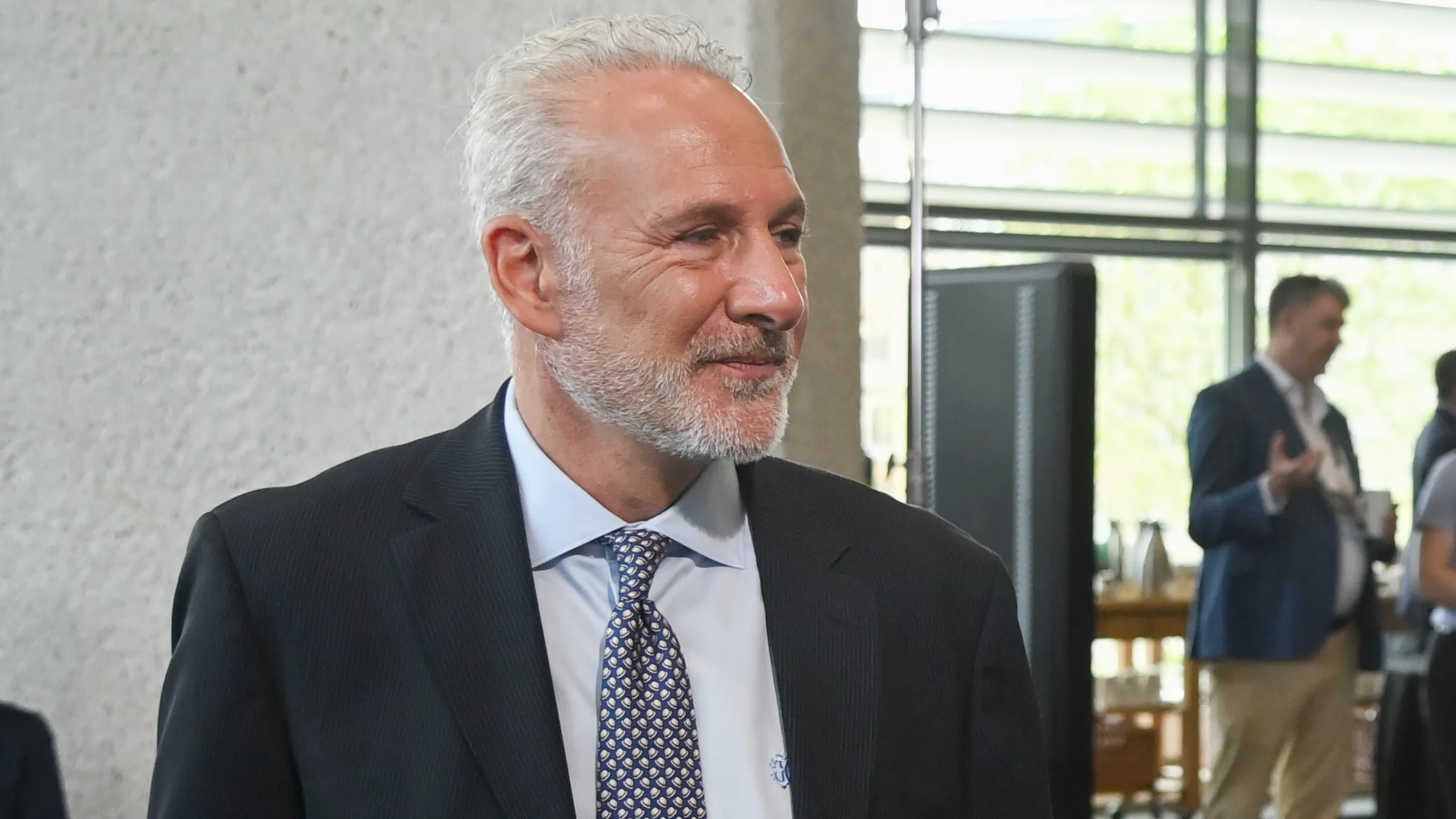
Peter Schiff, Euro Pacific Asset Management chief economist & global strategist, thinks oil prices will rise and anticipates an economic “downturn.”
Oil prices will rise even higher regardless of whether the Iran war ends, U.S. economic and political commentator Peter Schiff predicted during an interview with Fox News Digital on Wednesday, noting that he expects an economic “downturn.”
Schiff, chief economist and global strategist of Euro Pacific Asset Management and host of “The Peter Schiff Show” podcast, described the elevated prices as “a tax on the economy,” opining, “I don’t think it’s over.”
“I think oil prices are headed significantly higher from here — not just oil, but everything related to, to energy,” he explained, “especially… diesel, which is gonna have a particularly harmful impact because that is the fuel… that is used in, in agriculture, it’s used in transportation, all the trucks are diesel,” he noted, adding that this will “affect the price of pretty much everything.”
The AAA national average price for diesel recently hit the highest recorded average price of $6.5276 as of Tuesday, but inched down to $6.5141 by Thursday.
While Americans have been facing elevated fuel prices amid the Iran war, Schiff also pointed to the Federal Reserve as part of the reason for the energy prices.
SENATORS PRESS PRESIDENT TRUMP TO RELEASE HOME HEATING OIL RESERVES AMID SOARING PRICES
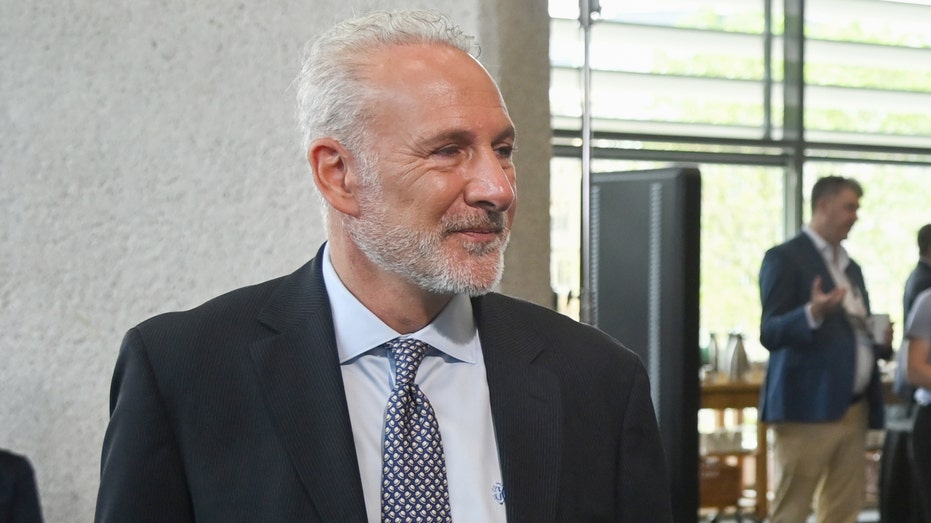
Peter Schiff at the London Blockchain Conference at The Queen Elizabeth II Conference Centre on June 2, 2023, in London. (Eamonn M. McCormack/Getty Images for London Blockchain Conference )
“But the Fed’s monetary policy has been much too loose for much too long,” he said. “The quarter-point rate hike… last week is too little too late to really derail the inflation train. And I think you’re gonna see a lot of upward pressure on all prices” due to “Fed policy,” Schiff explained.
He also pointed out that the U.S. will eventually “have to stop selling” oil from its Strategic Petroleum Reserve (SPR).
“And I think the same thing is gonna happen with other countries that have been liquidating reserves in order to… artificially suppress prices,” he said, noting, “imagine what happens if we have to start replenishing those depleted reserves. That would put even more upward pressure on prices.”
The supply of crude oil in the U.S. SPR has fallen significantly this year from over 400 million barrels down to more than 284 million as of the most recent data posted by the U.S. Energy Information Administration.
“Look, I think the prices will be lower if we manage to get ourselves outta this war. How much lower it’s hard to say. Because I think even if we have some kinda deal to end the war, I don’t know that you could trust it,” he said. “I think that there’s gonna be a risk premium for many years now because you have no idea when the war would resume.”
Peter Schiff, chief economist and global strategist of Euro Pacific Asset Management, told Fox News Digital during an Aug. 19 interview that the U.S. economy is now doing “worse” than back when President Joe Biden departed office.
“Maybe we get some kind of deal, a ceasefire or something, but… we’ve seen these deals before and… they immediately blow up,” he noted.
Schiff said he believes “oil prices are going up regardless of the outcome of the war and whether we end it or not. It’s just that if the war continues, I think the prices will be higher than if it doesn’t continue,” he said, predicting that prices will increase “either way.”
President Donald Trump asserted in part of a Truth Social post last week, “The World’s Diesel price rise is mostly caused by the Russia/Ukraine War, not Iran.”
Schiff expects unemployment to rise and consumer spending to fall, speculating that the Fed may “not raise interest rates as much as they should to contain inflation. In fact, they may even end up cutting rates if the economy is weak enough.”
“If the Fed tries to stimulate the economy or fight rising unemployment by rate cuts or quantitative easing, that’s gonna fuel the fire that’s already burning in, in consumer prices,” energy included, he noted.
IRAN WAR COSTS US HOUSEHOLDS $860 MORE IN HIGHER ENERGY PRICES, ECONOMIST SAYS

Peter Schiff onstage during “How a ‘Digital Gold’ System Should Really Work” at The Queen Elizabeth II Conference Centre on June 2, 2023, in London. (Eamonn M. McCormack/Getty Images for London Blockchain Conference )
GET FOX BUSINESS ON THE GO BY CLICKING HERE
Fox News Digital reached out to the White House on Thursday.
Business
Bond crisis worsens! US 30-year Treasury yields surge to highest level since 2004. What lies ahead?

The yield on the 30-year US Treasury bond jumped more than 3 basis points to 5.444%, marking its highest since 2004.The 10-year US Treasury yield, the benchmark of the $29-trillion Treasury market that anchors pricing for virtually all financial assets globally, touched a new post-financial-crisis high of 5.145%. The two-year bond yield, which moves in tandem with Fed rate announcement expectations, meanwhile rose above 4.9%.
Bond yields have been soaring for months as the raging US-Iran conflict sparked a skyrocketing rally in oil prices, while growth proved resilient and investors have fretted about high levels of government debt. Notably, bond prices move inversely to bond yields, so rising yields reflect falling bond prices.
The S&P Global services PMI rose to 58.7 in September from 56.5 in August, marking its highest reading in nearly five years. The manufacturing PMI also climbed to 56.7, reaching its strongest level in more than four years.
This strengthened expectations of the US Federal Reserve hiking its interest rates in the near term. Fed funds futures traders are now pricing in a 66% chance of an October rate hike, up from 53% earlier in the day. A month earlier, the odds were below 10%.

The bond selloff was not limited to the US. Japan’s 10-year bond yield jumped to highest since August 1996. Indian government bonds also soared sharply.
Also read | India bonds pummelled after Treasury rout, traders raise rate hike bets
What lies ahead?
Strong PMI data and a weak US government bond sale had compounded Wednesday’s global rout, and all the ingredients are now in place for a rise in long-term interest rates, said AXA’s Chief Economist Gilles Moec, as quoted by Reuters.
The analyst noted that inflation is high, central bankers are giving hawkish messages, there is competition from the funding needs of the tech sector and there are no reassuring signs on the US debt trajectory. “They are all fairly big macro issues and on top of that you have the binary geopolitical issue of what is happening in the Middle East,” Moec further said.
There is definitely angst in the bond market and there are no two ways about it, the report quoted Pictet Asset Management strategist Arun Sai. “We are going through a period where the steady state equilibrium has been challenged in a number of ways, and it’s competing narratives, and it’s not yet obvious which of these is right,” he added.
Also read | Why did market crash today?
Disclaimer: This article has been written by Debaroti Adhikary, who is not a SEBI-registered Research Analyst or an Investment Adviser. Debaroti Adhikary and his/her ‘relative(s)’ (as defined under Section 2(77) of the Companies Act, 2013) do not hold any financial interest in the companies mentioned in this article as of the date of publication. The views/recommendations mentioned in this article, wherever applicable, are those of the respective SEBI-registered Research Analyst/brokerage and have been reproduced/reported with due attribution. They should not be construed as the views or recommendations of The Economic Times Digital or the journalist. Readers are advised to consider the original research report and make their investment decisions based on their own assessment. Brokerage disclaimers here.
Business
Dunkin’ Giving Away 1 Million Free Coffees Today as National Coffee Day Festivities Begin Early This Week
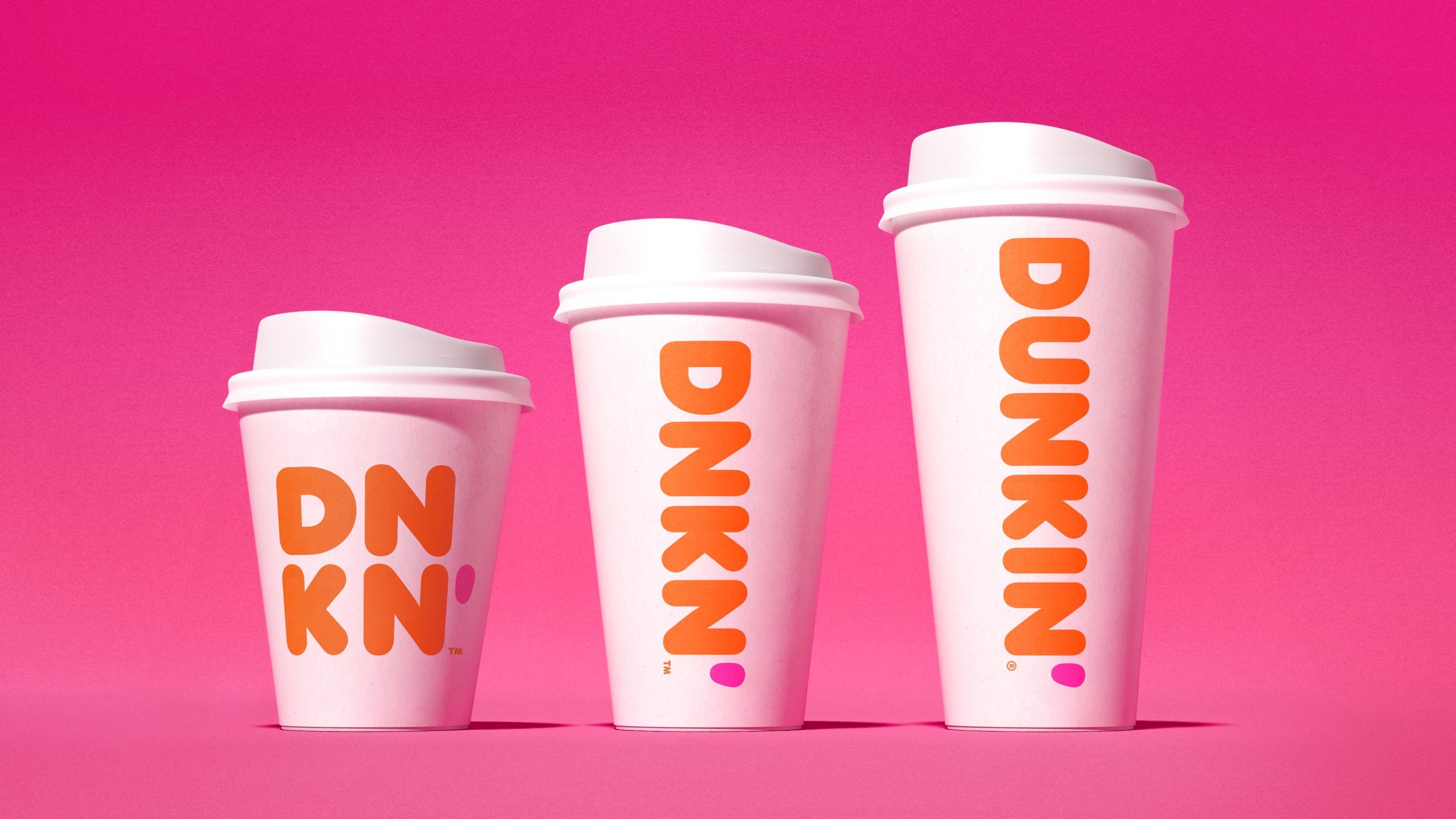
Dunkin’ is giving away 1 million free coffees to customers Thursday, kicking off a stretch of promotions and collaborations tied to National Coffee Day that has already drawn long lines at some locations earlier this week.
Through the limited-time promotion, the coffee and donut chain will give away free hot or iced coffee to the first 1 million customers who claim the offer Thursday, September 24. Dunkin’ plans to reveal the specific promo code needed to redeem the offer on its social media accounts midday Thursday. Customers can then enter that code in the “Offers & Rewards” section of the Dunkin’ app to claim their free coffee, with the offer redeemable through Sunday, September 27.
Food influencer Snackolator offered advice for customers hoping to secure the freebie before it runs out, emphasizing the importance of preparation ahead of the promo code’s release. “Make sure you have the Dunkin’ app and an account set up early to grab it quickly – they tend to last a good 30-45 minutes, but the app runs slow, so if you don’t sign up ahead of time, it can be tough to do it when it goes live!” the influencer said.
Thursday’s giveaway is only the opening act in a broader stretch of Dunkin’ promotions planned for the coming days. In honor of National Coffee Day on Tuesday, September 29, Dunkin’ Rewards members will be able to claim a free medium hot or iced coffee with any purchase made through the Dunkin’ app.
The National Coffee Day celebrations also include a new collaboration between Dunkin’ and outdoor retailer L.L.Bean, marking the two brands’ first-ever partnership. Released earlier this week to coincide with the first day of fall, the limited-edition collection includes a miniature coffee cup cozy styled after L.L.Bean’s signature fisherman sweater pattern, though reimagined in Dunkin’s bright pink and orange color scheme rather than the outdoor retailer’s traditional navy-and-white combination. The small coffee sweater was offered free to customers, but demand quickly outpaced supply. At one Dunkin’ location in midtown Manhattan, a barista told the New York Post that the store had already run out of the promotional item by 6:30 that morning, an experience echoed by numerous customers across social media.
Customers who missed out on the free coffee cozy will still have a chance to purchase a full-sized version of the collaboration starting on National Coffee Day itself. A human-size L.L.Bean x Dunkin’ sweater will be available for $79.95 beginning September 29. Additional items in the collaboration include a pink-and-orange version of L.L.Bean’s classic Boat and Tote bag, priced at $59.95, and a smaller, coffee-cup-sized tote bag priced at $24.95, both of which will be available exclusively through Dunkin’s website.
Dunkin’ Chief Marketing Officer Jill Nelson described the rationale behind pairing the coffee chain with the century-old outdoor apparel retailer, framing the collaboration around shared everyday rituals between the two brands’ customer bases. “We love collaborations that feel authentic to the way people actually live,” Nelson said. “From morning coffee runs to weekends outside, Dunkin’ and L.L.Bean have been part of many of the same routines and traditions for decades. Bringing them together just felt right.”
Beyond the merchandise collaboration, Dunkin’ has said it is partnering with L.L.Bean for a full week of additional freebies and festivities leading up to and including National Coffee Day, extending the promotional partnership well beyond Thursday’s coffee giveaway and the initial merchandise drop.
Thursday’s 1 million free coffee promotion arrives as Dunkin’ continues leaning into large-scale customer giveaways as a marketing strategy, a tactic the chain has used periodically to drive app downloads, rewards program sign-ups and overall customer engagement. Given the reported 30-to-45-minute window in which similar past promotions have run out, customers hoping to claim Thursday’s free coffee are likely to need to act quickly once the promo code is released at midday.
With National Coffee Day itself still five days away and additional Dunkin’ Rewards promotions and L.L.Bean merchandise releases still to come, this week’s rollout of free coffee, limited-edition apparel and ongoing app-based rewards offers represents one of Dunkin’s more extensive promotional pushes tied to the annual coffee holiday, reflecting the broader consumer enthusiasm that has already been on display at stores nationwide since the collaboration’s initial launch earlier this week.

Dollar ascends to fresh 2-month high on inflation worry, Fed hike expectations
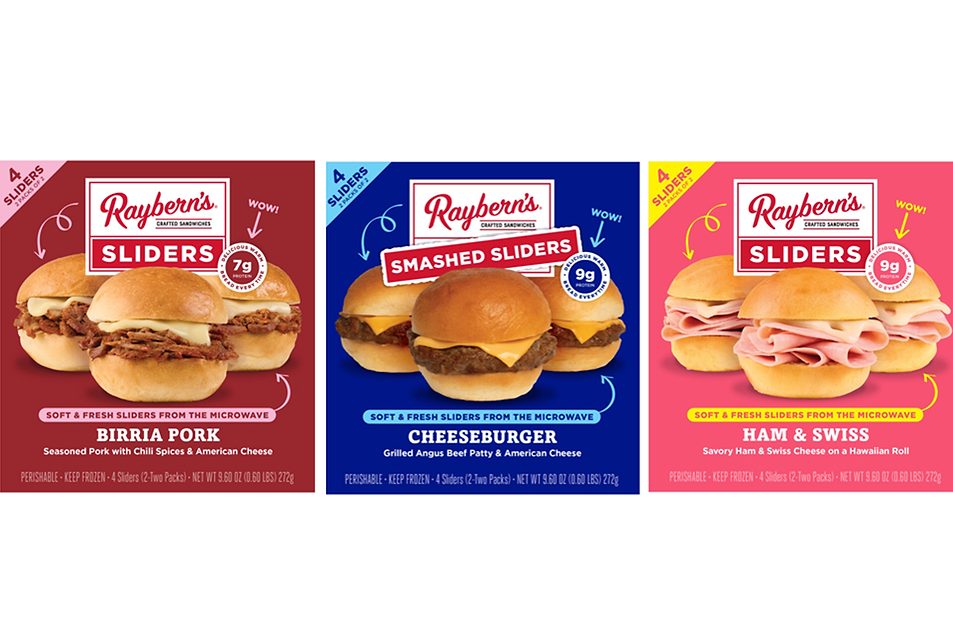

JACKSON, MISS. — Raybern Foods, a maker of heat-and-serve deli sandwiches, will invest $7.1 million to expand its operations in Shannon, Miss. The expansion is expected to create 70 jobs.
“Raybern Foods is proud to continue growing our operations in Shannon and investing in the community we have called home for more than a decade,” said Doug Hall, senior director of business development for Raybern Foods. “This expansion will allow us to increase production capacity to meet growing demand for our products while creating new opportunities for workers in the area. We appreciate the support of the Mississippi Development Authority and Lee County as we continue to grow our business in Mississippi.”
Founded in California in 1978, Raybern Foods expanded to Shannon in 2015. The company’s products include more than a dozen varieties of frozen and refrigerated sandwiches sold in stores nationally. Earlier this year the company introduced frozen sliders in three varieties: cheeseburger smashed sliders, birria sliders, and ham and Swiss sliders.

Fidelity’s mission is to strengthen the financial well-being of our customers and deliver better outcomes for the clients and businesses it serves. With assets under administration of $12.6 trillion, including discretionary assets of $4.9 trillion as of December 31, 2023, Fidelity focuses on meeting the unique needs of a broad and growing customer base. Privately held for 77 years, Fidelity employs more than 74,000 associates with its headquarters in Boston and a global presence spanning nine countries across North America, Europe, Asia and Australia. Note: This account is not managed or monitored by Fidelity, and any messages sent via Seeking Alpha will not receive a response. For inquiries or communication, please use Fidelity’s official channels.
Nick Clegg calls the EU AI Act a ‘dog’s dinner’ built before ChatGPT

Twist Bioscience Shares Soar 10.27% to New High, Extending a Remarkable 493% Yearlong Rally Fueled by AI

7 Fall Yard Habits That Help Pollinators Survive Winter




-

 Fashion6 days ago
Weekend Open Thread: Talbots – Corporette.com
-

 Tech4 days ago
Researchers escape OpenAI Codex sandbox to run commands on host
-

 Crypto World2 days ago
Goldman Sachs and Deutsche Bank Agree: The S&P 500 Rally Isn't Over
-

 Crypto World6 days ago
Circle launches Arc Studio AI agent for building onchain apps
-

 Crypto World4 days ago
Who Needs CLARITY Anyway? ARB Could See 70X Increase: Hodler’s Digest
-
 NewsBeat6 days ago
Trump says US has reached an agreement to take permanent control of Greenland’s security
-

 Crypto World7 days ago
Mortgage and refinance interest rates today, Thursday, September 17, 2026
-

 Crypto World6 days ago
Trading Bitcoin on Robinhood? Why 2% Spread Has Traders Worried
-

 Crypto World6 days ago
Bitcoin price breaks channel as RSI climbs to 63
-

 Tech3 days ago
Google’s $899 Googlebook is a bet that you’ll buy a new laptop for Gemini
-

 Business4 days ago
Analog Devices (ADI) Bets $1.35 Billion on Chips that Let Machines Think for Themselves
-

 Tech5 days ago
Trump suggests rebranding AI with a new name, says he’s also creating an AI Force
-

 Crypto World4 days ago
Coinbase, Robinhood, Circle Seen as Tokenized-Stock Winners
-

 Fashion5 hours ago
8 iPhone Accessories That Add Personality
-
 Business2 days ago
Oil Price Today (September 23): Crude oil below $100 on hopes of US-Iran talks. What did Trump say?
-

 Tech7 days ago
GPT-6 Astra Reached the Nether in Minecraft, Lost Its Stash to a Creeper, and Farmed Potatoes for Hours
-

 Crypto World6 days ago
World Money launches in 150+ countries with Stripe
-

 Crypto World6 days ago
Silver prices recover quickly, hitting weekly high today
-

 Crypto World2 days ago
Trump-Xi Polymarket Odds for Handshake Hit 50%
-

 Crypto World18 hours ago
Bitcoin Threatens Sub-$84,000 Breakdown as Long Liquidations Spike
You must be logged in to post a comment Login