
Business
Royce Micro-Cap Trust FY 2025 Commentary (RMT)


Fund Managers
Jim StoeffelPortfolio Manager, Principal
- 16Years at Royce
- 32Years of Experience
Andrew PalenPortfolio Manager
- 10Years at Royce
- 19Years of Experience
Average Annual Total Returns Through 12/31/25 (%)
Annual Operating Expenses: N/A
1 Not annualized.
Important Performance, Expense, and Disclosure Information
Important Performance and Expense Information
All performance information reflects past performance, is presented on a total return basis, net of the Fund’s investment advisory fee, and reflects the reinvestment of distributions. Past performance is no guarantee of future results Current performance may be higher or lower than performance quoted. Returns as of the recent month-end may be obtained at www.royceinvest.com. The market price of the Fund’s shares will fluctuate, so that shares may be worth more or less than their original cost when sold.
The Fund normally invests in micro-cap companies, which may involve considerably more risk than investing in larger-cap companies. The Fund’s broadly diversified portfolio does not ensure a profit or guarantee against loss.
Current month-end performance may be obtained at our Prices and Performance page.
Notes to Performance and Other Important Information
The thoughts expressed in this report concerning recent market movements and future prospects for small company stocks are solely the opinion of Royce at December 31, 2025, and, of course, historical market trends are not necessarily indicative of future market movements. Statements regarding the future prospects for particular securities held in the Funds’ portfolios and Royce’s investment intentions with respect to those securities reflect Royce’s opinions as of December 31, 2025 and are subject to change at any time without notice. There can be no assurance that securities mentioned in this report will be included in any Royce-managed portfolio in the future.
As of 12/31/25, the percentage of Fund assets was as follows: nLIGHT was 1.2%, Sprott was 1.3%, Astronics Corporation was 1.1%, ASA Gold and Precious Metals was 1.3%, Argan was 1.2%, Open Lending was 0.0%, Transcat was 0.8%, Richardson Electronics was 1.0%, Repay Holdings Cl. A was 0.2%, Ichor Holdings was 1.1%.
Sector weightings are determined using the Global Industry Classification Standard (“GICS”). GICS was developed by, and is the exclusive property of, Standard & Poor’s Financial Services LLC (“S&P”) and MSCI Inc. (“MSCI”). GICS is the trademark of S&P and MSCI. “Global Industry Classification Standard (GICS)” and “GICS Direct” are service marks of S&P and MSCI.
All indexes referred to are unmanaged and capitalization weighted. Each index’s returns include net reinvested dividends and/or interest income. Russell Company (“Russell”) is the source and owner of the trademarks, service marks and copyrights related to the Russell Indexes. Russell® is a trademark of Frank Russell Company. Neither Russell nor its licensors accept any liability for any errors or omissions in the Russell Indexes and/or Russell ratings or underlying data and no party may rely on any Russell Indexes and/or Russell ratings and/or underlying data contained in this communication. No further distribution of Russell Data is permitted without Russell’s express written consent. Russell does not promote, sponsor or endorse the content of this communication. The Russell 2000 Index is an index of domestic small-cap stocks. It measures the performance of the 2,000 smallest publicly traded U.S. companies in the Russell 3000 Index. The Russell 2000 Value and Growth Indexes consist of the respective value and growth stocks within the Russell 2000 as determined by Russell Investments. The Russell Microcap Index includes 1,000 of the smallest securities in the Russell 2000 Index, along with the next smallest eligible securities as determined by Russell. The Russell 2500 is an unmanaged, capitalization-weighted index of the 2,500 smallest publicly traded U.S. companies in the Russell 3000 index. The returns for the Russell 2500-Financial Sector represent those of the financial services companies within the Russell 2500 index. Source: MSCI. MSCI makes no express or implied warranties or representations and shall have no liability whatsoever with respect to any MSCI data contained herein. The MSCI data may not be further redistributed or used as a basis for other indexes or any securities or financial products. This report is not approved, endorsed, reviewed or produced by MSCI. None of the MSCI data is intended to constitute investment advice or a recommendation to make (or refrain from making) any kind of investment decision and may not be relied on as such. The MSCI ACWI Small Cap Index is an unmanaged, capitalization-weighted index of global small-cap stocks.The MSCI ACWI ex USA Small Cap Index is an index of global small-cap stocks, excluding the United States.The performance of an index does not represent exactly any particular investment, as you cannot invest directly in an index. Returns for the market indexes used in this report were based on information supplied to Royce by Russell Investments. Royce has not independently verified the above described information.
This material contains forward-looking statements within the meaning of the Securities Exchange Act of 1934, as amended (the “Exchange Act”), that involve risks and uncertainties, including, among others, statements as to:
-the Funds’ future operating results,
-the prospects of the Funds’ portfolio companies,
-the impact of investments that the Funds have made or may make, the dependence of the Funds’ future success on the general economy and its impact on the companies and industries in which the Funds invest, and
-the ability of the Funds’ portfolio companies to achieve their objectives.
This discussion uses words such as “anticipates,” “believes,” “expects,” “future,” “intends,” and similar expressions to identify forward-looking statements. Actual results may differ materially from those projected in the forward-looking statements for any reason.
The Royce Funds have based the forward-looking statements included in this commentary on information available to us on the date of the commentary, and we assume no obligation to update any such forward-looking statements. Although The Royce Funds undertake no obligation to revise or update any forward-looking statements, whether as a result of new information, future events, or otherwise, you are advised to consult any additional disclosures that we may make through future shareholder communications or reports.
This material is not authorized for distribution unless preceded or accompanied by a current prospectus. Please read the prospectus carefully before investing or sending money. Smaller-cap stocks may involve considerably more risk than larger-cap stocks. (Please see “Primary Risks for Fund Investors” in the prospectus.)

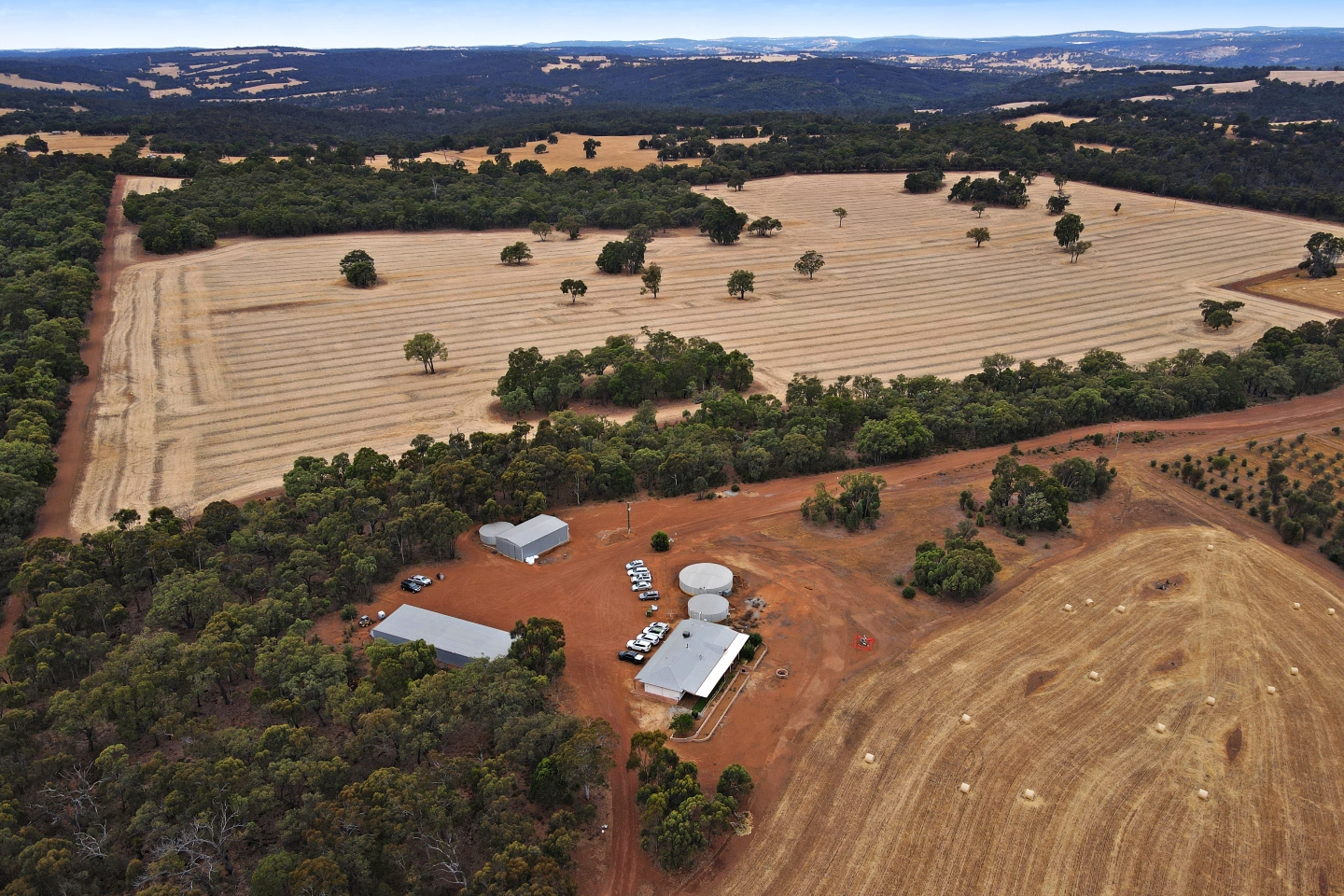
Chalice Mining boss Alex Dorsch says the appointment of Odin Partnership as a strategic advisor for the company is a “fantastic strategic fit”.
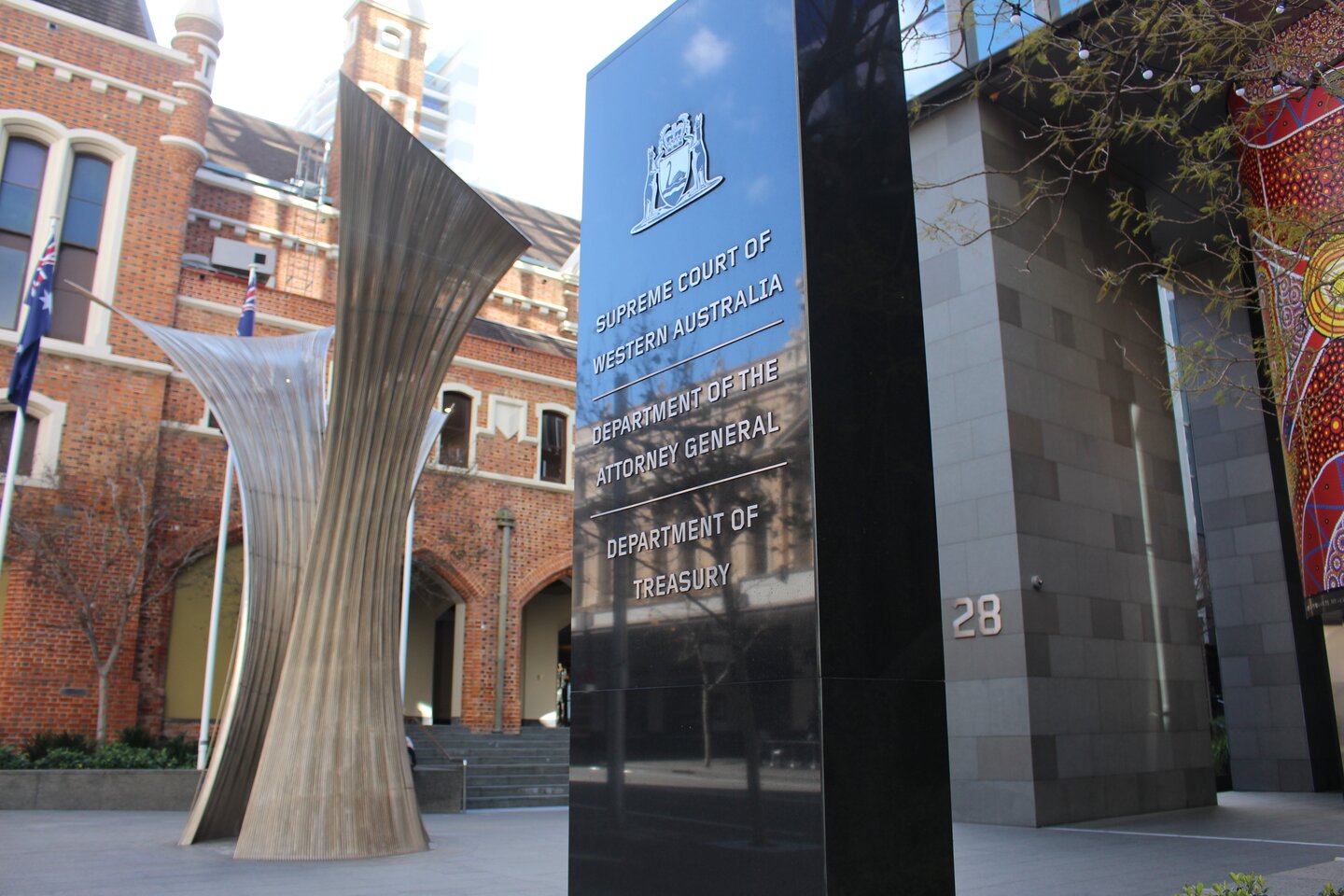
A trial over WA controversial fishing ban continues in court, with the state claiming Sea Harvest failed to prove why the prohibition was legally unreasonable.

Speaking with ET Now, James Knightley from ING noted, “It is a really difficult one to call. There is a huge amount of uncertainty, and markets will remain on tenterhooks until the deadline is hit.”
The ripple effects of this uncertainty are being felt in the inflation outlook as well, with central banks increasingly focusing on price stability amid rising energy costs. Supply disruptions linked to the conflict have pushed oil prices higher, reviving fears of inflationary pressures at a time when growth remains uneven. However, the current situation differs from the post-pandemic surge, particularly in terms of demand dynamics. James Knightley pointed out, “The Fed does not have the tools to deal with supply shocks—they cannot print oil,” highlighting the limitations of monetary policy in such scenarios. Importantly, weaker demand conditions could act as a counterbalance, with Knightley adding, “This supply shock is more demand-destructive, so we may not see broad and persistent inflation.”
Crude oil continues to be the most sensitive asset in this environment, reacting swiftly to every geopolitical development. While a potential easing of tensions could lead to a decline in prices, the trajectory remains uncertain. The extent of any correction will largely depend on the level of damage to supply infrastructure and how quickly normalcy can be restored. As James Knightley observed, “Oil could fall if tensions ease, but the extent will depend on the damage to infrastructure,” suggesting that prices may not revert to earlier levels anytime soon.
Given these uncertainties, investors are leaning towards a defensive stance, favouring safer assets amid the lack of clarity. The risk of sudden disruptions or unexpected escalations remains a key concern, even if a temporary agreement is reached. Reflecting the cautious mood, James Knightley added, “Safe haven is still the key right now, as the backdrop remains cautious.” Until there is greater visibility on both geopolitical and economic fronts, markets are likely to stay reactive, with risk aversion shaping investment decisions.

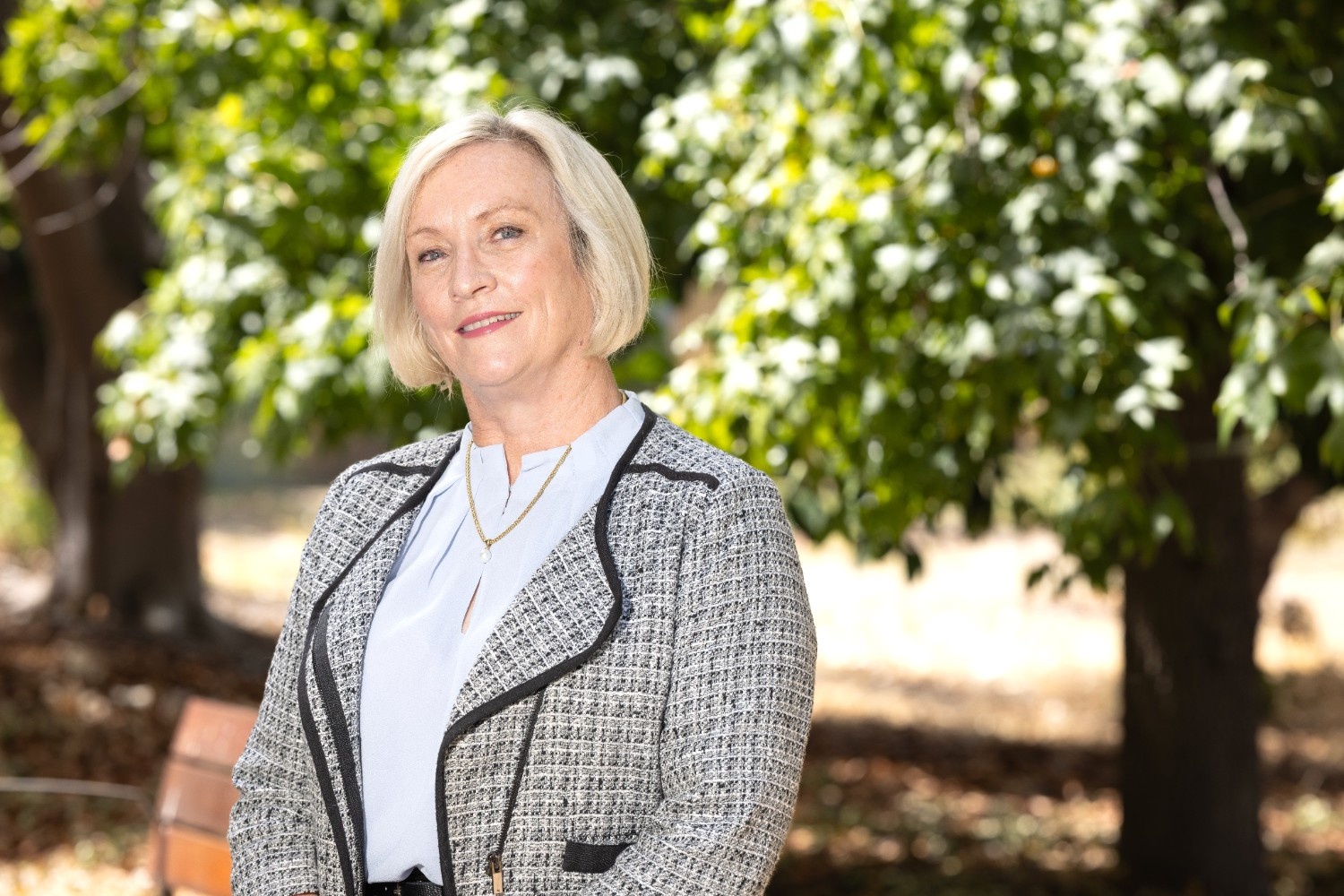
Brightwater Care Group is set to offload one of its two commercial services to Intelife, after reporting a significant decline in the linen division’s value.
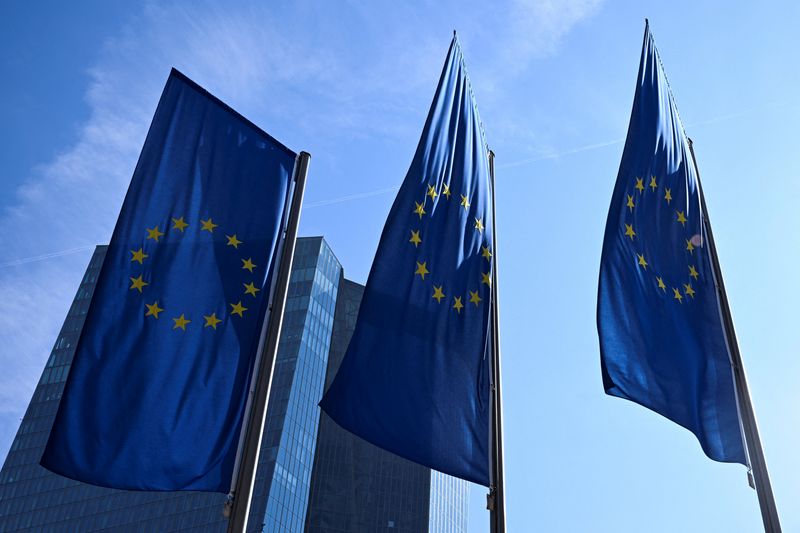

Inflation scars risk quickly lifting expectations; ECB must be ready to act: policymaker

'AI Security' Emerges As The Next Cybersecurity Theme

Melbourne, Australia — Melbourne has solidified its position as Australia’s leading hub for artificial intelligence innovation in 2026, home to about 188 AI companies and roughly 22% of the nation’s clustered AI firms — the largest concentration nationwide. With Victoria’s government-backed AI Mission Statement targeting up to $30 billion in gross state product contributions over the next decade, a new wave of emerging startups is driving breakthroughs in healthcare, legal tech, clinical documentation and beyond.
As global interest in responsible AI grows, Melbourne’s ecosystem benefits from strong university ties, a deep talent pool and proximity between research institutions and commercial ventures. While Sydney often dominates total funding, Melbourne excels in application-layer AI companies focused on real-world problems in medicine, compliance and productivity.

Here are 10 rising AI companies in Melbourne making waves in 2026, selected for their recent funding momentum, technological innovation and growth potential:
- Heidi Health stands out as one of Melbourne’s fastest-growing AI healthtech stars. The company develops an AI-powered medical scribe platform that transcribes doctor-patient consultations and generates structured clinical notes, helping reduce administrative burdens and combat clinician burnout. Founded in 2021, Heidi has raised nearly $100 million, including a major Series B round valuing the company at around $465-711 million. It now processes millions of patient interactions weekly and adheres to strict standards like HIPAA, GDPR and Australian privacy principles. Investors including Point72, Blackbird and Headline back its vision of becoming an “AI care partner” for every clinician.
- Harrison.ai continues to lead in medical imaging AI. The company, co-founded by brothers Dr. Aengus Tran and Dimitry Tran, builds deep learning tools like Annalise.ai to assist radiologists in detecting conditions such as cancer and neurological disorders. It has secured over $240 million in total funding, including a notable Series C raise, and operates in more than 1,000 healthcare facilities across 15 countries. Harrison.ai exemplifies Melbourne’s ability to produce globally scalable clinical AI with measurable impact on diagnostic accuracy and speed.
- Affinda harnesses AI to transform document processing and data extraction for businesses. The Melbourne-based startup uses machine learning to automate invoice handling, contract analysis and other paperwork-heavy tasks, helping companies reduce manual errors and accelerate workflows. It has attracted attention for its practical enterprise applications and continues to expand its client base across Australia and internationally.
- See-Mode Technologies specializes in AI for vascular and medical imaging analysis, particularly for stroke detection and management. The company has raised funding for its platform that provides real-time insights from ultrasound and other scans, supporting clinicians with faster, more accurate decisions. Its technology highlights Melbourne’s strength in specialized computer vision applications for healthcare.
- Vervoe offers an AI-driven skills assessment platform that evaluates job candidates through realistic task simulations rather than traditional resumes. Founded in Melbourne, it uses AI grading to rank applicants based on actual job performance, helping employers make better hiring decisions. The company has gained traction in a competitive recruitment market and continues refining its role-specific assessment tools.
- 6clicks has emerged as a trending AI startup focused on governance, risk and compliance (GRC) automation. Its platform leverages artificial intelligence to streamline regulatory compliance, policy management and audit processes for organizations. With rising search interest and reported growth of over 100% in some metrics, 6clicks addresses growing demand for trusted AI tools amid increasing regulatory scrutiny.
- Isaacus represents an emerging legal AI player developing foundational models specifically for legal technology. Launched in 2025, the pre-seed funded startup (A$700,000) builds core AI capabilities that enable other companies to create specialized legal tools. Its focus on foundational research positions it as a behind-the-scenes enabler in Melbourne’s growing legal tech scene.
- Lyrebird Health develops AI-powered medical documentation tools that transcribe consultations into structured notes, similar to but distinct from broader scribe platforms. The Melbourne startup targets efficiency gains for clinicians and has shown strong early traction in healthtech circles, benefiting from the city’s concentration of medical research institutions.
- Everlab takes a preventative approach with its AI-driven personalized health assessments and care plans. The membership-based platform uses artificial intelligence for early disease detection and long-term wellness tracking. Founded in 2023, it appeals to consumers seeking proactive health management and has raised interest for its blend of diagnostics and AI personalization.
- Restoke.ai and similar emerging players like Optain Health or Cor focus on niche applications such as retail optimization, ophthalmology imaging or specialized automation. Restoke.ai, for instance, applies AI to hospitality and inventory challenges, while others target computer vision in specific medical fields. These startups illustrate the breadth of Melbourne’s AI innovation beyond headline healthtech names.
Melbourne’s AI ecosystem benefits from supportive infrastructure, including events like the NORTH Link AI Summit and ongoing collaborations with institutions such as universities and innovation centers. Government initiatives emphasize responsible AI deployment, data governance and talent development, helping local startups navigate ethical considerations while scaling.
Funding trends show AI capturing a significant share of Australian venture capital, with Melbourne companies benefiting from local and international investors. However, challenges remain: competition for talent, the need for robust datasets and ensuring AI systems meet high compliance standards in regulated sectors like healthcare and finance.
Many of these rising companies emphasize practical outcomes — reducing doctor burnout, improving hiring accuracy or automating compliance — rather than hype. This focus on measurable ROI has helped attract capital even as global markets remain selective.
Industry observers note that Melbourne’s proximity to research hubs gives it an edge in translating academic work into commercial products, particularly in health AI and applied machine learning. Victoria’s AI Mission Statement aims to accelerate adoption across small and medium enterprises, creating further opportunities for these startups to partner with local businesses.
As 2026 progresses, expect more activity in generative AI agents, computer vision enhancements and industry-specific solutions. Some companies are already exploring international expansion, leveraging Australia’s strong data privacy reputation as a competitive advantage.
Travelers and tech professionals visiting Melbourne can engage with the scene through networking events, pitch nights and conferences focused on AI engineering and design. The city’s livable environment and strong tech community continue to draw talent from across Australia and abroad.
While larger players like Airwallex incorporate significant AI capabilities into fintech, the pure-play startups listed here represent the innovative edge pushing Melbourne forward. Their success could help the city capture more of the projected economic upside from AI in the coming years.
With continued government support and investor confidence, these 10 rising AI companies — and dozens more — position Melbourne as a serious contender in the global artificial intelligence landscape, blending technical excellence with solutions to everyday challenges in healthcare, business and beyond.

Samsung Electronics has officially announced the discontinuation of its long-standing Samsung Messages app, with the service set to end in July 2026 as the company fully transitions Galaxy smartphone and tablet users to Google Messages for a more consistent Android messaging experience.

The “End of Service Announcement” posted on Samsung’s U.S. support website states that the Samsung Messages application will be discontinued in July 2026. After that date, the app will no longer support regular texting functions except for emergency service numbers or predefined emergency contacts. Users will also be unable to download the app from the Galaxy Store once the shutdown occurs.
Samsung is urging affected owners to switch to Google Messages as their default messaging app immediately “to maintain a consistent messaging experience on Android.” The move affects devices running Android 12 and newer; older devices on Android 11 or below remain unaffected.
The announcement, which surfaced in early April 2026, follows years of gradual shifts. Samsung stopped pre-installing its proprietary Messages app on flagship Galaxy devices starting in 2024 and began setting Google Messages as the default on many models. Newer handsets, including the Galaxy S26 series, already prevent users from downloading Samsung Messages.
Industry analysts view the decision as part of Samsung’s broader strategy to streamline its software ecosystem and lean more heavily on Google’s services. By adopting Google Messages universally, Samsung aims to deliver uniform features across its vast Galaxy lineup while reducing development and maintenance costs for a separate app.
Google Messages offers several advantages that Samsung highlighted in its notice. These include robust RCS (Rich Communication Services) support that works more consistently across carriers, advanced AI-powered spam detection, Gemini integration for smart replies and message suggestions, improved end-to-end encryption options, and better multi-device connectivity with tablets, wearables and computers.
For many long-time Galaxy users, the news stirs nostalgia mixed with practical concerns. Samsung Messages, which dates back more than 15 years in various forms, featured a clean interface, customizable themes, scheduled messages and strong integration with other Samsung apps and services. Some users preferred its simpler design or specific features not fully replicated in Google’s offering.
Reaction on social media and Samsung community forums has been swift. Posts under hashtags like #SamsungMessages and #GoogleMessages range from acceptance (“It was inevitable”) to frustration over losing familiar customization options. One Reddit user noted, “Samsung Messages felt more ‘Samsung’ — now everything is just Google.” Others welcomed the change for better RCS reliability and spam protection.
Samsung has provided guidance for a smooth transition. Users can open the Google Messages app, set it as default through phone settings, and transfer conversations where possible. On some older devices (particularly those on Android 12 or 13), the Google Messages icon may not automatically appear on the home screen after switching. The company also warned that ongoing RCS chats might experience temporary disruption until both parties migrate to Google Messages.
To switch manually:
- Download or open Google Messages from the Play Store or Galaxy Store if not already installed.
- Go to phone Settings > Apps > Default apps > SMS app and select Google Messages.
- Grant necessary permissions for contacts, phone and notifications.
- Back up important conversations if desired, though full transfer functionality varies.
After July 2026, Samsung Messages will cease to function for standard use, and the app will be removed from download platforms. Emergency texting capabilities will remain as a limited fallback.
The change aligns with broader industry trends. Google has pushed its Messages app as the standard for Android RCS, which brings iMessage-like features such as high-resolution media sharing, typing indicators, read receipts and group chat enhancements to SMS. Apple’s recent adoption of RCS in iOS has further standardized rich messaging across platforms, reducing the “green bubble” divide.
Samsung’s decision also reflects the declining need for proprietary apps in a Google-dominated Android world. The company has similarly favored Google services in other areas, including its keyboard, calendar and photo apps on many devices.
For businesses and power users, the shift means potential adjustments in workflow. Those relying on Samsung-specific features like advanced scheduling or integration with Bixby routines may need to explore Google Messages alternatives or third-party apps. However, most everyday texting, MMS and RCS functions should improve or remain comparable.
Samsung has not specified an exact date in July, directing users to check the Samsung Messages app itself for the precise shutdown timeline. The company emphasized that the transition is designed to be seamless for the vast majority of its hundreds of millions of Galaxy users worldwide, though the announcement focuses on the U.S. market with possible similar rollouts globally.
Tech experts recommend acting early. Switching now allows time to familiarize oneself with Google Messages features, resolve any minor glitches, and ensure contacts also update if needed for full RCS benefits. Users with multiple Samsung devices — phones, tablets and Galaxy Watches — will benefit from tighter integration once unified under Google Messages.
The discontinuation comes amid Samsung’s heavy investment in AI across its ecosystem. Google Messages leverages Gemini for contextual suggestions, message summarization and even generative replies, features that align with Samsung’s own Galaxy AI ambitions on devices like the Galaxy S series and foldables.
As the July 2026 deadline approaches — roughly three months from early April — Samsung is expected to roll out in-app notifications and prompts encouraging the switch. Support pages and community forums will likely see increased traffic with troubleshooting tips.
For those reluctant to change, limited options exist. Third-party messaging apps can serve as alternatives, but they may lack deep system integration or carrier-level RCS support. Sticking with Samsung Messages past the cutoff will not be viable for normal communication.
The move underscores the evolving nature of smartphone software. What once felt like a core Samsung experience is giving way to a more standardized, Google-powered foundation that promises better long-term support, security updates and feature parity with the wider Android ecosystem.
Galaxy owners in the U.S. and beyond should prepare now to avoid last-minute disruptions when the app goes dark. Downloading Google Messages, setting it as default and exploring its tools will ensure texting continues uninterrupted.
Samsung’s End of Service notice reassures users that the change prioritizes a better overall experience. With enhanced security, AI assistance and cross-platform compatibility, Google Messages positions Galaxy devices for the next era of mobile communication as RCS becomes the norm and AI transforms everyday interactions.
Whether you loved the familiar Samsung interface or are ready for modern upgrades, the clock is ticking. July 2026 marks the end of an era for Samsung Messages — and the beginning of a more unified Google-powered messaging future on Galaxy phones.

NSE’s Nifty rose 255.15 points, or 1.1%, to close at 22,968.25. BSE’s Sensex rose 787.3 points, or 1.1%, to end at 74,106.85. Both indices were down as much as 0.8% earlier in the day.
Monday’s market recovery was driven by a mix of fundamental and technical factors, said Shrikant Chouhan, head of Equity Research, Kotak Securities.
“Short covering from oversold levels, along with crude staying below $110 despite Trump’s threats, lifted sentiment and triggered buying interest,” he said.
The India VIX slipped 0.2% to 25.47 on Monday, a modest decline, pointing to lingering caution among investors despite the market’s rebound.
The ceasefire plan – including an end to the hostilities between the US and Iran and reopening the Strait of Hormuz – comes ahead of Donald Trump’s Tuesday deadline to Tehran to allow passage through the key shipping route.
At home, foreign portfolio investors net sold shares worth ₹8,167 crore. Domestic institutions were buyers worth ₹8,089 crore. Broader market indices Nifty Midcap 150 gained 1.4%, and Nifty Small-cap 250 rose 1.1% on Monday. Out of the total 4,544 stocks traded on BSE, 3,193 advanced and 1,173 fell at close.
“The recent decline has lost momentum over the past few sessions, opening room for a rebound,” said Chouhan.
The Nifty could move towards 23,200 in the near term, where profit booking may emerge, he said.
Elsewhere in Asia, Japan gained 0.55% and South Korea advanced 1.4%. Stock markets in China, Hong Kong and Taiwan remained shut on Monday. The pan-Europe index Stoxx 600 was down 0.2% at the time of going to print.

Analysts expect sustained demand for gold jewellery in the coming quarters due to the summer wedding season, as well as other occasions like Akshaya Tritiya, Baisakhi and Rath Yatra.
Shares of Senco Gold, which reported its fourth-quarter business update on Saturday, ended 12.1% higher on Monday. Other companies like Thangamayil Jewellery, Kalyan Jewellers India, Titan Company, Sky Gold And Diamonds and PC Jeweller ended 3-7% higher.
Senco said in its exchange filing that on a standalone basis, it achieved a wedding season-led growth of 46% year-on-year in the fourth quarter, while PC Jeweller saw standalone revenue growth of approximately 32% year-on-year, in this period.
“Reports of a reduction in base import prices for gold and silver lifted jewellery stocks on Monday, as lower import prices are expected to ease input costs and support margins. Positive business updates from Senco Gold and PC Jeweller further supported sentiment,” said Arijit Malakar, equity research analyst, Ashika Stock Broking.
“The overall market fall due to the West Asia conflict has led to consolidation in gold jewellery stocks. However, with global gold prices cooling, Indian Jewellers are now restocking at favourable levels,” said Netra Deshpande, research analyst, Mirae Asset ShareKhan.
She believes that sustained demand from the extended wedding season and upcoming festivals like Akshaya Tritiya will continue to support growth in the coming quarters as well.

Harry Kane: Why Real Madrid Champions League tie could make or break his Ballon d’Or hopes

Chalice appoints Odin as strategic advisor

Bitcoin ETF inflows hit highest level since February

Smart energy pays enters the US market, targeting scalable financial infrastructure

Why Israel is blocking foreign journalists from entering

Bitcoin: We’re Entering The Most Dangerous Phase

Pak-UAE Financial Update | Debt Repayment Plan Finalized | 2 Countries Step In to Support Pakistan

Financial Advisors React to the BEST and WORST Tax Advice

Crypto is the future Tristan Tate explains how he uses crypto and avoids banks #work #crypto
-

 NewsBeat4 days ago
Steven Gerrard disagrees with Gary Neville over ‘shock’ Chelsea and Arsenal claim | Football
-

 Business4 days ago
No Jackpot Winner and $194 Million Prize Rolls Over
-

 Fashion3 days ago
Weekend Open Thread: Spanx – Corporette.com
-

 Crypto World5 days ago
Gold Price Prediction: Worst Month in 17 Years fo Save Haven Rock
-

 Business1 day ago
Three Gulf funds agree to back Paramount’s $81 billion takeover of Warner, WSJ reports
-
Crypto World7 days ago
Dems press CFTC, ethics board on prediction-market insider trades
-

 Sports2 days ago
India men’s 4x400m and mixed 4x100m relay teams register big progress | Other Sports News
-

 Business3 days ago
Expert Picks for Every Need
-

 Business5 days ago
Login and Checkout Issues Spark Merchant Frustration
-

 Tech7 days ago
EE TV is using AI to help you find something to watch
-

 Sports7 days ago
Tallest college basketball player ever, standing at 7-foot-9, entering transfer portal
-

 Tech7 days ago
How to back up your iPhone & iPad to your Mac before something goes wrong
-

 Tech7 days ago
What Are The Biggest Limitations Of Supercomputers?
-

 Crypto World6 days ago
Bitcoin enters the public bond market as Moody’s gives a first-of-its-kind crypto deal a rating
-
Crypto World6 days ago
Bitcoin stalls below key resistance as technical signals skew bearish
-

 Politics7 days ago
Transform Your Space with Stunning Small Works
-

 Politics6 days ago
Starmer’s centre has collapsed, and the left was right all along
-
Business2 days ago
No Jackpot Winner, Prize to Climb to $231 Million
-

 Fashion7 days ago
Zara Turns Up the Heat With New Swimwear
-

 Fashion7 days ago
Tuesday’s Workwear Report: Tavira Sculpt Stretch Crepe Trousers
You must be logged in to post a comment Login