

Business
Sebi eases nomination rules for demat accounts, mutual funds. Check full details


In a circular issued on Friday, the regulator said investors opening single-holder demat accounts or mutual fund folios after September 1, 2026, will be required to either nominate a beneficiary or formally opt out through a declaration.
The move modifies rules introduced last year after market participants flagged operational challenges in implementing the earlier framework.
Sebi said the revised norms are aimed at improving ease of investing and simplifying the nomination process.
Under the new framework, nomination will remain mandatory for single-holder accounts unless the investor explicitly chooses to opt out. For jointly held accounts and folios, however, nomination will be optional.

Investors will be allowed to appoint up to three nominees.
In a significant simplification, Sebi has removed the requirement for a witness signature when investors submit nomination forms with a regular signature. A witness will now be required only when an investor uses a thumb impression instead of a signature.The regulator has also reduced the amount of information investors must provide while filing nominations.
Only the nominee’s name and relationship with the investor will be mandatory. In the case of minor nominees, the date of birth will also be required.
Details such as mobile number, email address, percentage share, Aadhaar, PAN, passport or other identification documents will remain optional.
Where multiple nominees are appointed but percentage allocation is not specified, the assets will be distributed equally among the nominees.
Sebi has also expanded digital options for filing nominations. Investors will be able to submit nominations online using a digital signature certificate, Aadhaar-based e-sign, any recognised e-sign facility, or through two-factor authentication using a one-time password sent to their registered mobile number and email address.
The regulator has directed depositories, depository participants, mutual fund registrars and asset management companies to provide both online and offline nomination facilities. The revised framework also allows investors to modify or cancel nominations any number of times.
For jointly held accounts, all account holders must consent to any nomination or nomination change regardless of the mode of operation.
Sebi has also introduced measures to encourage investors who have not provided nominations. Depository participants and mutual fund registrars will be required to send biannual SMS and email reminders to investors who have neither nominated a beneficiary nor formally opted out.
In addition, online platforms will have to display pop-up messages highlighting the benefits of nomination whenever such investors log in to their accounts. The regulator said these nudges are intended to reduce the risk of securities and mutual fund units remaining unclaimed after the death of an investor.
Sebi also wants greater transparency in account statements. Going forward, account and holding statements will either display the names of nominees or indicate whether a nomination exists, depending on the investor’s preference.
The market regulator has repeatedly expressed concerns over growing unclaimed financial assets and has been encouraging investors to update nominations across investment products.
Under existing rules, securities that remain unclaimed for prolonged periods can eventually be transferred to the Investor Education and Protection Fund Authority (IEPF) under applicable regulations.
Sebi said the revised norms supersede all previous circulars relating to nominations for demat accounts and mutual fund folios. The new framework will come into effect from September 1, 2026, giving market intermediaries time to upgrade their systems and implement the revised procedures.
The changes are expected to make account opening and nomination management easier while ensuring smoother transmission of securities and mutual fund holdings to legal heirs and nominees.


BME, which has a history spanning more than nine decades, has built an extensive network across the non-ferrous metals trade and industry ecosystem. Through the partnership, NSE’s derivatives market infrastructure will be combined with BME’s industry expertise and engagement with participants in the physical non-ferrous metals market.
The collaboration is aimed at increasing market participation, strengthening price risk management practices and supporting the development of hedging tools for stakeholders across the non-ferrous metals value chain.
India is among the world’s largest consumers of industrial metals such as copper, aluminium, zinc, lead and nickel. With domestic manufacturing activity, infrastructure development, renewable energy investments and electric mobility continuing to expand, demand for mechanisms to manage commodity price volatility has also increased.
As part of the agreement, NSE and BME will work together on developing products in the non-ferrous metals segment and undertake initiatives to create awareness around price risk management through exchange-traded non-ferrous metal derivatives.
The two organisations will also engage with a broad set of stakeholders, including producers, consumers, processors, traders, importers, exporters, industry associations and financial market participants,to encourageg wider adoption of exchange-based risk management solutions.
Commenting on the development, Sriram Krishnan, Chief Business Development Officer (CBDO) at NSE, said India’s expanding industrial economy requires efficient and transparent tools to help businesses manage commodity price fluctuations. He said the collaboration with BME is intended to deepen awareness and participation in non-ferrous metal derivatives and help market participants manage price risks more effectively.Sushil R. Kothari, President of BME, said the partnership is aimed at strengthening India’s non-ferrous metals ecosystem by increasing awareness of risk management tools and encouraging broader participation from producers, consumers, traders and processors. He added that the collaboration would help bridge the gap between physical and derivatives markets by leveraging BME’s industry knowledge and NSE’s market infrastructure.
Under the arrangement, NSE and BME will jointly conduct industry outreach programmes focused on the role of non-ferrous metal derivatives in managing price risks. The partnership reflects the efforts of both organisations to support the development of India’s commodity markets and expand access to transparent and efficient risk management solutions.
(Disclaimer: Recommendations, suggestions, views and opinions given by the experts are their own. These do not represent the views of The Economic Times)
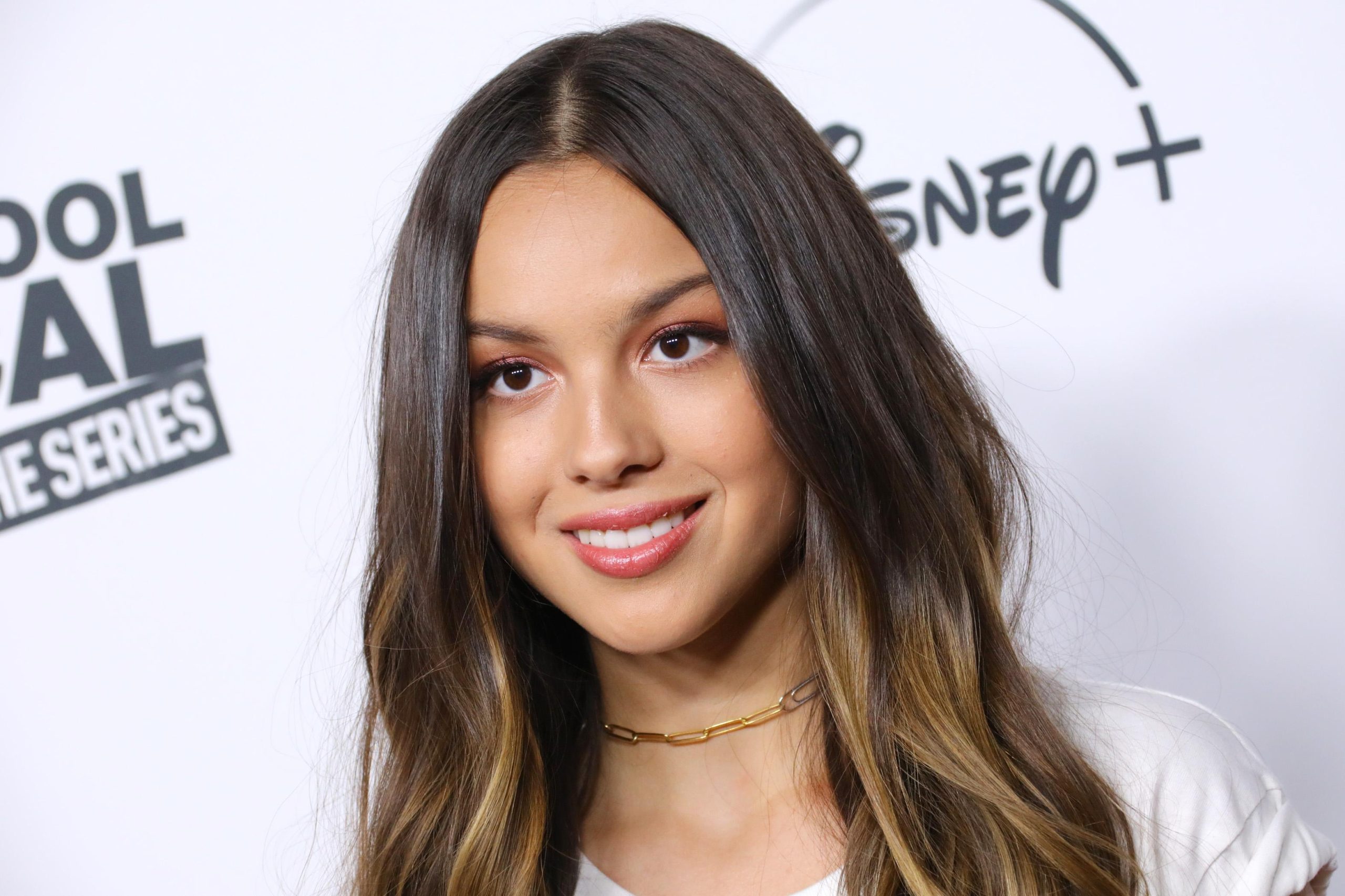
Olivia Rodrigo achieves her third No. 1 album on the Billboard 200 chart as her third studio release, “You Seem Pretty Sad for a Girl So in Love,” launches atop the list dated June 27. The set bows with 485,000 equivalent album units earned in the United States in the week ending June 18, according to Luminate — marking Rodrigo’s biggest week ever by units, and the largest week of 2026 for any album by a soloist.
A Consistent Track Record at No. 1
Rodrigo also topped the Billboard 200 with her two previous studio albums, GUTS in 2023 and SOUR in 2021, extending her perfect record of debuting every studio album at the top of the chart.
Hit Singles That Set the Stage
The new album was preceded by a pair of top-five-charted singles on the Billboard Hot 100: its lead-off track “drop dead,” which reached No. 1 in May, and “the cure,” which peaked at No. 5 in June.
A Breakdown of the Units
Of the album’s 485,000 equivalent album units earned in the latest tracking week, album sales comprised 273,000 — Rodrigo’s best sales week and the largest sales week for a woman in 2026, allowing the album to debut at No. 1 on Top Album Sales. Streaming equivalent album units comprised 211,000, equaling 218.41 million on-demand official streams of the set’s tracks, the largest streaming week of 2026 by a woman, debuting the album at No. 1 on Top Streaming Albums. Track equivalent album units comprised 1,000.
Vinyl Sales Played a Major Role
The album’s first-week sales were bolstered by its availability across more than 15 physical variants, including two signed editions. Of the album’s opening-week sales, vinyl purchases comprised 164,000 — Rodrigo’s biggest week on vinyl and the largest week of 2026 by a woman.
How the Billboard 200 Is Calculated
The Billboard 200 chart ranks the most popular albums of the week in the U.S. based on multi-metric consumption as measured in equivalent album units, compiled by Luminate. Units comprise album sales, track equivalent albums and streaming equivalent albums. Each unit equals one album sale, or 10 individual tracks sold from an album, or 2,500 ad-supported or 1,000 paid or subscription on-demand official audio and video streams generated by songs from an album. The new June 27, 2026-dated chart will be posted in full on Billboard’s website on June 23.
A Tour to Follow the Release
Rodrigo will embark on The Unraveled Tour beginning on September 25 in Hartford, Connecticut, and continuing through at least May 10, 2027, in London, giving fans an extended opportunity to see the new material performed live across North America and Europe.
The Only New Entry in the Top 10
Rodrigo’s new album is the only debut in the top 10 of the latest Billboard 200, reflecting the strength of her launch relative to a chart otherwise populated entirely by previously established releases.
Drake’s ICEMAN Drops After a Four-Week Reign
Drake’s ICEMAN cedes the No. 1 slot after spending its first four weeks atop the Billboard 200, as the set dips from No. 1 to No. 2 in its fifth week on the list, earning 105,000 equivalent album units, down 21% from the prior week.
The Rest of the Top 10
Four former No. 1s follow ICEMAN on the chart. Ella Langley’s “Dandelion” falls from No. 2 to No. 3 with 84,000 units, down 4%. Morgan Wallen’s “I’m the Problem” slips from No. 3 to No. 4 with 78,000 units, down 2%. Noah Kahan’s “The Great Divide” moves up from No. 4 to No. 5 with 71,000 units, up 5%. Michael Jackson’s “Thriller” holds steady at No. 6 with 53,000 units, down 4%.
Rounding out the top 10, Jackson’s “Number Ones” rises a spot to No. 7 with 49,000 equivalent album units, down 4%. Wallen’s former chart leader “One Thing at a Time” climbs from No. 9 to No. 8 with 39,000 units, down 4%. Olivia Dean’s “The Art of Loving” moves up a spot to No. 9 with 35,000 units, down 1%. And BTS’ chart-topping “ARIRANG” ascends from No. 11 to No. 10 with 34,000 units, down less than 1%.
How the Chart Data Is Verified
Luminate, the independent data provider to the Billboard charts, completes a thorough review of all data submissions used in compiling the weekly chart rankings. Luminate reviews and authenticates data. In partnership with Billboard, data deemed suspicious or unverifiable is removed, using established criteria, before final chart calculations are made and published.
A Strong Showing Internationally as Well
Beyond the U.S. chart performance, Rodrigo’s new album has also delivered a career milestone overseas, achieving a career-best opening week as the set claimed the top spot on the U.K. albums chart. The album’s first-day streaming performance similarly broke records, underscoring the global scale of the demand surrounding the release in the days immediately following its launch.
With the album already setting multiple career and yearly benchmarks in its debut week, attention now turns to whether Rodrigo can sustain that momentum in subsequent chart weeks as she heads toward the September launch of The Unraveled Tour. Given the album’s dominant performance across sales, streaming, and vinyl purchases alike, “You Seem Pretty Sad for a Girl So in Love” appears positioned to remain a fixture near the top of the Billboard 200 in the weeks ahead, even as it now faces competition from previously established hits like Drake’s ICEMAN and a deep field of country and pop releases that have continued performing strongly throughout 2026.

Karooooo: Good Growth, Real Cash Flow, And A Fair Multiple
Sam Jones and Tom Zaunmayr talk about the recent Indigenous Business publication.

Yoga enthusiasts gathered in different parts of the world on Sunday to mark the International Day of Yoga. This year, the annual tribute to yoga coincided with the summer solstice, the longest day of the year.
A 12th Year of Global Observance
International Yoga Day 2026 was celebrated across the world on June 21 with the theme “Yoga for Healthy Ageing.” The annual observance highlighted the importance of yoga in promoting physical fitness, mental well-being, emotional resilience, and active ageing. Millions of people from different countries participated in yoga sessions, wellness programs, and community events to mark the occasion.
This Year’s Theme
The theme emphasizes the role of yoga in enhancing both lifespan and healthspan. It encourages people of all ages to adopt yoga as a regular practice for maintaining physical strength, flexibility, mental clarity, and emotional balance. The focus on healthy ageing comes at a time when countries worldwide are addressing challenges associated with ageing populations, lifestyle diseases, and mental health concerns.
Modi Leads Celebrations in Kolkata
Prime Minister Narendra Modi led the national observance of the 12th International Day of Yoga at Red Road in Kolkata. Modi performed yoga asanas alongside thousands of people, asserting that yoga has the power to unite the entire world.
Speaking during the nationwide celebrations, Modi noted that June 21 holds special significance because it is the longest day of the year for many parts of the world. “June 21, which marks the longest day on Earth, has now become the largest community celebration day because of yoga. Yoga brings people together. I congratulate the people of the world on this occasion,” Modi said.
Modi also emphasized that yoga should not be confined to a single annual occasion. The prime minister said people should not restrict yoga to only particular occasions, and it must be made part of people’s lives. Emphasizing the importance of healthy ageing, Modi said efforts must be made to ensure that advancing age does not reduce human potential.
The Astronomical and Spiritual Significance of the Date
The timing of International Yoga Day carries both scientific and traditional significance, tied directly to the Earth’s position relative to the sun. The summer solstice, which happens around June 21 each year, is an astronomical event that marks the longest day and shortest night of the year in the Northern Hemisphere. It happens when the Earth’s North Pole is tilted closest to the Sun, resulting in the maximum amount of daylight.
The summer solstice occurs when the Earth’s axial tilt is most inclined toward the Sun, positioning the Sun directly over the Tropic of Cancer. This results in the longest period of daylight in the Northern Hemisphere. In 2026, the summer solstice falls on June 21, with countries including India, the United States, and much of Europe experiencing the highest number of sunlight hours of the year.
Beyond the astronomical timing, the date also carries deep roots within yogic tradition itself. According to tradition, it was after the summer solstice that Adiyogi, regarded as the first yogi, began imparting yogic knowledge to his disciples, known as the Saptarishis. Because of both the symbolic and the spiritual importance of June 21, it is celebrated as International Yoga Day, standing for the harmony between humanity and all of nature, as well as representing yoga’s contribution to the improvement of physical, mental, and spiritual health.
The Origins of the Global Observance
International Yoga Day was first observed in 2015 after the United Nations adopted India’s proposal to dedicate June 21 to yoga. Prime Minister Narendra Modi proposed International Yoga Day during his address to the UN General Assembly in 2014. The resolution received support from 177 countries, making it one of the most widely supported resolutions in UN history.
A Movement That Has Grown Dramatically
Since its first observance, participation has expanded dramatically, with mass yoga sessions being organized in cities, towns, schools, community centres, and public spaces around the world. What began as a single coordinated day of practice has since evolved into one of the most widely observed annual wellness events globally, drawing participants across vastly different cultures, age groups, and levels of yoga experience.
Celebrity and Athletic Voices Join the Movement
Beyond the political and institutional observances, the day also drew participation from prominent figures in entertainment and sport. Notable personalities, including actress Shilpa Shetty and Olympic javelin medalist Neeraj Chopra, joined celebrations promoting yoga and fitness awareness, helping extend the day’s visibility beyond traditional wellness and political circles.
A Day That Continues to Resonate
International Yoga Day 2026 reaffirmed yoga’s position as a global movement for health, harmony, and well-being. With the theme “Yoga for Healthy Ageing,” this year’s celebrations highlighted yoga’s role in improving quality of life across generations. As millions participated worldwide, yoga continued to serve as a bridge connecting people, cultures, and nations while showcasing India’s rich civilizational heritage to the world.
With this year’s observance once again drawing record levels of participation across continents, the annual celebration appears poised to continue its trajectory as one of the most widely embraced global wellness initiatives tied to a single calendar date. Given the United Nations’ continued institutional backing and the consistent involvement of national leaders, celebrities, and athletes each year, International Yoga Day’s twin observance alongside the summer solstice is likely to remain a fixture of the global calendar, with organizers and participants alike continuing to draw on both the astronomical and spiritual significance of June 21 as the foundation for the day’s worldwide celebrations.

TDVG: Still A Buy But Losing Momentum
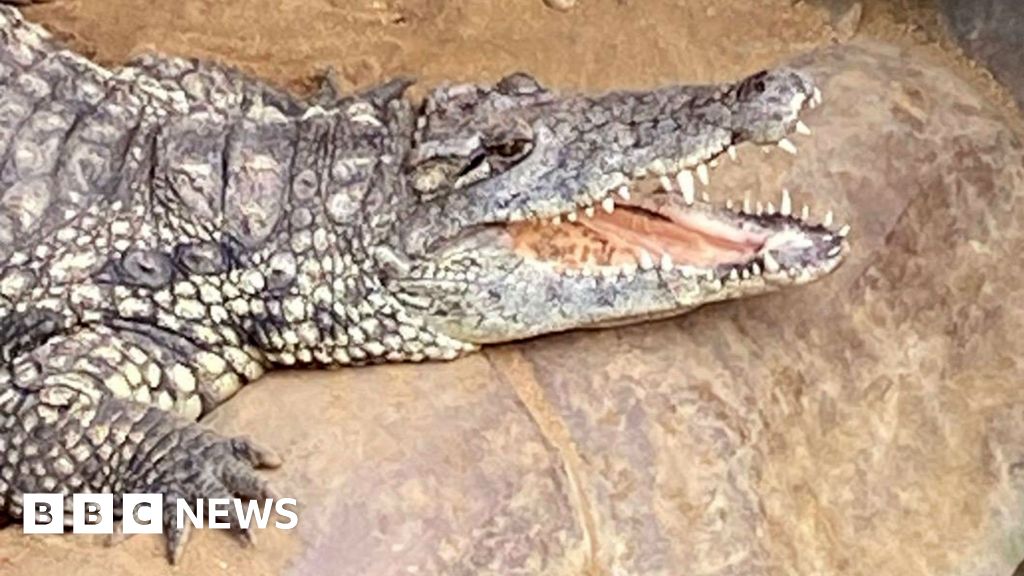
The firm’s marketing email appeared to reference an incident involving a toddler at a zoo.

British Smaller Companies VCT2 pays dividend, issues shares

The company’s shares plunged to Rs 1,418 apiece on NSE in the afternoon trading hours of Monday as buzz around stake sale by the company’s largest promoter may have dampened investor sentiment.
The government is likely to launch the OFS soon as part of its move to mop up resources through such offers in PSU companies, CNBC-TV18 reported citing people familiar with the matter. The report added that the government has so far raised more than Rs 16,000 crore via OFS in PSU companies this year.
The Economic Times could not independently verify the report.
This comes as the government recently ramped up its disinvestment efforts. Recently, the government offloaded some of its stake in Coal India, NHPC, NLC India, General Insurance Corporation of India (GIC) and other PSU companies.
Cochin Shipyard shareholding pattern
The central government owned nearly 68% stake in Cochin Shipyard as on March 31, 2026, according to data on NSE on the company’s shareholding pattern. Around 24 mutual funds owned a little over 2% stake, while Life Insurance Corporation of India (LIC) held over 3% stake.
Nearly 9.62 lakh shareholders meanwhile collectively held around 20% stake in Cochin Shipyard, data showed.
Cochin Shipyard share price
Cochin Shipyard shares have gained nearly 2% in one week, but fell over 6% in one month and 12% in 2026 so far. The stock has tumbled 34% in one year.
In the longer term, the shares of the company have delivered 391% returns over three years and 601% over five years. The company has a market capitalisation of Rs 37,699 crore.Also Read | NHPC OFS fully subscribed; govt garners about ₹4,300 crore
Cochin Shipyard earnings snapshot
Cochin Shipyard in May reported a net profit of Rs 276.50 crore for Q4 FY26, marking 3.7% decline from Rs 287 crore reported in the same quarter last year. Revenue from operations fell 15.6% year-on-year to Rs 1,484.3 crore from Rs 1,757.7 crore in the corresponding period a year ago.
Despite weaker revenue, the company delivered a strong operating performance during the quarter. EBITDA rose 16.5% to Rs 310 crore from Rs 266 crore in Q4FY25, while EBITDA margin expanded significantly to 20.9% from 15.1% a year earlier. The improvement in margins reflected tighter cost controls and improved operational efficiency, which helped support overall profitability despite the decline in topline growth.
Also Read | Cochin Shipyard Q4 net profit, revenue decline YoY
(Disclaimer: Recommendations, suggestions, views and opinions given by the experts are their own. These do not represent the views of The Economic Times)

Hidden grocery items packaged and ready for discovery are popping up through Aldi’s online platform this week, as the discount grocer brings the viral “blind box” trend to its digital shopping experience — offering customers a chance to claim a mystery box of products for free, for a limited time only.
A New Twist on a Viral Trend
The blind box trend has officially made its way to Aldi shoppers digitally, offering shoppers a chance to claim one of the mystery items for free — but only for a limited time. Aldi has unveiled blind box grocery bundles that customers can claim for free online, tapping into a broader cultural moment built around the appeal of surprise unboxing.
Bridget Kozlowski, director of communications for Aldi, explained the thinking behind the promotion in a news release. “The ALDI Blind Box taps into the excitement our fans already feel walking our aisles,” Kozlowski said. “Our shoppers come to ALDI for value, but they also come for discovery. From viral ALDI Finds to tried-and-true products shoppers love to tell their friends about, people love the thrill of discovering something new here.”
When the Boxes Become Available
A new Aldi Blind Box will be released every day from June 22 to 25. At 11 a.m. local time each day, customers can visit AldiBlindBox.com to claim that day’s free themed box while supplies last.
The giveaway is structured to reward those who act quickly once each day’s box becomes available. The boxes will be given away on a first-come, first-served basis, the company said in a news release, adding that more than 100 boxes will be given away per drop.
No In-Store Pickup Option
For customers hoping to simply walk into a local Aldi location to claim a box in person, the promotion does not currently extend to physical stores. Store managers contacted at two Aldi locations said they hadn’t been notified of any in-store participation for the blind boxes, indicating the giveaway is being run exclusively through Aldi’s online platform rather than at brick-and-mortar locations.
How to Claim a Box
In the news release, Aldi outlined the specific steps customers need to follow in order to receive a blind box: follow @aldiusa on Instagram for daily reveals of each box theme, visit AldiBlindBox.com beginning at noon on June 22 through June 25 daily, select that day’s Aldi Blind Box, enter shipping information, and receive a free Aldi Blind Box delivered directly to the customer’s door.
The Four Box Themes
The boxes are filled with fan-favorite products and “fresh picks from across every aisle,” the grocer said in a news release. Aldi has organized the four-day promotion around a distinct theme for each box: a Snack Blind Box featuring premium cheeses, dips, crunchy bites, and sweets; a Fiber Blind Box featuring produce favorites and better-for-you picks; a Protein Blind Box featuring satisfying staples and surprising finds; and a Mystery Blind Box featuring a surprise assortment of Aldi fan favorites and staples.
Social media users can visit Aldi’s Instagram page to see which theme drops next, giving customers advance notice of each day’s specific box category before it becomes available for claim.
Kozlowski tied the promotion directly to the broader popularity of unboxing content across social media platforms. “With surprise unboxings more popular than ever, this is our way of helping customers discover even more favorites,” she added.
A Broader Strategic Shift for Aldi
The blind box promotion arrives alongside a separate, more structural change underway at the company, as Aldi works to modernize the physical look and feel of its stores across the United States. Shoppers at some Aldi stores may start noticing changes, from new signage and pricing language to updated visuals, as the German discount grocery chain tests a redesigned store format in the United States.
The updates are part of a broader effort by Aldi South to give its stores a more consistent look worldwide. The company is working with Australian design and brand consultant agency Landini Associates on a new format that can be adapted for different countries, including the United States.
Aldi’s Existing Store Philosophy
On its website, Aldi describes its current stores as offering everyday essentials in “smaller, more sustainable spaces,” with product packaging designed to double as displays — a strategy intended to save time, labor, and costs. That approach has long been central to the company’s value proposition, allowing it to keep prices low relative to traditional full-service grocery chains.
A More Flexible Format Ahead
The redesign effort suggests Aldi is looking to build greater adaptability into its physical store footprint moving forward, potentially opening the door to new types of locations beyond its traditional suburban format. According to Forbes, the new store model is designed to be more flexible, allowing Aldi to test different layouts and formats. That could include smaller, corner-store-style locations, which may help the company enter tighter urban areas or smaller markets.
With the blind box promotion running daily through June 25 and a new themed box becoming available online each morning at 11 a.m. local time, customers interested in claiming a free box should plan to act quickly once each day’s drop goes live, given the first-come, first-served structure and the more than 100-box limit per release. Separately, as Aldi continues testing its redesigned store format in select U.S. locations, shoppers in various markets may begin noticing updated signage, pricing language, and visual branding in the months ahead, as the company works toward a more globally consistent store experience while exploring potential expansion into smaller, more urban-friendly formats.

(VIDEO) Olivia Rodrigo Scores Third No. 1 Album, Posts Year’s Biggest Week for a Soloist
NSE signs MoU with Bharat Metal Exchange to boost non-ferrous metal derivatives market

Bitget Launches Stock+, Bringing Real US Stocks to Crypto-Native Investors


-

 Tech6 days ago
The Adder At The Heart Of Intel’s 8087 FPU
-

 Fashion3 days ago
Weekend Open Thread: Miami – Corporette.com
-

 Entertainment1 day ago
Renter of Home in Anne Heche Crash Denies Settlement With Son
-
 Business2 days ago
Wall Street Week Ahead: Investors see Micron earnings as pulse check of AI rally momentum
-

 Crypto World2 days ago
HIVE shares jump as $220M AI deal speeds Bitcoin mining pivot
-

 Business2 days ago
Soccer-U.S. defends Iran World Cup travel restrictions, says discussions ongoing
-

 Sports3 days ago
FIFA World Cup 2026: Canada beat 9-men Qatar 6-0 to register first ever win | FIFA World Cup 2026
-

 Crypto World2 days ago
Jake Chervinsky accuses CME of protecting derivatives monopoly
-

 Business1 day ago
MHP SE 2026 Q1 – Results – Earnings Call Presentation (OTCMKTS:MHPSY) 2026-06-20
-

 Business3 days ago
Brexit cost 6% of UK economy, Bank of England company data suggests
-

 Crypto World4 days ago
Anthropic’s Dario Amodei Urged AI Unity at G7, Even as US Banned His Models
-
 Crypto World2 days ago
Can Charles Hoskinson Really Rescue Cardano?
-

 Crypto World6 days ago
Robinhood opens AI-powered trading to all users, sending HOOD stock past $100
-

 Tech5 days ago
Weeks Of In-The-Field Testing And A Verdict
-

 Politics2 days ago
Andy Burnham and the meaning of Makerfield
-

 Politics4 days ago
BBC Reporter Discusses Cross Party Criticism Of Trumps Iran Deal
-

 Tech4 days ago
Adobe adds its AI assistant to Premiere, Illustrator and InDesign
-
 Crypto World4 days ago
Iren (IREN) Stock Surges on Jefferies Buy Rating: AI Infrastructure Play Gains Momentum
-

 Tech3 days ago
Instagram Now Lets You Add A Unique Caption To Each Carousel Slide
-

 News Videos3 days ago
Nightcore – MONEY ON THE DASH (Soft Rock Version) (Lyrics)
You must be logged in to post a comment Login