
Business
Short TSA Lines at Harry Reid Airport Today as Security Wait Times Stay Normal in Las Vegas


LAS VEGAS — Travelers passing through Harry Reid International Airport on Saturday, April 4, 2026, encountered relatively smooth security screening with average TSA wait times hovering around 9 minutes for standard lanes, according to real-time monitoring sites, as the busy desert hub reported normal operations despite its reputation for heavy leisure traffic.

The airport, which serves as the primary gateway to Las Vegas and handled more than 50 million passengers in recent peak years, advised passengers to arrive two hours before domestic flights and three hours before international ones. Official airport statements confirmed that security wait times remained in the normal range throughout the day, with no major delays or staffing disruptions noted.
Multiple third-party trackers, including OnAirParking and airlineairport.com, reported current standard security wait times near 9 minutes as of early afternoon, with some hourly averages dipping as low as 0 to 3 minutes during overnight and early morning hours. TSA PreCheck lanes remained available and operational, often allowing eligible passengers to clear screening even faster. Peak periods typically see waits climb toward 15-20 minutes in the late afternoon and early evening, but Saturday conditions appeared lighter than typical weekend rushes.
Harry Reid International features multiple checkpoints across its two terminals. Terminal 1 includes A/B, C and CX checkpoints, while Terminal 3 offers D/E gates and an Innovation Checkpoint on Level Zero. Several checkpoints operated with extended or 24-hour access, including the C/D Gates area. Real-time digital displays in Terminal 1 now provide live updates for passengers already inside the facility, part of a recent rollout to improve the traveler experience.
The Transportation Security Administration recommends using the free MyTSA mobile app for historical trends and crowd-sourced reports, though actual times can fluctuate based on passenger volume, flight schedules and random additional screening. Third-party sites blend official data, traveler reports and algorithms to estimate waits updated every few minutes. On this Saturday, blended estimates placed standard security around 9 to 15 minutes depending on the exact hour and terminal.
Las Vegas remains one of the busiest leisure destinations in the United States, with heavy weekend traffic from gamblers, convention attendees and tourists heading to the Strip. Despite this, airport officials and the Department of Homeland Security have described operations as normal in recent weeks, even amid occasional national discussions about staffing or broader travel disruptions. Local TSA officers have maintained consistent performance, avoiding the longer lines reported at some other major hubs during peak seasons.
For passengers without TSA PreCheck or CLEAR, experts advise building in extra time during busier windows such as early mornings from 5 a.m. to 9 a.m. or late afternoons. Those with PreCheck or expedited screening programs generally clear in under 5 minutes. The airport has invested in technology, including automated screening lanes and better signage, to streamline the process and reduce bottlenecks.
Travelers should remember the standard 3-1-1 liquids rule and prepare electronics and outer layers for quick removal. Prohibited items or random secondary screenings can add time for individuals but rarely impact overall averages significantly. Families, travelers with disabilities or those needing assistance can request accommodations through TSA Cares or airport staff.
The relatively short wait times today contrast with occasional spikes during major events like CES, Formula 1 races or holiday periods when passenger volumes surge. On quieter days or off-peak hours, lines can move exceptionally fast, sometimes under 5 minutes. Saturday’s conditions aligned with typical moderate weekend traffic rather than holiday-level crowds.
Airport and TSA officials continue to encourage enrollment in trusted traveler programs. TSA PreCheck, available through application and background checks, and CLEAR, a biometric expedited option, provide measurable time savings for frequent flyers. Las Vegas travelers often cite these programs as essential for avoiding frustration at the busy facility.
Beyond security, Harry Reid offers ample dining, shopping and entertainment options post-screening, including slots, restaurants and retail tailored to the Las Vegas experience. Passengers clearing security early can relax or enjoy the amenities without rushing.
For real-time updates, passengers can consult the official Harry Reid International Airport website, which posts general status messages, or third-party aggregators. The MyTSA app remains a valuable tool for planning, combining historical data with user-reported conditions. Airport social media channels occasionally share advisories during busier periods.
As Las Vegas continues to draw millions of visitors annually, efficient security processing plays a critical role in maintaining the city’s appeal as an accessible destination. Harry Reid International has expanded infrastructure in recent years, including terminal enhancements and additional checkpoint capacity, to handle growing demand while aiming to keep wait times manageable.
Travelers departing today or in the coming days should monitor conditions closer to their flight time, as even normal operations can shift with unexpected surges or weather-related delays affecting flight schedules. Arriving with the recommended buffer provides peace of mind and reduces stress, particularly for first-time visitors or those with tight connections.
In summary, TSA security lines at Harry Reid International Airport moved efficiently on April 4, 2026, with average waits around 9 minutes for standard screening. The airport described conditions as normal and urged standard arrival recommendations. Passengers using expedited programs enjoyed even shorter experiences, while all travelers benefited from multiple open checkpoints and improved information displays.
Whether heading to a show on the Strip, a convention or simply connecting through the desert hub, today’s smooth security flow offered a positive start for many journeys. As always, checking multiple sources for the latest estimates before leaving for the airport remains the best practice for a stress-free departure from one of the nation’s busiest leisure airports.


Starbucks CEO tells Fox Business that the coffee chain is ‘ahead of schedule’ in its major turnaround effort,
Cambio Roasters has put together a “dream team” with experience working in the C-suites of some of the biggest names in the food and beverage industries with the goal of helping to revolutionize the world of single-serve coffee. The team at Cambio Roasters is looking to help Americans have a better-tasting and more sustainable cup of coffee without drastically changing their routines or shrinking their wallets.
In February 2024, Keurig Dr. Pepper announced in its Q4 2023 report that approximately 40 million American households had a Keurig brewing system, meaning that millions of plastic K-Cups, also known as coffee pods, were thrown in landfills. Cambio Roasters is looking to put an end to the mass waste by introducing an aluminum alternative.
“The coffee doesn’t actually like the plastic because plastic lets in too much oxygen to keep the coffee’s magic,” Cambio Roasters CEO and co-Founder Kevin Hartley explained to Fox Business. Plastic is porous and allows oxygen in, damaging the coffee’s flavor, whereas aluminum keeps the coffee air-tight and fresh, according to Hartley.
KEURIG RECALLS MORE THAN 80K MCCAFÉ DECAF K-CUP PODS OVER CAFFEINE MIX-UP

Cambio Roasters makes aluminum coffee pods. (Courtesy of Cambio Roasters)
Hartley was previously a C-suite executive at Keurig Green Mountain before its merger with Dr Pepper, where he helped drive the company’s growth. He co-founded Cambio Roasters with Ann Hutson, who has a background in strategic marketing and program management. The company’s leadership team also includes COO Mike Cunningham and CMO Dave Sachs, both former Keurig Green Mountain executives.
Hartley, Cunningham and Sachs all underscored the pride they have in the work they did for Keurig, with Sachs saying that they all remain “big fans” of the machine. However, they also noted an increase in consumers’ concerns about the amount of single-use plastic that gets thrown out daily as well as the consumption of microplastics.
Consumers have become increasingly concerned about the presence of microplastics in food and beverages, especially when the items are exposed to heat while in plastic containers. However, the long-term health risks are still not fully understood.
Mohamed Abdallah, a professor of environmental chemistry at the University of Birmingham in the U.K. who studied the issue, told Time that he found “significant levels of microplastics” when inspecting coffee made from pods. He confirmed the source of the microplastics by tracing them back to the plastics used to make the pod, according to Time.
“I just can’t see how plastic is going to be sustainable. I mean, it’s just people are becoming much more aware and concerned about the environment, concerned about what’s going into their body, and they’re looking for options,” Hutson told Fox Business.
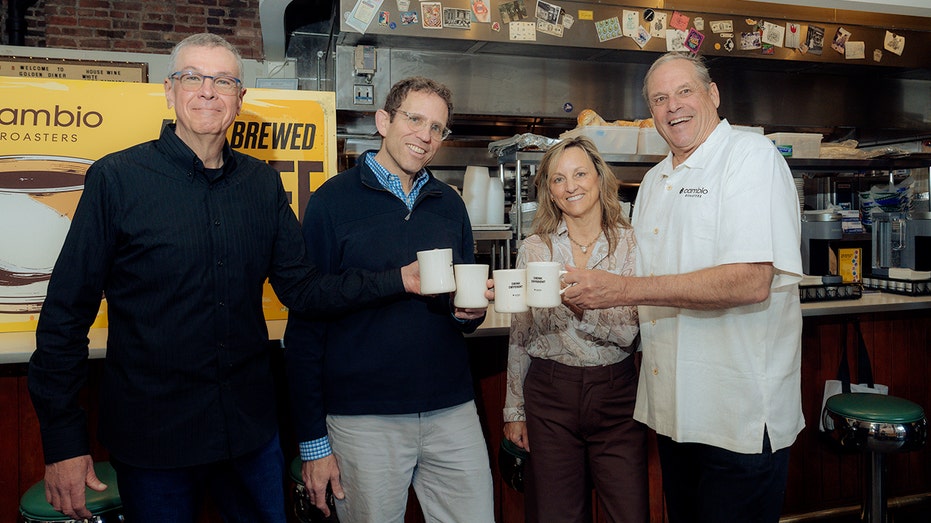
Left to Right: Cambio Roasters COO Mike Cunningham, CMO Dave Sachs, Co-Founder Ann Hutson and CEO and Co-Founder Kevin Hartley. (Courtesy of Cambio Roasters)
WHO STARTED KEURIG’S K-CUP COFFEE POD?
While consumers are worried about microplastics, there are still aspects of single-serve coffee pods that keep them coming back, which is what Cambio Roasters aims to keep.
“What they love about it is it’s perfect every time, it’s simple, it’s fast, there’s no mess, no cleanup, one cup at a time. We thought there’s got to be a better way to deliver those benefits to the consumer. And we believe we found one that offers both a fresher cup of coffee and less waste,” Sachs said.
Cunningham explained that while the plastic used in coffee pods is recyclable in theory, there are multiple issues that prevent them from being turned into new pods or other items. First, the size of the pods makes it so they often go into the trash. Second, it’s cheaper to buy virgin plastic than recycled plastic, making it less likely that a single-use coffee pod gets turned into something else.
“You take aluminum and all those dynamics flip,” Cunningham explained. He said that because the diameter of an aluminum pod expands when it is squeezed, it makes it less likely that the pods get lost in the process. Additionally, aluminum is more valuable to recyclers, making it more likely that they will work harder to get the pods recycled.

Cambio Roasters is looking to give Americans a better-tasting and more sustainable cup of coffee. (luza studios/iStock/Getty Images / Getty Images)
GET FOX BUSINESS ON THE GO BY CLICKING HERE
The philosophy of reducing waste goes beyond the elimination of plastic from the pods. Cambio Roasters’ leadership also recognizes that traditional drip coffee causes waste.
“The factual truth is from a traditional drip coffee maker, the largest single consumer of coffee is the kitchen sink,” Cunningham said. “It’s not just the coffee, it’s all the water that went into growing the coffee and whatnot, so right off the bat, like we believe that the single serve coffee market has inherent value because you’re not wasting.”
Hartley also highlighted the company’s pledge to support struggling coffee-farming families, committing 20% of its profits to the effort. He said the initiative reflects a broader shift among consumers seeking products that align with both their preferences and their values. Cambio Roasters is betting that shift will reshape how Americans brew their morning coffee.
Business
Top 10 Best Weapons in Australia’s Arsenal 2026 Led by F-35A Stealth Fighters and HIMARS Long-Range Rockets

CANBERRA, Australia — Australia’s military modernization drive has equipped the Australian Defence Force (ADF) with some of the most advanced conventional weapons systems in the Indo-Pacific region as of 2026, emphasizing long-range strike, fifth-generation air power and sovereign munitions production to deter potential threats.
With a 2026 Global Firepower ranking around 17th worldwide, the ADF relies on high-technology platforms rather than mass numbers. Key investments under the Guided Weapons and Explosive Ordnance (GWEO) enterprise, AUKUS partnership and integrated investment program have delivered capable systems across air, land and sea domains.
Here are the 10 best weapons in Australia’s arsenal in 2026, ranked by strategic impact, technological sophistication and operational effectiveness based on current ADF capabilities and recent deliveries:

- Lockheed Martin F-35A Lightning II Stealth Fighter — The Royal Australian Air Force operates a full fleet of 72 F-35As, including the latest Technology Refresh 3 upgrades. These fifth-generation stealth aircraft provide unmatched air superiority, sensor fusion and networked warfare capabilities. Armed with advanced air-to-air and air-to-ground munitions, the F-35A forms the backbone of Australia’s air combat power and integrates seamlessly with allied forces.
- High Mobility Artillery Rocket System (HIMARS) with GMLRS and PrSM — The Australian Army has taken delivery of multiple HIMARS launchers, now paired with domestically produced Guided Multiple Launch Rocket System (GMLRS) missiles manufactured in Australia since early 2026. With a range exceeding 70 kilometers for GMLRS and up to 500+ kilometers for the Precision Strike Missile (PrSM), these systems deliver precision long-range fires. Australia aims for high-rate production of up to 4,000 GMLRS annually by 2029, marking a major step toward sovereign guided weapons capability.
- Boeing EA-18G Growler Electronic Attack Aircraft — Australia’s fleet of Growlers provides world-class electronic warfare support, jamming enemy radars and communications while protecting strike packages. The aircraft’s advanced ALQ-99 and Next Generation Jammer systems make it a force multiplier in contested environments.
- Boeing F/A-18F Super Hornet — Complementing the F-35A, the Super Hornets deliver multirole strike capability with a proven track record. Recent integration of the Long-Range Anti-Ship Missile (LRASM) has significantly enhanced their anti-surface warfare role.
- M1A2 SEPv3 Abrams Main Battle Tank — The Army is fielding upgraded Abrams tanks with enhanced armor, sensors and firepower. These heavy armor assets provide mobile protected firepower for high-intensity land operations, supported by new combat engineering variants.
- AS21 Redback Infantry Fighting Vehicle — Produced locally by Hanwha Defense, the Redback offers superior protection, mobility and firepower compared to older platforms. Equipped with a 30mm cannon and advanced optics, it serves as a key component of the Army’s future armored formations.
- Northrop Grumman MQ-4C Triton Unmanned Aerial Vehicle — The first Tritons enhance maritime surveillance and intelligence gathering over vast ocean areas. Operating at high altitudes for extended periods, these drones provide persistent wide-area monitoring critical for Australia’s maritime strategy.
- Tomahawk Land Attack Missile — Integrated aboard Hobart-class destroyers and potentially other platforms, Tomahawk gives the Royal Australian Navy long-range precision strike capability reaching 2,500 kilometers. Over 200 have been ordered, bolstering naval surface strike options.
- NASAMS Air Defence System with AMRAAM-ER — The National Advanced Surface-to-Air Missile System, enhanced with Australian CEA radars and AMRAAM-Extended Range missiles, provides layered medium-range air and missile defence. It ranks among the most advanced NASAMS configurations globally.
- Collins-class Submarines (with future nuclear transition under AUKUS) — While conventionally powered, the upgraded Collins fleet remains a potent anti-submarine and strike asset. Preparations for the AUKUS nuclear-powered submarine program underscore Australia’s long-term undersea warfare ambitions.
These systems reflect Australia’s strategic shift toward “impactful projection” and deterrence through long-range strike and integrated air-sea-land operations. The GWEO plan has accelerated sovereign missile production, reducing reliance on foreign supply chains. Local manufacturing of GMLRS at the new facility represents the first such capability outside the United States.
The Royal Australian Navy benefits from Hobart-class guided missile destroyers armed with Standard Missile-6 and Naval Strike Missiles, while Hunter-class frigates under construction will add further anti-submarine and surface warfare punch. Uncrewed systems, including the Ghost Bat loyal wingman drone and Ghost Shark autonomous underwater vehicle, are advancing rapidly in testing phases.
Small arms and infantry weapons remain modern but receive less public attention. The Enhanced F88 Austeyr bullpup rifle continues as the standard individual weapon, with ongoing evaluations for a future replacement under Land 159. Sniper systems include Accuracy International AX-SR rifles, while new sidearms like the SIG Sauer P320 are rolling out.
Experts note that Australia’s strength lies in quality, interoperability with allies (particularly the U.S. and U.K. through AUKUS and Quad) and rapid adoption of advanced technologies rather than sheer quantity. Challenges include a relatively small active force of around 59,000 personnel and the need to sustain high-tech platforms amid rising regional tensions.
Defense spending continues to grow, with significant allocations for munitions stockpiles, autonomous systems and cyber capabilities. The 2026 National Defence Strategy is expected to further refine force posture, emphasizing northern approaches and maritime denial.
For a nation with vast maritime approaches and limited population, these top weapons provide credible deterrence and the ability to contribute meaningfully to coalition operations. Ongoing investments in directed energy weapons, hypersonic research and AI-enabled systems suggest even more capable platforms on the horizon.
Australia’s defense industry has grown alongside these acquisitions, with local firms contributing to maintenance, upgrades and sovereign production. This approach enhances resilience and creates high-skilled jobs while supporting export potential.
As geopolitical dynamics evolve in the Indo-Pacific, Australia’s carefully selected arsenal of advanced weapons underscores its commitment to a rules-based order and strong alliances. The combination of stealth air power, precision rockets and integrated defence systems positions the ADF as a sophisticated, technologically advanced force capable of protecting national interests well into the future.


Israeli intelligence helped US airman rescue mission in Iran, official says


Turkish policymakers defend steps; investors see rate hike possible


Leo Nelissen is a macro-focused equity strategist and long-term investor with more than a decade of experience on Seeking Alpha, where he has built a following of over 50,000 readers. His work combines big-picture macro analysis, geopolitical insight, and bottom-up research to identify high-quality businesses and long-term investment opportunities. He is the founder of Main Street Alpha, an upcoming investment group focused on macro strategy, real portfolios, dividend investing, and disciplined capital allocation for long-term investors.
Analyst’s Disclosure: I/we have a beneficial long position in the shares of CP, UNP, ODFL, QXO either through stock ownership, options, or other derivatives. I wrote this article myself, and it expresses my own opinions. I am not receiving compensation for it (other than from Seeking Alpha). I have no business relationship with any company whose stock is mentioned in this article.
Seeking Alpha’s Disclosure: Past performance is no guarantee of future results. No recommendation or advice is being given as to whether any investment is suitable for a particular investor. Any views or opinions expressed above may not reflect those of Seeking Alpha as a whole. Seeking Alpha is not a licensed securities dealer, broker or US investment adviser or investment bank. Our analysts are third party authors that include both professional investors and individual investors who may not be licensed or certified by any institute or regulatory body.

InvestingPro’s Fair Value flagged Serve Robotics 36% drop

SunOpta delivers 64% return after InvestingPro Fair Value call

Kaltbaum Capital Management President Gary Kaltbaum discusses pressure on chipmaker and AI stocks, the economic impact from high oil and gas prices as well as monetary policy under Fed Chair Jerome Powell on Varney & Co.
The leader of a trade group that represents most major automakers called on the federal government to eliminate its gasoline tax and replace it with a vehicle fee to finance road infrastructure needs.
Alliance for Automotive Innovation CEO John Bozzella, whose group represents automakers such as General Motors, Toyota, Volkswagen, Hyundai and other leading car manufacturers, put forward a proposal that urged the federal government to address the growing shortfall in the Highway Trust Fund with a vehicle fee.
The proposal would function like a vehicle registration fee that’s assessed on all vehicles based on their weight, and was first reported by Reuters. It comes as the federal government’s current surface transportation law is set to expire on September 30, which could prompt debate over policy changes.
“This policy would guarantee every vehicle on the road contributes something to maintaining America’s transportation network,” Bozzella said. “Those driving older, less fuel-efficient vehicles or who travel long distances bear the financial burden. That’s not fair.”
AMERICANS DITCH EVS FOR BIGGER VEHICLES AS AUTO TRENDS REVERSE

An auto industry trade group is calling for a new vehicle registration tax to replace the gas tax. (Al Drago/Bloomberg via Getty Images)
The Highway Trust Fund, which finances the federal government’s surface transportation programs involving highways and mass transit, is projected to reach insolvency in 2028, at which time it would face a 46% spending cut, according to the nonpartisan Committee for a Responsible Federal Budget.
Revenue from the 18.4-cents per gallon gasoline tax has declined 60% in real terms, as the federal gas tax hasn’t been increased since 1993 and wasn’t indexed to inflation.
THE $10,000 CAR LOAN TAX DEDUCTION: HERE’S WHO QUALIFIES AND HOW TO CLAIM IT

The federal gas tax hasn’t been raised since 1993 and has eroded due to inflation. (M. Scott Brauer/Bloomberg via Getty Images / Getty Images)
The shortfall has caused Congress and successive administrations to shift more than $275 billion from the federal government’s general fund to help pay for road repairs since 2008, as spending has consistently outstripped revenue.
Gas tax revenue has also declined amid the emergence of electric vehicles (EVs) and more fuel-efficient hybrids that reduce the frequency of fill-ups by drivers.
CAR DEALERS WARNED BY FTC ABOUT DECEPTIVE PRICING PRACTICES, HIDDEN FEES

The Highway Trust Fund helps finance federal spending on surface transportation programs. (Stephen Goin / Fox News)
A proposal by House Republicans last year would have imposed a new $250 annual fee on EVs and $100 for hybrid EVs, though it wasn’t included in the One Big Beautiful Bill Act.
Last year, an EV advocacy group known as the Electrification Coalition argued that the proposed $250 fee on EVs was unfair because an average gas-powered vehicle pays just $88 a year in federal gas taxes.
GET FOX BUSINESS ON THE GO BY CLICKING HERE
Reuters contributed to this report.
Business
Occasional Binge Drinking Once a Month May Triple Risk of Advanced Liver Scarring, Study Finds
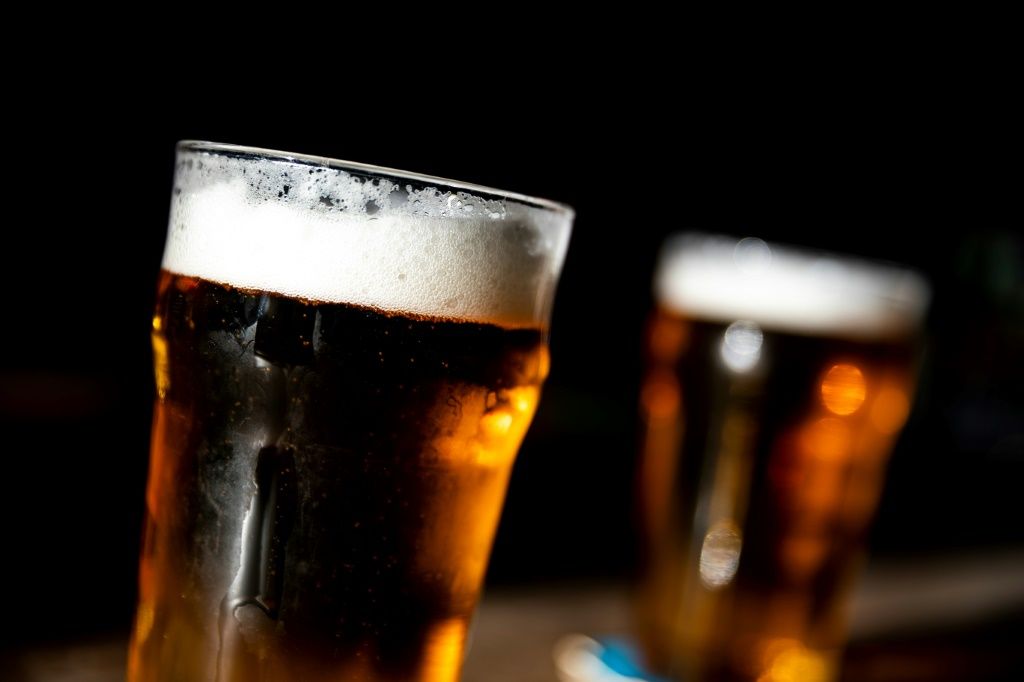
Many adults who consider themselves moderate drinkers may be unknowingly harming their livers by bingeing just once a month, according to new research from the University of Southern California’s Keck School of Medicine that challenges long-held assumptions about “safe” occasional heavy drinking.
The study, published April 2, 2026, in the journal Clinical Gastroenterology and Hepatology, found that people with metabolic dysfunction–associated steatotic liver disease (MASLD) who consume four or more drinks in a single day for women or five or more for men at least once a month face nearly three times the odds of developing advanced liver fibrosis compared with those who spread out the same total weekly alcohol intake more evenly.
MASLD, formerly known as nonalcoholic fatty liver disease, affects about one in three U.S. adults and is closely linked to obesity, type 2 diabetes and metabolic syndrome. The condition causes fat to build up in the liver, making the organ more vulnerable to inflammation and scarring when exposed to alcohol spikes.
Researchers analyzed data from more than 8,000 U.S. adults participating in the National Health and Nutrition Examination Survey (NHANES) between 2017 and 2023. Among nearly 4,000 participants with MASLD who had liver stiffness measurements via vibration-controlled transient elastography, 15.9% reported episodic heavy drinking — defined as the binge threshold at least once a month.
After adjusting for age, sex and average weekly alcohol consumption, those with episodic heavy drinking had 69% higher odds of significant liver fibrosis and nearly three times higher odds (adjusted odds ratio 2.76) of advanced fibrosis. The weighted prevalence of significant fibrosis was 23.6% among episodic heavy drinkers with MASLD versus 15.6% among those who did not binge.
Lead author Dr. Brian P. Lee, a hepatologist and liver transplant specialist at Keck Medicine of USC, said the findings deliver a clear message: “It’s not just how much you drink, but how you drink it.”
“When the liver is already fatty from metabolic issues, a sudden large influx of alcohol overwhelms its ability to process toxins, triggering intense inflammation that promotes scarring over time,” Lee explained in a university release. “Spreading the same number of drinks across the week appears far less damaging.”
The study compared individuals with identical average weekly intake but different patterns — one group with monthly binges, the other drinking more steadily. The difference in advanced fibrosis risk was striking even among people who stayed within generally accepted moderate limits of up to 14 drinks per week for men and seven for women.
More than half of all adults in the broader sample reported some form of episodic heavy drinking, underscoring how common the behavior is. For the roughly 100 million Americans with MASLD, the implications are significant, researchers said.
Liver fibrosis occurs when repeated injury causes scar tissue to replace healthy liver cells. In early stages it may produce no symptoms, but advanced fibrosis can progress to cirrhosis, liver failure or liver cancer. Once scarring reaches advanced levels, damage is often irreversible, though progression can sometimes be slowed with lifestyle changes.
Experts not involved in the study called the results concerning but consistent with emerging understanding of alcohol’s interaction with metabolic liver disease.
“This research highlights that binge patterns create acute stress the liver cannot fully recover from between episodes, especially when fat accumulation has already compromised function,” said Dr. Anna Mae Diehl, a hepatologist at Duke University who has studied MASLD for decades. “The old idea that moderate average intake is protective regardless of pattern needs updating.”
The findings add nuance to national drinking guidelines. While many health organizations define low-risk drinking by weekly totals, the USC study suggests daily peaks matter independently for people with underlying liver fat.
Public health implications could be broad. MASLD rates continue rising alongside obesity and diabetes epidemics. Many affected individuals remain undiagnosed because the disease is often silent until advanced stages. Routine screening for liver fat or fibrosis is not yet standard in primary care for all at-risk adults.
Researchers noted limitations in the observational data. Self-reported drinking can understate actual consumption, and the study could not prove causation, though the pattern held after statistical adjustments. Longitudinal studies tracking drinking habits and liver outcomes over years would strengthen the evidence.
Still, the authors argue the results should prompt clinicians to ask patients not only how much they drink weekly but whether they have heavy drinking days.
“Patients with MASLD should be counseled to avoid binge episodes entirely, even if their average intake seems moderate,” Lee recommended. “Complete abstinence from alcohol remains the safest option for those with known liver disease, but for others, spreading intake and staying well below binge thresholds appears wiser.”
The study also examined how reclassifying episodic heavy drinkers might shift diagnoses between MASLD, metabolic and alcohol-associated liver disease (MetALD), and pure alcohol-associated liver disease. Including binge patterns increased the proportion identified as having alcohol-related contributions.
As awareness grows, experts hope the research will encourage more honest conversations about drinking patterns during medical visits. Simple blood tests and noninvasive liver scans can now detect fibrosis earlier, offering opportunities for intervention before irreversible damage occurs.
For the general public, the takeaway is cautionary: an occasional “big night” that feels harmless may carry hidden costs, particularly for the millions already living with fatty liver.
Lifestyle measures that help overall metabolic health — weight management, regular exercise, blood sugar control and a balanced diet — also support liver resilience. Reducing or eliminating alcohol provides additional protection.
The USC team plans further research into mechanisms, genetic factors and whether certain populations face even higher vulnerability. In the meantime, the April 2026 publication serves as a timely reminder that when it comes to alcohol and liver health, the pattern of consumption may matter as much as the total volume.
Health organizations are reviewing the data for potential updates to patient education materials. In the interim, physicians say the study reinforces a simple principle: protecting the liver means thinking beyond weekly averages to daily realities.
Business
Christians Worldwide Celebrate Happy Resurrection Day 2026 on April 5 With Messages of Hope

NEW YORK — Christians across the globe gathered Sunday for worship, sunrise services and family celebrations to mark Resurrection Day 2026, also known as Easter Sunday, commemorating the central tenet of their faith: the resurrection of Jesus Christ from the dead.

AFP
Easter 2026 fell on April 5, the first Sunday after the first full moon following the spring equinox. This date, determined by lunar and solar cycles established at the Council of Nicaea in 325, varies each year but always lands between March 22 and April 25. For Western Christian traditions using the Gregorian calendar, April 5 marked the culmination of Holy Week, following Palm Sunday, Maundy Thursday and Good Friday.
The day carries profound theological significance. According to the New Testament accounts in the Gospels of Matthew, Mark, Luke and John, Jesus was crucified on Good Friday and rose on the third day, conquering death and offering believers the promise of eternal life. Many churches refer to the observance as Resurrection Sunday or Resurrection Day to emphasize this victory over the grave rather than secular Easter traditions.
In churches large and small, from grand cathedrals to outdoor gatherings, believers sang hymns such as “Christ the Lord Is Risen Today” and “He Lives,” listened to sermons on hope and renewal, and participated in baptisms and communion. Sunrise services, a longstanding tradition especially popular in the United States, drew crowds to beaches, parks and hilltops to witness the dawn as a symbol of new life.
In Charleston, South Carolina, multiple congregations held sunrise services as the sun rose around 7:02 a.m., with one 65th annual event streamed live for those unable to attend in person. Similar observances took place at the Garden Tomb in Jerusalem, where Christians commemorated the resurrection at a site many believe resembles the biblical tomb.
The Church of Jesus Christ of Latter-day Saints encouraged members and friends to attend special sacrament meetings and reflect on the Savior’s resurrection. The First Presidency had invited families to bring neighbors to Palm Sunday services the previous week and to watch general conference sessions that included Easter-focused messages of God’s love.
Catholic parishes celebrated with solemn processions and festal Masses of the Resurrection. In New York, the Church of the Transfiguration offered a Solemn Procession and Festal Mass at 11 a.m., with live streams available for remote participants. Easter Vigil services the previous evening welcomed new members through baptism and confirmation.
Many Protestant denominations followed the Revised Common Lectionary readings for Year A, including passages from Acts, Psalms and the Gospels that recount the empty tomb and appearances of the risen Christ. Sermons often connected the resurrection to contemporary themes of renewal amid global challenges, emphasizing resilience, forgiveness and community.
Families marked the day with traditional meals featuring ham, lamb or regional specialties, along with Easter egg hunts for children. The custom of dyeing and hiding eggs symbolizes new life emerging from the shell, while chocolate bunnies and baskets add festive elements, though many congregations focused on the religious meaning.
For Eastern Orthodox Christians, who follow the Julian calendar, Easter falls later this year on April 12. The difference highlights the diversity within Christianity while underscoring the shared belief in Christ’s resurrection.
In an era of digital connectivity, many services were livestreamed, allowing believers unable to attend physically — due to illness, travel or distance — to participate. Online Easter celebrations, including virtual choirs and interactive messages, extended the reach of Resurrection Day observances worldwide.
The holiday is not a public holiday in the United States, so most businesses operated on regular Sunday hours. However, many families used the long weekend, often paired with school breaks, for gatherings and travel.
Church leaders used the occasion to extend invitations to those exploring faith. Messages of inclusion emphasized that the resurrection offers hope to all, regardless of background. Some services featured testimonies of personal transformation attributed to faith in the risen Christ.
Public figures and organizations shared greetings. Pope Francis was expected to deliver his traditional Urbi et Orbi blessing from St. Peter’s Basilica in Vatican City, addressing global issues through the lens of Easter hope. In the U.S., presidents and governors have historically issued Easter proclamations recognizing the day’s importance to millions of citizens.
The commercial side of Easter remained visible, with retailers promoting candy, clothing and home decor. Yet many families and clergy sought to balance secular fun with spiritual reflection, encouraging focus on the resurrection’s message of redemption and new beginnings.
Resurrection Day also prompts charitable acts. Some churches organized food drives, community meals or outreach to the homeless, reflecting Jesus’ teachings on love and service.
As climate and world events shape gatherings, some outdoor services adapted to weather forecasts. In many regions, mild spring conditions allowed comfortable worship under open skies.
The date’s calculation ties Easter to Passover, as the crucifixion occurred during the Jewish festival. This connection reminds Christians of the shared roots with Judaism and the historical context of Jesus’ final week.
Scholars note that early Christians gradually shifted emphasis from the Jewish calendar to a standardized method to unify observance across the growing faith. The movable date ensures alignment with both astronomical phenomena and seasonal renewal symbolism.
For millions, Resurrection Day 2026 served as a reminder of core Christian beliefs: that death does not have the final word, and that faith brings hope even in difficult times. Sermons frequently addressed personal struggles, societal divisions and international conflicts, pointing to the resurrection as a source of ultimate peace.
Children’s programs taught the Easter story through songs, crafts and age-appropriate lessons. Many Sunday schools incorporated eggs and butterflies as visual aids for transformation.
In diverse communities, interfaith neighbors sometimes joined friends for meals or attended open services, fostering understanding. Ecumenical events brought Catholics, Protestants and Orthodox together in shared celebration where possible.
As the sun set on April 5, 2026, the joy of Resurrection Day lingered. Families returned home with renewed spirits, while churches planned follow-up activities during the Easter season, which continues for 50 days until Pentecost.
Whether expressed as “Happy Easter” or “Happy Resurrection Day,” the greeting carried the same underlying hope: He is risen, indeed.
For those who missed services or wish to revisit messages, many churches posted recordings online. The day’s observances, both sacred and festive, reinforced Christianity’s foundational claim and its enduring call to live with faith, love and expectation of renewal.
Fuel gets marginally cheaper after govt cuts excise | Finance Report | ABC NEWS

Israel’s campaign against Hezbollah is raising sectarian tensions in Lebanon

Cambio Roasters looks to cut waste without spiking costs


-

 NewsBeat3 days ago
Steven Gerrard disagrees with Gary Neville over ‘shock’ Chelsea and Arsenal claim | Football
-

 Business2 days ago
No Jackpot Winner and $194 Million Prize Rolls Over
-

 Fashion2 days ago
Weekend Open Thread: Spanx – Corporette.com
-
Entertainment6 days ago
Fans slam 'heartbreaking' Barbie Dream Fest convention debacle with 'cardboard cutout' experience
-

 Crypto World4 days ago
Gold Price Prediction: Worst Month in 17 Years fo Save Haven Rock
-

 Tech6 days ago
The Pixel 10a doesn’t have a camera bump, and it’s great
-
Crypto World5 days ago
Dems press CFTC, ethics board on prediction-market insider trades
-

 Tech6 days ago
Avatar Legends: The Fighting Game comes out in July and it looks pretty slick
-

 Business3 days ago
Login and Checkout Issues Spark Merchant Frustration
-

 Sports15 hours ago
India men’s 4x400m and mixed 4x100m relay teams register big progress | Other Sports News
-

 Tech6 days ago
Apple will hide your email address from apps and websites, but not cops
-

 Sports5 days ago
Tallest college basketball player ever, standing at 7-foot-9, entering transfer portal
-

 Tech5 days ago
EE TV is using AI to help you find something to watch
-

 Politics6 days ago
Should Trump Be Scared Strait?
-

 Tech5 days ago
Flipsnack and the shift toward motion-first business content with living visuals
-

 Fashion6 days ago
The Best Spring Trends of 2026
-

 Tech5 days ago
How to back up your iPhone & iPad to your Mac before something goes wrong
-
 Crypto World7 days ago
Bitcoin’s Six-Month Losing Streak: What On-Chain Data Says About the Market’s Next Move
-

 Politics6 days ago
BBC slammed for ignoring author of The Fraud
-
Tech5 days ago
Daily Deal: StackSkills Premium Annual Pass
You must be logged in to post a comment Login