

Business
Silver jumps Rs 17,000/kg, gold soars to Rs 1.62 lakh/10g after centre hikes import duty. What should investors do?


In the domestic market, MCX silver futures for July 2026 delivery jumped Rs 16,743 or 6% to Rs 2,95,805 per kg. Gold futures for June 2026 delivery rallied Rs 9,206 or 6% Rs 1,62,648 per 10 grams. In the previous session, silver ended higher, while gold dropped marginally lower.
Following the revision, the total customs duty on gold and silver has been raised to 15% from 6% earlier. The government has imposed a 10% basic customs duty and a 5% Agriculture Infrastructure and Development Cess (AIDC) on gold and silver imports, taking the effective import tax to 15% from 6%.
In the international market, spot gold fell 0.4% to $4,695.99 per ounce, while U.S. gold futures for June delivery rose 0.4% to $4,705.30. Among other precious metals, spot silver rose 0.2% to $86.71 per ounce after touching its highest level since March 11 earlier in the session. Platinum declined 0.8% to $2,109.53, while palladium slipped 0.2% to $1,487.47.
Recent data showed U.S. consumer inflation accelerated further in April, with the annual inflation rate recording its sharpest increase in nearly three years. The figures have further reduced market expectations of a Fed rate cut this year, thus weighing on sentiment globally.

How should you trade gold?
Manoj Kumar Jain of Prithvi Finmart said both precious metals were witnessing extremely high volatility, although silver prices could hold support near $76.00 per troy ounce, while gold was likely to sustain support around $4,555.00 per troy ounce on a weekly closing basis.
According to Jain, gold has support at $4,640-$4,610 and resistance at $4,740-$4,770 per troy ounce. Silver has support at $82.40-$80.00, while resistance is seen at $88.80-$92.00 per troy ounce in the current session. On MCX, gold has support at Rs 1,52,800-1,52,100 and resistance at Rs 1,54,000-1,54,850, while silver has support at Rs 2,74,400-2,70,700 and resistance at Rs 2,83,000-2,88,000.
He advised traders holding long positions in both precious metals based on these recommendations to book profits near the target levels.
Gold rates in physical markets
Gold Price today in Delhi
Standard gold (22 carat) prices in Delhi stand at Rs 1,13,048/8 grams while pure gold (24 carat) prices stand at Rs 1,23,312/8 grams.
Gold Price today in Mumbai
Standard gold (22 carat) prices in Mumbai stand at Rs 1,12,928/8 grams while pure gold (24 carat) prices stand at Rs 1,23,192/8 grams.
Gold Price today in Chennai
Standard gold (22 carat) prices in Chennai stand at Rs 1,14,704/8 grams while pure gold (24carat) prices stand at Rs 1,25,072/8 grams.
Gold Price today in Hyderabad
Standard gold (22 carat) prices in Hyderabad stand at Rs 1,12,928/8 grams while pure gold (24 carat) prices stand at Rs 1,23,192/8 grams.
(Disclaimer: Recommendations, suggestions, views and opinions given by the experts are their own. These do not represent the views of The Economic Times)

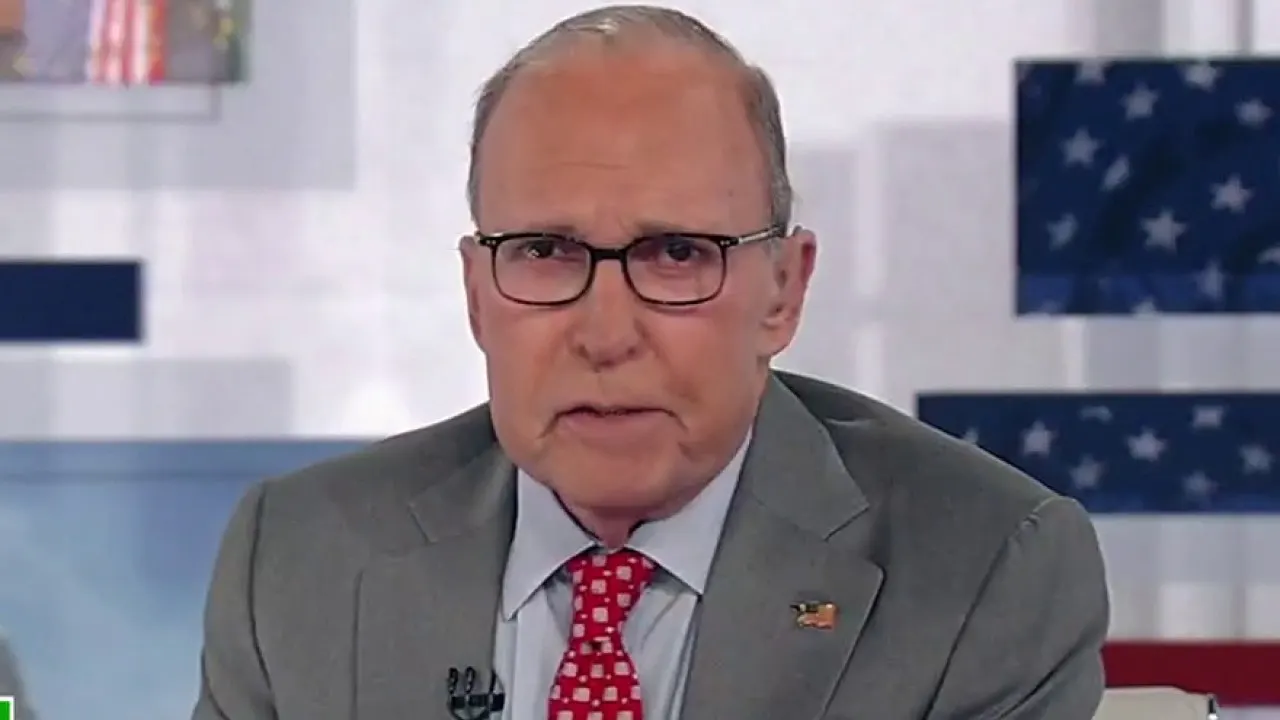
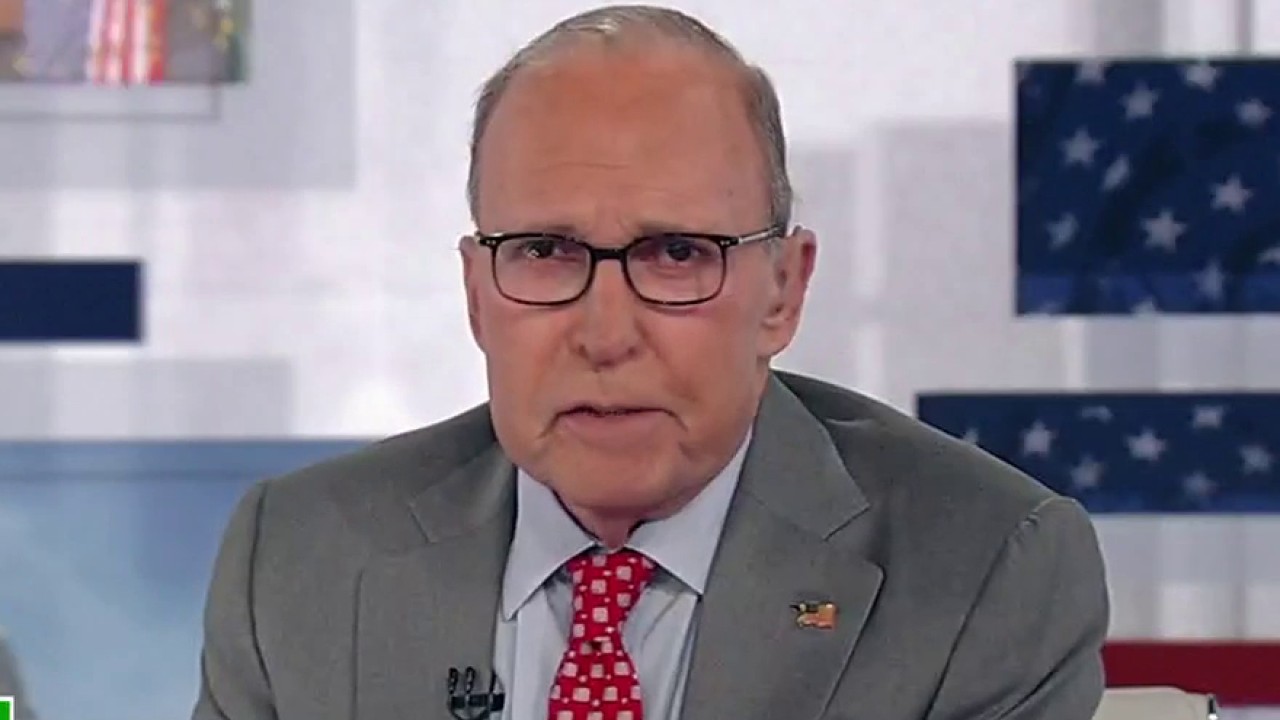
FOX Business host Larry Kudlow discusses the Trump administration’s handling of the war in Iran and analyzes economic performance on ‘Kudlow.’
So lo and behold, Project Freedom to reopen the Strait of Hormuz has been operating surreptitiously after all this past month. According to President Trump’s disclosure today, our military has secretly helped more than 200 commercial ships with more than 100 million barrels of oil through the Strait.
This was done by communicating and communicating to freely and safely transit the ships, not actually escorting them. Here’s the president earlier today spilling the beans: “You know I can say it now. Something you didn’t do. You know, we’ve been taking out millions of barrels of oil. Nobody knows it. You know who doesn’t know about it? Iran. Until right now.” He added that “we took out the other night 22 ships late at night with no lights, because they don’t have any radar, because we blasted the crap out of it. We took out. That’s why oil is $85 a barrel.”
No lights, no transponder, no Iranian radar. He’s right. Now, these numbers are more or less correct. And 100 million barrels of oil have come through the Strait to various destinations around the world, let’s assume in the past month or 30 days. That’s an oil supply increase of 3 million barrels per day.
Israeli special ops veteran Aaron Cohen and The Heritage Foundation’s Victoria Coates discuss how oil prices can be maintained amid the conflict with Iran on ‘Kudlow.’
Then put that in context, world supply and demand intersects at roughly 100 million barrels per day. So tacking on 3 million by secretly opening up Hormuz, adds roughly 3 percent to the global oil supply, it’s a big deal. And that has surely helped to stop oil from going to $150 a barrel or $200 a barrel. For more context, America produces 13.6 million barrels per day.
In fact, West Texas WTI peaked at $113. Today it’s at $90. That’s a drop of nearly 20 percent. Gasoline peaked at $4.56 back in May. Today it’s at $4.15 according to AAA’s national tally. So that’s a drop of almost 10 percent. Almost half of the states today have gasoline with a $3 handle. I know that’s created anxiety, and everyone wants it at least a dollar lower. Yet it still seems like a modest price to pay to liberate the Middle East and the rest of the world from the scourge of radical Islam in Iran. And surely Mr. Trump is right. This war will end soon and oil and gasoline prices will come down significantly.
Which leads me to my final point on today’s CPI which went up 4.2 percent on the topline year on year. Yet only 2.9 percent excluding food and energy. Yes, most of this jump in prices is from 104 percent annual increase in energy over the past three months. And a 250 percent jump in gasoline. Goods prices, by the way, at least excluding food and energy are basically flat. So much for the tariff inflation threat.
Sen. John Kennedy, R-La., says the primary concern for most Americans is the soaring cost of living, not foreign policy or cultural debates, on ‘Kudlow.’
Yet let’s not forget the economy is booming. Manufacturing, business capital goods, factories, construction, profits, productivity, and stocks (even with the current sell-off). Low taxes, a light regulatory touch, drill, baby, drill, and the A.I. boom are growing America’s economy at nearly 4 percent with low unemployment. It’s a supply-side revolution.
And hopefully at next week’s Fed meeting, Chairman Kevin Warsh will tell the world that growth does not cause inflation, nor does a temporary energy bump. The new chairman will hopefully bring in new models, and a new breath of fresh air a week from today.


Daniel is an avid and active professional investor.
He runs Crude Value Insights, a value-oriented newsletter aimed at analyzing the cash flows and assessing the value of companies in the oil and gas space. His primary focus is on finding businesses that are trading at a significant discount to their intrinsic value by employing a combination of Benjamin Graham’s investment philosophy and a contrarian approach to the market and the securities therein. Learn more.
Analyst’s Disclosure: I/we have no stock, option or similar derivative position in any of the companies mentioned, and no plans to initiate any such positions within the next 72 hours. I wrote this article myself, and it expresses my own opinions. I am not receiving compensation for it (other than from Seeking Alpha). I have no business relationship with any company whose stock is mentioned in this article.
Seeking Alpha’s Disclosure: Past performance is no guarantee of future results. No recommendation or advice is being given as to whether any investment is suitable for a particular investor. Any views or opinions expressed above may not reflect those of Seeking Alpha as a whole. Seeking Alpha is not a licensed securities dealer, broker or US investment adviser or investment bank. Our analysts are third party authors that include both professional investors and individual investors who may not be licensed or certified by any institute or regulatory body.


Equity Research Analyst at DM Martins Research.I cover stocks that are often undercovered, focusing primarily on Brazil and Latin America — but I also occasionally write about global large caps. My work can also be found on TipRanks, where I contribute regularly, and on TheStreet, where I was a frequent contributor in the past.- Disclaimer: All views expressed here are my own and do not necessarily reflect the views or official positions of DM Martins Research. My articles and analyses are for educational and informational purposes only and should not be taken as investment advice. Always do your own due diligence before making any investment decisions.
Analyst’s Disclosure: I/we have a beneficial long position in the shares of NU, ITUB either through stock ownership, options, or other derivatives. I wrote this article myself, and it expresses my own opinions. I am not receiving compensation for it (other than from Seeking Alpha). I have no business relationship with any company whose stock is mentioned in this article.
Seeking Alpha’s Disclosure: Past performance is no guarantee of future results. No recommendation or advice is being given as to whether any investment is suitable for a particular investor. Any views or opinions expressed above may not reflect those of Seeking Alpha as a whole. Seeking Alpha is not a licensed securities dealer, broker or US investment adviser or investment bank. Our analysts are third party authors that include both professional investors and individual investors who may not be licensed or certified by any institute or regulatory body.

Mexico stocks lower at close of trade; S&P/BMV IPC down 0.90%

BancFirst to acquire SpiritBank for $939.6M in assets
Form 13D/A Braemar Hotels & Resorts Inc. For: 10 June
Soluna Holdings officer disposes of $71,280 in preferred stock

Shares of Polibeli Group Ltd (PLBL) skyrocketed more than 32% in early Wednesday trading, climbing to $6.94 as investors responded to positive momentum in the digital supply chain and distribution company following its recent Nasdaq listing via de-SPAC merger.
The stock opened at $5.70 and quickly gained 1.72 points, or 32.82%, by 9:40 a.m. EDT on strong volume. The move comes amid broader market rotation toward growth-oriented small- and mid-cap names with exposure to global supply chain solutions and e-commerce infrastructure.
Polibeli Group provides integrated digital supply chain and distribution-sales services across Asia, Europe and other international markets. The company operates platforms including the Polibeli App for small and medium-sized retailers and the Polisales App for sales representatives, offering procurement, logistics, warehousing, brand operations and digital marketing solutions.
Recent Company Developments
The surge follows Polibeli’s listing on Nasdaq through a business combination with Chenghe Acquisition II Co. in 2025, valued at approximately $3.6 billion at the time of the de-SPAC transaction. The company, headquartered in Jakarta with operations in Japan, Indonesia, Hong Kong and beyond, has reported positive full-year revenue generation of around $26.4 million and earnings of roughly $5.97 million in recent filings, providing a fundamental base for investor interest.
Leadership transitions have also drawn attention. In May 2026, the company announced the resignation of CFO Zhitian Zhang, followed by the appointment of Meijun Liang as Chief Financial Officer. Such changes are common in newly public companies as they refine governance structures post-merger.
Market Reaction and Trading Dynamics
Early trading volume significantly exceeded recent averages, signaling heightened investor attention. The stock had faced downward pressure in prior weeks, trading near its 52-week low around $5.21 before today’s sharp rebound. Analysts note that the move may reflect bargain hunting combined with renewed optimism around the company’s global supply chain platform amid recovering e-commerce demand.
Polibeli’s business model integrates logistics, capital flow and information systems through its proprietary “Xingyun Global” platform. This end-to-end approach positions the company to benefit from ongoing digital transformation in retail and distribution sectors, particularly in emerging Asian markets.
Industry Context and Growth Drivers
The digital supply chain sector has gained traction as businesses seek greater efficiency and resilience following pandemic-era disruptions. Companies offering integrated procurement, warehousing and digital marketing solutions are well-placed to capture market share as small and medium enterprises increasingly adopt technology-driven tools.
Polibeli’s multi-country footprint provides diversification while exposing it to high-growth regions. Consumer electronics accessories, household appliances, skincare, health products and other categories form key parts of its portfolio, aligning with rising middle-class consumption trends in Asia.
Broader market enthusiasm for supply chain technology and e-commerce infrastructure stocks has supported similar names recently. While Polibeli remains a smaller player compared to established logistics giants, its specialized focus on SME retailers and digital platforms differentiates it in a competitive landscape.
Valuation and Analyst Perspectives
At current levels, the stock trades at a premium to recent lows but remains well below its post-listing highs around $14. Year-to-date performance has been volatile, reflecting typical post-de-SPAC adjustment patterns. Market capitalization stands around $2.1 billion based on recent trading.
Analysts have highlighted both opportunities and risks. Positive revenue and earnings provide a foundation, but execution on international expansion, margin improvement and integration post-merger will be critical. Short interest and options activity suggest active trader engagement around key levels.
Risks and Considerations
As with many newly public companies, Polibeli faces challenges including integration risks, competition from larger players and macroeconomic headwinds affecting consumer spending. Currency fluctuations across its operating regions and regulatory developments in key markets like Indonesia and China could impact results.
Investors should monitor upcoming financial reports for progress on strategic initiatives. Leadership stability and operational metrics will be closely watched as the company matures in its public listing phase.
Broader Market Implications
Polibeli’s sharp move contributes to positive sentiment in small-cap and growth segments, which have shown selective strength amid broader market consolidation. The performance highlights continued investor appetite for companies tied to digital transformation and supply chain modernization, themes expected to drive long-term economic shifts.
Trading in Polibeli shares remains subject to volatility typical of smaller-cap names. Market participants are advised to conduct thorough due diligence and consider overall portfolio risk when evaluating such positions.
Outlook and Next Steps
Company executives have emphasized commitment to expanding its digital platform and enhancing service offerings for business partners. Future catalysts could include new market entries, technology upgrades or strategic partnerships that strengthen its competitive position.
For investors, today’s surge serves as a reminder of the potential for rapid repricing in growth-oriented stocks when positive momentum builds. However, sustainability will depend on fundamental execution and market conditions.
As trading continues, all eyes remain on volume patterns and any follow-through buying or profit-taking. Polibeli Group’s performance adds to the narrative of dynamic small-cap activity in the current market environment, where innovation in supply chain and distribution technologies attracts significant attention.
The session underscores the evolving nature of global commerce, with digital platforms playing an increasingly central role. Polibeli’s trajectory will be closely monitored by investors seeking exposure to Asia-focused growth stories and technology-enabled logistics solutions.
The CBOE Volatility Index, widely known as Wall Street’s “fear gauge,” climbed sharply Wednesday, rising 0.73 points or 3.68% to close at 20.60 as investors grew more cautious amid persistent inflation pressures, geopolitical risks and mixed signals from the corporate earnings season.
The increase in the VIX, which measures expected swings in the S&P 500 over the next 30 days based on options pricing, signals growing unease in the market even as major indexes remained relatively resilient. A reading above 20 is generally associated with elevated anxiety, though still below levels typically seen during periods of acute crisis.
Context Behind the Rise
Wednesday’s jump comes after the latest Consumer Price Index report showed U.S. inflation accelerating to 4.2% year-over-year in May, the highest reading since 2023. Surging energy costs, driven by ongoing tensions in the Middle East, accounted for more than 60% of the monthly increase and are keeping the Federal Reserve in a holding pattern on interest rates.
Analysts noted that the combination of sticky inflation and uncertainty over the Fed’s next moves is prompting traders to purchase more protective options, directly pushing the VIX higher. Geopolitical developments, including the situation involving Iran, further contributed to risk aversion.
“The VIX rise reflects investors hedging against potential volatility from upcoming economic data and the possibility of prolonged higher rates,” said one market strategist at a major investment bank, speaking on background.
Market Reaction and Broader Indexes
While the VIX climbed, the major stock indexes showed only modest weakness. The Dow Jones Industrial Average fell around 331 points, and the Nasdaq Composite slipped 69 points, indicating that the increased fear has not yet translated into a broad sell-off. This divergence suggests investors are preparing for turbulence rather than panicking.
Small-cap stocks and certain growth names faced more pressure, while defensive sectors such as utilities and consumer staples provided some support. Treasury yields edged higher, reflecting shifting expectations around monetary policy.
Historical Perspective
The current VIX level of 20.60 remains well below the extreme peaks seen during the 2008 financial crisis or the early days of the COVID-19 pandemic, when it surpassed 80. However, it is notably above the long-term average of around 19-20 and represents the highest level in several weeks.
Such spikes often precede periods of consolidation or, in some cases, more significant corrections if underlying concerns are not resolved. Market veterans monitor the VIX closely as a contrarian indicator — extremely high readings can sometimes signal buying opportunities, while low readings may indicate complacency.
Implications for Investors
A rising VIX typically makes options more expensive, affecting everything from portfolio hedging strategies to earnings plays. For retail investors, it serves as a warning to review risk exposure, particularly in leveraged positions or high-valuation technology stocks that have led the market higher this year.
Institutional investors are increasingly turning to volatility products, including VIX futures and exchange-traded notes, to manage downside risk. The move also impacts corporate decision-making, with some companies potentially delaying share buybacks or capital raises until volatility subsides.
Earnings Season and Economic Calendar
The VIX increase coincides with a busy period for corporate earnings. While many companies have posted solid results, forward guidance has been mixed, with some executives citing higher input costs and cautious consumer behavior. This uncertainty is feeding directly into options pricing.
Upcoming data releases, including wholesale inflation figures and retail sales, will be closely watched. Any surprises could further influence volatility expectations. The Federal Reserve’s June meeting is also approaching, with markets pricing in a high probability of rates remaining unchanged.
Analyst and Strategist Views
Market participants generally view the current VIX spike as a healthy development rather than a cause for alarm. “Volatility is returning to more normal levels after an extended period of calm, which is constructive for long-term investors,” said one portfolio manager.
Others caution that sustained readings above 25 could signal deeper concerns if inflation continues to surprise to the upside or if geopolitical risks escalate. The VIX’s behavior in the coming days will be telling — a quick retreat would suggest the move was largely technical, while further increases could indicate building pressure.
Broader Market Outlook
Despite the uptick in fear, many strategists maintain a constructive stance on equities for the remainder of 2026. Artificial intelligence adoption, productivity gains and resilient corporate balance sheets are cited as supportive factors. However, the path forward is expected to include periods of heightened volatility as the economy navigates higher rates and external shocks.
International factors, including developments in Europe and Asia, also influence the VIX. Currency movements and commodity prices remain additional variables that options traders are pricing in.
What Investors Should Consider
Financial advisers recommend maintaining diversified portfolios and avoiding emotional reactions to short-term volatility spikes. Long-term investors with strong fundamentals can often view these periods as opportunities to add to positions at more attractive valuations.
For those using options strategies, the higher VIX environment creates both risks and opportunities. Protective puts become more expensive, but selling volatility through covered calls or other income strategies may offer enhanced yields.
The current reading suggests markets are pricing in a reasonable degree of uncertainty without panic. As always, individual circumstances should guide investment decisions, and professional advice is recommended when navigating volatile periods.
Looking Ahead
The VIX is likely to remain in focus as the week progresses. Additional economic data, corporate earnings and any geopolitical headlines could drive further movements. Traders will watch whether the index can stabilize around current levels or if renewed selling pressure pushes it higher.
For now, the 3.7% jump to 20.60 serves as a reminder that markets continue to digest a complex mix of positive innovation trends and challenging macroeconomic realities. Investors will remain attentive to incoming information as they assess the sustainability of the current bull market.
The rise in the VIX underscores the importance of risk management in the current environment. While not yet at alarming levels, the increase highlights how quickly sentiment can shift when inflation and global risks reassert themselves. Market participants across the board will be monitoring developments closely in the days and weeks ahead.
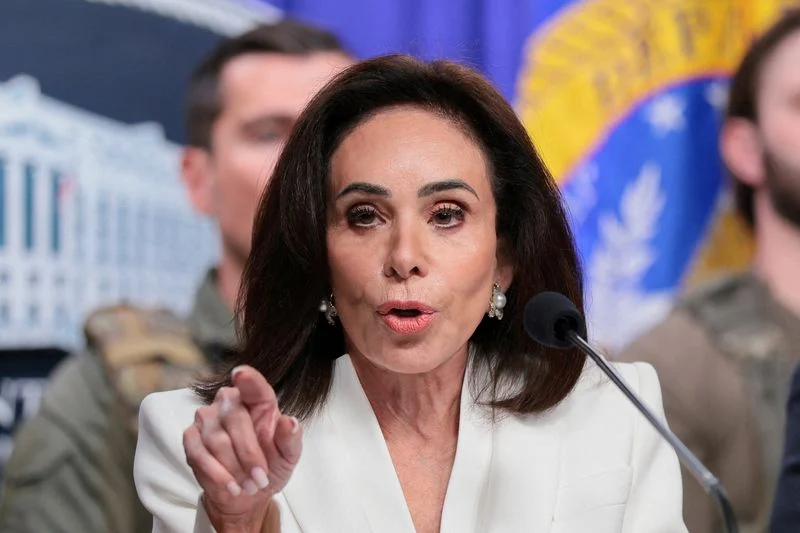

US seizes 13 website domains tied to alleged Chinese intelligence collection

Why is CRYPTO Banned in Nepal? FT @ThirdWorldNerd

Girl stabbed in Parnell Square now uses wheelchair and can’t speak | News World

LARRY KUDLOW: Trump’s secret oil stash could steady Fed interest rates



-

 Fashion5 days ago
Weekend Open Thread: Evereve – Corporette.com
-
 Crypto World5 days ago
Jensen Huang Approves Samsung, SK Hynix, and Micron for NVIDIA (NVDA) HBM4 Memory Supply
-

 Crypto World3 days ago
Anatomy of the June crypto crash: Fed, Iran, Saylor
-
 Entertainment4 days ago
The Best Mystery Series of All Time Is Surging on Streaming 30 Years After It Ended
-

 NewsBeat3 days ago
Alexander Zverev wins the French Open to finally earn a 1st Grand Slam title
-

 Tech5 days ago
Suspicious Polyfill login prompts pop up on Toshiba, Muji websites
-
 Crypto World4 days ago
Senator Cynthia Lummis Calls CLARITY Act the Most Consequential Financial Legislation of This Generation
-

 Tech6 days ago
Microsoft launches MXC, an OS-level sandbox for AI agents, with OpenAI and Nvidia already on board
-

 Tech3 days ago
Microsoft unveils seven homegrown AI models in new bid for ‘long term self-sufficiency’
-

 Business5 days ago
(VIDEO) Justin Bieber Delivers Surprise Happy Birthday Serenade to Diners at Los Angeles Mexican Restaurant
-
 Business4 days ago
The Pain Points Taking a Fragile Tech Rally Down a Notch
-
 Crypto World2 days ago
Eli Lilly (LLY) Stock Surges 4% Following Breakthrough Sleep Apnea Trial Results
-
Crypto World6 days ago
LBank Surpasses 25 Million Users Worldwide as AFA Partnership Continues to Drive Global Growth
-

 Tech5 days ago
Von der Leyen’s AI envoy pick draws conflict-of-interest fire
-

 Crypto World3 days ago
Trump’s AI Ownership Plan Could Benefit Anthropic at OpenAI’s Expense
-

 Tech5 days ago
Meta steals a tactic from Tesla and builds data centers in tents
-
 Sports1 day ago
Bangladesh beat Australia after 20 years in ODIs, register only their second win over six-time world champions | Cricket News
-

 Business3 days ago
High Stakes for Wembanyama as New York Pushes for 3-0 Lead
-

 Tech5 days ago
Hackers now exploit SolarWinds Serv-U flaw to crash servers
-

 Tech3 days ago
Notion restores access to Anthropic after service disruption
You must be logged in to post a comment Login