
Business
Singapore Airlines had live musicians performing for nearly a year


Long before seatback screens, playlists and onboard internet connection became standard, Singapore Airlines experimented with something close to a lounge show in the sky.
Back in 1976, the airline trialed live musical performances on its jumbo jets, and what began as a publicity stunt ended up as a regular part of the journey before disappearing less than a year later.
The experience of live music aboard
This story belongs to a very different era of flying. Singapore Airlines, in the mid-1970s, was still shaping its identity and looking for ways to stand out. Inflight movies and music were only just arriving with Boeing 747s, and the airline experimented with all kinds of onboard distractions. One of the boldest ideas the company tried was live entertainment: in April 1976, SIA launched a trial on the Singapore-Sydney route with a Filipino trio called Los Amigos, who performed a 45-minute set covering 13 popular songs.
For passengers, it felt unusual even by the standards of the time. Today, cabin entertainment is largely private and screen-based, with each traveler disappearing into a film, a playlist or a podcast on their own. Back then, the performance was shared by the whole cabin, creating a collective moment that modern flying rarely offers. According to MileLion, 86% of passengers enjoyed their performance, enough for the airline to move from trial mode to regular live performances the following month. The music was available to First and Economy Class passengers at no extra charge, making it a signature flourish of the company.
Still, romance and reality do not always travel well together at cruising altitude. The performers themselves found the conditions tough: singers complained that the engines were too loud, so they had to yell the lyrics, while the dry cabin air affected their voices before the flight was over. What sounded glamorous in theory quickly became problematic in practice, both for those on stage and for some of those in their seats. By February 1977, the experiment ended because of the loss of novelty and a noticeable increase in passenger complaints. The idea lasted roughly ten months as a regular feature, one of the reasons it remains a curious chapter in the airline’s history.
Airlines now offer different alternatives to their passengers
The old experiment feels even more fascinating when set against what airlines offer now. Singapore Airlines’ own current onboard offer includes KrisWorld and KrisWorld Digital, where passengers can browse films, television, audio content, and featured articles, while also accessing live TV channels, web-based games, or personal devices and in-flight Wi-Fi that can be used to access an online casino, check the latest news, or even plan activities to do once the passenger arrives at their destination.
Considering the live performances, the cabin has shifted from shared spectacle to personalized choice. Delta, for example, says its Delta Studio platform offers more than 1,000 hours of free entertainment, including movies, series, playlists, podcasts, and live satellite TV on select flights. JetBlue has gone a step further with Blueprint by JetBlue, a platform that adds watch parties, saved favorites, viewing recommendations and the ability to pick up where a passenger left off on a previous flight, while also tying the experience to the carrier’s broader seatback and Wi-Fi ecosystem.
That may be the clearest contrast with Singapore Airlines’ live-music era. In 1976, airlines were trying to surprise travelers with something they had never seen before. In 2026, the goal is usually to let passengers shape the journey themselves, whether that means streaming a series, checking live sports, messaging over Wi-Fi or syncing entertainment across devices. The tools are different, the cabins are quieter, and no one is belting out songs over engine noise anymore. But the basic ambition has not changed much: make time in the air feel a little less like waiting, and a little more like an experience worth remembering.


Imdex has acquired the remaining 60 per cent stake in Canadian drilling data firm Krux Analytics in a $23 million deal, marking its third acquisition in as many months.
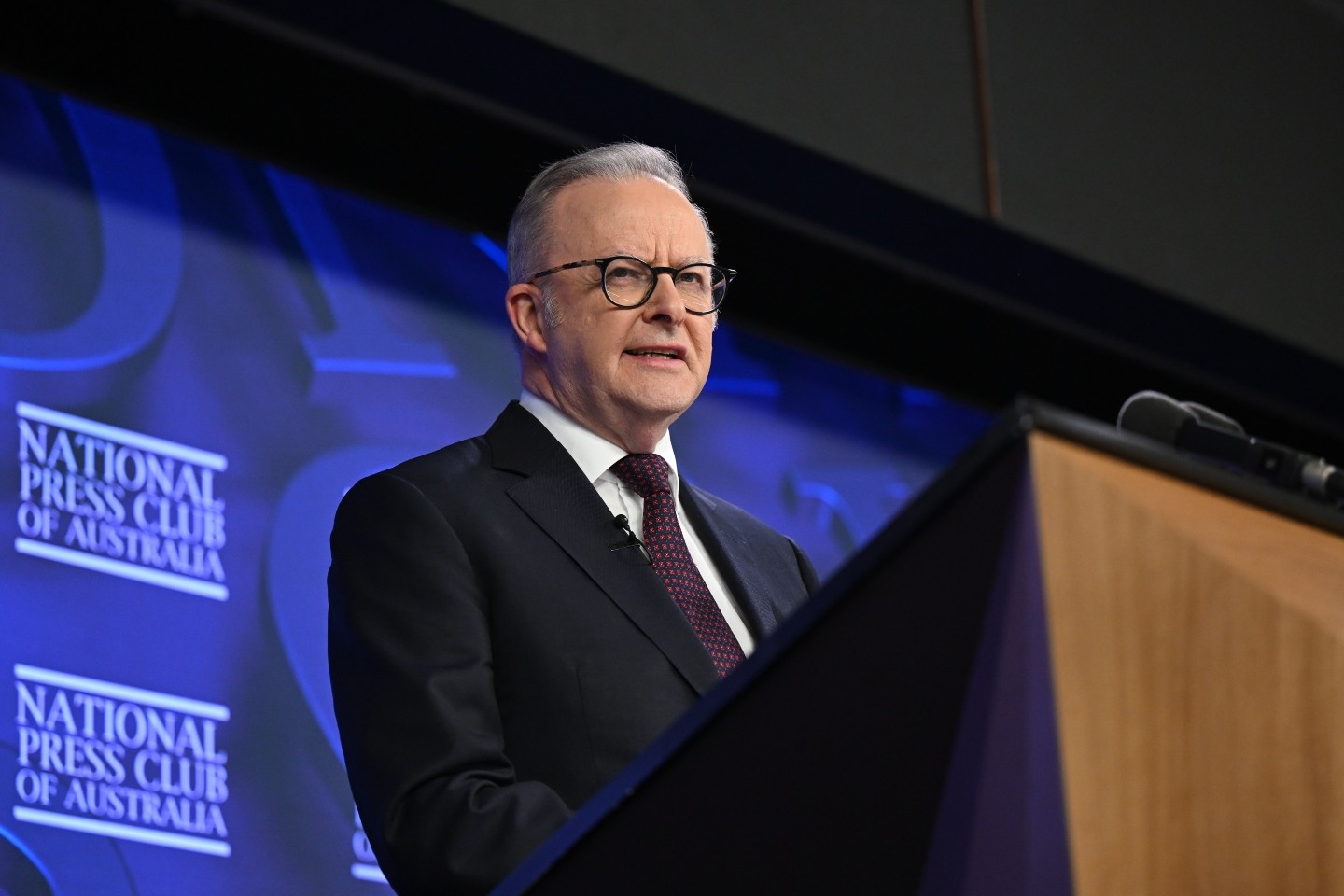
The Prime Minister has announced a $1 billion fund to help businesses navigate the fuel crisis facing the country.

Atlantic Union Bankshares Poised For Continued Healthy Growth

Sigma Lithium secures $100M bank guarantee for expansion

Iran And Oil Spark An Explosive Month

On the market environment, Sonthalia said, “The conflict will widen first, then shift into a longer phase of economic adjustment and selective repair rather than broad recovery. This is no longer just a geopolitical event—it’s impacting oil prices, LNG, and supply chains, creating an inflation shock. India, being dependent on oil, will feel the impact, and recovery could take time, likely until FY28.”
Regarding buying opportunities, he added, “For foreign investors, returns in dollar terms are less attractive due to rupee depreciation. But for domestic investors, valuations have corrected to near COVID-era levels. Some sectors and companies now look attractive from a three- to four-year perspective. Domestic savings is replacing foreign flows, so one should focus on resilient stocks and valuations.”
When asked about sector preferences, Sonthalia noted, “Sectors benefiting from inflation, commodities, consumption with pricing power, defence, renewables, and hospitals look promising. Financials require selectivity—private banks are solid long-term, while PSU banks offer favourable valuations. Overall, pick and choose carefully, focusing on sectors with resilience.”
The market may be turbulent in the short term, but selective opportunities exist for disciplined investors with a longer-term horizon.


Netflix’s popular teen rom-com “XO, Kitty” returns for its third season on April 2, 2026, with all eight episodes dropping at once as fans finally see Kitty Song Covey navigate her senior year at the Korean Independent School of Seoul (KISS).

The series, a spin-off from Jenny Han’s “To All the Boys I’ve Loved Before” universe, has built a dedicated following since its 2023 debut thanks to its blend of heartfelt romance, cultural exploration and high-school drama set against the vibrant backdrop of Seoul. Season 3 picks up after the dramatic Season 2 finale, with Kitty and her friends facing the challenges and excitement of their final year together.
Anna Cathcart reprises her role as the optimistic and matchmaking Kitty Song Covey. The Canadian actress, who first appeared as Lara Jean’s younger sister in the “To All the Boys” film trilogy, has become a breakout star in her own right. Joining her is a returning ensemble cast including Sang Heon Lee as Min Ho, the charming K-pop trainee who has captured Kitty’s heart, along with other KISS students and faculty members who have become fan favorites.
In a highly anticipated crossover, Lana Condor — who portrayed Lara Jean Covey in the original films — guest stars in multiple episodes of Season 3. Netflix confirmed the family reunion in early March 2026, releasing promotional images and a trailer that teased emotional moments between the on-screen sisters. Fans have eagerly awaited this development since the spin-off launched.
The third season was renewed quickly after Season 2 premiered in January 2025 and wrapped production in July 2025. Showrunner Valentina Garza, who took over creative duties, has promised deeper character growth, more complex relationships and continued exploration of themes like identity, first love and cultural belonging for an Asian-American teen living abroad.
Netflix’s Tudum site and promotional materials describe Season 3 as Kitty’s senior year at KISS, filled with new adventures, lingering romantic tension with Min Ho and the pressures of deciding what comes after graduation. Early trailers show Kitty balancing friendships, potential heartbreak and the excitement of new opportunities, while hinting at bigger personal revelations.
The April 2 release date aligns with Netflix’s strategy of dropping full seasons simultaneously, allowing binge-watching over the Easter long weekend in many countries. In the United States, episodes become available at 12:00 a.m. Pacific Time (3:00 a.m. Eastern), standard for most Netflix originals. International viewers will see the season roll out according to local time zones.
Reception to the first two seasons has been largely positive among younger audiences, with praise for the show’s diverse cast, stylish production and light-hearted yet meaningful storytelling. Critics have noted its appeal as comforting, escapist television that handles teen romance with sincerity while incorporating Korean culture and language elements.
“XO, Kitty” stands out in Netflix’s teen programming slate for its international setting and focus on cross-cultural experiences. The series benefits from strong production values in Seoul, featuring authentic locations, K-pop influences and fashion that resonates with global Gen Z viewers.
With Season 3 marking what many assume could be the final chapter — though no official confirmation on future seasons has been made — fans are hoping for satisfying resolutions to ongoing storylines. Will Kitty and Min Ho finally commit? How will the group handle the end of high school? These questions have fueled online speculation and fan theories since Season 2’s cliffhanger.
Jenny Han, the author and executive producer, has remained closely involved. Her books and the film adaptations created a loyal fanbase that carried over to the series. Han has teased that Season 3 honors the emotional core of her stories while expanding the world for television.
Beyond the core cast, Season 3 introduces new characters and deepens existing relationships. Promotional images released in February and March 2026 show Kitty and friends in new settings around Seoul, suggesting fresh storylines involving university applications, family visits and romantic complications.
The series’ soundtrack, featuring K-pop and contemporary tracks, has also been a highlight. Fans expect Season 3 to deliver another memorable playlist that complements the emotional beats.
As the April 2 premiere approaches, Netflix has ramped up marketing with trailers, first-look photos and cast interviews. Anna Cathcart and Sang Heon Lee have shared light-hearted advice for viewers on love and relationships in recent promotional appearances.
For those new to the series, Netflix encourages catching up on Seasons 1 and 2, both available to stream now. The show’s accessible storytelling makes it easy for latecomers to join in, though longtime fans will appreciate the callbacks and character development.
“XO, Kitty” has contributed to Netflix’s success with international and diverse teen content. Its global appeal has helped the streamer reach younger audiences in Asia and beyond, while resonating with viewers who appreciate feel-good stories with substance.
As April 2 arrives, anticipation is high. Whether Season 3 serves as a fitting conclusion or sets up further adventures, fans are ready to return to KISS alongside Kitty for what promises to be an emotional and entertaining senior year.
With just days until release, social media is buzzing with countdown posts, theories and excitement. Many plan watch parties or solo binges over the long weekend.
Netflix has not announced exact runtime details beyond the eight-episode season, but each episode is expected to run approximately 30 minutes, making the full season a manageable binge.
The series continues to highlight important themes for its target audience, including self-discovery, friendship, family dynamics and navigating young adulthood in a globalized world.
As “XO, Kitty” Season 3 premieres on April 2, 2026, it joins a strong slate of spring programming on Netflix. For fans of light romance, cultural stories and coming-of-age tales, the new season offers the perfect springtime escape.

ANALYSIS: There’s no doubt that petrol supplies are causing angst as the war in the Middle East has closed the Strait of Hormuz, but this scenario has played out previously; in high prices, at least.

A version of this article first appeared in the CNBC Property Play newsletter with Diana Olick. Property Play covers new and evolving opportunities for the real estate investor, from individuals to venture capitalists, private equity funds, family offices, institutional investors and large public companies. Sign up to receive future editions, straight to your inbox.
Refinancing a home loan has long been a complicated and pricey process. The costs can be so high that most experts suggest if a borrower can’t shave at least 75 basis points off their current mortgage interest rate, the refinance isn’t even worth it.
Now two property tech leaders are joining forces to lower those costs.
Opendoor, which buys homes directly from sellers and has a title and escrow business, is acquiring part of Doma, a property technology company that automates title searches, the companies told CNBC exclusively. Doma says it uses machine learning and artificial intelligence to make real estate closings — specifically title, escrow and underwriting — faster and more affordable.
“We’re in the process of completely rebuilding and automating, like most of the other pieces of technology that Opendoor is working on … to eliminate time and money for customers,” said Lucas Matheson, president of Opendoor.
Terms of the deal were not disclosed.
Since 2024, Doma’s technology has been used in a Fannie Mae pilot program designed to reduce title insurance costs on eligible refinance transactions. It was just extended through 2027.
Under the program, certain refinance transactions determined by Doma to have low title risk may be sold to Fannie Mae without needing a lender’s title insurance policy or an attorney opinion letter. So far, that has been about 80% of the refinance candidates, according to Doma.
The title insurance, however, is only one component of the refinancing process. Closing costs include other services, such as setting up an escrow account, making sure all the mortgages are paid off, paying transfer fees and taxes. Some of this is still manual and highly service-oriented; it can take several days and add thousands of dollars to the cost of the refinance.
“This program grew so dramatically last year, we were operating our own closing and escrow agency, and it’s a sizable one, and doing a decent job of keeping up, but, frankly, the demand was outstripping our ability to close transactions,” said Max Simkoff, CEO of Doma. “We just did not have the resources to be able to do both the tech for the risk decisioning and the closing side.”
So Doma went looking for a company with the technology to scale its business as far as possible and ended up with Opendoor, whose technology can do the closings much more efficiently. As a result, the price that it charges for closings is lower than the industry average, according to Simkoff.
Following the acquisition, 85 employees from Doma will be joining Opendoor.
The refinance business, however, is not what it was just a month ago. The war with Iran has caused mortgage rates to rise sharply and quickly. Applications to refinance a home loan have been sinking in response. Demand is down 20% in just the past four weeks, according to the Mortgage Bankers Association.
“Refinances in the current market represent the most challenged home ownership experience,” said Simkoff. “Nobody doing refinance at a six and a quarter, 30-year fixed mortgage is doing it because they want to, they’re doing it because they have to.”
But both Simkoff and Matheson say the timing of this collaboration is irrelevant.
Last year, they note, mortgage rates were higher, and the program with Fannie Mae still saw enormous growth. Even if the pool of refinances shrinks, the share of borrowers using Opendoor’s closing services with Fannie Mae will grow, according to Matheson.
“This is around $1,100 per refi that a family would save while injecting effectively no risk into the system,” he said. “Just for context, Doma has had a zero defect track record in this program.”
Sealand Capital Galaxy names new CEO as Sawyer steps down

Politics Home | Rail And Bus Fares Should Be Cut To Protect Public From Iran Petrol Spike, Says Ed Davey

New Mexico vs. Tulsa odds, picks, expert best bet in NIT

Erykah Badu’s Mama’s Gun Gets 25th Anniversary Vinyl Reissue with RTI 180g Pressing and Analog Restoration: Review


-

 Business7 days ago
Instagram, YouTube Found Responsible for Teen’s Mental Health Struggle in Historic Ruling
-

 NewsBeat6 days ago
The Story hosts event on Durham’s historic registers
-
 Tech7 days ago
Intercom’s new post-trained Fin Apex 1.0 beats GPT-5.4 and Claude Sonnet 4.6 at customer service resolutions
-

 Sports6 days ago
Sweet Sixteen Game Thread: Tide vs Michigan
-
Entertainment3 days ago
Fans slam 'heartbreaking' Barbie Dream Fest convention debacle with 'cardboard cutout' experience
-
 Entertainment5 days ago
Lana Del Rey Celebrates Her Husband’s 51st Birthday In New Post
-
Crypto World2 days ago
Dems press CFTC, ethics board on prediction-market insider trades
-

 Crypto World14 hours ago
Gold Price Prediction: Worst Month in 17 Years fo Save Haven Rock
-

 Tech3 days ago
The Pixel 10a doesn’t have a camera bump, and it’s great
-

 Sports2 days ago
Tallest college basketball player ever, standing at 7-foot-9, entering transfer portal
-

 Tech2 days ago
EE TV is using AI to help you find something to watch
-

 Tech3 days ago
Apple will hide your email address from apps and websites, but not cops
-

 Fashion4 days ago
Amazon Sundays: Soft Spring Layers
-

 Tech2 days ago
How to back up your iPhone & iPad to your Mac before something goes wrong
-

 Tech2 days ago
Flipsnack and the shift toward motion-first business content with living visuals
-

 Fashion7 days ago
En Vogue in Brown Leather and Tailored Neutrals by Atelier Savoir, Styled by J Bolin
-

 Politics3 days ago
Should Trump Be Scared Strait?
-

 Crypto World2 days ago
U.S. rule change may open trillions in 401(k) funds to crypto
-

 Fashion7 days ago
What Are Your Favorite T-Shirts for the Weekend?
-

 Fashion6 days ago
Weekly News Update, 3.27.26 – Corporette.com
You must be logged in to post a comment Login