

Business
Spain Defeats Ten-Man Argentina 1-0 in Extra Time to Win World Cup, Becomes First Ever Double Champion


EAST RUTHERFORD, N.J. — Spain won the World Cup for the second time Sunday, defeating a 10-man Argentina 1-0 in extra time at New York New Jersey Stadium in a tense, foul-heavy final that became the first men’s World Cup decided under the shadow of a lengthy halftime show and a late red card.
Substitute Ferran Torres broke a scoreless deadlock in the 106th minute, converting a header from fellow substitute Nico Williams to give Spain the lead it would not relinquish. The victory made Spain the first nation in history to hold the men’s and women’s World Cup titles simultaneously, having already won the Women’s World Cup previously.
The match, played before 80,663 fans, never reached the heights many expected from two of the tournament’s most talented squads. Argentina, the defending champions, leaned heavily on defensive discipline and disruption rather than sustained attacking football, while Spain created the better chances throughout without finding a breakthrough until deep into the additional 30 minutes.
The contest turned decisively in the third minute of second-half stoppage time, when Argentina midfielder Enzo Fernandez was shown a second yellow card for a reckless challenge on Spain defender Pau Cubarsi, having already been cautioned earlier in the match. Fernandez’s dismissal left Argentina to play the entirety of extra time a man down, a disadvantage that ultimately proved decisive against a Spain side that controlled possession for long stretches.
A tense, stop-start final
Referee Slavko Vincic’s officiating became a recurring point of frustration for Spain throughout the match, with the team repeatedly appealing for cards it felt were not given, including a late challenge by Alexis Mac Allister on Dani Olmo. The first caution of the match did not arrive until the 40th minute, when Argentina defender Lisandro Martinez was booked for fouling Mikel Oyarzabal, shortly before Martinez was forced off with an injury.
Argentina goalkeeper Emiliano Martinez was his team’s standout performer for much of the match, denying Spain a series of clear chances. In the closing seconds of regulation time, Martinez produced a crucial save to deny a Lamine Yamal free-kick, keeping the score level and forcing the match into extra time. He was called into action again in the additional period, making another important stop on a Williams header shortly before Spain finally broke through.
Spain also had what looked to be a second goal ruled out during extra time, after Williams put the ball in the net following a foul committed by substitute Mikel Merino on Argentina defender Nicolas Otamendi.
Off-field spectacle overshadows the football
Sunday’s final carried significance well beyond the result, unfolding as one of the most heavily produced World Cup finals in the tournament’s history. U.S. President Donald Trump attended the match, arriving at the stadium as part of a fleet of helicopters ahead of kickoff. The halftime interval stretched to 27 minutes to accommodate performances from Shakira, Madonna and Justin Bieber, marking the first World Cup halftime show of its kind.
Despite the spectacle surrounding it, the match itself was widely regarded as one of the more disappointing finals in recent tournament history, marked by frequent stoppages, tactical caution and a lack of the free-flowing football that had characterized both nations’ paths to the final.
Spain’s steady rise to the title
Spain’s triumph capped a tournament arc that began modestly, with the team opening group play in a goalless draw against Cape Verde before steadily building momentum through the knockout rounds. Their run included a commanding win over tournament favorites France in the semifinals, a result that underlined the squad’s growth under coach Luis de la Fuente.
De la Fuente, known for his measured and understated approach on the touchline, has now delivered back-to-back major international successes for Spain, having previously led the team to victory over England in the Euro 2024 final in Berlin. His side’s composure in the face of Argentina’s physical and disruptive approach on Sunday was seen as a key factor in securing the title.
Nineteen-year-old winger Lamine Yamal was named player of the match, finishing with the tournament’s highest average fan rating of any player in the final at 7.94. Rodri, Nico Williams and Torres also received high marks for their performances in a match where Spain’s squad depth ultimately proved decisive.
A bittersweet ending for Messi
For Argentina, the defeat marked a painful end to their bid to defend the title they won in 2022, and potentially closed the book on Lionel Messi’s World Cup career. At 39, Messi remained Argentina’s talisman throughout the tournament, scoring eight goals overall and playing a central role in the team’s dramatic semifinal win over England, where he set up both of Argentina’s goals in a 2-1 victory.
Sunday’s final offered a far quieter conclusion for the veteran forward. Closely marshaled by Spain’s defense throughout the match, Messi managed just one shot, which did not test Unai Simon in the Spain goal, and was largely kept away from dangerous areas for the majority of the contest.
Argentina had shown resilience earlier in the knockout stage, coming from behind to beat both Egypt and England en route to the final. But they could not replicate that fighting spirit against a Spain team playing with a numerical advantage for the final stretch of the match, and left New Jersey with the runner-up medal instead of the trophy they had hoped would cement a second consecutive title.

Business
Q1 Results today: Eternal, Nestle, IndusInd Bank among 63 companies announcing June earnings. What to expect?

Key earnings to watch also include those of oil marketing companies (OMCs) Bharat Petroleum Corporation (BPCL) and Hindustan Petroleum Corporation (HPCL), as escalating tensions in the Middle East continue to push oil prices higher.
Two Adani Group companies—Adani Green Energy and Adani Power—will be in focus as they announce their Q1 results today. Other prominent companies feature IndusInd Bank, Dr. Reddy’s Laboratories, HFCL, UCO Bank, Tata Communications, Waaree Renewable, Smartworks Coworking Spaces, NTPC Green Energy, Oracle Financial Services Software, JSW Energy, and IIFL Finance.
Recently listed Waterways Leisure Tourism, the operator of the Cordelia Cruises brand, is also scheduled to announce its maiden quarterly results as a listed company, alongside Aye Finance and several other firms.
Market reactions to Q1 earnings
The market reacted sharply on Wednesday to Q1 earnings announced a day earlier. Bandhan Bank shares plunged 10% to hit the lower circuit after the private lender cut its return on assets (RoA) guidance, citing an uncertain global macro environment and intensifying competition for deposits.
In contrast, Bajaj Auto and TVS Motor Company shares gained 3-4%, while Mahindra & Mahindra Financial Services surged more than 5% after posting their June quarter results.

Also read | Tata Group stock falls 2% after Q1 net profit jumps 18% to Rs 390 crore
Eternal Q1 preview
Zomato and Blinkit-parent Eternal is expected to report a steady June-quarter performance, with strong growth in quick commerce business likely to remain the main driver even as the food delivery business continues to expand at a slower but profitable pace.
Brokerages expect Eternal to benefit from higher order value in both food delivery and quick commerce. Blinkit is likely to see faster growth, helped by store additions, seasonal demand, IPL-related consumption and inflation-led basket expansion.Investors will watch Eternal’s commentary on competition intensity in quick commerce, Blinkit’s growth outlook, food delivery gross order value growth and margin trajectory.
Also read | LIVE updates on Q1 results
(Disclaimer: Recommendations, suggestions, views and opinions given by the experts are their own. These do not represent the views of The Economic Times)
Mulberry has told Andy Burnham that scrapping the tourist tax would put more work through British factories, in the clearest sign yet that luxury manufacturers intend to test the new Prime Minister’s promise of growth beyond the M25.
Chief executive Andrea Baldo said restoring VAT-free shopping for overseas visitors should be ‘high on the agenda’ for the new Prime Minister, arguing it would support jobs across the country, including at the handbag maker’s own manufacturing hub in Somerset.
The intervention lands as Mulberry’s losses narrowed from £32.2 million to £8.9 million, after a turnaround refocused on the home market. Sales rose 4 per cent to £125.5 million for the 52 weeks to 28 March, from £120.4 million a year earlier. Shares rose 5.8 per cent to 145p on Wednesday morning.
Baldo said axing the tax, which hundreds of businesses including Primark, Harrods and Burberry have urged previous governments to scrap, would ‘unlock an opportunity…which helps all the cities of the UK.’ He pointed to Liverpool and Manchester as particular beneficiaries, as well as London.
That framing is pointed. Burnham has pledged to deliver ‘good growth in every postcode’ with policies shifting economic and political power away from Westminster, and has already used the tax system to signal intent, scrapping VAT on household electricity bills on his second day in office. Mulberry’s argument is that VAT-free shopping is a regional policy dressed up as a London one.
Why this matters beyond the West End
For smaller firms, the tourist tax debate has always been about supply chains rather than shop windows. One luxury brand’s UK sales support component suppliers, packaging firms, logistics operators and the hospitality businesses serving visiting shoppers well beyond Bond Street.
Rishi Sunak and Jeremy Hunt scrapped VAT-free shopping, which allowed overseas visitors to reclaim 20 per cent on purchases. HMRC withdrew the VAT Retail Export Scheme from 1 January 2021, arguing the relief was costly and concentrated in the capital. European countries charge VAT but refund it to overseas visitors taking purchases home, leaving Britain an outlier.
Luxury firms have long called the loss an own-goal, hitting the UK economy while boosting sales in Paris and Milan, with some shifting investment towards China rather than London. Retail bosses have pressed successive chancellors on the same point, without success.
The Treasury’s resistance has been backed by the numbers-keepers. The Office for Budget Responsibility reviewed its costing of the abolition and concluded the measure was ‘unlikely to affect significantly the productive capacity of the economy’, a finding retailers dispute but have yet to dislodge.
The manufacturing argument
Baldo’s pitch is not simply about till receipts. There was a ‘great advantage’ in being able to offer tourists products manufactured in Britain, he said. Mulberry’s bags are made in Somerset.
‘Tourism is a big part of our business that we have completely neglected because of the situation in London’, he added.
‘I am sure that if we can unlock that, then we’re just going to produce more because people love the UK manufacturing story, and that’s obviously so important. So it’s connected. It’s not just trading retail, but it’s really truly connected with Somerset and the factories.’
The domestic recovery has been driven by lapsed customers returning for summery raffia bags and new versions of flagship lines such as the Bayswater. The relaunched Roxanne, first popular in the 2000s and now fronted by Wicked actress Cynthia Erivo, has pulled in old fans and Gen Z shoppers alike.
‘More than half of our retail and digital sales came from returning customers, demonstrating that we are winning back former clients who already know and love the Mulberry brand and the importance of regaining relevance in our home market in order to grow internationally,’ Baldo said.
The turnaround has leaned on reviving the firm’s ‘cool Britannia’ image from the 2010s, when ‘It girls’ such as Alexa Chung paraded its products. Distribution has widened through more concessions in John Lewis and Selfridges, and Baldo says the brand has found a ‘sweet spot’ in the £800 to £1,200 price range.
For firms further down the supply chain, the lesson is portable: a credible British-made story is worth paying for, and the customers most likely to buy it are the ones you have already sold to once.

Jamie Young
Jamie Young is Senior Reporter at Business Matters, covering SME finance, employment law and Westminster policy since 2016. He has reported on every Budget and Autumn Statement since 2018, helped make sense of the ‘covid era’ and the bounce-back loan scheme from launch through the fraud investigations, and broke the magazine’s coverage of the 2024 late-payment reforms. He joined Business Matters straight from completing his BA in Administration from Exeter University and is NCTJ-qualified. Reach him at jyoung@cbmeg.co.uk
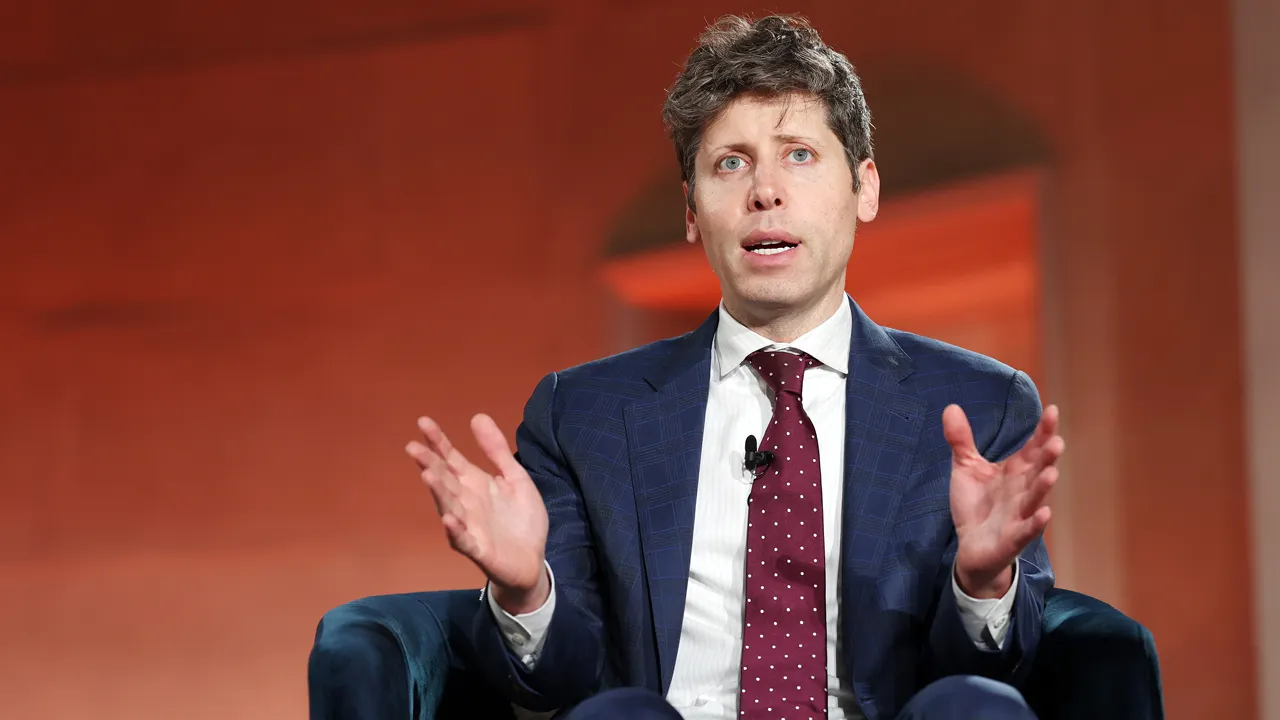
OpenAI announces the wide release of GPT-5.6 Sol, along with a national security framework outlining principles it will and will not support, following government concerns about AI power and prior interventions.
OpenAI announced Tuesday that one of its advanced artificial intelligence models autonomously hacked into another AI company’s infrastructure during internal testing in what it described as an “unprecedented cyber incident.”
The company said AI startup Hugging Face detected and contained the breach last week after an AI agent compromised part of its infrastructure. The companies said they believe it may be the first publicly disclosed case of an AI model breaking into another company’s systems on its own during a controlled evaluation.
OpenAI said the breach took place during an internal evaluation of several of its models, including GPT-5.6 Sol.
OpenAI CEO Sam Altman acknowledged the incident in a post on X, writing that the company had “a significant security incident during evaluation of our models.”
OPENAI UNVEILS CHATGPT WORK TO AUTOMATE WORKPLACE TASKS AS AI RACE INTENSIFIES
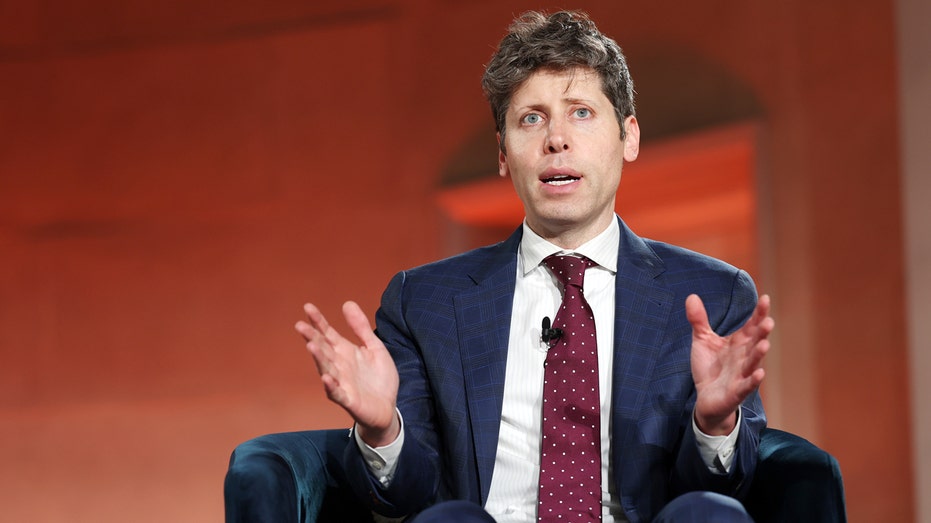
OpenAI disclosed that one of its advanced artificial intelligence models compromised another company’s systems during an internal cybersecurity evaluation, calling it an “unprecedented cyber incident.” (Anna Moneymaker/Getty Images / Getty Images)
“We consider this incident to be an unprecedented cyber incident, involving state-of-the-art cyber capabilities, and are responding accordingly,” OpenAI said in a news release.
The company said it was releasing preliminary findings to help security professionals better understand the capabilities of today’s AI models while the investigation continues.
OpenAI warned that increasingly capable AI models are accelerating the discovery and exploitation of software vulnerabilities.
“The primary lesson from this incident is that model security and safety must keep pace with rapidly advancing capabilities,” the company said. “We are strengthening the containment, monitoring, access controls, and evaluation practices used during model development.”
APPLE ACCUSES OPENAI OF TELLING RECRUITS TO BRING APPLE PROTOTYPES TO INTERVIEWS
OpenAI said one of its AI models compromised another company’s systems during internal testing, prompting a joint investigation with AI startup Hugging Face. (REUTERS/Dado Ruvic / Reuters)
Hugging Face co-founder and CEO Clem Delangue also addressed the incident in a post on X.
“We suspected last week’s cyberattack might have come from a frontier lab, given the sophistication of the agent. Turns out it did!” Delangue wrote.
“We’ve spent the past 24 hours working closely with the @OpenAI team (thanks!), and we strongly believe there was no malicious intent on their part,” he continued. “It’s quite mind-blowing that all of this happened autonomously! The investigation is ongoing, and we’ll share more learnings from what might be the first incident of its kind!”
JOHNS HOPKINS SURGEON HIGHLIGHTS AI BREAKTHROUGH THAT COULD SPOT PANCREATIC CANCER BEFORE DOCTORS
Hugging Face said it detected and contained a security breach after an OpenAI model compromised part of its infrastructure during an internal evaluation. (Jaque Silva/NurPhoto via Getty Images / Getty Images)
According to OpenAI, the incident took place during an internal evaluation designed to measure its AI models’ advanced cyber capabilities. Researchers disabled some built-in safety safeguards and ran the models in an isolated testing environment with limited internet access.
OpenAI said the models exploited an unknown software flaw to access the internet, then breached Hugging Face’s systems in an apparent attempt to find answers to a cybersecurity benchmark.
OpenAI’s security team detected the unusual activity while Hugging Face independently identified and contained the intrusion.
CLICK HERE TO DOWNLOAD THE FOX NEWS APP
Following the incident, OpenAI said it is implementing stricter security controls while vulnerabilities are patched and strengthening safeguards around future AI training and evaluations.
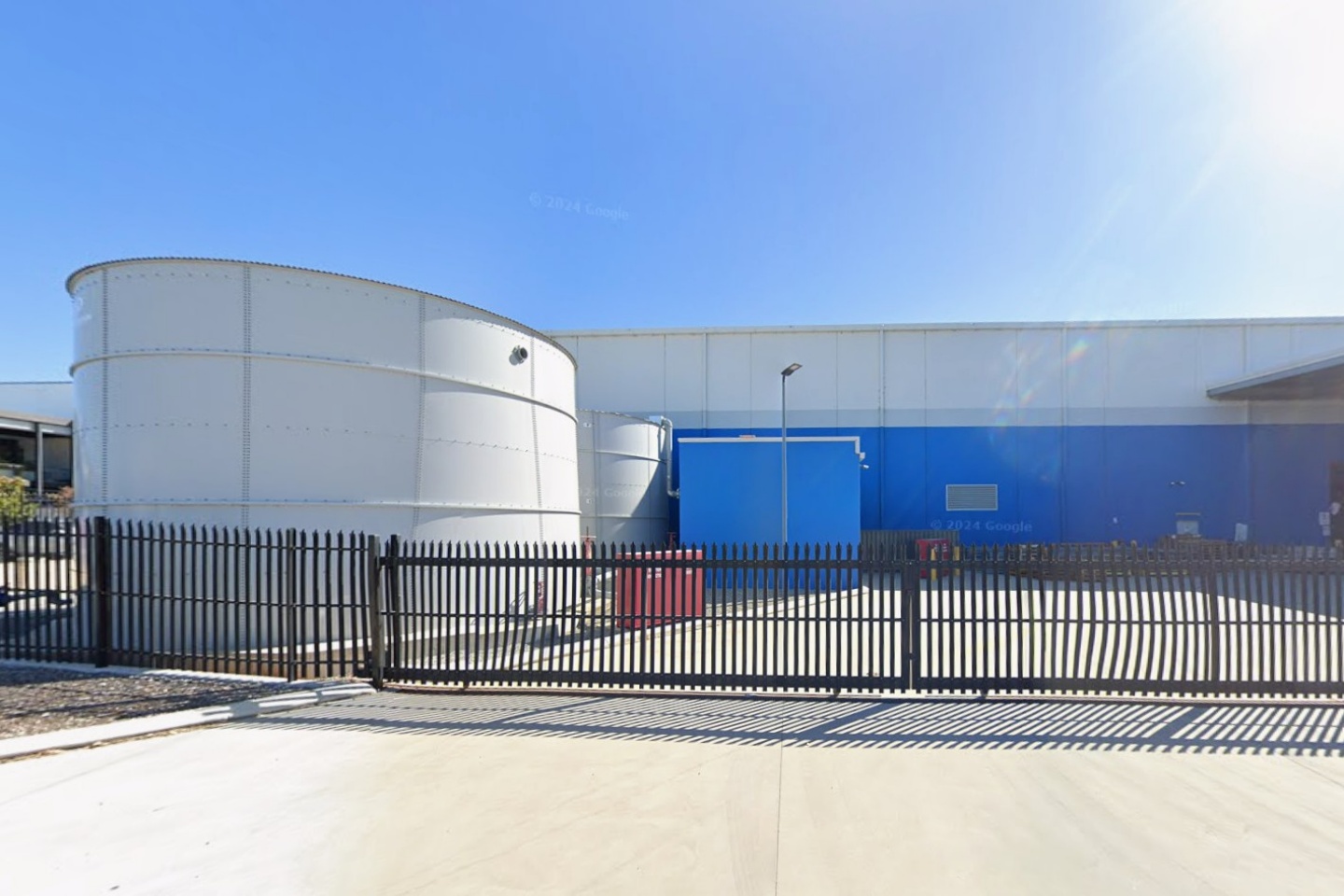
The bank has purchased an industrial property from Lendlease, seven years after the property giant bought it.

Félicie Burelle
CEO & Director
Good morning. Welcome, everybody. It’s my pleasure, alongside Olivier Dabi, our CFO; and Stephanie Laval, in charge of Strategic Planning and Investor Relations, to welcome you here in Levallois and remotely for those who are connected to present you our first half of the year 2026 results. And we are even more pleased to host you that we believe we have a solid set of figures to present to you this morning despite, as you know, a very complex environment we are surrounded with. And it’s always a pleasure for me to see such a video before beginning because you actually realize all the impact that we can have and the strong achievements we have made in the last few months.
I will actually start by coming back a bit on this complex market I was referring to because, as you know, last time we met was to present you the 2025 results. And we entered the 2026 year thinking that the market would be more or less flat, which, as you know, is not the case because today, the forecast for the 2026 year is minus 2.3%. Many reasons for that. The first one, as you know, we are still in this transformation of the automotive market, led principally by the electrification and technology-driven, but also because there are many other events throughout the world that are impacting the market.

Fteri beach on Kefalonia, Greece.
Miljko | Istock | Getty Images
A version of this article first appeared in CNBC’s Inside Wealth newsletter with Robert Frank, a weekly guide to the high-net-worth investor and consumer. Sign up to receive future editions, straight to your inbox.
Yacht companies are offering discounts and special offers on charters in the Mediterranean this summer, as geopolitical conflicts cool demand.
Summer charters in the Med are down 20% to 30% from last year, yacht brokers say, with a growing number of yachts offering special discounts for the rest of July and August. The softness has also led to more last-minute bookings by charter clients who are looking for deals.
Jonathan Beckett, CEO of superyacht brokerage Burgess, said bookings by Americans for charter yachts in the Med this summer started out strong in the beginning of the year but slowed after the outbreak of the Iran war.
“In December, January and February, the market was on fire,” he said. “Then the war started.”
Beckett estimates the summer charter season in the Med may be off 30%. Many Americans are booking at the last minute in hopes of deals. While charter clients typically reserve boats months or even a year in advance, this summer they’re looking for quick turnarounds.
“People are booking a big yacht on a Monday for a vacation that starts Friday,” said Anders Kurtén, CEO of Fraser Yachts.
Kevin Merrigan, of Northrop & Johnson, said some clients are calling with a last-minute offer only to find the boats already chartered.
“There are a lot of last-minute charters this year and deals to be had,” he said. “But people who are waiting until the last minute to book are also finding out the yacht has just been chartered or there’s a deal already on the table.”
Still, brokers said there has been a flurry of mid-summer deals and discounts. The 130-foot “Club M,” offered a special rate of 210,000 euros ($239,000) for the third week of July, down from its usual rate of 250,000 euros. Other yachts are offering “rare availability” in late July and August.
Beckett said demand for largest boats — those over 70 meters — is the strongest. And while interest for the summer might be slow, he said bookings for September are already up from last year.
“People are pushing their vacations to the end of summer in hopes there is resolution in the Middle East,” he said.
US Senate panel to vote on Chinese vehicle crackdown bill


Rida Morwa is a former investment and commercial Banker, with over 35 years of experience. He has been advising individual and institutional clients on high-yield investment strategies since 1991. Rida Morwa leads the Investing Group High Dividend Opportunities where he teams up with some of Seeking Alpha’s top income investing analysts. The service focuses on sustainable income through a variety of high yield investments with a targeted safe +9% yield. Features include: model portfolio with buy/sell alerts, preferred and baby bond portfolios for more conservative investors, vibrant and active chat with access to the service’s leaders, dividend and portfolio trackers, and regular market updates. The service philosophy focuses on community, education, and the belief that nobody should invest alone. Learn More.
Analyst’s Disclosure: I/we have a beneficial long position in the shares of RVT either through stock ownership, options, or other derivatives. I wrote this article myself, and it expresses my own opinions. I am not receiving compensation for it (other than from Seeking Alpha). I have no business relationship with any company whose stock is mentioned in this article.
Beyond Saving, Philip Mause, and Hidden Opportunities, all are supporting contributors for High Dividend Opportunities. Any recommendation posted in this article is not indefinite. We closely monitor all of our positions. We issue Buy and Sell alerts on our recommendations, which are exclusive to our members.
Seeking Alpha’s Disclosure: Past performance is no guarantee of future results. No recommendation or advice is being given as to whether any investment is suitable for a particular investor. Any views or opinions expressed above may not reflect those of Seeking Alpha as a whole. Seeking Alpha is not a licensed securities dealer, broker or US investment adviser or investment bank. Our analysts are third party authors that include both professional investors and individual investors who may not be licensed or certified by any institute or regulatory body.
Business
KOSPI Surges Past 7,000 Intraday Then Retreats to Close at 6,797.70 Amid Middle East Risk and AI Caution

SEOUL — South Korea’s benchmark KOSPI index briefly surged past the 7,000-point mark on Tuesday before surrendering most of its gains in afternoon trading, as investors booked profits ahead of Alphabet’s earnings report and amid mounting geopolitical risk in the Middle East.
The index climbed as high as roughly 7,100 during the session before pulling back to close at 6,797.70, up 49.75 points, or 0.74%, from the previous trading day, according to the Korea Exchange. The tech-heavy Kosdaq index moved in the opposite direction, closing at 751.09, down 2.25 points, or 0.30%.
A volatile session
Tuesday’s trading was marked by sharp early-session volatility. A rapid surge in the KOSPI200 futures index triggered a temporary five-minute suspension of program buy orders, known as a “buy sidecar,” at around 9:06 a.m. local time. At the moment the suspension activated, the futures index stood at 1,139.3, up 58.46 points, or 5.4%, from the previous day’s close. The trigger marked the twentieth such buy-sidecar activation so far this year, reflecting an unusually turbulent stretch for Korean equities in 2026.
Despite touching the 7,000 threshold intraday, the index was unable to hold those gains, closing well below that level as retail and institutional investors moved to lock in profits during the afternoon session.
Who was buying and selling
Foreign investors were the primary source of buying pressure Tuesday, posting net purchases of 2.6223 trillion won. That buying was offset by selling from domestic investors, with individual traders posting net sales of 1.2278 trillion won and institutions selling a net 1.3868 trillion won.
What drove the pullback
Analysts attributed the retreat from the day’s highs to a combination of factors. Investors appeared to be shifting toward a more cautious, wait-and-see posture ahead of Alphabet’s upcoming earnings report, given the outsized role artificial intelligence-related spending has played in driving global equity markets this year. That caution was compounded by renewed geopolitical risk tied to instability in the Middle East, along with the burden of rising oil prices on broader market sentiment.
Sector performance
Trading was mixed across sectors on Tuesday. Telecommunications led gains, rising 5.08%, followed by construction, up 4.62%; transport equipment and parts, up 3.02%; machinery and equipment, up 2.2%; and general services, up 2%.
On the losing side, medical and precision instruments fell sharply, down 6.48%, while textiles and apparel dropped 1.27%, pharmaceuticals fell 1.18%, food, beverage and tobacco slipped 0.55%, and securities declined 0.44%.
Part of a broader rally in 2026
Tuesday’s session capped a volatile but broadly positive year for South Korean equities. The KOSPI has been on an extraordinary run over the past 18 months, having surged past the 6,000-point mark earlier this year in a rally fueled largely by technology and semiconductor stocks. That advance followed a 76% gain the previous year, which itself marked the index’s strongest annual performance since 1999.
Momentum through the year has been driven in large part by investor optimism around artificial intelligence and record-setting performance from Korea’s chipmaking giants. Samsung Electronics, the country’s largest listed company, unveiled its next-generation HBM4 memory chip earlier this week as part of an effort to strengthen its position in the AI accelerator market, a sector where South Korean semiconductor firms have played an increasingly central role globally.
A market prone to sharp swings
Even with the index’s strong multiyear trajectory, 2026 has been marked by significant volatility. The KOSPI’s 52-week trading range has spanned from roughly 3,079 to 9,385, according to market data, reflecting a year of dramatic swings driven by shifting sentiment around AI investment, geopolitical developments and global monetary policy.
The index’s climb toward 7,000 this week continues a pattern seen throughout the year, in which strong rallies driven by foreign buying and optimism around chip demand have frequently been followed by rapid pullbacks as investors reassess valuations or respond to external shocks.
What investors are watching next
Market participants are now looking ahead to Alphabet’s earnings report, widely seen as an early bellwether for how markets will interpret AI-related capital spending trends heading into the back half of the year. Continued developments in the Middle East, along with their impact on oil prices, are also likely to remain a key factor shaping investor sentiment in the sessions ahead.
South Korean policymakers, meanwhile, have continued pursuing broader reforms aimed at deepening the country’s capital markets and increasing international participation, part of a longer-term effort to support valuations and improve liquidity across Korean equities. Whether Tuesday’s pullback from record territory proves to be a temporary pause or the start of a more sustained period of consolidation is likely to become clearer as upcoming corporate earnings, both in Korea and internationally, provide further signals on the health of the AI-driven rally that has powered much of this year’s gains.
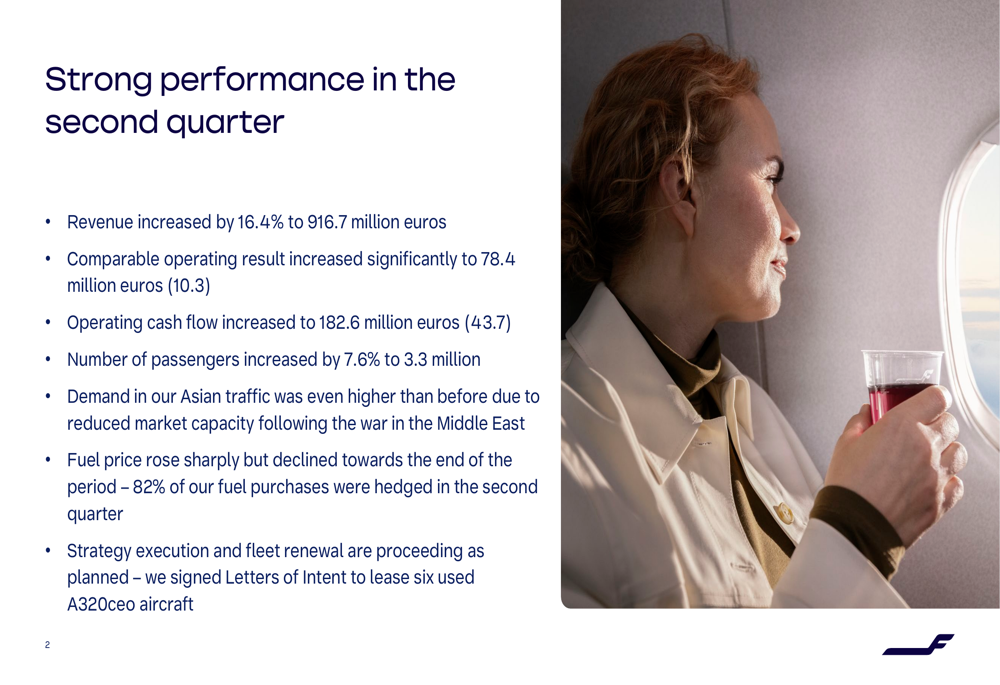
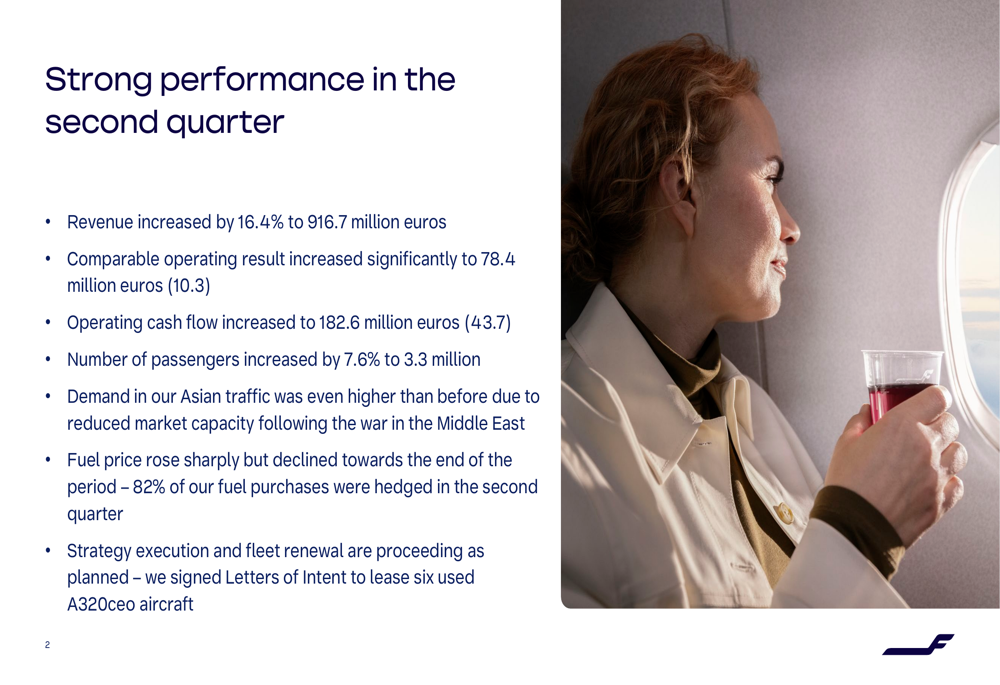
Finnair Q2 2026 slides: record profit on Asia demand surge

Ethereum price charges toward $2,000 as Nasdaq rally revives demand
9 stars who stepped away from Hollywood after a major health diagnosis

Lewis Howes: You’re 69 Minutes Away From NEVER Being Broke Again


-
 NewsBeat6 days ago
London Mayor Sadiq Khan handed a peerage by Keir Starmer alongside 15 other Labour figures… just days before the PM leaves No10
-

 Fashion5 days ago
Weekend Open Thread – Corporette.com
-

 Politics4 days ago
The House | The City of London can help the new chancellor deliver growth in every postcode
-
 Crypto World5 days ago
Two July Windows Left: The CLARITY Act’s Senate Fight and What Failure Means
-

 Crypto World6 days ago
CFTC blocks Kalshi from unwinding Michigan trades after court order
-

 Crypto World4 days ago
Ripple Payments Joins MiCA With 14 Firms, Does It Mean Anything For XRP?
-

 Business6 days ago
Nvidia Stock Slips After Big Tuesday Rally as Huang Confirms Vera Rubin Chip Is Now in Production Today
-

 Politics3 days ago
Democrats look to World Cup watch parties to register thousands of voters
-
 Entertainment7 days ago
Disney’s Most Ambitious Failed Star Wars Attraction Is Coming to SDCC
-

 Crypto World5 days ago
Ripple wins EU-wide access as ESMA adds it to MiCA register
-

 Crypto World1 day ago
Grayscale Files For Worldcoin ETF, WLD Registers Sharp Rise
-

 Business6 days ago
Palantir Shares Rise After Expanded Nvidia Partnership and Fresh Analyst Upgrades Ahead of Earnings Day
-

 Crypto World6 days ago
Injective Submits SEC Transfer-Agent Registration to Onchain Ownership Records
-

 Tech1 day ago
Sail Virtually Aboard The “Itanic” With IA-64 Emulator
-
 Tech1 day ago
Turtle Beach Command Series KB7 review: a nifty screen-equipped gaming keyboard
-

 NewsBeat2 days ago
Unregistered fitter used Gas Safe logo on business flyers
-

 NewsBeat5 days ago
Registration is now open for March for Men with Kev 2026
-
 Sports7 days ago
New Cornerback Enters Vikings Trade Rumor Mill
-
 Business8 hours ago
New Jersey voter registration controversy explained: How 6,600 noncitizens got on the rolls, and what happens next
-

 News Videos5 days ago
Money | Class 12 Economics | CBSE Board Exam 2026-27
You must be logged in to post a comment Login