

Business
Star-Studded Lineup Revealed for 2026 World Cup Opening Ceremonies and Final Halftime Show


NEW YORK — FIFA has unveiled an ambitious roster of global music stars for the 2026 World Cup, featuring multiple opening ceremonies across the three host nations and the tournament’s first-ever halftime show during the final. The performances aim to celebrate the expanded 48-team tournament’s cultural diversity and deliver a spectacle matching its historic scale.
The 2026 FIFA World Cup, co-hosted by the United States, Canada and Mexico, will kick off with three separate opening ceremonies on June 11-12. Each host nation will present tailored lineups reflecting regional musical influences while showcasing international appeal.
United States Opening Ceremony (SoFi Stadium, Los Angeles) Katy Perry will headline the U.S. portion ahead of the United States vs. Paraguay match. She will be joined by a high-profile lineup including BLACKPINK’s LISA, who makes history as the first K-pop female solo artist to perform at the World Cup. Brazilian superstar Anitta, Nigerian artist Rema, Atlanta rapper Future, and South African sensation Tyla round out the bill. DJ Sanjoy is also expected to contribute.
Mexico Opening Ceremony (Estadio Azteca, Mexico City) Mexico’s ceremony features a strong Latin music focus. Headliners include rock band Maná, Alejandro Fernández, Belinda, J Balvin, Lila Downs, Los Ángeles Azules and Danny Ocean. Tyla will also perform here, bridging African and Latin influences.
Canada Opening Ceremony (Toronto) Canada’s event emphasizes homegrown talent alongside international acts. Michael Bublé, Alanis Morissette and Alessia Cara lead the lineup. Additional performers include Elyanna, Jessie Reyez, Nora Fatehi, Vegedream, William Prince and Sanjoy.
The opening ceremonies will feature performances of songs from the official World Cup album, including the collaborative track “Goals” by LISA, Anitta and Rema. Shakira is also widely expected to contribute to the overall musical programming, building on her history with previous tournaments.
Historic Final Halftime Show For the first time, the World Cup final on July 19 at MetLife Stadium in New Jersey will include a dedicated halftime show. Madonna, Shakira and BTS will co-headline the performance, curated by Coldplay frontman Chris Martin in partnership with Global Citizen. The show aims to raise funds for the FIFA Global Citizen Education Fund. Characters from Sesame Street and The Muppets are also expected to appear.
This star power reflects FIFA’s strategy to maximize global viewership and cultural impact. The 2026 tournament, the largest in World Cup history with 48 teams, provides an unprecedented platform for artists to reach billions of viewers.
Industry analysts note the strategic value of these performances. Katy Perry and LISA bring mainstream pop and K-pop appeal, while regional stars like Maná, J Balvin and Michael Bublé ensure strong local engagement. The inclusion of African and Latin artists underscores the tournament’s multicultural ethos.
Preparation for the ceremonies has involved months of coordination across host cities. Each event is expected to last approximately 15-20 minutes, blending music, cultural elements and World Cup branding. Rehearsals are already underway in several venues.
The announcement has generated significant excitement on social media. Fans have praised the diversity of the lineup, particularly the mix of established icons and rising global stars. Discussions around LISA’s participation and the historic halftime show have trended heavily since the reveals in early to mid-May 2026.
FIFA officials emphasized that additional performers may be announced closer to the events. The current lists represent confirmed and strongly reported artists, with potential for expansions as final preparations advance.
The 2026 World Cup musical programming continues a tradition of high-profile entertainment dating back to previous tournaments, while introducing new elements suited to the multi-nation format. Organizers hope these performances will enhance the fan experience both in-stadium and for global television audiences.
As the tournament approaches, anticipation continues to build. The combination of elite athletic competition and world-class musical talent positions 2026 as potentially the most entertaining World Cup yet. From the opening ceremonies in mid-June to the grand finale in July, music will play a central role in unifying audiences worldwide.
The full impact of these performances will only be realized once the events unfold, but early indications suggest they will deliver memorable moments that extend far beyond the pitch. For now, fans and industry observers eagerly await further details and any last-minute additions to what is already shaping up as an extraordinary celebration of sport and culture.


The sector regulator has recalled refinancing support worth nearly Rs 500 crore —a punitive action that has set off a sweeping leadership overhaul at the company. ET was the first to report on April 13 that managing director and CEO Sachinder Bhinder was being asked to step down, with Manu Singh — former home loans head at Kotak Mahindra Bank — set to take over. A week later, on April 20, the company confirmed Bhinder’s resignation and Singh’s appointment as the new CEO.
The NHB’s investigation found that concessional refinance meant for SC/ST borrowers had been availed against loans where the borrowers did not belong to these categories.
Aavas Financiers sees top-level churn: CFO and CRO to exit, interim replacements named
Loans were also classified as disbursed in hilly areas even though the underlying properties were not located in such regions, and non-home loans had been misclassified as home loans to access preferential funding — a trifecta of classification failures that triggered the regulator’s action, sources said.

Aavas Financiers confirmed the NHB investigation, though it stopped short of acknowledging the specific findings.
“The NHB, in the ordinary course, conducts periodic audits and inspections of housing finance companies, including Aavas Financiers, and one such inspection is presently underway and has not yet been concluded,” the company said in a statement.The company added that it has not received any direction from NHB requiring it to repay any funding lines.
Sources, however, said the scale of the irregularities went well beyond what might be expected in a routine inspection.
Singapore-based fintech company Aleta aims to expand operations into India
“The regulator’s concerns were not limited to isolated instances. The inspection identified multiple cases where loans were categorised under refinance schemes that they were not eligible for, resulting in the withdrawal of refinance support and prompting a wider review of internal controls,” said a person aware of the development.
TOP EXECUTIVES TOLD TO RESIGN
CVC Capital Partners, which holds a majority stake of over 50% in Aavas Financiers, has shown the door to chief financial officer Ghanshyam Rawat and chief risk officer Ashutosh Atre in the wake of the NHB’s findings. Sources said both officials were asked to resign on June 15, though the disclosures were made only after a hastily called board meeting on June 21.
The company subsequently informed stock exchanges that it had appointed Ghanshyam Gupta as interim chief financial officer and Punit Purushottam Agarwal as interim chief risk officer, with effect from June 22.
The exits are the latest in a series of senior management departures that paint a troubling picture of how the company was conducting its business.
In the span of barely two months, Aavas Financiers has replaced its MD and CEO, CFO and CRO — an unprecedented churn at the top that reflects the depth of the crisis the company is navigating. Markets have also taken note of the turbulence. With a market capitalisation of approximately Rs 11,673 crore, the stock has declined nearly 32% from its 52-week high of Rs 2,152, trading at around Rs 1,472 — reflecting deepening investor concerns around governance, growth visibility and execution amid the ongoing management churn, according toexchange data.
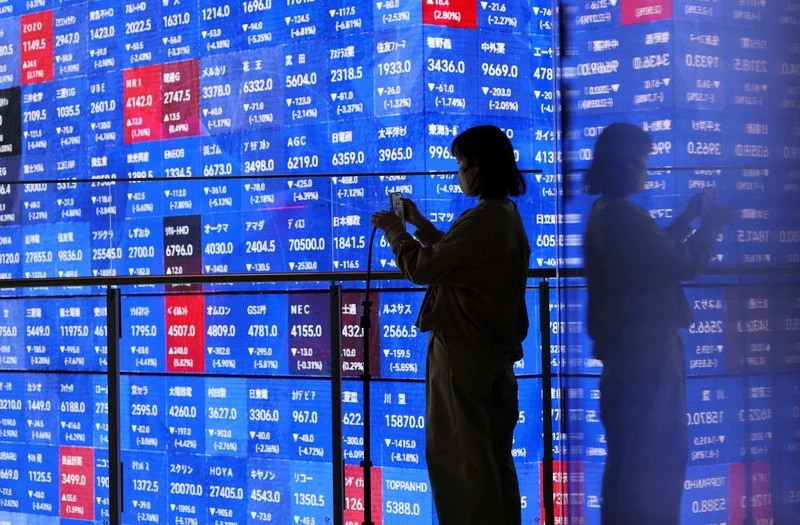

Stocks rally in Asia as Iran cites progress in talks
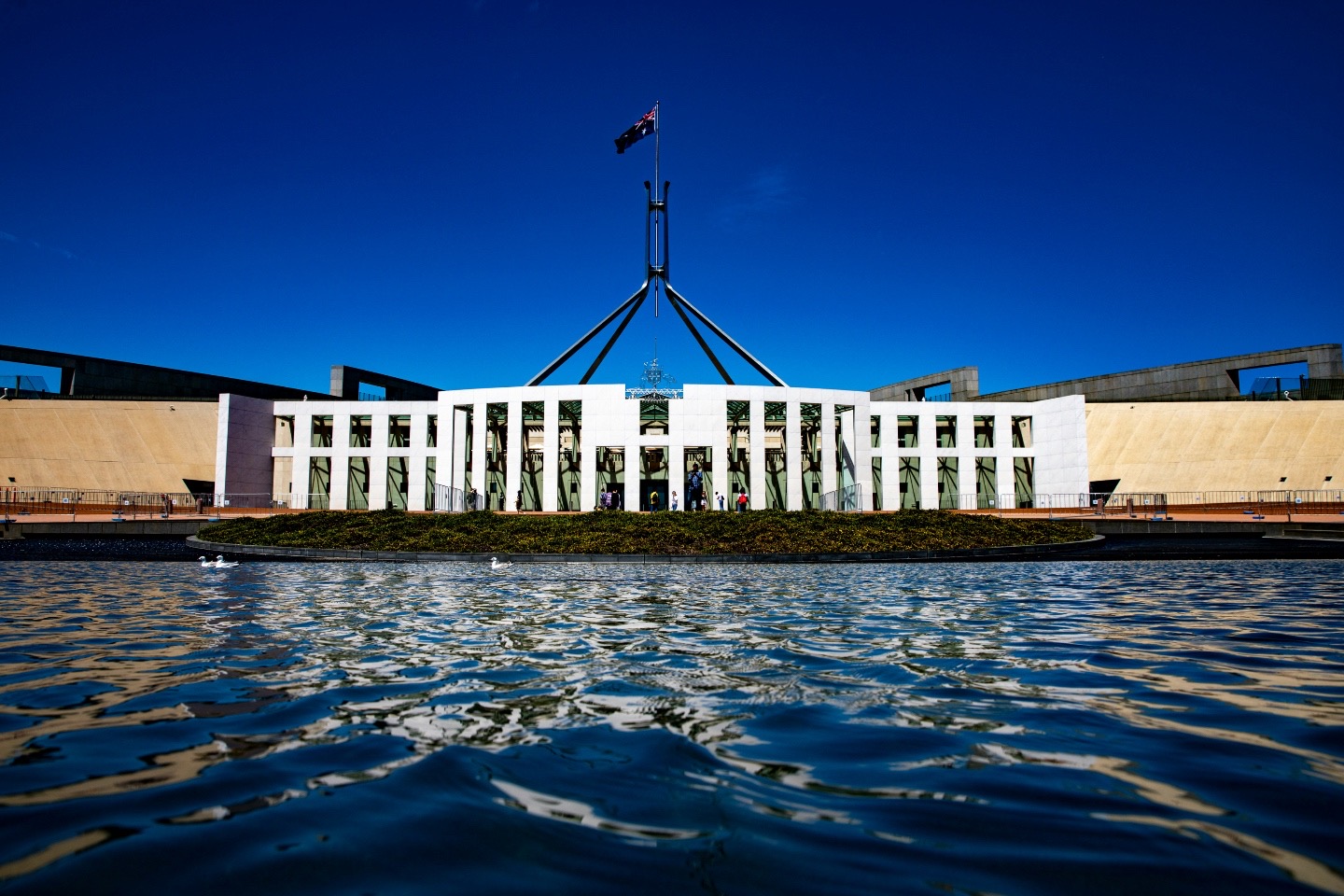
Controversial changes to both the tax system and the NDIS are under negotiation as Labor tries to land a deal with the Greens before parliament breaks.

Motorists will benefit as a cut to fuel taxes is extended for another month, although at half the previous discount.
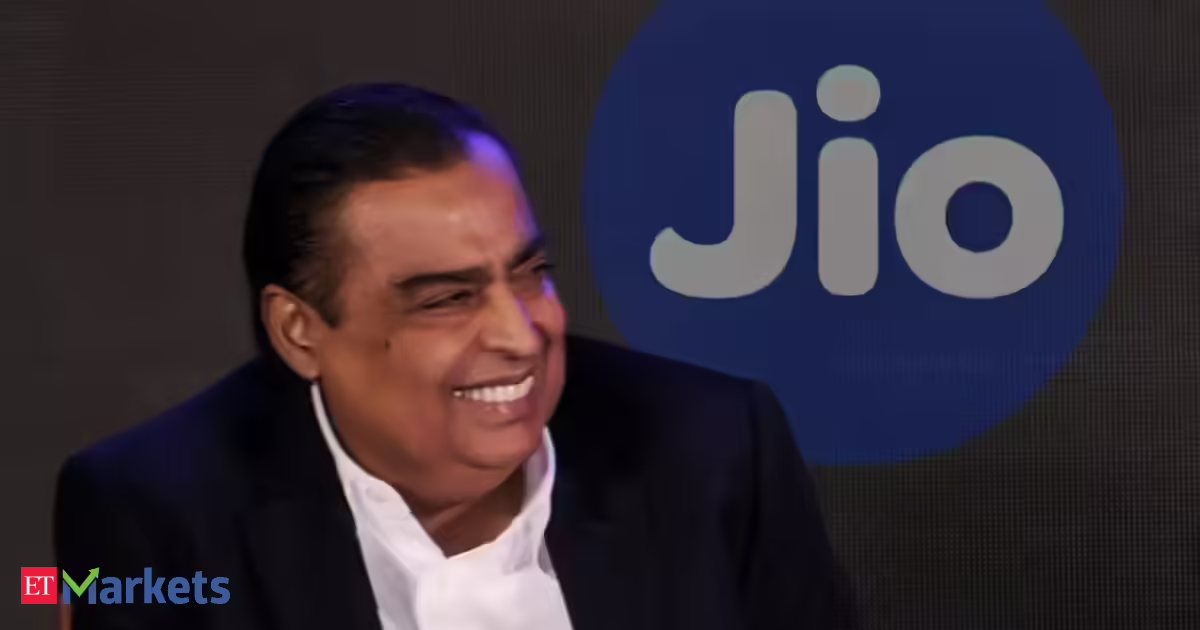
The combined market cap of the two companies of the RIL group is expected to be around ₹32 trillion. It will nearly match the current combined market value of ₹33 trillion for HDFC Bank, Bharti Airtel, and ICICI Bank.
At present, the market cap of the companies listed on the BSE is nearly ₹478 trillion. For the Nifty 50 set of companies, the market cap is ₹194 trillion, which implies that the RIL group’s market cap will be over 16% of the benchmark index’s market value.
 Agencies
Group share of BSE’s m-cap to rise to nearly 7%, and almost match combined value of HDFC Bank, Bharti Airtel & ICICI Bank
Globally, Elon Musk promoted Tesla and SpaceX together account for nearly 5% of the total market cap of the US companies. After a strong debut on Nasdaq on June 12, SpaceX commands a market cap of $2.4 trillion, while Tesla’s is $1.3 trillion. The market cap of listed companies in the US is over $77 trillion, according to the data from Bloomberg.
Internationally, technology led companies have been driving overall market valuations to record levels. For instance, Samsung Electronics and SK Hynix, the top South Korean companies based on market value, account for nearly 50% of the country’s market cap. In the case of Taiwan, chip maker TSMC contributes over 40% to the country’s market cap.
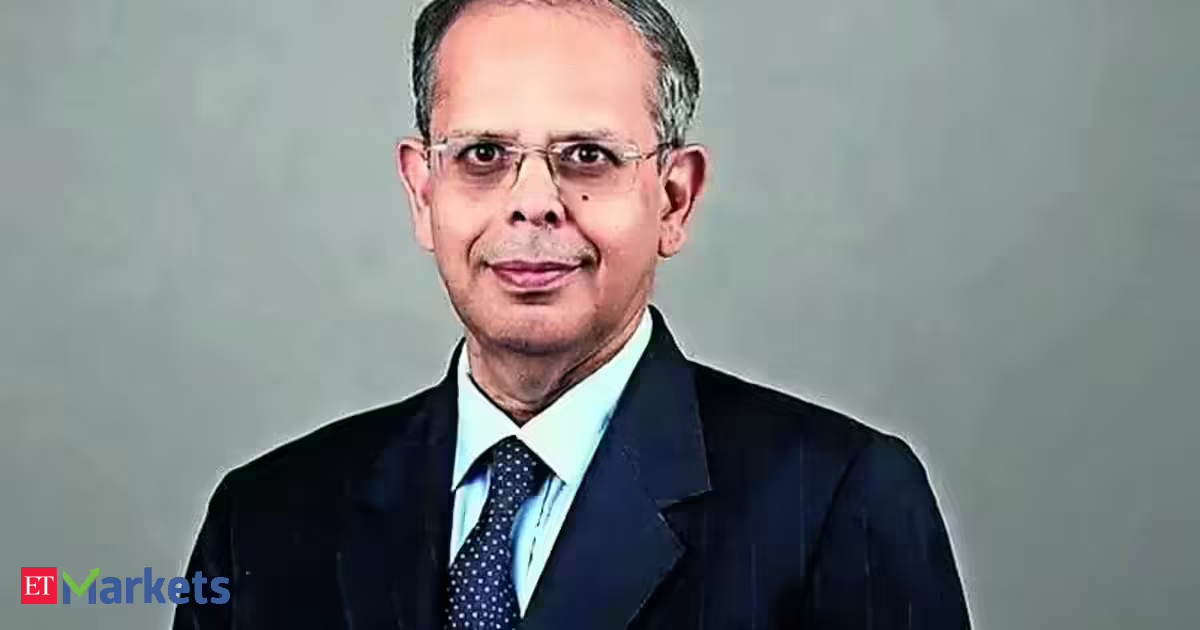
With crude oil prices falling, would growth be better than the central bank forecast? If yes, then do you think that the need to hike rates is lesser?
Yes, RBI growth and inflation forecasts were based, among other assumptions, on crude oil prices averaging $95 / barrel, which, based on oil futures, now appear likely to be lower. However, disruptions in supply chains could persist for some time, and hence it is difficult to predict the extent of growth recovery in FY27.
The MPC minutes have said that second-order input cost transmission getting embedded in retail inflation will have to be monitored. What would be the first signs visible via data that would suggest visible impact?
Second order effects are likely to manifest in core (non-food and fuel) CPI components, particularly in underlying components (excluding precious metals), indicating the extent of higher input cost pass through to retail inflation. However, it is difficult to forecast second order effects of higher input costs, which will depend on demand elasticities, input substitution and other pass through variables.The RBI Governor’s statement noted a revised FY27 core inflation at 4.7%, up from 4.4% at the April review, and headline at 5.1%, up from 4.6%. Factoring in price trends in other components, it might be possible to estimate specific inflation components.
Are current financial conditions already restrictive enough that a rate hike is unnecessary?
Although the policy repo rate is currently only 15 basis points above the FY27 forecast CPI inflation, money market and short term interest rates remain higher. RBI has also maintained system liquidity at appropriate levels. In addition, the gap between the repo rate and longer term bond yields have also risen much beyond steady state levels. Although MPC quarter wise forecasts of CPI inflation peaks in Q3 FY27, close to the upper band of the target, underlying inflation remains much lower and there are little signs of the economy overheating.
Have conditions eased after the FCNR(B) and ECB packages? Would strong inflows from these schemes reduce the need for any future monetary tightening?
Prima facie, the expected foreign currency inflows will add to autonomous domestic liquidity if even some of the inflows are absorbed by the central bank to replenish its foreign currency reserves. However, financial conditions will depend on RBI’s system liquidity management.Can it be said that growth is a bigger concern for the RBI in the current scenario, especially since inflation is projected at 5.1% and the repo rate is at 5.25%?
At the time of the MPC review, there were risks to both inflation and growth. While high frequency indicators suggested continuing resilience, they indicated a loss of momentum. This was the reason FY27 GDP forecast was a lower 6.6%, compared to the then FY26 estimate of 7.6%.
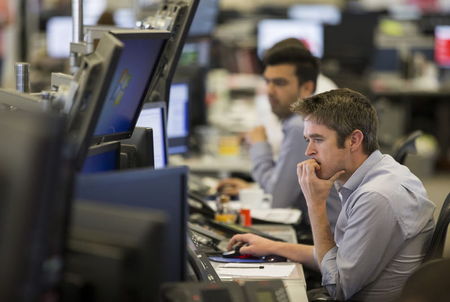
Softbank-backed robotics firm Coowa plans Hong Kong IPO- WSJ

The biggest difference between the upcoming IPOs in India and the US is not their size but the market mood they are arriving in.
OpenAI and Anthropic are preparing to tap the primary market at a time when enthusiasm over AI has pushed US equities to record highs, creating an almost ideal backdrop for IPOs. In contrast, Jio and NSE are heading to the market in a far less ideal IPO milieu.
While OpenAI and Anthropic enjoy the luxury of launching their IPOs in a market where investors are looking to lap up anything linked to AI, Jio and NSE must do all the heavy lifting, as appetite for Indian equities is far from its peak.
This difference is consequential. Historically, mega IPOs have signalled market tops as issuers look to capitalise on investor frenzy. The logic here is that investors are willing to pay just about anything to be part of the euphoria, ignoring valuation concerns.
This theory, to some extent, resonates with what’s happening in the US, where the loss-making SpaceX listed at a record valuation of $1.8 trillion, making it one of the most valuable companies. Though SpaceX shares are stuttering after the blockbuster debut, the strong showing in the IPO has set the stage for OpenAI and Anthropic in the coming months. There is nothing, for now, to suggest that their IPOs would not sail through unless investors lose faith in the AI theme as a whole.
Shift focus to India: Jio and NSE are preparing to list at a time when Indian markets have delivered no or marginal returns in the past two years. While foreign investors have fled Indian stocks in large numbers, individual investors-the street’s current backbone-are showing less enthusiasm towards equities. Moreover, most recent listings have been far from inspiring.That’s good news for investors. The IPO valuations of both these issuances are likely to be far more sober, with fewer deviations from their listed peers and in sync with the overall large-cap space. Early indications suggest that global investors are considering deploying money in these IPOs, judging them on a standalone basis rather than as part of an India portfolio, given their dominant presence in sectors with high entry barriers.
Some optimists are counting on the Jio and NSE IPOs to give the secondary market a boost, the way Maruti Suzuki‘s IPO in 2003-04 proved to be a turning point for Indian markets. The carmaker’s IPO, coming after the dot-com bubble burst and in the aftermath of the Ketan Parekh scam, was credited with reviving retail participation in equities and improving investor sentiment, signalling the start of one of India’s best bull runs-between 2003 and 2007.
Whether Jio and NSE can have a similar effect is debatable, given the vastly different market and economic conditions prevailing today. Currently, the market is far more mature, with domestic equity ownership at record levels, creating less scope for the entry of a new army of domestic retail investors.
The real test for the Jio and NSE IPOs will not be whether they get fully subscribed; it will be whether the issues can rekindle foreign investor interest in Indian markets. Maruti’s IPO helped bring domestic investors back to the market. Two decades later, Jio and NSE face a bigger task: persuading global investors to give India another look.
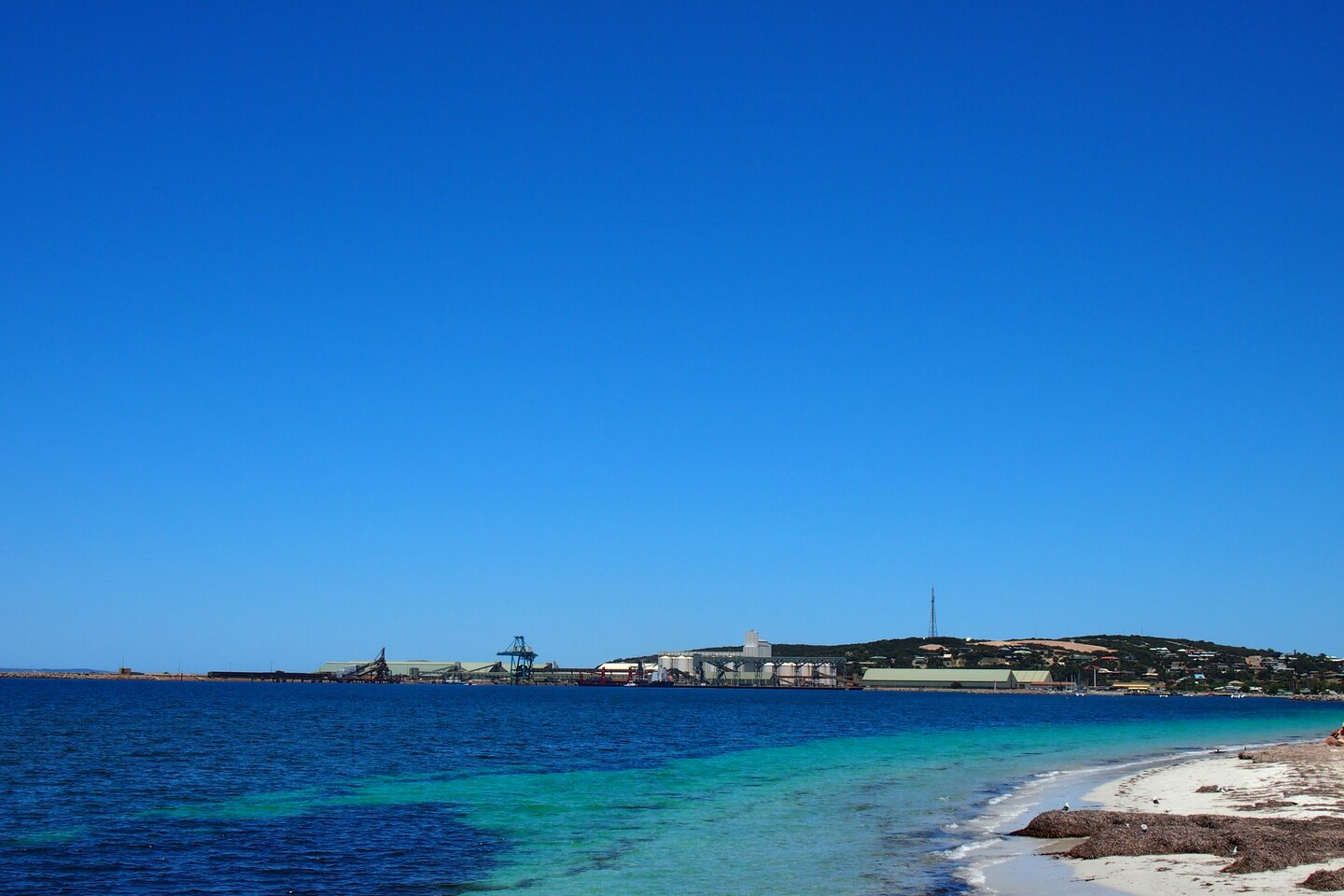
Australia’s largest poultry producer has plunged its chicken farms and processing plants into lockdown to protect itself from a deadly avian flu strain.

AMOL ATHAWALE
VP—TECHNICAL RESEARCH, KOTAK SECURITIES
Where is the Nifty headed? The weekly charts display a Doji candlestick pattern, signalling uncertainty and indecision between bulls and bears. Trading Strategy The short-term market outlook remains optimistic, with traders advised to buy on dips and sell on rallies. For the Nifty, the 50-day SMA around 23,850–23,750 is expected to act as a key support zone, while resistance is seen at 24,200–24,400. A fall below 23,750 may prompt traders to exit long positions.
TOP BETS FOR THE WEEK
Britannia Industries: Buy; CMP: Rs 5,195; stop loss: Rs 5,100; target: Rs 5,450
After finding support near Rs 5,050, the stock reversed and is undergoing positive consolidation near its 20-day SMA, indicating that the pullback may continue. Rs 5,100 is likely to act as a crucial support level, and sustaining above it could extend the move towards Rs 5,450.
Grasim Industries: Buy; CMP: Rs 3,150; stop loss: Rs 3,085; target: Rs 3,300
On both the daily and weekly charts, the stock remains in a strong uptrend, with Rs 3,090 emerging as a critical support level. As long as it stays above this mark, the rally could extend towards Rs 3,300, while a fall below Rs 3,090 may warrant an exit from long positions.
AgenciesRUCHIT JAIN
HEAD – EQUITY TECHNICAL RESEARCH, MOTILAL OSWAL FINANCIAL SERVICES
Where is the Nifty headed? The Nifty has recovered steadily from the 23,000 mark, forming a higher bottom near the 61.8% Fibonacci retracement level and reclaiming its 50-day DEMA, signalling improving momentum. If the upmove sustains, the index could head towards 24,500, where the 200-day DEMA and a previous swing high may act as key resistance. On the downside, immediate support is placed at the 20-day DEMA near 23,700, and holding above this level would keep the short-term bullish bias intact.
Trading Strategy: Traders are advised to maintain a positive bias and use corrective declines to create fresh long positions. Dips towards 23,900–23,850 can be used as buying opportunities, with a stop loss below 23,700, while the Nifty may target 24,250 initially and 24,500 if momentum strengthens.
TOP BETS FOR THE WEEK
Aditya Birla Capital: Buy; CMP: Rs 376; stop loss: Rs 360; target: Rs 405
The stock is on the verge of breaking out of a sixmonth consolidation range, suggesting a continuation of its broader primary uptrend. A decisive breakout could trigger fresh momentum and attract follow-up buying.
Premier Energies: Buy; CMP: Rs 1,080; stop loss: Rs 1,020; target: Rs 1,180.
The stock has been forming a higher-top, higher-bottom structure. Prices are respecting the support range of the 20- and 50-day DEMAs, while the RSI oscillator indicates positive momentum.
PABITRO MUKHERJEE
DEPUTY VICE PRESIDENT— TECHNICAL, BAJAJ BROKING
Where is the Nifty headed?
The bias remains positive, and the Nifty is expected to extend its upmove towards 24,300 and 24,600 in the coming weeks. While some consolidation after the recent 1,100-point rally cannot be ruled out, dips towards the 23,800–23,900 support zone should be used to accumulate quality stocks. The broader market is likely to continue outperforming, with the Nifty Midcap 100 targeting 63,500 and the Nifty Smallcap 100 moving towards its CY25 high of 19,225. Trading Strategy Buy Nifty futures at current levels and on dips towards 23,900 for targets of 24,300 and 24,600.
TOP BETS FOR THE WEEK
Bharat Electronics: Buy; CMP: Rs 427; stop loss: Rs 411; target: Rs 452
The stock has broken out above the falling channel that contained its two-month decline and has also closed above its 20- and 50-day EMAs, offering a fresh entry opportunity. The stock is likely to gradually move towards Rs 452, which marks the 80% retracement of the previous decline from Rs 464 to Rs 399.
Eternal: Buy; CMP: Rs 264; stop loss: Rs 249; target: Rs 290
The stock is on the verge of breaking out above its eight week consolidation range of Rs 234–265, offering a fresh opportunity. A bullish crossover of the 20-day EMA above the 50-day EMA supports positive bias, with the stock expected to move towards Rs 290–295 in the coming months.

I Bought a MONEY HOARDERS Storage Unit & Look What Was HIDDEN In The Back! (HIDDEN CASH!)
NHB probing Aavas Financiers over loan classification lapses

Trump Declares Starmer Will Resign, Blames North Sea Oil Ban


-

 Fashion2 days ago
Weekend Open Thread: Miami – Corporette.com
-
 Crypto World7 days ago
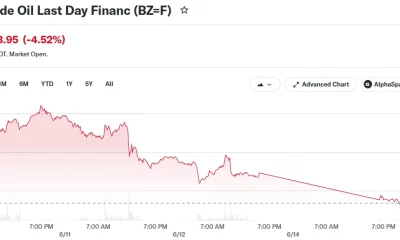
Crude Oil Plunges Over 4% as US-Iran Agreement Reopens Hormuz Strait
-

 Tech5 days ago
The Adder At The Heart Of Intel’s 8087 FPU
-
 Business2 days ago
Wall Street Week Ahead: Investors see Micron earnings as pulse check of AI rally momentum
-

 Crypto World2 days ago
HIVE shares jump as $220M AI deal speeds Bitcoin mining pivot
-

 Sports3 days ago
FIFA World Cup 2026: Canada beat 9-men Qatar 6-0 to register first ever win | FIFA World Cup 2026
-

 Business3 days ago
Brexit cost 6% of UK economy, Bank of England company data suggests
-

 Crypto World2 days ago
Jake Chervinsky accuses CME of protecting derivatives monopoly
-

 Business1 day ago
Soccer-U.S. defends Iran World Cup travel restrictions, says discussions ongoing
-

 Business1 day ago
MHP SE 2026 Q1 – Results – Earnings Call Presentation (OTCMKTS:MHPSY) 2026-06-20
-

 Crypto World4 days ago
Anthropic’s Dario Amodei Urged AI Unity at G7, Even as US Banned His Models
-

 Tech4 days ago
Weeks Of In-The-Field Testing And A Verdict
-

 Tech4 days ago
Adobe adds its AI assistant to Premiere, Illustrator and InDesign
-

 Entertainment1 day ago
Renter of Home in Anne Heche Crash Denies Settlement With Son
-

 Politics2 days ago
Andy Burnham and the meaning of Makerfield
-
 Crypto World2 days ago
Can Charles Hoskinson Really Rescue Cardano?
-
 Crypto World3 days ago
Iren (IREN) Stock Surges on Jefferies Buy Rating: AI Infrastructure Play Gains Momentum
-

 Politics3 days ago
BBC Reporter Discusses Cross Party Criticism Of Trumps Iran Deal
-

 Tech3 days ago
Instagram Now Lets You Add A Unique Caption To Each Carousel Slide
-

 News Videos3 days ago
IMPACT ON BITCOIN IF NO GOLD IS FOUND IN FORT KNOX
You must be logged in to post a comment Login