

Business
Starbucks to cut 300 US jobs, close some regional support offices



‘The Big Money Show’ co-hosts discuss Seattle Mayor Katie Wilson’s remarks dismissing millionaires leaving the city as Starbucks moves 2,000 jobs to Nashville.
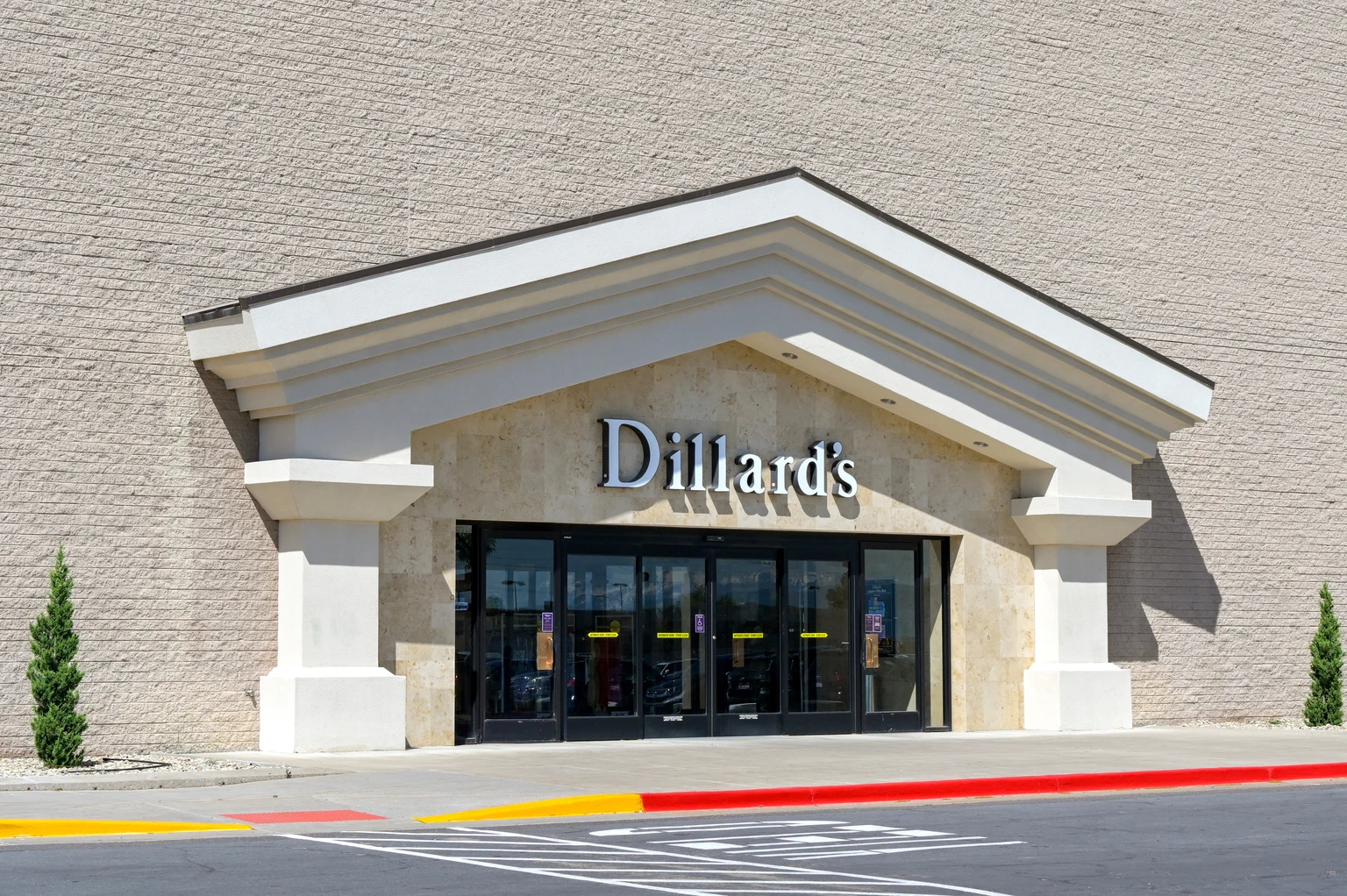
Coffee giant Starbucks is slashing about 300 U.S. support roles and closing some regional support offices.
“We are taking further action under the Back to Starbucks strategy, building on our strong business momentum and working to return the company to durable, profitable growth,” a Starbucks spokesperson said in a statement to FOX Business.
Leaders have taken a hard look at their respective functions to further sharpen focus, prioritize work, reduce complexity, and lower costs. As a result, we’re eliminating approximately 300 U.S. support roles,” the spokesperson said.
The company is also closing some regional support offices.
“We are streamlining our real estate footprint including consolidating U.S. regional support office space and taking several other steps with leases and lease commitments,” the spokesperson noted.
This is a breaking news story. Please check back for updates.


A Chinese tourist faces a lifetime ban from Thailand after allegedly damaging passport gates at Bangkok Airport in frustration. He’s accused of kicking barriers, verbally abusing officers, and bypassing security, prompting a crackdown on disorderly visitors.
Key Points
- A Chinese tourist was banned for life from Thailand after allegedly damaging airport passport gates and verbally abusing officers.
- The man, identified as Zheng Liwei, reportedly became frustrated with an automated gate at Suvarnabhumi Airport, leading to the incident.
-
He faces charges for damaging government property, insulting officials, and unauthorized entry, valued at approximately $15,000
Disruptive Tourist’s Permanent Ban
A 30-year-old Chinese tourist, identified as Zheng Liwei, has received a lifetime ban from re-entering Thailand following a disruptive incident at Suvarnabhumi Airport in Bangkok. The alleged offenses occurred on Wednesday afternoon while Zheng was attempting to clear immigration for his flight back to China. He reportedly became frustrated with the automated passport control system, leading to a violent outburst where he kicked and damaged two automated gates. This severe penalty underscores Thailand’s growing intolerance for disorderly conduct among foreign visitors.
Airport Altercation and Charges
The incident unfolded as Zheng struggled with the automated passport gates. Witness accounts and video footage suggest he repeatedly slammed his travel document on the reader before resorting to kicking the barriers, ultimately forcing his way through without proper clearance. Immigration officers intervened, and reports indicate Zheng then proceeded to verbally abuse the officers in Chinese, including a deeply offensive insult, before attempting to advance on them. His wife reportedly intervened, pulling him back.
Legal Repercussions and Damaged Property
Following the airport disturbance, immigration officers have filed formal complaints against Zheng. The charges include damaging government property, with the estimated cost of the two damaged automated gates amounting to approximately 480,000 baht (US$15,000). Additionally, he faces charges for insulting officers on duty and passing through a security checkpoint without authorization. This case is indicative of a broader Thai governmental effort to curb instances of foreign visitor misconduct.
Source : Chinese tourist banned from Thailand for life after kicking, damaging US$15,000 auto-gates
Other People are Reading

There is a certain pride in doing your own marketing.
I see it all the time. It signals control. Efficiency. The belief that no one understands the business better than the people inside it. And to be fair, at the beginning, that’s often true.
But what starts as a practical decision has a way of turning into a long-term habit. And that’s where the problem begins because the cost of DIY marketing isn’t obvious. It builds slowly, quietly, and often invisibly. By the time most businesses recognize it, the damage has already been done.
When Activity Replaces Strategy
Most marketing doesn’t fail outright. It fragments.
A campaign here to boost sales. A few posts there to stay “active.” Maybe some ads when revenue dips. Each move feels justified in the moment, but step back and look at it as a whole, and something becomes clear: there’s no unifying direction.
That’s not a strategy. That’s motion.
And motion without positioning is one of the fastest ways to weaken a brand.
When your messaging shifts depending on what you need this week, your audience doesn’t know what to hold onto. Are you premium or affordable? Specialized or broad? Different or just another option?
If you’re not consistently answering those questions, the market will answer them for you and usually not in your favor.
The Performance Trap
There’s a pattern I’ve seen repeat across industries. I call it the performance trap. It starts with good intentions. You run ads, track conversions, optimize what’s working. On paper, it looks smart. Data-driven. Efficient.
But over time, your entire strategy gets reduced to one question: what’s working right now?
And that’s where things start to break.
Because when you prioritize short-term response above everything else, you begin making decisions that weaken long-term perception. You lean into discounts because they convert. You simplify messaging until it loses its edge. You chase what gets clicks instead of what builds meaning.
You’re no longer building a brand. You’re feeding a machine.
And the outcome is predictable: rising costs, shrinking margins, and a customer base that only responds when there’s an incentive.
So it’s worth asking, are you building something people remember, or just something they react to?
When Cheap Becomes Expensive
DIY marketing is often framed as a cost-saving move.
It isn’t.
It’s more like cutting your own hair. You can do it. It might even look fine at first. But small mistakes add up. The shape gets uneven. The structure falls apart. And eventually, fixing it costs more than doing it properly from the start.
Marketing works the same way.
Every unclear message, every inconsistent campaign, every unnecessary discount shapes how people perceive your brand. And perception isn’t a small thing it’s the thing. It determines whether someone trusts you, chooses you, or is willing to pay more for what you offer.
Strong brands routinely command price premiums often 10 to 20 percent higher than competitors offering similar products or services. That gap isn’t created by better tactics. It’s built through clarity and consistency over time.
Once you lose that, you’re not just adjusting campaigns. You’re rebuilding trust.
Why Strategy Requires Distance
One of the biggest challenges with doing everything internally is proximity.
You’re too close to it.
You know the product inside out. You understand the nuances. But your customer doesn’t. And when you’re operating from the inside, it’s easy to assume what’s obvious to you is obvious to them.
It rarely is.
I often say it this way: you can’t read the label from inside the jar.
That’s why strategy requires distance. Not more activity, not more content but clearer thinking. A defined position. A message that reflects how your audience actually makes decisions, not how you wish they did.
Through my work at Brand Boss HQ I focus on helping businesses step back and build that clarity through what I call Strategic Storytelling™. It’s about aligning what you say, how you say it, and what you do so the market sees you the way you intend to be seen.
Because when that alignment is in place, everything else becomes more effective.
The Cost You Don’t See
The biggest risk of DIY marketing isn’t what shows up in your reports.
It’s what doesn’t.
The customers who don’t convert because your message didn’t land. The opportunities you don’t attract because your positioning isn’t clear. The premium you can’t charge because your brand feels interchangeable.
Those losses don’t get tracked. But they shape your growth more than any single campaign ever will.
So the question isn’t whether you can do your own marketing.
It’s whether what you’re building is intentional.
Are you creating a brand that people recognize, trust, and are willing to pay more for? Or are you just staying busy, hoping your efforts eventually add up?
Because they won’t. Not without direction.
If you’re honest, you already know which one you’re doing.
The real question is—are you going to keep going, or are you finally going to fix it? Give us a call.

U.S. Gold Corp. finalizes feasibility study for CK Gold Project in Wyoming

Inventiva's Speculative Upside Through MASH Is Promising

Monster beverage chief strategy officer sells $8.48m in stock

Monster Beverage CFO Thomas Kelly sells $614,670 in company stock

UK consumers and food businesses face a food inflation conversation that shapes both the household weekly shop and the operational priorities of retailers, food service operators, and community food programmes.
Recent ONS and Food Standards Agency-tracked data highlight an increasingly central role for food costs in household financial concerns. Investment in food handling and food safety training sits at the intersection of statutory compliance, operational discipline, and consumer-facing service. The right approach reads each operation’s specific risk profile before specifying a programme.
The same disciplined evaluation that informs other business decisions translates to food business operations. Industry consumer research shows that 91% of UK consumers cite food costs as a major concern when surveyed about household financial pressure. UK food businesses running structured food handling and food safety programmes typically see meaningful reduction in operational waste and audit risk, with some operators reporting waste reductions in the 20 to 35 per cent range over rolling 24-month windows. Food inflation refers to the rate of change in the cost of food and non-alcoholic beverages within a national price index. The decision rewards a few hours of structured preparation before booking a training provider.
Why Has Food Inflation Become More Strategic for UK Businesses?
Three structural shifts have moved food-business investment into more strategic territory across UK operators. The first is the consumer-pressure shift. Households increasingly compare prices across retailers and adjust shop frequency in response to cost movements.
The second is the operational-cost shift. Food businesses absorb input-cost rises across supply chains, energy, and labour. The third is the regulatory-discipline shift. Food Standards Agency expectations remain consistent regardless of the cost-pressure environment.
The Food Standards Agency’s food hygiene guidance for businesses outlines the regulatory framework UK food operators reference. Coverage of the UK inflation reading reported by BM Magazine puts the headline cost picture in context for food retailers and food service operators.
What Should UK Food Businesses Verify Before Investing?
Six checks belong on every food-business investment review. The table below summarises what UK operators should weigh before commitment.
| Check | Why It Matters | What to Confirm |
| Trainer credentialing | Recognised qualification | CIEH, RSPH, or Highfield-aligned course |
| Course-specific scope | Match to operation type | Retail, kitchen, distribution covered |
| Hands-on assessment | Practical evaluation included | On-site walk-through completed |
| Schedule flexibility | Match to operating calendar | Out-of-hours delivery available |
| Documentation | FSA-aligned records | Completion certificate plus refresher schedule |
| Refresher cadence | Knowledge retention | 3-year refresher cycle |
A training provider that produces clear answers across these six points signals a programme worth retaining. A provider that deflects on any of them signals a generic course that may not match the specific operation profile. The Acas health and wellbeing at work guide covers complementary employer-relations guidance.
Which Food Business Categories Reward Specialist Programmes Most?
Three food business categories reward dedicated training investment more than the others:
- Independent retail and convenience operations where margin pressure and inventory-turnover discipline both interact with food-safety expectations
- Food-service and hospitality operations where temperature control, allergen management, and customer-facing service all face routine inspection
- Wholesale and distribution operations where cold-chain integrity, stock-rotation, and labelling all shape both safety and waste outcomes
UK food businesses comparing prevention programmes benefit from reviewing recent local audit patterns. Online courses typically cost £15 to £50 per delegate. Blended in-person delivery runs £100 to £350 per delegate. Specialist providers describe the realistic reduction in audit findings over rolling windows. Coverage of retail business rates and food prices helps food retailers frame the wider cost picture before choosing a training partner.
What Common Mistakes Surface in UK Food Business Operations?
Several patterns recur. The first is choosing on price alone. The cheapest course often skips meaningful practical-assessment time.
The second is treating training as a one-off compliance event. Knowledge retention from a single training session typically fades within 12 to 24 months without reinforcement.
The third is overlooking the temperature-monitoring discipline. Hot-holding, cold-holding, and reheating all require active monitoring and recording.
The fourth is forgetting the allergen-management pathway. UK regulation requires clear allergen labelling on prepacked foods. The fifth is signing without confirming the documentation pathway.
What Is the Bottom Line for UK Food Businesses?
The food-business investment decision rewards UK operators that plan rather than improvise. The window for thoughtful preparation typically runs from the annual operational review through to the training-provider comparison phase. The right approach coordinates the training, the equipment investment, the temperature-monitoring discipline, and the allergen-management pathway rather than treating each as a separate engagement.
Whether the operator runs a single retail unit, a hospitality venue, or a multi-site operation, the criteria translate cleanly. The first provider conversation should answer specific questions about credentialing, course scope, hands-on assessment, and documentation. UK food businesses that run real comparison processes early end up with cleaner long-term outcomes than businesses that default to whichever provider was first recommended. Pre-engagement preparation pays back across the entire operation, with operators that maintain disciplined refresher cadence reporting reductions in food waste and audit findings across rolling 24-month windows.
Frequently Asked Questions
How High Is UK Consumer Concern About Food Costs?
Industry consumer research summarised by Level 2 Food Hygiene suggests that approximately 91 per cent of UK consumers identify food costs as a major concern. The figure reflects both objective price movement and the visibility of weekly shop costs in household budgets. Lower-income and larger-household consumers report higher concern levels. The figure has remained elevated across recent reporting cycles even as headline inflation has moderated.
How Much Does Food Business Training Cost?
Online Level 2 food hygiene courses typically cost £15 to £50 per delegate. Blended in-person delivery runs £100 to £350 per delegate depending on operation complexity and assessment depth. Larger operators typically negotiate volume discounts at 25-plus delegate enrolments. The cost is small relative to the cost of a single serious food-safety incident or audit finding.
What Are the Penalties for Food Safety Non-Compliance?
Food-safety non-compliance can lead to enforcement action including improvement notices, prohibition notices, and fines. Serious cases can result in unlimited fines on conviction. Reputational damage on public records can also affect customer relationships and tender eligibility. Most enforcement responds to patterns of non-compliance rather than isolated events.
How Often Should UK Food Businesses Refresh Training?
Most food-safety training benefits from refresher delivery every 3 years for Level 2 qualifications. Higher-risk roles (allergen management, supervisor responsibilities) often warrant earlier refresher cycles. New starters typically receive induction-level training within the first 30 days of starting. The Food Standards Agency expects operators to maintain documented training records.

Wolf Report is a senior analyst and private portfolio manager with over 10 years of generating value ideas in European and North American markets, and the owner of Wolf of Value, a service focusing on international dividend-paying value investments.He further covers the markets of Scandinavia, Germany, France, UK, Italy, Spain, Portugal and Eastern Europe in search of reasonably valued stock ideas.
Analyst’s Disclosure: I/we have no stock, option or similar derivative position in any of the companies mentioned, and no plans to initiate any such positions within the next 72 hours. I wrote this article myself, and it expresses my own opinions. I am not receiving compensation for it (other than from Seeking Alpha). I have no business relationship with any company whose stock is mentioned in this article.
While this article may sound like financial advice, please observe that the author is not a CFA or in any way licensed to give financial advice. It may be structured as such, but it is not financial advice. Investors are required and expected to do their own due diligence and research prior to any investment.
Short-term trading, options trading/investment and futures trading are potentially extremely risky investment styles. They generally are not appropriate for someone with limited capital, limited investment experience, or a lack of understanding for the necessary risk tolerance involved.
I own the European/Scandinavian tickers (not the ADRs) of all European/Scandinavian companies listed in my articles. I own the Canadian tickers of all Canadian stocks I write about.
Please note that investing in European/Non-US stocks comes with withholding tax risks specific to the company’s domicile as well as your personal situation. Investors should always consult a tax professional as to the overall impact of dividend withholding taxes and ways to mitigate these.
Seeking Alpha’s Disclosure: Past performance is no guarantee of future results. No recommendation or advice is being given as to whether any investment is suitable for a particular investor. Any views or opinions expressed above may not reflect those of Seeking Alpha as a whole. Seeking Alpha is not a licensed securities dealer, broker or US investment adviser or investment bank. Our analysts are third party authors that include both professional investors and individual investors who may not be licensed or certified by any institute or regulatory body.

B2Gold: The Re-Rating Setup Is Building As A New Era Begins

NEW YORK — The Dow Jones Industrial Average tumbled nearly 400 points Thursday, closing at 49,667.97 as a sharp sell-off in technology shares and renewed concerns over interest rates weighed on investor sentiment and triggered a broad retreat across Wall Street.
The blue-chip index dropped 395.49 points, or 0.79 percent, marking its largest one-day point decline in several weeks. The S&P 500 fell 0.65 percent while the Nasdaq Composite, heavily weighted toward technology, posted a steeper 1.12 percent loss as mega-cap names came under pressure.
Trading volume remained elevated throughout the session as investors digested mixed economic signals and repositioned portfolios amid uncertainty about the Federal Reserve’s next moves. The decline erased gains from earlier in the week and highlighted the market’s vulnerability to shifts in risk appetite.
Tech Sector Leads the Decline
Technology stocks bore the brunt of the selling. Nvidia, Apple, Microsoft and other heavyweights in the Dow and broader indices retreated as traders took profits following a strong run driven by artificial intelligence enthusiasm. Concerns about valuation levels in the sector, combined with reports of potential regulatory scrutiny on big tech, added to the downward pressure.
Energy and financial shares offered some relative stability. Oil prices held firm amid ongoing Middle East tensions, supporting energy names, while select banks benefited from expectations of steady interest rates. However, these pockets of strength were not enough to offset losses in more growth-oriented areas of the market.
Economic Data and Fed Outlook in Focus
The pullback came as investors parsed the latest inflation readings and labor market data. While recent figures have shown some cooling in price pressures, persistent strength in certain areas has kept the Federal Reserve on hold. Market participants are now pricing in fewer rate cuts for the remainder of 2026 than previously expected, a shift that has weighed on equities sensitive to borrowing costs.
Economists note that the economy remains resilient overall, with consumer spending and corporate earnings holding up better than feared. Yet the combination of geopolitical risks, including developments in the Middle East, and domestic policy uncertainty continues to create a cautious backdrop for investors.
Analyst Perspectives
Market strategists described Thursday’s move as a healthy correction rather than the start of a deeper downturn. “We’ve had a strong run, and some profit-taking was inevitable,” said Sarah Chen, chief investment strategist at a major New York-based firm. “The Dow had been hovering near all-time highs, and today’s decline reflects rotation out of some of the more extended names.”
Others pointed to technical factors. The Dow had been trading in a relatively narrow range recently, building tension that finally released with today’s move. Support levels near 49,200-49,300 could provide a floor if selling intensifies, while resistance sits around the recent highs above 50,000.
Broader Market Context
The Dow’s performance stands in contrast to its remarkable climb over the past several years. From post-pandemic lows, the index has more than doubled, driven by strong corporate earnings, technological innovation and accommodative monetary policy. Yet periodic pullbacks like Thursday’s serve as reminders that markets do not move in straight lines.
Smaller companies, tracked by the Russell 2000, also felt pressure but held up better than large-cap tech names. International markets showed mixed results, with European indices modestly lower and Asian markets closing mostly in positive territory overnight.
Bond yields edged higher as investors reassessed the path for rates, with the 10-year Treasury yield rising several basis points. The U.S. dollar strengthened modestly against major currencies, reflecting its safe-haven appeal during periods of equity market volatility.
Corporate Earnings Season in Focus
With the earnings reporting season well underway, company-specific news continued to drive individual stock movements. Several major Dow components reported results this week that met or exceeded expectations, yet the broader tone remained cautious as guidance for the rest of the year incorporated economic uncertainties.
Analysts expect second-quarter earnings growth to remain solid but slower than the robust pace seen in 2025. Sectors tied to consumer discretionary spending and technology face closer scrutiny as investors look for signs of sustained demand.
Investor Sentiment and Outlook
Retail investors, tracked through various sentiment surveys, remain largely optimistic about the long-term direction of the market but have grown more tactical in the short term. Many have been adding to defensive positions in healthcare, consumer staples and utilities while trimming exposure to high-valuation growth stocks.
Looking ahead, the market will closely watch upcoming inflation data, the Federal Reserve’s policy signals and developments in global trade negotiations. Any signs of cooling in the labor market could revive expectations for rate cuts later this year, potentially providing support for equities.
For now, Thursday’s decline serves as a reminder of the market’s sensitivity to shifts in momentum. While the Dow remains well above levels from just a year ago, the path forward will likely feature continued volatility as investors balance optimism about innovation and economic resilience against concerns over valuations and policy uncertainty.
The Dow closed the session at 49,667.97. Whether today’s move marks the start of a deeper correction or simply a pause in an ongoing uptrend will depend on how the market digests upcoming data and corporate reports in the days ahead. Investors will be watching closely as Wall Street navigates the delicate balance between risk and reward in an environment full of both opportunity and potential pitfalls.

Shop Summer Must-Haves Up to 60% Off

Neighbourhood Caretakers – City of York Council update

Chinese Tourist Permanently Banned from Thailand for Damaging $15,000 Auto-Gates

Manchester United reach agreement with Casemiro over contract clause amid transfer speculation

US brings back mandatory military draft registration

Steven Gerrard disagrees with Gary Neville over ‘shock’ Chelsea and Arsenal claim | Football


-

 Fashion4 days ago
Coffee Break: Travel Steam Iron
-

 Politics7 days ago
Politics Home Article | Starmer Enters The Danger Zone
-

 Fashion5 days ago
What to Know Before Buying a Curling Wand or Curling Iron
-

 Politics4 days ago
What to expect when you’re expecting a budget
-

 Tech6 days ago
Auto Enthusiast Carves Functional Two-Stroke Engine from Solid Metal
-
 Business6 days ago
Ignore market noise, India’s long-term story intact, say D-Street bulls Ramesh Damani and Sunil Singhania
-

 Tech5 days ago
GM Agrees To Pay $12.75 Million To Settle California Lawsuit Over Misuse Of Customers’ Driving Data
-

 Fashion5 hours ago
Weekend Open Thread: Theory – Corporette.com
-

 Crypto World6 days ago
CZ says US crypto rivals tried to block Trump pardon
-

 Crypto World6 days ago
PROS explodes 48% as Upbit and Bithumb listings ignite demand
-

 Tech4 days ago
GM agrees to $12.75M California settlement over sale of drivers’ data
-
Crypto World3 days ago
Bitcoin Suisse expands with Digital Asset License and Investment Business Act Registration Approval in Bermuda
-

 Crypto World4 hours ago
E-Estate Announces 1 Year Live: Washington DC Summit as Real Estate Tokenization Enters Its Next Phase
-
 Crypto World7 days ago
Solana UFO Meme Coins Surge After Pentagon Reveals Alien Files
-

 Entertainment7 days ago
Bethenny Frankel Says She Loves ‘Torturing’ Men
-

 Politics3 days ago
Pakistan to enter Chinese capital market as war inflation bites
-
 Crypto World7 days ago
Pi Network Hits 421K Mainnet Nodes Ahead of Protocol 23 Smart Contract Launch
-
 Crypto World1 day ago
Google’s Gemini AI Predicts Incredible Solana Price by the End of 2026
-
Crypto World7 days ago
Crypto Price Analysis May-08: ETH, XRP, ADA, BNB, and HYPE
-
 Crypto World7 days ago
Trump’s 10% Intel (INTC) Stake Gains $47 Billion After Apple Chip Deal
You must be logged in to post a comment Login