

Business
Stop blaming young people for being unemployed, says Amazon's UK boss



Business
Arvind Panagariya’s advice to RBI: ‘100 is just a number; let rupee depreciate or reserves will bleed out’

In a post on X, the 16th Finance Commission Chairman said the RBI should not allow the “psychology” of the Rs 100-per-dollar mark to dictate policy decisions.
“Do not let the psychology of Rs 100 per dollar determine your policy response. 100 is just a number, like 99 and 101. Whether the oil shortage is short-lived or long-lived, the right response at this moment is to let the rupee depreciate,” Panagariya wrote.
Panagariya’s remarks came as the rupee touched the key 100-per-dollar mark in the one-year forward market on Wednesday, signalling that currency markets are pricing in a weakening bias for the USD/INR pair over the next 12 months.
According to him, if the current oil shortage lasts only for a few months to a year, the rupee may weaken initially but could later recover significantly once India’s oil import bill declines and foreign investors return to take advantage of a cheaper currency.

However, if the oil shock turns out to be long-lasting, Panagariya warned that trying to artificially defend the rupee would only drain India’s forex reserves over time.
“A resort to anything other than depreciation will be a losing proposition. Trying to defend the rupee will continue to bleed the reserves until they are exhausted,” said the former Niti Aayog vice chairman.
Panagariya also cautioned against relying heavily on dollar-denominated sovereign bonds or high-interest NRI dollar deposits to support the currency, calling them temporary and expensive measures.
“Eventually, you will have to cross the 100-rupee-per-dollar psychological barrier,” he added.
Drawing comparisons with the 2013 currency crisis, Panagariya said India’s macroeconomic situation today is much stronger. He noted that inflation was in double digits in 2013, whereas current inflation levels remain relatively controlled due to prudent monetary management by the RBI.
“This is not 2013. The economy is well-positioned to absorb some inflationary pressure that will accompany depreciation,” he said.
He further argued that instruments such as high-interest NRI dollar deposits effectively amount to a transfer of wealth to richer depositors, while costing India more than what it earns on its own foreign currency reserves.
The rupee rebounded 50 paise from its all-time closing low to settle at 96.36 against the US dollar on Thursday after crude oil prices retreated from elevated levels amid signs of easing geopolitical friction, alongside likely central bank intervention. Forex traders said the rupee had gained after the recent geopolitical developments, but investors are still gauging the geopolitical risk and oil price sensitivity in the background.
NEW YORK — International Business Machines Corp. (NYSE: IBM) shares rose sharply in early trading Thursday, May 21, 2026, gaining $8.65 or 3.85% to $233.56 as investors responded positively to ongoing developments in quantum computing and broader sector sentiment.
The stock had closed at $224.91 the previous session. Trading volume exceeded average levels in the morning as the company benefited from renewed interest in quantum technology following recent U.S. government funding announcements in the sector.
IBM has positioned itself as a leader in quantum computing with its Quantum System Two and cloud-based quantum services. The company continues to expand its quantum hardware and software offerings through partnerships with universities and enterprises.
Earlier announcements included IBM’s commitment to invest $150 billion in U.S. manufacturing, research and development over five years, with more than $30 billion allocated to mainframe and quantum computing production. This aligns with efforts to strengthen domestic technology capabilities.
IBM reported strong first-quarter 2026 results on April 22. Revenue reached $15.92 billion, up 9% year-over-year, beating analyst estimates. Adjusted earnings per share came in at $1.91, exceeding expectations of $1.81. Software and infrastructure segments showed double-digit growth.
The company maintained its full-year 2026 outlook, projecting more than 5% constant-currency revenue growth and approximately $1 billion increase in free cash flow. Software revenue is expected to grow 10% or more for the year.
IBM’s hybrid cloud and AI strategy, including Watsonx, continues to drive bookings. The company has emphasized enterprise AI adoption and mainframe modernization while navigating competitive pressures in the broader AI landscape.
Market capitalization stood near $210 billion in recent sessions. The stock has experienced volatility in 2026, including a significant one-day drop in February following AI-related concerns around legacy system modernization. It has since shown resilience amid quantum and infrastructure focus.
Analysts have noted IBM’s dividend yield of approximately 2.8% and its defensive characteristics as a GARP (Growth at a Reasonable Price) stock. The company has returned substantial capital to shareholders through dividends and buybacks.
The Dow Jones Industrial Average, of which IBM is a component, traded lower on May 21 amid broader market pressures from oil prices and yields. IBM’s outperformance highlighted its relative strength in the blue-chip index.
IBM operates in software, consulting and infrastructure segments. It serves clients across industries with hybrid cloud platforms, AI solutions and traditional IT services. The company employs more than 280,000 people worldwide.
No new earnings or major corporate announcements were released on May 21. The next quarterly report for the second quarter is expected in late July. Investors continue to monitor AI monetization progress, quantum advancements and mainframe demand.
The stock’s 52-week range has spanned from approximately $212 to higher levels earlier in the period. Year-to-date performance reflected mixed sentiment around AI disruption risks and IBM’s strategic positioning.
IBM maintains a strong balance sheet with consistent free cash flow generation. It has invested in acquisitions such as Confluent to bolster data streaming capabilities. Management has emphasized execution consistency and margin expansion.
Broader technology sector movements influenced trading. Positive sentiment around U.S. quantum initiatives provided a tailwind for IBM, a long-time player in the field with commercial quantum systems available via cloud access.
Trading activity remained elevated in morning sessions on May 21. Market participants will watch for any follow-through momentum and potential resistance levels near recent highs.
IBM continues to focus on long-term growth areas including artificial intelligence, hybrid cloud and quantum computing while delivering steady returns to shareholders through its dividend. The company’s latest quarterly performance underscored operational strength despite external pressures.
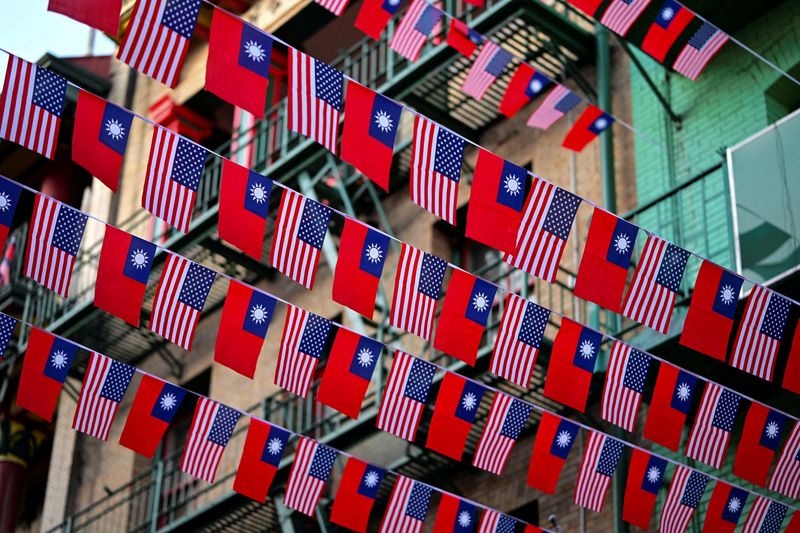

Explainer-Why China might react badly to any call between Trump and Taiwan’s president
Business
Buyback alert! 5 stocks turning ex-record dates for share buybacks in May. Check details – Share buybacks

Zydus Lifesciences on Tuesday announced its biggest-ever share buyback worth Rs 1,100 crore at a buyback price of Rs 1,150 per share, offering nearly a 10.5% premium over the stock’s previous closing price. Zydus Lifesciences’ board approved a plan to buy back up to 95.65 lakh shares, each with a face value of Re 1, representing 0.95% of the company’s paid-up equity share capital, for an aggregate amount not exceeding Rs 1,100 crore. The buyback will be conducted via the tender route. The record date to determine shareholders’ eligibility for the buyback has been fixed as May 29 (next Friday).
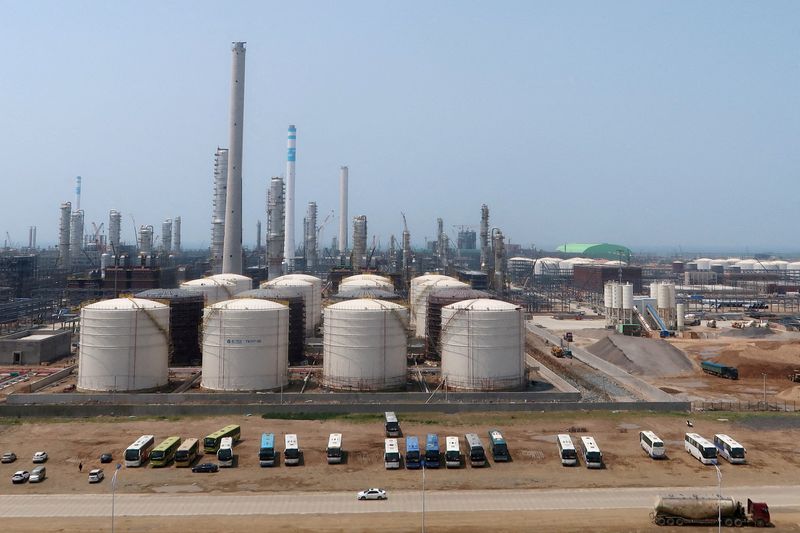

Hengli, China’s silk-to-petrochemicals empire, faces the chill of US sanctions

Asean’s unified capital market faces obstacles as member states resist sharing data, forex, and fiscal policies. DBS Bank’s Tan Chek Soon calls this the “biggest elephant in the room,” while IDEAS’ Rebecca Sta Maria advocates “baby steps” like Asean Business Entities for easier labour mobility.
Key Points
- Asean’s push for a unified regional capital market faces major obstacles, as member states remain reluctant to share control over data, foreign exchange, fiscal, and trade policies. DBS Bank’s Tan Chek Soon called this sovereignty issue “the biggest elephant in the room,” though he believes Asean’s talent pool can eventually overcome these challenges.
- A harmonised Asean capital market would make the region more attractive to global investors by functioning as a single investment bloc, improving capital allocation by connecting capital-rich markets like Singapore and Malaysia with high-growth economies like Indonesia seeking funding for listings.
- IDEAS’ Rebecca Fatima Sta Maria advocates “baby steps” toward regional integration, highlighting a proposal to designate firms as “Asean Business Entities,” allowing skilled employees to move freely across regional branches with reduced bureaucratic hurdles, serving as a pragmatic step toward broader labour mobility.
Barriers to Asean’s Unified Capital Market
The Challenge of Sovereignty: Asean’s vision of a unified regional capital market continues to face significant obstacles, primarily due to member states’ reluctance to relinquish control over data, foreign exchange policies, and fiscal regulations. DBS Bank’s head of investment banking coverage for Malaysia, Tan Chek Soon, described this as “the biggest elephant in the room.” Drawing parallels with the European Union, he noted that meaningful integration requires nations to surrender certain sovereign authorities — a politically sensitive trade-off that Asean members have yet to fully embrace.
The Case for Integration: Despite these challenges, Tan remains optimistic about the region’s potential. He argued that a harmonised capital market — spanning equities, bond settlements, and regulatory disclosures — would make Asean significantly more attractive to global investors by positioning the region as a unified investment bloc. He further highlighted the opportunity to improve capital allocation, enabling capital-rich markets like Singapore and Malaysia to fund high-growth economies such as Indonesia, where promising companies struggle due to relatively smaller domestic markets.
Pragmatic Steps Toward Regional Integration
Labour Mobility as a Starting Point: Institute for Democracy and Economic Affairs director Tan Sri Dr Rebecca Fatima Sta Maria advocated for practical “baby steps” rather than sweeping reforms. She highlighted a proposal by the Asean Business Advisory Council to designate selected firms as “Asean Business Entities” (ABEs), granting them the ability to move skilled employees across regional branches with greater ease, reducing bureaucratic hurdles related to work permits and temporary transfers.
Incremental Progress Over Ambitious Overhauls: Rebecca acknowledged that a European-style Schengen Agreement for free movement remains a distant goal for Asean. However, she emphasised that targeted measures — such as allowing temporary intra-company staff movement of up to three months — represent meaningful progress. These incremental reforms, while modest, provide the business community with a realistic pathway toward deeper regional integration without requiring immediate political consensus on broader sovereignty issues.
Source : Data sovereignty concerns stall Asean capital market unity — DBS
Other People are Reading
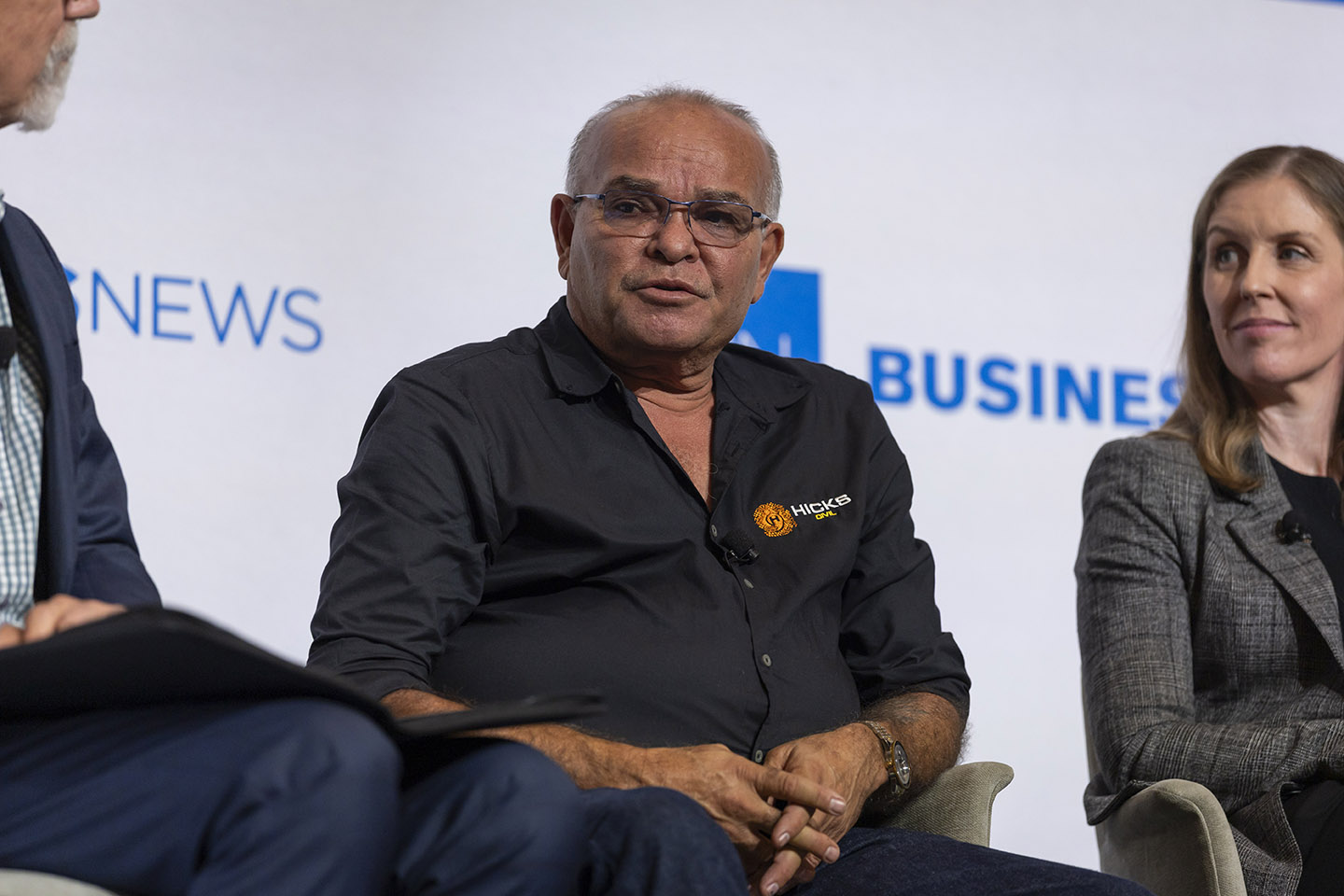
Aboriginal contractor Hicks Civil & Mining has branched out to Queensland in its first major move beyond its home base.

Authentic Brands Group IPO: CEO change signals stock offering

In the Nifty500 pack, 15 stocks’ closing prices crossed above their 200 DMA (Daily Moving Averages) on May 21, 2026, according to stockedge.com’s technical scan data. The 200-day daily moving average (DMA) is used by traders as a key indicator for determining the overall trend in a particular stock. As long as the stock is priced above the 200-day SMA on the daily timeframe, it is generally considered to be in an overall uptrend. Take a look:”
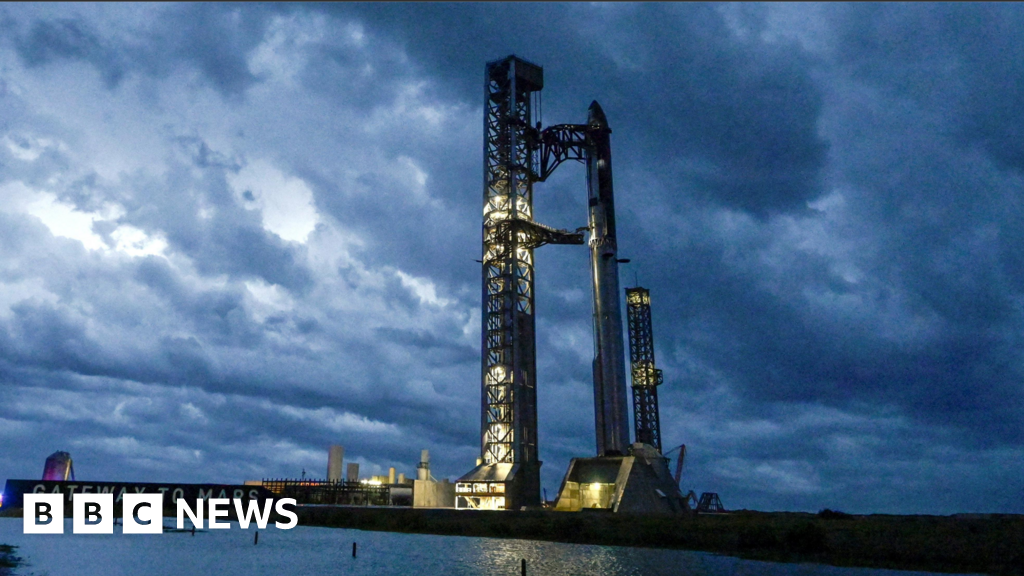
It comes just a day after the firm revealed plans for a record-breaking stock market debut.

Pub Fest to bring festival feel to pubs across Bolton
Arvind Panagariya’s advice to RBI: ‘100 is just a number; let rupee depreciate or reserves will bleed out’

Bitcoin Liquidity Balance Signals Potential Rally Toward $80K


-

 Crypto World6 days ago
BloFin War of Whales 2026 Grand Prix opens registration for $5M trading championship
-

 Fashion6 days ago
Weekend Open Thread: Theory – Corporette.com
-

 Crypto World6 days ago
E-Estate Announces 1 Year Live: Washington DC Summit as Real Estate Tokenization Enters Its Next Phase
-

 Tech7 days ago
Tech Moves: Microsoft AI leader jumps to OpenAI; former AI2 exec joins Meta; and more
-

 Tech6 days ago
Google reimburses Register sources who were victims of API fraud
-

 Business7 days ago
H&R Real Estate Investment Trust (HR.UN:CA) Q1 2026 Earnings Call Transcript
-

 Entertainment7 days ago
David Letterman Returns to Late Show, Blasts Cancellation
-

 Sports6 days ago
Napoleonic enters 2026 Doomben 10,000 field via Abounding withdrawal
-
 Crypto World6 days ago
BeInCrypto 100 Institutional Awards Nomination: KAST for Best Digital Assets Neobank and Best Digital Assets Fintech
-
 Crypto World6 days ago
Bitcoin Battles US Bond Nerves With BTC Price Dip Toward New May Lows
-

 Crypto World6 days ago
ICE and CME urge US regulators to curb Hyperliquid energy trading
-
 Crypto World6 days ago
Wall Street’s Boldest Gold Prediction Has Russians Rushing to Buy
-

 Fashion5 days ago
On the Scene at Gucci’s Cruise Show in New York City: Mariah Carey, Kim Kardashian, Lindsay Lohan, Iman, and More!
-

 Fashion6 days ago
Trending Western Style Vests Perfect for Summer
-
 Crypto World6 days ago
IREN closes $3 billion convertible notes deal amid AI infrastructure expansion
-
 Politics6 days ago
Watch: far-right flag-fanatics run over victim, attack locals – Setup By the Left wing for your entertainment
-

 Fashion7 days ago
Creative Ideas for Custom T-Shirts
-

 Fashion5 days ago
Amazon Sundays: Memorial Day Hosting
-
 Fashion7 days ago
Philip Jones Wedding Jewellery For Women
-

 Crypto World10 hours ago
Blockchain.com files with SEC for U.S. IPO
You must be logged in to post a comment Login