Overview
Thailand has been at the center of a wide range of global headlines recently, spanning energy policy, military diplomacy, economic indicators, security challenges, and cultural milestones. This summary highlights the most significant developments shaping the country’s trajectory across multiple sectors.
Energy Transition and Regional Cooperation
Thailand is accelerating its shift away from liquefied natural gas (LNG) toward renewable energy sources, a strategic pivot driven largely by geopolitical instability following the Iran conflict. According to Thailand to Shift From LNG Toward Renewables in Wake of Iran War, the country aims to reduce its vulnerability to volatile fossil fuel markets by diversifying its energy portfolio. This aligns with broader regional energy security efforts, including a landmark 35-year gas supply agreement between PTTEP and Petronas, which strengthens the Thailand-Malaysia energy partnership and ensures long-term supply stability for both nations.
Monetary Policy and Economic Indicators
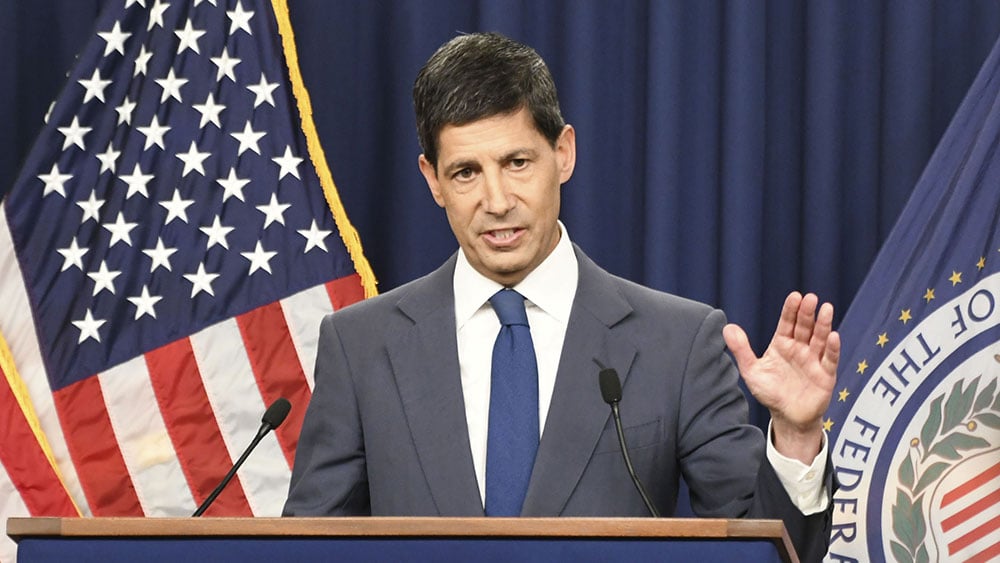
The Bank of Thailand has held interest rates steady, reflecting a cautious approach amid mixed economic signals. Central Bank Governor commentary suggests officials are pushing back against market expectations for an extended pause in rate adjustments, signaling flexibility depending on incoming data. Meanwhile, Thailand’s exports surged 21.6% year-over-year in July, driven substantially by an AI-related electronics boom, according to Thailand July Exports Rise 21.6% Y/y on AI Electronics Boom. This export strength contrasts with slowing second-quarter GDP growth, which analysts attribute to weakening domestic consumption.
Foreign investment trends are mixed. While Thailand has secured over $30 billion in electronics investment commitments, demand for foreign-owned condominiums has dropped notably due to a pullback in Chinese buyers. The Economic and Environmental Cooperation Organization (EECO) has outlined four priorities to sustain investment momentum, emphasizing the need to derive greater value from capital inflows rather than simply attracting volume.
Military Diplomacy: USS Abraham Lincoln’s Port Call
A major diplomatic and military story involves the USS Abraham Lincoln docking in Thailand after an extraordinary 250-plus day deployment in the Middle East—one of the longest at-sea deployments in recent naval history. The port visit offers sailors their first extended rest-and-recreation opportunity in months before the carrier heads home, with the USS George Washington set to replace it in the region. This visit also carries symbolic weight for US-Thailand diplomatic relations, reinforced by cultural exchanges tied to the visit.
Security Concerns and Domestic Challenges
Thailand faces significant internal security pressures. The southern insurgency has reignited with renewed violence, including coordinated attacks that have wounded multiple people and left local villagers trapped in a persistent cycle of fear. Security forces have tightened measures in response, though the roots of the decades-long conflict remain unresolved.
Separately, the country continues to grapple with the aftermath of a tragic school shooting that claimed at least eight lives, including a 12-year-old victim who succumbed to injuries weeks after the initial attack. The incident, involving a teenage gunman who first killed his grandparents, has prompted national reflection on gun violence and school safety protocols.
In an unrelated but notable development, Thailand issued arrest warrants for 20 Israeli nationals amid a business crackdown on Koh Samui, following a zoo-related dispute that also resulted in a visa revocation—highlighting friction in an otherwise cooperative bilateral relationship.
Political Developments
On the political front, a new amnesty law took effect, though it notably excludes lese majeste offenses, reflecting the continued sensitivity around Thailand’s monarchy laws. Additionally, new deportation rules signed by Deputy PM Anutin are set to take effect August 28, signaling tightened immigration enforcement.
Sports and Regional Competition
Thailand’s football team fell short in the ASEAN Championship final, with Vietnam claiming the title 4-2 on aggregate despite a Thai comeback effort in the second leg. Coach Anthony Hudson maintained optimism about the team’s future prospects. In volleyball, Thailand delivered strong performances, defeating South Korea in the Asian Championship quarterfinals and advancing toward a semifinal clash with Japan.
Technology, Business, and Innovation
Thailand is positioning itself as a regional technology hub. The government has introduced a National AI Roadmap aimed at centering artificial intelligence in productivity gains across industries. Complementing this push, Siemens launched its Eigen Engineering Agent in Thailand, bringing purpose-built industrial AI tools to automation engineering, while ZTE and AIS unveiled “ZTE Day Thailand 2026” to advance intelligent network infrastructure.
China’s commercial space sector has also expanded its footprint through a new partnership deal, while workforce upskilling initiatives aim to prepare Thai talent for an increasingly tech-driven economy.
Culture and Tourism
On the cultural front, Thailand selected “9 Temples to Heaven” as its official Oscars submission for Best International Feature, drawing attention to the country’s growing film industry. Meanwhile, tourism industry observers note diverging travel preferences between Gen Z and Millennial travelers, and Thailand continues pursuing a larger share of the global $9.75 trillion wellness economy.
Source : Google News – Search

























































You must be logged in to post a comment Login