
Business
Top 10 AI Companies Leading New Zealand’s Tech Boom in 2026


AUCKLAND — New Zealand’s artificial intelligence sector is experiencing explosive growth in 2026, with a wave of innovative startups and established players driving advancements in agritech, healthcare, customer experience, and maritime intelligence, positioning the country as a rising force in the global AI landscape.

BoliviaInteligente / Unsplash
From autonomous digital humans to precision farming tools and advanced analytics platforms, Kiwi AI companies are attracting international investment and talent while solving real-world problems unique to New Zealand’s economy and environment. Here are the top 10 AI companies making the biggest impact this year, based on innovation, funding, market traction and industry influence.
1. Soul Machines (Auckland/Wellington) Soul Machines remains New Zealand’s AI flagship. The company, known for creating autonomously animated “digital people” with emotional intelligence, continues to lead in humanized AI interfaces. Its technology powers customer service avatars for major banks, healthcare providers and retailers worldwide. In 2026, Soul Machines expanded its emotionally intelligent agents with improved real-time responsiveness and cultural adaptability, securing major enterprise contracts across Asia-Pacific. The company’s biologically inspired models are considered among the most advanced in conversational AI globally.
2. Halter (Auckland) Halter solidified its status as New Zealand’s first agritech unicorn with its AI-powered virtual fencing systems for cattle. Using solar-powered collars and sophisticated algorithms, Halter enables farmers to manage herds remotely, improving animal welfare and pasture utilization. The company raised significant funding in 2025 and expanded internationally in 2026. Its technology is now used on thousands of farms, demonstrating how AI can transform traditional industries like agriculture, which remains vital to New Zealand’s economy.
3. Yabble (Auckland) Yabble has emerged as a leader in insight-driven AI analytics. The platform uses generative AI to automate qualitative research and data interpretation, helping brands extract actionable insights from customer feedback at scale. In 2026, Yabble launched new features for real-time sentiment analysis and predictive trend modeling, winning major clients in retail and consumer goods. Its user-friendly interface has made advanced AI accessible to non-technical teams.
4. Thematic (Auckland) Thematic specializes in AI-powered customer experience analytics. Its platform automatically analyzes feedback from surveys, reviews, and support interactions to identify themes and trends. The company reported strong growth in 2026 as businesses increasingly prioritize customer intelligence. Thematic’s ability to turn unstructured data into strategic insights has made it a go-to solution for enterprises seeking to improve retention and satisfaction.
5. Starboard Maritime Intelligence (Auckland) Starboard leverages AI for maritime domain awareness, using satellite data and machine learning to track vessels, detect illegal fishing, and enhance maritime security. The company has gained international recognition for its work supporting Pacific Island nations and environmental monitoring. In 2026, Starboard expanded its predictive analytics capabilities, helping governments and commercial fleets optimize routes and reduce environmental impact.
6. Arcanum AI (Wellington) Arcanum AI focuses on explainable AI for regulated industries. Its platform helps organizations deploy transparent machine learning models in finance, healthcare, and government sectors. The company’s emphasis on ethics and auditability has driven adoption among institutions requiring compliance and trustworthiness. Arcanum reported strong revenue growth in 2026 as demand for responsible AI solutions increased globally.
7. Custom D (Christchurch) Custom D delivers tailored AI solutions for insurance, logistics, and manufacturing. Known for practical, industry-specific applications, the Christchurch-based firm combines machine learning with deep domain expertise. In 2026, it launched new computer vision tools for quality control and risk assessment, helping clients reduce costs and improve safety.
8. Quantiful (Auckland) Quantiful uses AI to optimize retail and e-commerce operations through demand forecasting and personalized recommendations. The company’s technology helps retailers reduce waste and improve customer experiences. Strong partnerships with major New Zealand and Australian brands have fueled steady growth throughout 2026.
9. Avertana (Auckland) Avertana applies AI to resource recovery and circular economy solutions. Its intelligent systems identify and sort materials for recycling with high accuracy. The company’s work supports New Zealand’s sustainability goals and has attracted international interest from waste management firms seeking smarter processing technologies.
10. NextWork (Auckland) NextWork focuses on AI-driven workforce upskilling and talent development. Its platform uses adaptive learning algorithms to create personalized training programs for companies undergoing digital transformation. The company raised significant funding in 2025-2026 to expand globally, capitalizing on the growing need for AI literacy in the workforce.
New Zealand’s AI Ecosystem Thrives
New Zealand’s AI sector benefits from strong government support, world-class universities (particularly the University of Auckland and University of Otago), and a collaborative startup culture. The country’s focus on ethical AI, combined with expertise in agriculture, environmental science, and healthcare, has created unique advantages in vertical AI applications.
Investment in AI startups has surged, with venture capital firms showing strong interest in companies addressing climate challenges, sustainable agriculture, and responsible technology development. Auckland remains the primary hub, but innovation is spreading to Wellington, Christchurch, and Dunedin.
Challenges remain, including talent retention (many graduates are lured overseas by higher salaries) and access to large-scale computing infrastructure. However, partnerships with international tech giants and a growing emphasis on domestic capability building are helping address these gaps.
Future Outlook
As 2026 progresses, New Zealand’s AI companies are poised for even greater impact. The combination of technical excellence, ethical focus, and practical problem-solving positions the country well in the global AI race. From Soul Machines’ empathetic digital humans to Halter’s intelligent farming systems, Kiwi innovation is proving that smaller nations can lead in specialized, high-value AI applications.
For businesses and investors looking at the AI space, New Zealand offers a compelling mix of cutting-edge technology, stable governance, and a collaborative ecosystem. The top 10 companies listed here represent only a fraction of the talent and ambition emerging from this South Pacific tech powerhouse. As the year unfolds, expect more breakthroughs from these leaders and the next wave of startups following closely behind.

Jack McGinn and Nadia Budihardjo discuss how some gold producers are using nickel infrastructure.

Baird upgrades Old Dominion Freight Line stock rating on LTL outlook

Australia’s share market has notched a sixth-straight session of losses, falling on reports the US will likely reject an Iranian plan to open the Strait of Hormuz.
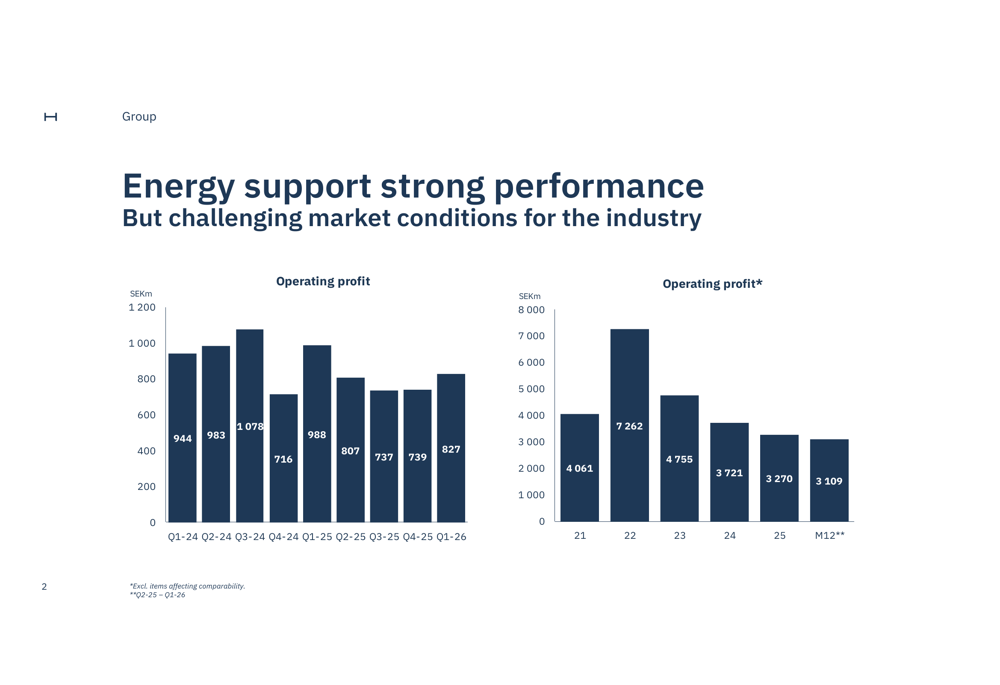
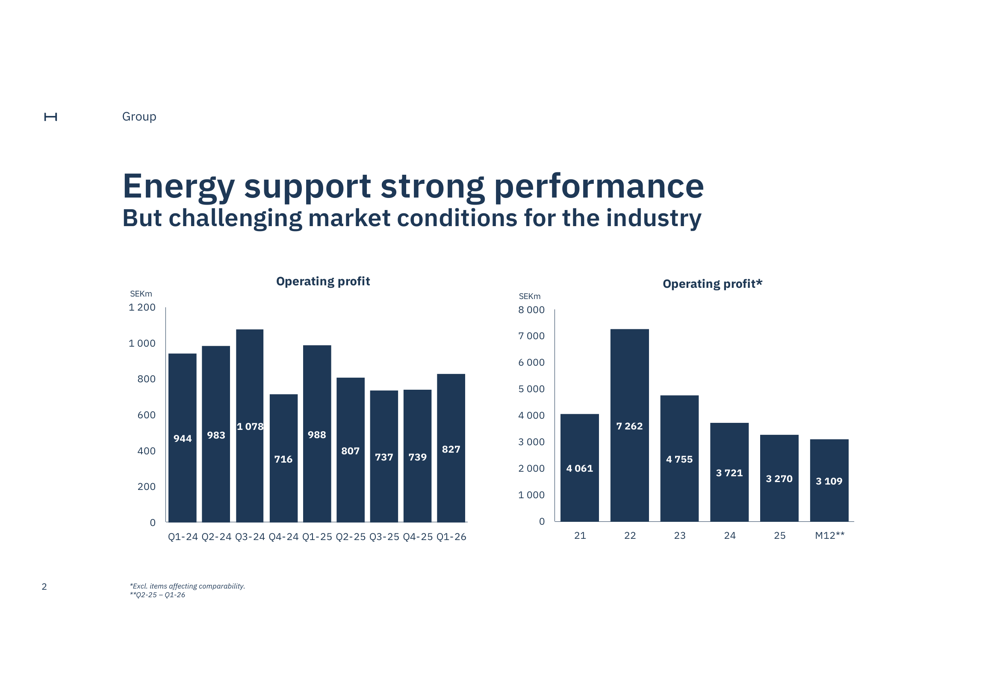
Holmen Q1 2026 slides: renewable energy surges, wood products struggle
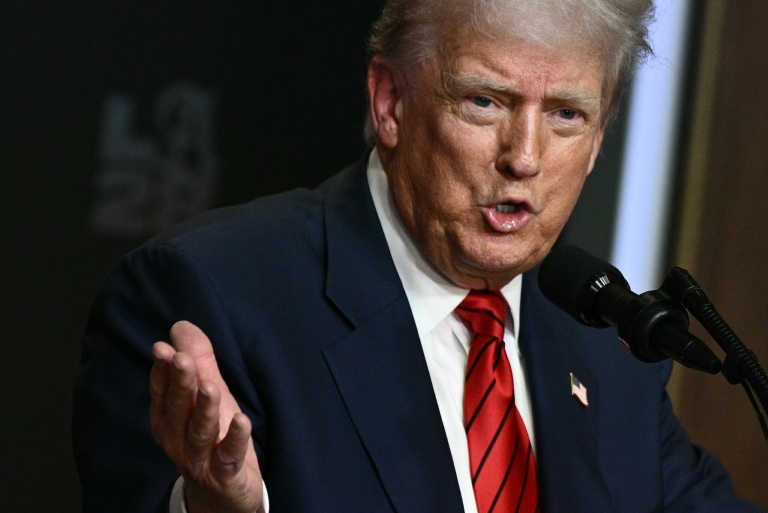
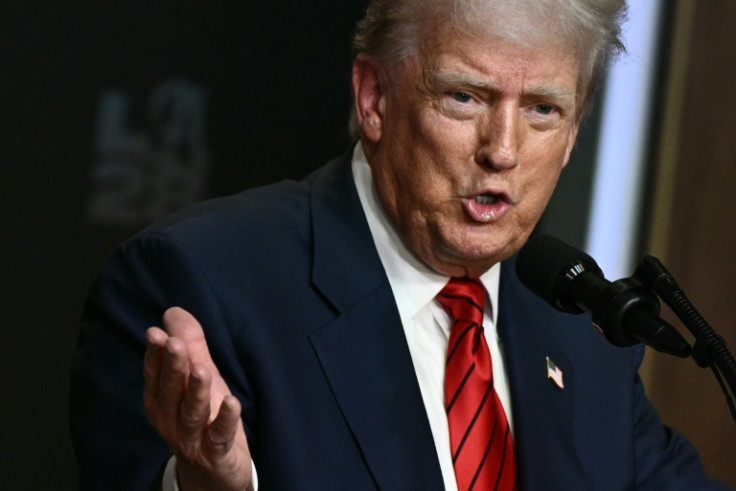
WASHINGTON — President Donald Trump escalated his push for sweeping election reforms Monday night, declaring U.S. elections “rigged, stolen, and a laughingstock all over the world” in a Truth Social post that urged Republicans to pass the SAVE America Act.
AFP
The April 27 message, posted at 6:16 p.m. EDT, reiterated Trump’s longstanding demands for mandatory voter identification, proof of citizenship to vote and strict limits on mail-in ballots. It comes as the legislation remains stalled in the Senate despite House passage and intense White House pressure ahead of the 2026 midterms.
“America’s Elections are Rigged, Stolen, and a Laughingstock all over the World. We are either going to fix them, or we won’t have a Country any longer,” Trump wrote. “I am asking all Republicans to fight for the following: SAVE AMERICA ACT!” He listed three key requirements: (1) All voters must show voter I.D.; (2) All voters must show proof of citizenship in order to vote; and (3) No mail-in ballots except for illness, disability, military or travel.
The Safeguard American Voter Eligibility (SAVE) America Act would require documentary proof of U.S. citizenship — such as a passport or certified birth certificate — for federal voter registration, replacing the current system based largely on an attestation under penalty of perjury. It also calls for photo identification at the polls and aligns with Trump’s goal of sharply restricting mail voting.
Trump has made the bill a top priority of his second term, threatening not to sign other legislation until it passes in strong form and warning he will withhold endorsements from Republicans who oppose it. The House has approved versions of the measure multiple times, including in February 2026, but it has faced repeated roadblocks in the Senate.
White House officials and supporters describe the reforms as common-sense measures to ensure only American citizens vote and to restore public confidence. Polls have long shown overwhelming bipartisan support for voter ID requirements, often topping 80%. The administration has also pursued executive actions, including a March 31 order directing agencies to enhance citizenship verification using existing databases.
Opponents, including Democrats and voting rights groups, argue the bill would impose unnecessary hurdles for millions of eligible voters. Research from organizations like the Brennan Center for Justice estimates that more than 21 million U.S. citizens lack ready access to passports or birth certificates, with disproportionate impacts on low-income, elderly, minority and rural populations.
Senate Democrats have uniformly opposed the measure, and even some Republicans have expressed reservations about overriding the filibuster or implementing changes so close to the midterms. Recent attempts to advance the bill or attach its provisions to other legislation have failed, leaving its prospects uncertain despite Trump’s repeated interventions.
The debate revives long-running tensions over election administration. Trump has consistently highlighted concerns about noncitizen voting and mail-in processes, tying them to broader issues of border security and national integrity. While isolated cases of fraud occur and are prosecuted, extensive audits, recounts and court reviews have not found evidence of widespread irregularities capable of changing major election outcomes.
Election administrators warn that new federal mandates could create logistical challenges and added costs for states, potentially disrupting registration systems and same-day processes used in many jurisdictions. Supporters counter that the changes would modernize and secure the system without significantly affecting turnout, pointing to states that have implemented stricter ID rules.
Public reaction to Trump’s latest post mirrored deep partisan divides. Conservative supporters hailed it as a necessary defense of democracy, while critics accused the president of undermining trust in elections for political advantage. The message quickly generated thousands of interactions across platforms.
Some Republican-led states have advanced their own versions of citizenship-proof and voter ID requirements, creating a patchwork ahead of November. These efforts proceed even as the federal bill remains in limbo, reflecting Trump’s influence on the party’s election integrity agenda.
As midterms approach, control of Congress remains at stake with Republicans holding narrow majorities. Trump has framed passage of the SAVE America Act as essential not only for fair elections but for the future of the country, keeping the issue at the forefront of his communications.
Senate leaders have shifted focus to other priorities like funding measures, but Trump shows no sign of relenting. His Monday night Truth Social broadside ensures the battle over voting rules will continue dominating headlines and campaign strategies in the coming months.
Election officials emphasize that current systems already include multiple safeguards against fraud. Many advocate directing resources toward cybersecurity, poll worker recruitment and voter education rather than major overhauls on a compressed timeline. Still, the president’s persistent calls keep the national conversation sharply focused on how ballots are cast and counted.
Trump’s post underscores a central theme of his administration: restoring what he views as fundamental election security. Whether it breaks the Senate deadlock or intensifies midterm fights, the SAVE America Act debate is poised to shape political discourse through the rest of 2026 and beyond.

Prada had faced backlash last year after it showcased similar designs at a fashion show without acknowledging their Indian roots.

Woodside and Inpex joined Roger Cook in lambasting a proposed LNG windfall tax today, warning it could kill major projects and destroy Australia’s reputation as a stable investment destination.

SEOUL — HYBE Co. Ltd., the entertainment powerhouse behind global superstars BTS, faces heightened uncertainty in 2026 as founder and Chairman Bang Si-hyuk battles serious legal allegations that have already pressured the company’s share price and investor confidence.

South Korean police sought an arrest warrant for Bang in April over alleged violations of the Capital Markets Act tied to the company’s 2019-2020 pre-IPO maneuvers. Prosecutors rejected the initial request, but the investigation continues, raising questions about leadership stability at a critical time when BTS returns drive expectations for a major earnings rebound.
HYBE shares traded around 250,000 won in late April, down sharply from peaks above 400,000 won earlier in the year amid BTS comeback hype. The stock has underperformed the broader market, reflecting “owner risk” concerns that analysts say could linger through earnings season and beyond.
Bang, who stepped down as CEO but remains chairman, is accused of misleading early investors in 2019 by claiming no IPO plans were in place. Authorities allege this prompted shareholders to sell stakes to a private equity fund linked to his associates at undervalued prices. Bang reportedly realized gains of about 190 billion won ($136 million), with some estimates reaching higher. He denies wrongdoing, and his legal team maintains no deception occurred.
If convicted of fraudulent unfair trading with illicit profits exceeding 5 billion won, Bang could face five years to life in prison plus massive fines. The case has drawn intense media scrutiny and could damage HYBE’s reputation in global markets where the company has aggressively expanded.
Despite the drama, Wall Street-style analysts covering HYBE remain overwhelmingly bullish. Consensus among roughly two dozen brokerages rates the stock a Strong Buy, with average 12-month price targets near 416,000 won — implying more than 65% upside from current levels. High targets reach 520,000 won.
The optimism hinges on BTS’s full-group activities. After military service, the septet launched a 2026 comeback with new music and a massive world tour expected to generate hundreds of millions in revenue. Forecasts project HYBE’s 2026 operating profit could surge nearly tenfold from 2025’s weak results, potentially exceeding 500 billion won on consolidated revenue topping 4 trillion won.
Other acts including ENHYPEN, LE SSERAFIM, TXT, ILLIT and new debuts should contribute, alongside growing platform businesses and global merchandising. HYBE’s diversification beyond K-pop remains a long-term strength.
Yet near-term headwinds are evident. Q1 2026 earnings, due April 29, are expected to miss consensus due to upfront costs for BTS promotions and tours. Brokerages have trimmed targets in recent weeks, citing elevated cost ratios and legal overhang. Shares fell more than 2% on news of the arrest warrant request.
“Owner risk is now front and center,” one Seoul-based analyst noted. “Even if Bang avoids indictment, prolonged uncertainty could distract management and weigh on partnerships, especially in the U.S. and Europe where HYBE seeks deeper penetration.”
The investigation echoes past K-pop governance issues but stands out for its scale given HYBE’s market value exceeding 10 trillion won. Some observers compare it to earlier corporate disputes in tech and entertainment, where founder credibility proved pivotal for investor sentiment.
Supporters argue the allegations involve complex pre-IPO dealings common in fast-growing firms and that Bang’s visionary leadership built HYBE from a small agency into a global player. BTS alone has generated billions in economic impact for South Korea.
Critics, including some minority shareholders, question governance standards at a company now listed on the exchange. The probe has fueled calls for greater transparency and independent oversight.
For investors weighing buy or sell decisions in 2026, the calculus depends on risk tolerance and time horizon. Short-term traders face volatility from legal updates, quarterly results and BTS tour execution. Any indictment or trial could trigger further sell-offs.
Longer-term believers point to HYBE’s IP portfolio, fan base loyalty and expansion into content, games and Western markets. Successful BTS touring and new artist breakthroughs could outweigh legal noise, especially if prosecutors ultimately clear Bang or reach a resolution without conviction.
Technical indicators show mixed signals. The stock sits well below its 52-week high but has found some support near recent lows. Volume remains moderate, suggesting investors are waiting for clarity.
Broader K-pop sector dynamics add context. While HYBE leads, rivals like SM, JYP and YG also navigate idol cycles, regulatory scrutiny and shifting global tastes. HYBE’s scale and diversification provide a buffer, but dependency on BTS remains significant despite efforts to reduce it.
Financially, HYBE reported record revenue last year but thin profits due to BTS’s hiatus. The 2026 rebound narrative is compelling on paper, yet execution risks — from concert attendance shortfalls seen in early comeback shows to geopolitical factors affecting tours — cannot be ignored.
Institutional investors appear divided. Some have trimmed positions amid the scandal, while others view the current valuation as an entry point given growth potential. Foreign ownership, a key driver for Korean stocks, could prove sensitive to negative headlines.
Analysts advising caution recommend monitoring developments in the coming weeks: the outcome of any supplementary police-prosecutor moves, Q1 earnings details, and BTS-related momentum. A favorable resolution on the legal front could catalyze a sharp recovery.
HYBE has not commented extensively beyond denying the allegations. The company continues normal operations, with executives emphasizing focus on artist activities and shareholder value.
In summary, Bang Si-hyuk’s legal risks introduce meaningful near-term downside for HYBE stock, but the company’s fundamental outlook tied to BTS dominance and portfolio strength supports bullish longer-term views among most analysts. Investors must balance high reward potential against governance and execution uncertainties in a volatile entertainment sector.
Those comfortable with K-pop cyclicality and Korean market risks may see buying opportunities on weakness. More conservative portfolios might wait for greater legal clarity or post-earnings confirmation of the rebound trajectory. Either way, 2026 promises to be a pivotal and eventful year for HYBE and its stakeholders.
JPMorgan Emerging EMEA fund faces suspended Russian lawsuit

In March, Thailand’s exports reached a record high due to strong demand for technology and AI-related products. However, officials cautioned that challenges such as global economic uncertainties might affect future growth. The surge highlights Thailand’s increased role in tech markets, though maintaining momentum may require navigating external economic pressures.
Thailand’s exports reached a record high in March, hitting $35.1 billion, which is an 18.7% increase year-on-year. This growth marks the 21st consecutive month of export expansion, contributing to a total first-quarter growth of 17.6%.
Key takeaways
- The electronic sector and ongoing momentum in AI technology are expected to continue supporting export growth in the near future.
- Officials warned of potential risks ahead, including geopolitical tensions, fluctuating energy prices, and rising inflation.
- Thailand recorded a trade deficit of $3.3 billion in March as imports surged by nearly 36%.
- The country maintains a trade surplus with the United States but runs a deficit with China due to high imports of raw materials and machinery.
The surge was primarily driven by strong global demand for technology and AI-related products. Industrial goods showed the strongest performance, growing by over 21%, with high demand for computers, data center equipment, and mobile phones.
The electronics sector experienced a significant boost, with increased orders from key partners in Asia and Europe. Simultaneously, the automobile industry benefited from innovations in eco-friendly vehicles, capturing the attention of environmentally conscious consumers worldwide. Agricultural exports, including rice and rubber, also grew substantially, benefiting from favorable weather conditions and improved farming techniques.
This record-breaking performance underscores Thailand’s capacity to adapt and thrive. By fostering innovation and global collaboration, Thailand continues to bolster its economic growth, setting a promising trajectory for the future. The government remains committed to sustaining this momentum by exploring new markets and investing in sustainable technologies.
Other People are Reading

Squarespace Promo Codes: 20% Off in May 2026

Raoul Pal Shocks Everyone With What He Just Said About The Bitcoin Crash (2026 Warning)

MP hails Carluke youth group in examining important issue of sexual consent

Manchester United reach agreement with Casemiro over contract clause amid transfer speculation

US brings back mandatory military draft registration

Steven Gerrard disagrees with Gary Neville over ‘shock’ Chelsea and Arsenal claim | Football
Raoul Pal Shocks Everyone With What He Just Said About The Bitcoin Crash (2026 Warning)

How Banks Pulled Off the Biggest Financial Heist in History

USA Financial System IMPLODES – Europe Treats American Stocks Like Junk, De-Risking $14T NOW
-

 Fashion4 days ago
Weekend Open Thread – Corporette.com
-

 Tech14 hours ago
Register Renaming | Hackaday
-
 Crypto World3 days ago
Hyperliquid $HYPE Rally Builds Momentum as AI Sector Enters Prove-It Phase
-

 Politics6 days ago
Making troops accountable for war crimes threatens US alliance, ex-SAS colonel warns
-

 Politics6 days ago
Disabled people challenge government SEND proposals over segregation concerns
-

 Business4 days ago
Patterson-UTI Energy, Inc. (PTEN) Q1 2026 Earnings Call Transcript
-

 Business6 days ago
Rolls-Royce Voted UK’s Most Iconic Trade Mark as IPO Register Hits 150
-
 Crypto World7 days ago
Five Value Stocks with Recovery Potential in 2026: PayPal (PYPL), Nike (NKE), and More
-
 Sports2 days ago
IPL 2026: Ruturaj Gaikwad registers slowest fifty of the season, enters all-time unwanted list | Cricket News
-

 Politics6 days ago
Starmer handler McSweeney to be dragged from shadows by Foreign Affairs Committee
-

 Crypto World6 days ago
New York sues Coinbase, Gemini over prediction market offerings
-

 Politics6 days ago
Zack Polanski responds to home secretary’s taser threat
-

 Politics10 hours ago
Drax board avoid their own AGM, accused of greenwashing & environmental racism
-
Politics6 days ago
Wings Over Scotland | How To Get Away With Crimes
-
Entertainment7 days ago
Sydney Sweeney cameo cut from “The Devil Wears Prada 2”, source explains why (exclusive)
-

 Crypto World6 days ago
Crypto’s great hope in Senate’s Clarity Act still has a path to survive tight calendar
-
 Business6 days ago
HCL Tech share price tank over 9% after weak Q4. JPMorgan, HSBC & 3 others cut target price
-

 Politics5 days ago
‘Iran is still a nuclear threat’
-

 Fashion7 days ago
Kilkenny Design New Beauty Arrivals for Spring 2026
-
 Sports5 days ago
Tim Bradley names the current best in the world: “Better than Inoue and Usyk”
You must be logged in to post a comment Login