

Business
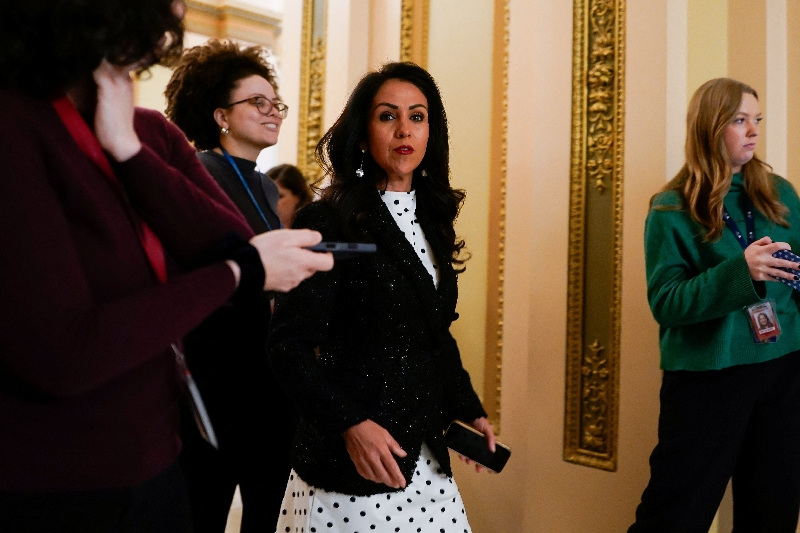
Trump threatens to pull endorsement of US Representative Lauren Boebert after she campaigns for Massie




Friday Fumble Dings Another Strong Week for Stocks
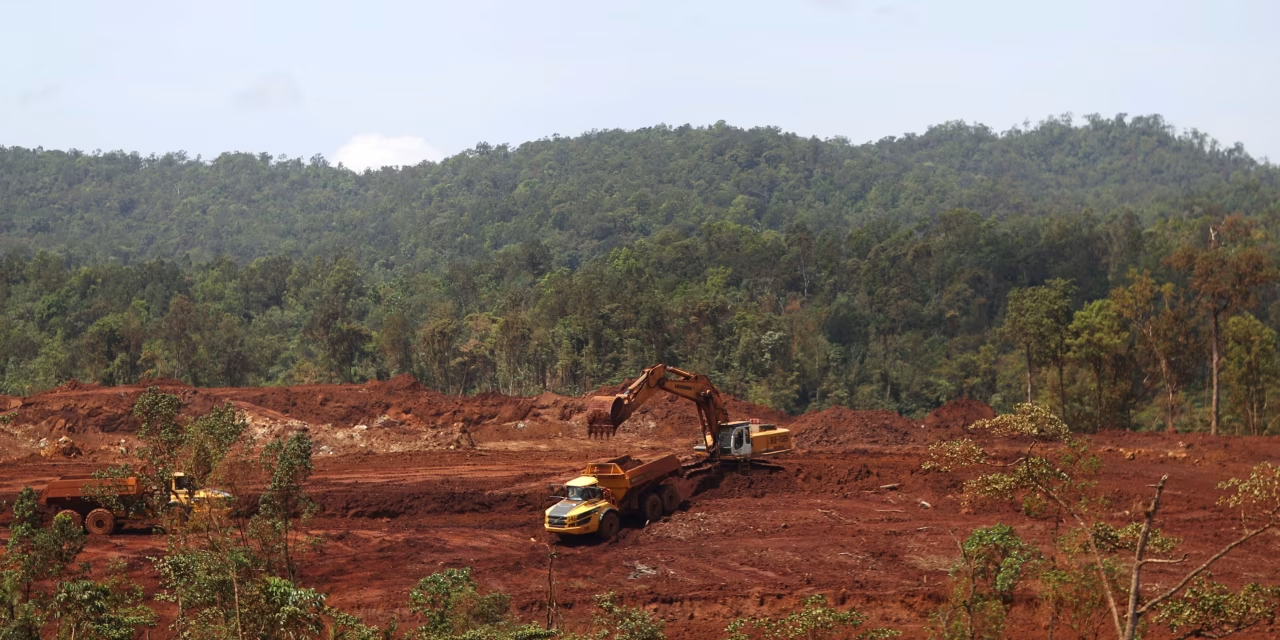
Sherritt International is seeking a quick exit from its activities in Cuba as it looks to escape the threat of being targeted in the Trump administration’s efforts to force regime change on the island.
The Canadian miner said Friday it plans to tell its venture partners in Cuba it will leverage provisions in their agreements to dissolve the partnerships, which effectively would sever its Cuban interests.
Copyright ©2026 Dow Jones & Company, Inc. All Rights Reserved. 87990cbe856818d5eddac44c7b1cdeb8
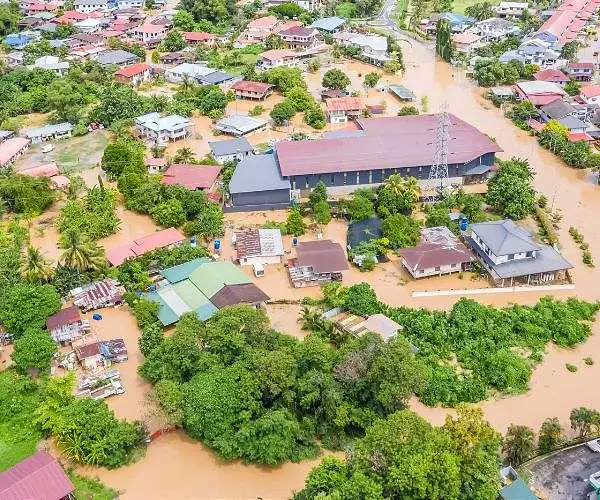
The floods that submerged Hat Yai were not just another natural disaster. They were warning. Climate change is now hitting harder and faster than Thailand can keep up with.
The challenges ahead are manifold. The country definitely must strengthen measures to mitigate and adapt to the more frequent and more ferocious weather brought by global warming. Equally important, however, is the need to address the loss and damage wrought by the climate crisis.
The recent flooding in southern Thailand, particularly in Hat Yai district of Songkhla province, made that painfully clear. The scale and intensity of the rainfalls and the speed of the deluge overwhelmed routine disaster management capacity. As global warming brings ever more violent weather, the devastation simply cannot be prevented, and the environmental damage often cannot be restored or repaired.
Thailand is not alone. Countries around the world are facing similar risks. As climate impacts intensify, “Loss and Damage” — the harm caused by climate change that cannot be prevented or fully repaired, including the aftermath of natural disasters — has become a central issue in global negotiations. It featured prominently at the recent COP30 meeting, the annual UN climate summit where governments negotiate global climate action.
In international forums, small island states such as Vanuatu and Tuvalu have long pushed this issue. For them, “Loss and Damage” is a matter of climate justice. They contribute little to global emissions, yet face existential threats. Developed countries acknowledge the principle. But many remain cautious due to the resulting financial liability.
COP30, however, marked an important step forward. Negotiations on the Fund for Responding to Loss and Damage (FRLD) have advanced, with an initial allocation of more than US$250 million to support developing countries in submitting funding proposals.
Many developing countries are moving quickly. Bangladesh, Nepal and several African nations have begun integrating Loss and Damage into their National Adaptation Plans (NAPs) and Nationally Determined Contributions (NDCs). By embedding the issue in national frameworks, they strengthen their case for accessing global support.
Thailand has yet to do so clearly. True, its first Biennial Transparency Report (BTR1) — Thailand’s regular report to the UN on what it is doing about climate change and how it is being affected — contains information on disaster-related damage. But it does not clearly categorise or systematically assess Loss and Damage in a way that can guide policy or connect effectively with international funding.
This gap matters.
Thailand already collects disaster damage data across multiple agencies. Yet the information is not developed in a systematic way. There is limited follow-up after recovery. Losses are not clearly classified. Data is not fully linked to resource mobilisation or national reporting systems.
Even where post-disaster damage assessment tools exist, their use remains limited. They are not yet structured in a way that strengthens Thailand’s ability to seek support from relevant international mechanisms.
The floods in Hat Yai also revealed something else. Losses are not confined to economic costs or damaged property. They reach into daily life. Access to basic public services became difficult. People’s livelihoods were suddenly shaken. Physical and mental health suffered. Living conditions deteriorated.
There were ecological consequences too. Large volumes of freshwater flowed into the sea, potentially affecting coastal ecosystems and, over time, the income security of communities that depend on them.
These dimensions are not always captured in traditional assessments. When Loss and Damage is measured narrowly, critical realities fall through the cracks.
Thailand, therefore, needs a more comprehensive system for assessing and managing Loss and Damage.
It must pay attention to local contexts and vulnerabilities, not rely solely on aggregate figures.
Thailand may not be among the highest-priority countries for accessing the FRLD fund. Yet it qualifies to apply. If it can present clear impact data and well-designed projects aligned with the criteria set by the UNFCCC (United Nations Framework Convention on Climate Change) and the FRLD Board, support is within reach.
But eligibility is not readiness.
Thailand must urgently improve its impact assessment tools. Data systems must be strengthened. Project pipelines must be prepared to connect with international funding.
At the same time, insurance systems and disaster risk management mechanisms need to be accelerated. These instruments are essential for managing Loss and Damage — both in prevention and in recovery — particularly in the immediate aftermath of disasters, when needs are most acute.
A national Loss and Damage database is not a bureaucratic luxury. It is core infrastructure. It would allow Thailand to design financial instruments with appropriate risk layering, tailored to national circumstances. Building such a system requires coordination across agencies, with a clear purpose: to ensure that data serves policy planning, risk management and long-term climate resilience.
To move forward, To move forward, Thailand must first define Loss and Damage clearly within its national context and integrate it systematically into national plans. Structural readiness must be strengthened. Assessment tools must be able to classify different types of losses properly.
A unified data management framework is also essential. Post-disaster assessments, recovery monitoring and national reporting systems should be connected and standardised. This would enable data to inform policy, guide risk management and support access to international finance.
Institutional capacity matters as well. The Department of Climate Change and Environment and the Department of Disaster Prevention and Mitigation should be empowered to work closely together. Thailand should also use its position within ASEAN to enhance regional cooperation — linking with the FRLD under the UNFCCC framework and with regional insurance instruments such as SEADRIF (Southeast Asia Disaster Risk Insurance Facility.)
Financial mechanisms for disaster risk management — including insurance and preventive financial tools — must be positioned within a coherent system, not treated as isolated measures.
And non-economic losses must be addressed seriously. Impacts on mental health, ways of life and community identity are not intangible extras. They shape how communities endure, recover and adapt. Recognising them makes policy more grounded in lived reality.
Disasters are becoming more frequent. More severe. If Thailand does not prepare now, it may find that access to funding and assistance comes too late.
Thailand must invest in its own readiness. That means strengthening institutions, building reliable databases and developing the capacity to present clear evidence of impacts. Without this groundwork, the country cannot effectively claim or access the financial support and mechanisms available, both domestically and internationally.
The climate shocks will hit Thailand again. The real question is whether Thailand will be ready — not only to confront what cannot be prevented, but to secure the tools and resources it needs to endure an era of climate upheaval.
Chayapat Patarapanchai is a researchers at the Thailand Development and Research Institute (TDRI). Their policy analyses appear in the Bangkok Post on 22 April 2026
Other People are Reading


With combined experience of covering technology companies on Wall Street and working in Silicon Valley, and serving as an outside adviser to several seed-round startups, Gary Alexander has exposure to many of the themes shaping the industry today. He has been a regular contributor on Seeking Alpha since 2017. He has been quoted in many web publications and his articles are syndicated to company pages in popular trading apps like Robinhood.
Analyst’s Disclosure: I/we have a beneficial long position in the shares of HOOD either through stock ownership, options, or other derivatives. I wrote this article myself, and it expresses my own opinions. I am not receiving compensation for it (other than from Seeking Alpha). I have no business relationship with any company whose stock is mentioned in this article.
Seeking Alpha’s Disclosure: Past performance is no guarantee of future results. No recommendation or advice is being given as to whether any investment is suitable for a particular investor. Any views or opinions expressed above may not reflect those of Seeking Alpha as a whole. Seeking Alpha is not a licensed securities dealer, broker or US investment adviser or investment bank. Our analysts are third party authors that include both professional investors and individual investors who may not be licensed or certified by any institute or regulatory body.

Rising Rates Could Spell Trouble for Dividend Stocks

Energy Roundtable: 11 Stocks to Play the Biggest Energy Supply Shock Ever
Business
Hiwin Technologies Corporation 2026 Q1 – Results – Earnings Call Presentation (OTCMKTS:HIWNF) 2026-05-16


Seeking Alpha’s transcripts team is responsible for the development of all of our transcript-related projects. We currently publish thousands of quarterly earnings calls per quarter on our site and are continuing to grow and expand our coverage. The purpose of this profile is to allow us to share with our readers new transcript-related developments. Thanks, SA Transcripts Team
Business
Next 15 Group plc 2026 Q4 – Results – Earnings Call Presentation (OTCMKTS:NXFNF) 2026-05-16
Seeking Alpha’s transcripts team is responsible for the development of all of our transcript-related projects. We currently publish thousands of quarterly earnings calls per quarter on our site and are continuing to grow and expand our coverage. The purpose of this profile is to allow us to share with our readers new transcript-related developments. Thanks, SA Transcripts Team
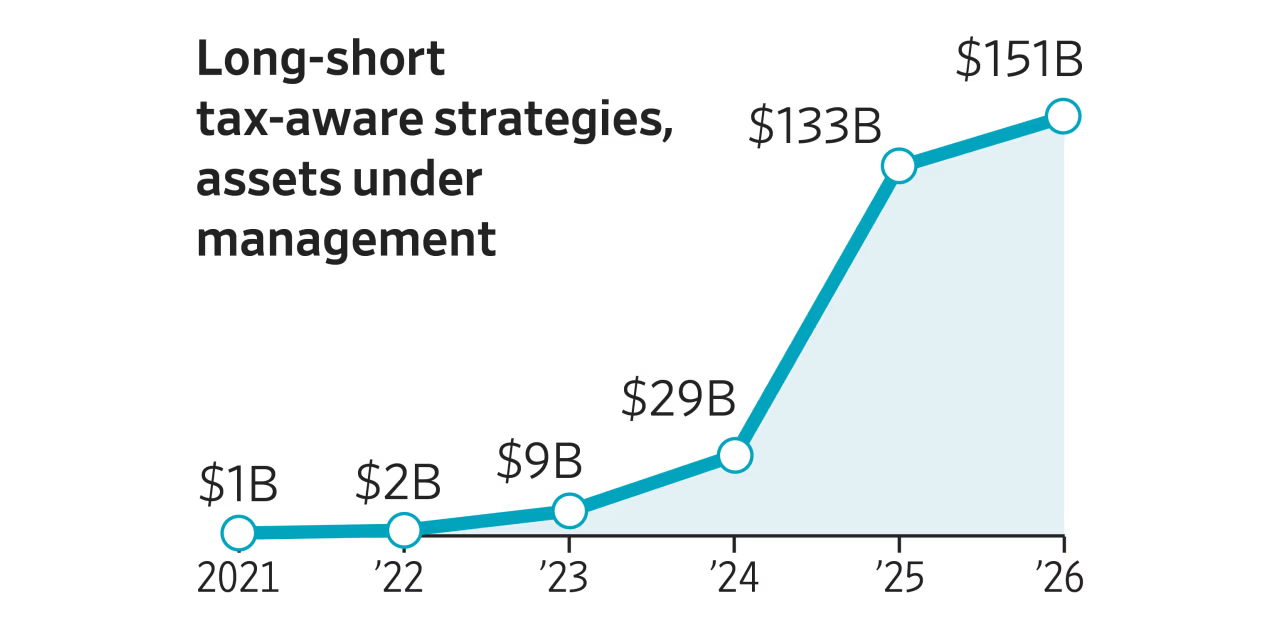
With the stock market near record highs, it isn’t enough to be winning anymore. Wealthy investors are now obsessed with losing, too.
The hottest investment on Wall Street promises a magical-sounding mix of both: Index-beating performance that also comes with losses to offset capital-gains taxes.
Copyright ©2026 Dow Jones & Company, Inc. All Rights Reserved. 87990cbe856818d5eddac44c7b1cdeb8
Business
Taisei Corporation 2026 Q4 – Results – Earnings Call Presentation (OTCMKTS:TISCY) 2026-05-16
Seeking Alpha’s transcripts team is responsible for the development of all of our transcript-related projects. We currently publish thousands of quarterly earnings calls per quarter on our site and are continuing to grow and expand our coverage. The purpose of this profile is to allow us to share with our readers new transcript-related developments. Thanks, SA Transcripts Team

Cristiano Ronaldo Left Devastated As Al-Nassr Suffer Another Heartbreak Days After Saudi League Drama

‘Euphoria’ Season 3, Episode 6: Release Date and Time on HBO Max

Epstein Survivors Testify LIVE: US Congress ERUPTS as Epstein Survivors Reveal Shocking New Details!

Manchester United reach agreement with Casemiro over contract clause amid transfer speculation

US brings back mandatory military draft registration

Steven Gerrard disagrees with Gary Neville over ‘shock’ Chelsea and Arsenal claim | Football
Epstein Survivors Testify LIVE: US Congress ERUPTS as Epstein Survivors Reveal Shocking New Details!

Global Economy Hanging By A Thread – w/ Financial Times’ Martin Wolf

MONEY POP KONGZ X PAWPAW (LYRIC)THE NEXT LEVEL RAPSTAR
-
 Crypto World24 hours ago
BloFin War of Whales 2026 Grand Prix opens registration for $5M trading championship
-

 Fashion1 day ago
Weekend Open Thread: Theory – Corporette.com
-

 Crypto World1 day ago
E-Estate Announces 1 Year Live: Washington DC Summit as Real Estate Tokenization Enters Its Next Phase
-

 Fashion5 days ago
Coffee Break: Travel Steam Iron
-

 Fashion6 days ago
What to Know Before Buying a Curling Wand or Curling Iron
-

 Politics5 days ago
What to expect when you’re expecting a budget
-

 Tech7 days ago
Auto Enthusiast Carves Functional Two-Stroke Engine from Solid Metal
-

 Tech2 days ago
Tech Moves: Microsoft AI leader jumps to OpenAI; former AI2 exec joins Meta; and more
-

 Tech6 days ago
GM Agrees To Pay $12.75 Million To Settle California Lawsuit Over Misuse Of Customers’ Driving Data
-
Crypto World4 days ago
Bitcoin Suisse expands with Digital Asset License and Investment Business Act Registration Approval in Bermuda
-

 Crypto World7 days ago
CZ says US crypto rivals tried to block Trump pardon
-

 Tech5 days ago
GM agrees to $12.75M California settlement over sale of drivers’ data
-

 Politics4 days ago
Pakistan to enter Chinese capital market as war inflation bites
-

 Crypto World4 days ago
Bitcoin Suisse expands with Digital Asset License and Investment Business Act Registration Approval in Bermuda
-
 Crypto World2 days ago
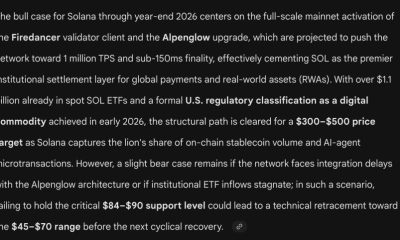
Google’s Gemini AI Predicts Incredible Solana Price by the End of 2026
-

 Politics7 days ago
Sky News Presenter Says Keir Starmer Is Not Waving But Drowning
-

 Business1 day ago
H&R Real Estate Investment Trust (HR.UN:CA) Q1 2026 Earnings Call Transcript
-

 Tech1 day ago
Google reimburses Register sources who were victims of API fraud
-

 Fashion7 days ago
Amazon Sundays: Spring Glassware & Vases
-
 Entertainment6 days ago
Prime Video’s Forgotten but Brilliant 2-Part Horror Anthology Is a Perfect Binge
You must be logged in to post a comment Login