

Business
Trump to head to Beijing for Xi summit amid AI chip and trade talks

Wall Street Journal’s ‘Free Expression’ deputy editor Jack Butler joins ‘Varney & Co.’ to discuss AI risks, global competition, and whether the U.S. should collaborate with rivals like China on emerging technology.
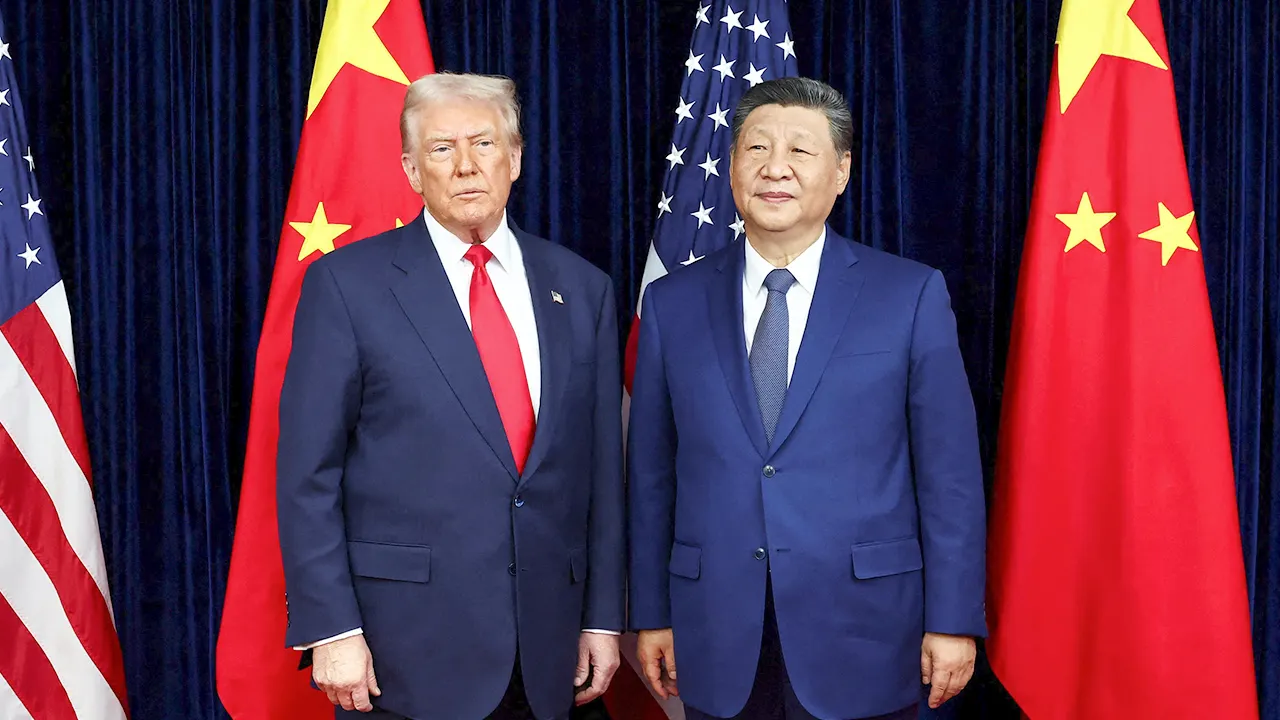
President Donald Trump is set to travel to China this week for a summit with Chinese President Xi Jinping that comes as the relationship between the world’s two largest economies is disrupted by ongoing trade disputes and emerging technology.
Trump’s meeting with Xi in Beijing on May 14–15 comes amid the Iran war affecting global energy markets, while the trade tensions between the U.S. and China continue to simmer amid tariff disputes, the artificial intelligence (AI) race and potential export deals.
The two countries may negotiate new commitments by China to purchase American farm goods and jetliners, with restrictions on the sale of advanced AI chips a potential sticking point.
Derek Scissors, a senior fellow at the American Enterprise Institute whose focus includes U.S. economic ties with China, told FOX Business that the “president wants to announce a bunch of purchases” of U.S. goods following the talks and sees China as having flexibility to make public commitments to that effect.
WHITE HOUSE ACCUSES CHINA OF ‘INDUSTRIAL-SCALE’ AI TECHNOLOGY THEFT WEEKS AHEAD OF TRUMP-XI SUMMIT
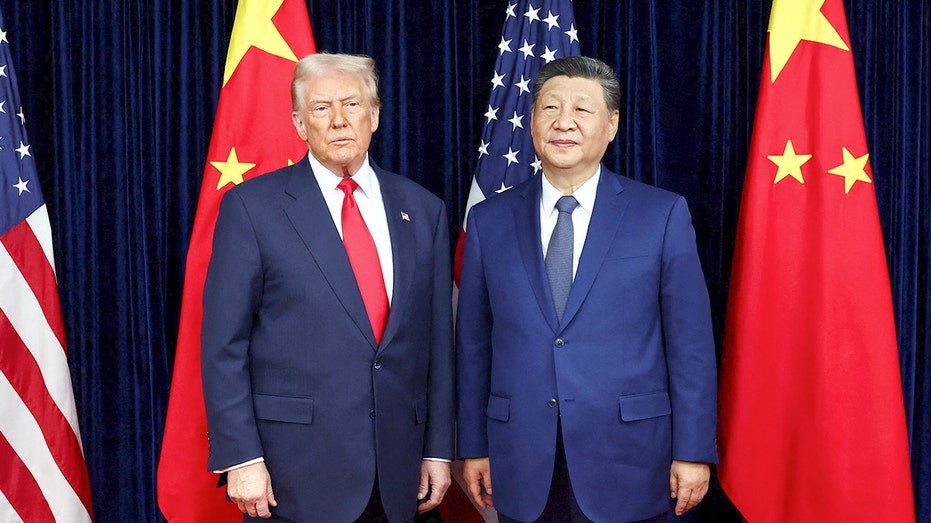
President Donald Trump’s last trip to China to meet with Chinese President Xi Jinping was in November 2017, which was the last visit by a U.S. president. (Evelyn Hockstein/Reuters)
“Xi Jinping can just say, ‘we are going to do this.’ It doesn’t mean they actually do it – they didn’t do it in the phase one deal – but he can say that, and they can announce that China will buy this many Boeings and this many soybeans, so I think they’re going to negotiate a purchase deal,” Scissors said.
He said that he views a public deal involving Chinese purchases of U.S. energy as unlikely due to political sensitivities stemming from the Iran war, but China may seek a deal allowing it to purchase advanced AI chips.
“On the Chinese side, they, of course, want more advanced technology. One of the reasons they have not bought any H200 Nvidia chips is that they want to put pressure on the company to sell them better chips,” Scissors said. “They’ll even eventually acquire H200 chips, and probably already have indirectly, but what they want is an agreement to sell more advanced chips.”
IN LETTER TO XI, TRUMP ASKS CHINA NOT TO SEND WEAPONS TO IRAN

Nvidia’s advanced AI chips have been a major point of contention in U.S. trade with China. (Jakub Porzycki/NurPhoto)
“That’s the basic economic trade: the Chinese make, or at least announce, large-scale purchases of U.S. items that we sell to China, which is aircraft and farm goods in the lead if you’re not going to count energy, and then we agree to sell them more advanced chips than the H200,” he said.
Scissors added that he’s unsure whether Trump is interested in selling the advanced chips to China, given the tension between his stated desire for more U.S. exports and the restrictions that have been put in place on the sale of those chips.
Kyle Chan, a fellow at The Brookings Institution’s John L. Thornton China Center, expressed a similar sentiment and told FOX Business that Beijing’s approach to export controls will be a big question ahead of the summit.
“Trump allowed the sale of Nvidia H200 chips to China subject to certain conditions. Beijing, however, has not been eager to allow the import of these chips. While Chinese AI companies would like to access stronger AI chips, Beijing is keen to support domestic AI chipmakers instead,” Chan noted. “Will Trump see this as a technology issue or a trade issue?”
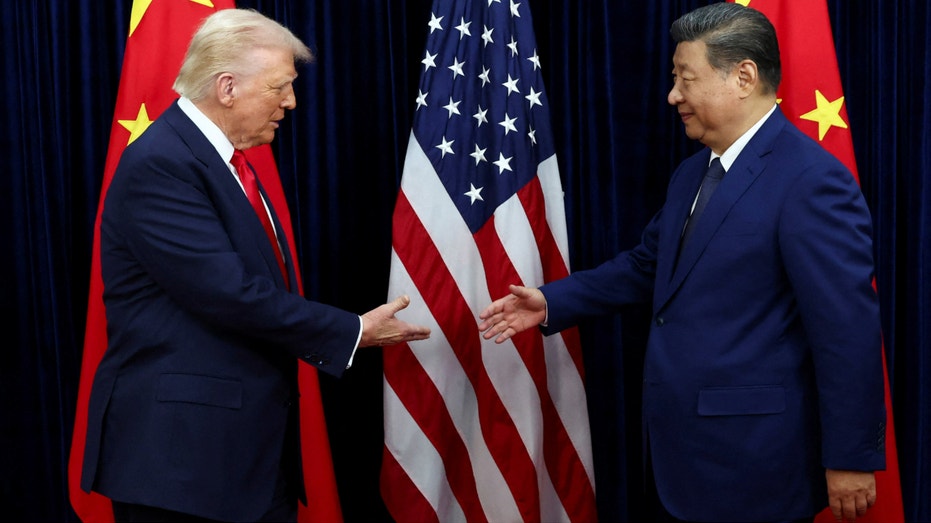
President Donald Trump last met with Chinese President Xi Jinping in October 2025 in Busan, South Korea. (Evelyn Hockstein/Reuters)
Chan added that the investment deals that have been reached between the U.S. and Japan and South Korea, two regional rivals of China, may be appealing to Chinese leadership – though he cautioned it isn’t clear the U.S. would be receptive.
“Beijing is quite interested in increasing Chinese investment in the U.S. They look around and see U.S. investment deals with other countries like Japan and South Korea and wonder whether this might be an easy win-win. The real question is whether the U.S. would find this attractive or see this as a source of greater risk and dependency,” Chan said.
A spokesman for the Chinese Ministry of Foreign Affairs said that the two presidents will exchange their views on “major issues concerning China-U.S. relations and on world peace and development.”
GET FOX BUSINESS ON THE GO BY CLICKING HERE
“China stands ready to work with the U.S. to expand cooperation and manage differences in the spirit of equality, respect and mutual benefit, and provide more stability and certainty for a transforming and volatile world,” the spokesman added.

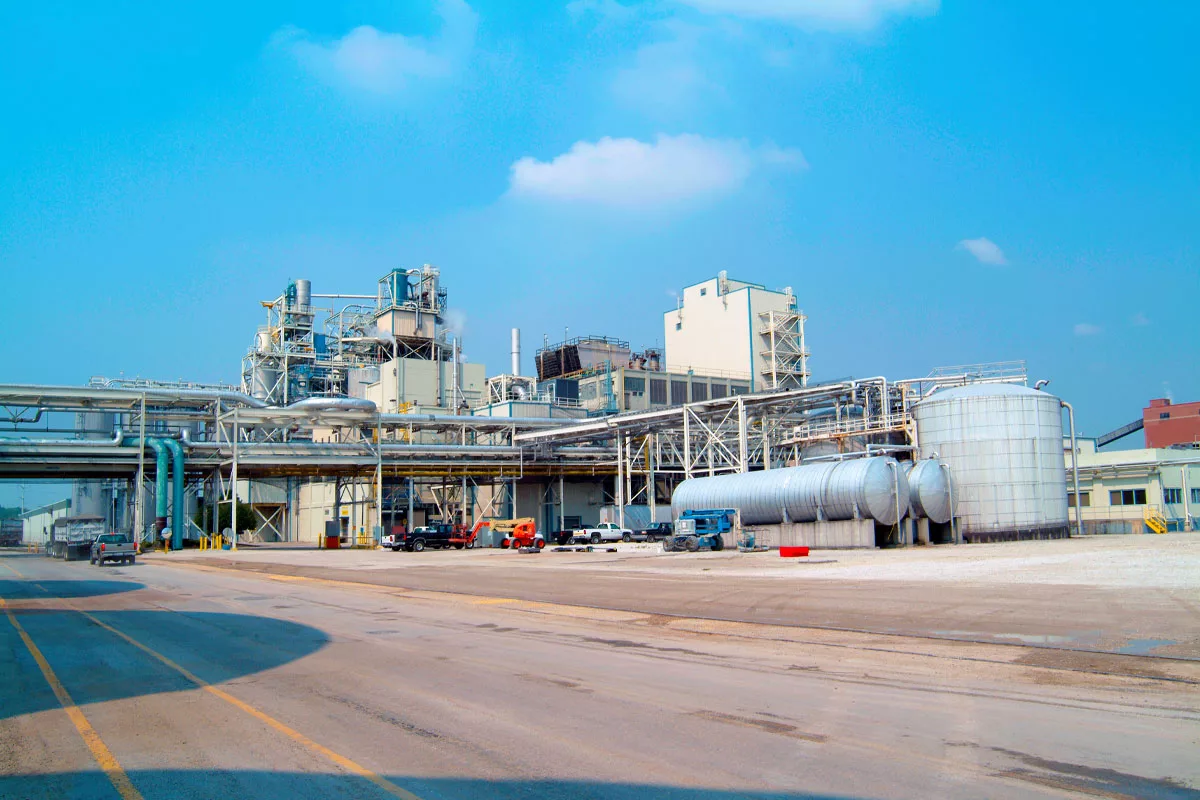

Company dealing with higher costs in Argo facility recovery.
LINCOLNSHIRE, Ill. — Zebra Technologies Corporation (NASDAQ: ZBRA) shares exploded higher Tuesday, surging 16.75% or $253.31 to trade near $1,765 midday as investors cheered better-than-expected first-quarter 2026 results and an upgraded full-year forecast. The massive move made Zebra one of the top performers on the S&P 500, reflecting renewed confidence in the company’s automation, RFID and AI-driven growth strategy amid recovering demand for its enterprise technology solutions.
The company reported net sales of $1.495 billion for the quarter ended April 4, up 14.3% from the prior year and ahead of analyst expectations around $1.48 billion. Non-GAAP diluted earnings per share reached $4.75, topping consensus estimates of approximately $4.26 by a solid margin. Net income stood at $135 million, or $2.72 per diluted share on a GAAP basis.
Zebra also raised its full-year 2026 guidance, signaling broad-based strength across segments and regions. The upbeat update, combined with strong execution in key growth areas like automation and data capture, triggered aggressive buying as the market rewarded the company’s ability to navigate a challenging environment.
Strong Demand Across Key Markets
Zebra Technologies, a global leader in digitizing and automating workflows, saw robust performance in its Connected Frontline and Enterprise Visibility & Mobility segments. Management highlighted double-digit growth in several regions and strong contributions from RFID, machine vision and AI-enabled solutions. The results reflect improving enterprise spending on technologies that enhance supply chain visibility, warehouse efficiency and frontline worker productivity.
CEO Bill Burns expressed optimism about the company’s positioning. “We delivered strong first-quarter performance with broad-based growth across segments and regions,” he said in the earnings release. The company noted particular momentum in high-value areas such as retail, manufacturing and logistics, where customers are investing in intelligent automation to drive operational improvements.
Analysts reacted positively to the beat and raised outlook. TD Cowen reiterated a Buy rating with a $400 price target, while others highlighted Zebra’s ability to capitalize on secular trends in automation and AI. The stock’s sharp move underscores how sensitive the name remains to quarterly execution in the current market environment.
Strategic Focus on AI and Automation
Zebra has aggressively invested in emerging technologies, including AI-powered solutions that integrate with its core barcode scanning, mobile computing and RFID offerings. These innovations are helping customers achieve greater efficiency and real-time decision-making capabilities. The company’s recent acquisitions and internal development efforts continue to expand its addressable market in the rapidly growing intelligent operations space.
The raised 2026 outlook reflects confidence in sustained demand. Zebra now expects stronger revenue and earnings growth for the full year, with management pointing to healthy order pipelines and improving macroeconomic conditions in key end markets. This marks a meaningful upward revision that alleviated investor concerns about demand softness seen in prior periods.
Market Reaction and Technical Picture
Trading volume spiked dramatically on the news, far exceeding average levels as both institutional and retail investors piled in. The stock broke through recent resistance levels and approached multi-month highs. Technical analysts noted strong momentum indicators and bullish chart patterns following the earnings release.
Despite the impressive gain, some observers cautioned that the move could invite short-term profit-taking given the stock’s rapid ascent. However, the overwhelming sentiment remains constructive, with most Wall Street firms maintaining Buy ratings and price targets well above current levels.
Company Background and Outlook
Zebra Technologies provides hardware, software, services and solutions that help organizations digitize and automate workflows. Its products are used extensively in retail, warehousing, manufacturing, transportation and healthcare settings worldwide. The company has transformed itself from a barcode printing specialist into a broader enterprise asset intelligence provider.
Looking ahead, Zebra expects continued momentum in the second half of 2026, supported by new product launches, expanded customer relationships and favorable secular trends. Management emphasized disciplined capital allocation and operational efficiency alongside growth investments.
For investors, today’s surge highlights Zebra’s potential as a beneficiary of digital transformation and automation megatrends. While the stock carries typical technology sector volatility, the combination of earnings strength and raised guidance reinforces its position as a leader in critical industrial and enterprise technologies.
As the market digests the results, Zebra Technologies stands out as a standout performer in 2026, rewarding shareholders who bet on its long-term vision for intelligent operations and workflow automation. The company’s ability to deliver consistent beats and upward revisions positions it well for further gains if execution remains strong.

The summer box office is off to a sizzling start — and it’s only getting started.
Over the weekend, domestic ticket sales topped $161 million, a nearly 88% improvement over the same three-day frame in 2025. Disney and 20th Century Studio’s “The Devil Wears Prada 2” led the pack, adding $41.6 million during its second week, followed by Warner Bros.‘ “Mortal Kombat II,” which snared $38.5 million during its opening. Lionsgate’s “Michael” brought in another $37.9 million in its third week in theaters.
The weekend was bolstered by new releases like Amazon MGM’s “The Sheep Detectives” and Paramount’s “Billie Eilish — Hit Me Hard and Soft: The Tour” as well as holdovers from Universal’s “The Super Mario Galaxy Movie,” which is in its sixth week, and Amazon’s “Project Hail Mary,” which is in its eighth week.
Together, they made for a standout weekend at the movies as the industry chases a $10 billion annual U.S. box office.
“The second weekend in May often provides solid returns from newcomers that bridge the gap between the opening weekend of the summer and the important Memorial Weekend coming up in about 2 weeks,” said Paul Dergarabedian, head of marketplace trends at Comscore. “But the impressive long-term playability of ‘The Super Mario Galaxy Movie’ and ‘Project Hail Mary’ serve as a reminder of the vital importance of holdover strength to the overall health of the industry.”
Of the top 10 performers of the weekend, seven were returning titles. Five of those films reported a drop in ticket sales of less than 50% from the prior weekend, according to data from Comscore.
For box office analysts this is an important metric. Typically, movies will see a 50% to 70% drop each weekend. When ticket sales post smaller declines week after week, it means a film is generating strong word-of-mouth buzz and new moviegoers are buying tickets — or that audiences are returning to see the film again.
“The Devil Wears Prada 2” saw a 46% drop in second-week ticket sales, “Michael” declined just 30% between its second and third week in theaters, and “The Super Mario Galaxy Movie” saw a 45% dip from its fifth to sixth weekend. Most impressive is “Project Hail Mary,” which fell just 23% in its eighth week. Ticket sales for Neon’s “Hokum” were down 49% in its second week.
These trends bode well for the domestic box office. Through Sunday, the 2026 calendar has generated $3.02 billion, a 16% jump from the same period last year, Comscore data shows.
“From a high-level view, it’s fair to suggest escapism and ease of access may be important factors,” said Shawn Robbins, director of analytics at Fandango and founder of Box Office Theory. “Historically, while ticket prices have also increased over time, going to the theater remains one of the more affordable out-of-house entertainment options for individuals, couples, and families who may or may not have spring and summer vacation plans in flux due to other economic uncertainties and hardships.”
Ticket sales still lag from 2019 levels, the last true benchmark before the pandemic stymied moviegoing. At this point in the year in 2019, the box office had secured $3.8 billion domestically. However, more than $720 million of that was from the record-breaking release of Disney and Marvel’s “Avengers: Endgame.”
The summer movies season, which runs from the first weekend in May through Labor Day in September, is also about to get a boost from several blockbuster titles.
Disney’s first new Star Wars theatrical release in seven years arrives in late May with “The Mandalorian and Grogu.” It will be followed by Pixar’s “Toy Story 5” in June alongside Warner Bros. “Supergirl.” Then in July, Disney has the live-action “Moana,” Universal is set to release Christopher Nolan’s “The Odyssey” and Sony’s “Spider-Man: Brand New Day.”
“Ebbs and flows will naturally occur within the full year’s box office narrative as they always have,” Robbins said. “Momentum is as good as the most recent hit or misfire, but the bottom line right now is that the industry is enjoying something near a best-case realistic scenario with so much success on the books before the heart of a high-potential summer movie season fully arrives”
Disclosure: CNBC and Fandango are divisions of Versant Media.
Despite the selloff, the S&P 500 and the Nasdaq remain close to all-time highs.
As reporting season wraps up, investors are increasingly focused on valuations, macroeconomics and geopolitical developments.
While the PHLX Semiconductor index tumbled, the index has soared over 60% this year, benefiting from the fervor about artificial intelligence.
“Our call has been for the market to flatten out simply because greed occurs during earnings season and fear after,” said Jay Hatfield, CEO and portfolio manager at InfraCap in New York.

CONSUMER PRICE RISE DISAPPOINTS Economic data showed consumer prices rising at a faster pace than analysts anticipated as the closure of the Strait of Hormuz due to the war with Iran continued to disrupt crude supply.
“Inflation is not getting any better unless oil prices go down,” Hatfield added. “That’s the history that you can set your watch by.” The Iran war, in its 11th week, showed no signs of a near-term resolution. U.S. President Donald Trump declared the truce was “on life support” after Tehran rejected a U.S. proposal to end the conflict, sticking with a list of demands Trump called “garbage.” The notion of a protracted conflict raises the probability that spiking energy prices could metastasize into broader, more entrenched inflation. That has all but squelched hopes for an interest rate cut from the Fed this year under the presumed chairmanship of Kevin Warsh, whom the U.S. Senate confirmed to the Fed board on Tuesday.”Warsh is not going to be able to cut rates even if he wants to, and I don’t think he will want to,” Hatfield said, adding he was optimistic about Warsh’s Fed reform plans.
The odds of a rate hike are rising. Financial markets are pricing more than a 30% likelihood that the central bank will implement a 25-basis-point increase to its Fed funds target rate in December, up from 21.5% on Monday, according to CME’s FedWatch tool. Trump is scheduled to travel to Beijing this week to meet Chinese counterpart Xi Jinping to address a wide array of issues, including tariffs, U.S. military aid to Taiwan, China’s potential role in brokering a peace deal with Iran, and the extension of a trade agreement regarding critical rare earth metals.
According to preliminary data, the S&P 500 lost 11.16 points, or 0.15%, to end at 7,401.68 points, while the Nasdaq Composite lost 184.67 points, or 0.70%, to 26,089.45. The Dow Jones Industrial Average rose 71.37 points, or 0.14%, to 49,775.84.
Humana advanced following Bernstein’s 36% price target hike. GameStop dipped following eBay’s rejection of the meme stock trailblazer’s $56 billion takeover bid.
Zebra Technologies jumped after the barcode scanner maker raised its annual sales growth forecast, betting on robust demand for its products that help automate manufacturing workflows. Hims & Hers Health tumbled after the telehealth firm missed Wall Street estimates for first-quarter revenue and posted a surprise loss.
Venture Global jumped after the LNG exporter raised its annual adjusted core profit forecast.
DETROIT — An ominous email about an oddly timed 15-minute virtual meeting. A scripted message from human resources. And an abrupt end to that meeting, as well as their job.
That’s how General Motors employees who were laid off Monday by the Detroit automaker described their jobs being terminated to CNBC.
“No appreciation or empathy. No questions. Nothing,” said a data analyst who worked for more than a decade at the automaker.
The layoffs affect about 500 to 600 employees, largely in information technology roles in Austin, Texas, and Warren, Michigan, according to a person at GM familiar with the layoffs who asked not to be named in order to speak about details that had not been made public. The layoffs came as the automaker reevaluates its workforce needs and cuts costs amid uncertain market conditions.
The two laid-off workers, who asked not to be named for fear of repercussions or impacts to potential future jobs, said their units had gone through recent restructurings and that they were being encouraged to use artificial intelligence more in their work.
“They’re going to push AI for everyday work and everything else,” said a veteran programmer and data scientist for the company. “I’ve seen it firsthand. It can make you much more productive, as a programmer. It can really help you get more work done, but AI isn’t going to do you any good if you don’t know the business.”
Automakers, like many major companies, are using AI to help workers make their jobs more efficient, but the emerging technology also has led to layoffs. Companies such as Amazon, Meta, Oracle and Block have announced rounds of job cuts, with some emphasizing AI’s role in automating work and boosting productivity with lower head counts.
GM declined to discuss the role AI played in its most recent layoffs or give additional details of reasoning for the job cuts outside of a statement Monday: “GM is transforming its Information Technology organization to better position the company for the future. As part of that work, we have made the difficult decision to eliminate certain roles globally. We are grateful for the contributions of the employees affected and are committed to supporting them through this transition.”
The person at GM familiar with the layoffs told CNBC that AI played a role in the decision, as it continues to hire people with such skill sets, but it was not the only reason for the terminations.
The data scientist employee said they had been using and learning more about AI for months to try to fulfill what they thought GM wanted out of their team.
Despite Monday’s cuts, GM is still hiring IT workers. The company as of Tuesday had roughly 80 open IT positions that include jobs working in AI, motorsports and autonomous vehicles, according to the Detroit automaker’s careers website.
The layoffs affected employees with a wide array of seniority, according to the people who asked not to be named.
An overview of the GM Severance Program sent to affected employees and viewed by CNBC offered severance of two months for those who had one to four years of experience. That scales up, and employees with eight years of experience get four months of severance, for example. At the top of the scale, GM is offering six months of severance for employees who had worked at the company for 12 or more years.
Lump-sum payments toward health care between $2,000 and $6,000 also will be provided, according to the documents. Any unused vacation or sick time was forfeited unless such actions violated state laws.
GM also offered services through mental health care company Lyra “for navigating job loss” and career coaching and future job assistance through outplacement services company LHH.
“Experiencing job loss can bring a complex mix of emotions, including stress, sadness, and even confusion. As you navigate this time of change, please know that support is available,” one of the documents read.
All benefits are pending employees signing a release agreement, according to the documents. They also must, if applicable, return their company vehicles and any equipment.
Shares in Delivery Hero DHER 2.71%increase; green up pointing triangle climbed after Prosus agreed to sell part of its stake in the company to Aspex Management for around 335 million euros ($394.9 million), marking the latest step in reducing its shareholding in the German delivery company.
The move comes weeks after it sold around 4.5% of its stake in Delivery Hero to U.S. tech company Uber, as part of remedies tied to its acquisition of Just Eat Takeaway.
Copyright ©2026 Dow Jones & Company, Inc. All Rights Reserved. 87990cbe856818d5eddac44c7b1cdeb8
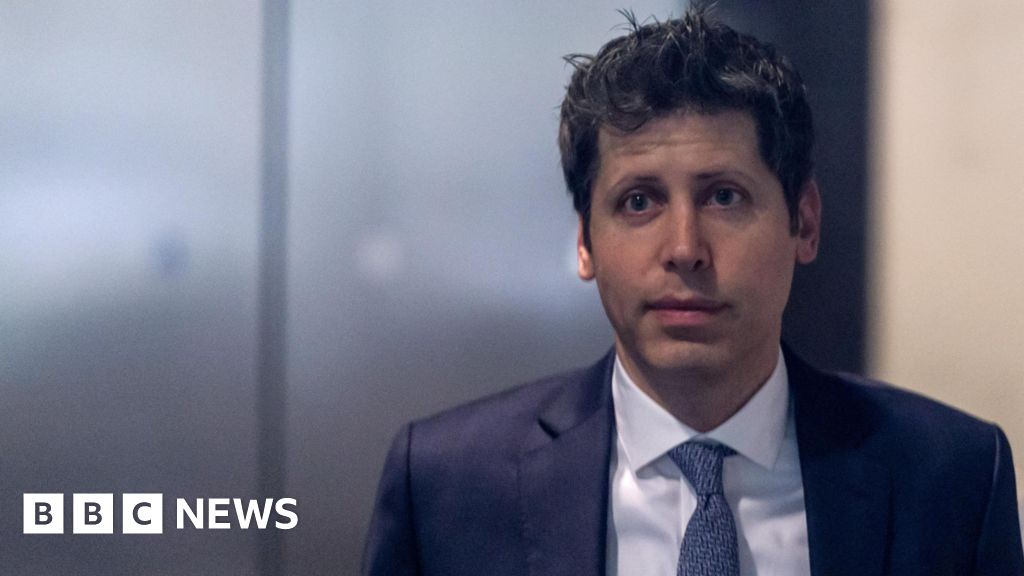
Sam Altman said Elon Musk tried many times for total control of OpenAI, which he’s now suing.

Containers at the Port of Oakland in Oakland, California, US, on Thursday, March 26, 2026.
David Paul Morris | Bloomberg | Getty Images
Months after the Supreme Court ruled some tariffs were unconstitutional, the first round of tariff refunds has begun flowing in.
Oshkosh Corporation CFO Matt Field confirmed to CNBC that the company has started receiving tariff refunds as of Tuesday.
“Following acceptance of our initial filing, we have begun receiving payments on our tariff refund claims, representing an initial portion of our total claims submitted,” Field said.
The company has not yet verified its total refund amount, Field added.
Basic Fun, the company behind Care Bears and Tonka trucks, also told CNBC it began receiving tariff refunds on Tuesday.
CEO Jay Foreman said the refunds so far have only represented 5% of the company’s total claim on its early invoices.
“We will utilize the refund dollars to help support our 2026 cash flow and invest in our team. This is the toughest time of the year for toy companies,” Foreman said in a statement. “We’ll also be announcing to our staff that we will be increasing salaries to help offset cost of living increase, announcing promotions and larger merit increases. We are reinvesting the funds in our business and people.”
Logistics companies UPS, FedEx and DHL have previously said that they will file for tariff refunds on behalf of their customers, requiring no further action from them. The first phase of tariff refunds only covers requests for entries that CBP finalized within the past 80 days, though that process could take months to reach customers.
The U.S. Customs and Border Protection said in a court filing that it anticipated paying refunds of $35.46 billion on 8.3 million shipments, as of Monday morning.
In February, the Supreme Court invalidated President Donald Trump‘s tariffs imposed under the International Emergency Economic Powers Act of 1977. In the months that followed, companies began filing for tariff refunds in a portal, called the Consolidated Administration and Processing of Entries.
In a radio interview with WABC on Tuesday morning, Trump called the tariff refund situation “crazy.”
“In theory, you have to pay the tariffs back. We’ll fight that,” Trump said. “We were taking in fortunes from people that hate us, countries and companies that hate us.”
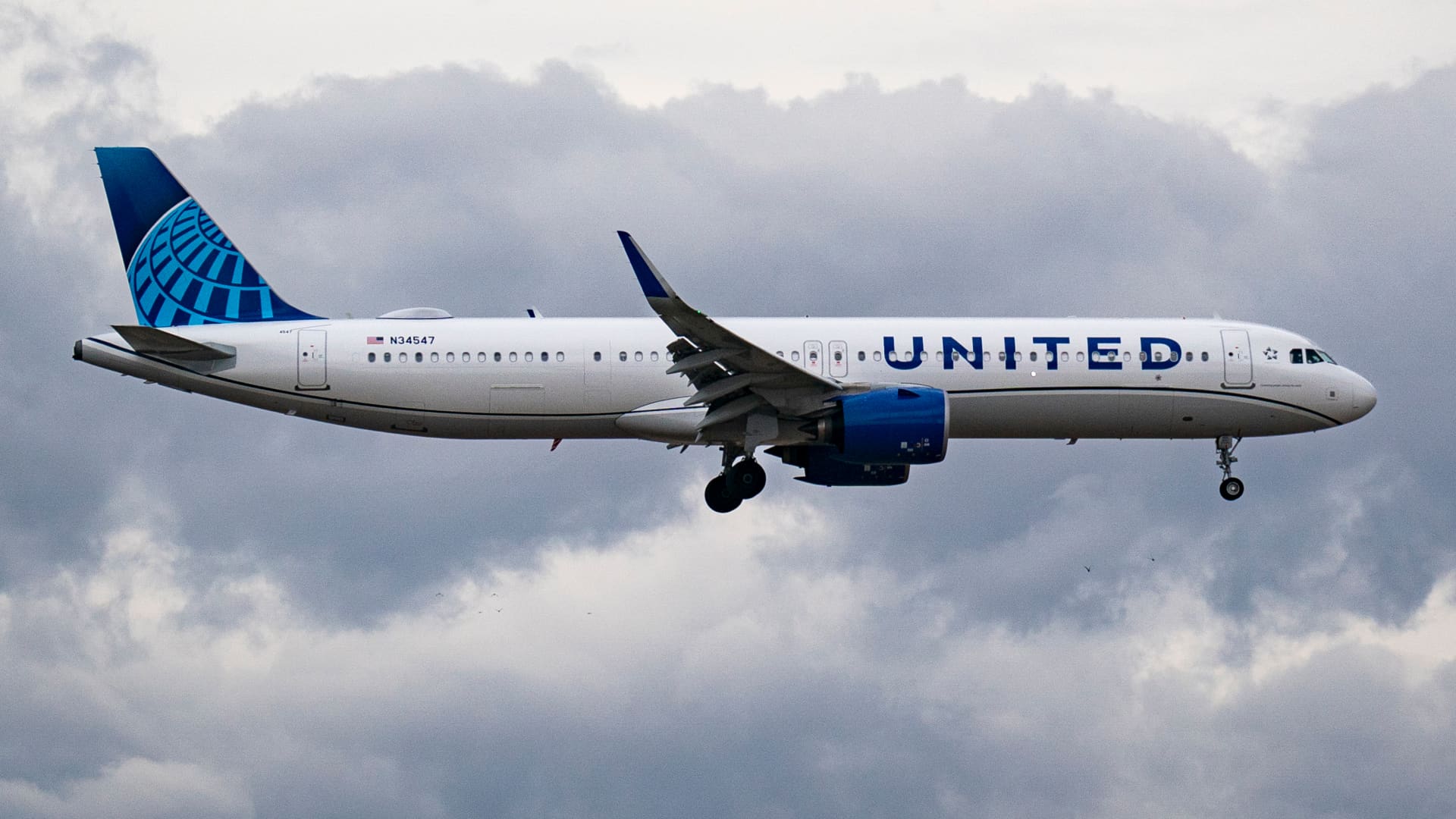
A United Airlines plane approaches the runway at Denver International Airport on March 23, 2026.
Al Drago | Getty Images
United Airlines flight attendants approved a new five-year labor contract with 31% average raises to base pay by August and other improvements, marking the last of the major carriers with unionized flight crews to reach a deal post-Covid.
The labor deal would give United’s roughly 30,000 flight attendants their first raises in close to six years. The company and the flight attendants’ union reached a preliminary deal in March. Crews had rejected a contract last year.
The union said the contract won 82% approval from the flight attendants, with close to 90% of them voting.
“The contract will immediately change the lives of United Flight Attendants, especially our thousands of new hires who have been hired since the pandemic,” said Ken Diaz, president of the United chapter of the Association of Flight Attendants.
The contract also includes boarding pay, or pay for when the aircraft’s door is open and travelers are getting on. Airlines had for years started flight attendants’ pay clock once the boarding door was closed.
The contract comes with a roughly 7% to 8% increase in compensation and $741 million in back pay, as well as quality-of-life improvements like restrictions on red-eye flights and “sit pay” during disruptions of more than 2½ hours.

Many employers assume that withdrawing a job offer before someone starts work is a low-risk decision.
A recent Employment Appeal Tribunal ruling suggests otherwise. It held that the withdrawal of a conditional job offer amounted to a breach of contract, even though the employee had not actually started work, and that the financial consequences can be significant.
The case of Kankanalapalli v Loesche Energy Systems Ltd is a timely reminder that a job offer, even one labelled “conditional”, can amount to a binding contract the moment a candidate accepts it.
What happened?
A candidate was offered a role as a project manager, subject to satisfactory references, a right to work check, and successful completion of a six-month probationary period. The offer letter referred to key terms such as salary and a start date, but it did not mention a notice period. The employer also agreed to contribute towards relocation costs.
The candidate accepted the offer by email and completed the new-starter paperwork, including providing referee details and the required right to work documents.
A few weeks later, the employer withdrew the job offer because of delays in the project. The candidate brought a claim for breach of contract, citing the withdrawal of the offer and failure to pay any notice pay.
What did the Employment Tribunal and EAT decide?
The Employment Tribunal dismissed the claim. It held that the job offer was conditional and that the employer had not yet received references or completed the right to work checks (which required original documents). The contract had therefore not been formed.
The EAT disagreed. The key question was the nature of the conditions attached to the offer and whether they were:
- “Conditions precedent”, that is, conditions that must be satisfied before any contract is formed) or
- “Conditions subsequent”: whereby acceptance of an offer gives rise to a binding contract, but if the conditions are not satisfied, the contract terminates.
The conditions were grouped together in the offer letter, and one (passing the probationary period) could only be satisfied after employment began. As there had been no attempt to differentiate between the different conditions, this prevented the EAT from finding that they could be conditions precedent.
The offer letter included the key terms, both parties had treated the contract as binding, and the employer had started the onboarding process. Consequently, the employer did not have an unrestricted right to withdraw the offer for reasons unrelated to the conditions subsequent.
Finally, as the offer letter was silent on notice, the EAT had to imply a reasonable notice period. Taking into account the role’s seniority, the relocation requirement, and the lengthy interview process, it was concluded that three months’ notice would be a reasonable period, which the employer was required to pay.
What does this mean for your business?
The case highlights several practical steps employers should take when making job offers:
- Labelling an offer “conditional” is not enough on its own and will not prevent a binding contract from forming or a breach of contract if the job offer is withdrawn. If you intend certain conditions to be met before a contract exists, those conditions need to be clearly spelled out, with pre-contract conditions listed separately from post-start conditions, such as probation.
- Always include a notice period in the offer letter, covering both the probationary period and the post-probation standard notice period after probation has been successfully completed. If you don’t, the Employment Tribunal will imply one, and it may be longer than you’d expect.
- Before withdrawing any offer, take legal advice to ascertain whether the job offer was conditional or unconditional. Depending on the seniority of the role and the implied or stated notice period, a successful breach of contract claim can mean significant compensation as well as considerable management time.
- Finally, it’s worth reviewing your current offer letter templates to ensure key terms are included and that the conditional nature of any offer is clearly and correctly expressed.
A little extra care at the offer stage is far less costly than defending a claim if a job offer is withdrawn.

Hannah Waterworth
Hannah Waterworth is an employment solicitor in Blake Morgan’s Employment, Pensions, Benefits and Immigration team.

Ministers Urge Keir Starmer To Resign As Leader

Cosy holiday let in idyllic woodland gardens 15 minutes from the sea

Ingredion impacted by sweetener processing issues

Manchester United reach agreement with Casemiro over contract clause amid transfer speculation

US brings back mandatory military draft registration

Steven Gerrard disagrees with Gary Neville over ‘shock’ Chelsea and Arsenal claim | Football


-
 Crypto World4 days ago
HarrisX Poll Found 52% of Registered Voters Support the CLARITY Act
-

 Fashion4 days ago
Weekend Open Thread: Marianne Dress
-

 Crypto World6 days ago
Upbit adds B3 Korean won pair as Base token gains Korea access
-
 NewsBeat6 days ago
NCP car park operator enters administration putting 340 UK sites at risk of closure
-

 Fashion1 day ago
Coffee Break: Travel Steam Iron
-

 Fashion2 days ago
What to Know Before Buying a Curling Wand or Curling Iron
-

 Tech3 days ago
Auto Enthusiast Carves Functional Two-Stroke Engine from Solid Metal
-

 Politics23 hours ago
What to expect when you’re expecting a budget
-

 Politics4 days ago
Politics Home Article | Starmer Enters The Danger Zone
-
 Business3 days ago
Ignore market noise, India’s long-term story intact, say D-Street bulls Ramesh Damani and Sunil Singhania
-

 Tech2 days ago
GM Agrees To Pay $12.75 Million To Settle California Lawsuit Over Misuse Of Customers’ Driving Data
-

 Crypto World6 days ago
BlackRock CEO Larry Fink Discusses a New Asset Class
-

 Entertainment6 days ago
Sarah Paulson Called Out For Met Gala ‘Hypocrisy’
-

 Entertainment5 days ago
General Hospital: Ric & Ava Bombshell – Ric’s Massive Secret Exposed!
-
 Sports6 days ago
NBA playoff winners and losers: Austin Reaves is not loving Lakers vs. Thunder matchup, but Chet Holmgren is
-

 Entertainment6 days ago
Bold and Beautiful Early Spoilers May 11-15: Steffy Revolted & Liam Overjoyed!
-

 Politics5 days ago
Simon Cowell Says He Was ‘Horrible’ To Susan Boyle During BGT Audition
-

 Sports6 days ago
UEFA Champions League final schedule, teams, venue, live time and streaming | Football News
-

 Crypto World6 days ago
Robinhood says Wall Street is building onchain
-

 Tech7 days ago
Apple and Samsung are dominating smartphone sales so thoroughly that only one other company makes the top 10
You must be logged in to post a comment Login