
Business
Two Frankfurt Airport Workers Die After Rare Mosquito-Borne ‘Airport Malaria’ Outbreak Sickens Six Staff

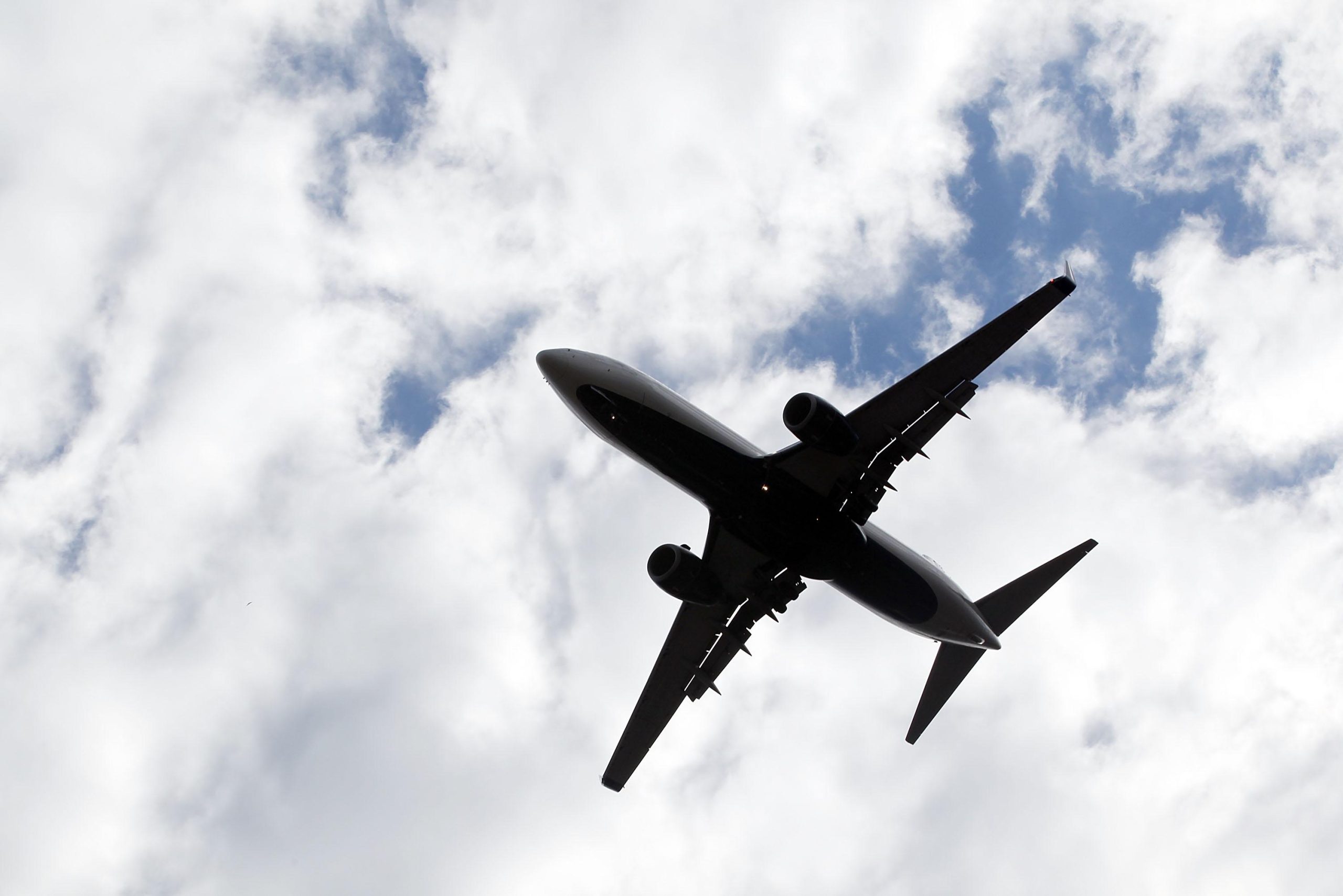
FRANKFURT, Germany — Two employees at Germany’s Frankfurt Airport have died after contracting a rare form of malaria believed to have been transmitted by a mosquito that arrived in the country aboard an aircraft, according to Fraport, the company that operates the airport.
A total of six airport employees were infected with the disease, which is known as airport malaria, Fraport confirmed to CNN. Four of the six have since recovered, according to a report by German news magazine Der Spiegel, while the remaining two died from their infections.
A company in mourning
Fraport expressed grief over the loss of its employees in a statement to CNN. “We are shocked and deeply saddened by the loss of our colleagues,” the company said, adding that its thoughts remain with the families and friends of those affected.
How the outbreak began
Germany’s national public health institute, the Robert Koch Institute, first flagged the cluster of cases in mid-July, noting that multiple airport employees had fallen ill between July 4 and July 6. According to the institute’s assessment, the outbreak is believed to have originated from an Anopheles mosquito, the genus of mosquito responsible for transmitting malaria, that was inadvertently carried into Germany aboard an aircraft arriving from a region where the disease is endemic.
Airport malaria is considered an especially rare mode of transmission for the disease. It occurs when an infected mosquito survives an international flight and goes on to bite someone at or near the airport where the plane lands, effectively transplanting a tropical disease into a region where it would not normally circulate. Health authorities in Frankfurt are continuing to investigate the incident.
Why diagnosis can be delayed
According to the Robert Koch Institute, malaria cases among German nationals are almost always linked to long-distance travelers who become infected while visiting a region where the disease is prevalent. Because airport-based transmission is so uncommon, the institute noted, infections acquired this way can be harder to diagnose quickly, since doctors treating patients who haven’t traveled to malaria-endemic regions themselves may not immediately suspect the disease.
The institute emphasized that early diagnosis and prompt treatment are critical to preventing malaria from progressing to severe illness or death, underscoring the danger posed by cases that go unrecognized in their early stages simply because of where and how a patient was exposed.
Fraport’s response
In the wake of the outbreak, Fraport said it has advised its employees to inform their doctors that they work at Frankfurt Airport and that cases of airport malaria have been documented among staff, a step intended to help ensure that any future potential cases receive prompt and appropriate medical evaluation.
The airport operator has also installed mosquito traps across its grounds as part of the response. Insects captured in the traps will be sent to the Institute of Tropical Medicine in Antwerp, Belgium, for genetic analysis aimed at determining the species and geographic origin of the mosquitoes present at the airport, according to Fraport.
Not the first such case
This is not the first time Frankfurt Airport has recorded a case of airport malaria. According to the Robert Koch Institute, the most recent prior instance occurred in 2023, also at Frankfurt. The recurrence of such cases at the same location underscores the ongoing risk posed by the airport’s role as a major international hub, where aircraft frequently arrive from regions where malaria remains endemic.
A major hub for global air travel
Frankfurt Airport is Germany’s busiest airport by passenger volume and serves as the primary hub for Lufthansa, the country’s flagship airline. Its status as a high-traffic international gateway, with flights arriving daily from across Africa, Asia and other malaria-endemic regions, places it at a heightened, if still statistically rare, risk for this type of incidental disease transmission compared with smaller regional airports.
Understanding malaria transmission
Malaria is caused by parasites transmitted to people through the bites of infected Anopheles mosquitoes. The disease is not spread from person to person through casual contact, meaning the risk in cases like this one is generally confined to individuals who are physically present in the specific location where an infected mosquito is active, rather than posing any broader public health threat to the wider community. Symptoms typically include fever, chills, headache and fatigue, and in severe cases the disease can lead to organ failure and death if left untreated, which is why global health authorities stress the importance of rapid diagnosis, particularly in regions where the disease is not typically encountered.
What happens next
With the investigation into the outbreak still underway, both Fraport and German public health authorities are working to determine the precise origin of the mosquito responsible for the infections, information that could help inform future prevention measures at the airport. The genetic analysis being conducted in Antwerp is expected to help identify which flight route or region the mosquito may have originated from, potentially guiding more targeted screening or control measures at high-risk arrival gates in the future.
For now, Fraport has framed its response around supporting affected employees and their families while working to prevent additional cases, even as the broader investigation into exactly how the insect entered the country, and why it led to such a severe cluster of illness, continues.
The incident adds Frankfurt to a short list of European airports that have documented locally transmitted malaria cases in recent years, a phenomenon public health officials say remains exceedingly rare but serves as a reminder of the unusual ways in which global air travel can occasionally carry unexpected health risks across borders, even over distances of thousands of miles in a matter of hours.


Isabel Vieira speaks to Gary Adshead, Claire Tyrrell, Jack McGinn, Sam Jones and Jayde Andrews about the big events of the week in WA business and politics.
Business
39 Australians Missing in Nepal-Tibet Floods as Death Toll Tops 469, Canberra Sends $5 Million in Aid
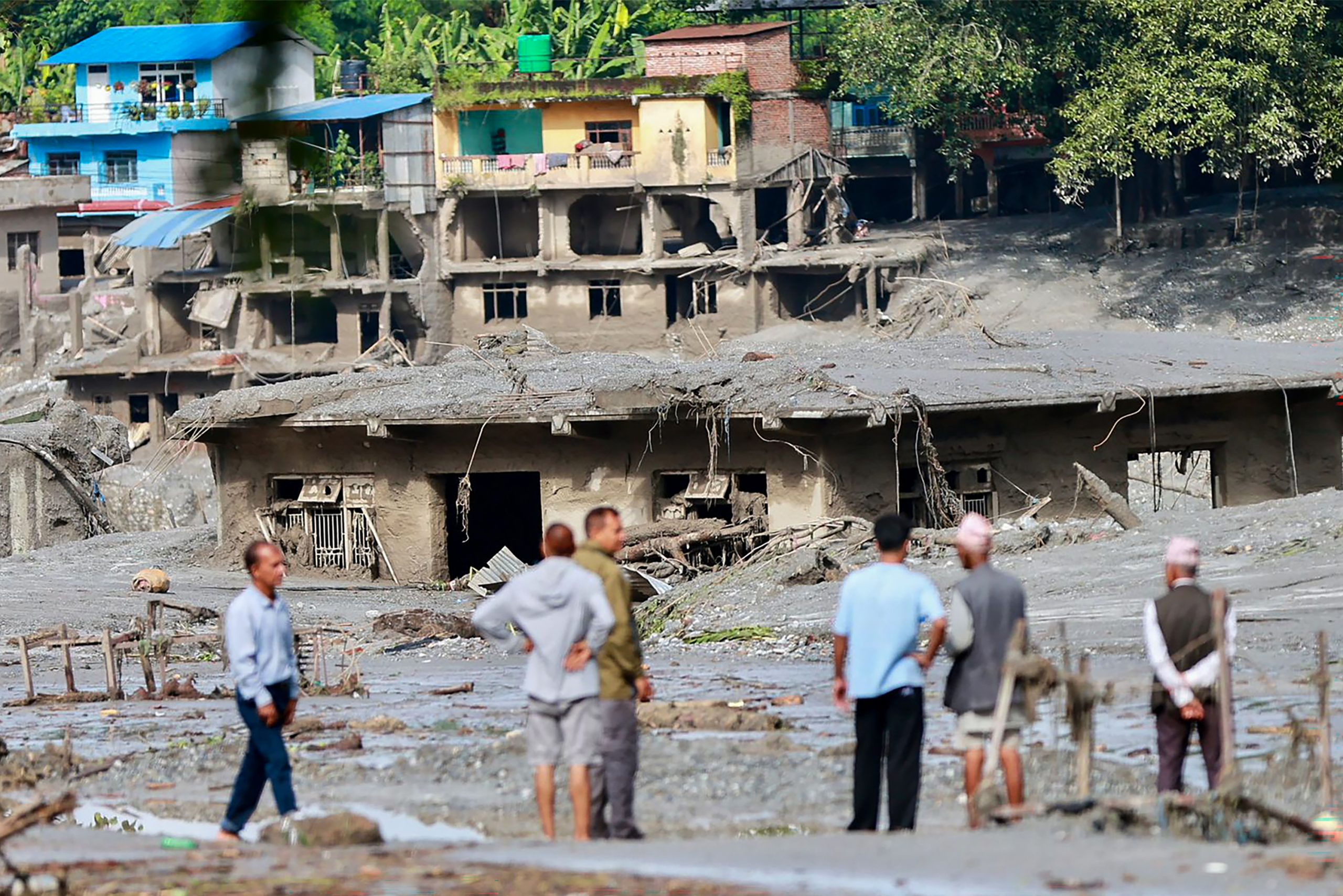
CANBERRA — The Australian government confirmed Friday that at least 39 Australians remain missing following catastrophic flash floods that tore through the Nepal-Tibet border region this week, as the death toll climbed past 469 and more than 1,400 people remained unaccounted for across both countries.
Foreign Minister Penny Wong announced the updated figure in a joint statement with International Development Minister Anne Aly, alongside news that Australia is rapidly mobilizing consular and humanitarian support, including a $5 million assistance package for affected communities. “We understand at least 39 Australians are among those reported missing,” the ministers said in the statement, adding that the missing Australians were part of separate pilgrimage and tour groups traveling in the region when the disaster struck.
The floods tore through mountain villages along the Nepal-Tibet frontier on Wednesday morning local time, in what authorities believe was triggered by a massive chunk of ice breaking away from a Himalayan glacier. Satellite imagery reviewed by disaster officials showed the ice and rock tumbling into a river below, sending a wall of water and debris crashing through settlements, trekking routes and a border crossing used by pilgrims traveling between Nepal and Tibet.
The scale of the disaster has grown sharply each day since. Nepal’s disaster management agency reported Thursday that 910 people remained unaccounted for on its side of the border, including at least 517 foreign nationals, while Chinese authorities said 558 people were missing in Tibet, among them 260 foreigners. Nepal Police put the confirmed death toll on their side of the border at 389 by early Friday, an increase of 30 from the previous count, with a further 466 people reported injured. By Friday, the combined death toll across Nepal and Tibet had surpassed 469, with more than 1,400 people still missing across both countries.
The number of missing Australians has risen steadily as authorities have worked to account for travelers in the affected region. Prime Minister Anthony Albanese confirmed Thursday that 34 Australians were unaccounted for, a figure that climbed to 39 by Friday as the Department of Foreign Affairs and Trade continued to verify the whereabouts of citizens believed to have been in the area.
Wong said earlier in the week that she had personally spoken with Australia’s ambassadors to both China and Nepal to convey the government’s support for the response effort. “The government’s priority is to confirm the whereabouts and welfare of these Australians,” Wong said. “We are currently deploying further DFAT personnel, including crisis response experts, to the region.”
A DFAT spokesperson said the department was working closely with local authorities and tour operators to establish the status of Australians believed to be in the affected area. “We are aware of a number of Australians in the area, and Australian officials are urgently working to confirm their welfare,” the spokesperson said. “We are liaising with local authorities as well as tour operators.” The department urged any Australians in the region to follow the advice of local authorities and directed families seeking information to DFAT’s 24-hour Consular Emergency Centre.
Australia is far from alone in accounting for missing nationals. The disaster has affected a broad cross-section of foreign travelers who were in the region for pilgrimages, trekking expeditions and tour groups. A Nepal Tourism Board spokesperson, Sunil Sharma, said earlier this week that 133 of the missing tourists were from India, many of them on a pilgrimage through the border region, while 47 were from the United States, 33 from Britain and 24 from Canada.
The United States has since revised its own missing-persons count sharply higher. A State Department spokesperson said Friday that 90 Americans were currently unaccounted for, though the department stressed it had not confirmed any American deaths. “We’re currently tracking 90 Americans who may be impacted by the flood, currently unaccounted for,” the spokesperson said, according to Agence France-Presse, adding that three Americans had been confirmed rescued.
The rising toll among foreign nationals underscores the popularity of the Nepal-Tibet border region among international travelers, many of whom pass through on pilgrimage routes connecting sacred sites in Tibet with trekking and tourism infrastructure on the Nepali side. The flash floods struck with little warning during peak travel season, catching pilgrims, hikers and tour groups in exposed mountain terrain with limited escape routes.
Rescue operations have continued across both sides of the border throughout the week, hampered by damaged roads, destroyed bridges and the remote, high-altitude terrain that characterizes the affected region. Nepali authorities have deployed military personnel, police and helicopters in an effort to reach survivors and recover the dead, while Chinese rescue teams have carried out parallel operations on the Tibetan side of the border.
Australia’s $5 million assistance package is intended to support both the immediate emergency response and the recovery needs of affected communities, according to the joint statement from Wong and Aly, though the ministers did not detail Friday how the funding would be distributed or which organizations would administer it on the ground.
The disaster has drawn comparisons to previous major flooding events in the region, though officials and aid organizations have said the scale of missing persons — spanning dozens of nationalities — appears unusually large, reflecting both the volume of international travelers in the area and the sudden, glacier-triggered nature of the flooding, which left little time for warning or evacuation.
As search and rescue operations continue, Australian officials have cautioned that the number of missing citizens could still shift in either direction as authorities work through the difficult task of accounting for travelers who may have been off predictable routes, out of mobile phone contact, or registered under tour groups whose full passenger manifests are still being confirmed.
For now, families of the missing Australians have been directed to DFAT’s Consular Emergency Centre, reachable at 1300 555 135 domestically or +61 2 6261 3305 from overseas, as the government continues working to determine the fate of the 39 citizens still unaccounted for in one of the deadliest natural disasters to strike the Himalayan border region in recent memory.
Business
Wipro shares gain 2% after IT major expands Google Cloud AI partnership. What investors should know

The development came after Indian market hours on Thursday, while Wipro’s ADRs jumped 5% in pre-market trading in the US following the announcement
Wipro Google AI partnership
Under the expanded partnership, Wipro will deploy Gemini Enterprise internally and equip more than 10,000 AI-certified specialists, including 1,500 Forward Deployed Engineers, with advanced AI tools to improve productivity, operations and decision-making.
The partnership aims to help enterprises move beyond basic task automation towards secure, autonomous AI agents that can be embedded into core business workflows. As part of the initiative, Wipro has introduced the LIFT framework, short for Launch-Ignite-Flywheel-Transform, to help companies accelerate AI transformation and deploy agentic AI at scale.
Also read: Two-year market consolidation may set stage for next bull run

The framework will bring together Gemini Enterprise and Wipro’s AI-powered delivery platforms, WINGS and WEGA. Wipro said the combination will allow clients to apply AI to multi-step business processes rather than limit its use to simple automation tasks.
Kanwar Singh, Managing Partner and Global Head of Technology Services at Wipro, said AI is becoming central to how the company is shaping its future, transforming operations and delivering value to clients.Wipro is also creating a dedicated team of more than 1,500 certified Forward Deployed Engineers. The team will combine Google Cloud’s AI expertise with Wipro’s consulting and engineering capabilities to take AI projects from the pilot stage through to full enterprise deployment.
Kevin Ichhpurani, President, Global Partner Ecosystem at Google Cloud, said the partnership is intended to help customers close the gap between AI’s potential and actual business performance.
Wipro has already deployed Gemini Enterprise as its central agentic orchestration platform under its “Operate Better with AI” strategy and “Client Zero” approach. The company said Gemini’s reasoning and long-context capabilities have enabled it to build autonomous AI agents across compliance, HR and sales intelligence, marking a shift from task automation towards an enterprise-wide decision intelligence layer.
The company has also integrated Antigravity Command Line Interface into its software engineering ecosystem. According to Wipro, this enables agentic workflows that support developers across planning, coding, testing and application modernisation.
Read more: 4 smallcaps with up to 332% PAT growth just surged 170%: Can the outperformance continue?
Wipro said the initiative has resulted in measurable gains in development productivity and a reduction in post-production defects.
Wipro Q1 results snapshot
The company reported a 1% year-on-year (YoY) increase in consolidated net profit to Rs 3,352 crore in the June quarter, compared with Rs 3,330 crore in the year-ago period. Revenue from operations rose 11% YoY to Rs 24,479 crore from Rs 22,135 crore in the same quarter last year.
The company maintained a cautious outlook for the September quarter, guiding for IT services revenue to range from a 1.5% decline to a 0.5% increase in constant currency terms. Wipro expects IT services revenue to be between $2.574 billion and $2.627 billion, implying sequential constant-currency growth of -1.5% to +0.5%.
Wipro shares are down 35% since the beginning of the year.
(Disclaimer: Recommendations, suggestions, views and opinions given by the experts are their own. These do not represent the views of The Economic Times)

I’m a full-time investor with a strong focus on the tech sector. I graduated with a Bachelor of Commerce Degree with Distinction, major in Finance. I’m also a proud lifetime member of the Beta Gamma Sigma International Business Honor Society. My core values are: Excellence, Integrity, Transparency, & Respect. I always, to the best of my ability, hold true to these values which I believe are key for long-term success. I would like to invite all of my readers to leave their constructive criticism and feedback in the comments section so that I can further enhance the quality of my work moving forward. Thank you and God Bless America!
Analyst’s Disclosure: I/we have no stock, option or similar derivative position in any of the companies mentioned, and no plans to initiate any such positions within the next 72 hours. I wrote this article myself, and it expresses my own opinions. I am not receiving compensation for it (other than from Seeking Alpha). I have no business relationship with any company whose stock is mentioned in this article.
Analyst’s family has a beneficial long position in the shares of SPCX.
Seeking Alpha’s Disclosure: Past performance is no guarantee of future results. No recommendation or advice is being given as to whether any investment is suitable for a particular investor. Any views or opinions expressed above may not reflect those of Seeking Alpha as a whole. Seeking Alpha is not a licensed securities dealer, broker or US investment adviser or investment bank. Our analysts are third party authors that include both professional investors and individual investors who may not be licensed or certified by any institute or regulatory body.

Trading will continue across the Equity, Equity Derivatives, Currency Derivatives, NDS-RST and Tri Party Repo segments. Commodity markets will also remain operational, with the Multi Commodity Exchange of India (MCX) and National Commodity & Derivatives Exchange Limited (NCDEX) scheduled to function normally.
Under standard market timings, the Indian equity market operates from 9:15 am to 3:30 pm. The pre-open session begins at 9:00 am. The NSE and BSE remain closed on weekends and on officially notified stock market holidays.
ALSO READ: Ahead of Market: 10 things that will decide stock market action on Friday
Upcoming stock market holidays in 2026
A total of 16 stock market holidays are scheduled for 2026, with 10 having already passed. Previous market holidays included Good Friday on April 3, Dr B.R. Ambedkar Jayanti on April 14, Maharashtra Day on May 1, Bakri Id on May 28 and Muharram on June 26.
Here’s the list of the upcoming stock markets holiday:
September 14: Ganesh Chaturthi
October 2: Mahatma Gandhi’s birth anniversaryOctober 20: Dussehra
November 10: Diwali-Balipratipada
November 24: Prakash Gurpurb Sri Guru Nanak Dev
December 25: Christmas
The NSE and BSE will therefore next close on September 14 for Ganesh Chaturthi, followed by the October 2 holiday for Mahatma Gandhi Jayanti.
Stock markets on Thursday
Indian equity markets surrendered their morning gains and ended lower on Thursday, August 27. The Nifty 50 closed at 24,090.85, declining 116.90 points, or 0.48%. The BSE Sensex ended at 76,933.59, down 539.35 points, or 0.70%.
The session also marked the first monthly expiry following the introduction of the Closing Auction Session (CAS), with the Sensex witnessing a sharp decline towards the end of trading.
Broader markets also finished in negative territory. The Nifty Midcap 100 fell 0.10%, while the Nifty Smallcap 100 declined 0.13%.
Most sectoral indices ended lower on Thursday. Nifty Pharma, Healthcare and Consumer Durables were among the sectors that managed to remain positive, along with select private banks. Nifty PSU Bank was the biggest laggard, ending nearly 1% lower.
Market breadth remained weak, with declining stocks outnumbering gainers on the NSE. Of the 3,619 stocks traded, 2,160 closed lower, while 1,341 stocks ended higher. Another 118 stocks remained unchanged.

FPIs recorded net purchases of around $2.45 billion in July and $2.7 billion in August so far. DIIs bought around $3.65 billion in July and $4.6 billion in August so far, though their buying during the two months was around 50% below their average monthly investment over the previous six months, according to ET calculations.
 ETMarkets.com
Foreign portfolio investors continue buying, selectively adding to their July bets in August
Rajesh Palvia, head of research at Axis Securities, said the recent FPI buying has been selective and partly driven by opportunities in stake-sale transactions such as offers for sale (OFS), qualified institutional placements (QIPs) and other block deals.
Indian markets saw combined IPO, QIP and OFS issuances of over ₹1.15 lakh crore during July and August as promoters and early-stage private equity sold some of their stakes through block and bulk deals.
FPI buying in July and August followed four months of selling, even as foreign flows into some other Asian markets weakened. For much of CY26, Taiwan and South Korea had attracted strong foreign flows, supported by earnings momentum and the AI infrastructure trade.
The trend reversed in July, with Taiwan and South Korea seeing foreign outflows of $22.95 billion and $6.26 billion, respectively. South Korea recorded its third consecutive month of foreign selling. The trend has diverged in August so far, with Taiwan attracting $6.28 billion of foreign inflows. South Korea saw further outflows of $7.6 billion.
Read more: Sebi proposes merchant banker exemption for small-value private debt issues“I don’t see this as sustained buying in India,” Palvia said. “Foreign investors could turn sellers again once they deploy money into stocks offering better valuations, as geopolitical uncertainties remain.”
DII flows, meanwhile, have slowed as fund managers turned cautious amid the lack of buying opportunities across the board. “Domestic fund managers are more selective about deployment at current valuations,” said Sneha Poddar, VP-research, wealth management, Motilal Oswal Financial Services. “Domestic institutions had already front-loaded a large share of their buying this year, leaving less fresh capital to sustain the same monthly pace now that FIIs have turned buyers.”

Malaga-based Arbortech is gearing up for rapid growth in North America after attracting an unprecedented response to the launch of a new range of power tools.
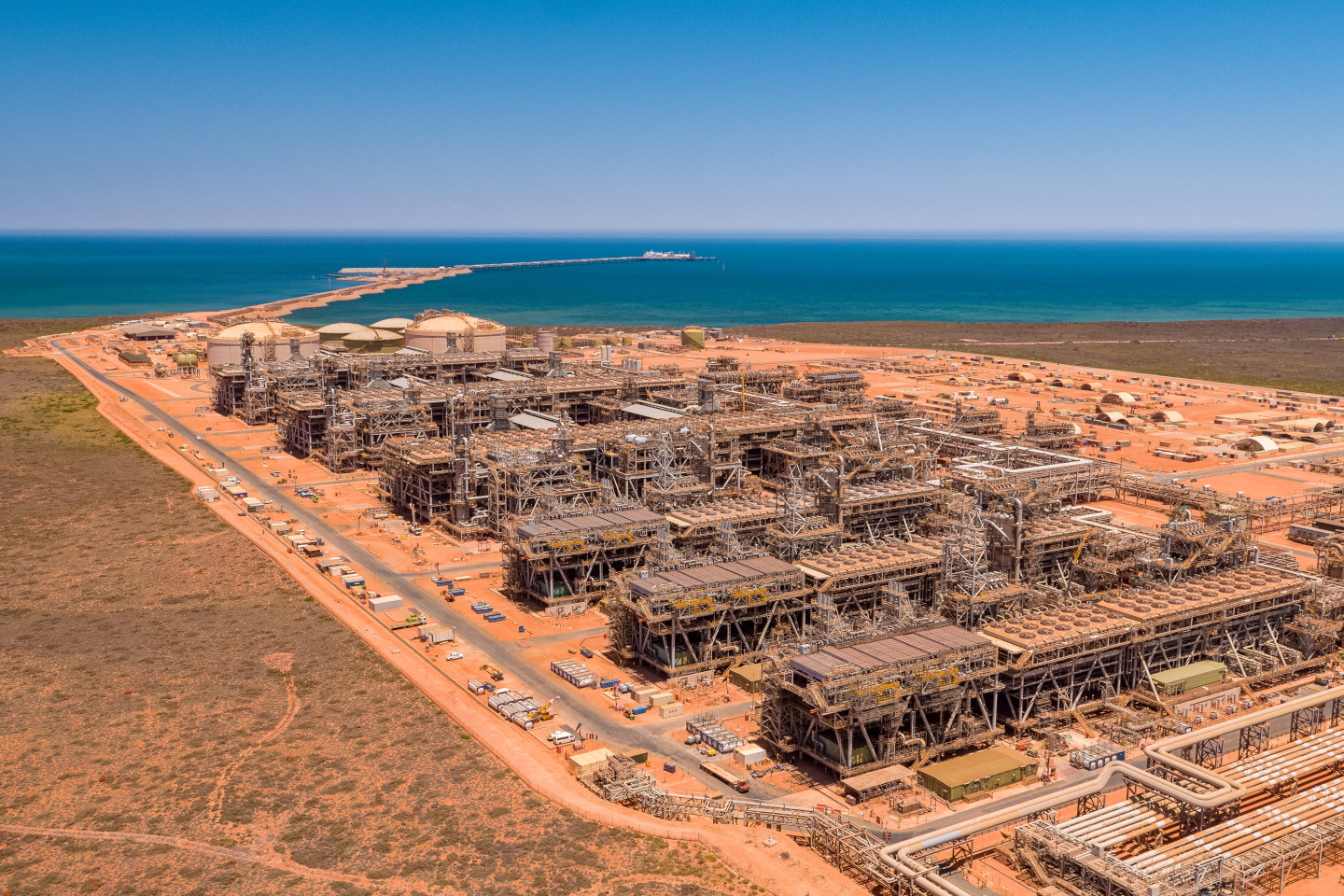
Chevron’s legal counsel has pushed against Mardudunera woman Raelene Cooper’s bid for a time extension in a Federal Court dispute, with the oil and gas giant projecting a significant financial loss if the case drags on.

A group of 100 firms, including Google, Microsoft, Anthropic and OpenAI, have signed an open letter calling on countries and organisations around the world to beef up their cyber defences before AI grows powerful enough to override them.
The letter warns, external cyber-attacks which use AI will become both more widespread and more sophisticated in a matter of months as the technology rapidly improves.
The group says current “status quo” security measures “won’t be enough” and criticises the “historic under-resourcing” of security around critical infrastructure.
“We have a limited window to improve cyber defences,” the letter begins.
Other firms to have signed the letter include banks such as Capital One, payment processors MasterCard and Visa, and other major tech firms including Adobe, Oracle and IBM.
They call on governments to provide “capable, defensive AI” and testing to hospitals and water utilities, and on technology companies to aid such efforts.
Collectively, tech and government “should bring the full weight of their technology, resources, and expertise to this effort”, according to the letter.
The letter comes after a string of significant hacking and cybersecurity breaches have been made public.
This week, the US Department of Justice said hackers in China breached, external technology maintained by the US Senate, Nasa, the Federal Reserve, and the DoJ itself.
This summer has seen OpenAI, Anthropic and Meta all reveal their AI tools doing things they should not, with some AI agents going so far as to organize their efforts and impersonate real people in order to get past security hurdles.
A group of hundreds of OpenAI AI agents being tested in July were able to set up secret message boards to communicate with each other and work together, resulting in a successful attack on Hugging Face, a popular repository and platform for AI developers.
The incident has been described as the world’s first AI-enabled cyber-attack.
Hugging Face has also signed the Thursday letter. It used a Chinese AI tool from the firm Z.AI in its investigation into how OpenAI’s agents hacked into its operations.
At least seven US water and wastewater companies have also reported cyber attacks, leading the FBI to issue, external a public service announcement urging all utilities to better secure their operations.
While the letter puts forward more advanced AI tools, which many of the signatories have developed and sell, as part of a solution to what is described as a growing threat, such tools are not always easily available.
Mythos, developed by Anthropic, was said by the firm to be able to find weaknesses in systems in seconds which have long evaded human hackers. It found one in a legacy platform which had remained undiscovered for 27 years.
Anthropic has restricted access to Mythos on the grounds that it is too powerful to fall into the wrong hands.
However, the letter calls on frontier AI companies, or those tech companies building their own AI models and tools, to “provide responsible model access, significant funding, training, and hands-on support, especially for under-resourced critical-infrastructure defenders.”
The letter does not detail when or how this vision of broader model access will be enacted.
Andrew Yoon, head of research at CivAI, a non-profit focused on public understanding of AI technology, said that “an unprecedented wave of AI hacking activity” is on the way. He put the responsibility for it on many signatories of the letter.
“They are right in this letter to commit ‘significant funding’ to defensive measures. They should be held to that commitment”, Yoon said. “Notably, the letter does not call for any action to slow the advance of AI hacking abilities.”
The letter includes a plea to governments, organisations, cyber-security professionals and other AI firms to work together to prioritise defence and test their systems against the abilities of the most powerful AI models.
In the US, senators have proposed a new law call the Kill Switch Act which would give authorities the power to shut down rogue AI models.
Geoffrey Hinton, a technologist and Nobel Laureate who formerly work on AI at Google, on Thursday told BBC World Business Report that society could be “in real trouble” should the technology get to a point where it is “smarter” than humans.
Hinton in recent years has been outspoken on what he views as the extreme risks posed by developments in AI technology.
“We have one future where we figure out how to deal with the risks of AI”, Hinton added on Thursday. “And we have another future where we don’t figure out how to deal with that sensibly. And it’s a very bleak future.”
Business
Cobram Estate Olives Limited 2026 Q4 – Results – Earnings Call Presentation (OTCMKTS:CBOAF) 2026-08-27


Seeking Alpha’s transcripts team is responsible for the development of all of our transcript-related projects. We currently publish thousands of quarterly earnings calls per quarter on our site and are continuing to grow and expand our coverage. The purpose of this profile is to allow us to share with our readers new transcript-related developments. Thanks, SA Transcripts Team

Mark My Words August 28 2026

Bitcoin's $14,775 Weekly Surge Is the Biggest in Its History, Powered by ETF Flows

The Jason Arday vigil was everything psychologists warn against





-

 Fashion6 days ago
Weekend Open Thread: Madewell – Corporette.com
-

 Crypto World2 days ago
SpaceX stock could rise 75% to $240, JPMorgan says
-

 Business6 days ago
Musk’s Tesla, SpaceX Confirm $16.8 Billion ‘Terafab’ Chip Plant as World’s Largest Building in Texas
-

 Crypto World6 days ago
anatomy of crypto’s biggest liquidation event since 2021
-

 Crypto World3 days ago
A $30 Billion AI Fund Implodes, Now the SEC Is Investigating Wall Street’s Role
-

 Politics6 days ago
6 months on, Irish renters crushed by effects of government housing bill
-

 Crypto World2 days ago
Did Trump Just Move SpaceX Stock With One Truth Social Post?
-

 Business5 days ago
Mystery AI Model ‘Ox Alpha’ Draws Developers With Free Access as Chinese Lab Origins Remain Debated
-
 NewsBeat6 days ago
The ‘Lucky Dip Gang’ causing carnage for clicks: After five thugs were killed speeding in the wrong direction on a motorway, GUY ADAMS investigates a sick new trend… and why police aren’t even allowed to pursue them
-

 Crypto World2 days ago
Warsh Jackson Hole keynote puts financial innovation first
-
 Crypto World6 days ago
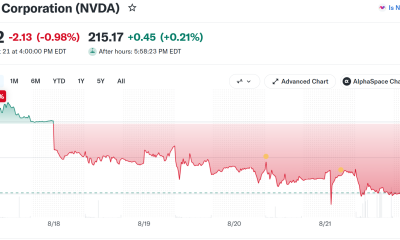
Nvidia Stock Suffers Longest Losing Streak Since 2022: Will Q2 Earnings End It?
-

 Business3 days ago
Moderna CEO warns China is pouring state money into mRNA technology
-

 Business3 days ago
NVIDIA Stock Drops Nearly 2 Percent to $210 on Seventh Losing Day Ahead of Critical AI Earnings
-

 Business7 days ago
UK firms in critical financial distress rise 9% to 53,756
-

 Tech6 days ago
Unitree’s New Superman Robot Claims to Outjump and Outrun Every Human, Usain Bolt Included
-

 Sports5 days ago
Deshaun Watson fires back at Browns fans after being booed: ‘It’s a disrespectful thing’
-

 Crypto World5 days ago
Google Gemini AI Predicts Ethereum Could Become the Trade Retail Misses in 2026
-

 Business6 days ago
Will Tesla Stock Be Higher or Lower a Year From Now? Here’s What Wall Street Analysts Are Saying
-

 Tech6 days ago
Faster chip in a familiar form factor
-

 Business2 days ago
Walmart takes aim at younger shoppers with new fashion brand
You must be logged in to post a comment Login