



Connect with us

Business

Uber stock gains 2% as tech giant cuts 3,300 jobs in major restructuring

Published

on

Continue Reading
Click to comment

You must be logged in to post a comment Login

Leave a Reply

Business

Minecraft Down? Thousands Of Players Report Login And Server Connection Issues Across The Country Today

Published

on

'Minecraft' was first developed by one person, Markus 'Notch' Persson

Minecraft players across the United States and beyond began reporting widespread trouble accessing the game Wednesday morning, with outage tracking site Downdetector logging a sharp spike in complaints starting around 8:42 a.m. EDT.

The outage tracker’s official account flagged the surge in a post shared shortly after the problems began, asking affected players how the disruption was impacting them and pointing users to its live outage map for updates. The hashtag “MinecraftDown” quickly began trending on social media as frustrated players compared notes on which parts of the game were affected.

According to breakdowns of user-submitted reports, login failures accounted for the largest share of complaints, at roughly 43%, followed by server connection issues at about 31% and problems launching the game entirely at around 24%. Players attempting to sign in described being stuck in repeated authentication loops, while others reported being unable to connect to multiplayer servers or access Minecraft Realms, the game’s subscription-based hosting service for private servers.

As of Wednesday afternoon, Mojang Studios, the Microsoft-owned developer behind Minecraft, had not issued an official statement addressing the outage or confirming a root cause. Coverage of the disruption noted that a search of the company’s official channels and social media accounts turned up no acknowledgment of the issue at the time reports were first surfacing, leaving affected players largely reliant on crowdsourced outage trackers for information about the scope and likely cause of the disruption.

Advertisement

Wednesday’s disruption is not the first time this year that Minecraft’s online services have faltered. The game, one of the best-selling video game titles in history with hundreds of millions of copies sold worldwide, relies on a network of authentication and multiplayer servers to allow players to log in, verify ownership of the game, and connect to both official and player-run servers. When those backend systems experience trouble, players are frequently locked out of single-player and multiplayer modes alike, even when their own internet connection and hardware are functioning normally.

Earlier this summer, Minecraft experienced a similar disruption that began in the early morning hours, when players reported being unable to launch the game through the official Minecraft Launcher. At the time, affected users encountered error messages indicating the game could not connect to Minecraft’s servers and was unable to verify which products the account owned, both hallmarks of authentication-server trouble rather than a problem tied to any individual player’s device or internet connection.

Outage tracking services have also logged a steady stream of smaller, shorter-lived disruptions to Minecraft throughout the year, including issues affecting sign-in functionality, multiplayer access, and Minecraft Realms specifically. One such incident tied to Realms saw the game’s support team publicly acknowledge “intermittent service disruption” affecting the subscription hosting service, though the company did not immediately specify a timeline for a permanent fix.

The largest and most disruptive Minecraft outage in recent memory came in October 2025, when a broader outage affecting Microsoft’s Azure cloud computing platform knocked out a range of services tied to the tech giant, including Minecraft’s authentication systems and Xbox Live. That incident illustrated how deeply Minecraft’s online infrastructure, like many modern online games, depends on cloud computing services that also underpin a wide array of unrelated products and platforms, meaning a single point of failure at the infrastructure level can ripple outward to affect millions of players simultaneously.

Advertisement

Minecraft’s ownership under Microsoft, following the tech giant’s roughly $2.5 billion acquisition of Mojang more than a decade ago, has tied the game’s backend infrastructure closely to Microsoft’s broader cloud and identity-verification systems. That integration allows players to use a single Microsoft account to access Minecraft alongside other Microsoft and Xbox products, but it also means outages affecting Microsoft’s authentication services can directly translate into Minecraft access problems, even when the game’s own core servers remain functional.

For most players affected by outages of this kind, the practical impact is straightforward but frustrating: an inability to launch the game, log into an existing account, or connect to online multiplayer servers and Realms, even though locally stored single-player worlds may, in some cases, remain accessible depending on the specific nature of the disruption. Troubleshooting guides commonly circulated during such incidents typically advise players to check official status trackers before assuming a problem lies with their own device, since authentication-related outages tend to affect large numbers of users simultaneously regardless of individual hardware, internet speed or geographic location.

Downdetector and similar outage-tracking platforms compile user-submitted reports in near real time, comparing the volume of incoming complaints against a baseline level of normal background reports to determine whether a genuine service-wide outage is underway. A sudden, sharp spike in reports across many users, as was recorded early Wednesday, is typically treated as strong evidence of a broader service disruption rather than isolated, unrelated technical problems affecting individual players.

Minecraft remains one of the most widely played video games in the world, maintaining a large and highly active player base across personal computers, consoles and mobile devices more than a decade and a half after its original release. The game’s enduring popularity, combined with its heavy reliance on centralized authentication and server infrastructure for both single-player and multiplayer access, has made outages of this kind a recurring point of frustration for its community whenever backend systems falter, even for relatively brief windows of time.

Advertisement

As of Wednesday afternoon, it remained unclear how long the latest disruption would persist or what specifically triggered it. Players affected by the outage were advised to monitor official Minecraft and Mojang support channels, along with independent outage trackers, for updates on when full service would be restored.

Continue Reading

Business

Sovereign debt plummets as inflation fears push yields to multi-year peaks

Published

on


Sovereign debt plummets as inflation fears push yields to multi-year peaks

Continue Reading

Business

FCC proposes Robocall Scorecard to strengthen consumer protection

Published

on

FCC proposes Robocall Scorecard to strengthen consumer protection

EXCLUSIVE: The Federal Communications Commission (FCC) on Wednesday proposed a new consumer tool dubbed a Robocall Scorecard that gives consumers insight into efforts to crack down on illegal robocalls, FOX Business has learned.

A public notice was released by the FCC on Wednesday that seeks input on key principles for the creation and usability of a Robocall Scorecard. Those include ensuring that it’s easy to understand and accessible to consumers, establishing rating criteria that are relevant and accurate, as well as creating an iterative process to improve the Scorecard.

Advertisement

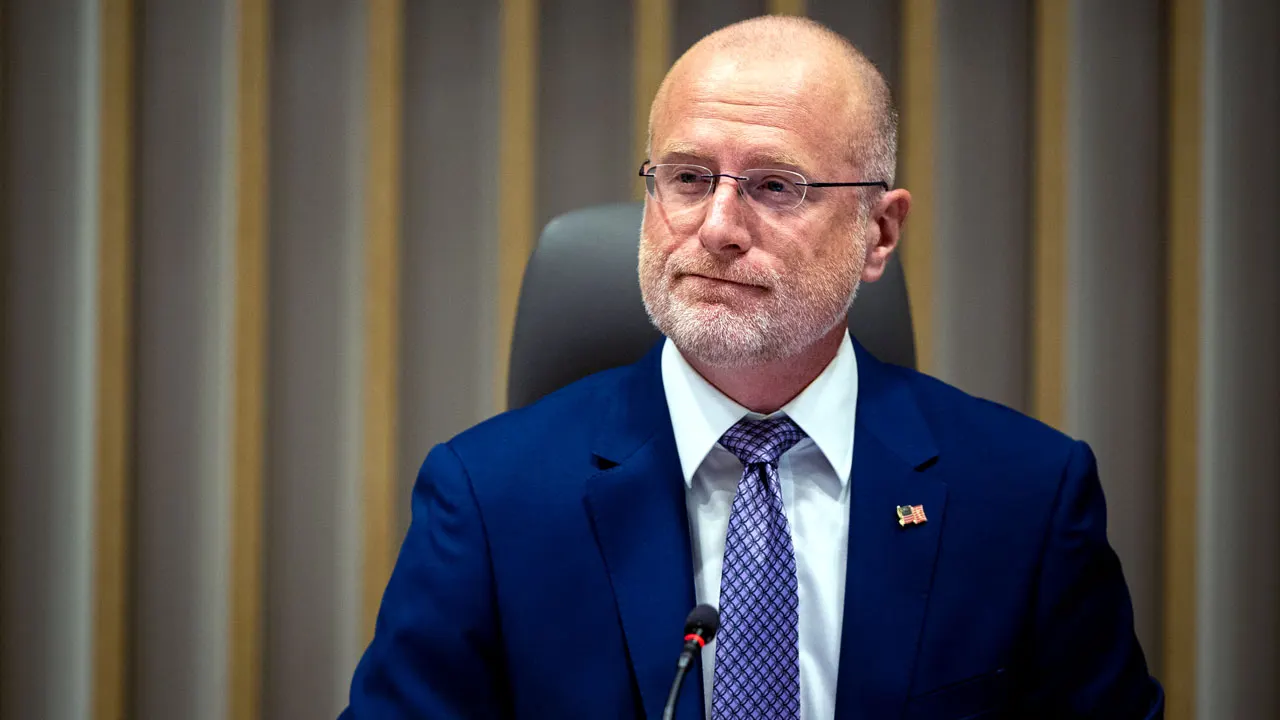
“Combatting the scourge of illegal robocalls remains the FCC’s top consumer protection priority. And since I became chairman, we have been tackling the problem at every point of the call path,” said FCC Chairman Brendan Carr.

“In keeping with this steady drumbeat of work on behalf of American consumers, today’s announcement reinforces the agency’s dedication to protecting consumers from illegal robocalls and ensuring they have the tools they need to make informed choices,” Carr added.

US BANS NEW FOREIGN-MADE CONSUMER INTERNET ROUTERS OVER SECURITY CONCERNS

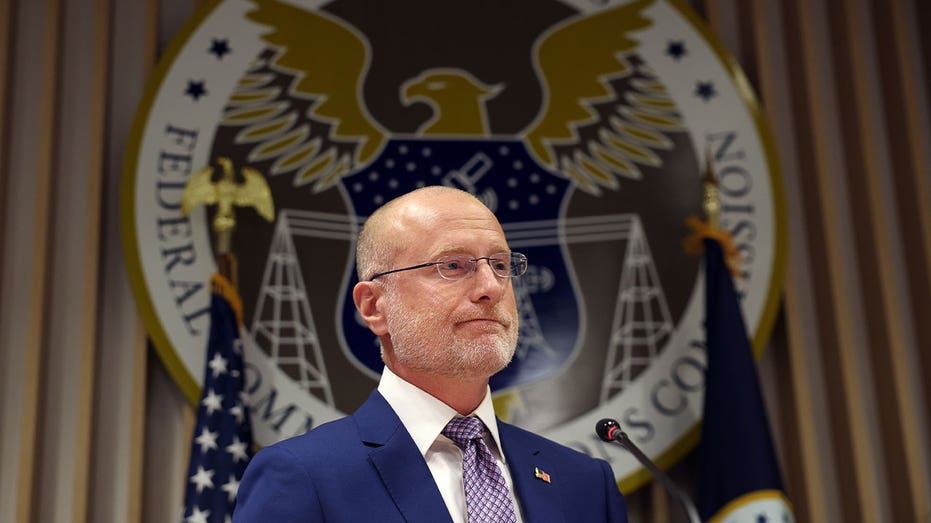
FCC Chairman Brendan Carr speaks at Federal Communications Commission headquarters

FCC Chairman Brendan Carr said the Robocall Scorecard will help consumers assess how providers are mitigating illegal robocalls, as well as incentivize providers to improve. (Kevin Dietsch/Getty Images)

The notice outlines categories of potential metrics – conduct-based metrics and outcome-based metrics – while also seeking comment on the FCC’s data sources and metrics to ensure they’re relevant in assessing how well providers are successfully and accurately protecting their customers from illegal robocalls.

Advertisement

Additionally, the FCC is seeking comment on ways to ensure that rating criteria and data are derived from sources that clearly disclose reliability limitations, while not inherently disadvantaging any particular provider.

Carr said that the scorecard will not only give consumers “more information about the measures providers are taking to fight illegal robocalls,” but will also “incentivize providers to improve their efforts.”

FCC ROBOCALL CRACKDOWN COULD CHANGE PHONE PRIVACY

robocall scam

The FCC said that it remains focused on protecting consumers by cracking down on robocalls. (iStock)

The notice says that it’s seeking comment on which providers should receive a scorecard rating, adding that the FCC’s proposal is to only rate domestic voice service providers with retail customers – including all types of retail providers across network types that are subject to illegal robocalls. It also offers more detail about the proposed conduct and outcome-based metric categories.

Advertisement

Conduct-based metrics would evaluate whether a provider has taken specific steps or responded to specific requests regarding illegal robocall mitigation, regardless of whether doing so is shown to reduce illegal robocalls.

This would cover things like providers offering consumer tools to label or block calls, as well as efforts made by providers to label or block calls and their responses to traceback requests.

FCC MAKES AI-GENERATED ROBOCALLS ILLEGAL AFTER FAKE BIDEN VOICE USED

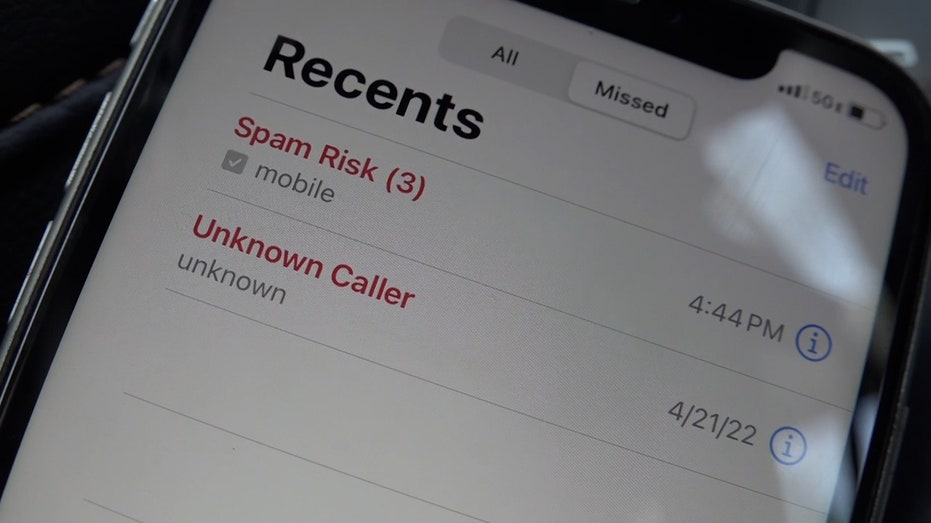
Robocalls and spam calls on a cell phone

The FCC’s proposed Robocall Scorecard could measure conduct-based and outcome-based mitigation efforts. (FNC)

Outcome-based metrics would measure if a provider’s efforts actually reduce illegal robocalls reaching consumers, such as whether the number, rate, or severity of illegal robocalls experienced by consumers is lower because of something the provider did.

Advertisement

The outcome-based category would look at consumer complaints filed with the FCC and other federal agencies; aggregated data on the number of calls blocked along with the false positive rate for legitimate calls that are mistakenly blocked, and on the percentage of illegal robocalls received by consumers; as well as trend data showing the change over time in the volume or rate of illegal robocalls, drawn from third-party analytics sources when possible.

GET FOX BUSINESS ON THE GO BY CLICKING HERE

Continue Reading

Business

The liability blind spots small businesses only discover at claim time

Published

on

Pound rallies after Donald Trump considers limits to tariffs plan

Ask a room of small business owners whether they carry public liability cover and most hands go up. Ask who has read the conditions, checked the limit against their contracts, or told their insurer what the business actually does now — most hands go down. Liability insurance is one of those purchases that feels finished the moment the certificate arrives, and that is precisely when the blind spots start.

Having arranged this cover for UK businesses for years, the same handful of gaps come up again and again. None of them are obscure. All of them tend to surface at the worst possible moment: after something has gone wrong.

Public liability is not a legal requirement — which is exactly why it goes wrong

Employers’ liability insurance is required by law for most UK employers under the Employers’ Liability (Compulsory Insurance) Act 1969, with only narrow exemptions. Public liability, by contrast, is optional in law — but in practice it is demanded by contracts everywhere: local authorities, landlords, principal contractors, event organisers.

Because it is contract-driven rather than law-driven, the important question is not “do I have it?” but “does it match what my contracts require?” A council contract quietly requiring a £10 million limit will not be satisfied by the £1 million policy bought online three years ago. Reading the insurance clause in your contracts — before you sign — is ten minutes that can save a dispute later.

The business description that stopped being true

Liability policies are underwritten against a description of what the business does. Businesses evolve; descriptions often do not. The retailer who started fitting products as well as selling them, the cleaning firm that took on a contract involving work at height, the caterer now doing festival pitches — each has changed its risk, and each should tell its insurer.

Advertisement

An out-of-date description is one of the most common reasons liability claims become difficult. Keeping it current is free.

Working on other people’s premises

Much small-business liability risk arises away from your own four walls: at client sites, in customers’ homes, at venues. Conditions in the policy — about heat work, depth of excavation, work at height, or subcontractors — matter most in exactly these situations. If subcontractors are part of how you deliver work, understanding whether the policy treats them as employees, and what it requires them to carry themselves, is essential.

Products follow you around

If you supply, repair, alter or manufacture goods, products liability is the part of the cover that responds when something you supplied causes injury or damage after it leaves your hands. It is usually bundled with public liability, but the two are not the same thing, and businesses that import goods can find themselves treated as the manufacturer for liability purposes. Worth knowing before, not after.

The limit is a contract decision, not a guess

There is no universally correct liability limit. The sensible way to set one is to work from your contracts and your exposure: who could you injure, what property could you damage, and what do the organisations you work for require? Limits of £1 million, £2 million, £5 million and £10 million are all common in the UK market for different reasons. Treating the limit as a considered decision — rather than defaulting to whatever a comparison journey pre-selected — is the difference between cover that fits and cover that merely exists.

Advertisement

A ten-minute annual habit

The pattern across all of these is the same: liability cover fails quietly, through drift, not drama. A short annual review — contracts checked against the limit, business description still accurate, subcontractor arrangements understood, products exposure considered — deals with most of it.

For businesses that would rather talk it through than work through policy wording alone, an FCA-regulated broker can review what you have against what you do. There is more on how public liability insurance for small businesses works, and what to check, on our site. Cover is always subject to insurer underwriting and to the terms, conditions, limits and exclusions of the policy, and the right arrangement depends on your individual circumstances.

*This article is general information for business owners, not personal insurance advice. Focus Insurance Services is a trading name of Captios Limited, which is authorised and regulated by the Financial Conduct Authority. Focus Insurance Services arranges commercial insurance for businesses across the UK.*

Advertisement
Continue Reading

Business

PCEC snub cost WA ‘$50m’ global LNG event, document says

Published

on

PCEC snub cost WA '$50m' global LNG event, document says

Yes. Corporate subscriptions are available for teams and organisations, with discounted rates as user numbers increase. Pricing starts from $1,625 + GST per user.
Get in touch
to discuss the right option for your organisation.

Business News subscriptions are used by executives, investors, consultants and professionals who need to stay informed and make better decisions about the WA market. When you subscribe you’ll get

  • Unlimited access to WA’s most trusted business journalism
  • Data & Insights — detailed profiles of WA companies, people, projects and deals
  • MyBN — a personalised feed based on the companies, people and sectors you follow
  • Special publications and industry reports
  • Daily and weekly email newsletters

Data & Insights is a research tool built specifically for the WA market. It draws on more than 30 years of Business News reporting, updated regularly to reflect what’s happening now. Use it to:

  • Look up detailed profiles of WA companies, including financials, directors and ownership
  • Find decision-makers and track their career movements
  • Research live and completed projects across WA industries
  • Monitor deals, appointments and market activity
  • Access industry rankings and league tables

Data & Insights is updated daily by our dedicated research team, which uses the latest announcements, ASX filings and editorial coverage to keep our person, company, list and project records up to date.

Business News welcome all opportunities to make our dataset accurate, complete and current, so if you have an update request, please email the team at
general@businessnews.com.au, and we’d be happy to assist.

Advertisement

MyBN
is part of every subscription. It’s your personalised view of Business News. You can follow the companies, people, sectors and projects that matter to you, and get a news feed and alerts tailored to your interests. You can save articles to read later and retain only what you need.

Only subscribers have full access to all content on the Business News website.

Advertisement

If staying informed about the WA economy is part of your job, and/or you’re looking for networking opportunities in WA, Business News is built for you.

Business News subscribers are:

  • Executives and directors tracking competitors, clients and market movements
  • Investors and advisers researching companies, deals and industry trends
  • Consultants and professionals staying across sectors relevant to their clients
  • Business owners looking for leads, context and market intelligence

Most Business News publications cover national or global markets. Business News is focused entirely on Western Australia, which means the journalism, the data and the intelligence are all built around WA companies, people and projects — not adapted from a national feed. Data & Insights, included with every subscription, combines more than 30 years of WA-specific editorial research with live business data. There’s no comparable product for the WA market.

Advertisement

The Morning Digest Email provides a comprehensive wrap of the major headlines, relevant to WA business, and includes with a snapshot of the overnight news covering oil, gold and ASX-listed companies.

The Afternoon Wrap Email focuses on the news covered by our team of journalists during the course of the working day, including exclusive stories and analysis, all of which relates to WA business and the local economy.

The BN Weekender Email contains a wrap of the Business News from the week that was, highlighting the top stories in each area of WA business.
Sign up for free.

Advertisement

We’re happy to help.
Get in touch
and our team will come back to you.

Advertisement
Continue Reading

Business

Former Hull boxer Tommy Coyle to host annual school uniform event

Published

on

Stock photo shows a young family eating out at a restaurant, including children and adults.

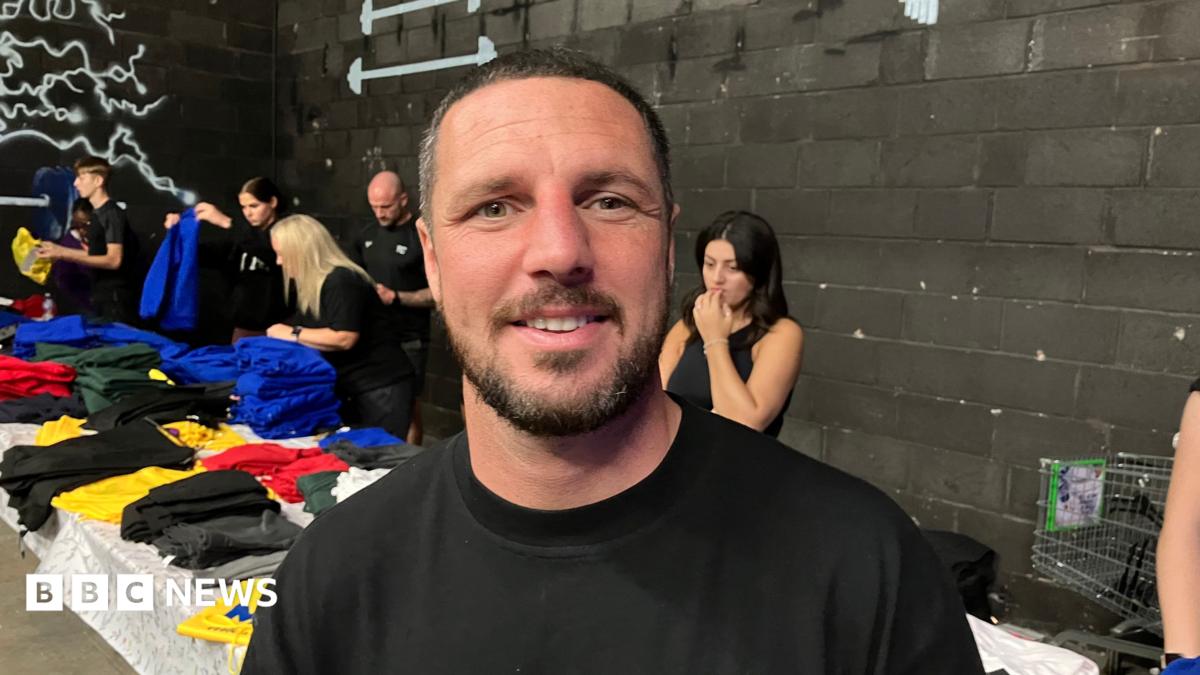
Free school uniforms are to be handed out in Hull by former boxer Tommy Coyle.

The ex-Commonwealth lightweight champion set up a sporting foundation when he retired from boxing in 2019 and has led a number of initiatives for underprivileged children, including a mobile boxing gym.

“If you’re in a position to do good then I believe you should,” he said.

The event at Coyle’s gym, TC60, on Humber Street will take place on Thursday from 10:00 until 13:00 BST.

Advertisement

Coyle said he would be giving out unbranded uniforms of all colours and sizes with no questions asked for those who attended, working with places such as Transwaste Recycling, Cranswick and MKM.

About 400 uniforms were given to families last year, and he said it “does tend to go up year on year”.

Speaking on BBC Radio Humberside, Coyle said: “It’s such an expensive time of year. Everything is going up in price. Uniforms are a fortune this year.

“It’s a bittersweet day – bitter in the sense that so many people need support but sweet in the sense that we can come together to support the community.”

Advertisement

Coyle added that his reason for doing it was “a bit of a personal one”.

“It goes back many years, and there was a form of bullying taking place as certain people didn’t have certain makes [of clothes] at school,” he said.

“I think everybody should be able to feel included at school whether they’ve got branded or unbranded uniform.”

Listen to highlights from Hull and East Yorkshire on BBC Sounds, and watch the latest episode of Look North.

Advertisement
Continue Reading

Business

Bristol Cars announces return with two-seater ‘Fighter’

Published

on

Business Live

The long-lost marque was unveiled at Salon Privé at Blenheim Palace

Bristol Cars returns with revived Fighter programme

Bristol Cars returns with revived Fighter programme(Image: Sam Frost)

A famous Bristol car maker that went bust during the pandemic owing millions of pounds has announced its return.

Bristol Cars – a British manufacturer of luxury vehicles – unveiled its first completed ‘Fighter’ built on an original, unused chassis, at Salon Privé at Blenheim Palace on Wednesday (September 2).

Advertisement

Originally developed in the early 2000s, the two-seater supercar was Bristol’s final production model before manufacturing ceased in 2011. It is powered by an 8.0-litre V10 and has a top speed of up to 210 mph.

It is understood that vehicle manufacturing will take place in the UK in partnership with an unnamed British company.

The brand’s revival is being led by director Paul King, while Richard Hackett, a former adviser to the company, is re-joining as chair. The Fighter programme is the first stage of a wider attempt to revive the marque.

“Bringing Bristol Cars back is about far more than reviving a name; it is about bringing back the spirit of a marque that has always stood apart,” said Mr King.

Advertisement

“Bristol has a remarkable story, from its roots in aviation and engineering to the extraordinary and exclusive cars it crafted. We want to honour that heritage while giving Bristol a future that is every bit as distinctive.

“To bring Bristol back to making cars in Britain, and with Richard Hackett returning to the company, we have brought together an exceptional combination of heritage, knowledge, engineering and craftsmanship. This is the beginning of Bristol’s return, and there is much more to come.”

Bristol Cars said four further Fighters will be completed using original unused chassis’, drawings and parts in the coming months and could be configured in either right or left-hand drive. They will then be sold and exported to major markets, including the US.

“Bristol has always been about doing things differently,” said Mr Hackett. “It was never a mass-market manufacturer. It built exceptional cars in small numbers for people who appreciated their individuality, engineering and character.”

Advertisement

Bristol Car’s return comes six years after the business fell into liquidation. The historic company was founded in 1945 as part of the Bristol Aeroplane Company – an enormous aircraft works in Filton that employed around 70,000 men and women during the Second World War.

When the war was over, the company began making cars in order to keep people in work. The 400 was the first car to go into production in 1946. It was inspired by the pre-war 326 and 328 BMWs, had a top speed of 95.7mph and a six-cylinder two-litre engine, making it unusually efficient for the time.

But the business faced a number of financial difficulties over the years. Bristol Cars first went into administration in 2011, with some 22 staff in Filton being made redundant.

Kamkorp Autokraft later acquired the intellectual property and goodwill and subsequently licenced it to Bristol Cars. Then, a decade ago, the brand announced its return at Goodwood with a limited edition Bullet – a two seater speedster priced at £250,000 – but the car did not go into production.

Advertisement

Bristol Car’s return this year comes as the company marks 80 years since its founding.

“To return as chairman, particularly in Bristol’s 80th anniversary year, is a tremendous privilege,” added Mr Hackett. “This is an opportunity to respect everything that made Bristol special while giving the marque a future.”

Continue Reading

Business

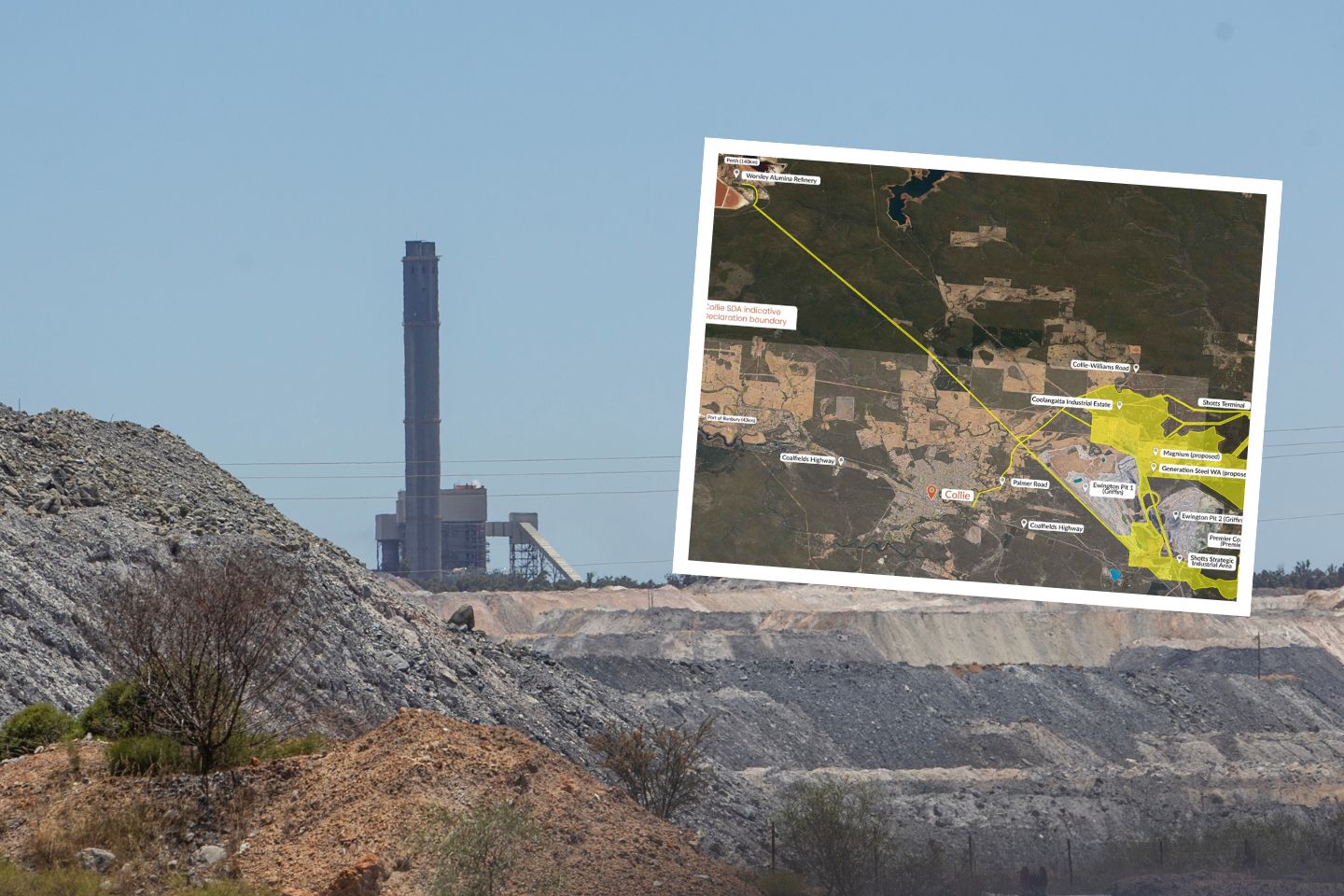
Analysis: Collie heading rapidly to one coal mine

Published

on

Analysis: Collie heading rapidly to one coal mine

ANALYSIS: Premier Roger Cook may have released his ‘Plan for the Collie Basin’ today but the industry itself is moving at a much faster pace than the government.

Continue Reading

Business

VAT cuts won’t lower prices, say Northern Ireland hospitality leaders

Published

on

Group of four young women eat at a restaurant

The industry in Northern Ireland is making the argument that it has a special case due to direct competition with businesses in the Republic.

Michael Cadden, the chair of Hospitality Ulster, said: “We are currently victims of our geography.”

In the Republic of Ireland, hospitality VAT on food is 9% and 13.5% on accommodation.

In Northern Ireland and the rest of the UK hospitality VAT is 20%.

Advertisement

Mr Cadden, who runs the Lusty Beg Island Resort in Fermanagh, said that while there had always been VAT differentials the ability of Northern Ireland businesses to deal with that has been “eroded” by other cost increases.

“That’s been eroded through increases in the National Living Wage, increases in National Insurance contributions and huge increases in the supply chain,” he told the NI Affairs Committee.

Selina Horshi, Managing Director at White Horse Hotel in Londonderry, said that for every £100 of sales she is paying almost £5 in additional VAT compared to a similar business across the border.

“That quickly adds up to thousands of pounds in a business each year that we simply don’t have.”

Advertisement

She said it would be “disingenuous” of the industry to suggest that a VAT cut would all be passed through to lower consumer prices.

She also said that would be “funding a sale” and instead gave the example of how it would allow her to offer more competitive rates to tour operators who bring in large numbers of guests.

Demand from that sector was down in July because she could not be competitive enough on price, she added.

“If I had the ability to lower my prices to retain that, I could do a percentage of my business at that lower rate without losing the margin.”

Advertisement
Continue Reading

Business

AI remains top concern for North East business, latest BDO report shows

Published

on

Business Live

‘More support will be required to ensure North East businesses benefit from the positive effects of AI on businesses’

Generic photo of someone using a laptop

Over a third of businesses in the North East rank AI adoption and technological change as one of their biggest challenges(Image: PA)

More than a third of North East businesses say AI remains its biggest challenge, a new survey shows. New research from accountancy and advisory firm BDO LLP reveals that 38% of North East businesses rank the adoption of artificial intelligence and technological change as their top concern over the next six months, outweighing high employment costs and higher energy and fuel costs.

As a result, 35% plan to accelerate investment in AI or automation, to help improve productivity. Earlier this summer, the Government published figures showing that ‘self-reported’ use of AI in UK businesses has increased from around 12% to around 35% since late 2023, with larger firms more likely to have adopted AI.

It follows the appointment of eight Industrial Strategy AI Sector Champions, who will be responsible for setting a clear national vision for how AI should be adopted in their sector. The sectors include clean energy, professional and business services, advanced manufacturing and digital and technology.

To find all the planning applications, traffic diversions, road layout changes, alcohol licence applications and more in your community, visit the Public Notices Portal .

Advertisement

Despite the spike in AI adoption, BDO’s bi-monthly Mid-Market Tracker – a survey of 500 businesses with revenues between £10m and £500m – highlights the pressures still facing regional businesses, with particular concern around skills.

Almost a quarter of North East businesses (24%) are uncertain over what skills the business will need in future, with over a third of regional companies (35%) identifying a specific gap in AI skills amongst entry-level recruits.

Dan Brookes, partner in Yorkshire and North East at BDO said: “As part of the Government’s Industrial Strategy, ministers have set out ambitious plans to accelerate AI adoption across a raft of sectors, aimed at boosting productivity, supercharging economic growth, and unlocking billions in added value.

“That ambition is shared by many regional businesses looking to develop, integrate and measure the effectiveness of AI, whether that’s across information and communication, improving business operations, or administrative or clerical roles.

Advertisement

“However, given the rapid rate of technological change, there are clearly still significant challenges facing businesses when it comes to transitioning from legacy systems, scaling technology, and sustaining new AI models, often hindered by workforce capability gaps.

“While the role of AI champions is a positive move, more support will be required to ensure North East businesses benefit from the positive effects of AI on businesses.”

Continue Reading

Trending

Copyright © 2025