

Business
UBS downgrades Best Buy stock rating to neutral on valuation




Saudi Arabia stocks lower at close of trade; Tadawul All Share down 0.40%
Business
These 9 penny stocks rallied up to 125% in six months. Do you own any? – Hidden Multibaggers

In the last six months, nine penny stocks delivered impressive gains ranging from 25% to 125%. These outperformers were identified using specific filters: a market capitalisation below Rs 1,000 crore, a share price under Rs 20, and a minimum latest trading volume of 5 lakh shares. This approach helped spotlight low-priced, actively traded micro-cap stocks exhibiting strong upward momentum.
Penny stocks continue to draw interest due to their low price points and high return potential. However, they come with substantial risks, including low liquidity, sharp volatility, and limited transparency. For investors, success in this space requires more than luck—it demands discipline, thorough research, and a firm grip on risk management. (Data Source: ACE Equity)
Business
Blake Lively Spotted Solo in New York as Taylor Swift Pre-Wedding Buzz Swirls in Rhode Island
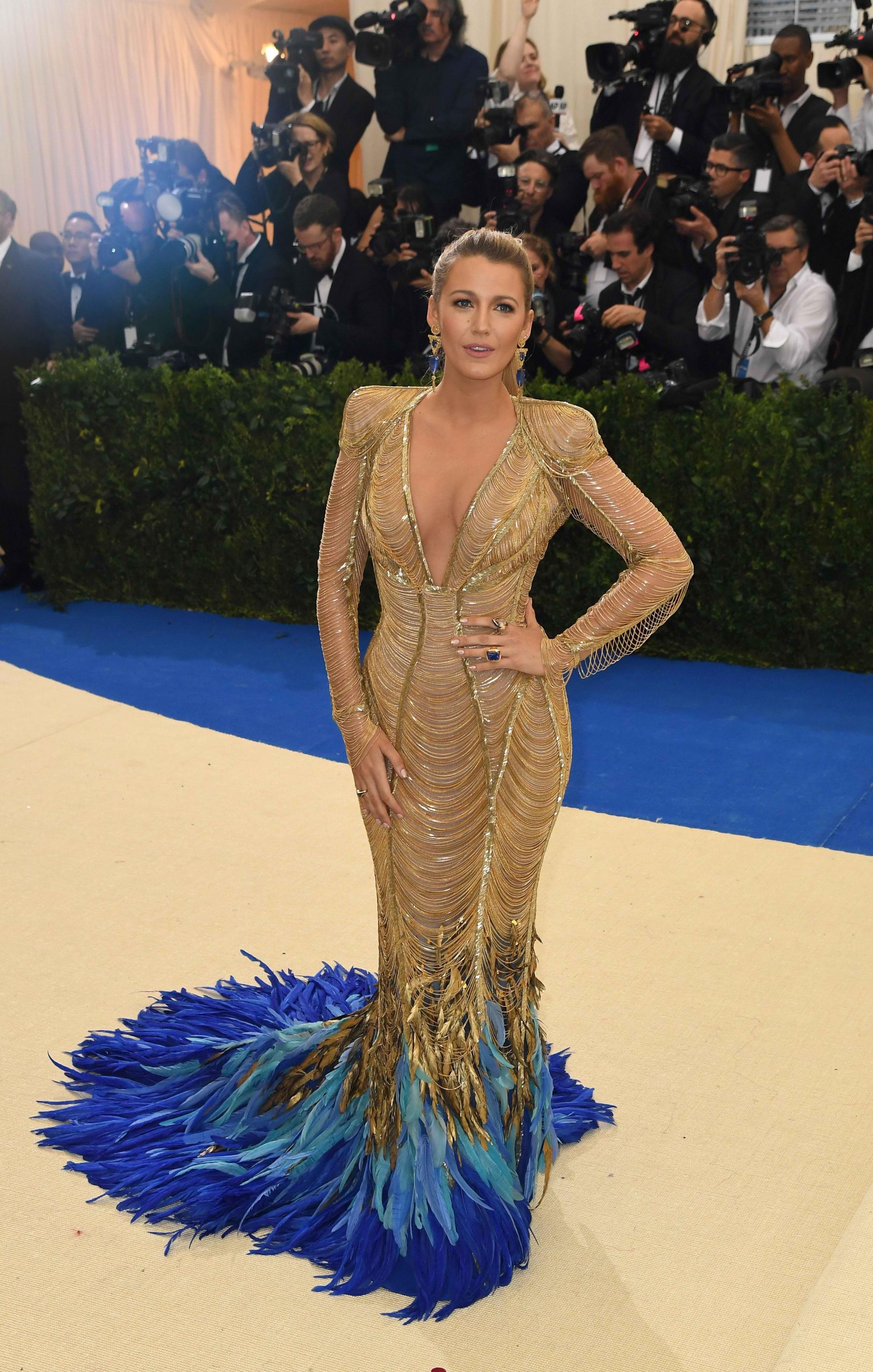
Blake Lively was photographed walking alone in Pound Ridge, New York, on Friday, pushing a shopping cart while dressed casually in a white floral long-sleeve top, as rumors intensified around a possible pre-wedding gathering for her longtime friend Taylor Swift at the pop star’s Rhode Island estate.
Photographers captured Lively out by herself amid heightened speculation that Swift’s Rhode Island mansion was hosting an all-female event, potentially a bachelorette party ahead of Swift’s reported wedding to Kansas City Chiefs tight end Travis Kelce. The sighting has fueled discussions about the current state of the friendship between the “Gossip Girl” actress and the global music superstar.
Lively, 38, did not appear distressed during her outing, according to images published by TMZ. However, the solo appearance stands in contrast to reports of Swift being surrounded by close friends at her Watch Hill property this week. Activity around the mansion, including sightings of vehicles and guests, has prompted speculation that the gathering could mark a significant pre-wedding celebration.
The two celebrities have shared a high-profile friendship for years, often appearing together at events and supporting each other’s projects. Lively and her husband, actor Ryan Reynolds, were once part of Swift’s inner circle, frequently joining double dates with Swift and Kelce. Their bond appeared particularly close around the time of Lively’s 2024 film “It Ends With Us,” for which Swift contributed the song “My Tears Ricochet” to the trailer.
Tensions reportedly emerged following Lively’s high-profile legal dispute with her “It Ends With Us” co-star and director Justin Baldoni. Lively filed a complaint alleging a hostile work environment, which Baldoni denied. Court documents later revealed text messages in which Lively referred to Swift as one of her “dragons,” drawing a “Game of Thrones” analogy in communications related to the production.
While some reports suggested the friends had reconciled after an exchange of messages, Lively’s absence from what appears to be an intimate pre-wedding event has led observers to question the depth of their current relationship. Sources close to the situation have indicated that the friendship may not be as tight as it once was, though no official statements have been made by either party.
Swift, 36, has maintained a relatively private approach to her personal life in recent months as wedding rumors continue to circulate. Speculation points to a possible July 3 celebration at Madison Square Garden in New York, with a guest list reportedly exceeding 1,000 people. Whether Lively and Reynolds will attend remains unclear, though the large scale could accommodate a wide range of invitees.
The entertainment industry has closely followed developments in Lively’s legal matters, which have drawn significant media attention. Baldoni has countersued, leading to the unsealing of various communications. Swift was mentioned in some documents, though she has not been directly involved in the litigation. A settlement was reportedly reached earlier this year between Lively and Baldoni, avoiding a trial.
Lively has continued her professional work amid the personal and legal scrutiny. She has been involved in various projects, balancing family life with Reynolds and their four children. The couple’s public appearances have been limited as they navigate the aftermath of the publicized dispute.
For Swift, the focus has remained on her music career and relationship with Kelce. The couple’s high-profile romance has been a frequent topic, with fans and media speculating about engagement and wedding plans for months. Swift’s Rhode Island home has long served as a private retreat, hosting gatherings with close friends over the years.
The current buzz around the estate echoes past events where Swift has celebrated milestones with her inner circle. Reports of ladies-only activities align with traditional bachelorette festivities, though details remain unconfirmed. A black SUV was reportedly seen leaving the property, adding to the intrigue.
Industry watchers note that celebrity friendships often evolve under public pressure, particularly when legal or professional conflicts arise. Lively’s reference to Swift in texts during the film production highlighted their closeness at the time, but the ensuing publicity may have strained dynamics.
Despite the speculation, both women have careers that continue to thrive independently. Lively has upcoming projects in fashion and acting, while Swift’s “Eras Tour” and recent album releases have solidified her status as one of music’s most influential figures.
As wedding rumors for Swift and Kelce persist, the spotlight on their social circle is unlikely to fade. Lively’s solo outing comes at a time when many of Swift’s associates are reportedly converging in Rhode Island, making the contrast noteworthy for fans tracking the stars’ lives.
Observers will continue to monitor public interactions between the pair. For now, Lively appeared to be enjoying a quiet day of errands in her suburban New York community, far from the coastal excitement surrounding her friend.
The situation underscores how personal relationships among high-profile figures play out against a backdrop of intense media scrutiny and professional obligations. Whether this marks a temporary distance or a more significant shift remains to be seen.
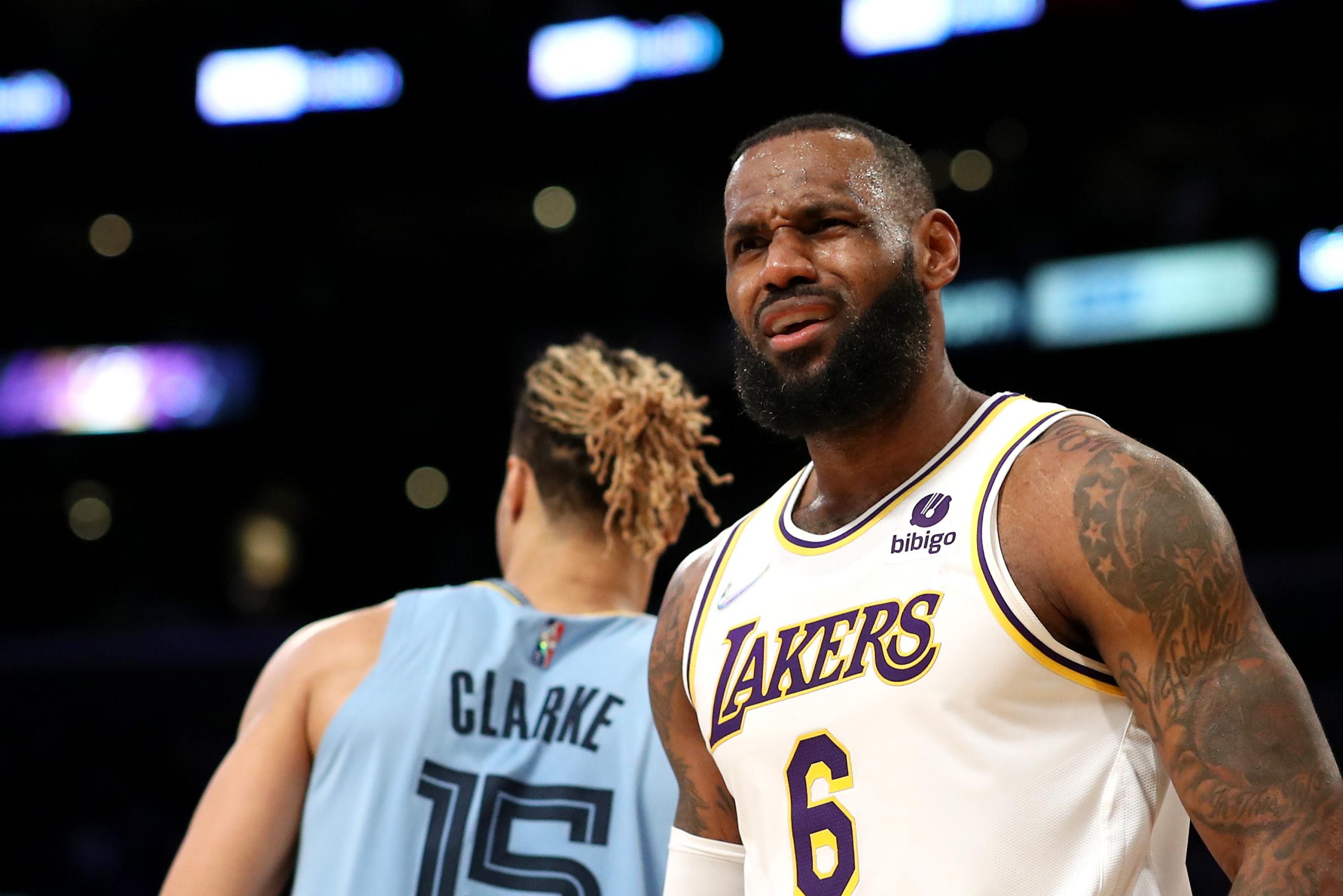
BOSTON — Boston Celtics great Cedric Maxwell has weighed in on one of basketball’s most enduring debates, declaring that Los Angeles Lakers superstar LeBron James deserves a place among the NBA’s all-time top five players.
Maxwell, a two-time NBA champion with the Celtics, made his comments during a recent appearance on FanDuel’s “Run It Back.” He pushed back against skepticism from some in his generation, citing James’ remarkable longevity, on-court achievements and off-court professionalism as reasons he cannot be excluded from the elite group.
“LeBron James one of my favorite players because of the longevity and what he’s done,” Maxwell said.
“He is one of the top players of all-time. So, I don’t think that you can have five greater players in the NBA than LeBron James and what he’s done for the league and how he’s really handled himself,” Maxwell added.
The endorsement from the Celtics legend carries particular weight given the historical rivalry between Boston and James’ teams. Maxwell’s perspective stands out in discussions often dominated by comparisons to legends from earlier eras such as Michael Jordan, Magic Johnson, Larry Bird and Kareem Abdul-Jabbar.
James, now in his 40s, continues to defy age as he enters another season with the Lakers. The four-time NBA champion, four-time MVP and four-time Finals MVP became the league’s all-time leading scorer in 2023 and has shown no signs of slowing down significantly. His ability to maintain elite production while adapting to new teammates and systems has fueled arguments for his place in the pantheon.
Maxwell highlighted James’ consistency and character as key factors.
“A guy who has been no trouble, won championships, and you think about the personnel that have been around him and other personnel that have been around him – you don’t have that with LeBron,” Maxwell said.
This assessment underscores a broader shift in how some former players view James’ career. While debates about the greatest of all time remain subjective, Maxwell’s comments reflect appreciation for sustained excellence over more than two decades. James has led teams to the NBA Finals with three different franchises — the Cleveland Cavaliers, Miami Heat and Lakers — demonstrating versatility rarely seen in the sport’s history.
The 21-time All-Star’s statistical dominance is unparalleled in many categories. Beyond the scoring record, he ranks high on the all-time lists for assists and steals. His playoff performances, including multiple comebacks from 3-1 deficits, have cemented his reputation as one of the most clutch performers the game has produced.
Off the court, James has built a significant business empire and maintained a relatively scandal-free public image, which Maxwell noted as part of his legacy. This professionalism has allowed him to remain a global ambassador for the NBA while navigating the intense scrutiny that comes with being one of the league’s faces for over 20 years.
The timing of Maxwell’s remarks adds interest as the NBA offseason continues. Speculation around James’ future, including reports of teams like the Golden State Warriors showing interest, keeps him in the headlines even as he prepares for what could be another competitive chapter with the Lakers.
Maxwell’s viewpoint contrasts with those who argue that players like Wilt Chamberlain, Bill Russell or Kobe Bryant might edge James out due to era-specific achievements or stylistic preferences. Yet the Celtics alum focused on tangible contributions and durability.
James’ career trajectory includes four championships, but also notable individual honors that span different phases of his evolution. From his early days as a high school phenom in Akron, Ohio, to leading the Heat to back-to-back titles and delivering a long-awaited championship to Cleveland in 2016, his resume features moments that transcended basketball.
Analysts and fans continue to dissect these accomplishments. Some emphasize rings, while others point to advanced metrics showing James’ efficiency and impact on winning. His high usage rates combined with low turnover percentages over extended periods highlight a level of basketball IQ that has only improved with experience.
For Maxwell, who won titles with the Celtics in 1981 and 1984, the respect for James appears rooted in an understanding of the physical and mental demands of the modern NBA. The league today features a faster pace, greater emphasis on three-point shooting and more rigorous travel and recovery schedules compared to previous decades.
James has not only adapted but thrived, often playing heavy minutes in both regular season and postseason while maintaining MVP-caliber production. His influence extends to player empowerment, as his decisions in free agency helped reshape how stars approach their careers.
The broader conversation about the top five typically includes Jordan, often ranked first by many, followed by a mix of Abdul-Jabbar, Johnson, Bird and others. Inserting James requires displacing one of these icons, a proposition that sparks passionate disagreements among fans and media.
Maxwell’s comments may not settle the debate, but they add a credible voice from a champion of a previous generation. His willingness to elevate James speaks to the cross-era respect that the Lakers forward has earned through consistent performance.
As James approaches the twilight of his playing days, these discussions are likely to intensify. Whether he adds to his championship tally or not, his place in history appears secure according to observers like Maxwell. The longevity Maxwell praised has allowed James to rewrite records while remaining a focal point for his team.
Lakers fans and NBA followers alike will watch closely as the next season unfolds. James’ leadership continues to be a cornerstone for a franchise with championship aspirations. His work ethic and preparation have become benchmarks for younger players entering the league.
Maxwell’s endorsement also reflects evolving criteria for greatness. In an era of superteams, load management and expanded playoffs, measuring impact requires nuance. James’ ability to elevate teammates and sustain excellence amid constant change stands out.
The Celtics-Lakers rivalry, one of the NBA’s most storied, adds another layer. Maxwell’s comments bridge that divide, offering praise from a Boston icon for a player who has frequently faced off against Celtics teams in the playoffs.
Basketball historians will continue weighing these arguments for years. For now, Maxwell has made his position clear: LeBron James belongs in the conversation with the greatest to ever play the game.
His perspective contributes to a rich tapestry of opinions that keep NBA discourse vibrant. As the league prepares for another season, James remains a central figure whose legacy continues to grow.

Here’s how analysts read the market pulse
The equity market witnessed profit booking following the recent relief rally, as investor sentiment was dampened by the unexpected cancellation of peace talks between the US and Iran, said Vinod Nair, Head of Research at Geojit Investments. He noted that the IT index experienced a sharp correction, driven by Accenture’s softer outlook, which has heightened concerns over discretionary and digital spending. “In the near term, investors are likely to adopt a cautious tone, with participants awaiting greater clarity on the peace deal and monitoring the slow progress of the southwest monsoon. Nevertheless, a buy-on-dips strategy appears prudent, supported by the current comfort in oil prices and expectations of an earnings revival in H2FY27,” he added.
US Stocks
US markets remained closed on Friday for the Juneteenth holiday. In the previous session, Wall Street had rebounded sharply, with the S&P 500 gaining 1.1 per cent, the Dow industrials rising 0.1 per cent and the Nasdaq Composite surging 1.9 per cent on strong technology-led buying.

European markets
European markets ended lower on Friday as investors remained cautious amid geopolitical uncertainty and delayed talks between Iran and the United States. Germany’s DAX slipped 0.16 per cent to close at 24,985.82, while France’s CAC 40 declined 0.55 per cent to 8,421.14. Britain’s FTSE 100 also fell 0.35 per cent to end at 10,363.27, reflecting subdued sentiment across the region.
Tech view
The Nifty snapped its five-session winning streak and formed a small-bodied bullish candle on the daily chart, Nilesh Jain, VP and Head of Technical and Derivative Research at Centrum Finverse, highlighted. Despite the intraday weakness, the index witnessed a strong recovery from lower levels and managed to close above the 24,000 mark on a weekly basis, he added.
“The broader trend remains positive as the index continues to trade above its short-term 50-DMA, placed at 23,840, keeping the possibility of a gradual move towards 24,400 intact in the near term. Momentum indicators also remain supportive, with the MACD sustaining a buy crossover and the RSI holding above the 60 mark, indicating a bullish undertone. Meanwhile, India VIX declined 13% during the week to settle below 13, and any further moderation in volatility could provide additional support to the market’s positive sentiment,” the analyst said.
“Overall, the technical outlook remains bullish, with support placed at 23,900 and positional support at 23,800, while resistance is seen in the 24,200–24,250 zone. A buy-on-dips strategy should be adopted,” said Vatsal Bhuva, Technical Analyst at LKP Securities.
Most active stocks in terms of turnover
Infosys (Rs 4,767 crore), Reliance Industries (Rs 3,279 crore), Bharti Airtel (Rs 3,034 crore), TCS (Rs 2,776 crore), HDFC Bank (Rs 2,639 crore), New India Assurance (Rs 2,366 crore), and IFCI (Rs 1,773 crore) were among the most active stocks on the NSE in value terms. Higher activity in a counter in value terms can help identify the counters with the highest trading turnovers in the day.
Most active stocks in volume terms
Vodafone Idea (Traded shares: 41.62 crore), IFCI (Traded shares: 20.58 crore), Suzlon Energy (Traded shares: 13.99 crore), Yes Bank (Traded shares: 13.25 crore), New India Assurance (Traded shares: 11.96 crore), Ola Electric (Traded shares: 10.91 crore) and Zee Entertainment Enterprises (Traded shares: 7.5 crore) were among the most actively traded stocks in volume terms on NSE.
Stocks showing buying interest
New India Assurance, Transformers & Rectifiers, Berger Paints, Schloss Bangalore, Caplin Point, ITC Hotels and Aafhar Housing Finance were among the stocks that witnessed strong buying interest from market participants.
52-week high
Among the ones which hit their 52-week highs on the NSE were Schloss Bangalore, Caplin Point, GE T&D India, HFCL, Carborundum Universal, Anand Rathi Wealth and Craftsman Automation.
Stocks seeing selling pressure
Stocks which witnessed significant selling pressure were FACT, Infosys, Bata India, Adani Wilmar, ICICI Pru Life, LTI Mindtree and Balrampur Chini.
52-week low
Among the ones that hit their 52-week lows on the NSE were Infosys, LTIMindtree, TCS, EID Parry, Tata Elxsi and Wipro
Sentiment meter favours bulls
Out of the 3,401 stocks that traded on the NSE on June 19, Friday, 1,760 stocks witnessed advances, 1,522 saw declines, while 119 stocks remained unchanged.
(Disclaimer: Recommendations, suggestions, views and opinions given by the experts are their own. These do not represent the views of The Economic Times)

With Father’s Day 2026 landing on Sunday, June 21, gift guides across the country have rounded up their top picks for dads, husbands, and father figures of every type. From timeless tools to tech gadgets and a nod to this summer’s biggest sporting event, here are 10 gift ideas drawing attention this year.
1. A Classic French Pocket Knife
For dads who appreciate enduring, well-made design, a century-old French staple continues to top gift lists. You know a product is good when it remains more or less unchanged for over 100 years. Case in point: Opinel has made its No.08 pocket knife in France for more than a century, sticking to the same simple, elegant design. Its sharp stainless steel blade is great for preparing charcuterie boards and opening Amazon packages, making it useful well beyond outdoor excursions.
2. A Cast-Iron Skillet for the Cooking Dad
For dads who love to cook, a budget-friendly kitchen staple consistently earns top marks. For less than $25, you can buy him a near-indestructible pan that perfectly sears steaks, browns potatoes, and bakes cornbread. That makes Lodge’s cast-iron skillet one of the best deals in cookware and an ideal gift for guys who cook.
3. A Slim Wallet Upgrade
For dads still carrying a bulky, outdated wallet, a sleek minimalist option has emerged as a favorite. The Ekster Senate Cardholder is a top pick for slim wallets. Its overall design and exquisite packaging make it a great gift. It includes an elegant-looking cash strap and single cardholder to hold bills on the outside, with a slot for things like a transit card.
4. Noise-Canceling Sleep Accessories
For dads who struggle to get quality rest, several reviewers have pointed to a specific combination of sleep products. Give the gift of blessed darkness with a well-designed sleep mask that’s affordable and effective at blocking light for most face shapes and head sizes. Pairing it with an adjustable pillow made of shredded memory foam, which earns excellent ratings for support regardless of sleep position, rounds out a sleep-focused gift package that several testers have praised as versatile and long-lasting.
5. A Recovery-Focused Massage Device
For dads dealing with sore muscles after workouts, yard work, or simply a long week, a compact massage tool has drawn praise for its quiet, portable design. The ultraportable Theragun Mini was noted as one of the quietest massage devices tested, making it a practical option for dads who want relief without the bulk of larger devices.
6. Outdoor Power Tools for the Yard Work Enthusiast
For dads who take pride in their lawn and garden, lightweight, easy-to-use power equipment has become a popular gift category. A corded electric chainsaw well-suited for lighter work close to the house — like trimming hedges or cutting a small amount of firewood — earns praise for being easy to control thanks to its light weight, at just 11 pounds. Similarly, a battery-powered edger and trimmer that performs as well as gas models in testing, while weighing just 9 pounds, offers an easy-to-start, easy-to-operate alternative for dads who enjoy time outdoors.
7. A World Cup Jersey for Soccer-Loving Dads
With Father’s Day falling during the 2026 World Cup, several gift guides have specifically highlighted soccer jerseys as a timely and meaningful option this year. Father’s Day falls during the World Cup this year, so a jersey from the team your dad is rooting for is an ideal present if he’s a fan. One gifting expert specifically recommends buying a replica jersey rather than an authentic version. “Replica or stadium jerseys from brands like Nike are a high-quality, more affordable alternative for fans than the authentic versions, which are better for actual gameplay,” the expert said. “That way, your dad gets all the fanfare and excitement of getting a jersey, but you don’t have to break the bank.”
8. A Personalized Pet Portrait
For dads who have grown unexpectedly attached to a family pet, a sentimental and personalized gift idea has resonated with gift-givers this year. One writer described an Etsy portrait featuring a dad and his actual favorite child — referring affectionately to the family dog — as one of the best gifts both given and received, suggesting it as a heartfelt option for dads whose pets have become inseparable companions.
9. A Subscription Built Around History
For dads with a passion for historical trivia and documentaries, a monthly subscription service has emerged as a thoughtful, ongoing gift rather than a single one-time present. All dads love history, according to one gift guide. If a father spends his free time watching World War II documentaries or casually bringing up obscure military trivia, a monthly subscription delivering cool historical writings straight to his door offers a recurring source of enjoyment well beyond the holiday itself.
10. Premium Travel Luggage
For dads who could use an upgrade from old, worn-out luggage, a well-built travel case has drawn attention for both its durability and its emotional resonance as a gift. “It’s always nice to get something that I wouldn’t buy myself, and I would normally never buy myself a piece of luggage — I’d just use what I’ve had forever,” said Gary Malin, a 57-year-old father of two from New York City, describing why thoughtfully chosen luggage can make such a meaningful gift.
What Dads Actually Want
Beyond specific product categories, gift guide researchers who interviewed real fathers found two consistent themes shaping what dads genuinely appreciate. Two common themes emerged after weeks of interviewing dads from around the world: most fathers appreciate gifts that center around products they wouldn’t normally buy for themselves, and anything that involves making and preserving memories with loved ones. When asked directly what they wanted, “nothing” and “quality time with family” were common answers, but comfy sneakers, cool tech gadgets, and anything featuring their kids’ picture also reliably make dads happy.
A Reminder on Timing
With the holiday now just days away, gift guide writers have emphasized the importance of acting quickly to ensure deliveries arrive on time. Most shipping deadlines start creeping up around the second week of June, and even earlier if personalization is involved — a detail worth keeping in mind for anyone still finalizing their Father’s Day shopping plans this week.

Over fifteen years of experience making contrarian bets based on my macro view and stock-specific turnaround stories to garner outsized returns with a favorable risk/reward profile. If you want me to cover a specific stock or have a question for an article, just let me know!
Analyst’s Disclosure: I/we have no stock, option or similar derivative position in any of the companies mentioned, and no plans to initiate any such positions within the next 72 hours. I wrote this article myself, and it expresses my own opinions. I am not receiving compensation for it (other than from Seeking Alpha). I have no business relationship with any company whose stock is mentioned in this article.
Seeking Alpha’s Disclosure: Past performance is no guarantee of future results. No recommendation or advice is being given as to whether any investment is suitable for a particular investor. Any views or opinions expressed above may not reflect those of Seeking Alpha as a whole. Seeking Alpha is not a licensed securities dealer, broker or US investment adviser or investment bank. Our analysts are third party authors that include both professional investors and individual investors who may not be licensed or certified by any institute or regulatory body.
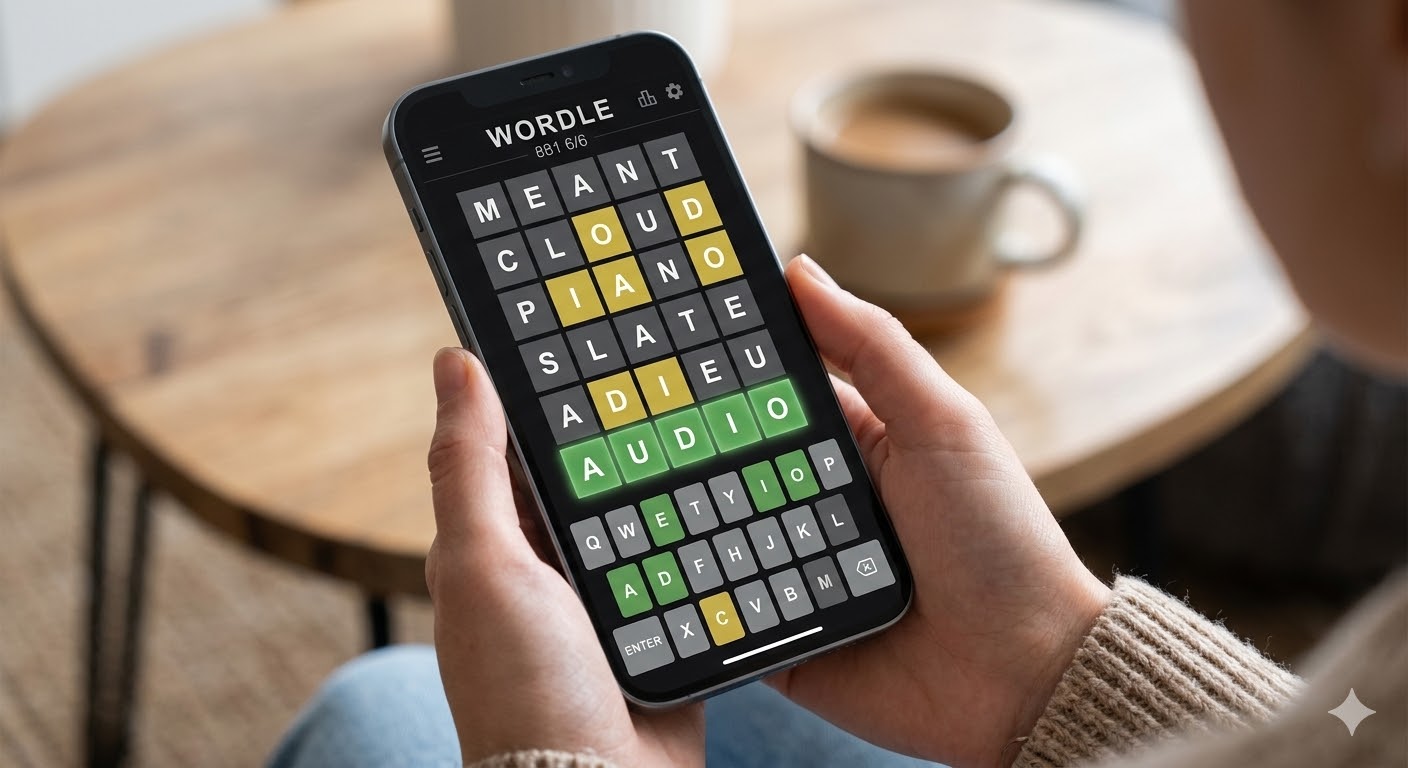
Sunday’s Wordle puzzle served up a five-letter word rooted in courtroom and crime-drama vocabulary, challenging solvers with a tricky repeated letter that proved harder to pin down than the puzzle’s relatively common vowel pattern might have suggested.
The Answer
Today’s Wordle answer on Sunday, June 21, 2026, is ALIBI. Today’s answer refers to the state of having been elsewhere at a given time — a five-letter noun that starts with A, has three vowels, two consonants, and has one repeated letter.
Hints Offered Before the Reveal
Ahead of revealing the solution, puzzle outlets offered solvers a series of progressive clues designed to help them work toward the answer independently. There are three vowels in today’s five-letter word. Today’s Wordle begins with a vowel. There are double letters in today’s Wordle.
One outlet framed its hint around the word’s everyday usage in a more conversational way. A hint for today’s Wordle is: “Where were you last Saturday at 11:47am?” — a clue pointing directly toward the concept of needing to account for one’s whereabouts, the very definition at the heart of Sunday’s answer.
A Word Built Around a Tricky Repeated Letter
The puzzle’s defining challenge centered on its single repeated letter, a feature that frequently trips up solvers who eliminate a letter from consideration too early after testing it just once. Wordle answers sometimes use the same letter twice, as in words like SHEEP or BLOOM, so solvers are generally advised not to rule out repeats too quickly just because they’ve tried a letter once.
That guidance applied directly to Sunday’s puzzle, given that ALIBI contains the letter “I” twice — a pattern that can confuse players who assume a letter has already been accounted for once it turns up in one position on the board.
General Strategy for Approaching Difficult Puzzles
Beyond the specific letter-repetition trap embedded in Sunday’s answer, puzzle strategists continue to recommend a consistent set of broader principles for navigating Wordle’s daily challenge regardless of the particular word involved. If a player is down to their last two guesses, it’s best to avoid wild guesses and instead opt for words that fit all known rules established by prior feedback. The first two or three guesses, by contrast, can be used more freely in an effort to eliminate as many unused letters as possible before narrowing down toward a final answer.
How Saturday’s Puzzle Compared
Sunday’s ALIBI solution followed directly on the heels of Saturday’s answer, which proved to be a notably different kind of challenge for solvers. The Wordle answer for June 20, 2026, was DRAKE — a word that, despite its common letters, required players to work through a deceptively large pool of remaining candidate words even after securing several letters in the correct position.
The Game’s Origins and Basic Rules
Wordle is a web-based word puzzle game that was created by Josh Wardle in 2021. After surging in popularity, it was acquired by The New York Times. The game’s objective is simple: guess a hidden five-letter English word within six attempts.
To play, solvers go to the official Wordle website and start by typing any valid five-letter word. The game then provides feedback based on which letters appear in the word and where, with letters changing color to give players clues: green indicates a letter is in the word and in the correct position, while a different color indicates a letter is present but placed incorrectly.
A Broader Ecosystem of Daily Word Games
Wordle’s continued popularity five years after its creation has helped fuel an entire ecosystem of companion puzzles, both from The New York Times and from independent outlets seeking to capture some of the same daily habit-forming appeal. Similarly to Wordle, other word games hosted by The New York Times are equally popular, including Spelling Bee, Connections, and the publication’s traditional crossword puzzles, each offering its own distinct format and style of daily challenge.
Looking Back at Recent Puzzles
For players looking to track recent solutions or simply curious about patterns in the game’s word selection, puzzle outlets continue to maintain running archives of previous answers, allowing solvers to rule out recently used words when forming their opening guesses. Players who didn’t manage to guess Sunday’s puzzle shouldn’t worry, as there’s always next time, with past puzzles remaining available to play through the official Wordle archive for anyone wanting additional practice.
With Sunday’s ALIBI now solved by players around the world, attention turns to Monday’s puzzle, numbered 1829, as the Wordle community continues its now five-year-old daily ritual of collective guessing, occasional frustration, and the small, satisfying triumph of cracking the code in as few attempts as possible — a habit that shows no sign of fading nearly half a decade after the game first captured widespread public attention.

Not that long ago, waiting three to five business days for a bank transfer was considered normal. Whether it was a refund, a withdrawal, or money being sent between accounts, consumers simply accepted that payments took time.
However, on-demand services are always the most preferred options nowadays, and the patience that consumers have when it comes to bank transfers is disappearing.
Advancements in technology now allow money to move almost immediately. In Australia, the likes of PayID, the New Payments Platform (NPP), digital wallets, and even crypto payments have fundamentally changed what people expect from financial transactions.
The Reserve Bank of Australia notes that the NPP was built to support near real-time payments on a 24/7 basis, while industry data shows adoption continuing to climb as consumers become accustomed to immediate access to funds. But this isn’t limited to banks and fintech apps.
This speed is influencing entire industries, particularly those that handle customer deposits and withdrawals every day.
Consumers Now Expect Immediate Liquidity
The easiest way to understand the change is to look at how Australians use money today. The RBA 2025 Consumer Payments Survey highlighted that around 50% of Australians have been using PayID in 2025, and that’s up 32% compared to data reported by the Australian Banking Association (ABA) in 2022.
Mobile wallets now also account for around 40% of all card transactions in the country, and the ABA also reported that annual mobile transactions are already reaching $160 billion. All these numbers just show how comfortable consumers have become with instant and digital-first transactions.
For businesses, this creates a new challenge since consumers no longer compare payment experiences only against direct competitors. They now compare them against every other app they use.
So, if a rideshare app updates instantly, a banking app settles payments within minutes, and a digital wallet processes transactions immediately, then waiting several business days starts to feel outdated, regardless of industry.
If speed used to be only available to premium clients, this is no longer the case. Many customers now see it as the minimum requirement.
The Entertainment Sector Became a Real-Time Case Study
The entertainment industry offers one of the clearest examples of this shift. Streaming platforms trained users to expect immediate access to content. Food delivery services trained them to expect real-time tracking, and online gaming platforms, including casinos and sports betting operators, faced a similar challenge with payments.
The reality is that players don’t separate a platform’s cashier from the rest of the experience. They judge it the same way they judge their banking apps. Deposits are expected to be instant, and withdrawals are expected to be at least as fast or processed within minutes. After all, if money leaves a bank account immediately, it’s natural to expect funds coming back to move just as quickly.
This is where older payment systems started showing their age. Traditional bank transfers often rely on processing windows, manual reviews, and settlement schedules that can extend transactions far longer than modern consumers prefer.
Since expectations have changed, operators were forced to rethink what their payment infrastructure looked like.
Right now, some of the platforms seeing the most growth are regulated instant PayID withdrawal casinos Australia that have integrated seamless crypto and e-wallet infrastructures.
What’s interesting is that this isn’t really about gambling. The same trend can be observed throughout the broader digital economy. Consumers simply prefer payment systems that remove waiting periods wherever possible, and businesses that still treat withdrawals as a back-office process are increasingly finding themselves at odds with customer expectations.
Crypto’s Role Goes Beyond Speculation
Crypto often dominates headlines because of price movements, but that’s only part of the story. Many businesses are paying closer attention to blockchain-based payment rails because they solve a different problem: speed and privacy.
It’s not like traditional banking, which may be affected by weekends, public holidays, or operating hours. Crypto transactions happen continuously, and they can also be confirmed regardless of location or banking schedules.
Now, this doesn’t mean crypto will replace traditional banking completely. What it does mean is that it has changed consumer expectations. Once users become familiar with transferring value at any time of day, waiting several business days for a transaction starts to feel increasingly difficult to justify. The same thing happened when mobile wallets became mainstream.
Consumers adapt quickly to convenience, and once they do, it’s very difficult to convince them to return to slower alternatives.
Conclusion
For businesses, the lesson extends far beyond payment methods. Payment infrastructure now directly influences acquisition, retention, and overall user satisfaction. Consumers increasingly associate payout speed with reliability and trust, so it’s just right for them to ensure they cater to the speed expectations.
This Could Be The Most Important Market Shift In Years

‘Nonnamaxxing’ Might Be The Key To Ageing And Longevity

Ice Kool claims another win at Randwick in 2026

Signal’s Meredith Whittaker says AI chatbots ‘are not your friends’ and calls Copilot agents a backdoor


-

 Business7 days ago
No Jackpot Winner as $257 Million Prize Rolls Over to $269 Million Monday Draw
-

 Fashion2 days ago
Weekend Open Thread: Miami – Corporette.com
-
 Crypto World7 days ago
Zimbabwe Requires Crypto Businesses to Register Annually Under New FIU Regulations
-
 Business1 day ago
Wall Street Week Ahead: Investors see Micron earnings as pulse check of AI rally momentum
-
 Entertainment7 days ago
Matt Damon’s Viral Sci-Fi Thriller Has Taken Over HBO Max
-

 Crypto World1 day ago
HIVE shares jump as $220M AI deal speeds Bitcoin mining pivot
-

 Tech7 days ago
As AI companies race to go public, who else is along for the ride?
-

 Business7 days ago
Anthropic staff to meet White House officials next week, Axios reports
-
 Crypto World7 days ago
Bitcoin could crash to $48,000, if this historical pattern is triggered
-
 NewsBeat7 days ago
what doctors are seeing in ebike crashes
-
 NewsBeat7 days ago
Warning of disruption as Cardiff Crossrail works to start
-
 NewsBeat7 days ago
Tributes to former deputy head teacher at Cambridge school among death and funeral notices
-
 Entertainment7 days ago
Kate Middleton Glare Goes Viral After Kids Booed At Royal Event
-

 Politics7 days ago
“Israel’s” ban on ICRC visits ruled illegal, but Knesset moves to stop them permanently
-
 Crypto World7 days ago
XRP ETFs Outperform As Bitcoin And Ethereum Funds Extend Outflow Trend
-

 News Videos7 days ago
Financial Accounting | Last Day Revision Strategy and Booster | CMA Inter – June 2026
-

 Tech7 days ago
Over 400 Arch Linux packages compromised to push rootkit, infostealer
-

 Business7 days ago
Invesco Quality Income Fund Q1 2026 Commentary
-

 NewsBeat7 days ago
Singer Oliver Tree dies aged 32 in helicopter crash in Brazil
-

 Sports7 days ago
Dick Advocaat’s Curacao scores first-ever World Cup goal against Germany
You must be logged in to post a comment Login