
Business
UK government backs away from AI copyright overhaul as licensing emerges as the battleground


The UK government has stepped back from one of its most controversial proposals on artificial intelligence and copyright, signalling a decisive shift towards market-led licensing and greater transparency rather than sweeping legal reform.
In its long-awaited Report on Copyright and Artificial Intelligence, published in March 2026, ministers confirm they will no longer pursue a broad copyright exception for AI training with an opt-out mechanism — a policy that had triggered fierce opposition from across the UK’s creative industries.
Instead, the government is opting for a more cautious, evidence-led approach, prioritising transparency obligations and allowing a nascent but rapidly expanding licensing market to develop. The move marks a significant recalibration of policy at a time when the UK is seeking to position itself as both an AI superpower and a global creative hub.
At the heart of the report is a clear admission: the government’s preferred option, allowing AI developers to use copyrighted material unless rightsholders explicitly opted out, failed to win support.
The consultation attracted more than 11,500 responses, with the overwhelming majority of creators, publishers and rights organisations rejecting the proposal outright.
Ministers now concede that a broad exception “with opt-out is no longer the government’s preferred way forward”, citing strong industry opposition, lack of consensus, and insufficient evidence on economic impact.
This represents a notable victory for the UK’s creative sectors, from publishing and music to film and photography, which argued that such an exception would effectively legalise uncompensated use of their work by generative AI systems.
The report lays bare the fundamental policy dilemma: how to balance AI-driven economic growth with the protection of intellectual property.
On one side sit AI developers, who require vast datasets, often including copyrighted material, to train large language models and generative systems. On the other are creators whose works underpin those systems but risk being displaced by them.
The government acknowledges that modern AI models are typically trained on “billions of copyright works”, raising complex questions about fairness, consent and competition.
Yet it also highlights uncertainty around the economic benefits of reform, noting limited evidence that loosening copyright rules would materially increase AI investment in the UK.
In effect, ministers are choosing to pause rather than gamble.
Rather than legislating, the government is placing its bets on licensing, a market-based mechanism already beginning to take shape.
A growing number of deals between AI firms and content owners, particularly in publishing, music and image libraries, suggests a commercial model is emerging. However, the report acknowledges this market is still “new and evolving” and lacks transparency.
Crucially, ministers have ruled out direct intervention for now:
“We propose not to intervene in the licensing market at this stage… and will keep market-led approaches under review.”
This position aligns closely with industry sentiment across both creative and technology sectors, which broadly favour voluntary, negotiated agreements over statutory schemes.
However, it also raises important questions, particularly for SMEs and individual creators, about bargaining power and equitable remuneration.
Among those welcoming the shift is Tom West, CEO of Publishers’ Licensing Services (PLS), who sees licensing as both practical and scalable.
West said: “We welcome that the government has listened to the strong response it received from across the UK’s creative industries to its consultation and has stepped back from its preferred option of a copyright exception with an opt out and is to review the transparency of AI inputs, which would further boost licensing.
Whilst we await further clarity from the government on the long-term direction of its copyright policy, PLS will continue to serve our publishers and work with our partners on market-based, industry-backed AI licensing solutions.
This approach is already being put into practice. At the London Book Fair last week, PLS launched the first stage of a new collective licensing solution designed specifically to support the use of published content in AI. It was met with strong interest and positive feedback from publishers and industry partners, with publishers already beginning to sign up. The solution offers a practical, scalable way for AI developers to access high-quality content while ensuring creators are paid and retain control over how their work is used.
The case has not been made for the introduction of a new copyright exception. There is no market failure and a dynamic licensing market for the use of content in AI has developed and continues to grow. Any copyright exception for generative AI would jeopardise these licensing solutions, removing the ability of large and small rightsholders to receive payment for the use of their works in AI and reducing control over their content.
PLS welcomes the government’s engagement on this critical issue. We share a commitment to a mutually beneficial outcome and invite the government to work closely with us to help further develop and promote licensing options that support rightsholders of all sizes and AI developers seeking high-quality, trusted content.”
If licensing is the economic mechanism, transparency is the regulatory lever.
More than 90% of consultation respondents supported requirements for AI developers to disclose the sources of training data.
The government agrees, in principle, but stops short of immediate regulation. Instead, it proposes:
• developing industry-led best practice
• monitoring international frameworks (notably the EU AI Act)
• considering future legislation if needed
Transparency is seen as essential to enable enforcement, licensing and trust, particularly given that creators often have no visibility over whether their work has been used.
For UK businesses, particularly SMEs, the implications are nuanced.
For creators and publishers
• greater protection in the short term
• stronger negotiating position in licensing deals
• ongoing challenges around enforcement and visibility
For AI startups and developers
• continued legal uncertainty
• potential cost barriers to accessing training data
• reliance on licensed or overseas-trained models
For the wider economy
• slower regulatory clarity
• reduced risk of over-regulation
• continued dependence on global AI ecosystems
The report explicitly notes that SMEs on both sides, creators and developers, face disproportionate challenges under the current system.
Perhaps the most striking aspect of the report is its tone: cautious, iterative, and deliberately non-committal.
The government repeatedly emphasises the need for more evidence, more international alignment, and more market development before taking decisive legislative action.
With ongoing litigation in the US, new rules emerging in the EU, and rapid advances in generative AI, the UK risks being pulled in multiple directions, economically, legally and politically.
This is not a resolution, it is a holding position.
By stepping back from sweeping reform, the government has bought time. But it has also shifted responsibility onto the market to prove that licensing can work at scale, fairly and efficiently.
If it can, the UK may yet carve out a balanced model that supports both innovation and creativity.
If it cannot, the debate over copyright and AI will return, sharper, louder, and far harder to resolve.

Paul Jones
Harvard alumni and former New York Times journalist. Editor of Business Matters for over 15 years, the UKs largest business magazine. I am also head of Capital Business Media’s automotive division working for clients such as Red Bull Racing, Honda, Aston Martin and Infiniti.


Workday’s Kazmaier sells $1.2m in shares
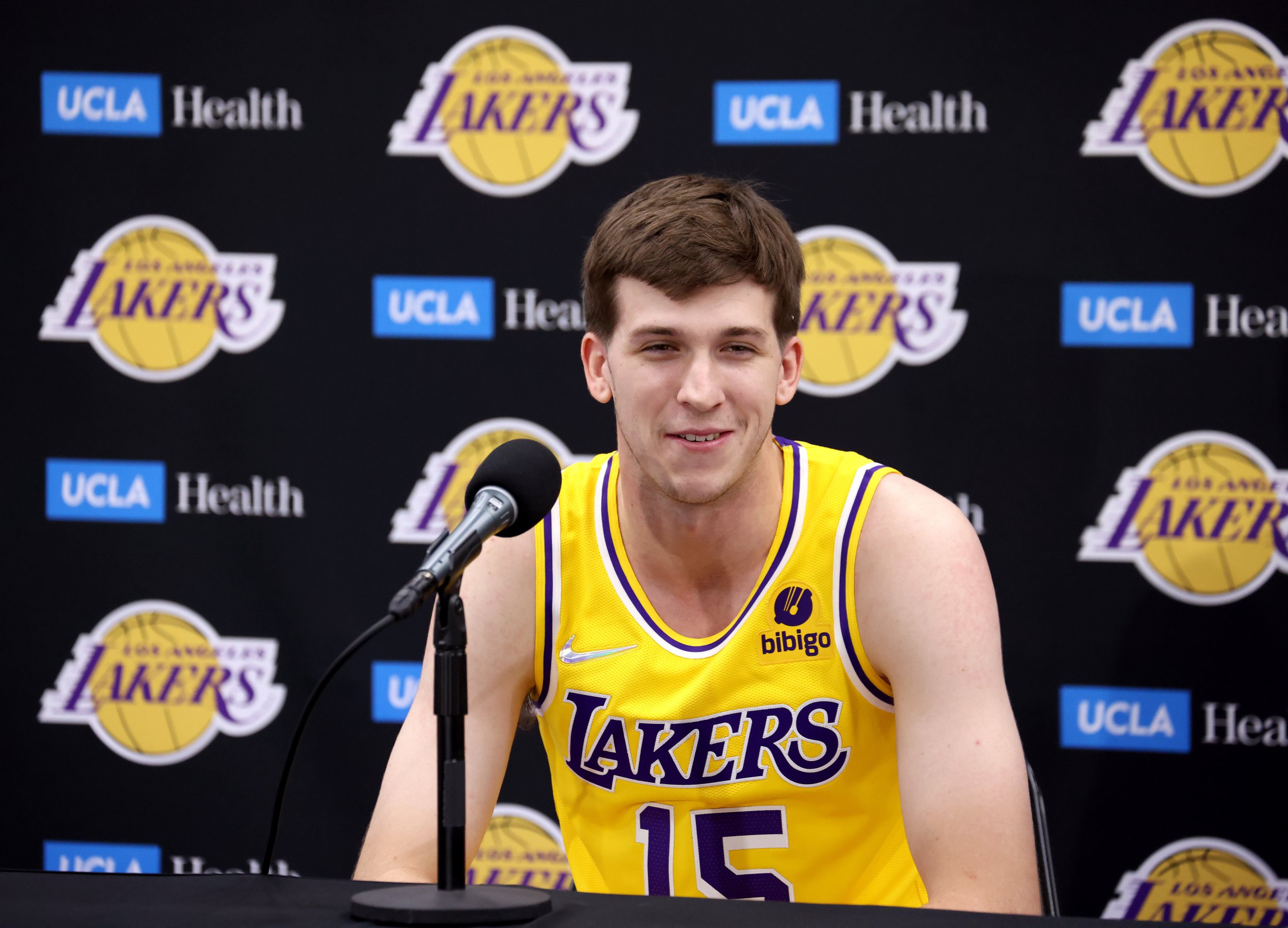
LOS ANGELES — Los Angeles Lakers guard Austin Reaves has been diagnosed with a Grade 2 left oblique muscle strain, sidelining the 27-year-old for the remainder of the 2025-26 regular season and casting serious doubt on his availability for the start of the NBA playoffs, dealing a major blow to a team already missing co-star Luka Dončić.

Reaves is expected to miss four to six weeks, according to multiple reports citing league sources. That timeline would keep the versatile scorer out through at least the early portion of the postseason, with the first round scheduled to begin April 18. Some medical experts suggest the recovery could stretch longer if rib cartilage is involved, while the minimum for a Grade 2 oblique strain is typically around three weeks.
The injury occurred during the Lakers’ lopsided 139-96 loss to the Oklahoma City Thunder on April 2. Reaves appeared to tweak his left side while reaching for a rebound in the first half but returned to finish the game, logging 27 minutes and scoring 15 points. He and Dončić, who suffered a Grade 2 hamstring strain in the same contest, both played through visible discomfort in what became a blowout defeat.
Lakers coach J.J. Redick later defended the decision to keep both players in the game, but faced criticism for potentially exacerbating the injuries in a non-competitive matchup. Reaves underwent an initial MRI in Dallas that reportedly scanned the wrong area, prompting a second imaging session on April 4 that confirmed the oblique strain. Redick expressed frustration with the diagnostic process, noting the Lakers had clearly specified the target area.
Reaves, often called “AR-15” by fans, has enjoyed a breakout 2025-26 season as one of the Lakers’ most reliable performers. Through 51 games, he averaged 23.3 points, 4.7 rebounds, 5.5 assists and shot 49% from the field while playing 34.5 minutes per night. His scoring, playmaking and clutch shooting made him a vital complement to LeBron James and the newly acquired Dončić in Los Angeles’ revamped lineup.
The double blow of losing both Reaves and Dončić for the final stretch of the regular season has left the Lakers scrambling. The team announced Reaves would miss the remaining five regular-season games, with the finale set for April 12 against Utah. Los Angeles has already made roster adjustments, including a reported $18 million move to bolster depth amid the injury crisis.
Medical Outlook and Recovery Timeline
Sports medicine specialists describe oblique strains as particularly painful due to the muscle’s proximity to nerves and rib attachments. A Grade 2 strain involves a partial tear, with recovery complicated by the constant torso rotation required in basketball. NBA data shows less severe oblique injuries average about 17 days missed, while higher-grade cases can sideline players for up to nine weeks. For Reaves, the consensus projection of four to six weeks places his potential return somewhere in the first or second round of the playoffs — assuming the Lakers advance.
Dr. Evan Jeffries and other injury analysts have noted that rushing back too soon risks reinjury, drawing comparisons to similar cases like Luka Dončić’s current hamstring issue. Conservative management is expected, with Reaves focusing on rest, targeted rehabilitation and gradual return-to-play protocols under the Lakers’ medical staff.
Reaves has a history of playing through minor ailments, but this marks one of the more significant setbacks in his young career. The undrafted guard out of Oklahoma has steadily evolved into a cornerstone for the Lakers since joining the league in 2021, earning praise for his toughness, basketball IQ and improved three-point shooting.
Impact on Lakers’ Playoff Hopes
The injuries come at a precarious time for Los Angeles. With Dončić already ruled out for the rest of the regular season and Reaves now joining him on the sideline, the Lakers must lean heavily on veterans like LeBron James and a supporting cast that includes role players stepping into larger minutes. Questions swirl about seeding, matchup advantages and whether the team can build enough chemistry without its two leading scorers.
Analysts describe the situation as “devastating” for playoff aspirations. Even if Reaves returns in late April or early May, he may require ramp-up time to regain full explosiveness and conditioning. The Lakers’ depth will be tested in what could be a grueling first-round series.
Reaves’ absence also complicates long-term roster planning. He is eligible for a significant contract extension or new deal in the coming offseason, with some projections linking him to a $241 million maximum-level agreement. His injury performance this season has only heightened his value, but any prolonged recovery could factor into negotiations.
LeBron James publicly expressed disappointment over the injuries to both Reaves and Dončić, highlighting the emotional toll on the locker room after what had been a promising stretch.
Broader Context and Lakers’ Response
The Lakers have faced a season of highs and lows, including the high-profile acquisition of Dončić that reshaped expectations. Now, with key pieces sidelined, the focus shifts to resilience and opportunistic play from the supporting cast. Coach Redick has emphasized staying connected and preparing for every scenario as the team eyes a playoff berth.
Reaves has remained positive in public comments, expressing confidence in his teammates and a commitment to returning as strong as possible. He is expected to travel with the team and stay engaged in meetings and film study during rehabilitation.
NBA observers note that oblique injuries can be unpredictable, but modern sports science — including advanced imaging, regenerative therapies and individualized rehab programs — often helps players return closer to the optimistic end of timelines.
For now, the Lakers must navigate the final regular-season games and prepare for the postseason without two of their top offensive weapons. Whether Reaves can suit up for a deep playoff run remains uncertain, but his track record of toughness suggests he will push to rejoin the lineup at the earliest safe opportunity.
The injury has sparked widespread discussion across NBA circles, with fans and analysts debating the decision to play both stars in a blowout and the broader implications for Los Angeles’ championship window. As the calendar turns toward the playoffs, all eyes will be on Reaves’ recovery progress and the Lakers’ ability to adapt.
Austin Reaves, a fan favorite known for his underdog story and clutch performances, faces his toughest test yet. Lakers supporters hope the “Hillbilly Kobe” can once again defy the odds when he returns to the court.
Workday’s Duffield sells $13.9 million in stock


UN envoy plans to visit Iran as part of peace effort
Argent Capital Management portfolio manager Jed Ellerbroek breaks down his top stock picks, revenue growth and how Middle East tensions are impacting the market on ‘The Claman Countdown.’
Ford is recalling more than 422,000 vehicles in the U.S. over a windshield wiper failure, federal regulators said on Tuesday.
The recall includes Lincoln Navigator and Ford Expedition SUVs, as well as some F-series trucks, the National Highway Traffic Safety Administration (NHTSA) said. Specific vehicles that may be involved include the model year 2021-2023 Lincoln Navigator, 2021-2023 Ford Expedition, and the 2022-2023 Ford Super Duty.
A total of 422,613 vehicles are subject to the recall, while the share of vehicles with the defect is estimated to be 3% of the recalled vehicles.
Windshield wiper arms may operate erratically or may break, causing the wipers to fail, according to NHTSA.
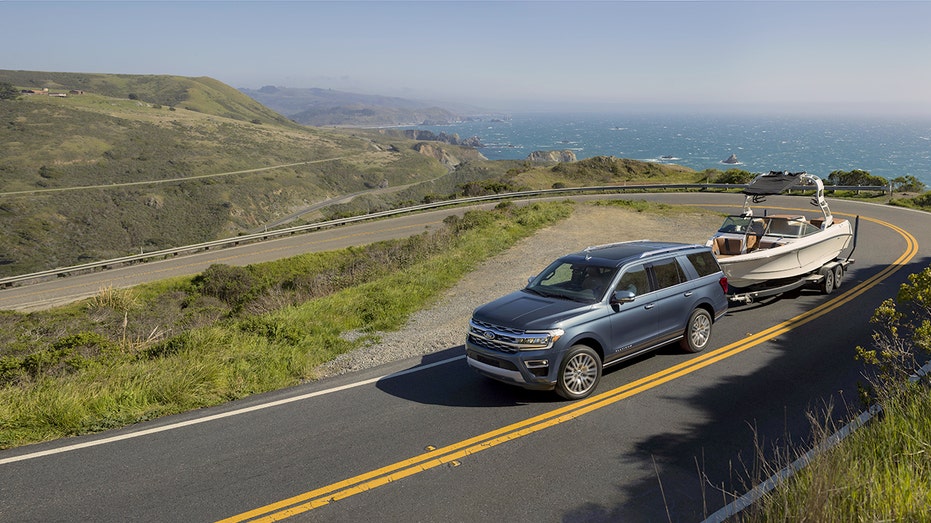
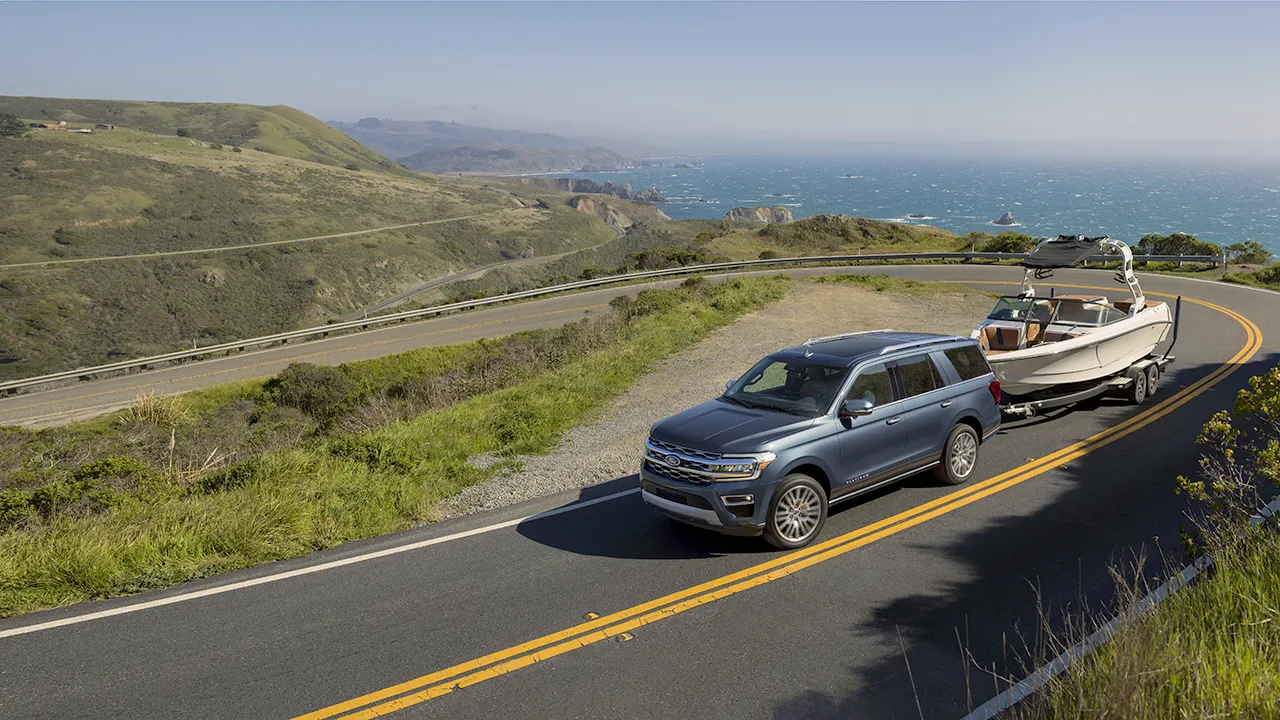
A model year 2023 Ford Expedition. (Ford Motor Co.)
FORD RECALLS MORE THAN 83,000 VEHICLES OVER HEADLIGHT, ENGINE VALVE ISSUES
The safety agency noted that there may be a warning for drivers that the windshield wiper may fail, as drivers “may experience erratic wipe speed of the driver or passenger wiper arm.”
“An improperly functioning or detached wiper arm may impair driver vision, increasing the risk of a crash,” NHTSA’s description of the defect said.
“The windshield wiper arm’s latch retention plate may have been incorrectly staked at the supplier. The latch retention plate keeps the arm head properly seated to the wiper arm. Additionally, the engagement between the knurl and wiper arm may be reduced due to dimensional variability. Proper knurl-to-arm head teeth engagement ensures robust wiper arm operation,” the agency said.
FORD RECALLS 1.74 MILLION VEHICLES DUE TO REARVIEW CAMERA BLACKOUTS, ISSUES
Production improvements at the supplier in December 2022 addressed issues that led to the defective wiper arms, which is why the recall is limited to vehicles made in a specific timeframe.
A total of 422,613 vehicles are subject to the recall. (David Paul Morris/Bloomberg via Getty Images)
NHTSA’s recall report said that Ford isn’t aware of any accidents or injuries related to the wiper issue.
NHTSA said that the notification to dealers was expected to occur on April 1, with the mailing of notices to interim owners expected to begin on April 13 and be completed by April 17.
FORD RECALLS MORE THAN 615,000 VEHICLES OVER WIPER, DRIVESHAFT DEFECTS
Owners of potentially affected vehicles were expected to be able to search VINs as of April 1.
| Ticker | Security | Last | Change | Change % |
|---|---|---|---|---|
| F | FORD MOTOR CO. | 11.54 | -0.07 | -0.56% |
The remedy for the issue is expected to include an inspection of windshield wipers and their potential replacement.
GET FOX BUSINESS ON THE GO BY CLICKING HERE
Wiper arms that don’t pass the inspection will be replaced. The replacement wiper arms that are used in this process will be made with correct staking of the latch retention plate, and wiper arm splines within specifications, according to NHTSA.
Reuters contributed to this report.
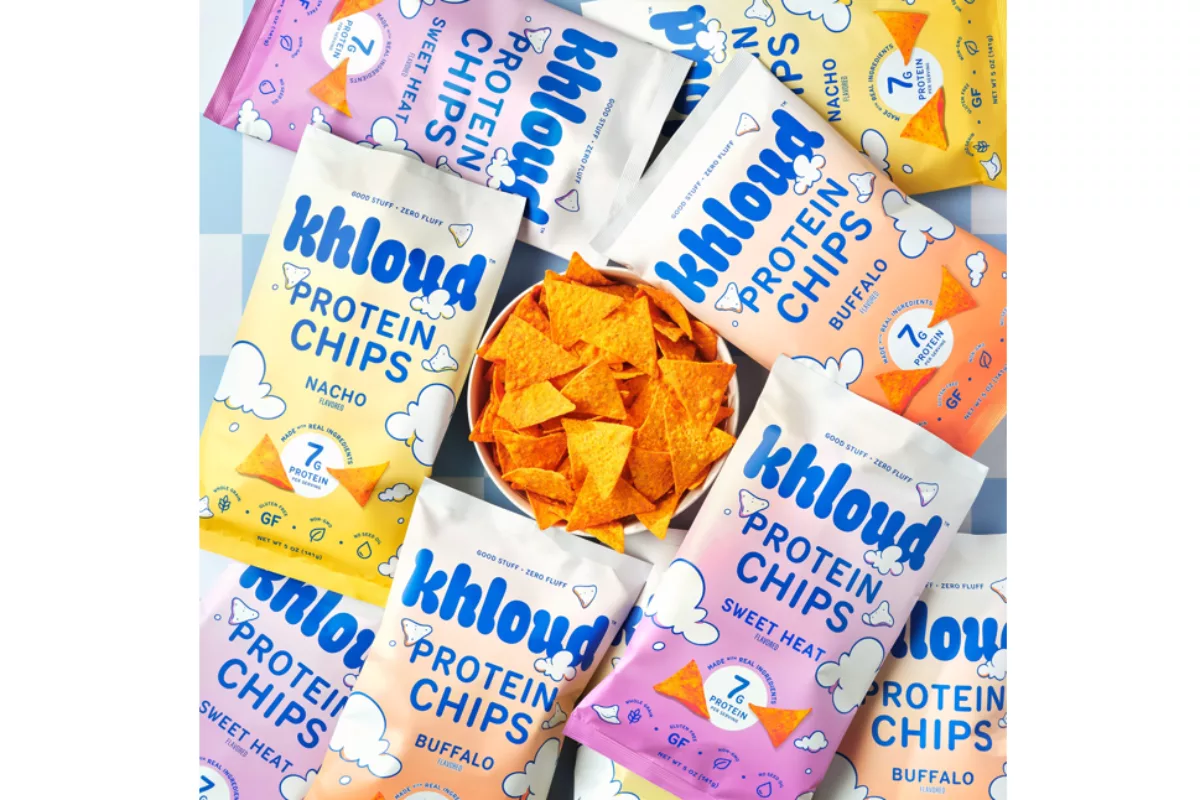

The chips are available in three flavors.
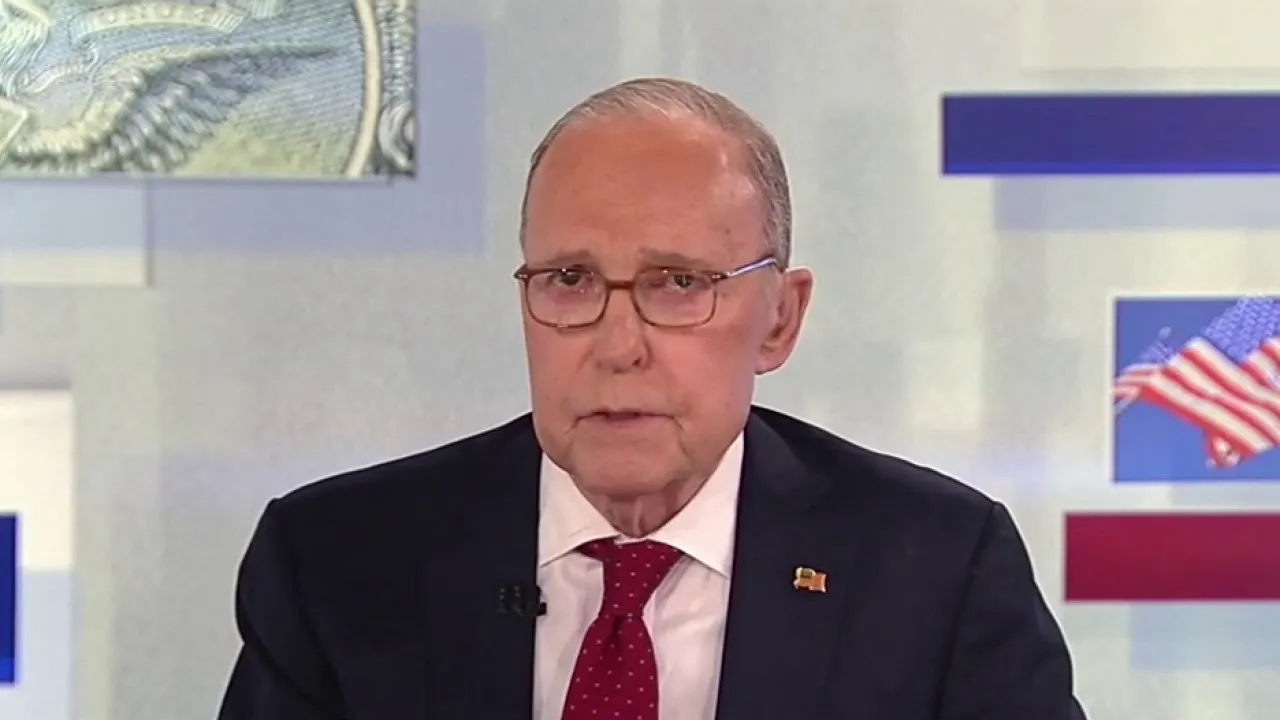
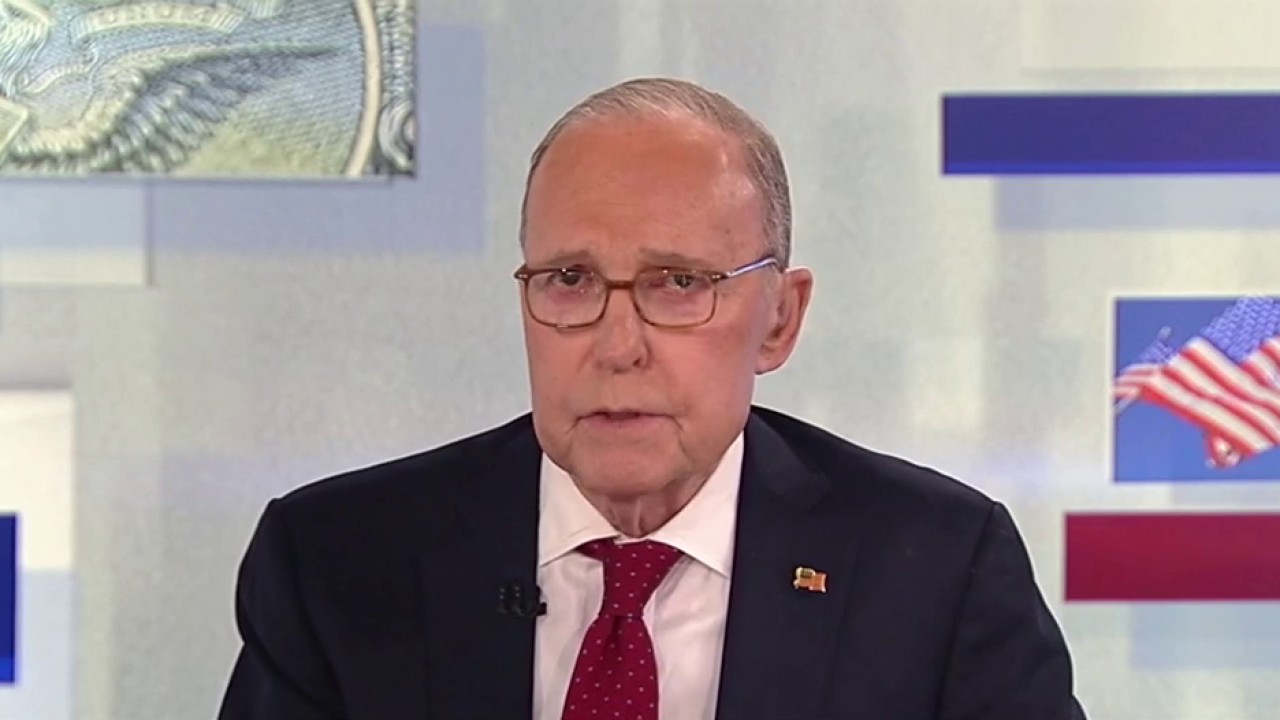
As a strong supporter of our great military’s Operation Epic Fury, and someone who has great faith in President Trump and his judgement, I do feel obliged to weigh in on the fact that any deal cobbled together too quickly runs the risk of making the next Iranian conflict more likely, not less. I’m worried that a poor deal today could mean a bigger war tomorrow. When I sat down with Mr. Trump for our interview eight weeks ago, I raised the concern that no one can ever believe anything Iran says.
As a former Reagan guy, I am always acutely sensitive to the Gipper’s phrase “trust but verify.” Over the past five decades, numerous American presidents have made deals with Iran that were never verified. International nuclear authorities have never been able to verify Iranian promises or activities. And, as Mr. Trump has said, the whole issue was boiled over with Iran’s shocking imminent nuclear threat with enriched uranium that is greater than anyone thought. And with intercontinental ballistic missile capability with a range that is longer than anyone thought. And once again, Iran is bottling up the Strait of Hormuz in an attempt for worldwide economic blackmail.
There’s so much that we don’t know yet regarding discussions that are mostly indirect. And even now it seems that Iran has cut off any communications with America. Yet just looking at the positions of the two sides, Iran wants an end to conflicts in the region, a protocol for safe passage through the Hormuz Strait, reparations and reconstruction, and lifting sanctions. That’s their position.
Former House Speaker Newt Gingrich discusses the urgency of confronting Iran’s nuclear ambitions on ‘Kudlow.’
Mr. Trump’s key points have been a complete end to all nuclear capabilities and facilities. No uranium enrichment on Iranian soil. Handing over Iran’s stockpile of enriched uranium to the international atomic energy agency, completely decommissioning and dismantling of their nuclear sites at Fordow, Isfahan, and Natanz sites. Plus a complete end to their state sponsorship of terrorism. And an end to supporting proxy terrorist groups. A dismantling of their ballistic missile programs. And reopening the Strait of Hormuz. In other words, the two sides remain monumentally far apart, as far as we know.
So, a deal looks to be impossible. A few quotes from Mr. Trump suggest that there is no deal. When reporter asked “if Iran does not meet your demands, Mr. President, are you willing to continue the war?” Mr. Trump replied: “We’ll you’ll have to watch.” The reporter followed up: “Are you committing …” Mr. Trump then responded: “The answer is yes, but you have to watch.” He added that “the entire country can be taken out in one night, and that night might be tomorrow night.” He said “we have, we have a plan, because of the power of our military, where every bridge in Iran will be decimated by 12:00 tomorrow night, where every power plant in Iran will be out of business, burning, exploding, and never to be used again. I mean, complete demolition by 12:00.”
Former U.S. special representative for Iran Brian Hook and Ronald Reagan Institute director Roger Zakheim discuss President Donald Trump’s strategy against the Iranian regime on ‘Kudlow.’
Meanwhile, any talk of ceasefires or deal extensions should be rejected. This is Iran’s game. They have been playing it for decades. They love to string things along. They are experts at playing their adversaries. They love to stall. To postpone. To argue over location. Or who is invited to the high table. They’ve been doing this for so long, and I hope that Mr. Trump doesn’t let them get away with it. I doubt that he will, because he’s a man of action and instinct. He knows that letting Iran play these games with him, he will lose international respect. He knows that if he ever walked away without reopening Hormuz, it would make him look weak. And he is never weak. Ever. He is transparently a man of his word.
In all likelihood, a few ticks of the clock after 8 P.M. Eastern time will be met by the final war push by America and presumably Israel. Mr. Trump knows that at this moment, he can change history. He can end all of Iran’s capabilities: nuclear, terrorist, missiles, Hormuz, all of it. He can bring freedom and prosperity to the Middle East and the rest of the world. He can end a scourge of civilization. He can also become one of the greatest presidents in American history.

Form DEF 14A Tempus AI Inc For: 7 April
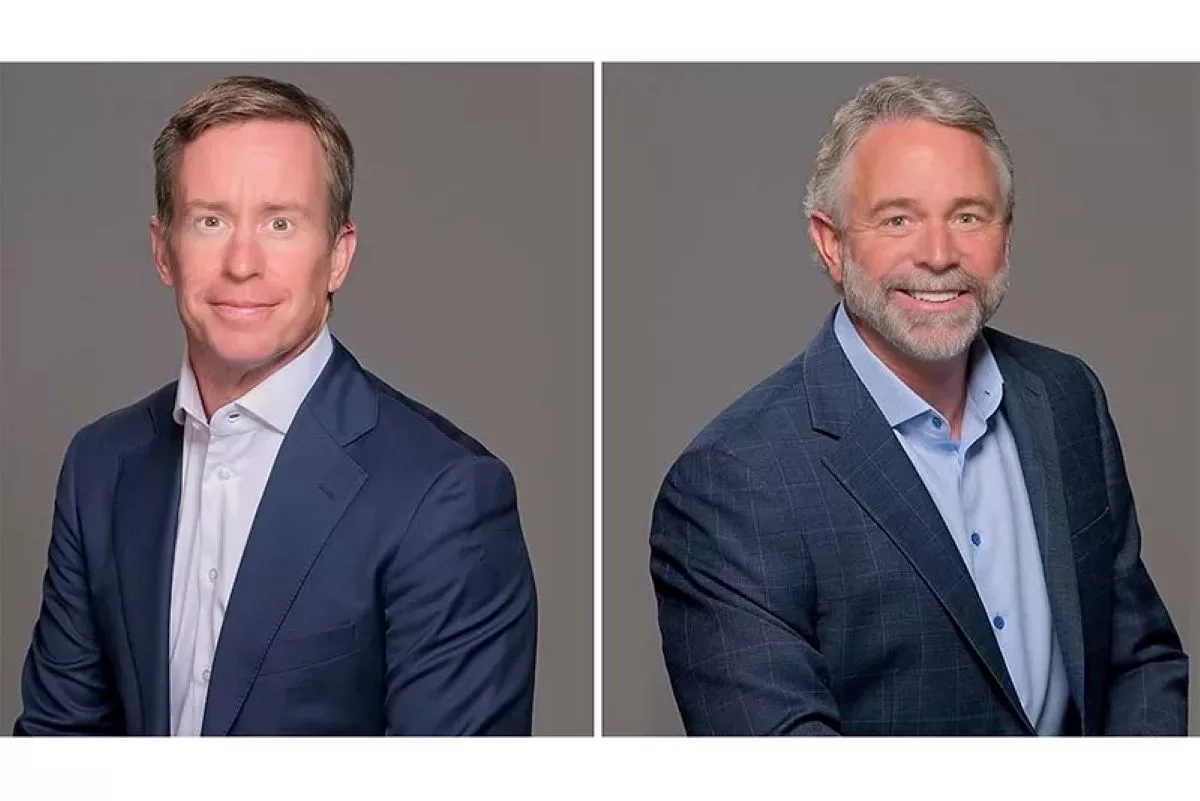

Aaron Leach to chief commercial and supply chain officer.

The Iran war has forced the shutdown of at least 12 million barrels per day – about 12% of world supply – from the Middle East due to Iran’s effective closure of the Strait of Hormuz. As a result, Brent oil futures reached $119.50 a barrel last month, the highest since 2022 although still short of the 2008 record high of $147.50. The nearby Brent contract is for June delivery.
Competition for supply from Asian and European refiners to replace disrupted Middle Eastern oil flows has helped to drive up the prices of replacement crudes for more immediate delivery, such as those in Europe and Africa.
As a result, some crudes are hitting records already. The outright price of North Sea Forties crude reached $146.09 a barrel on Tuesday, according to LSEG data, above the 2008 level and an all time high.
The main driver of prices such as that of Forties is “panic” over supplies, said Adi Imsirovic, a veteran oil trader. “When there is a real, physical shortage, people are not thinking about July delivery – June loading and hence June futures prices – but oil NOW.”

The price of Forties and many other cargoes around the world is linked to the physical crude benchmark called dated Brent which is trading almost $20 higher than the price of Brent futures for June delivery according to LSEG data because it reflects the price of cargoes for immediate delivery.
“At the moment, the market is scrambling for prompt, refinery-usable barrels, and stress is appearing first in the part of the benchmark that is closest to the immediate physical problem,” Morgan Stanley analysts said in a report.Prices of refined products in Europe were close to record highs on Tuesday.
Jet fuel prices in Europe hovered at $226.40 a barrel, close to a record high hit in mid-March. Diesel prices were still shy of their record highs hit in 2022, standing at $203.59 a barrel on Tuesday.
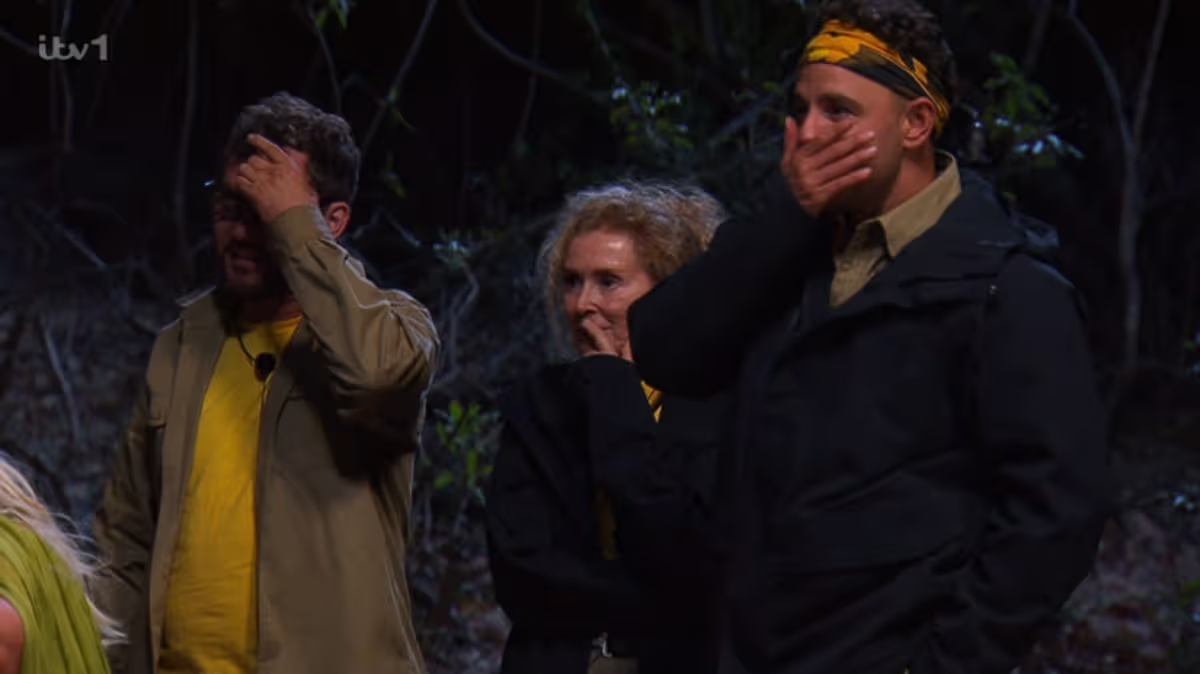
I’m a Celebrity South Africa viewers ‘raging’ over major cliffhanger
Workday’s Kazmaier sells $1.2m in shares

Pentagon’s AI hit 1,000 targets


-

 NewsBeat5 days ago
Steven Gerrard disagrees with Gary Neville over ‘shock’ Chelsea and Arsenal claim | Football
-

 Business5 days ago
No Jackpot Winner and $194 Million Prize Rolls Over
-

 Fashion4 days ago
Weekend Open Thread: Spanx – Corporette.com
-

 Crypto World6 days ago
Gold Price Prediction: Worst Month in 17 Years fo Save Haven Rock
-

 Business2 days ago
Three Gulf funds agree to back Paramount’s $81 billion takeover of Warner, WSJ reports
-

 Business4 days ago
Expert Picks for Every Need
-

 Sports3 days ago
India men’s 4x400m and mixed 4x100m relay teams register big progress | Other Sports News
-

 Business6 days ago
Login and Checkout Issues Spark Merchant Frustration
-

 Tech1 hour ago
How Long Can You Drive With Expired Registration? What Florida Law Says
-
Business3 days ago
No Jackpot Winner, Prize to Climb to $231 Million
-
Crypto World7 days ago
Bitcoin stalls below key resistance as technical signals skew bearish
-

 Tech5 days ago
Commonwealth Fusion Systems leans on magnets for near-term revenue
-

 Politics7 days ago
Starmer’s centre has collapsed, and the left was right all along
-

 Crypto World6 days ago
Ripple rolls out enterprise crypto treasury platform for corporates
-

 Fashion1 day ago
Massimo Dutti Offers Inspiration for Your Summer Mood Board
-

 Crypto World6 days ago
Why It’s Partnering, Not Issuing
-
 Tech6 days ago
Drawing Tablet Controls Laser In Real-Time
-

 Business3 days ago
Akebia Therapeutics, Inc. (AKBA) Discusses Pipeline Progress and Strategic Focus on Kidney Disease Treatments at R&D Day – Slideshow
-

 Tech7 days ago
Solo Leveling: Ranking All Sung Jinwoo Shadows by Power
-
Sports6 days ago
Tom Pelissero Drives the Final Nail in the Coffin
You must be logged in to post a comment Login