


The government’s new trade measures come into force on July 1

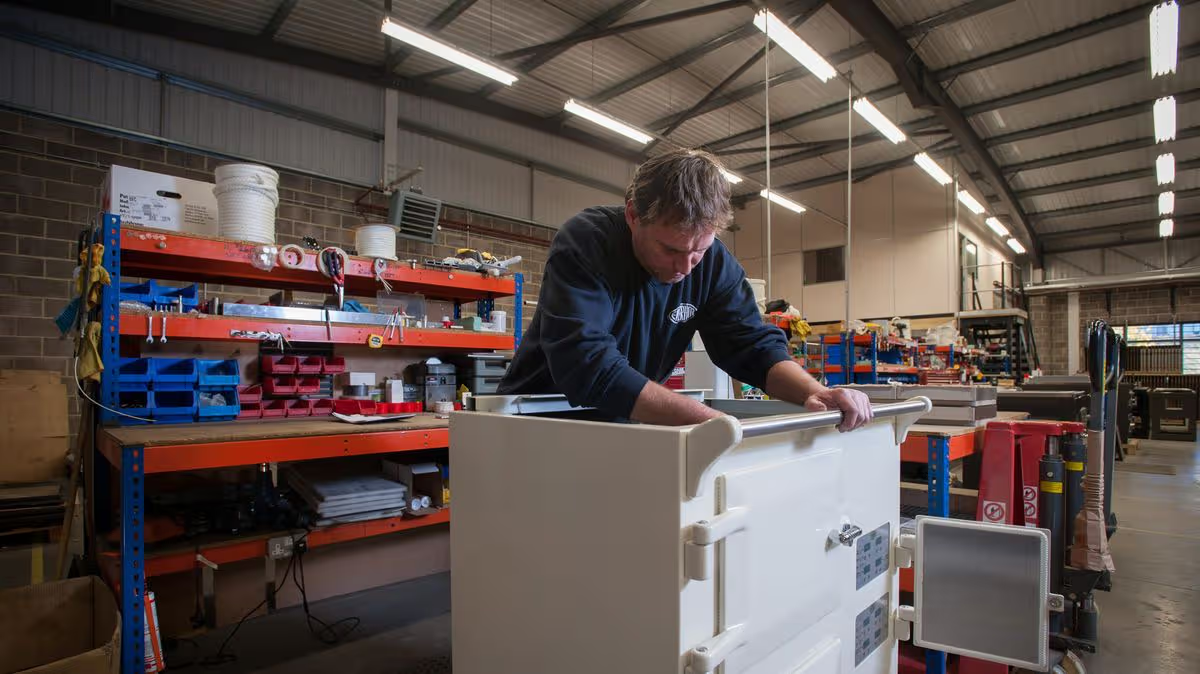
Everhot is a manufacturer of range cookers and is based in Gloucestershire(Image: Everhot)
The boss of a Gloucestershire range cooker firm is urging the government to reconsider its steel tariff proposals amid rising costs and fears over competition.
Guy Goring, managing director of Dursley-based Everhot, said the price of steel had already risen ahead of the new rules coming into force next month.
From July 1, the government will cut its tariff-free quota on imported steel and double the tariff on imports exceeding that allowance in a bid to help UK producers.
But Mr Goring says while the intention behind British steel tariffs is to boost domestic competitiveness, “the reality for manufacturers like Everhot is far more complex”.
“We would absolutely prefer to use British steel, but the sheet steel we require isn’t currently produced in the UK at the scale or specification we need,” he said.
“The proposed tariffs will only ensure UK companies can’t compete against European, US or Asian markets whilst encouraging imports from those same countries.”
Mr Goring says Everhot, which has a purpose-built factory in Gloucestershire, has already seen steel prices “rise around 30 per cent” and delays from stockholders are impacting the company’s production timelines.

A tangerine Everhot range cooker(Image: Everhot)
“This isn’t just an issue for us – it’s likely to affect manufacturers across the board, from refrigerators to washing machines and beyond,” he said.
A department for business and trade (DBT) spokesperson said: “We want a thriving steel sector in the UK, which is why our new steel trade measure aims to strike the right balance between protecting domestic production and maintaining a secure supply.”
Mr Goring believes the government’s priority should be on reducing energy costs rather than “niche discounts for specific sectors”.
“If the government is serious about supporting British steel and UK manufacturing… affordable electricity is fundamental,” he added. “Without it, the UK simply cannot compete with global markets that are built on access to low-cost energy.”
The DBT spokesperson added: “We fully recognise the challenges the sector is facing on the cost of energy, which is why our modern Industrial Strategy is cutting electricity costs for industries across Great Britain such as steel, and we will continue to work closely with them to help them through tough times.”
It follows a report by manufacturers’ body Make UK which found a growing number of British businesses are moving production overseas amid the challenges facing the sector.
In April, the government announced that electricity bills would be cut by up to 25 per cent for more than 10,000 manufacturing firms through its British Industrial Competitiveness Scheme (Bics)
The scheme comes into force in April 2027 and the subsidy is backdated to this year.
But the boss of Make UK has warned this could be too late for many businesses.
Stephen Phipson, chief executive of the trade body, said: “The time for talking is over. The time for action is now. Britain faces deindustrialisation unless manufacturers get relief from high energy prices.”




















































You must be logged in to post a comment Login