Connect with us

Business

Unleashing Urban Productivity: How Thai Cities Can Drive High-Income Growth

Published

on

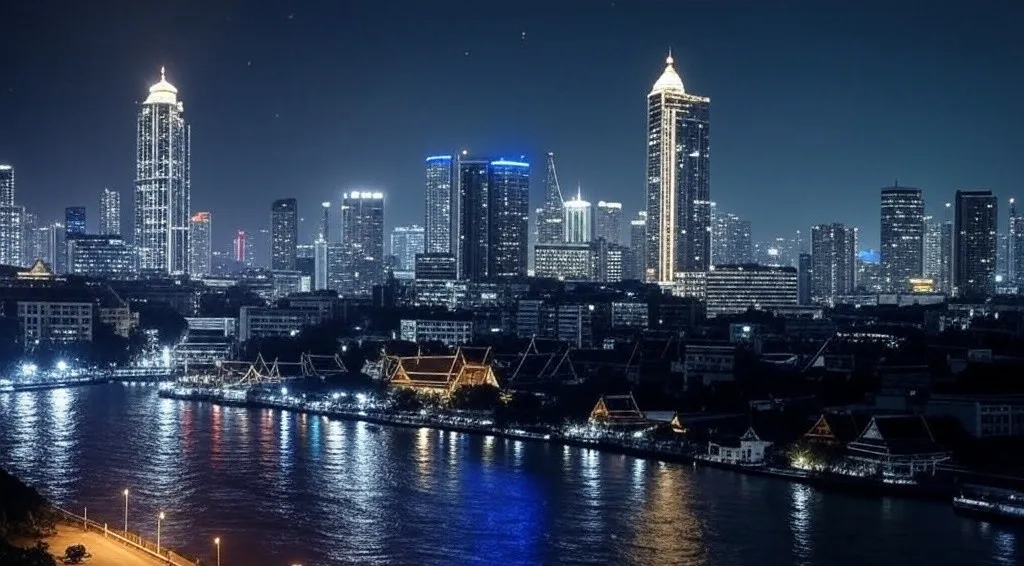
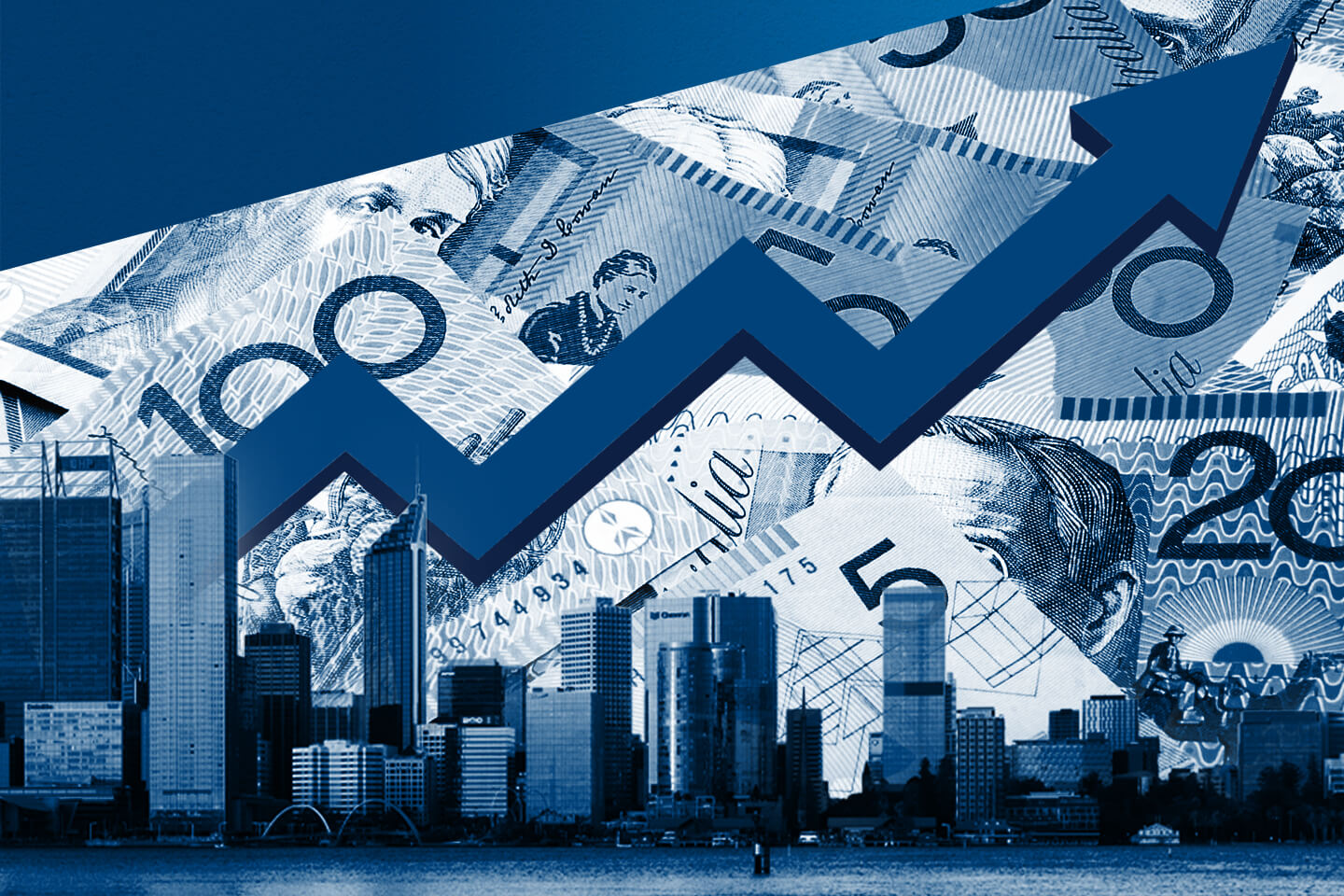
Bangkok's ultra-wealthy population boom - Thailand Business News

The World Bank urges Thailand to raise Bangkok’s productivity and strengthen secondary cities to boost investment, jobs, and national resilience. Thailand can accelerate its transition to a high-income economy if it unleashes the full productive potential of its cities, according to a new World Bank report.

Key Takeaways

  • The World Bank report Thailand Cities of the Future highlights that unleashing urban productivity is essential for Thailand to achieve high-income status by 2037.
  • Bangkok currently drives nearly half of the national output but faces mounting challenges from congestion, climate risks, and high urban costs.

  • To ensure sustainable growth, Thailand must complement Bangkok’s economic anchor role by strategically investing in secondary cities, improving infrastructure, and fostering better coordination between local and national governments

The study Thailand Cities of the Future: Urban Foundations for a High-Income Economy argues that the country’s economic growth is already concentrated in urban areas and that improving their productivity will be essential to meet the goal of achieving high-income economy status by 2037. According to the paper, about 89% of gross domestic product growth recorded between 2010 and 2020 came from urban districts. However, the country will need an annual per capita GDP growth of approximately 5.4% over the next decade to close the gap and reach its high-income target.

“Building Thailand’s cities of the future is not simply an urban planning agenda. It is an agenda for growth, competitiveness, jobs, and resilience,” said Stephen N. Ndegwa, World Bank Country Director for Thailand and Myanmar. The report suggests that Bangkok must continue to function as the main national economic anchor, but argues that secondary cities need to take on more relevant and complementary roles. The goal would not be to displace the capital, but to build a more balanced urban network.

Bangkok concentrates the economy

The capital generates nearly half of the national output and is almost 27 times larger than Chiang Mai, the country’s second city. This concentration has favored Thailand’s economic development, but has also created ever-increasing costs. Congestion accounts for between 7% and 10% of Bangkok’s gross regional product every year. At the same time, climate risks, pressure on infrastructure, and rising housing costs complicate the capital’s ability to maintain its pace of expansion.

The World Bank believes the question is no longer choosing between Bangkok and secondary cities. The priority is to establish a more efficient economic division: a productive and connected capital, supported by cities with their own specializations, better infrastructure, and the capacity to attract investment.

Advertisement

The report warns that many Thai cities have not yet reached the scale or productivity needed to become regional engines of growth. The problem is not limited to a lack of infrastructure. It also includes fragmented planning, weak coordination among agencies, and funding that does not always match the economic strengths of each territory.

The World Bank proposes concentrating investments in places where they can reinforce each other. A city with tourism potential, for example, not only needs new roads or airports. It also requires digital services, urban management, workforce training, climate resilience, and efficient connections with suppliers and markets.

“The key is to invest more strategically,” said Poon Thiengburanathum, Deputy Director of Strategic Planning and Management of the Program Management Unit for Area-Based Development.

The institutional challenge

Urban transformation will also depend on the ability of local and national governments to work in a coordinated manner. A city may receive new infrastructure and still fail to generate growth if it lacks planning, talent, efficient transportation, or institutions capable of executing projects.

Advertisement

The report was prepared by the World Bank together with the Program Management Unit on Area-Based Development and the Urban Design and Development Center. The study gathers international, national, and local knowledge on the challenges and opportunities of Thai urban development.

Bangkok will remain indispensable, but its size no longer guarantees a limitless advantage. Congestion, climate, and urban costs are turning economic concentration into a vulnerability. The alternative proposed by the World Bank is not to abandon the capital, but to build a network capable of making Chiang Mai and other cities play stronger economic roles.

For Thailand, the 2037 goal will depend less on a single megacity and more on the ability to connect urban centers with clear objectives, coordinated investments, and differentiated economic responsibilities. If the country succeeds in doing so, its cities could become the engine of a high-income economy. If not, Bangkok’s congestion and the untapped potential of secondary cities will continue to be a drag on the next phase of development.

Advertisement
Continue Reading
Click to comment

You must be logged in to post a comment Login

Leave a Reply

Business

5 Major New Technologies Elon Musk’s Companies Are Racing to Build Across Space, AI and Robotics This Year

Published

on

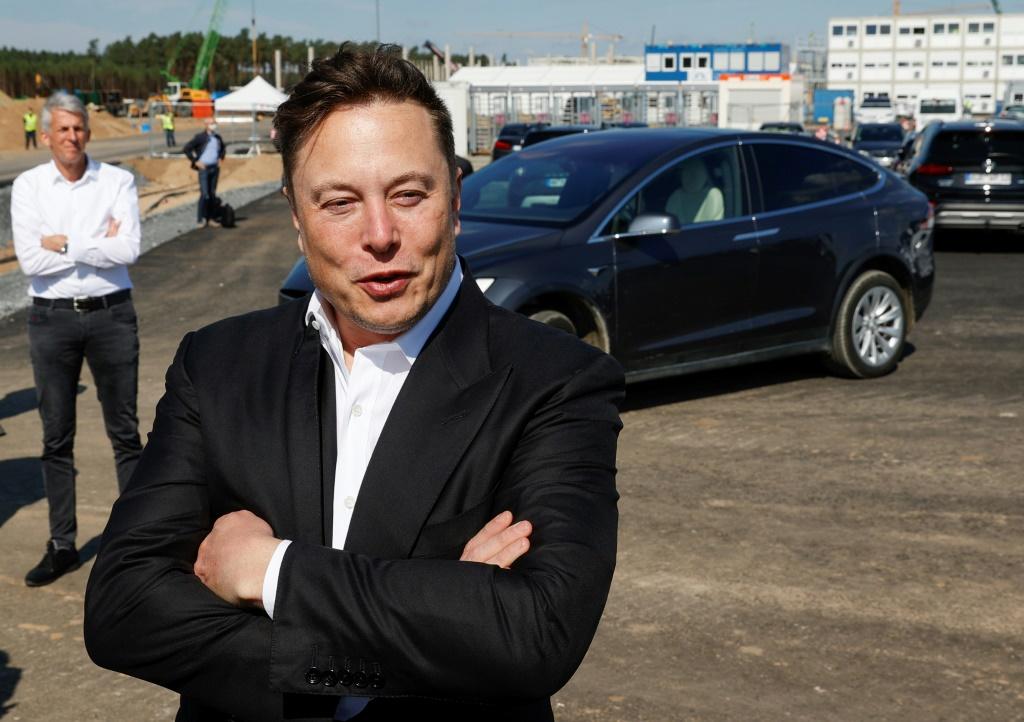
Tesla CEO Elon Musk visited the factory site outside Berlin in September

Elon Musk’s various companies are pursuing an unusually dense slate of new technology projects in 2026, spanning space exploration, brain-computer interfaces, humanoid robotics and semiconductor manufacturing. Here are five of the most significant technologies currently in development across his business empire.

The first is Neuralink’s push to scale brain-implant production and restore vision for blind patients. Musk has said Neuralink plans to move toward high-volume production of its brain-computer interface device in 2026, alongside a transition to a nearly fully automated surgical implantation procedure, following the company’s earlier regulatory clearance. As of September 2025, twelve patients worldwide had received Neuralink implants, and the company has continued expanding its clinical trial participant registry, including accepting applications from Canada, with expansion into the United Kingdom under evaluation. Separately, Neuralink’s Blindsight implant, designed to restore a form of vision for people who are completely blind by using ultra-fine threads to stimulate the visual cortex and generate perceptions of light and shapes, is set for its first patient trial in 2026, a milestone the company has described as a significant step toward using brain-computer interfaces to address sensory disability.

The second major project is SpaceX’s development of its next-generation Starship V3 spacecraft. The upgraded vehicle, featuring SpaceX’s new Raptor V3 engine, is expected to conduct propellant transfer tests in orbit during 2026, a capability that could eventually support long-distance missions to the moon or Mars by allowing spacecraft to refuel while already in space. SpaceX is also continuing to deploy its next-generation Starlink V3 satellites, designed to offer improved performance and faster internet connectivity compared with earlier generations of the satellite internet constellation.

The third significant development is Tesla’s expanding robotics and autonomous vehicle production. The company began mass production of its Optimus Gen 3 humanoid robot and its Cybercab autonomous vehicle in 2026, alongside continued production of the Tesla Semi. Tesla has also worked to expand its Full Self-Driving software into a fully unsupervised operating mode, with the company’s Robotaxi service already operating in Dallas and Houston. On the energy storage side, Tesla has continued expanding its Megapack 3 and Megablock systems, aimed at supporting large-scale electrical grid storage projects.

Advertisement

The fourth major initiative is Terafab, a joint semiconductor manufacturing project between Tesla and SpaceX aimed at giving Musk’s companies greater control over their own chip supply chains. Musk announced in March that the project would begin with what he called an “advanced technology fab” in Austin, Texas, designed with the equipment necessary to manufacture and test a wide range of chip types. Musk has said the broader semiconductor industry is moving too slowly to keep pace with the volume of chips his companies expect to need in the coming years. “That rate is much less than we’d like,” Musk said, addressing the industry’s current production pace. Beyond the Austin facility, reporting has also pointed to a related manufacturing arrangement in which computer chip maker Intel would produce chips at a separate facility, called Terafab, with Tesla, SpaceX and xAI serving as anchor customers, designed to bring logic, memory, packaging and testing operations together in a single location, producing chips intended for use in Tesla’s Optimus robots and Cybercabs as well as space-based data centers SpaceX is developing. Investment firm ARK Invest has estimated the broader Terafab initiative could eventually require as much as $1 trillion in total investment, a figure that would exceed the inflation-adjusted cost of building the entire U.S. Interstate Highway System.

The fifth major technology push involves the consolidation of Musk’s artificial intelligence efforts under a single corporate structure. SpaceX completed its acquisition of xAI in February, valuing the AI company at $250 billion in an all-share transaction that created a combined entity valued at approximately $1.25 trillion, a deal reported to be among the largest corporate mergers on record. Following that consolidation, xAI has continued expanding its Colossus supercomputer cluster located in Memphis, Tennessee, acquiring a third building as part of a plan to increase the cluster’s total training capacity toward nearly two gigawatts of computing power. The AI arm’s Grok product line, now formally part of SpaceX’s broader AI division following the merger, has continued to be distributed through Musk’s social media platform X as its primary AI offering, even as X itself remains a separate operating entity within Musk’s broader portfolio of companies.

Beyond these five headline projects, Musk’s companies have continued advancing other initiatives simultaneously, including The Boring Company’s underground transit tunnel systems and ongoing efforts to expand creator payouts on X in an effort to compete more directly with larger platforms like YouTube for original content creators. Industry analysts covering Musk’s broader technology portfolio have noted that his various companies increasingly overlap across artificial intelligence, robotics, vehicles, communications and infrastructure, reflecting a deliberate strategy of building an interconnected ecosystem of technologies rather than operating each company as an entirely independent business line.

Given Musk’s own history of ambitious timelines that have not always been met on schedule, technology analysts have cautioned against viewing any of these projects, Neuralink’s scale-up, Starship V3’s orbital refueling tests, Tesla’s robotics production targets, the Terafab chip manufacturing effort, or the continued build-out of xAI’s computing infrastructure, as guaranteed to arrive precisely as announced. Even so, each project represents a substantial ongoing investment of capital and engineering resources across Musk’s companies, positioning 2026 as what industry observers have described as a pivotal year for testing how many of these ambitious technology bets can move from announcement to functioning reality.

Advertisement
Continue Reading

Business

Supreme Court dismisses Monadelphous’ $2.6m claim against Bhagwan Marine

Published

on

Supreme Court dismisses Monadelphous’ $2.6m claim against Bhagwan Marine

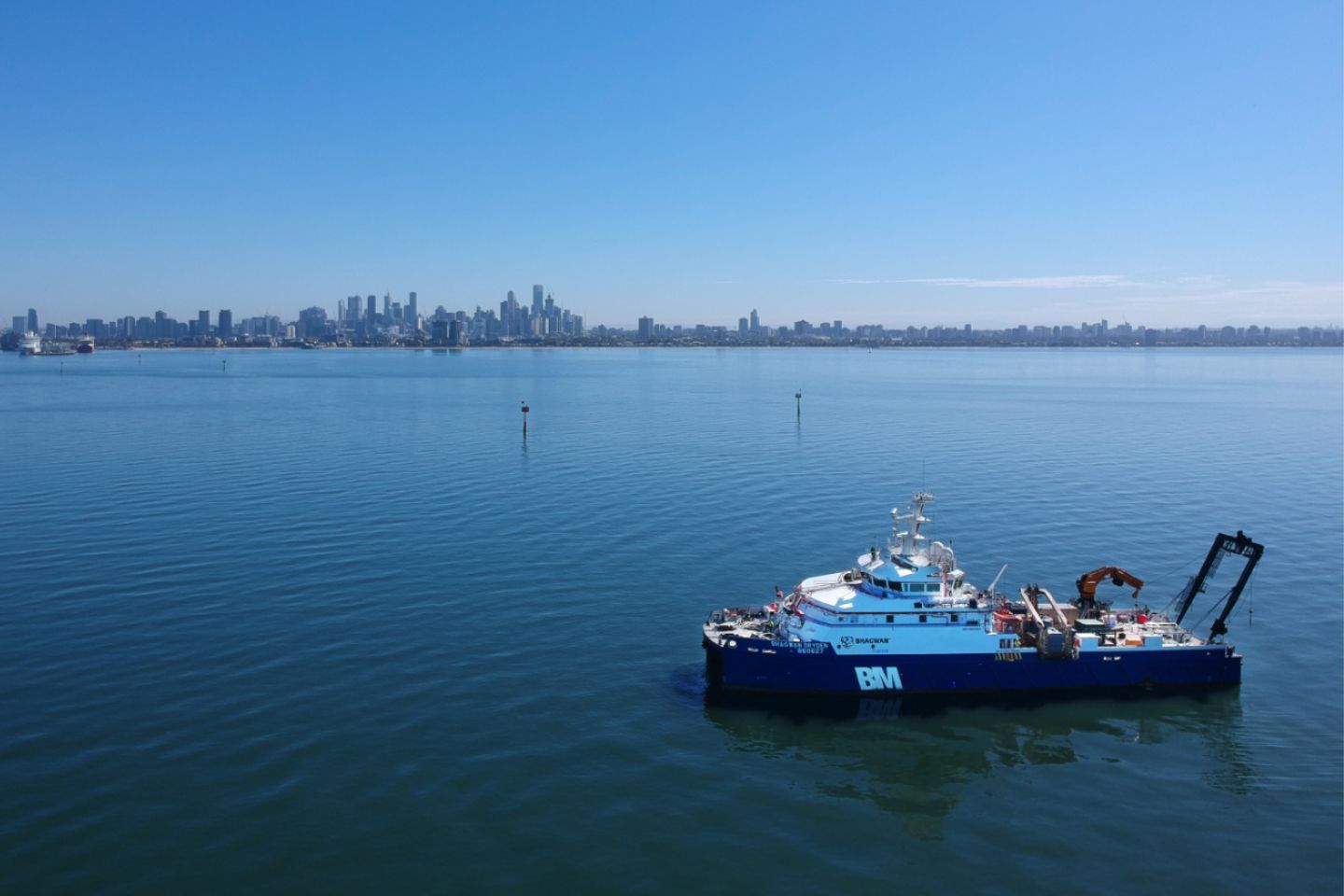
The Supreme Court of WA has dismissed Monadelphous’ action against Bhagwan Marine, which involved an alleged $2.6 million worth of damage to a marine barge.

Continue Reading

Business

NEXGEL, Inc. (NXGL) Discusses Strategic Platform Reorganization and Refocus on Medical Device and Biomedical Innovation Transcript

Published

on

OneWater Marine Inc. (ONEW) Q1 2026 Earnings Call Transcript