Connect with us

Business

US Says Waterway Open as Iran Loses Ground Amid Naval Blockade Standoff

Published

on

Kuwait International Airport

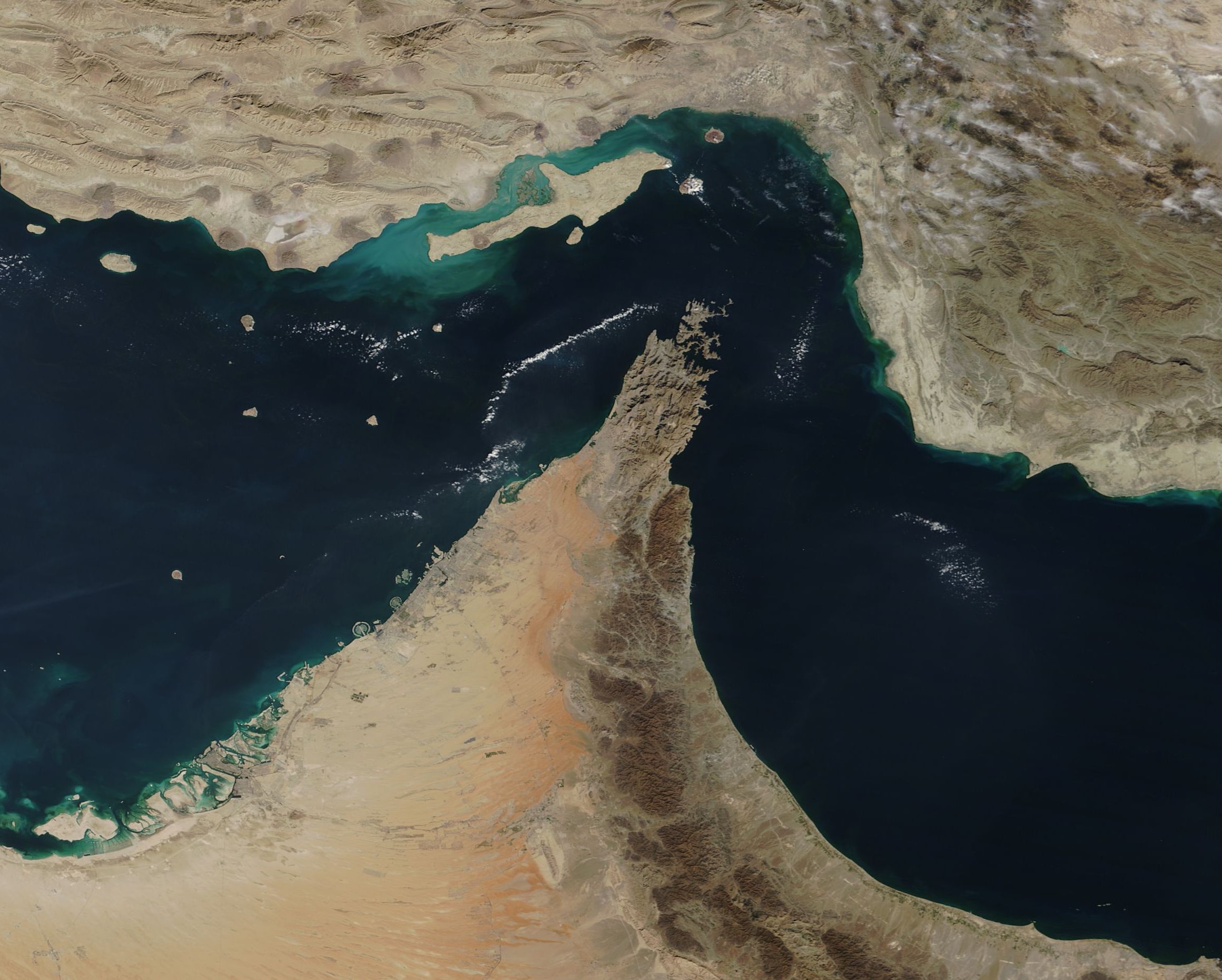
The Strait of Hormuz remains at the center of an escalating standoff between the United States and Iran, with American officials asserting the critical waterway is open and patrolled by U.S. naval forces even as attacks on commercial shipping and continued military strikes underscore how fragile the current situation remains.

President Donald Trump said Monday that he would reinstate a naval blockade of Iranian vessels in the strait, and the United States carried out additional strikes on Iranian targets overnight, according to CNN’s live coverage of the conflict. A statement attributed to U.S. officials characterized the current posture in stark terms: “The Naval Blockade remains in full force and effect. The Hormuz Strait is open and operating. All water mines have been removed or detonated.” Iran’s Islamic Revolutionary Guard Corps has separately denied that any back-channel negotiations with the United States are currently underway, despite Trump’s earlier claims of a direct line of communication with the paramilitary force.

According to a CNN Business analysis published Tuesday, the balance of control over the strait appears to be shifting in the United States’ favor after months of contested rhetoric from both sides. “The battle for control of the Strait of Hormuz has become the focal point of the Iran war,” the analysis noted, adding that despite competing claims of advantage from both Washington and Tehran over recent months, “the evidence is clear: The United States, patrolling the strait with its navy, is gaining ground — and Iran is losing much of its control of the critical waterway.” As part of that shift, Kuwait, Saudi Arabia and the United Arab Emirates have begun chartering Very Large Crude Carriers, the largest class of oil tankers, to transit out of the Persian Gulf via the strait before transferring cargo to customer vessels, a workaround that has allowed regional oil producers to continue moving crude despite the ongoing instability.

Even as U.S. officials describe the strait as functionally open, attacks on commercial and state-linked vessels have continued. A vessel affiliated with the United Arab Emirates’ state oil company, ADNOC, was attacked Friday, Aug. 15, in the strait, according to the UAE’s Foreign Ministry, which blamed Iran for the strike and described it as a “flagrant violation” of international law. That attack extended a pattern of assaults on ADNOC-linked shipping dating back to the earliest weeks of the conflict; according to CNN’s reporting from earlier this month, 15 ADNOC vessels had come under attack since the war began, resulting in one crew member killed and 20 others injured.

Advertisement

The dispute over the strait has taken an increasingly rhetorical and, at times, surreal turn in recent days. Trump has repeatedly suggested he intends to declare the Strait of Hormuz U.S. territory once the broader conflict with Iran concludes. Tehran has rejected that claim outright, responding that the strait “cannot be seized with a tweet.” Iranian diplomatic officials in India offered their own pointed rebuttal to the territorial claim; the Iranian consulate in Hyderabad posted a map of the United States with California highlighted, captioned “NEW TERRITORY OF ISLAMIC REPUBLIC OF IRAN,” a clearly satirical jab referencing California’s large Iranian diaspora population, particularly in the Los Angeles area, often referred to within that community as “Tehrangeles.”

Legal and foreign policy analysts have separately dismissed the practical seriousness of some of Trump’s more expansive threats regarding the region. Jasmine el-Gamal, a former Middle East adviser at the U.S. Department of Defense, said Trump’s earlier suggestion that he would bomb Oman if the country interfered with U.S. efforts in the strait was “not a credible threat in any sense,” according to CNN’s reporting.

Instability has extended beyond the strait itself into the broader Middle East maritime and security picture. Yemen’s Mokha port, a strategic Red Sea facility, was forced to suspend operations after sustained attacks by the Iran-backed Houthi movement. According to the port’s director, cited by Reuters, Mokha was struck by more than 25 missiles in recent days, killing seven people and causing an estimated $16 million in damage. Separately, deadly Israeli strikes in southern Lebanon killed at least 11 people, including women and children, according to the country’s Health Ministry, reflecting how the broader regional conflict has continued to expand well beyond the immediate U.S.-Iran standoff over the strait.

Iran’s Foreign Ministry has indicated the country has not yet made a final decision on whether to resume negotiations with the United States, according to CNN’s coverage from earlier in the week, leaving the broader diplomatic path forward uncertain even as military and economic pressure on the waterway continues to mount.

Advertisement

The economic stakes tied to the strait remain enormous. According to the U.S. Energy Information Administration, roughly 20 million barrels of oil, or about one-fifth of daily global oil production, historically flow through the Strait of Hormuz each day, with the agency describing the channel as a “critical oil chokepoint” for which “very few alternative options exist” if the passage is closed. The strait also carries approximately one-fifth of global liquefied natural gas trade, according to the same data. Energy analysts have cautioned that oil and natural gas prices are likely to remain elevated for as long as safe passage through the strait remains in question, even as Gulf oil producers work to expand alternative shipping routes to reduce their dependence on the waterway.

The current crisis traces back to late February, when tensions in the strait first escalated into open conflict, according to a timeline compiled by Wikipedia’s tracking of the situation. The confrontation has since resulted in significant maritime casualties, including one sunk tugboat, at least 17 damaged merchant ships, seven of which were abandoned, two merchant ships captured, 12 seafarers killed or missing, and one port worker killed with two others wounded in a separate incident in Bahrain.

As the standoff continues, the coming days are likely to hinge on whether Iran signals any willingness to resume formal talks with Washington, whether further attacks on shipping in the strait or the broader region continue to test the durability of the U.S. naval blockade, and whether oil-producing Gulf states are able to sustain their current workaround shipping arrangements if instability in the waterway persists.

Advertisement
Continue Reading
Click to comment

You must be logged in to post a comment Login

Leave a Reply

Business

Chery R&D centre to open at UTAC Millbrook in Bedfordshire

Published

on

Chery R&D centre to open at UTAC Millbrook in Bedfordshire

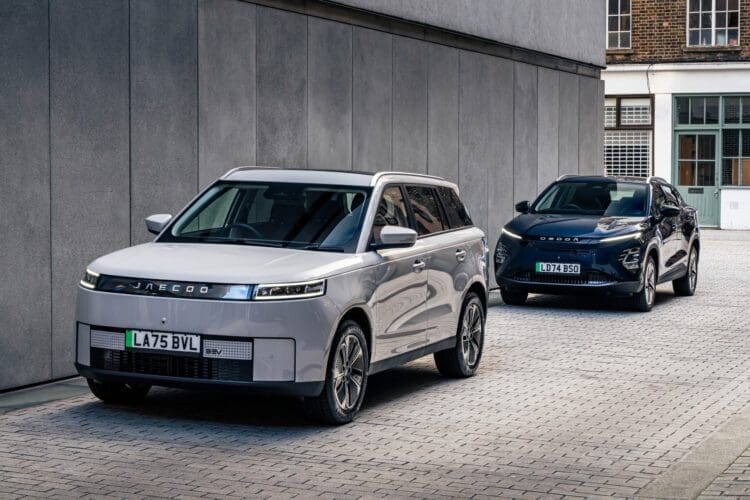
Chery, the Chinese carmaker behind the Jaecoo and Omoda brands, is to open a research and development centre in Bedfordshire, describing the move as “the next step in our long-term plan” for Britain.

The company said on Wednesday that the facility would open in late autumn at UTAC Millbrook, an existing vehicle testing centre used by engineering and motorsport companies as well as the Ministry of Defence. The site offers more than 70km (43 miles) of purpose-built test tracks, which Chery will use to fine-tune its cars for UK roads. Further down the line it intends to use the site to work on self-driving cars and artificial intelligence.

Gary Lan, chief executive of Chery’s UK business, said: “We waited over 20 years for the right time to enter this market, and our ambition has always gone much further than simply bringing vehicles here.”

The announcement comes as Chery’s sales grow at a rapid pace in Britain. In July, the Chery, Omoda and Jaecoo brands together accounted for nearly 8 per cent of the UK market, up from 3 per cent a year earlier, according to the Society of Motor Manufacturers and Traders. The China-built Jaecoo 7, nicknamed the “Temu Range Rover” for its low price and technology-heavy specification, became the UK’s top-selling model in March.

All of those cars are currently imported. Chery, which is part-owned by the Chinese state, has signed a deal with Nissan to build its vehicles at the Sunderland plant, which would mark the start of mass-market Chinese car production in Britain from 2027.

Advertisement

Chery also launched Lepas, its fourth brand in the UK, last February, aimed at younger families in the European market.

Kirsty Andrew, vice-president of UTAC UK, said the new R&D centre was “a significant commitment to engineering and vehicle development in the UK”.

She added: “Creating a stand-alone engineering centre here means Chery Automobile can develop and validate vehicles against the particular demands of UK roads and UK drivers, with direct access to our engineering expertise and testing environments throughout that process.”

UTAC Millbrook is midway between London and Birmingham and specialises in testing electric vehicles, battery systems and automated and connected vehicle technology.

Advertisement

Chinese manufacturers’ arrival as a major force in the car industry has put pressure on traditional European rivals. Chinese companies have been able to undercut European competitors in building electrified cars because of state subsidies, lower labour costs and China’s dominance of the battery industry.

Chery said it eventually planned to recruit local talent and create engineering jobs in the area, but did not say how much it would invest in the site or how many jobs would be created.


Amy Ingham

Amy Ingham

Amy Ingham is a reporter at Business Matters, covering UK business news with a focus on breaking news, business policy, late payments and insolvency. She joined the magazine in 2026 after completing the NCTJ Diploma in Journalism at Harlow College’s journalism school. Her recent reporting includes British Steel’s nationalisation and its impact on SME suppliers, the decline in late payments by large firms, and Insolvency Service director disqualifications. Reach her at aingham@cbmeg.co.uk.

Advertisement

Continue Reading

Business

Hui Ka Yan sentenced to life in prison for Evergrande fraud and bribery

Published

on

Hui Ka Yan sentenced to life in prison for Evergrande fraud and bribery

The founder of the world’s most-indebted property developer was sentenced to life in prison in China for fraud and bribery – five years after his China Evergrande Group collapsed, roiling the Chinese economy and financial markets.

Hui Ka Yan, 67, was convicted in a court in the southern city of Shenzhen on Thursday and the companies were fined a total of more than $2.3 billion for financial crimes, including inflating the group’s assets and concealing its liabilities that ran more than $300 billion.

Advertisement

“The amount involved is exceptionally large, the circumstances are particularly egregious, and extraordinarily heavy economic losses have been caused,” the court wrote in a statement. “The harm to society is extremely serious. Therefore, severe punishment should be given in accordance with the law.”

Hui, also known as Xu Jiayin, abused his position in orchestrating fraud and misappropriating company assets, the court found.

COURT ORDERS CHINA’S BANKRUPT EVERGRANDE TO LIQUIDATE

Hui Ka Yan, the founder of China's Evergrande Group

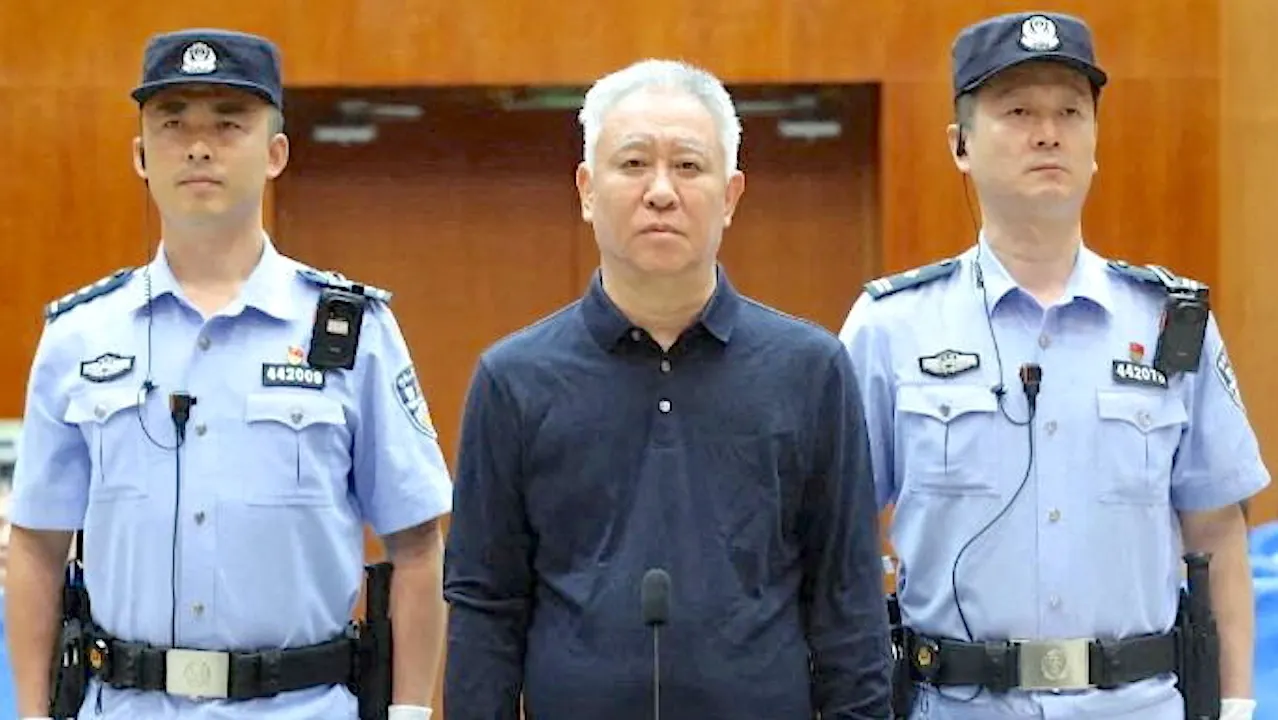
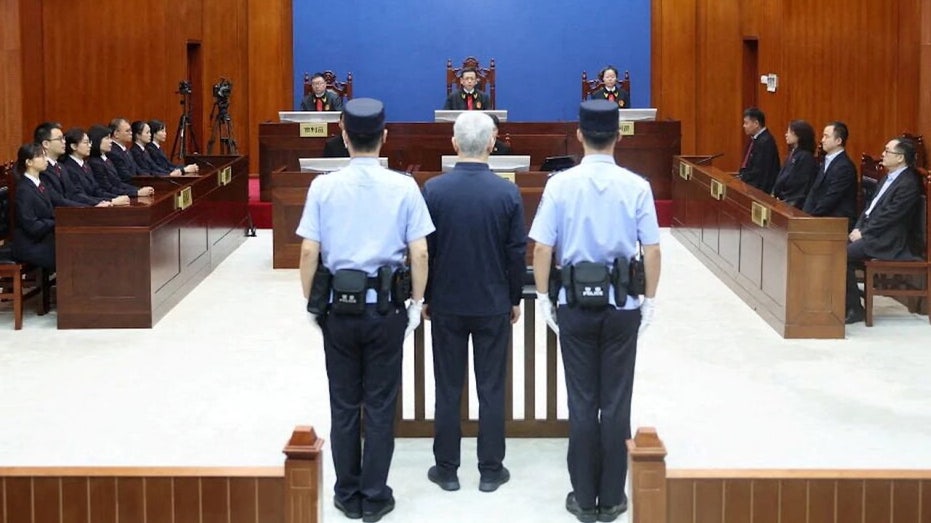
Hui Ka Yan, the founder of China’s Evergrande Group, was sentenced to life in prison for fraud and bribery in the Shenzhen Intermediate People’s Court, in Shenzhen, Guangdong province, China on August 20, 2026. (Shenzhen Intermediate People’s Court/Handout / Reuters Photos)

Evergrande group was fined 8.82 billion yuan ($1.31 billion) and Evergrande Real Estate Group was fined 7 billion yuan ($1.04 billion).

Advertisement

Hui’s sons, Xu Tenghe and Xu Zhijian, were also sentenced alongside senior Evergrande executives and others linked to the group, according to China’s official Xinhua News Agency. A total of more than 50 individuals were sentenced to imprisonment of between 22 months and 18 years.

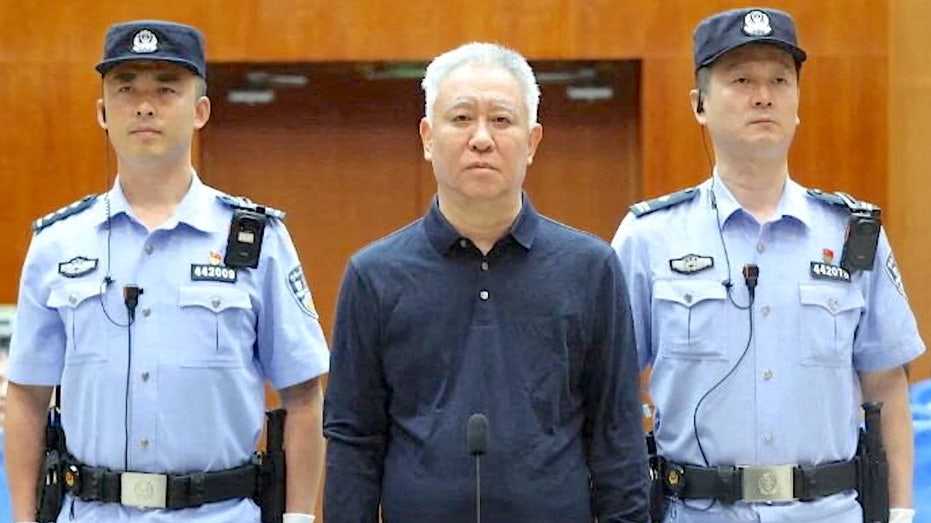
Photos released by the court showed a gray-haired Hui standing between two officers in a navy collared shirt as the sentence was announced. He had largely disappeared from public view after Chinese authorities detained him in 2023.

His life sentence is a dramatic end to the career of a man who built one of China’s largest real estate empires in a rags-to-riches story. Born in 1958 into a rural family in central China’s Henan province, he worked in the steel industry in the 1980s before establishing Evergrande, which then prospered during China’s housing market boom. He was one of many businessmen who also gained political influence by joining a major advisory organization, the Chinese People’s Political Consultative Congress (CPPCC).

EMPTY BUILDINGS IN CHINA’S PROVINCIAL CITIES TESTIFY TO EVERGRANDE DEBACLE

Advertisement
Hui Ka Yan, the founder of China's Evergrande Group stands in court

The Shenzhen Intermediate People’s Court, in Shenzhen, Guangdong province, China sentenced Hui Ka Yan, the founder of China’s Evergrande Group and once Asia’s richest man, to life in prison on August 20, 2026. (Shenzhen Intermediate People’s Court/Handout / Reuters Photos)

The Shenzhen Intermediate People’s Court ordered the confiscation of Hui’s personal property after he pleaded guilty in April to eight charges that included fundraising fraud, illegally taking public deposits, fraudulently issuing securities and bribery.

Chinese authorities cracked down on excessive borrowing in the real estate industry in 2020, triggering a crunch among many developers that brought on a downturn in the property market.

Evergrande, founded by Hui in 1996, expanded aggressively during China’s decades-long property boom, borrowing heavily as it built projects across the country. At its peak, the company became China’s largest developer by contracted sales, while Hui amassed a fortune that made him Asia’s richest man in 2017, with an estimated net worth of more than $45 billion, according to Forbes.

Its collapse helped ignite a broader crisis in China’s real estate sector, where falling home sales, unfinished projects and developer defaults have weighed on economic growth and consumer confidence for years.

Advertisement

CHINA’S EVERGRANDE: WHAT TO KNOW

Ticker Security Last Change Change %
DHI D.R. HORTON INC. 151.86 +6.18 +4.24%
LEN LENNAR CORP. 87.30 +2.36 +2.78%
PHM PULTEGROUP INC. 130.68 +4.63 +3.67%

The fallout also reached millions of ordinary Chinese investors and homebuyers. Evergrande’s inability to repay wealth-management products prompted protests after investors saw savings wiped out, while buyers of unfinished apartments were left uncertain about whether their homes would ever be completed.

Comments by Evergrande homeowners in a social media group included: “All ordinary citizens have paid the cost,” “Imprisonment is meant to protect him. If he comes out, his life is in jeopardy,” and, “What about our money?”

Chinese authorities said revenues were overstated by tens of billions of dollars in 2019 and 2020.

Advertisement

Hui had already faced regulatory punishment before Thursday’s criminal sentence. In 2024, China’s securities regulator fined him roughly $6.5 million and barred him from the country’s securities markets for life over inflated financial results and other violations.

Evergrande’s corporate demise has continued even as Hui’s criminal case moved through the courts.

China Evergrande Group's then-Chairman Hui Ka Yan

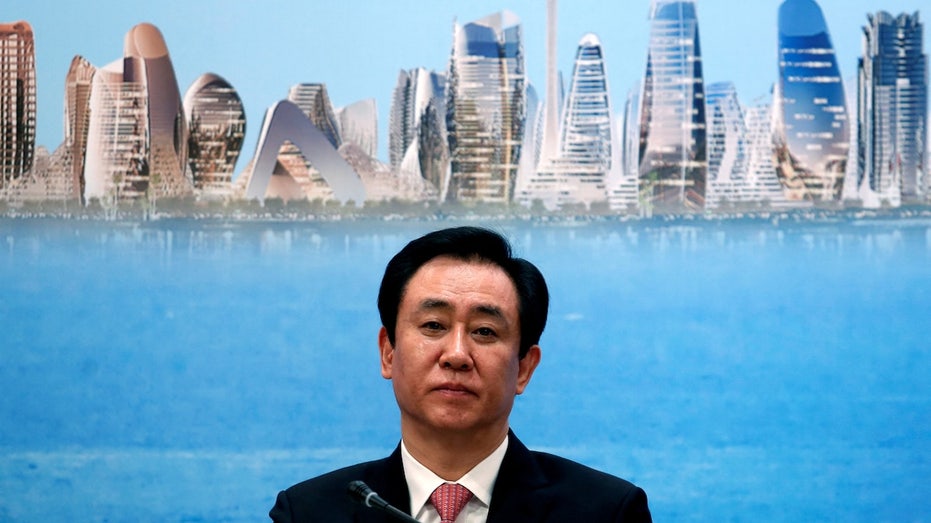
China Evergrande Group’s then-Chairman Hui Ka Yan attends a news conference on the property developer’s annual results in Hong Kong, China on March 28, 2017. (Bobby Yip/File Photo / Reuters Photos)

GET FOX BUSINESS ON THE GO BY CLICKING HERE

A Hong Kong court ordered the company into liquidation in 2024, and its shares were later delisted from the Hong Kong Stock Exchange.

Advertisement

Reuters and The Associated Press contributed to this report.

Continue Reading

Business

Dow Jones Futures Fall As Oil Prices, Bitcoin Jump; Walmart Skids On Earnings Investor’s Business Daily

Published

on

Dow Jones Futures Fall As Oil Prices, Bitcoin Jump; Walmart Skids On Earnings Investor's Business Daily

Dow Jones futures fell early Thursday, along with S&P 500 futures and Nasdaq futures. Oil prices continue to rise and Treasury yields rebounded while Walmart and Alibaba were notable earnings losers. The stock market rose slightly Wednesday as a Treasury move pulled down long-term bond yields and the dollar. Biotechs and drugmakers rallied on cancer vaccine news from Moderna and Merck,…
Copyright ©2026 Investor’s Business Daily, LLC. All rights reserved. 87990cbe856818d5eddac44c7b1cdeb8

Continue Reading

Business

Freedom Capital cuts iRhythm Technologies stock price target on valuation

Published

on


Freedom Capital cuts iRhythm Technologies stock price target on valuation

Continue Reading

Business

State government announces WA Football review

Published

on

State government announces WA Football review

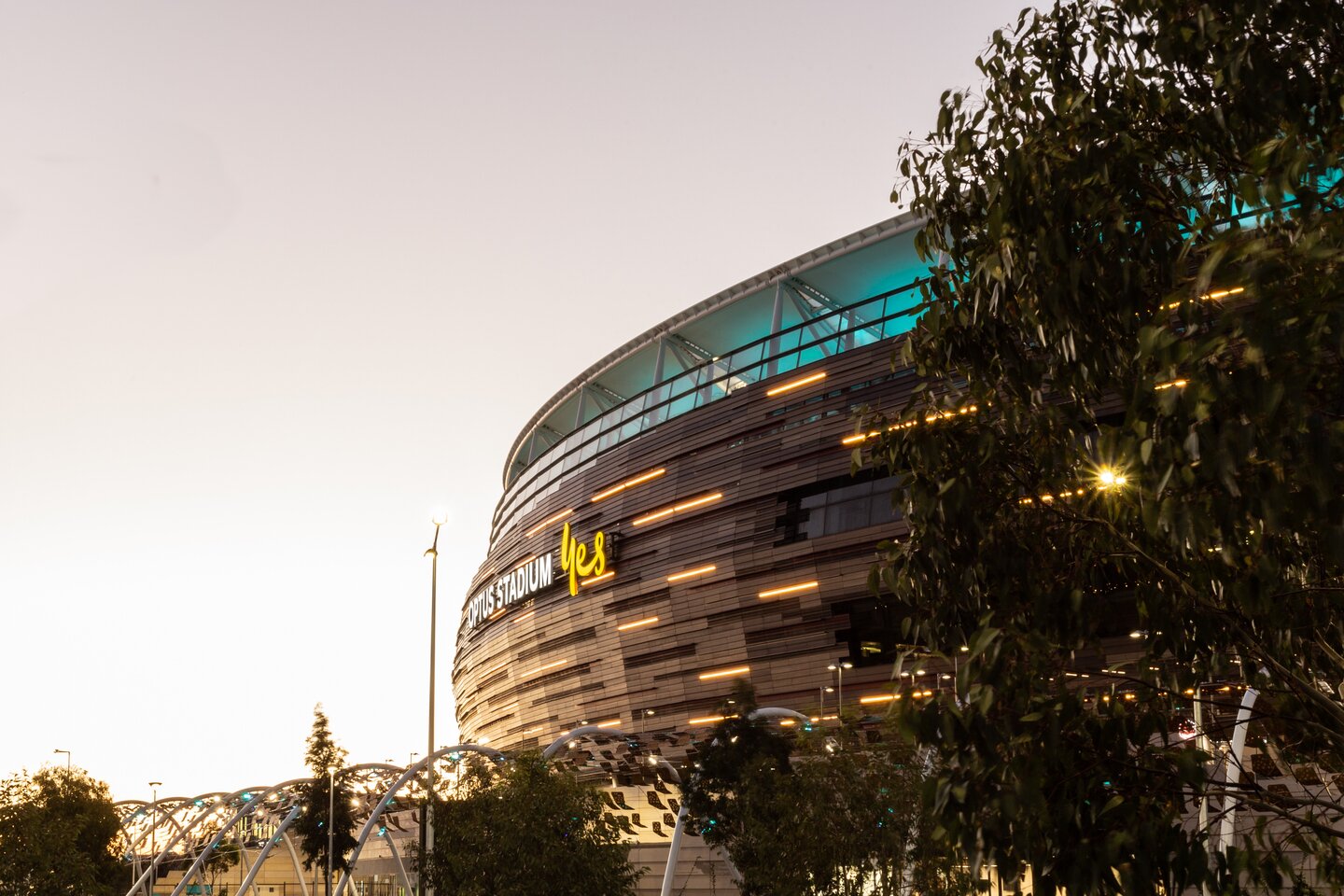
The state government has announced a review of WA Football, ahead of a new 10-year funding agreement which begins in November next year.

Continue Reading

Business

Swiss Prime Site AG (SWPRF) Q2 2026 Earnings Call Transcript

Published

on

OneWater Marine Inc. (ONEW) Q1 2026 Earnings Call Transcript