



Connect with us
DAPA Banner
DAPA Coin
DAPA
COIN PAYMENT ASSET
PRIVACY · BLOCKDAG · HOMOMORPHIC ENCRYPTION · RUST
ElGamal Encrypted MINE DAPA
🚫 GENESIS SOLD OUT
DAPAPAY COMING

Business

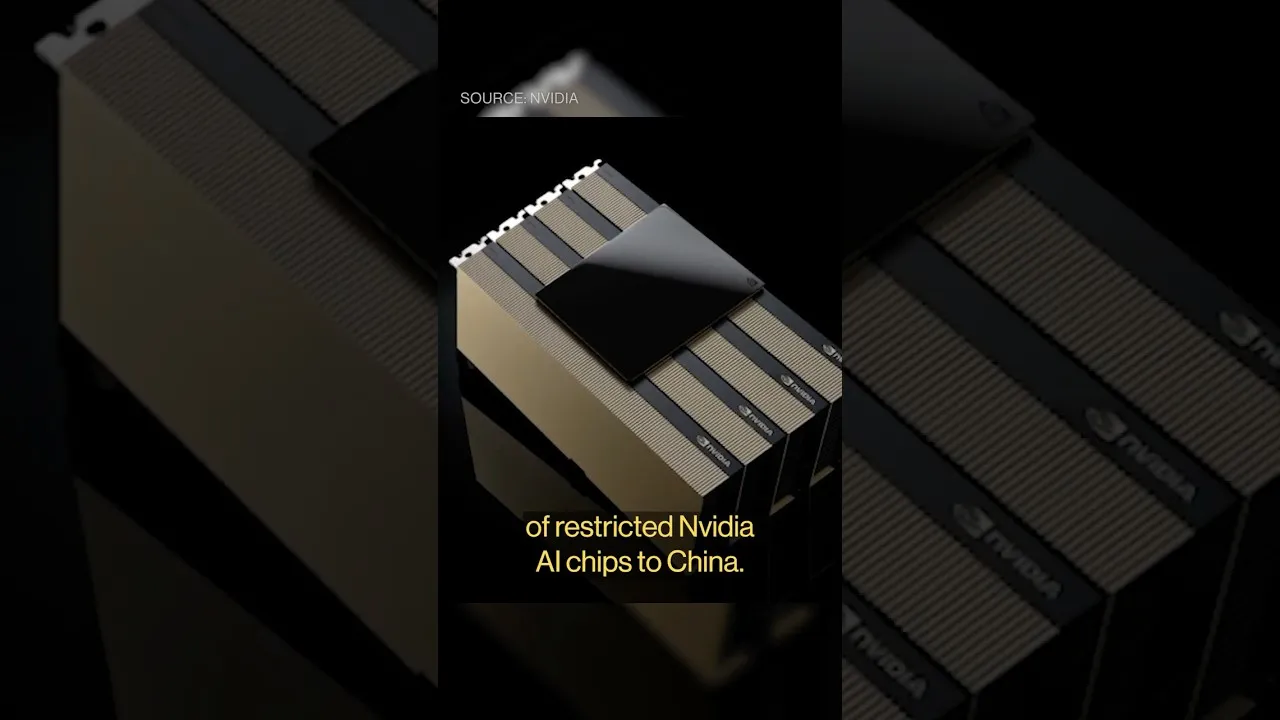
US Suspects Nvidia Chips Smuggled to Alibaba via Thailand

Published

on

US Suspects Nvidia Chips Smuggled to Alibaba via Thailand

US prosecutors suspect a Thai AI company of assisting in the illegal smuggling of Nvidia chips to China. Alibaba is also reportedly involved among several other entities. The investigation highlights concerns over chip exports and potential violations of trade restrictions, emphasizing ongoing scrutiny of companies potentially bypassing U.S. export controls to bolster China’s technological development.


The United States has raised concerns over the potential illegal export of Nvidia semiconductor chips to Alibaba through Thailand. According to recent reports, US authorities suspect that certain Nvidia chips may have been diverted from authorized channels and shipped to the Chinese e-commerce giant. These chips are highly advanced and are crucial for artificial intelligence and data center operations, making their transfer a matter of national security for the US.

The suspicious activity reportedly involves intermediaries based in Thailand, which is often used as a regional hub for semiconductor trade. US officials are investigating whether these intermediaries bypassed export restrictions, raising worries about the proliferation of sensitive technology to China’s tech sector. Such allegations highlight ongoing tensions over technology transfer and export controls between the US and China.

Advertisement

Nvidia has not officially commented on the allegations. Meanwhile, US regulators are intensifying scrutiny of exports to prevent the unauthorized transfer of advanced chips, emphasizing the importance of safeguarding national security interests. This incident underscores the delicate balance between global tech trade and geopolitical concerns.

source

Advertisement
Continue Reading
Click to comment

You must be logged in to post a comment Login

Leave a Reply

Business

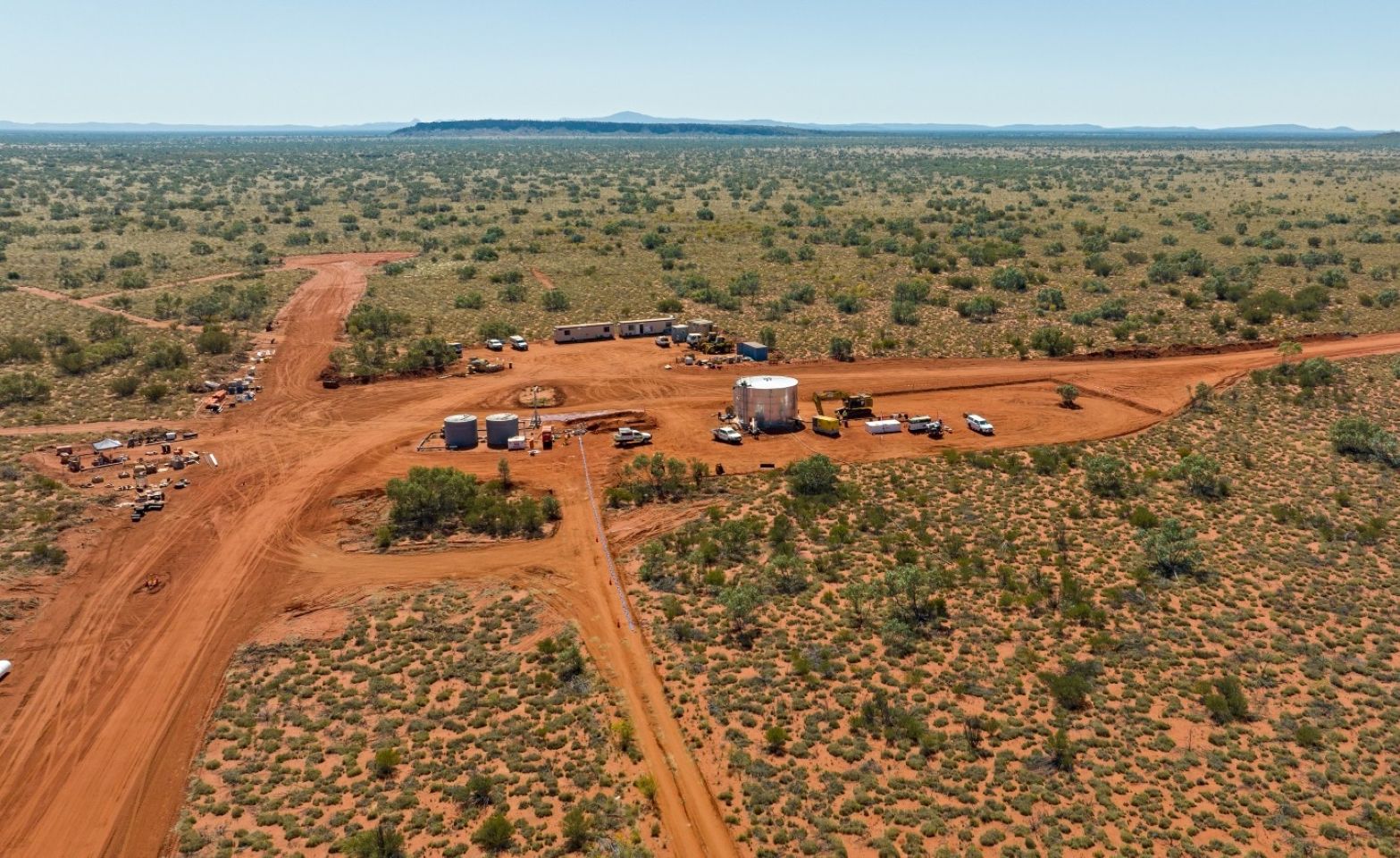
Intercontinental Energy eyes data centres for giant WA green energy projects

Published

on

Intercontinental Energy eyes data centres for giant WA green energy projects

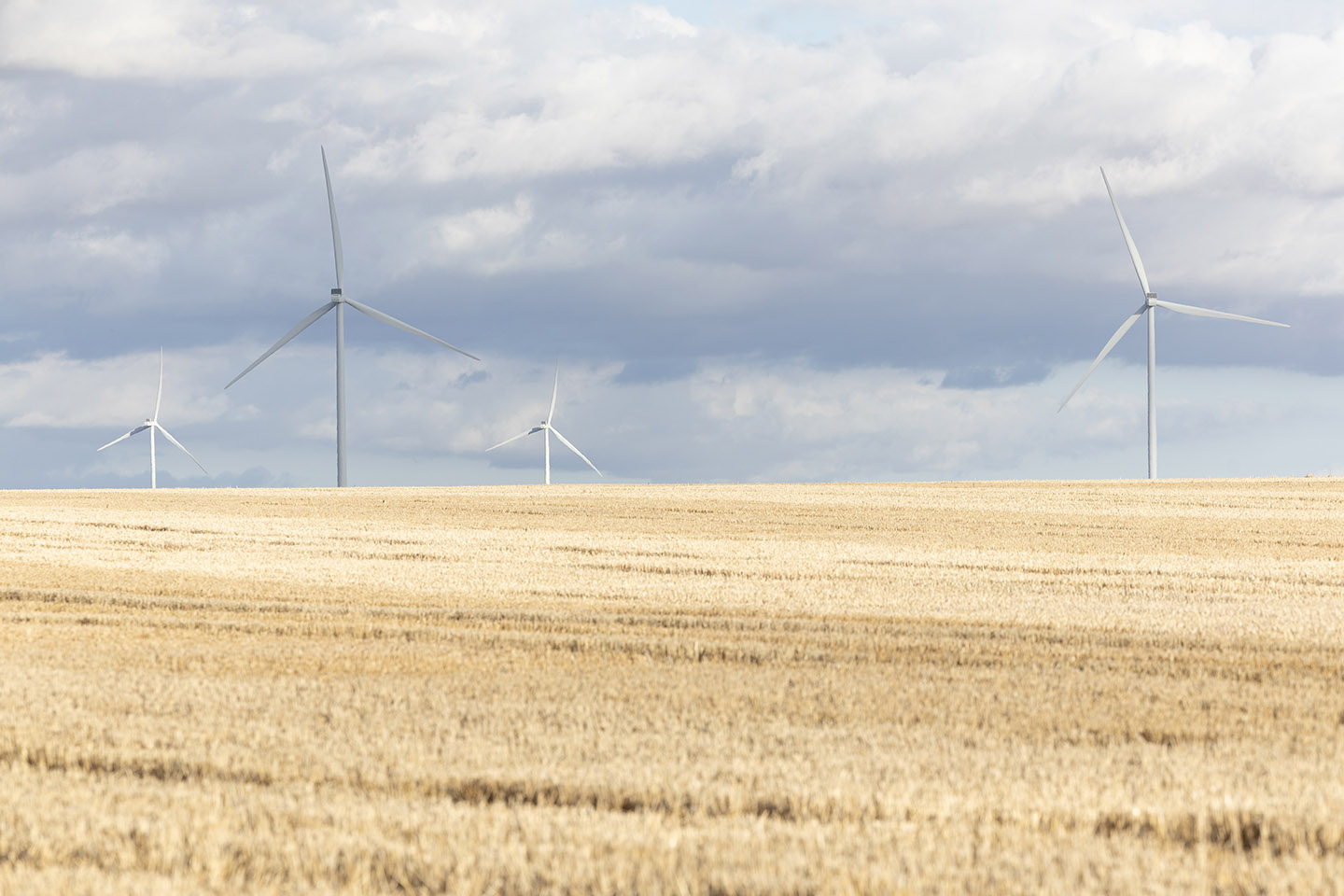
The backers of Australia’s largest proposed green energy hubs are planning on plugging up to 9.4 gigawatts of data centre capacity into the project and are promising to do so at a low cost.

Continue Reading

Business

PFC Q4 Results: Profit rises 24% to Rs 6,325 crore as interest income grows

Published

on

PFC Q4 Results: Profit rises 24% to Rs 6,325 crore as interest income grows
Power Finance Corp reported a strong rise in fourth-quarter profit, driven by higher interest income and lower impairment on financial instruments during the quarter ended March 2026. The state-run power sector lender posted net profit of Rs 6,325 crore in Q4 FY26, compared with Rs 5,109 crore in the corresponding quarter last year, registering growth of 24%.

Profit before tax rose 27% YoY to Rs 7,764 crore from Rs 6,101 crore in the year-ago quarter.

Total income for the quarter increased 3% to Rs 15,348.23 crore compared with Rs 14,944 crore reported in Q4 FY25. Revenue from operations stood at Rs 15,319 crore, up 3% YoY.

Interest income, which remains the company’s primary revenue driver, rose 1% to Rs 13,925 crore from Rs 13,721 crore a year ago. Dividend income increased 2% to Rs 1,177 crore during the quarter, while fee and commission income surged more than 231% to Rs 217 crore from Rs 65 crore in the corresponding period last year.

Advertisement

On the expenditure side, total expenses declined 10% YoY to Rs 7,584 crore from Rs 8,842 crore in Q4 FY25.


Finance costs increased 8% to Rs 8,403 crore compared with Rs 7,794 crore a year earlier. However, the company reported a sharp reversal in impairment on financial instruments, recording a write-back of Rs 1,382 crore during the quarter against an impairment expense of Rs 444.71 crore in the year-ago period. That significantly supported overall profitability.
Net translation and transaction exchange losses rose to Rs 309 crore from Rs 261 crore in the corresponding quarter last year.For the full financial year FY26, PFC reported net profit of Rs 20,051 crore, up 16% from Rs 17,352 crore in FY25. Annual profit before tax increased 17% to Rs 24,774 crore from Rs 21,172 crore in the previous financial year.

Total income for FY26 rose 10% YoY to Rs 58,541 crore, while revenue from operations increased 10% to Rs 58,504 crore.

Interest income for the full year climbed 10% to Rs 55,073 crore compared with Rs 49,875 crore in FY25. Fee and commission income also rose sharply by 166% to Rs 478 crore. Total annual expenses increased 6% to Rs 33,767 crore from Rs 31,955 crore in FY25.

(Disclaimer: Recommendations, suggestions, views, and opinions given by experts are their own. These do not represent the views of the Economic Times.)

Advertisement
Continue Reading

Business

How Businesses Are Trying To Cut Down On Rising Sick Days

Published

on

How Businesses Are Trying To Cut Down On Rising Sick

The idea of “chucking a sickie” is something that many Aussie workers seem incredibly comfortable doing. Many phone in to work with claims of being too sick to come in, while others are genuinely unwell. When you zoom back and look at the national average, most employees took around 14 sick days in the last year, a staggering 23% increase over the last five years alone. What’s more, this habit ends up costing businesses $7.3 billion a year due to lost work – according to a 9News report, at least.

It creates a situation where businesses need to cut down on the ever-rising sick days, but what’s being done to solve this problem? Unfortunately, companies need to work on two fronts to take care of the issue:

  • ● Prevent employees from getting sick at work
  • ● Remove the need for employees to “chuck a sickie” and fake being ill

When you look at the latest trends throughout the modern workplace, you’ll find a few ideas floating around.

Invest In Cleanliness

A lot of businesses now realise that a clean workplace yields serious productivity benefits. When a lot of people share the same space day after day, all manner of germs will generate and sit on surfaces. While most airborne viruses – like the cold and flu – don’t tend to live that long when on surfaces, the problem stems from how frequently people are in the office. You leave at 5pm and return the next day just before 9am, which doesn’t give the germs enough time to perish.

As a result, people get sick because someone passes it around at work, but this can be solved with a commercial cleaning company. Businesses are hiring cleaning companies to cleanse their offices at the end of each day, removing germs and reducing the chances of people passing things to one another.

Advertisement

Furthermore, a lot of businesses invest in better ventilation systems to help recycle the air inside their office and prevent all of these viruses from floating around. You end up with offices that are always clean when you start the day, and always have fresh air circulating around. Both help to reduce the spread of germs in the workplace, which cuts down on genuine sick days.

Improve General Health & Safety Practices

Some employees will take sick days because they have a physical issue, not an illness. Unfortunately, this can happen as a direct result of where they work:

  • ● Employees trip or slip over and injure themselves
  • ● Poor desk setups and chairs create chronic back/neck pain
  • ● An individual burns themselves in the office kitchen space

All manner of things can go wrong when a company doesn’t have the correct health & safety practices in place. Businesses are beginning to realise how important this is, and so they aim to improve general health & safety in the workplace. It’s all about reducing the chances for accidents of any kind to happen, but it’s also about creating “healthier” work environments for employees.

To touch on that final point, you see businesses invest in more ergonomic workstations for their employees to achieve better comfort and lower the chances of things like back or neck pain. Aside from creating a workplace that’s less likely to cause injuries or accidents that result in sick days, improving health & safety practices can stop a business from dealing with endless employee lawsuits.

Encourage Flexible Working Patterns

Organisations utilise the first two ideas in a bid to cut down on genuine sick days by keeping employees healthy and free from injuries. With that in mind, the idea to encourage flexible working patterns sort of does the same thing while also tackling the “chuck a sickie” generation.

Advertisement

Employees are more likely to take time off work and fake being sick when they feel burnt out, or the prospect of going into work seems like too much of a chore. It’s partly why the unemployment rate continues to rise, but companies are beginning to address this by encouraging more flexible working patterns.

Instead of working a full five-day week in the office with a strict 9-5, many businesses now let their employees work from home. This can be a permanent solution in some cases, but in others, there’s a nice split between working in the office and then working from home. The common approach is to let people work from home on Friday so the week “feels” shorter – and some businesses even allow their employees to work from home on Monday.

You end up in a situation where employees get more flexibility, which improves their mental health and reduces burnout. As such, you cut down on the number of sick days someone might take for their mental health. At the same time, you’re less likely to see people “chuck a sickie” when they have workplace flexibility. The prospect of going to work feels easier to deal with when you can work from home on a Monday or Friday.

Offer Generous Paid Leave

The elephant in the room is that many employees take sick days or fake being ill because they don’t get enough paid time off from their employers. Someone is infinitely more likely to pretend to be sick so they can have a few extra days off a year if they only get the bare minimum in PTO.

Advertisement

So, while it may seem counterproductive, businesses can genuinely save money and cut down on sick days by offering generous paid leave benefits to employees. If you give your workers enough time off each year, they aren’t going to “chuck a sickie” every couple of months. This is especially true if you’re flexible with your paid leave system and people don’t have to book time off months in advance.

There’s no denying that we’re dealing with a sick day problem in the workforce, but there are simple solutions to address this. Businesses need to be more generous with paid leave, for one, but they should also implement flexible working schedules, improve office health & safety, and create a cleaner work environment that less likely to make people sick. This enables you to tackle both of the problems at hand: people keep getting sick, and people keep faking sickness.

Continue Reading

Business

B&G Foods, Inc. (BGS) Q1 2026 Earnings Call Transcript

Published

on

OneWater Marine Inc. (ONEW) Q1 2026 Earnings Call Transcript

Operator

Good day, and welcome to the B&G Foods, Inc. First Quarter 2026 Financial Results Conference Call. Today’s call, which is being recorded, is scheduled to last about 1 hour, including remarks by B&G Foods management and the question-and-answer session. I would now like to turn the call over to AJ Schwabe, Senior Associate, Corporate Strategy and Business Development for B&G Foods. AJ, please go ahead.

AJ Schwabe
Senior Associate of Corporate Strategy & Business Development

Advertisement

Good afternoon, and thank you for joining us. With me today are Casey Keller, our Chief Executive Officer; and Bruce Wacha, our Chief Financial Officer. You can access detailed financial information on the quarter in the earnings release we issued today, which is available at the Investor Relations section of bgfoods.com.

Before we begin our formal remarks, I need to remind everyone that part of the discussion today includes forward-looking statements. These statements are not guarantees of future performance, and therefore, undue reliance should not be placed upon them. We refer you to B&G Foods’ most recent annual report on Form 10-K and subsequent SEC filings for a more detailed discussion of the risks that could impact our company’s future operating results and financial condition.

B&G Foods undertakes no obligation to publicly update or revise

Advertisement
Continue Reading

Business

Why Patients Fly from All Over the World to See Dr. Andrew Jacono

Published

on

Why Patients Fly from All Over the World to See Dr. Andrew Jacono

The waiting list at Dr. Andrew Jacono’s Park Avenue practice includes patients from Europe, the Middle East, Latin America, and Asia. They are not traveling to New York for a lack of options in their home countries.

They are traveling because the extended deep-plane facelift technique Dr. Jacono developed and published has become one of the most referenced approaches in facial plastic surgery.

A Technique That Moved Through the Field

Dr. Andrew Jacono, a dual board-certified facial plastic and reconstructive surgeon, developed the Minimal Access Deep-Plane Extended (MADE) facelift in the early 2000s. The procedure lifts skin, muscle, and fat as a single cohesive unit rather than separating the skin from the tissue beneath it, then releasing the retaining ligaments that hold facial structures in their descended positions. The result is a vertical repositioning of the midface, jawline, and neck, addressing the structural causes of aging rather than its surface appearance.

Vogue Turkey, covering the procedure’s anatomy in April 2026, noted that Dr. Jacono is considered worthy of the “Deep Plane King” nickname among his colleagues. His own explanation of the approach is direct: “This procedure focuses on freeing and repositioning deep muscle and fat layers, rather than stretching the skin.” The publication reported that by working in the natural anatomical layers of the face, “pain and healing process is more comfortable than expected in most cases.”

That technical precision has earned peer endorsement at the highest levels of the surgical community. Dr. Gregor Bran, a facial plastic surgeon, described Dr. Jacono’s influence in a widely circulated Instagram reel: “He is the reason everybody’s talking about Deep Plane facelift surgery. He has taught everybody who is good everything he knows… not one person in the presentations didn’t have a picture with Andrew visiting Andrew at some point in their careers.”

Advertisement

What Draws Patients Across Borders

The clinical data behind the technique is part of what draws international patients to consult with Dr. Andrew Jacono directly. His first published series, documented in Aesthetic Surgery Journal in 2011, covered 153 patients and established the foundational outcomes for the approach. A 2019 follow-up publication introduced further refinements for jawline rejuvenation and lower-face volumization. He now performs approximately 250 deep-plane facelifts annually at his Manhattan practice.

Results from the extended deep-plane facelift last 12 to 15 years, roughly twice as long as standard SMAS procedures, because the deeper tissue repositioning holds its structure over time rather than relying on surface tension that gradually loosens. Key factors affecting that longevity include technique, lifestyle, skin quality, and care.

The patient base reflects the procedure’s reach. Dr. Jacono has been featured in The New York Times, Forbes, Harper’s Bazaar, Marie Claire, and The Wall Street Journal, among others. He has appeared on Good Morning America, CNN, and CNBC. His 2019 consumer book, The Park Avenue Face, brought his surgical philosophy to a general readership, and his 2021 medical textbook, The Art and Science of Extended Deep Plane Face Lifting, documented his technique for surgical peers worldwide.

Recognition That Extends Beyond New York

Dr. Andrew Jacono has delivered lectures at Harvard, Yale, Stanford, Columbia, and the University of Pennsylvania, and has presented clinical research and conducted live surgery at more than 100 plastic surgery meetings and symposiums globally, including those hosted by the International Master Course on Aging Skin (IMCAS), the European Academy of Facial Plastic Surgery (EAFPS), and the International Society of Aesthetic Plastic Surgery (ISAPS).

Advertisement

His academic role as Fellowship Director for the American Academy of Facial Plastic and Reconstructive Surgery has extended his influence further. Dr. Andrew Jacono has served for most of his career in that position, training Fellows from the AAFPRS in advanced techniques, which means surgeons working in practices across the country and internationally carry his methodological approach forward in their own operating rooms.

Harper’s Bazaar named him among the 24 best plastic surgeons in America. He has received the Most Compassionate Doctor Award consecutively from 2012 to 2022, an honor given to fewer than 3% of physicians.

Advertisement
Continue Reading

Business

Hopes for 5,000 North East jobs in AI are the ‘absolute minimum’, regional leader says

Published

on

Business Live

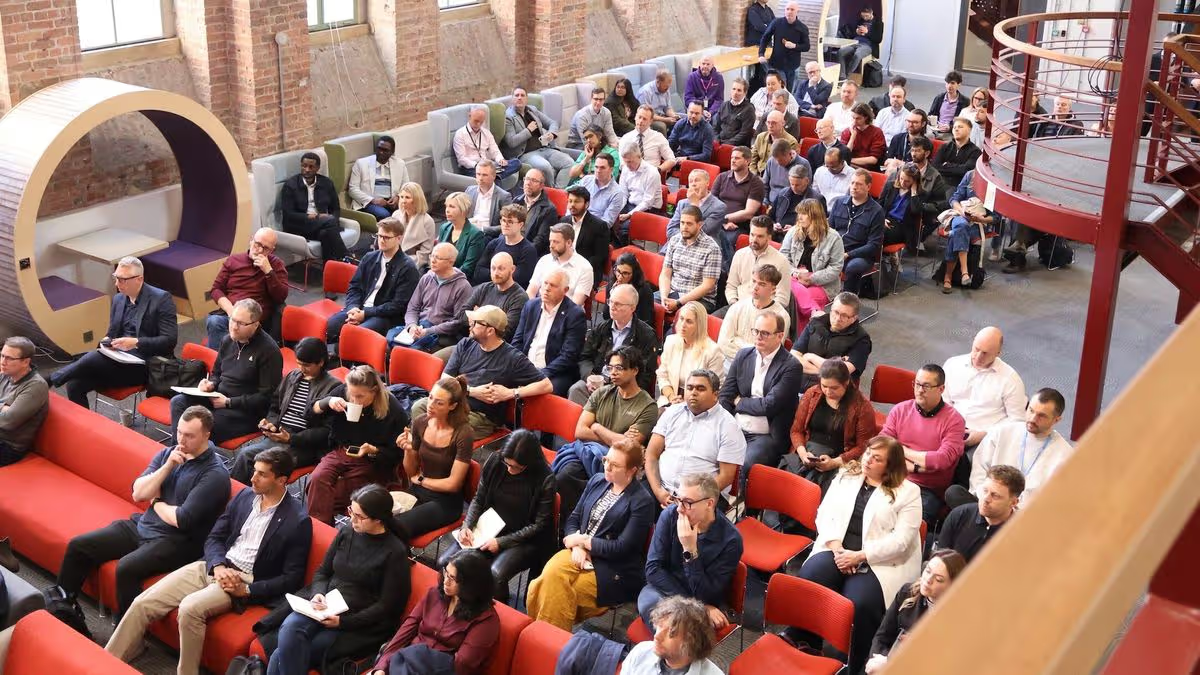
A meeting in Newcastle has heard that the country’s first AI Growth Zone in the North East could bring thousands of jobs and billions of pounds in investment

AI event at Atom Bank in Newcastle

AI event at Atom Bank in Newcastle(Image: Software City)

A target for the North East AI growth zone to create 5,000 jobs and attract £30bn in private investment should be the “absolute minimum”, a leading official in the region has said.

Rob Hamilton, assistant director for economic strategy and innovation at the North East Combined Authority, made the confident claim as the new Government body to support companies in artificial intelligence – Sovereign AI – held its first roadshow in Newcastle yesterday.

The Government created the UK’s first AI growth zone in the North East last September, with other areas following in Scotland, Wales and Oxfordshire. It is hoped each area will accelerate the use of AI to boost local economies, as well as increasing skills in the technology for young people.

Mr Hamilton – speaking at Newcastle’s Pattern Shop, once part of the Stephensons’ railway works and now the home of Atom Bank – said he was “delighted” with the progress made on the North East growth zone in recent months, including work on data centres at Cambois and Cobalt.

Advertisement

He said the North East was better placed to have the energy needed for those data centres, which would lead to the region having nationally important assets to help greater adoption of AI.

He said: “In terms of the outcomes, it’s pretty simple really: it’s about jobs, it’s about productivity growth, it’s about engaging with young people, it’s about rising skills and it’s about growing tech businesses in the region.”

Mr Hamilton added that a fully worked-up plan for the growth zone would be produced in the coming months and that “getting on with it” had been the message from the Government and North East mayor Kim McGuinness.

The region is benefiting from a £10bn investment from global financiers Blackstone into a massive data centre at Cambois, near Blyth, which it is hoped will attract more technology businesses to the region. But plans for a second centre at Cobalt were dealt a blow when global AI firm OpenAI said its plans for investing in the UK were being shelved until the “right conditions” allow for long-term investment in the UK’s infrastructure.

Advertisement

Yesterday’s meeting also heard from Will Bushby, ventures lead at Sovereign AI, the new body that has been set up to invest in UK AI companies in an effort to keep the country at the forefront of adoption of the new technology. He said the organisation was “looking to back world leading companies”, particularly firms that were taking artificial intelligence into new areas.

Answering a question from BusinessLive, he had to admit that all three of the organisation’s investments to date had been into London firms, a pattern seen with other Government efforts to boost business growth and innovation. He said that “we want to invest in the best companies wherever they are in the UK” and that, as a native of Leeds, he was “passionate” about supporting companies around the UK.

Separately, 30,000 primary school children in the North East are to gain AI and digital tech skills and 1,000 teachers will be helped to teach AI thanks to new funding from North East mayor Kim McGuinness. The skills drive will see a £750,000 investment from the North East Combined Authority and £1.5m from the Government.

Science and Technology Secretary Liz Kendall said: “The North East is already showing how AI can deliver for working people, with billions of pounds invested and thousands of new jobs on the way, as businesses and government work together to make the region a leader in Britain’s AI future. We’re investing in that progress for the long term. By giving young people the AI skills they need, supporting start-ups and acting to bring more women into tech we can keep talent and opportunity in the North East.

Advertisement

Ms McGuinness said: “The North East is the one to watch when it comes to cutting-edge tech and AI as we work to make sure everyone benefits from our AI growth zone. We’re already working closely with local employers, training providers and schools to make the North East the best place to live, work and thrive when it comes to tech.

“But we know we need to go further to make sure local people really benefit from more opportunities than ever before. That’s why we’re investing in training so our young people can make the most of the exciting opportunities around AI and working with some of the region’s brightest companies to support more women and girls in the tech sector.”

Like this story? For more news from the tech sector, visit our dedicated page for the latest news and analysis here.

Advertisement
Continue Reading

Business

Arafura locks in funding, US offtake for Nolans

Published

on

Arafura locks in funding, US offtake for Nolans

Arafura expects to lock in an FID for its rare earths play before June 30.

Continue Reading

Business

Manappuram Finance, IIFL Finance, other stocks rally up to 11% as gold prices soar after import duty hike

Published

on

Manappuram Finance, IIFL Finance, other stocks rally up to 11% as gold prices soar after import duty hike
The shares of gold-financiers Manappuram Finance, Muthoot Finance and IIFL Finance rallied up to 11% on Wednesday as gold prices jumped following the government’s move to hike import duty on the precious metal to 15%.

The government introduced the import duty hike in order to stop the rupee’s free fall and moderate non-essential imports during a period of heightened global uncertainty linked to the Iran-US conflict, which continues to keep oil prices elevated above the $100 per barrel mark.

In the domestic market, MCX gold futures for June expiry jumped Rs 11,055 or more than 7% to Rs 1,64,497 per 10 grams today. The contracts with August and October expiries also surged more than 6% each.

The move came after Prime Minister Narendra Modi on Sunday urged citizens to reduce purchases of non-essential gold over the next one year. Speaking at Hyderabad’s Secunderabad, Modi said that the move could help reduce the pressure on foreign exchange reserves and imports.

Advertisement

“India continues to remain the world’s second-largest consumer of gold after China, with demand primarily driven by the jewellery industry…Higher duties are expected to reduce precious metal imports, support the rupee, and help narrow the trade deficit,” said Sumit Singhania, Research Head at Bajaj Broking.

Why are gold financier stocks rallying today?

Manappuram Finance, Muthoot Finance and IIFL Finance provide loans with gold as collateral. Rising gold prices will increase the value of the pledged collateral. Since gold loans are sanctioned based on the per-gram valuation of gold, higher prices can allow borrowers to access a higher loan amount without pledging additional jewellery, which in turn boosts demand.
IIFL Finance shares rallied nearly 11% to trade at Rs 493.20 apiece on Wednesday, the highest level since the end of February. Notably, the company said it has adequate factual and legal grounds to substantiate its position and does not expect any material impact on its financials or operations after Mumbai’s IT authority sent a tax demand notice for nearly Rs 476 crore.
Muthoot Finance shares jumped over 4% while Manappuram Finance shares surged around 5% on Wednesday. “Gold financing firms, including Muthoot Finance and Manappuram Finance, are likely to benefit from higher collateral values of gold loans,” said Sumit Singhania from Bajaj Broking.

(Disclaimer: Recommendations, suggestions, views and opinions given by the experts are their own. These do not represent the views of The Economic Times)

Advertisement
Continue Reading

Business

Top 5 Gainers Lead Rally as Commodities Surge on May 13

Published

on

Tesla's robotaxi launch in Texas comes as Elon Musk focuses on his business ventures following his stint in Washington

LONDON — The FTSE 100 pushed higher Wednesday as mining stocks and specialist services firms dominated the leaderboard, with Intertek Group leading gains amid strong sector rotation toward commodities and industrial testing services.

By mid-morning on May 13, 2026, the blue-chip index had climbed around 0.5% to trade near 10,318, extending recent momentum. Mining heavyweights benefited from firm metal prices, while testing and certification leader Intertek surged on positive sentiment and possible contract momentum.

Here are the top five FTSE 100 gainers on the session:

1. Intertek Group (ITRK) — Up more than 6.7% to around 5,660 pence. The quality assurance and testing services provider saw its shares jump sharply, adding over 360 pence. Investors appeared to reward the company’s diversified global operations and resilience in industrial and consumer testing segments.

Advertisement

2. Metlen Energy & Metals — Advanced roughly 4.1% to 39 pence. The diversified energy and metals group continued to attract buyers on commodity strength and operational updates.

3. Anglo American — Rose nearly 3.8% to 4,045 pence. The diversified miner gained as copper and other industrial metals held firm amid global demand signals from Asia and infrastructure spending expectations.

4. Antofagasta — Climbed about 3.5% to 4,094 pence. The Chilean copper producer benefited from the same tailwinds lifting peers, with copper prices supported by supply concerns and long-term electrification trends.

5. Rio Tinto — Gained around 3% to 8,155 pence. The Anglo-Australian mining giant rounded out the top performers, riding higher iron ore and copper sentiment.

Advertisement

These moves highlight the FTSE 100’s heavy exposure to global commodities. Miners often lead or lag the index based on metal price cycles, and Wednesday’s action reflected renewed optimism in the resources sector.

Intertek’s outsized gain stood out in a session otherwise dominated by resource names. The company provides testing, inspection and certification across industries from oil and gas to pharmaceuticals and consumer goods. Analysts note steady demand for its services amid regulatory tightening and quality focus worldwide. Recent trading updates have shown resilience despite macroeconomic uncertainties.

Mining stocks’ performance tied directly to commodity markets. Copper prices remained elevated due to ongoing supply disruptions in key producing regions and expectations of increased demand from renewable energy and electric vehicles. Anglo American and Antofagasta, with significant copper exposure, have been standout performers in 2026 so far.

Rio Tinto, a major iron ore player, also drew support from steel demand indicators in China and elsewhere. The sector’s rebound comes after periods of volatility linked to global growth concerns and trade dynamics.

Advertisement

Broader market context showed selective buying. Energy stocks like BP and Shell traded modestly higher earlier but were not in the top tier Wednesday. Defensive names and financials saw mixed fortunes as investors weighed geopolitical developments and UK domestic data.

The FTSE 100’s year-to-date performance in 2026 has been solid, driven by international revenue exposure. Dividend yields remain attractive, and the index has often outperformed more tech-heavy peers during periods of uncertainty. Mining and energy names have contributed significantly to returns alongside insurers like Beazley and asset managers like Schroders.

Commodity analysts point to structural factors supporting prices. The global energy transition requires vast amounts of copper, nickel and other metals, while iron ore benefits from infrastructure cycles. Supply constraints, including labor issues and permitting delays, add upward pressure.

For Intertek, the rally may reflect relief after any prior weakness or anticipation of strong interim results. The firm operates in over 100 countries, providing a hedge against regional slowdowns. Its services are essential rather than discretionary, supporting steady cash flows.

Advertisement

Market watchers note rotation patterns. After earlier strength in defensives and banks, capital flowed into cyclicals on signs of stabilizing growth. However, caution persists around inflation, interest rates and Middle East tensions that could impact energy and transport costs.

Trading volume was healthy in the gainers, indicating genuine interest rather than thin-market moves. Anglo American and Antofagasta saw solid turnover alongside Intertek. This breadth suggests conviction among institutional buyers.

Looking ahead, analysts will monitor upcoming corporate results and macroeconomic releases. Earnings from major miners later in the season could validate recent share price strength. For Intertek, any contract wins or margin improvements would further underpin sentiment.

The top gainers’ performance underscores the FTSE 100’s diversified nature. While technology and growth stocks dominate headlines elsewhere, London’s market offers exposure to real assets and essential services. This mix appeals to income-focused and value-oriented investors globally.

Advertisement

Challenges remain for the broader index. A stronger pound could pressure exporters, while persistent geopolitical risks might cap enthusiasm. Domestically, political and fiscal developments continue to influence gilt yields and borrowing costs.

Despite these factors, Wednesday’s movers demonstrated resilience. Miners’ gains reflect confidence in commodity supercycle elements, while Intertek’s surge highlights opportunities in non-cyclical industrial services.

Investors considering exposure to these names should weigh sector-specific risks. Mining stocks face operational, regulatory and environmental challenges, while testing firms navigate competitive landscapes and client spending cycles. Diversification via ETFs tracking the FTSE 100 or resources sub-sectors remains popular.

As the trading day progresses, focus will shift to whether early gains hold into the close. Follow-through buying could push the index toward recent highs, while profit-taking might temper advances. Corporate news flow and commodity price ticks will likely dictate direction.

Advertisement

The session’s top five gainers encapsulate current market themes: commodity strength and quality industrial plays. In an uncertain global environment, these FTSE 100 constituents offer compelling narratives for investors seeking both growth and income potential.

Continue Reading

Business

Meghan Markle Feels ‘Ashamed’ of Ailing Father Thomas Despite Health Crisis, Royal Expert Claims

Published

on

Harry and Meghan saw their negative ratings with the British public fall further after the programmes

LONDON — Royal commentator Hugo Vickers has suggested that Meghan Markle may feel “ashamed” of her estranged father, Thomas Markle, fueling ongoing speculation about the fractured family relationship even as the 81-year-old recovers from a serious health setback.

Vickers, a prominent royal historian and biographer, raised the possibility during a recent appearance on GB News. Speaking on May 9, 2026, he described it as one explanation for the continued silence between Meghan and her father, who underwent leg amputation surgery late last year and has since returned to the United States.

“I raise it as a possibility,” Vickers said, adding that he believes shame over past events might prevent reconciliation. “He was good to her when she was growing up. If you listen to what he says… you will find a decent man who must feel extremely let down.”

Thomas Markle, a retired lighting director who lives in Mexico but sought medical treatment in the Philippines, has faced declining health. Reports indicate he underwent amputation due to complications, spent time in rehabilitation, and recently returned to the U.S. Despite these challenges, sources close to the situation say Meghan, 44, has no immediate plans to visit or deepen contact.

Advertisement

The Duchess of Sussex’s team confirmed in December 2025 that she sent a letter to her father after his surgery, delivered through trusted contacts amid media scrutiny. A spokesperson cited difficulties contacting him privately due to a Daily Mail reporter’s presence at his bedside, describing it as an “unethical breach.” Thomas has publicly acknowledged receiving correspondence but maintains the relationship remains distant.

The father-daughter rift dates back to the days before Meghan’s 2018 wedding to Prince Harry. Thomas was photographed preparing for staged paparazzi pictures, an episode he later described as a mistake. He has spoken repeatedly in interviews about his desire to meet grandchildren Archie and Lilibet, whom he has never seen in person.

Vickers’ comments come as Thomas has found new companionship. In March 2026, the elder Markle revealed he is dating Rio Canedo, a 46-year-old Filipino nurse he met during recovery. The 35-year age gap has drawn attention, but Thomas described feeling “truly blessed” and at peace. He returned to the U.S. in early May after an emotional separation from Canedo in the Philippines.

Royal watchers note the contrast between Meghan’s public image as a devoted mother and family advocate and her private family dynamics. Critics argue the lack of outreach during Thomas’s health struggles undermines her brand, particularly as she promotes lifestyle projects and maintains her Duchess of Sussex title.

Advertisement

“Thomas Markle must feel extremely let down following the break-up of his family,” Vickers emphasized. The expert pointed to Meghan’s apparent reluctance to introduce her father to Harry or the children as potential evidence of deeper embarrassment.

Meghan has previously described her father as having betrayed her trust by speaking to the press. In the couple’s 2021 Oprah interview and the Netflix series “Harry & Meghan,” she detailed feeling let down by family members on both sides. Thomas, for his part, has alternated between pleading for contact and expressing frustration in media appearances.

Recent reports paint a picture of no imminent reconciliation. Insiders told Radar Online that Meghan has “no plans to see her estranged father despite his ill health,” calling it potentially “one of the most brutal family moves” she has made. Thomas continues living independently in Mexico when not seeking treatment abroad.

The saga has played out publicly for years. Thomas missed the royal wedding due to health issues and the paparazzi controversy. Subsequent attempts at communication, including letters and calls, have reportedly failed to bridge the gap. He has criticized some of Meghan’s choices while insisting the door remains open.

Advertisement

Royal author and commentator Lady Colin Campbell has echoed sentiments that Meghan may have strategically distanced herself, viewing her father as not fitting the image she sought to project. Other observers suggest class or cultural perceptions play a role, with Thomas’s working-class background and straightforward demeanor clashing with royal-adjacent expectations.

Despite the tension, Thomas has built a life post-health scare. His relationship with Canedo brought moments of happiness after a difficult period involving hospitalization and surgery. Friends describe him as resilient, though lonely at times without family nearby.

Meghan’s representatives have pushed back against narratives of total neglect. The December letter was framed as a genuine outreach effort hampered by external interference. However, Thomas’s continued media interviews suggest he feels the gesture was insufficient for full reconciliation.

Experts analyzing the situation from a branding perspective warn that the ongoing feud could harm Meghan’s public image. Kinsey Schofield, host of a royal-focused YouTube channel, noted in late 2025 that Meghan’s push for a “wholesome family-oriented brand” contrasts with the visible estrangement.

Advertisement

The couple’s life in Montecito, California, centers on their children, business ventures like Archewell, and Meghan’s lifestyle initiatives. Harry has spoken of his own family estrangements, primarily with his father King Charles and brother Prince William, but has not directly addressed Meghan’s side in recent years.

Public opinion remains divided. Supporters of the Sussexes view Thomas’s media engagements as opportunistic and blame tabloid pressure for the rift. Critics accuse Meghan of coldness, especially given Thomas’s age and health vulnerabilities. Social media amplifies both sides, with hashtags and debates trending regularly.

Vickers stopped short of definitive judgment, framing shame as one hypothesis among others. He highlighted Thomas’s positive role in Meghan’s upbringing as a “daddy’s girl,” suggesting the current distance represents a significant emotional break.

As Thomas settles back in the U.S., questions linger about whether health concerns or time will prompt a meeting. Reports indicate no travel plans from Montecito to visit him, and his new relationship may provide personal support independent of his daughter.

Advertisement

The Markle family drama extends beyond father and daughter. Half-siblings Samantha and Thomas Jr. have also made public statements, often critical, adding layers to the narrative. Meghan has described her extended family dynamics as complicated long before royal life.

For now, the possibility raised by Vickers resonates with many royal observers. Whether rooted in shame, past betrayals, or irreconcilable differences, the estrangement persists despite opportunities for healing. Thomas Markle, recovering and finding new chapters, continues to express hope tempered by resignation.

Meghan Markle has built a post-royal identity focused on independence and forward momentum. Yet the unresolved paternal relationship remains a persistent shadow, periodically reignited by health updates and expert commentary. As both navigate their separate lives, the prospect of reconciliation appears distant, leaving observers to speculate on the emotional cost to all involved.

Advertisement
Continue Reading

Trending

Copyright © 2025